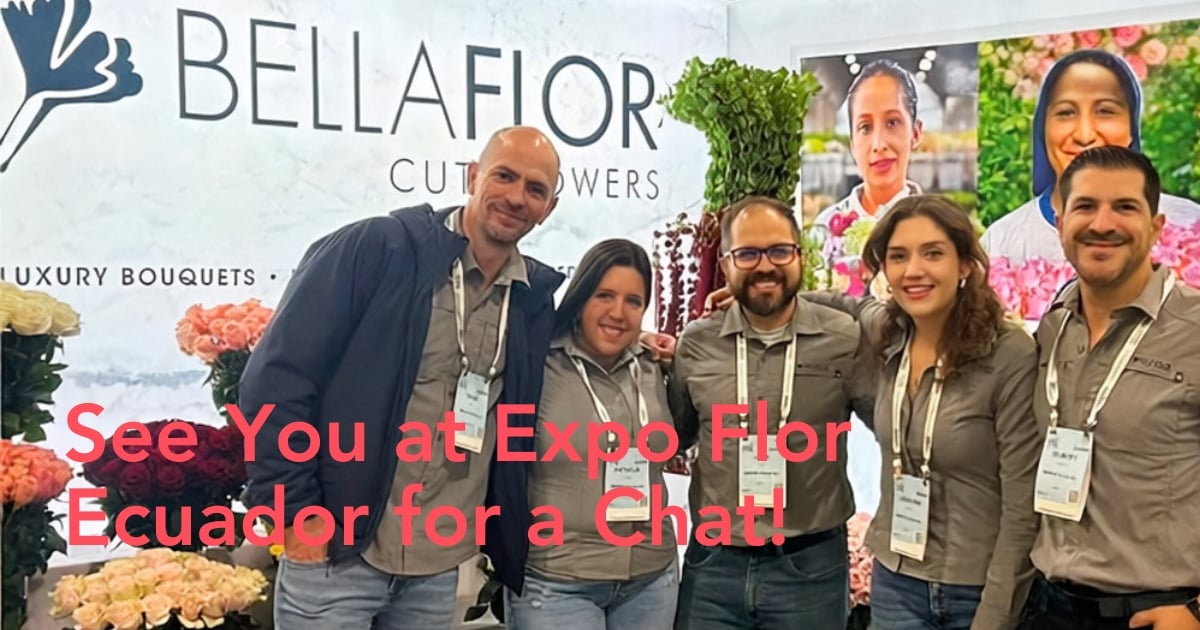
Almost forty years in floriculture is a story worth bringing to Expo Flor Ecuador. In 2027, Bellaflor Group will mark four decades of growing and exporting flowers. This year, they will be part of one of the most important gatherings in Ecuador's flower industry. From October 6–8, the Swiss-American family-owned company will be in Booth C-03, bringing together its experience in Ecuador and Ethiopia, its extensive flower portfolio, and the relationships it has built with customers and partners around the world.
The upcoming anniversary is also an opportunity to look at how its business has developed. Bellaflor operates across Ecuador and Ethiopia, growing flowers in two distinct regions and supplying customers in international markets. Their production includes roses, spray roses, summer flowers, Gypsophila, greens, botanicals, and specialty products, creating a portfolio that reflects the range of today's professional floral market.
A Swiss-American Family Business With Deep Roots in Ecuador
Bellaflor Group is a Swiss-American family-owned cut flower grower and exporter with a vast history. The company has developed its production across Ecuador and Ethiopia, two countries with very different agricultural environments, while maintaining a business structure built on family ownership.
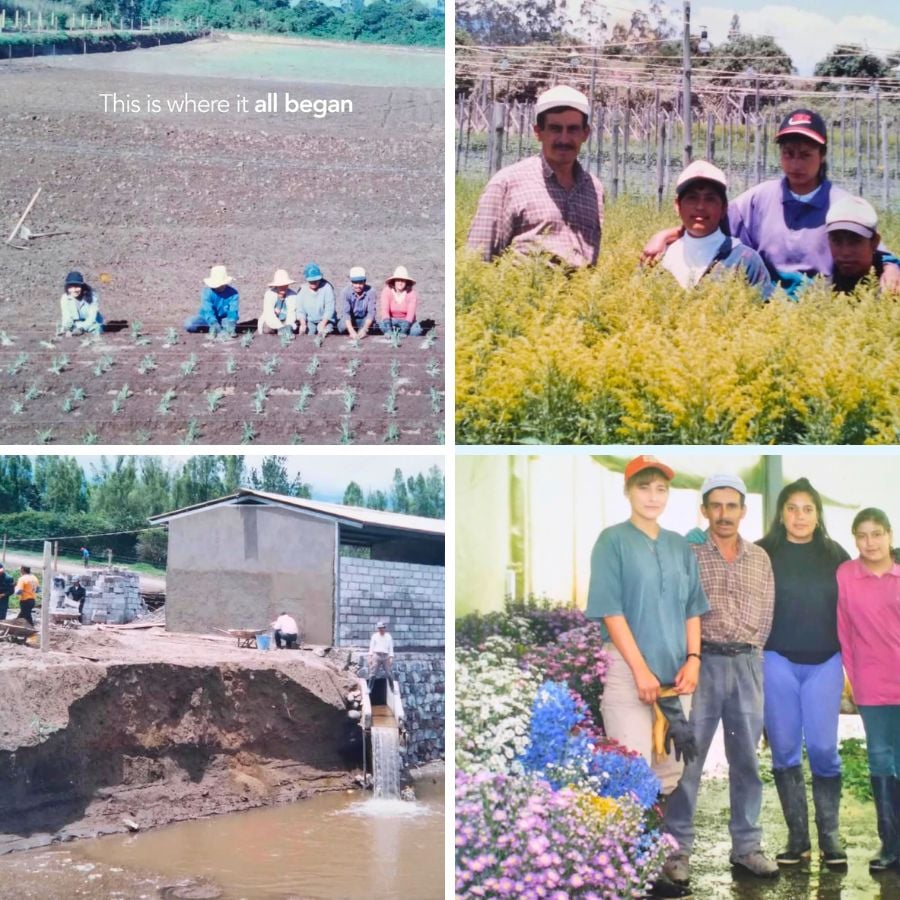
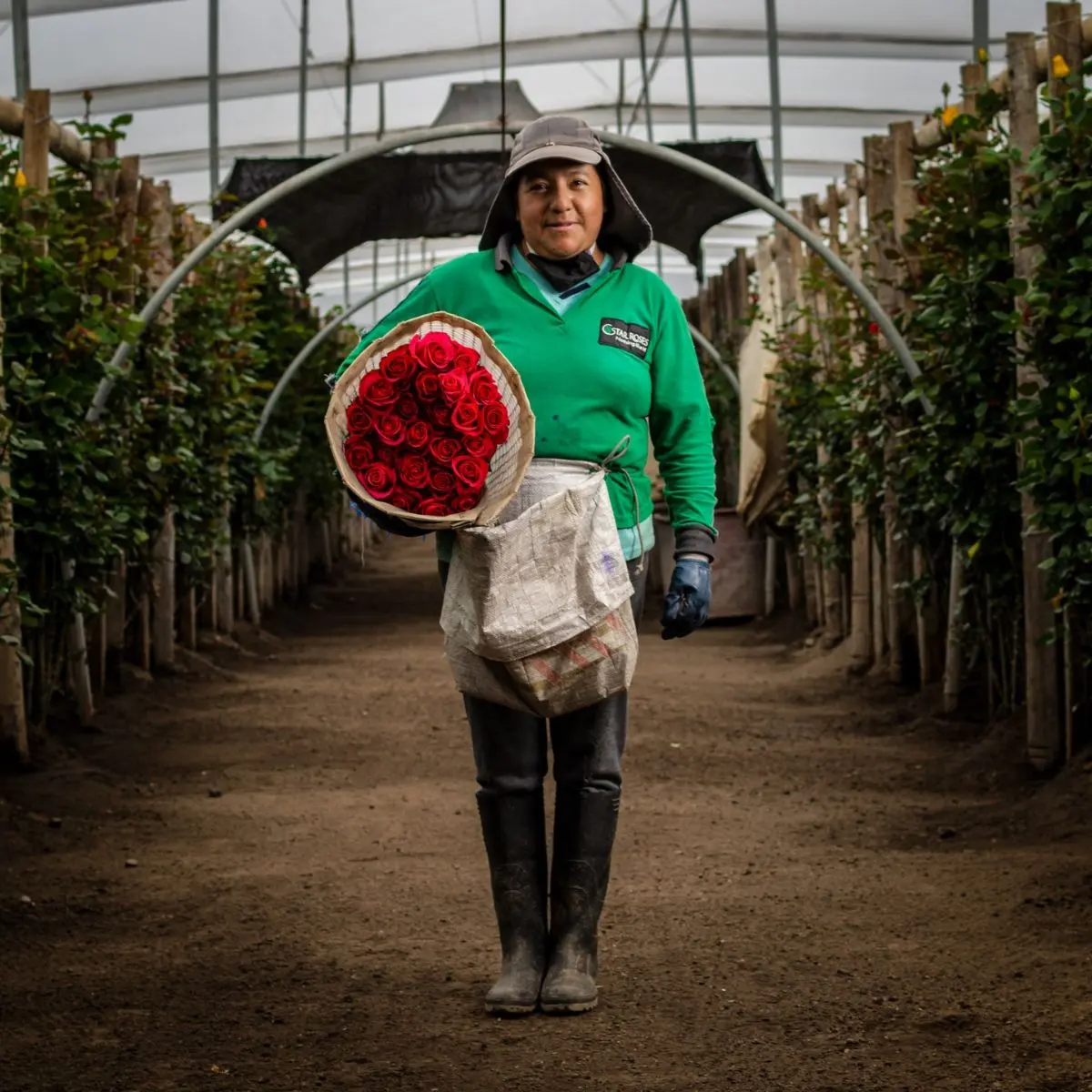
Ecuador has become an important part of that development. The country's high-altitude growing regions provide conditions that have helped establish the country as a major source of premium cut flowers, with strong natural light, elevations that can reach several thousand meters, and relatively stable temperatures throughout the year. Bellaflor's farms make use of these conditions to grow flowers for customers in international markets.
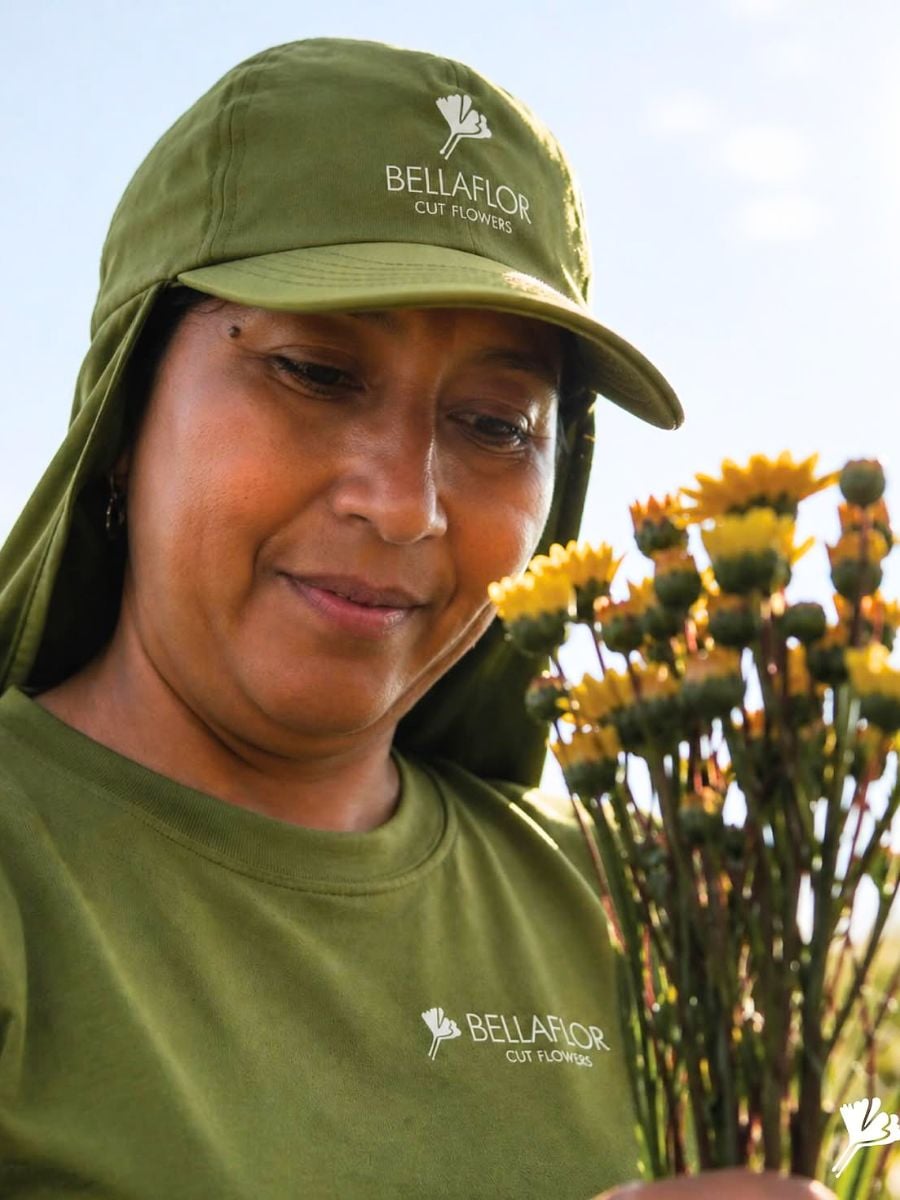
The company operates across several growing regions in Ecuador and Ethiopia, with its Ethiopian operations adding a second growing origin to the family-run business and expanding its production beyond Ecuador. Each location brings its own growing conditions, allowing Bellaflor to work with different crops and varieties across its production. Roses and spray roses form an important part of their catalog, while summer flowers and other specialty products add breadth to the company's assortment.
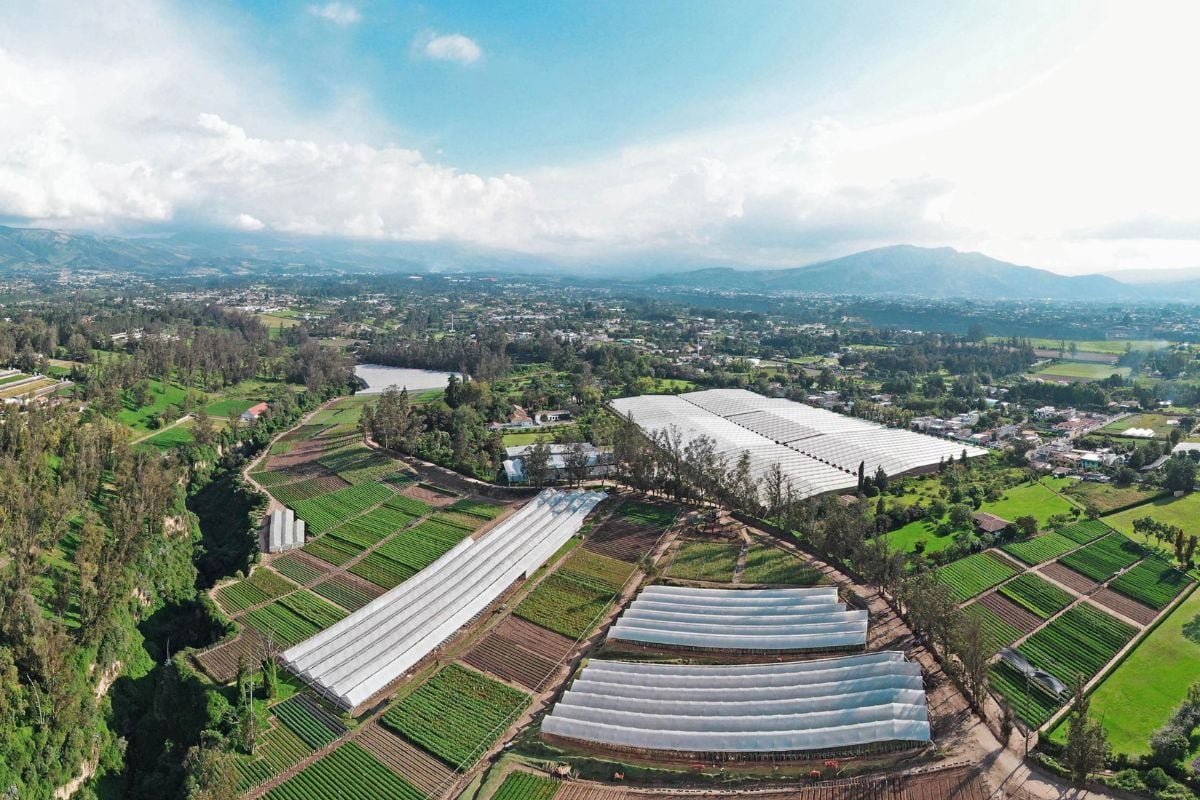
That range is significant in a market where buyers increasingly work with varied floral programs. A wholesaler preparing for a particular season, a florist sourcing for events, or a retailer developing a year-round program may need several flower categories from different growing cycles. Bellaflor's production gives its customers access to a broad selection through one established grower and exporter.
Growing Beyond the Rose
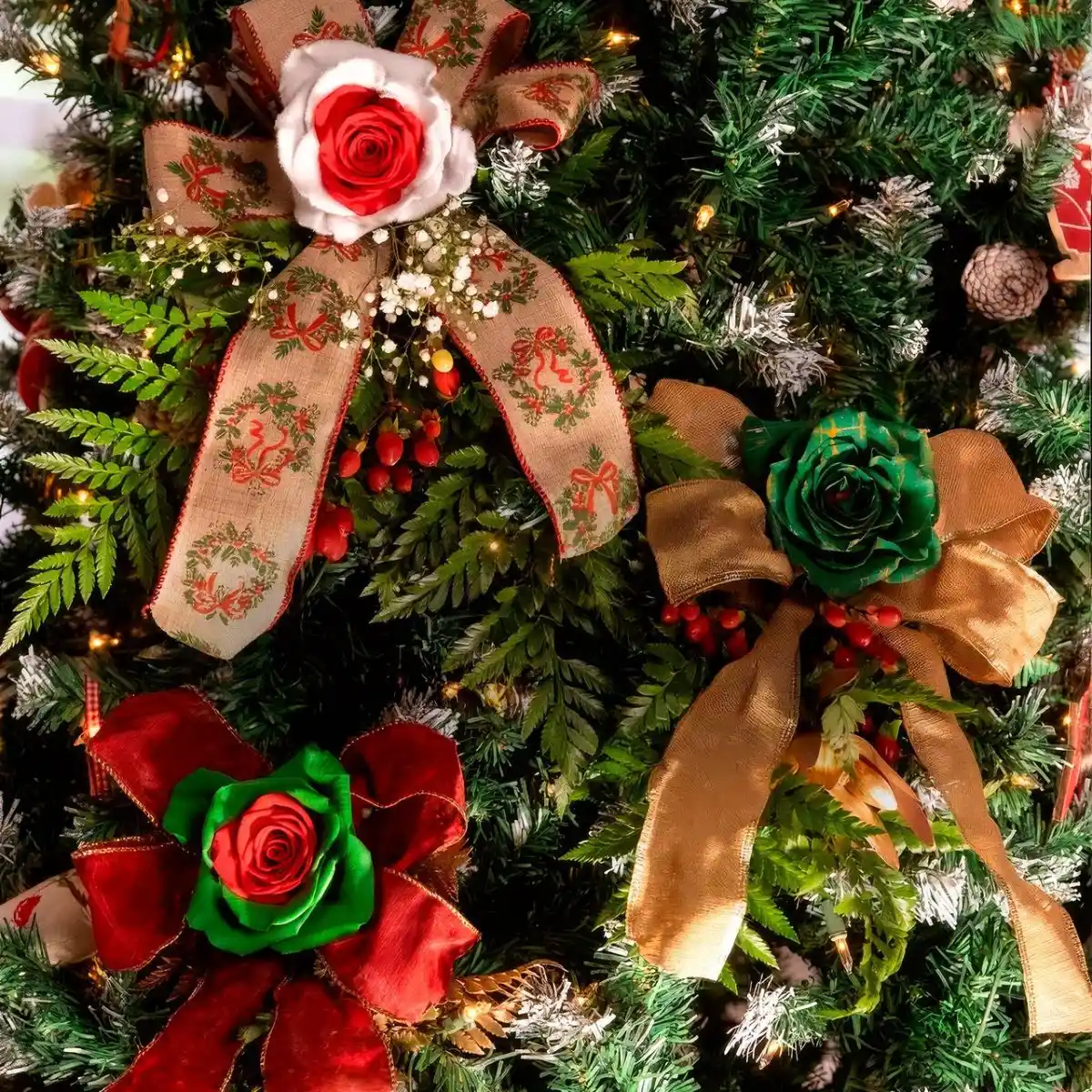
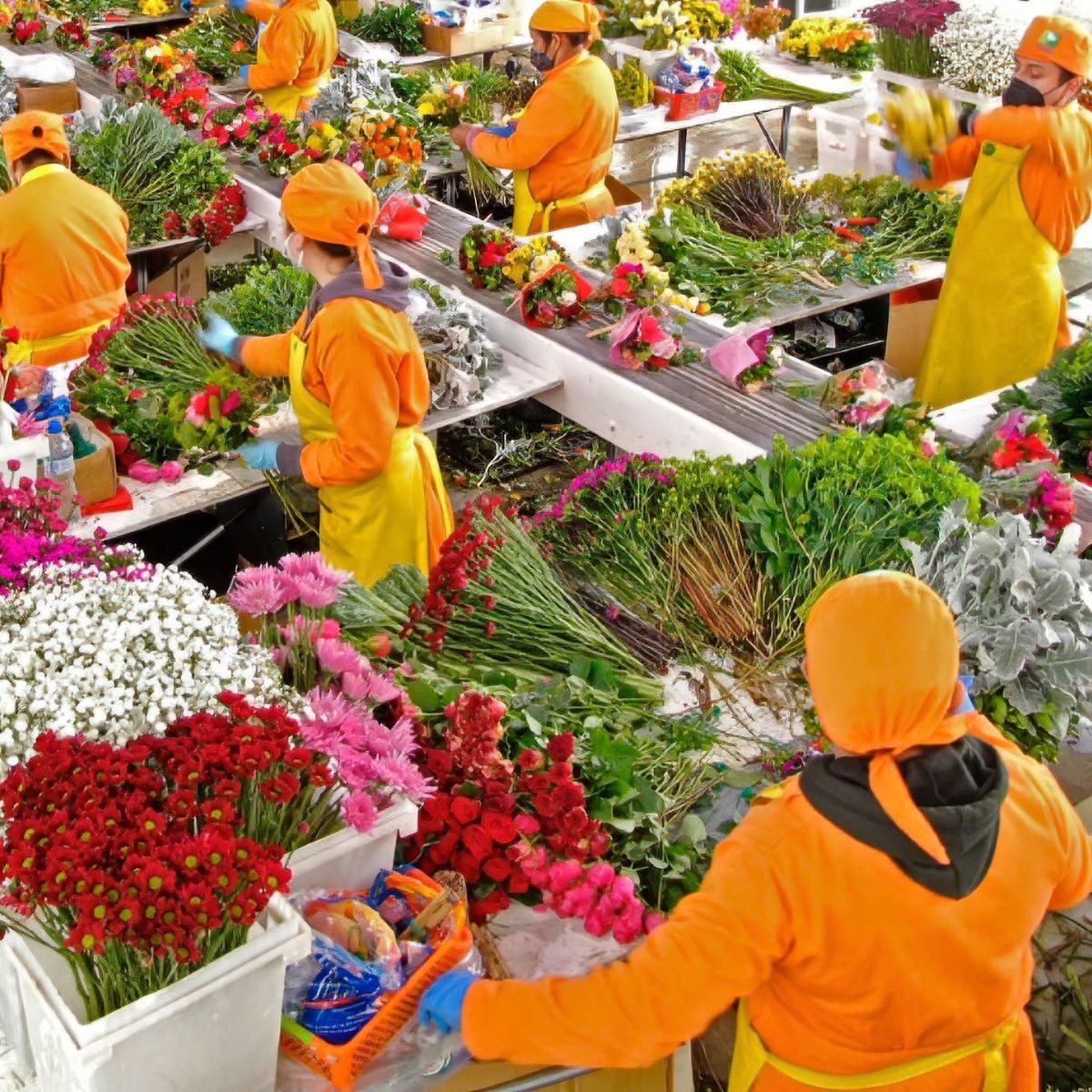
Roses have long been closely associated with Ecuadorian floriculture, and they remain an important product for the company. But their portfolio has grown to encompass considerably more. Summer flowers, Gypsophila, greens, botanicals, fillers, specialty flowers, spray roses, bouquets, and tinted products are among the categories represented in their offering. This diversity reflects a broader shift within the flower market, where buyers and designers are working with more combinations of flowers and foliage and looking for products that can give their programs a particular identity.

For growers, expanding a portfolio also requires understanding how a product performs commercially. A flower may have an attractive appearance, but its potential depends on factors such as production, availability, vase life, transport, and demand in different markets. Bellaflor's experience across its farms allows the company to evaluate products within real growing conditions and determine how they fit into its commercial offering.
The company also maintains trial areas where new varieties can be tested. This allows Bellaflor to observe how plants respond to local conditions before deciding on larger-scale production. This process helps keep a grower connected to what is happening at the breeding and customer level.
Responsible Production Across Its Farms
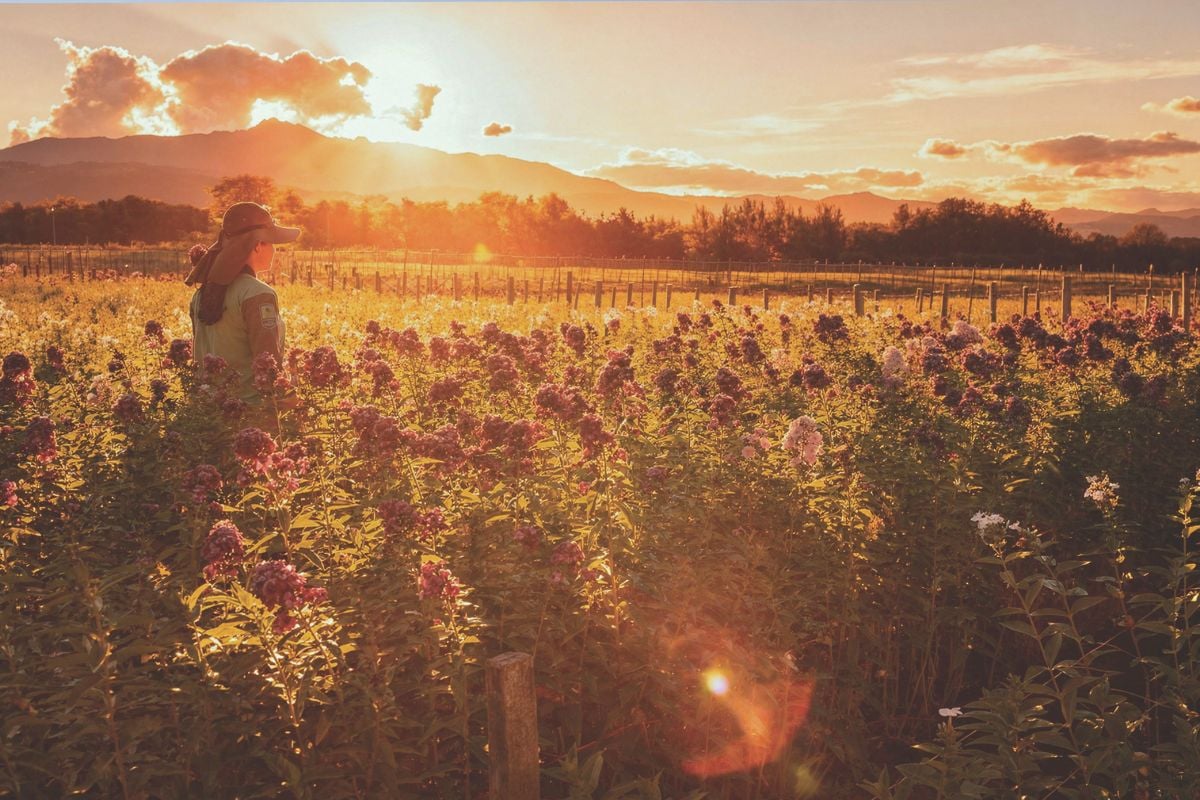
Bellaflor's development has also included a focus on responsible and sustainable production. The group holds certifications including Rainforest Alliance, Florverde, Flor Ecuador Certified, and Carbon Neutral, reflecting standards related to environmental management and social responsibility.
On the farm, responsible production involves practical decisions about resources and daily operations. Their sustainability efforts include water management, water catchment systems, recycling, composting, and integrated pest management. The company also places emphasis on employee welfare, with programs addressing areas such as transportation, meals, safety, uniforms, and medical care.
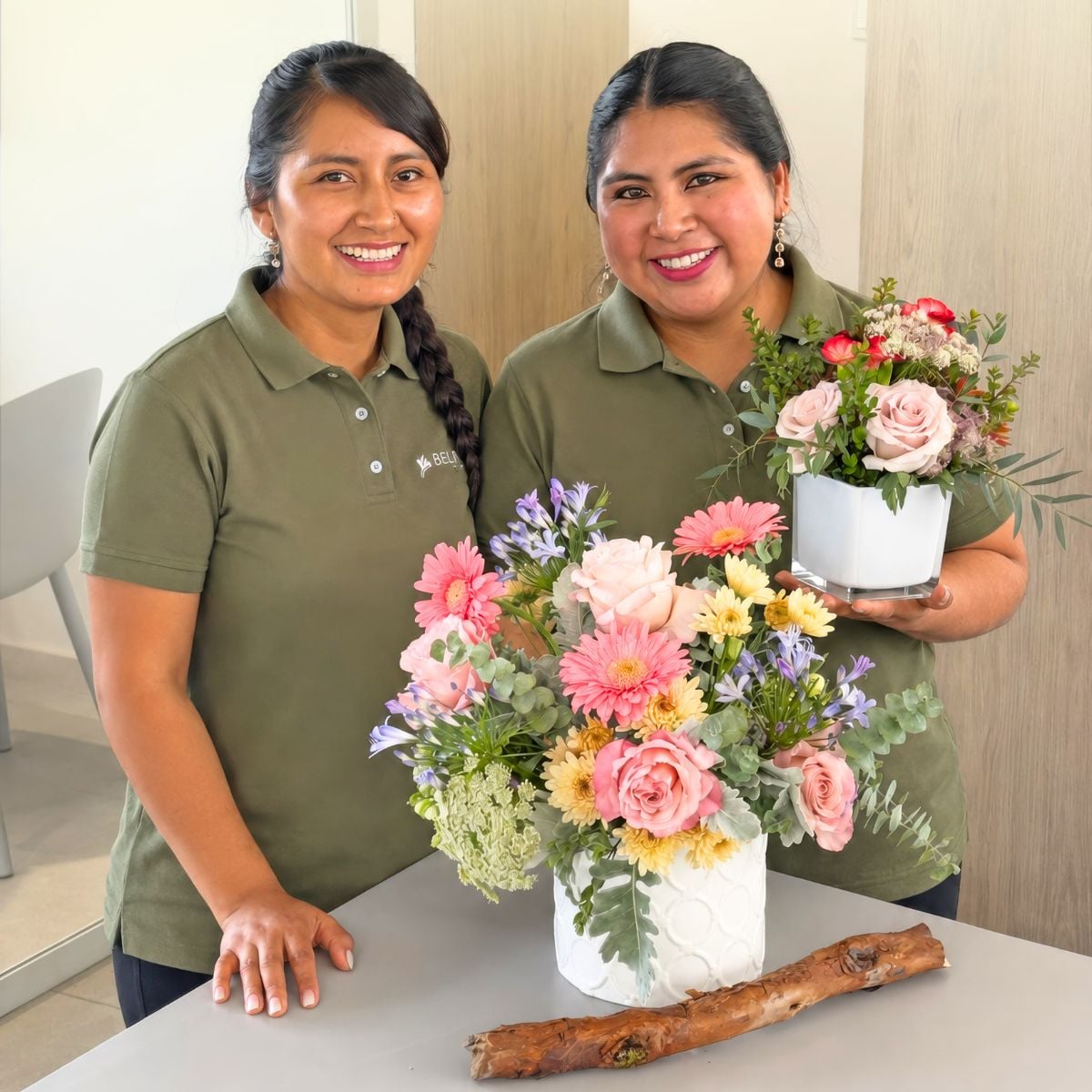
Social responsibility is something they don’t take lightly. These are some collaborations with the community and their employees.
These issues have become increasingly relevant throughout the international flower industry. Buyers and consumers want to know more about where flowers come from and how they are produced, while growers have to manage the environmental and social realities of agricultural production alongside the demands of international markets.
For Ecuadorian growers, sustainability is also connected to the long-term future of the industry itself. Protecting natural resources, supporting workers, and maintaining responsible production practices all contribute to the ability of farms to continue operating and competing in global markets. Bellaflor's certifications and production practices form part of this broader approach, linking its almost 40-year history with the challenges facing the flower business today.
Why Expo Flor Is the Most Important Fair for Ecuadorian Growers
Expo Flor has become an important meeting point for the Ecuadorian flower industry because the event brings the international market directly to the country where the flowers are grown. Organized by Expoflores, the National Association of Ecuadorian Flower Producers and Exporters, the fair brings together the different businesses that form part of the floral supply chain.
For Ecuadorian growers, this creates a valuable setting for face-to-face business. Buyers can visit the country, meet producers, compare products, discuss requirements, and establish relationships with farms. Growers, meanwhile, can learn more about the expectations of different markets and present their production directly to the people sourcing flowers.
The scale of Ecuador's flower industry makes that connection particularly important. Floriculture employs people across the country and supports a wider network of businesses involved in production, packaging, transportation, logistics, supplies, and export. The flowers grown in Ecuador ultimately travel thousands of miles to reach consumers, making international relationships an essential part of the industry.
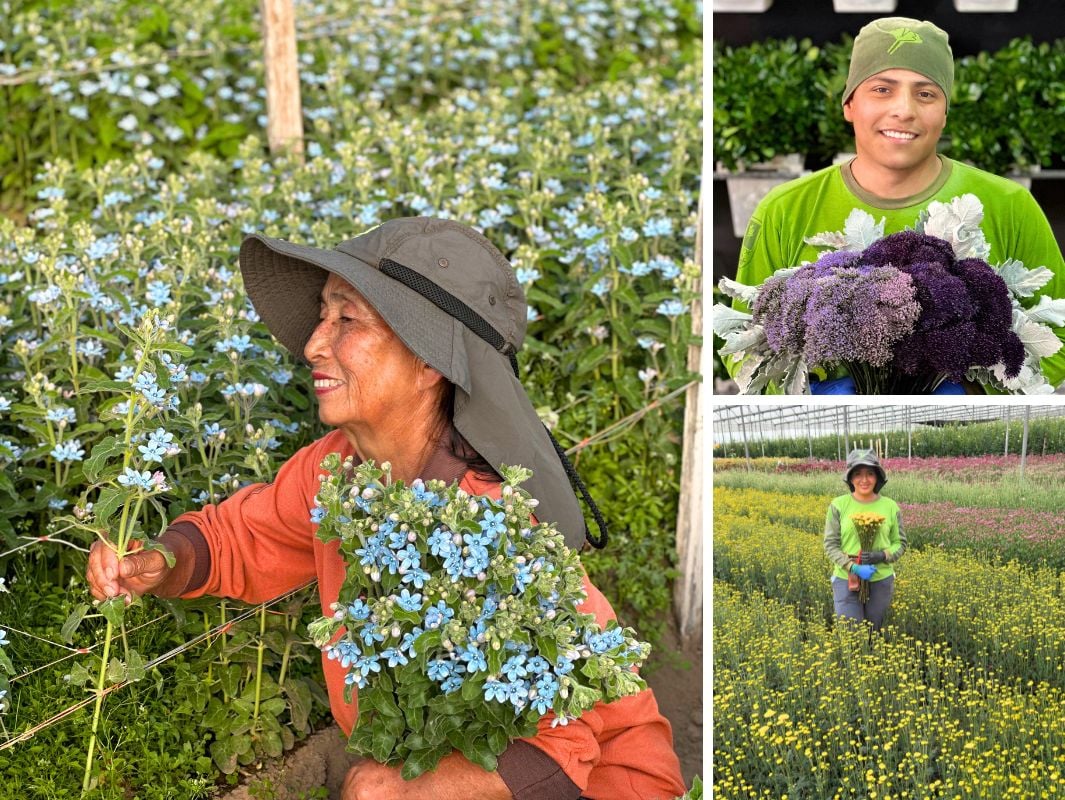
Expo Flor also gives growers a chance to show the breadth of what the country can produce. The Ecuadorian flower industry is widely known for its roses, but producers also grow a wide range of summer flowers, carnations, Chrysanthemums, Gypsophila, Alstroemeria, Gerberas, foliage, and specialty products. The fair brings that diversity together under one roof.
Roberto Crespo, Head of Marketing of the Bellaflor Group, shares:
"Expo Flor Ecuador remains one of the most important moments for us to connect with the Ecuadorian flower industry we have been part of for nearly 40 years. Being here is not just about exhibiting; it is about celebrating that connection and continuing to build the relationships that move this industry forward."
There is also a commercial side to this evolution. The relationship between grower and buyer has become increasingly important as customers seek greater consistency, specific varieties, reliable supply, and information about how flowers are produced. For an established grower, maintaining those relationships over time can be as important as introducing the next new variety.
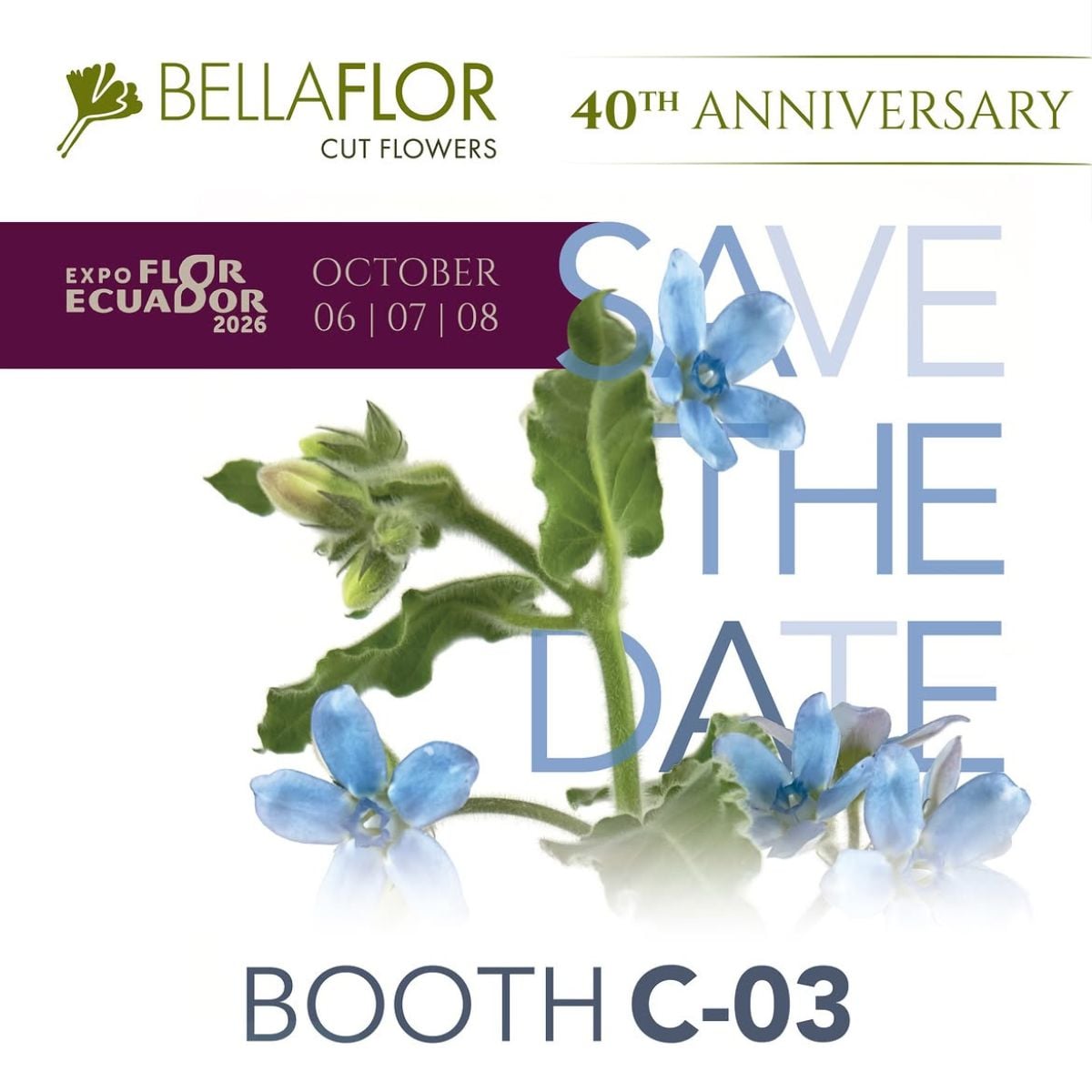
For Bellaflor, participating in Expo Flor as it approaches its 40th anniversary year connects two parts of the company's history: its long-standing presence in Ecuador and its position within the international flower trade. See you at their stand for some insightful chats!
Photos courtesy of Bellaflor Group.