Flowers have long been used to express love when words feel insufficient. Across cultures and centuries, specific flowers became associated with affection, devotion, admiration, and lasting commitment. While the Victorian era formalized these meanings into a structured language of flowers, the symbolism itself is far older and remains relevant today.
If you are looking for flowers that represent love and devotion, whether romantic, enduring, or deeply personal, the flowers below are among the most widely recognized and meaningful choices.
Alstroemeria and the Meaning of Devotion
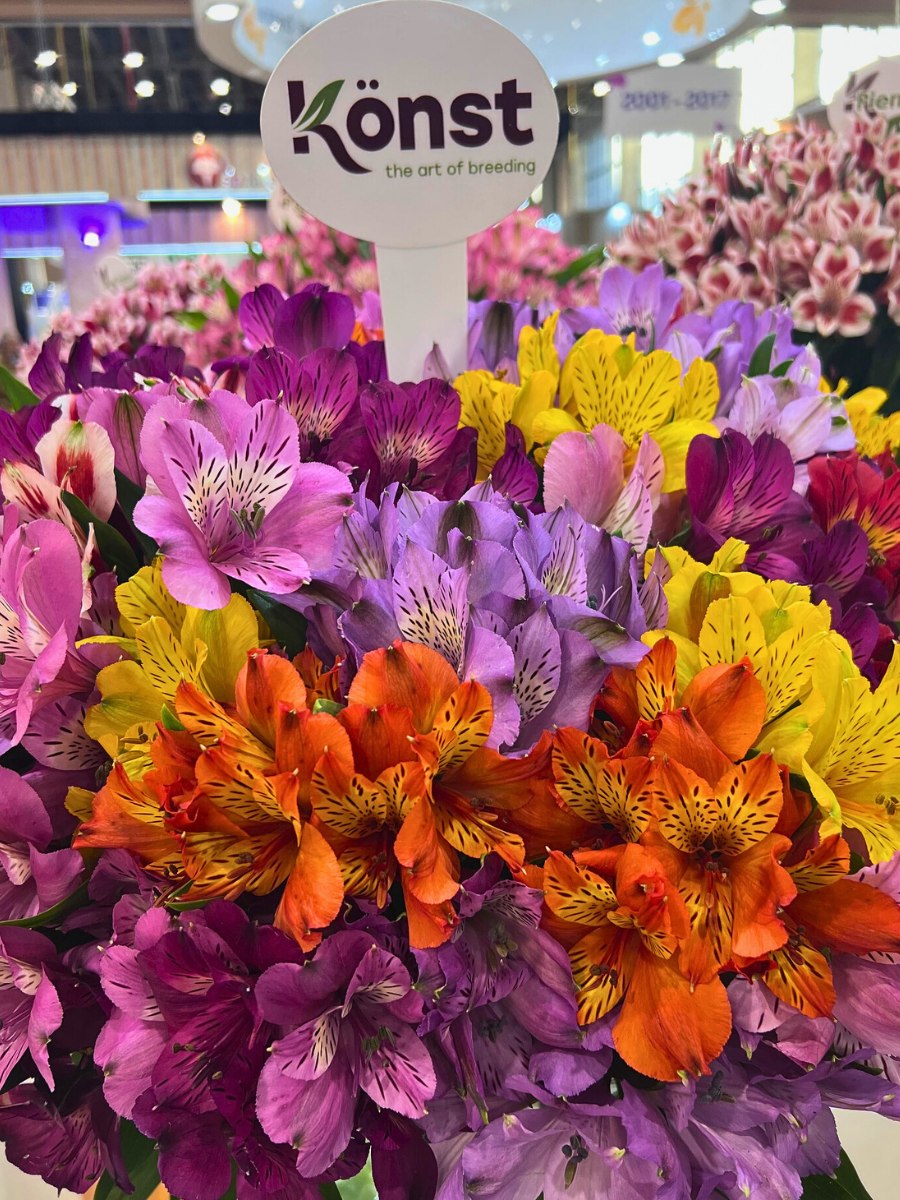
Alstroemeria, often referred to as the Peruvian lily, represents strong emotional bonds and mutual support. In the language of flowers, it is closely linked to devotion and being cherished by another person. This association makes it a thoughtful choice when love is rooted in loyalty rather than display.

Different colors refine its meaning further. White Alstroemeria is commonly associated with sincerity and trust, making it suitable for close friendships and steady partnerships. Yellow tones convey appreciation and positivity, while softer shades are often chosen to communicate care during difficult moments. As a flower, alstroemeria reflects love that is consistent and dependable.
Carnations as a Symbol of Deep Affection
Carnations (Dianthus) are among the most historically layered flowers associated with love. Their meaning varies strongly by color, which allows for precise emotional expression. Red carnations are traditionally linked to deep affection and admiration, often used when feelings are strong and enduring rather than fleeting.
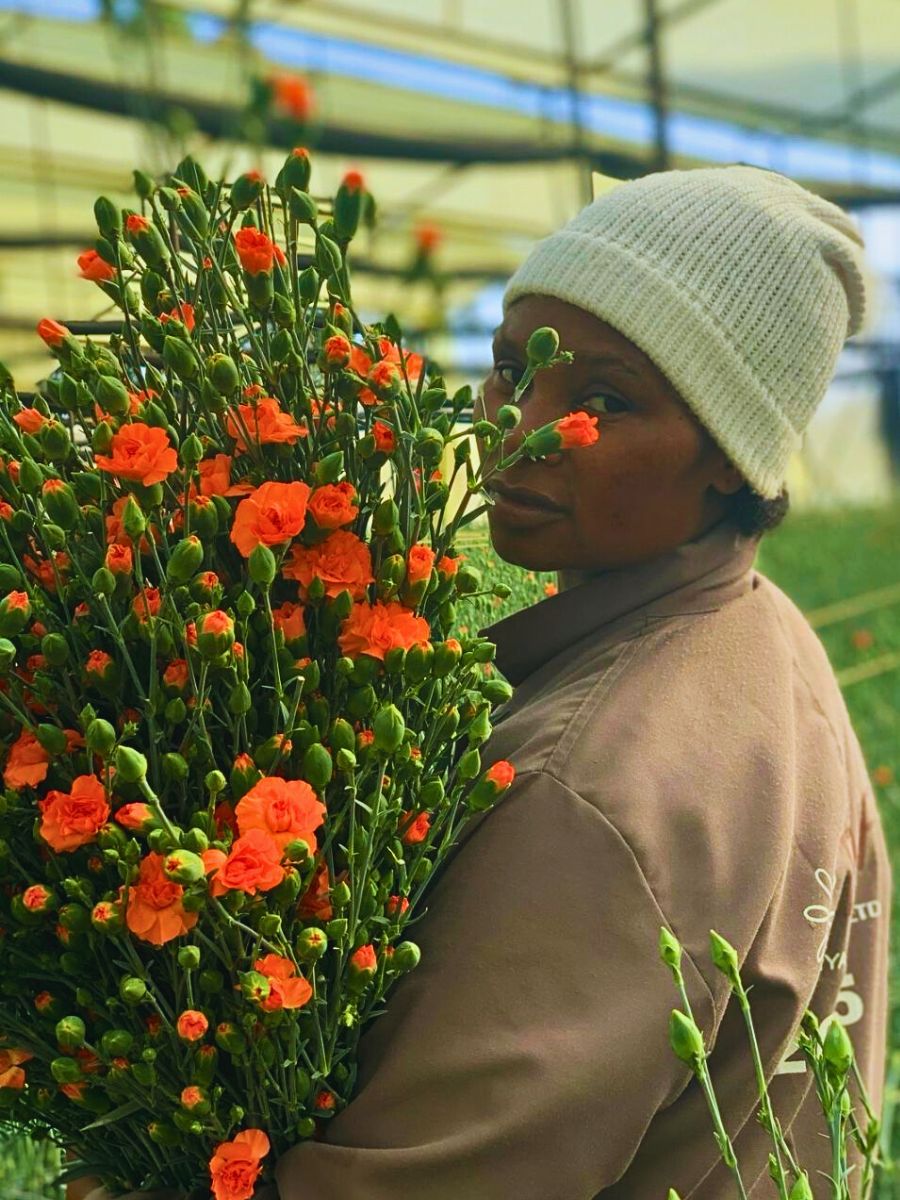
White carnations represent pure intentions and honesty, while pink carnations are commonly associated with gratitude and appreciation. Yellow carnations are generally linked to friendship and warmth rather than romance. Because of this range, carnations are often used to express love in its many forms, from romantic commitment to appreciation for long-standing relationships.
Chrysanthemums and Love Built on Trust
Chrysanthemums are most commonly associated with friendship, well-being, and sincerity. In many cultures, they symbolize loyalty and optimism, making them an appropriate choice when love is grounded in trust and mutual respect.
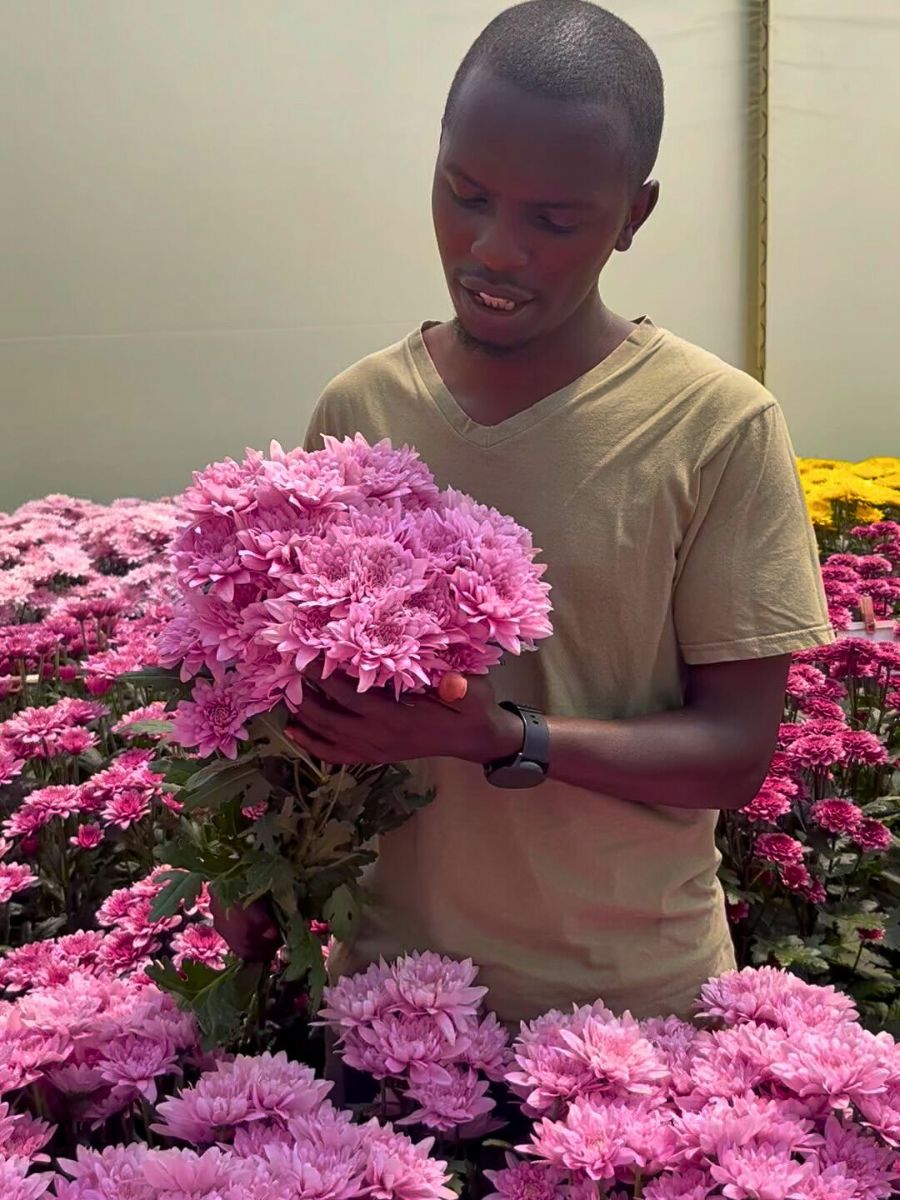
Color plays an important role here as well. Red Chrysanthemums are often linked to romantic love, while pink tones suggest sensitivity and emotional openness. Orange varieties are associated with gentle affection rather than intensity. Chrysanthemums are often chosen when love is steady and thoughtful rather than expressive or dramatic.
Orchids and the Expression of Admiration
Orchids have a long history across multiple continents and civilizations, where they were associated with refinement, strength, and beauty. When given as a gesture of love, orchids communicate admiration and respect rather than overt passion.
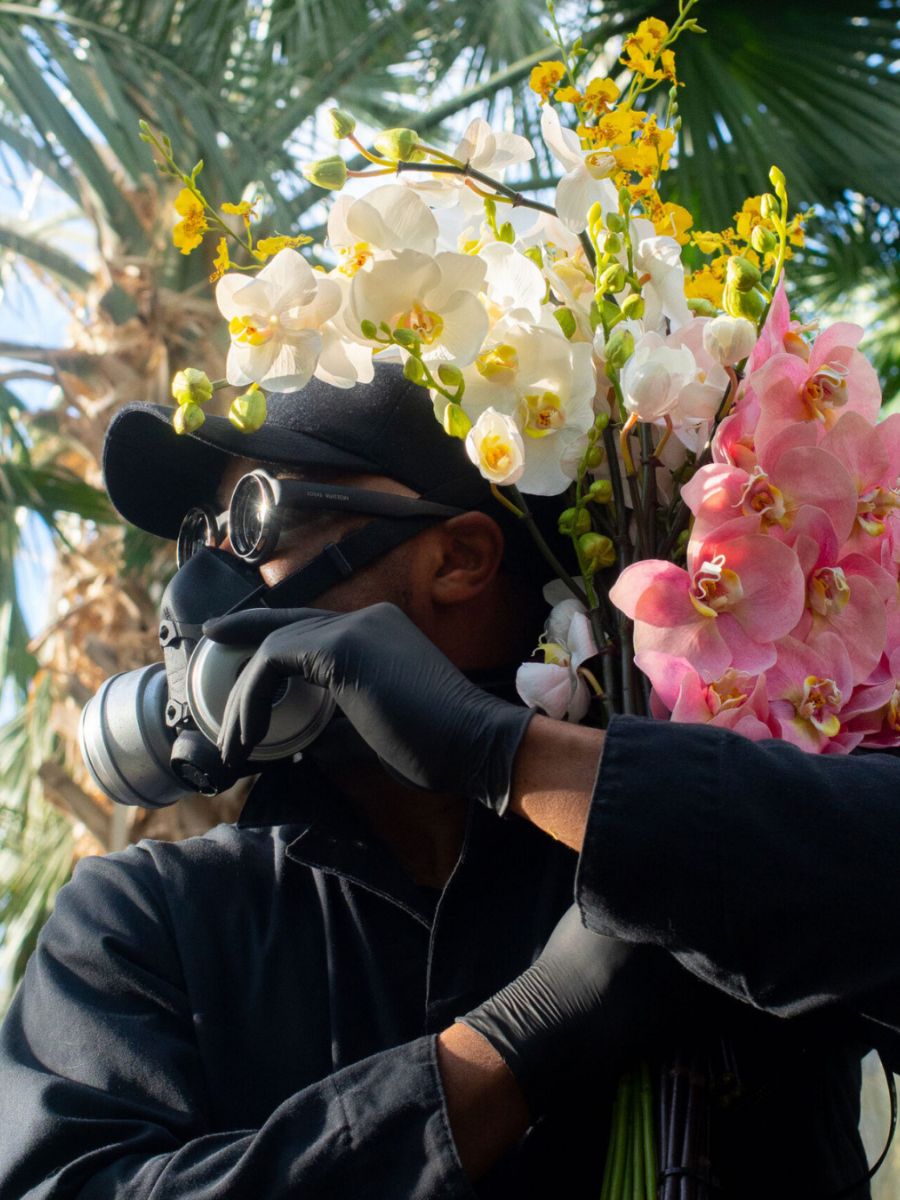
Green orchids are often linked to harmony and balance, making them suitable for relationships built on stability. Orange orchids are associated with enthusiasm and excitement about a shared future, while red orchids convey strength of feeling and confidence. Orchids are frequently chosen when love is expressed through appreciation and presence rather than words.
Peonies and Romantic Commitment
Peonies have been associated with romance and marriage for centuries, particularly in East Asian cultures, where they were linked to prosperity and good fortune. Today, they are commonly used to represent love connected to long-term commitment and new beginnings.
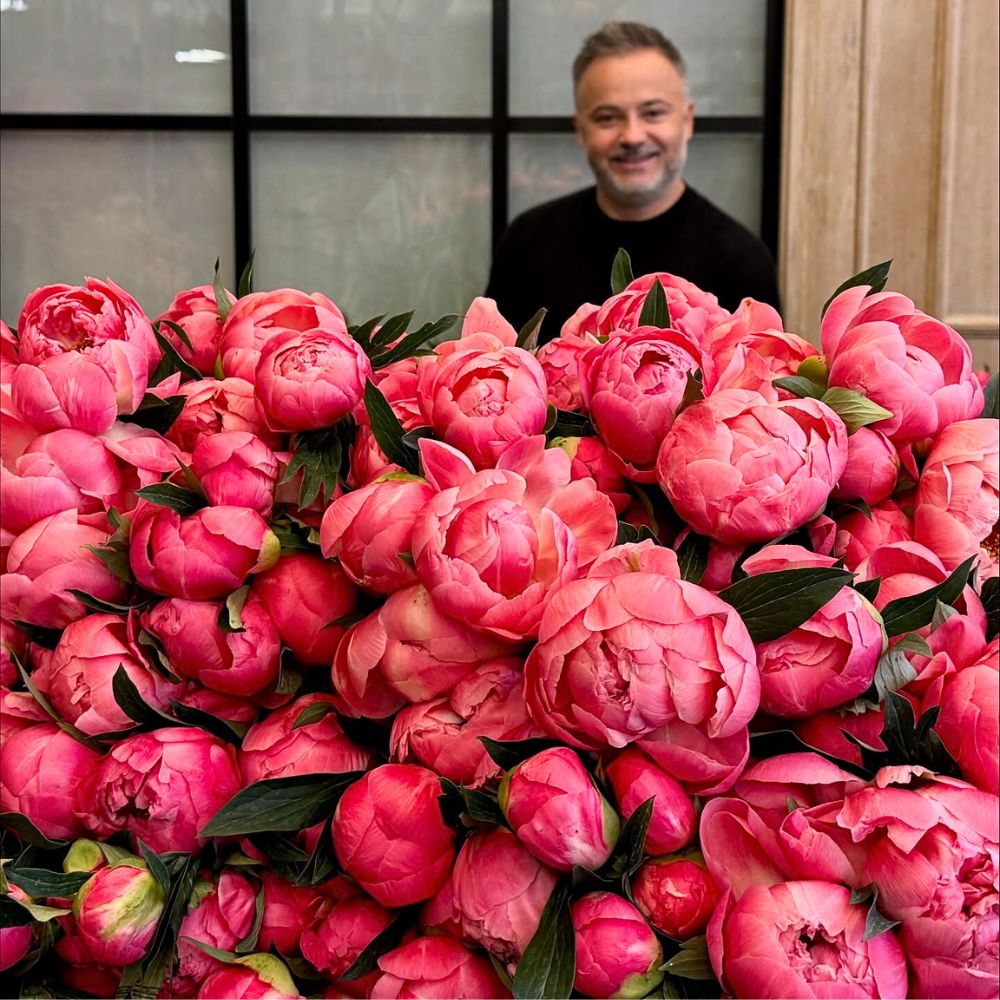
Pink peonies are most closely associated with romantic affection, while white peonies symbolize sincerity and honesty. Yellow peonies are linked to happiness and warmth. Their strong association with weddings and partnerships makes peonies a natural choice when love is tied to shared plans and emotional investment.
Roses as the Universal Flower of Love
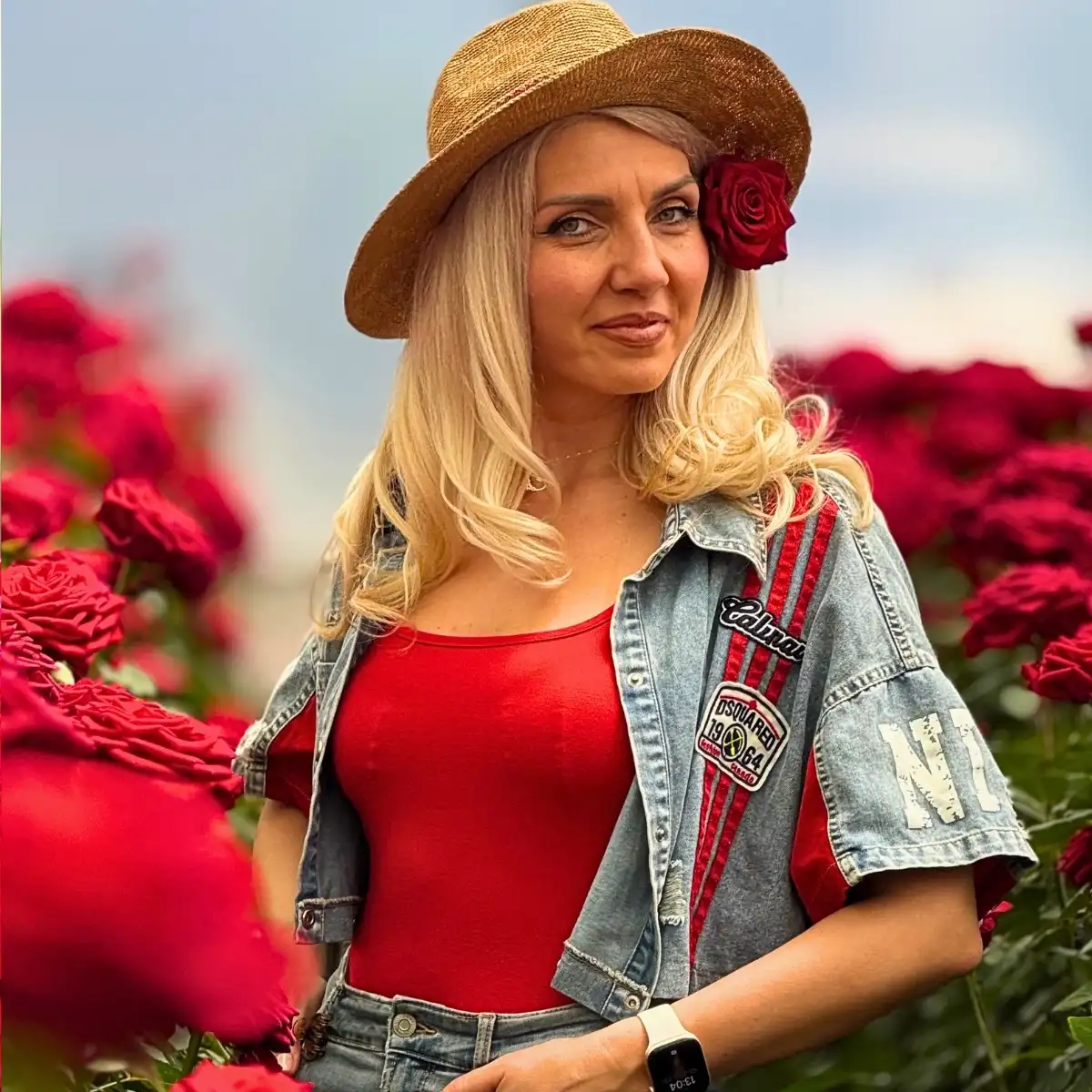
Roses are the most widely recognized flowers representing love across cultures. Their symbolism spans thousands of years and appears in ancient traditions from Europe, Asia, and the Middle East. While red roses are most closely associated with romantic love, each color carries its own message.
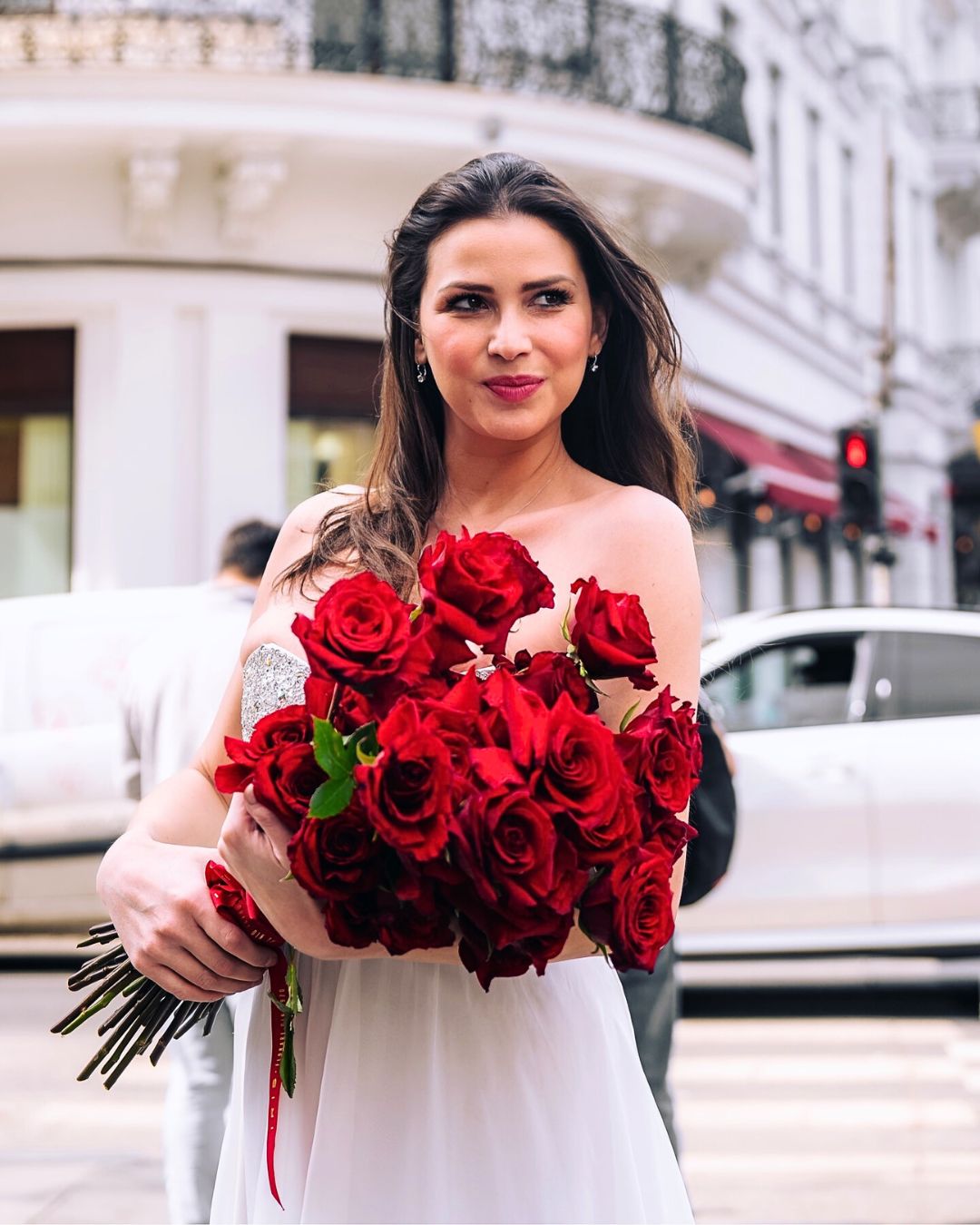
White roses are linked to sincerity and respect, pink roses express gratitude and appreciation, and orange roses convey enthusiasm and admiration. Roses are often chosen when love needs no explanation, as their meaning is almost universally understood.
Sunflowers and Expressions of Loyalty
Sunflowers represent admiration, loyalty, and long-term affection. Their association with warmth and constancy makes them suitable for expressing appreciation and emotional support rather than romantic intensity.
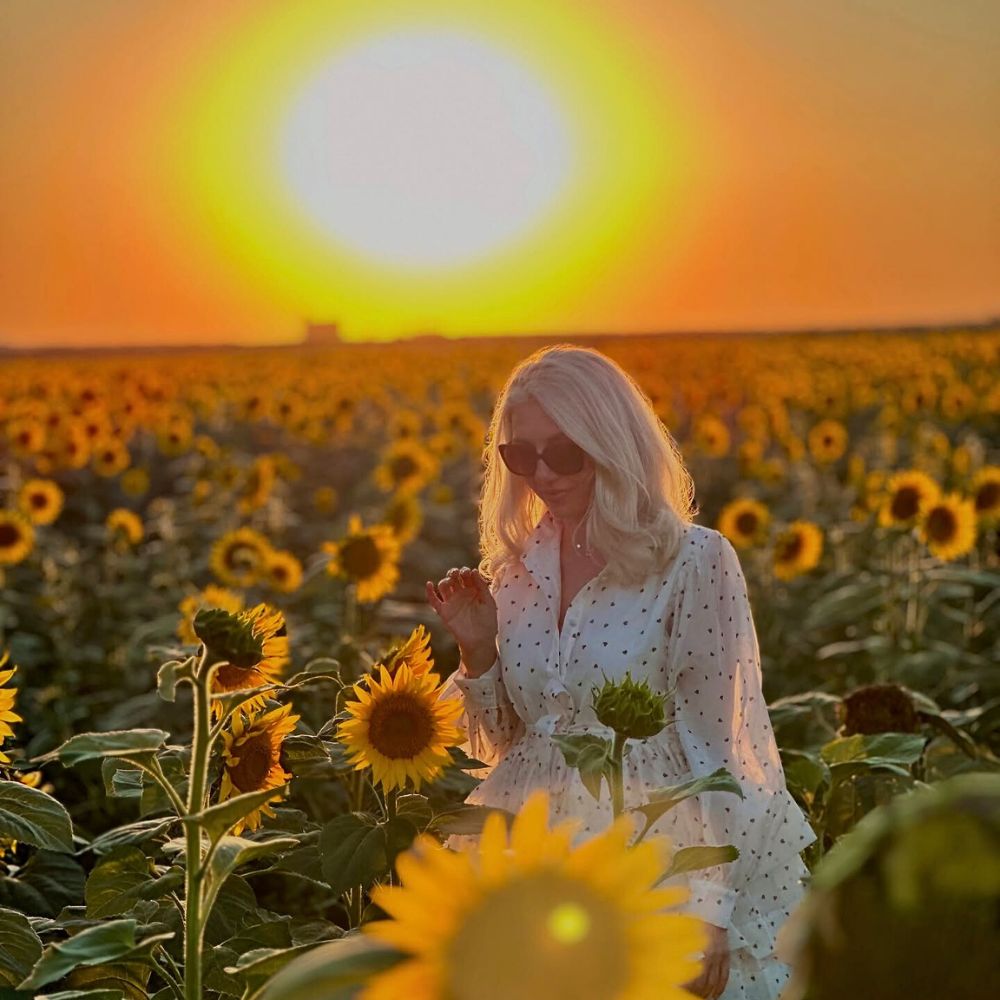
Because sunflowers naturally follow the light, they have come to symbolize devotion and consistency. They are often chosen to communicate gratitude and recognition for someone who brings stability and positivity into one's life.
Tulips and the Meaning of Perfect Love
Tulips are closely associated with declarations of love, particularly in European traditions. Red tulips are most commonly linked to true love, while purple tulips convey admiration and respect. Yellow tulips are associated with optimism and emotional warmth, and white tulips express sincerity and forgiveness.
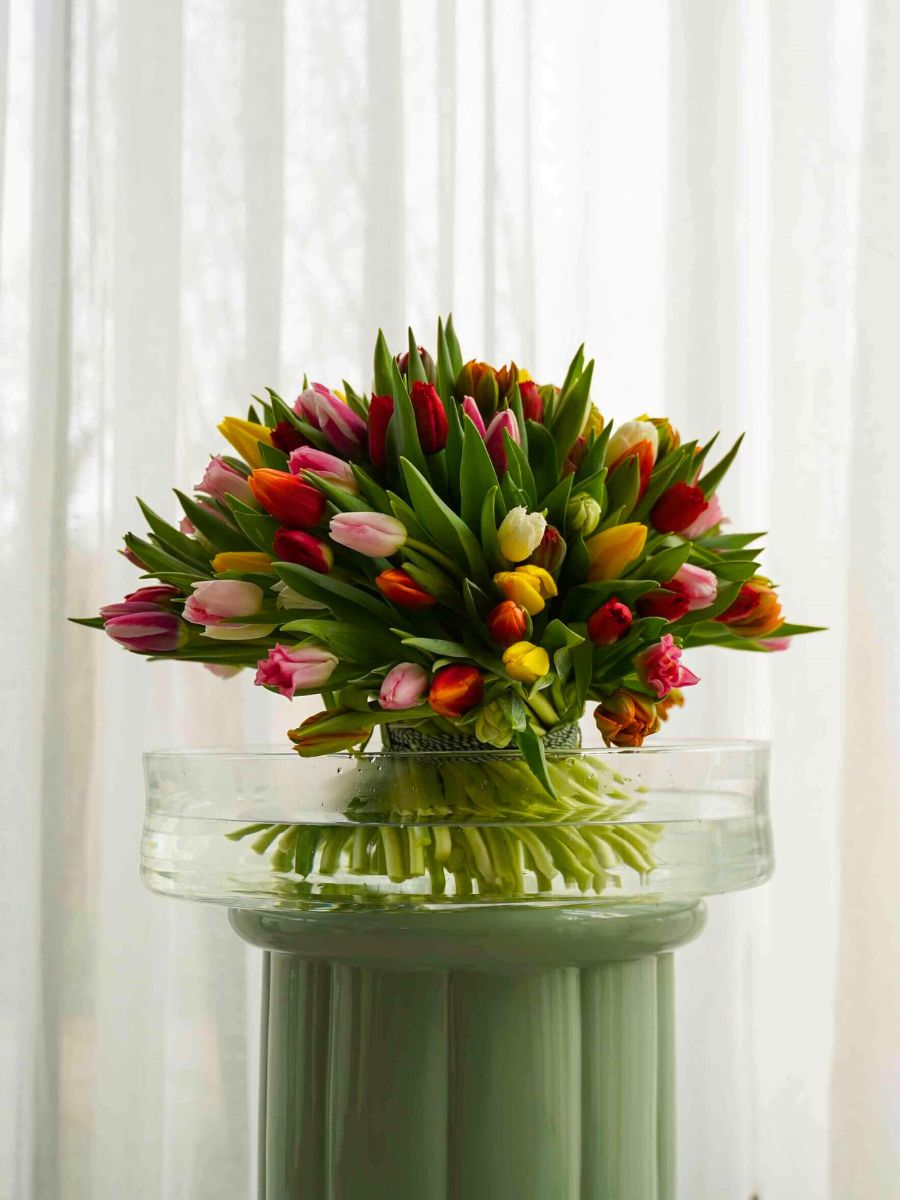
Tulips are often chosen when feelings are clear and intentional, making them a strong choice for expressing love directly and confidently.
Violets and Faithful Love
Violets symbolize modesty, loyalty, and emotional depth. In classical traditions, they were associated with faithfulness and devotion, making them a meaningful flower when love is rooted in trust and long-term commitment.
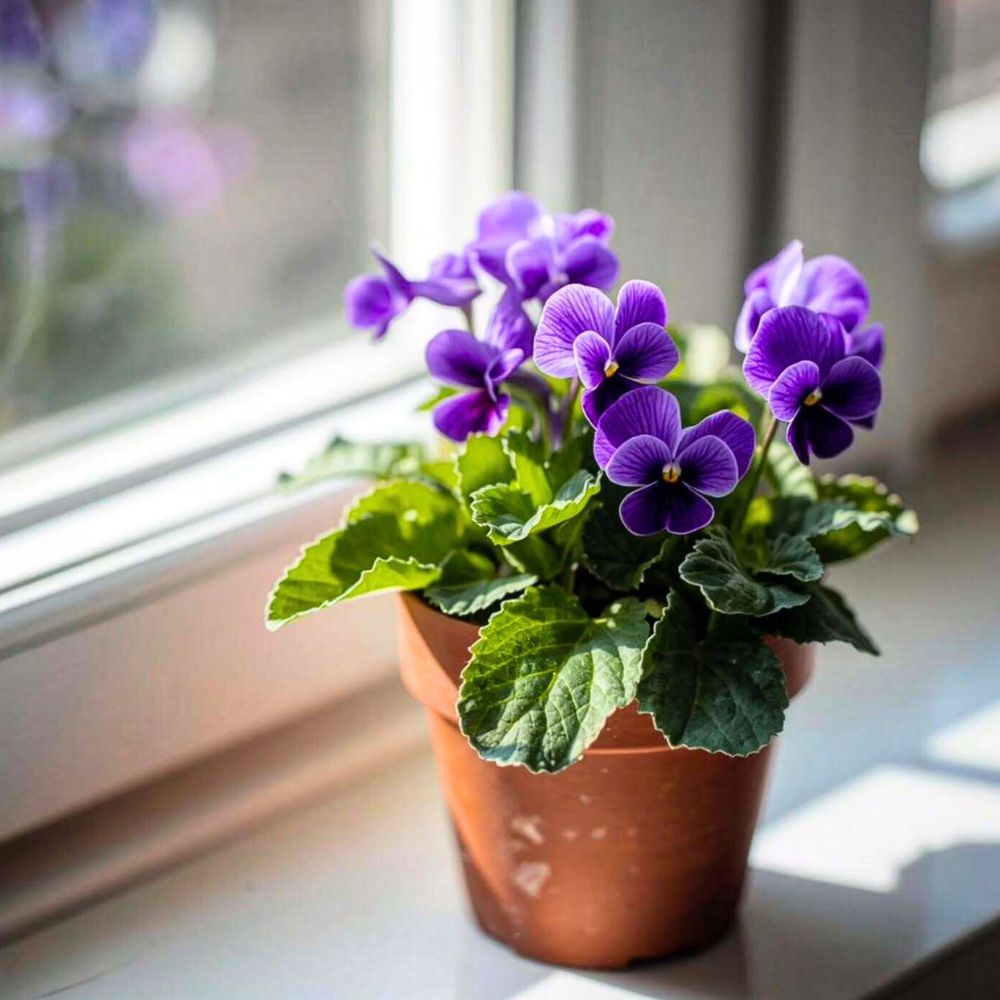
Their deep coloration has historically been linked to respect and esteem. Violets are often used to communicate affection that is quiet but enduring, rather than expressive or ceremonial.
Zinnias and Lasting Affection
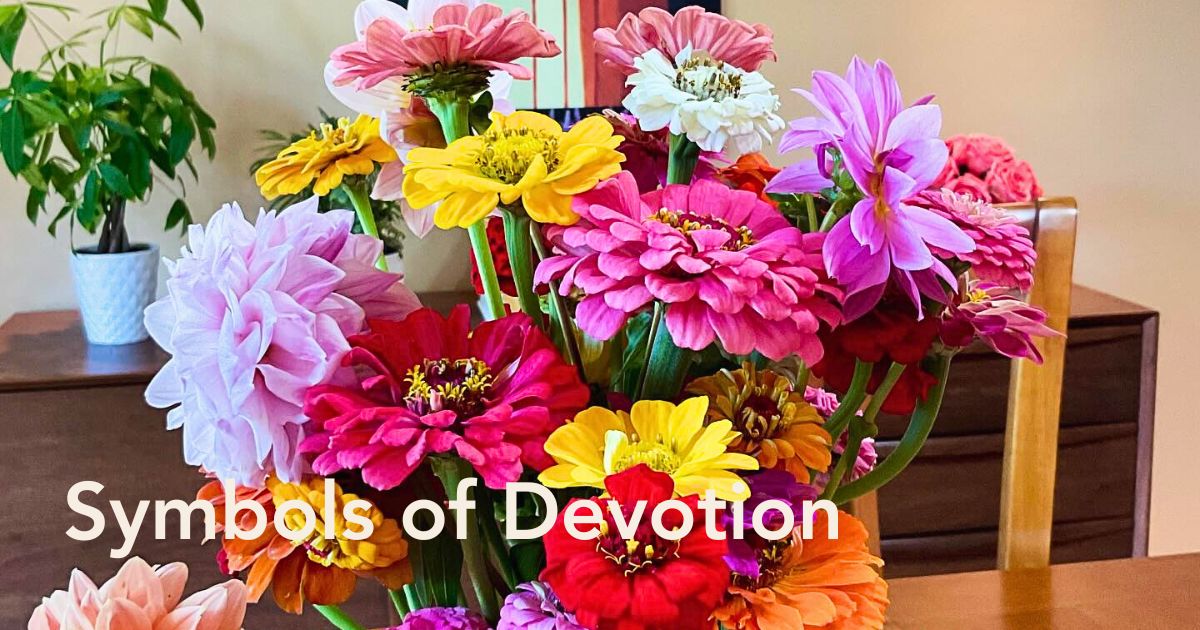
Zinnias represent endurance and long-lasting connection. Historically associated with thoughts of an absent loved one, their symbolism has evolved to reflect affection that persists over time and distance.
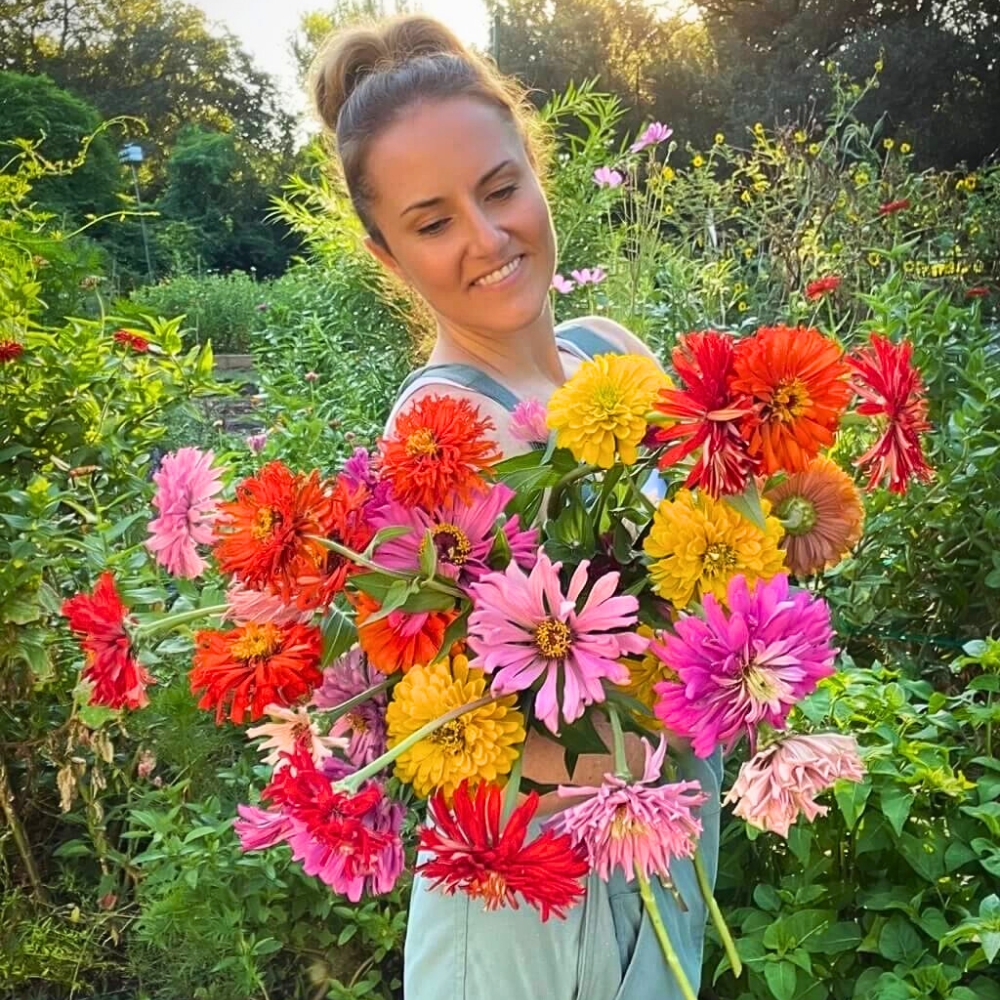
Because Zinnias are known for their resilience, they are often used to express commitment and continuity. They are especially meaningful in relationships where love has grown through shared experience and patience.
Choosing Flowers That Reflect Your Feelings
Flowers have the ability to communicate love in ways that feel intentional and personal. Whether the message is devotion, admiration, loyalty, or romantic commitment, each flower carries meaning shaped by history and culture.
Understanding what different flowers represent allows you to choose arrangements that reflect not just emotion, but intention. Continue reading to deepen your understanding of floral symbolism and how it shapes meaningful connections.
Header image by @lani_cooks