Botanical supplements are everywhere now. You see them in teas, capsules, powders, tinctures, oils, and wellness blends. Many are made from herbs, roots, flowers, seeds, bark, or leaves. For people who love plants, it is easy to feel drawn to them.
But plant-based does not always mean harmless.
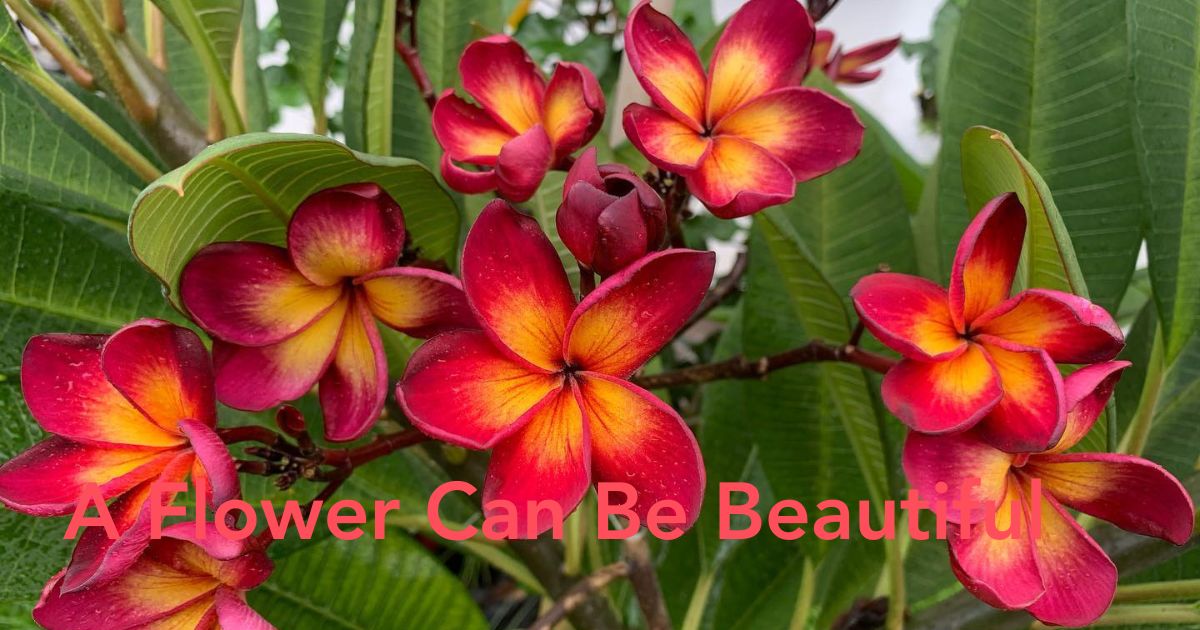
A flower can be beautiful and still cause an allergy. A herb can be traditional and still interact with medicine. A root extract can be natural and still be too strong for some people. That is why botanical supplements deserve the same careful thinking as any other health product.
This article is not about fear. It is about using plant knowledge responsibly. Here you can read more about: Houseplants to Help Beginners Start a Plant Journey Right
What Are Botanical Supplements
Botanical supplements are products made from plants or plant parts. They may include extracts from herbs, flowers, roots, seeds, fruits, fungi, or trees.
Common examples include turmeric, ginger, echinacea, elderberry, ginseng, milk thistle, peppermint oil, lavender, chamomile, and valerian. Some people use them for digestion, sleep, stress support, immunity, or general well-being.
The important word is “supplement.” These products are not a replacement for medical care. They are also not automatically suitable for everyone.
Natural Does Not Always Mean Safe
This is the first lesson readers should understand.
Many people trust botanical products because they come from nature. That trust makes sense, but it can become risky when people stop asking basic safety questions.
Plants contain active compounds. That is why they can affect the body. But the same active compounds can also cause side effects, allergies, or interactions.
A product may be safe for one person and unsuitable for another. Age, pregnancy, breastfeeding, medication, liver health, kidney health, allergies, and chronic illness can all change how a person responds.
Labels Matter More Than Marketing
The label is often more useful than the front of the package.
A good supplement label should clearly show:
- botanical name
- plant part used
- dosage
- serving size
- other ingredients
- warnings
- manufacturer details
The common name alone is not always enough. For example, two plants may share a similar common name but have different effects. The plant part also matters. Leaf, root, seed, and flower extracts can behave differently.
If the label feels vague, that is a warning sign.
Dosage Is Not A Guessing Game
With botanical supplements, more is not better.
Some people increase the amount because they want faster results. That is not a safe approach. A high dose can increase the chance of side effects.
Follow the product instructions unless a qualified professional tells you otherwise. Do not mix several supplements at once just because they are all “natural.” If you start three new products in the same week and feel unwell, you will not know which one caused the issue.
A simple rule is best: introduce one product at a time and watch how your body responds.
Supplements Can Interact With Medicines
This is one of the biggest risks.
Some herbs can change how medicines work. They may make a medicine stronger, weaker, or less predictable. This can matter with blood thinners, heart medication, antidepressants, diabetes medication, blood pressure drugs, birth control, and many other treatments.
If someone is taking prescription medicine, they should speak with a doctor, pharmacist, or qualified health professional before adding botanical supplements.
This is especially important before surgery or dental procedures, because some supplements may affect bleeding, sedation, or recovery.
Some products marketed online as “research” compounds sit outside normal wellness use and should be treated with extra caution, like buy clenbuterol research. Readers should avoid assuming that a substance is safe just because it is easy to find online or described with scientific wording. If a product is not clearly intended for consumer health use, has unclear dosing, or lacks trusted medical guidance, it is better to avoid it and speak with a qualified professional before taking any risk.
Pregnancy And Breastfeeding Need Extra Care
Pregnancy and breastfeeding are not the time to experiment with supplements.
Some plant-based products are not well studied in pregnancy. Others may affect hormones, the uterus, milk supply, or medication. Even mild herbs should be checked first.
A tea may feel gentle. A capsule may look simple. But the concentration can vary a lot from product to product.
When in doubt, do not guess. Ask a qualified professional.
Quality Can Vary Between Brands
Not all supplements are made with the same quality standards.
Two products with the same herb name can have different strengths, different extraction methods, and different extra ingredients. Some may be tested for purity. Others may not be.
Look for brands that provide:
- clear ingredient information
- batch testing
- third-party testing where possible
- transparent sourcing
- contact details
- realistic claims
Be cautious with products that promise fast cures, extreme results, or “no side effects.” Responsible plant-based wellness does not need exaggerated promises.
Watch Out For Contamination And Mislabeling
Botanical products can sometimes be contaminated or mislabeled. This may involve wrong plant material, heavy metals, pesticides, microbes, or undeclared ingredients.
This is one reason sourcing matters. Buying from a trusted supplier is safer than buying mystery powders or capsules from unknown marketplaces.
For people who already care about plant sourcing, this idea will feel familiar. Just as florists want to know how flowers were grown and handled, supplement users should care about where plant ingredients come from and how they were processed.
Essential Oils Are Not The Same As Herbal Teas
Essential oils deserve their own caution.
They are highly concentrated plant extracts. A few drops can contain a large amount of plant material in concentrated form. That is why they should be used carefully.
Essential oils should not be swallowed unless guided by a qualified professional. They should not be applied directly to skin without proper dilution. Some can irritate skin, trigger headaches, or cause reactions in sensitive people.
If used for scent, keep the room ventilated and avoid using strong oils around babies, young children, pregnant people, pets, or anyone with breathing sensitivities.
Plants And Pets Are A Safety Topic To
Plant-based living often includes both houseplants and herbal products at home. If pets live in the same space, safety matters.
Some plants and flowers are toxic to cats, dogs, or horses. Some essential oils can also be unsafe for pets. Even water from a vase can be risky if it contains toxic plant material.
Before bringing home a new plant or using a scented product, check pet safety first.
This is especially important with lilies around cats, sago palm, certain bulbs, and many strong essential oils.
A Safe Way To Approach Botanical Supplements
Here is a simple approach readers can follow.
Start by asking why you want the supplement. Is it for sleep, digestion, stress, energy, or general wellness? Then ask whether there is a safer first step, such as better sleep habits, food changes, hydration, movement, or medical advice.
If you still want to try a supplement:
- choose one product only
- read the full label
- check medicine interactions
- start with the recommended dose
- track any side effects
- stop if you react badly
- ask a professional if unsure
This method is simple, but it prevents many mistakes.
Where Flowers And Herbs Still Belong In Self-Care
None of this means readers should avoid plants.
Flowers, herbs, and houseplants can still be part of meaningful self-care. A cup of chamomile tea, a small herb garden, a plant corner at home, or a careful botanical skincare product can all support daily routines.
The key is not to turn plants into miracle solutions.
Plants work best when they are part of a balanced life: good sleep, food, movement, medical care when needed, and a calm routine that is realistic.
For a softer plant-care angle, an internal Thursd link could point readers to articles about plant therapy, herbs for skincare, or cooking with edible flowers.
Botanical supplements sit between nature and health. That makes them interesting, but it also means they need respect.
The safest mindset is balanced: appreciate plants, but do not believe every claim. Read labels. Check interactions. Be careful with pregnancy, breastfeeding, pets, and medical conditions. Choose trusted products and avoid anything that promises too much.
Natural can be useful. But safe, informed, and realistic is always better.