Plant-based self-care is everywhere. People use herbs in teas, keep houseplants for a calmer home, add floral waters to skincare, and try essential oils for scent and mood. For a flowers and plants audience, this interest makes sense. Nature has always had a place in daily rituals.
But there is also a problem. The phrase “plant-based” can make something sound automatically safe, gentle, or better. That is not always true. Plants can support comfort and routine, but they can also irritate skin, trigger allergies, affect pets, or interact with medication when used as supplements.
A better approach is simple: enjoy plant-based self-care, but remove the myths.
Myth One Plant-Based Always Means Safe
This is the biggest myth. A product or habit can come from plants and still be strong.
Essential oils, herbal supplements, floral extracts, and even common houseplants all need context. A lavender-scented product may feel relaxing to one person and irritating to another. A herb tea may be fine for one person and unsuitable for someone taking certain medications. A plant that looks harmless may be unsafe for a cat or dog
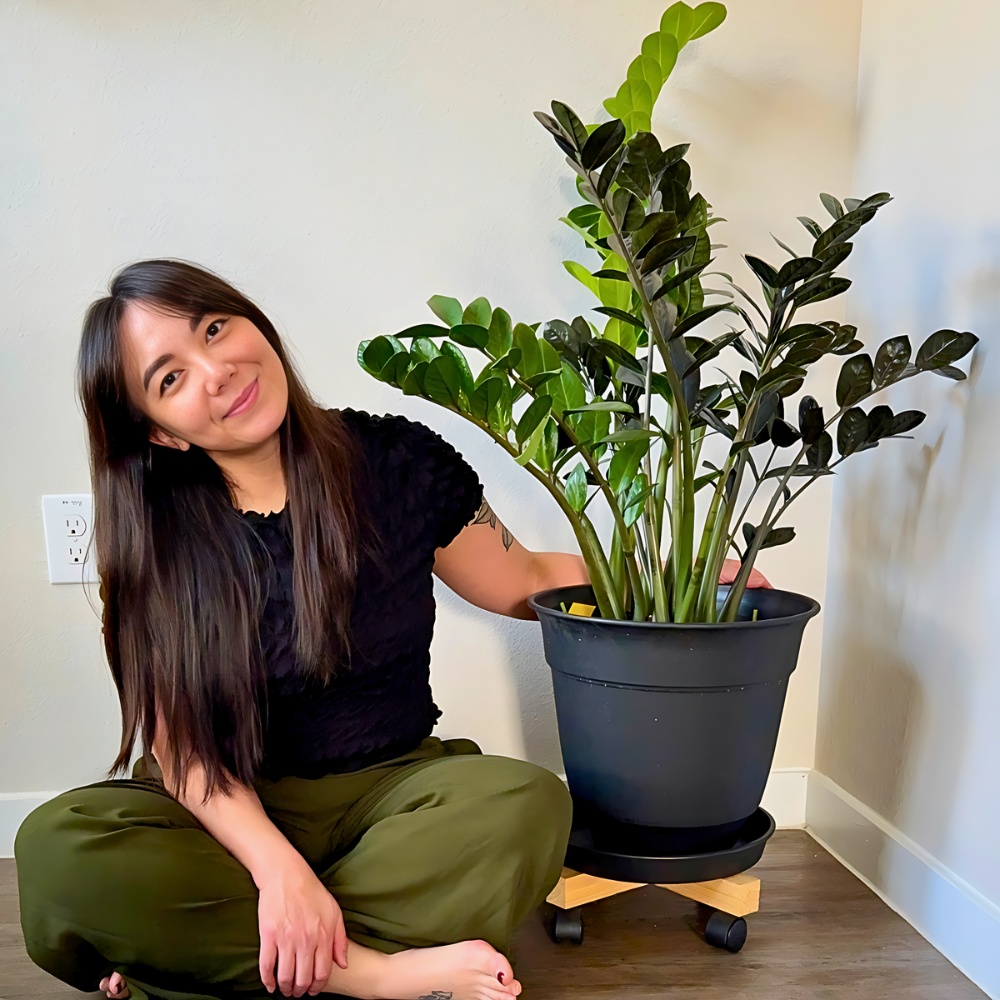
Plant-based self-care works best when you treat it with respect, not blind trust.
If you want to read general health information alongside plant-based routines, resources like Healthline can be a useful starting point. Still, personal medical questions should always go to a qualified health professional.
Myth Two Houseplants Fix Mental Health
Houseplants can support wellbeing, but they do not “fix” mental health on their own.
What plants can do is create a routine. Watering, pruning, dusting leaves, and checking soil give your hands something steady to do. For some people, that small routine helps them slow down and feel more present.
Plants can also make a room feel more cared for. A small indoor plant corner can become a visual reminder to pause, breathe, and step away from screens. That matters, especially for people who spend long hours indoors.
But plants are support, not treatment. If someone is dealing with ongoing anxiety, depression, sleep problems, or panic, plants can be part of a wider support system, not the whole answer.
For more on this angle, you can internally link to Thursd’s plant wellbeing content, such as The Psychology Of Plant Therapy.
Myth Three Essential Oils Are Gentle Because They Are Natural
Essential oils are concentrated plant extracts. That is why they smell strong. It is also why they need care.
Using essential oils directly on the skin can cause irritation for some people. Old oils, poorly stored oils, and strong blends can be harder on sensitive skin. Some oils should not be used around babies, young children, pets, or people with specific sensitivities.
If you use essential oils, keep it simple. Use a small amount, dilute properly, and avoid applying them to broken or irritated skin. If you are making floral bath products, room sprays, or massage oils, always understand dilution and patch testing first.
A Safer Way To Use Scent
Instead of putting essential oils directly on skin, try lighter options. A fresh herb pot in the kitchen, dried lavender sachets in a wardrobe, or a short aromatherapy session in a ventilated room may be easier to manage.
The goal is not to fill the room with a strong scent. The goal is comfort.
Myth Four Herbal Skincare Works For Everyone
Flowers and herbs have a long history in skincare. Rose water, chamomile, calendula, aloe, and lavender are common examples. They can be helpful in the right product, but they are not universal.
Some people react to fragrance. Some react to plant extracts. Some have skin conditions that get worse when they try too many “natural” products at once.
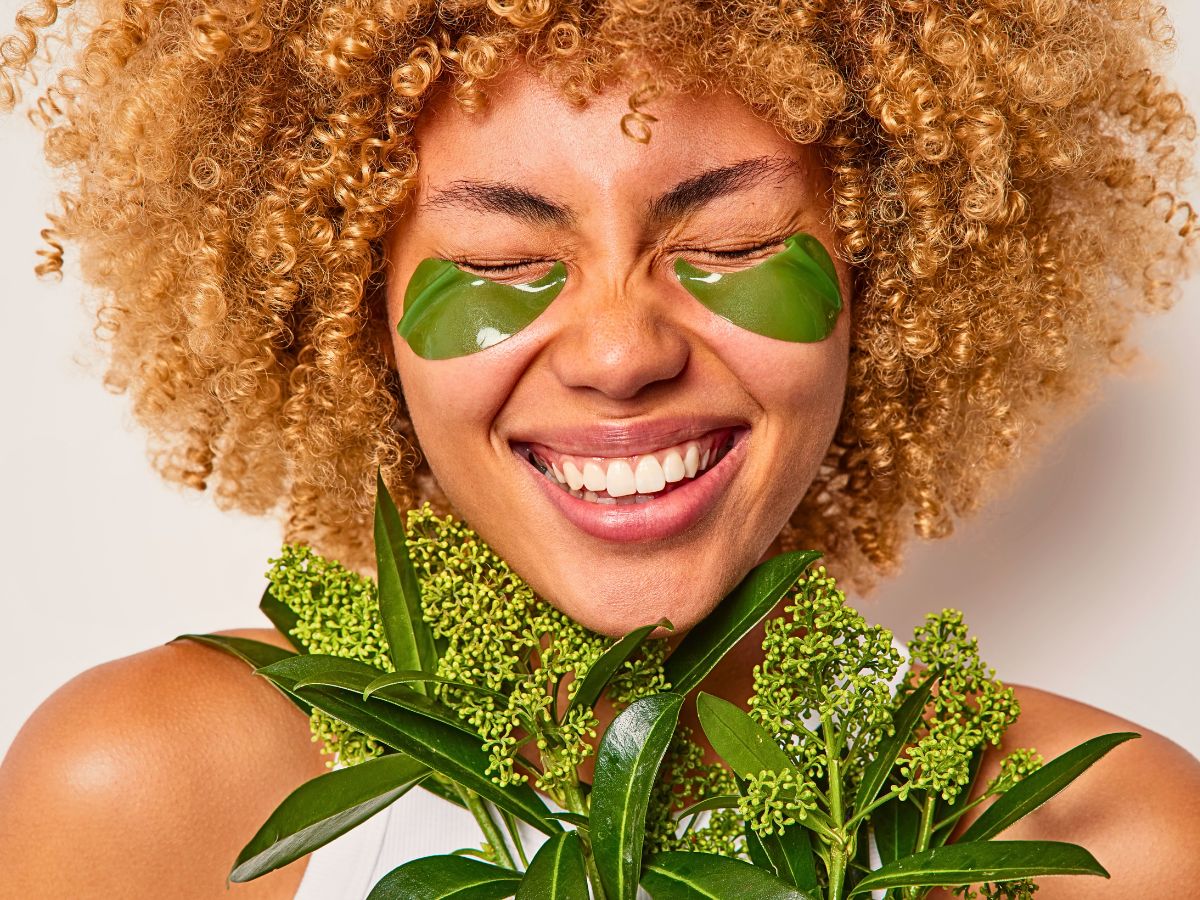
If you are trying plant-based skincare, introduce one product at a time. Do not change your cleanser, toner, mask, oil, and moisturizer in the same week. If your skin reacts, you will not know what caused it.
A practical internal link here could be Top Herbs For Skin Care In A Natural Way, especially if the article needs more botanical context.
Myth Five More Plants Always Means A Healthier Room
Indoor plants can make a room feel better, but more is not always better.
Too many plants in a small room can create clutter, block airflow, and make care harder. Overwatering can lead to damp soil, fungus gnats, and mold concerns. Dusty leaves can also reduce the clean feeling people expect from indoor plants.
A healthier plant corner is usually simple:
- fewer plants
- clean leaves
- proper drainage
- no standing water
- good airflow
- plants matched to the light you actually have
A plant corner should reduce stress, not become another unfinished task.
Choose Low-Maintenance Plants First
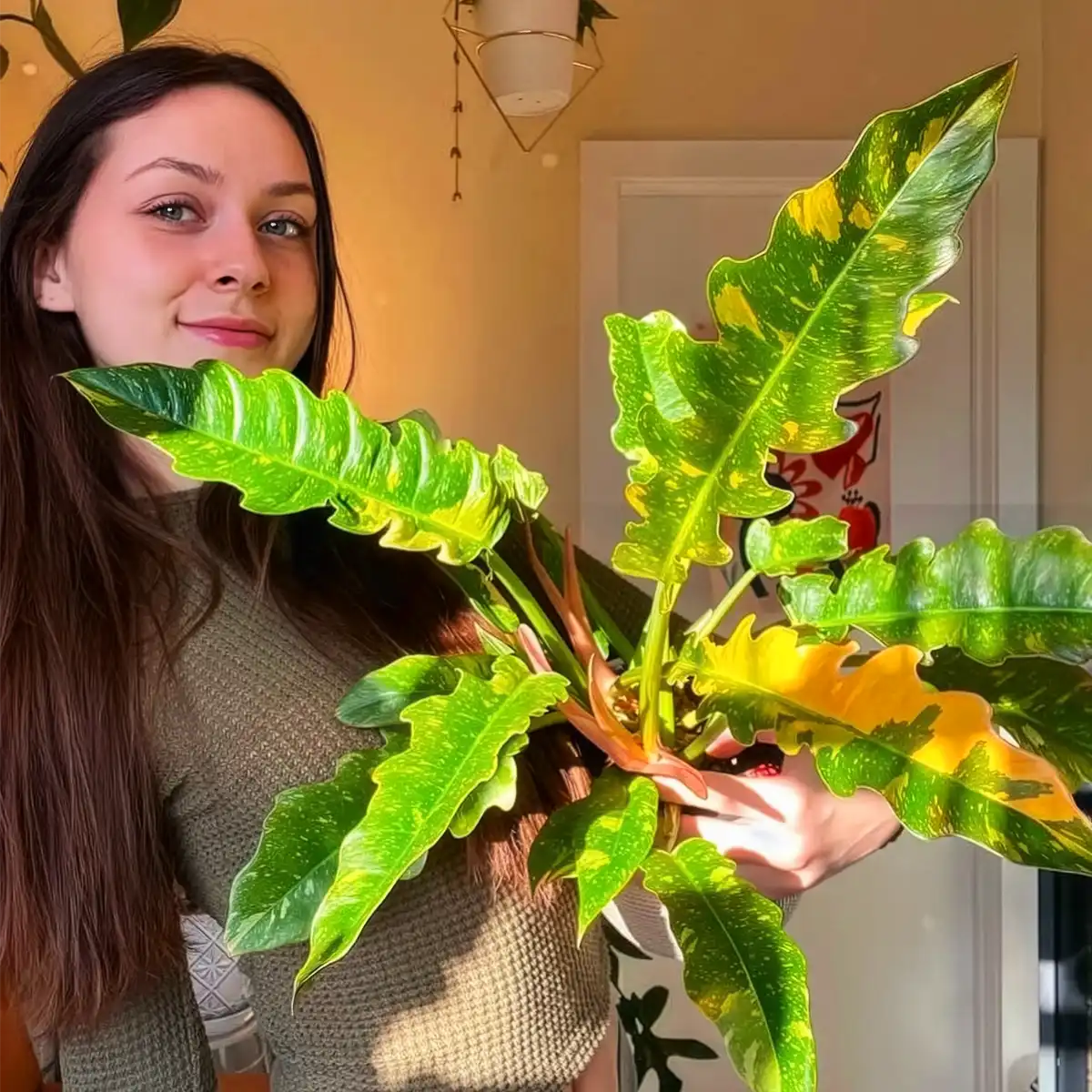
For beginners, choose plants that match your routine. Snake plants, pothos, ZZ plants, and some philodendrons are often easier than high-humidity collector plants. Start with two or three healthy plants before building a larger collection
Self-care should feel manageable.
Myth Six Floral Baths And Herbal Soaks Are Risk-Free
Floral baths can feel calming, but they still need basic hygiene and skin safety.
Fresh petals, herbs, bath oils, and salts can irritate sensitive skin if used too strongly. Loose plant material can also clog drains. If you are using flowers in a bath, choose clean material that has not been sprayed with unknown chemicals.

Avoid using random flowers from florists, roadsides, or public gardens on your skin unless you know how they were grown and handled. Flowers grown for display are not always grown for body use.
Myth Seven Natural Products Do Not Need Labels
Labels matter. If a product goes on your skin, into your bath, or into your body, you should know what is in it.
For skincare, read the ingredient list. For herbal supplements, read dosage and warnings carefully. For teas, check whether the herb is suitable for you. For indoor plants, check whether they are safe for pets and children.
This is especially important for people who are pregnant, breastfeeding, taking medication, managing allergies, or living with chronic health conditions.
Plant-based self-care should be thoughtful, not random.
A Better Plant-Based Self-Care Routine
Instead of chasing trends, build a small routine that you can keep.
Start With Your Space
Choose one corner of your home that you want to make calmer. Add one or two easy-care plants. Keep the area clean. Use a small tray, simple pots, and good drainage.
Add One Sensory Habit
This could be watering plants on Sunday morning, making tea in the evening, or opening a window while you check your indoor plants. Keep it small.
Keep Skincare Simple
If you enjoy botanical skincare, pick one gentle product and watch how your skin responds. Avoid layering several scented or active products at once.
Respect Your Limits
If strong scents bother you, skip essential oils. If plant care feels overwhelming, choose fewer plants. If you have pets, check plant safety before buying.
Good self-care works with your real life.
Plant-based self-care does not need myths to be meaningful. Flowers, herbs, houseplants, and natural materials can support daily routines, comfort, and a stronger connection with nature. But they are not magic fixes.
The best approach is balanced. Enjoy plants. Learn from them. Use them with care. And when something involves health, skin, allergies, medication, or pets, check reliable information before assuming “natural” means safe.
That is how plant-based self-care becomes useful, calm, and realistic.