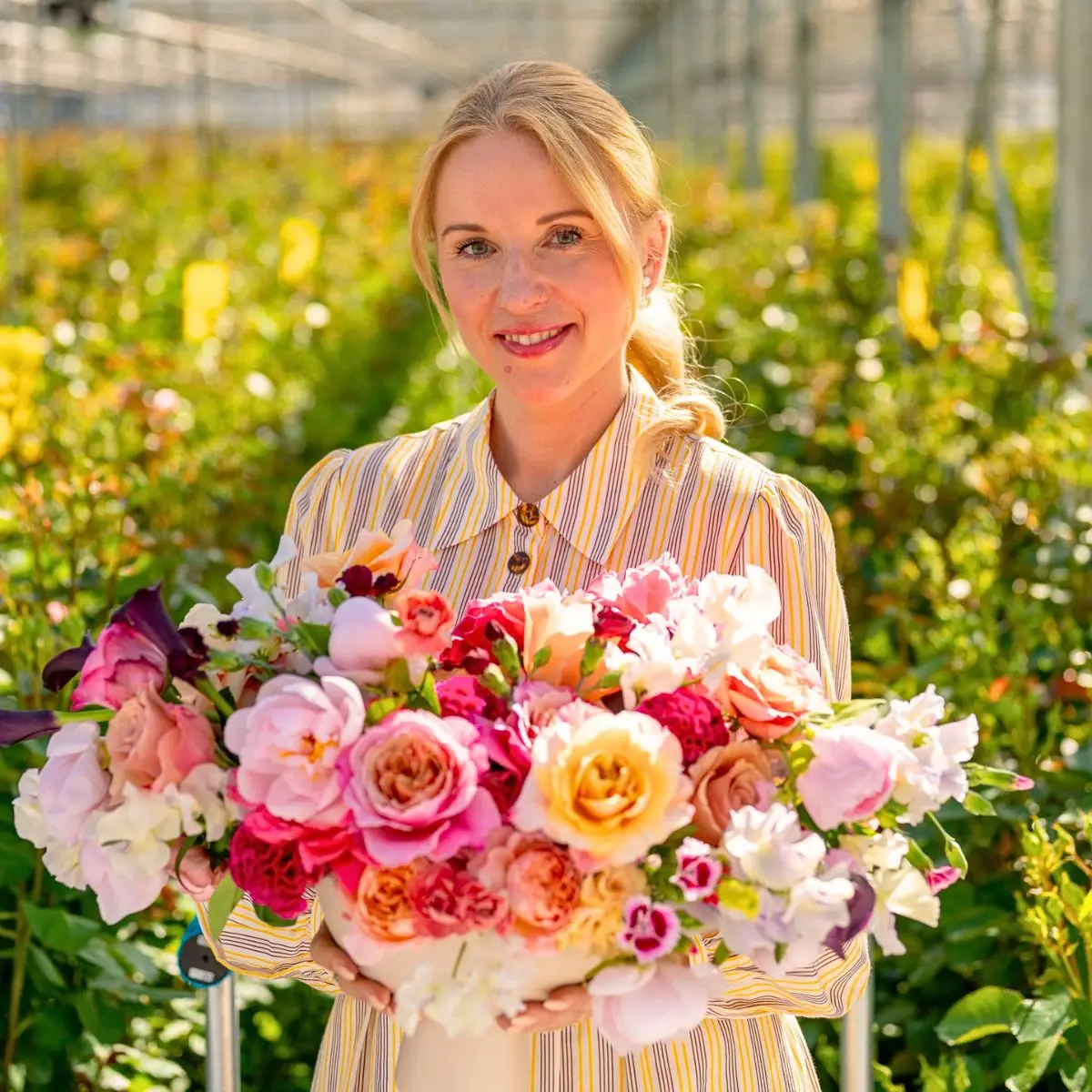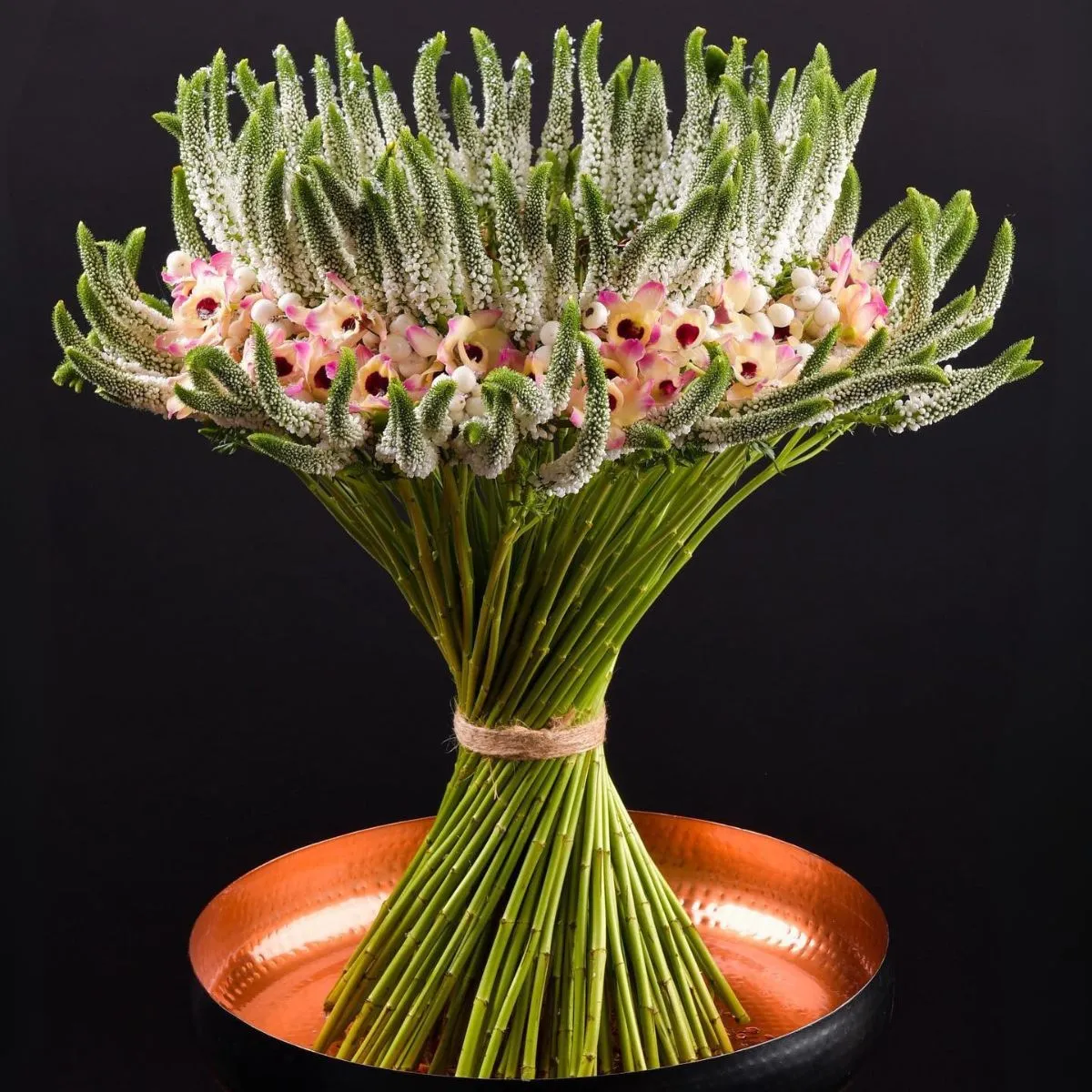
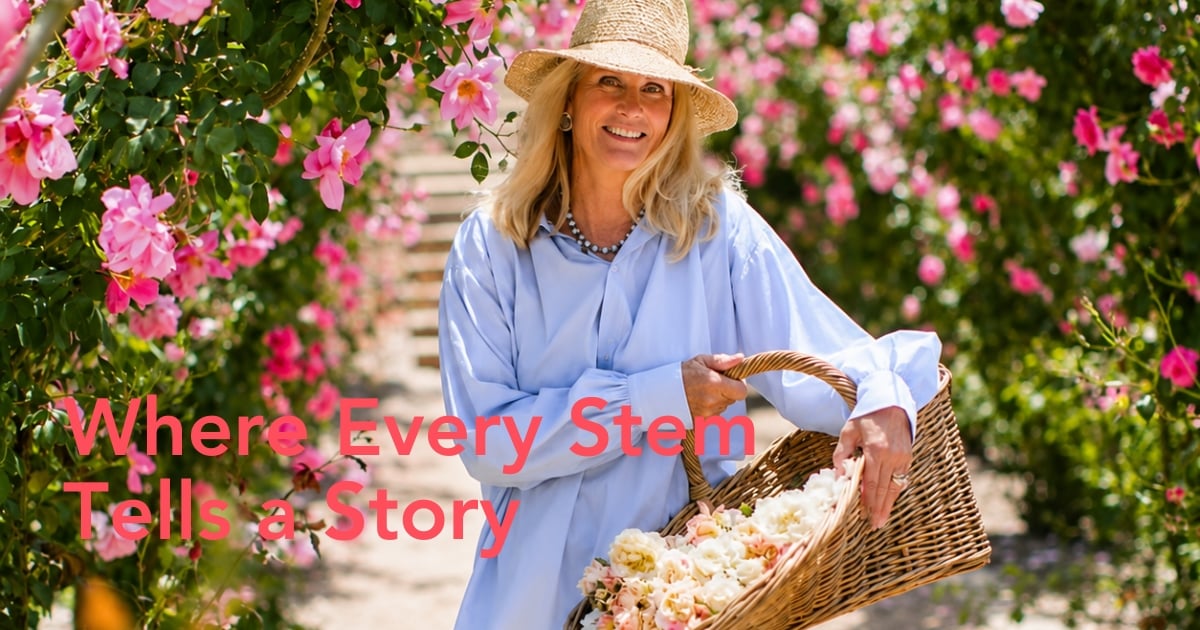
There's a particular kind of flower farm that doesn't measure itself in hectares or shipping volume. It measures itself in fragrance, in heritage varieties, in the number of hands that touch a stem before it reaches a vase. These are the boutique growers, and while they're scattered across very different corners of the world, from the foothills of Mount Kenya to the Andes of Colombia, they share the same instinct: that a flower is worth slowing down for.
Here's a look at some of the farms carrying that philosophy forward, on almost every continent.
Tambuzi, Kenya
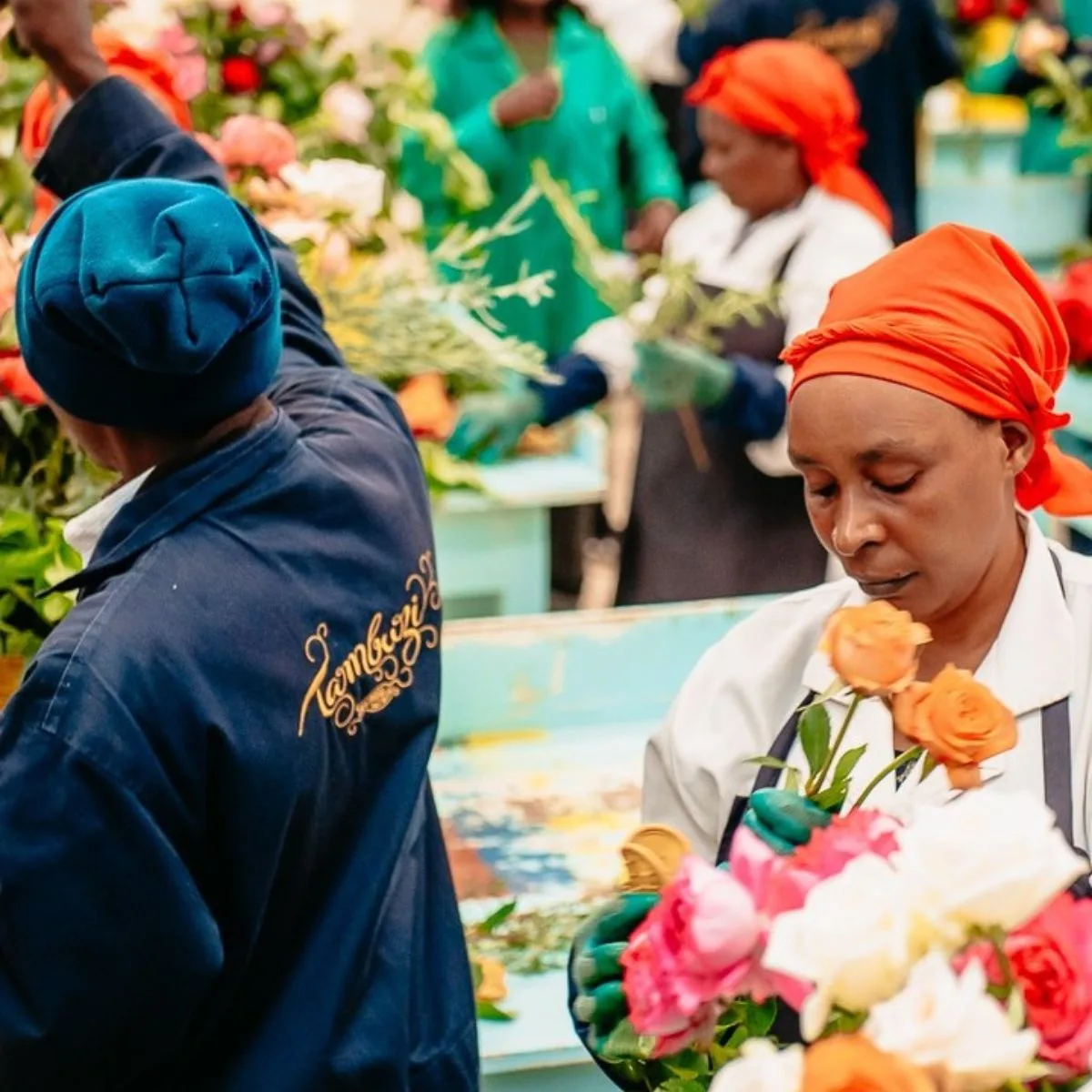
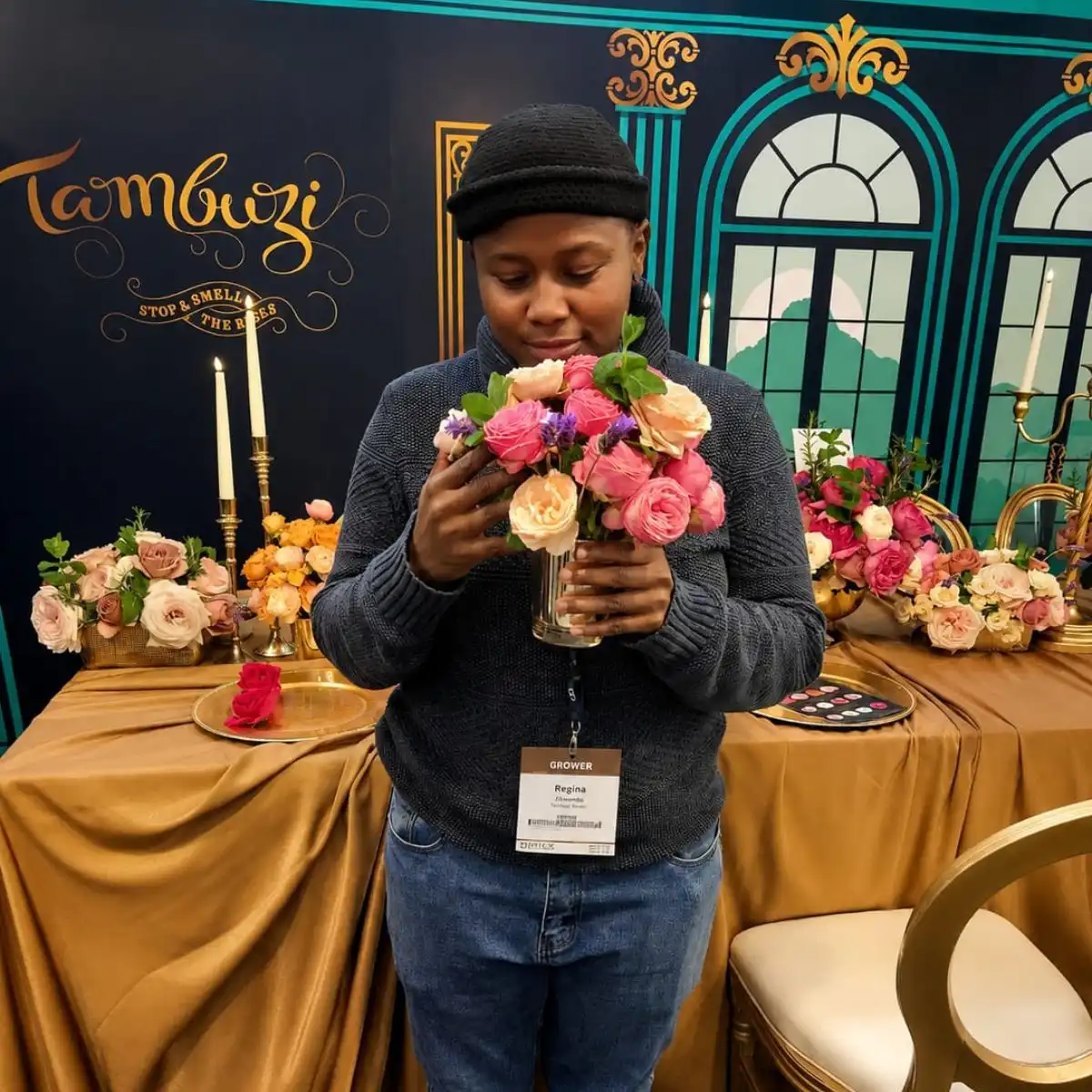
It feels right to start close to home. Tambuzi sits in the foothills of Mount Kenya, right on the Equator, and has spent nearly three decades specializing in traditional scented garden roses. It's the only farm of its kind on the African continent, growing over 50 curated rose varieties, including a strong collection from David Austin, as well as herbs and foliage.
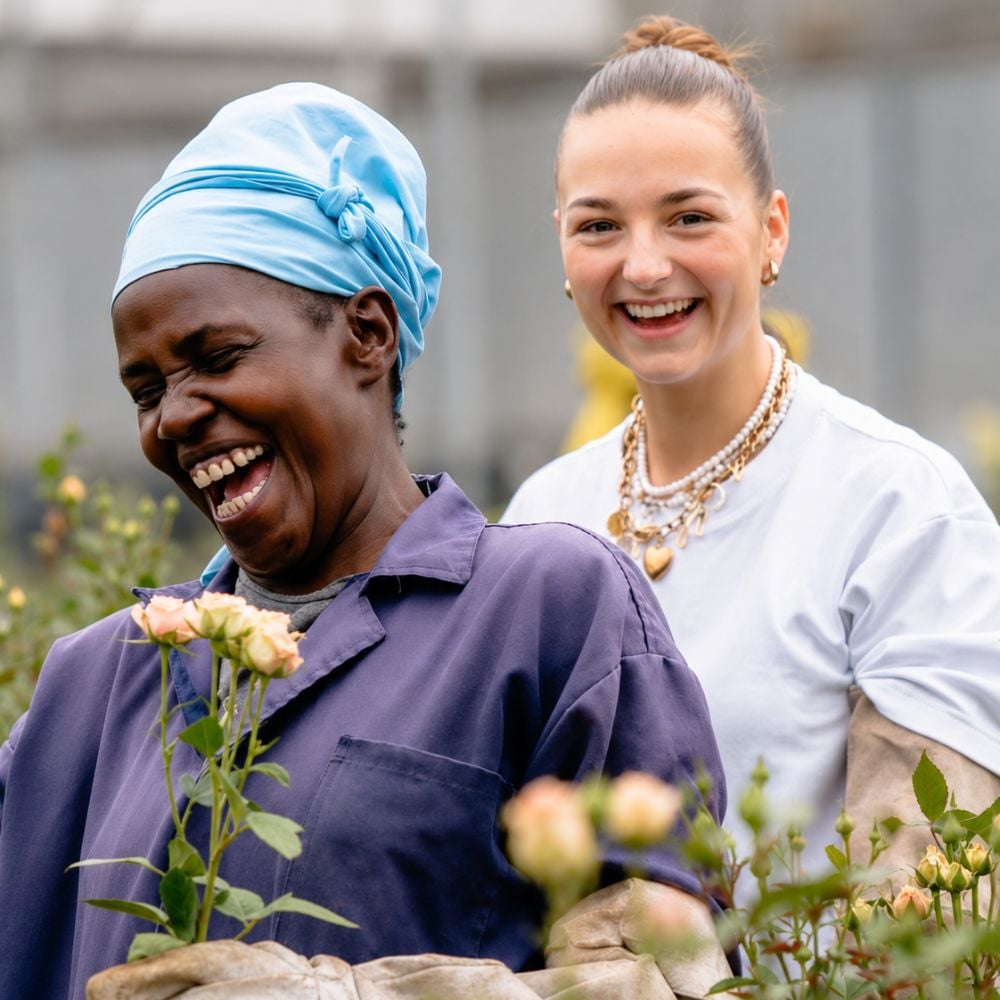
What began as a derelict dairy and beef farm in the 1990s has become one of the most respected names in scented roses globally, all while staying deliberately focused on fragrance and character over sheer output.
Uhuru Flowers, Kenya
On the northern slopes of Mount Kenya, near the town of Timau, Uhuru Flowers sits at 2,600 meters above sea level, one of the highest rose farms in the country. "Uhuru" means freedom in Kiswahili, and it's a fitting name for a farm that has built its reputation on room to experiment rather than pressure to scale.
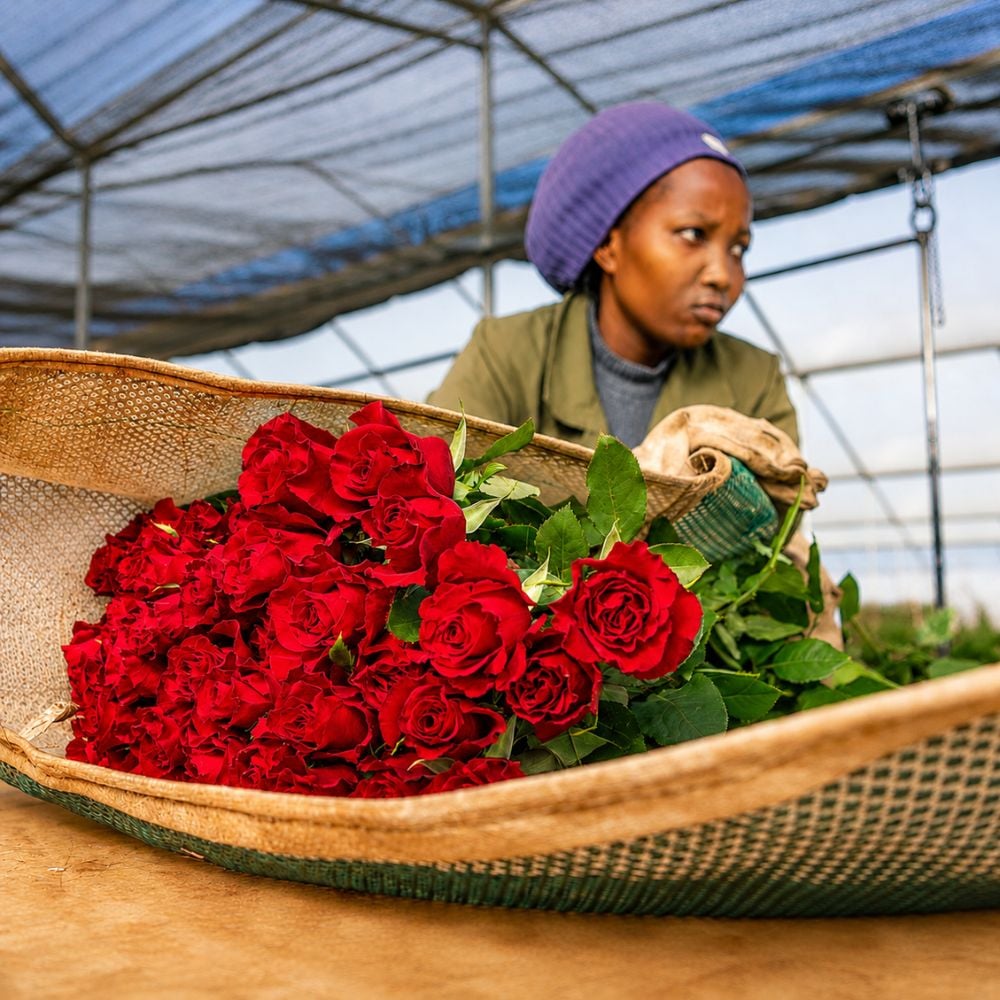
Founded in 2007 and led by Ivan Freeman, who has grown roses in the region since 1998, Uhuru has stayed deliberately lean, prioritizing consistency and craftsmanship over sheer footprint. It's 20 hectares of greenhouses that hold more than 60 rose varieties, including garden and scented roses and, notably, the only African cultivation of Japan's WABARA collection, a partnership that speaks to how seriously the farm takes rare genetics over commodity stems. The altitude does real work here too: cool highland nights and strong equatorial light push toward thicker stems, deeper color, and vase life that holds up on the long haul to Europe and the Middle East.
It's proof that Kenya's floriculture story isn't only written in volume. Sometimes it's written 2,600 meters up, one carefully chosen variety at a time.
Alexandra Farms, Colombia
High in the Andes, in the fertile savanna outside Bogotá, Alexandra Farms has built a reputation as one of the most recognizable boutique growers in the Americas. Since 2005, the family-owned farm has focused almost entirely on romantic, nostalgic garden roses, including David Austin's bridal favorites.
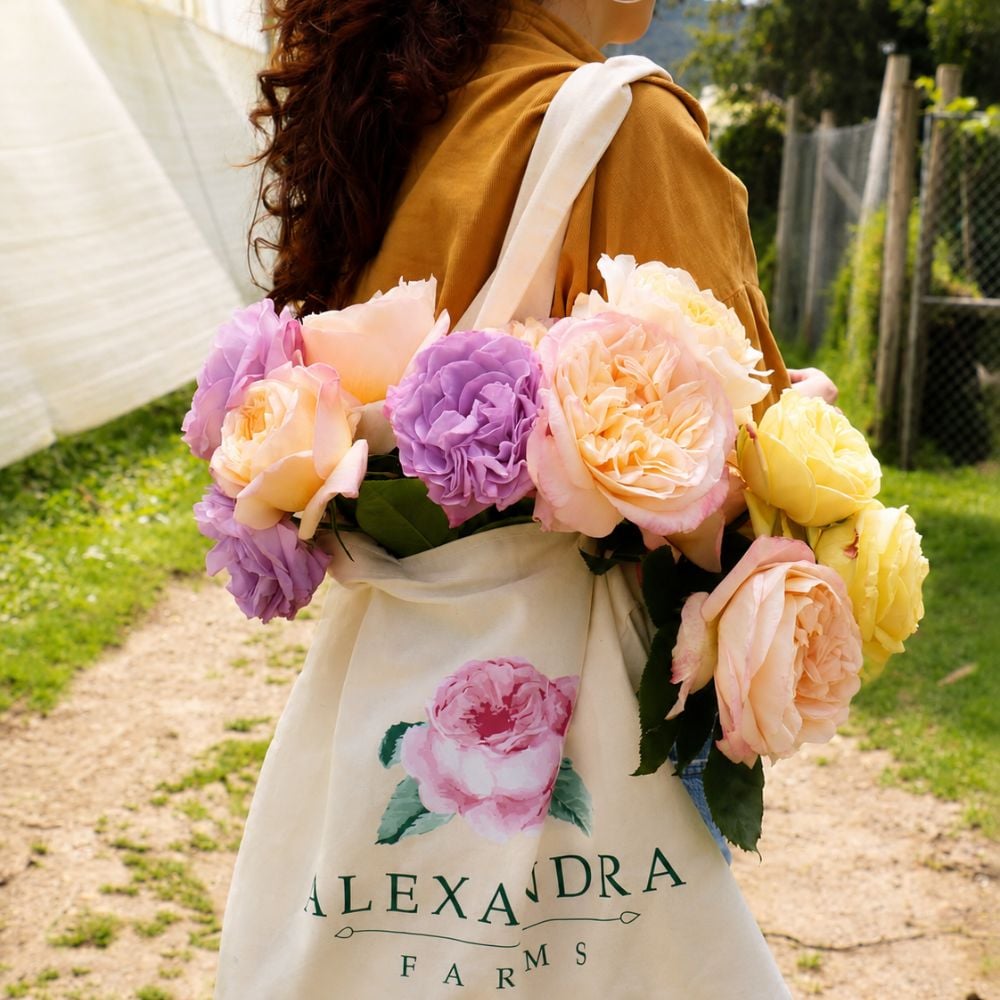
Warm days and cool Andean nights give their roses an unusually full, old-world bloom, and the farm's roses have become a fixture in wedding florals around the world, largely because of how deliberately curated their collection stays, even as demand has grown.
The Real Flower Company, UK
Tucked into the South Downs National Park between Hampshire and West Sussex, The Real Flower Company has been growing scented English roses, herbs, and foliage since 1995. What makes them boutique isn't just the size of their land; it's the seasonal rhythm they've built their business around.
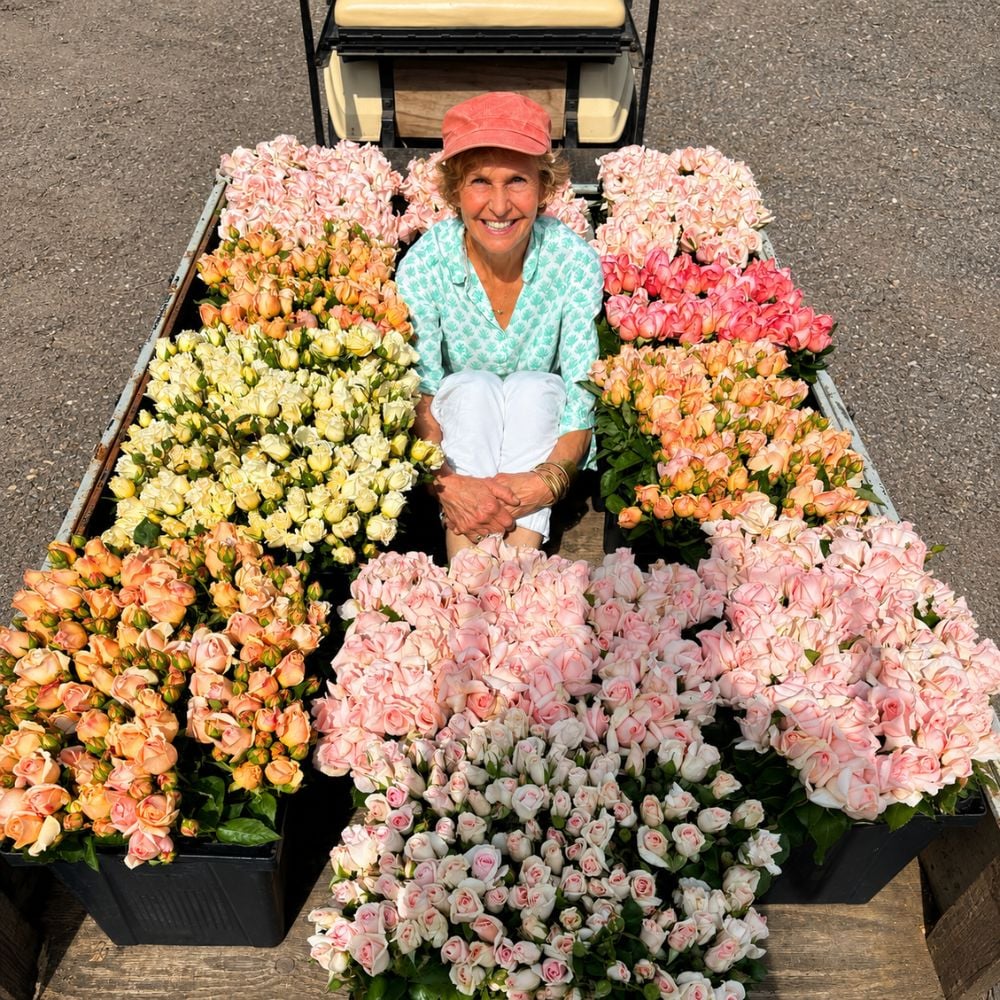
Their English-grown stems are only available part of the year, so for the rest of it, they lean on partner farms like Tambuzi to keep scented garden roses in supply without compromising on quality. It's a good example of how boutique growers often work in quiet partnership with one another rather than in competition.
Grace Rose Farm, California, USA
In Southern California, Grace Rose Farm has built its name around rare and old garden roses, the kind you'd expect to find in a grandmother's garden rather than a commercial greenhouse. Founders Gracie and Ryan didn't set out to become farmers. Still, their fixation on rose varieties with real character, unusual scent, uncommon color, and heirloom lineage turned a personal passion into one of the most followed rose farms in the country.
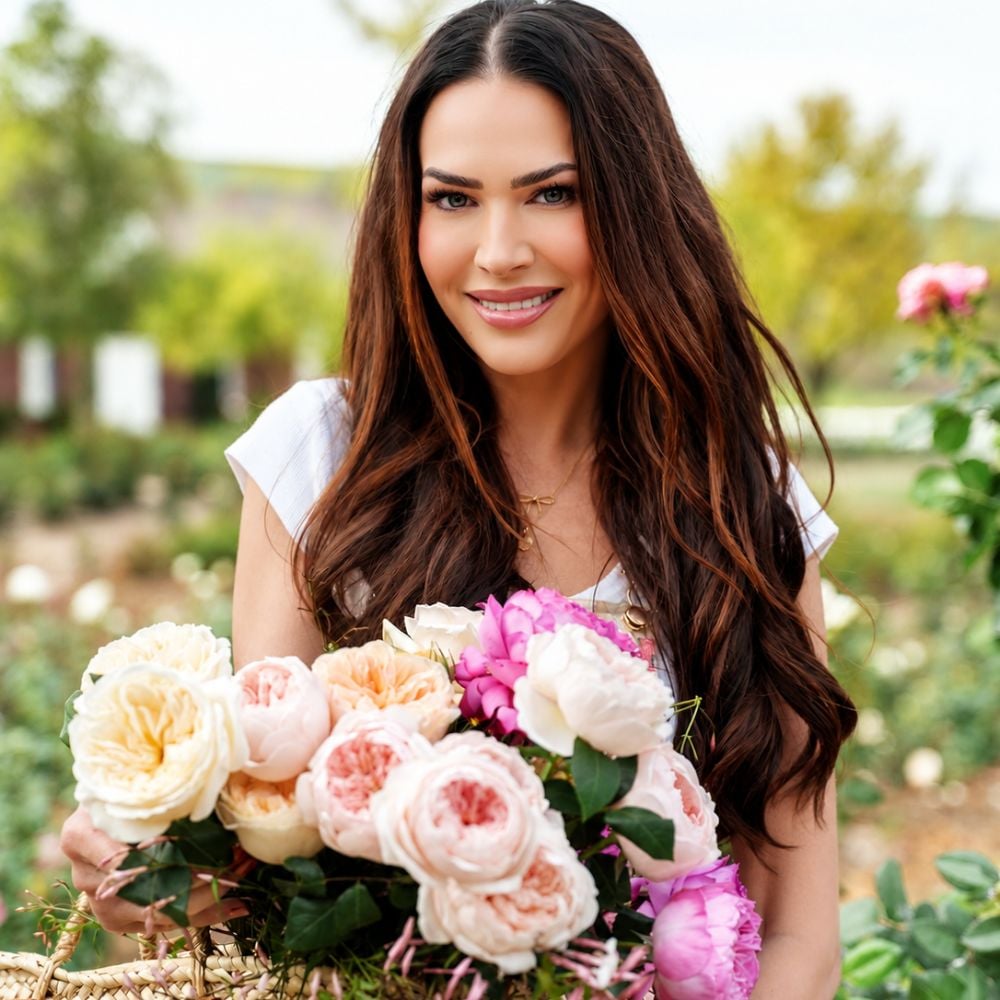
Guided tours through fields of tens of thousands of roses have become part of the experience itself, blurring the line between farm and destination.
Rose Story Farm, California, USA
Just up the coast in Carpinteria, Rose Story Farm has stayed family-run since 1998, tending over 130 varieties of fragrant garden roses across a modest 15-acre property. Their focus from day one was old-world roses with real scent, the kind that had quietly disappeared from much of the commercial flower trade.
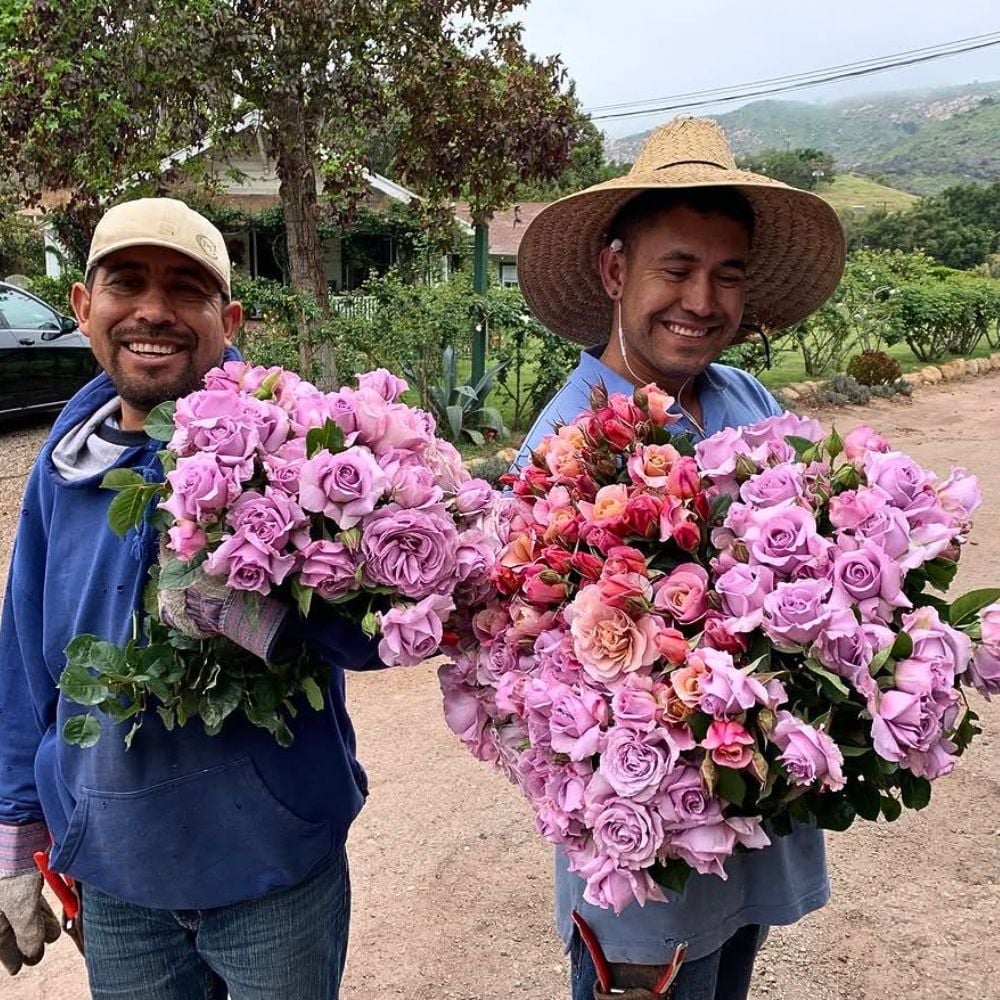
It's a farm built on memory as much as horticulture, and that intimacy still shows in how deliberately small they've kept things, even decades in.
Domaine de la Rose, France
In Grasse, the historic heart of French perfumery, Domaine de la Rose grows Rosa centifolia, the rose of May, across a modest, entirely organic estate. The flower blooms for just a three-week window each spring, and is still harvested by hand, picked at its most fragrant between nine and ten in the morning. What sets this farm apart isn't scale; it's restraint.
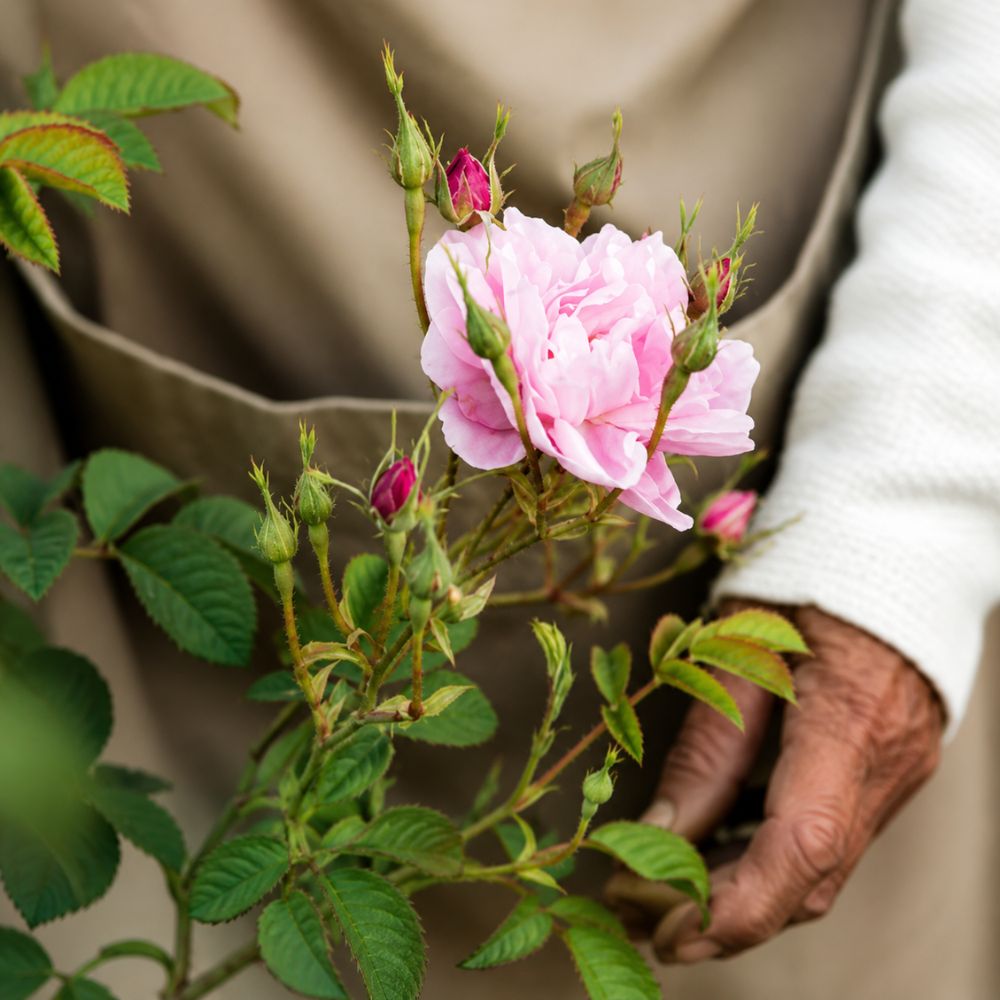
The property has been farmed organically since the 1960s, back when neighboring growers thought the practice was reckless, and that early, stubborn commitment to quality over yield has made it one of the most quietly influential rose farms in the world of fine fragrance.
Bugler's Post Farms, South Africa
On Piket-bo-berg, a mountain in South Africa's Western Cape, Bugler's Post Farms has been growing proteas, leucadendrons, and leucospermums since the 1950s, when a single grower planted the first blocks from seed collected in the Cederberg.
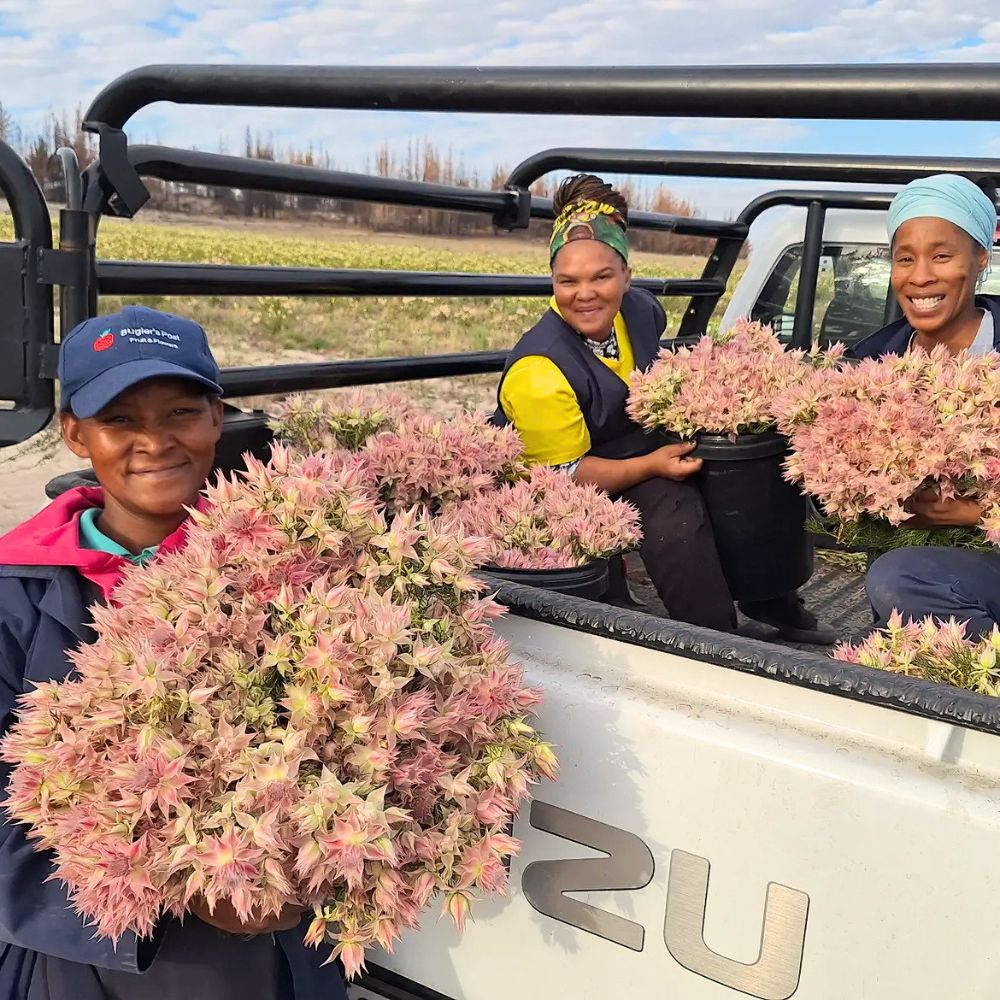
Still family-run generations later, the farm treats each new variety as a long-term investment, tracking color, vigor, and bloom timing over years before a plant ever reaches a packing box. It's a reminder that boutique growing isn't only a rose story; South Africa's fynbos has its own quiet, patient version of the same devotion.
Wabara, Japan
Nestled in the rolling countryside of Shiga Prefecture, just outside Kyoto, Wabara has reimagined what a boutique rose farm can be. Founded by renowned rose breeder Keiji Kunieda, the family-run operation is dedicated to breeding garden roses celebrated for their delicate forms, soft color palettes, and unforgettable fragrance, a distinctly Japanese take on a very old craft.
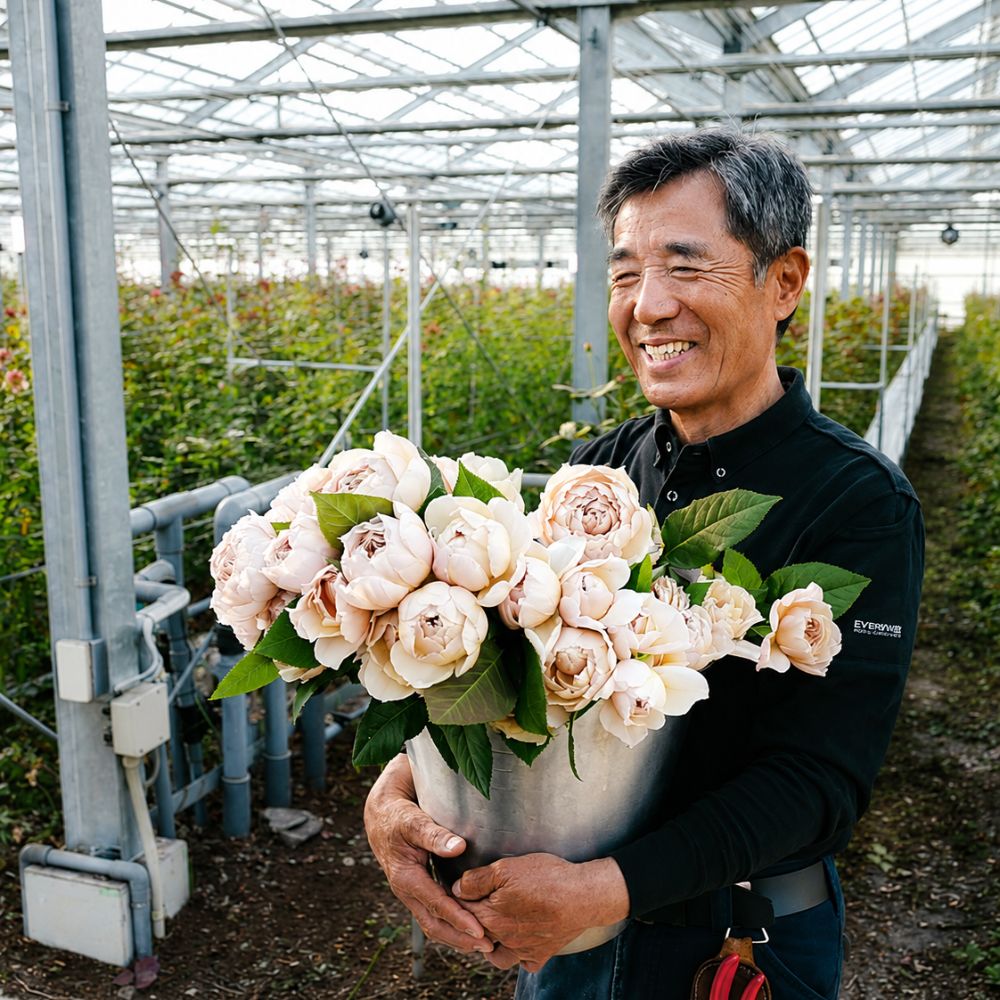
Rather than chasing uniformity or volume, Wabara focuses on roses that evoke emotion, movement, and a quiet sense of beauty, each variety bred and refined over years before it's ever considered finished. Today, its distinctive roses are sought after by florists and designers around the world, proof that a single, thoughtfully bred bloom can leave a far greater impression than thousands grown for scale. It's a philosophy rooted in craftsmanship, where every stem is treated less like inventory and more like a work of art.
Tikokino Peonies, New Zealand
In New Zealand's Hawke's Bay, Tikokino Peonies tends over 80 peony varieties across a modest, family-run property that was once little more than a horse paddock. Because the farm sits in the Southern Hemisphere, its peonies bloom opposite the Northern Hemisphere season, a quirk that's made it a valued source for florists chasing fresh peonies out of season.
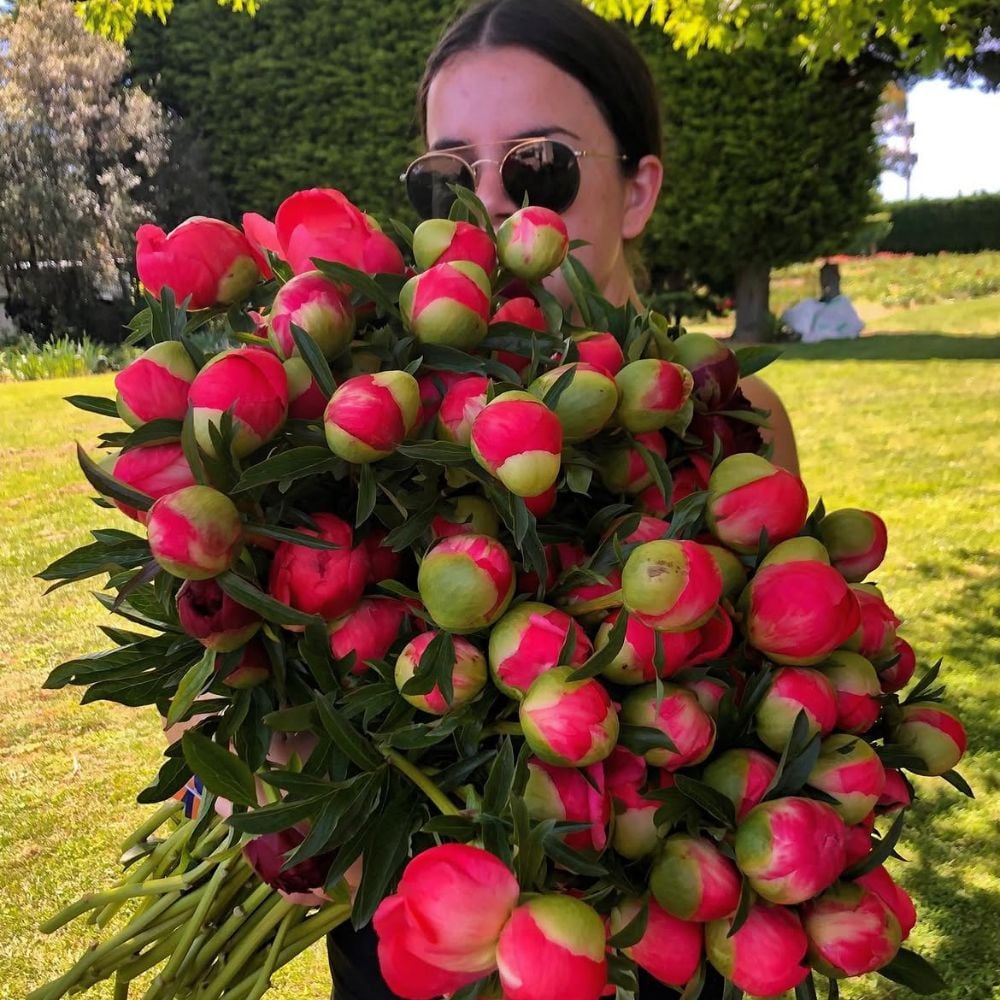
Every flower is hand-picked at a precise stage of openness, timed specifically so it will travel well and still be at its best by the time it reaches a client on the other side of the world.
East Coast Wildflowers, Australia
On the Central Coast of New South Wales, East Coast Wildflowers has been in the same family since 1968, now in its fourth generation of growers. What started as a modest planting of traditional cut flowers has grown into more than 200 varieties, the vast majority of them Australian natives: kangaroo paw, Waratah, flannel flower, grown across a property that's part cultivated rows and part wild bushland.
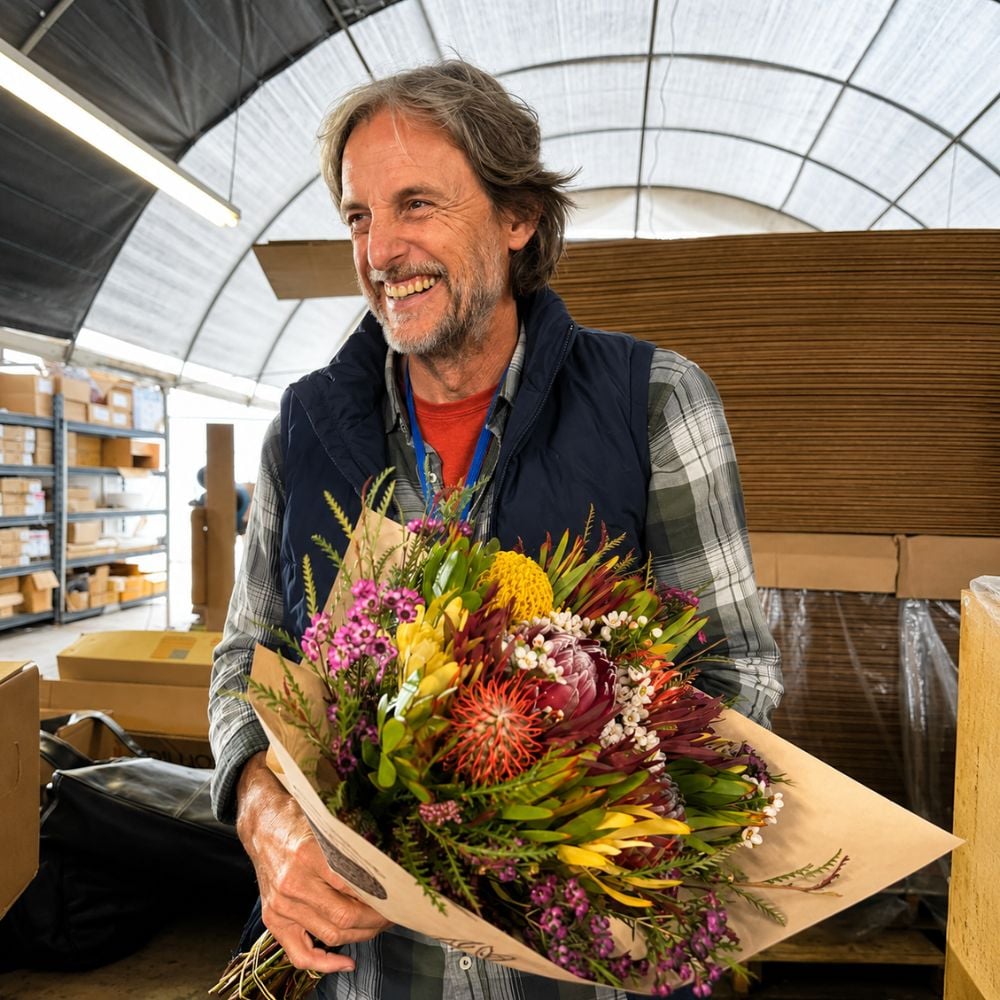
It's boutique in the truest sense: a family that could have scaled into commodity growing decades ago, and chose instead to keep chasing new native varieties nobody else was bothering with.
Floret Flower Farm, Washington State, USA
Nestled in Washington State's fertile Skagit Valley, Floret Flower Farm has become one of the world's most influential names in seasonal flowers. Founded by Erin and Chris Benzakein, the family-run operation began as a modest cutting garden and has grown into a leading destination for flower breeding, education, and sustainable growing practices.
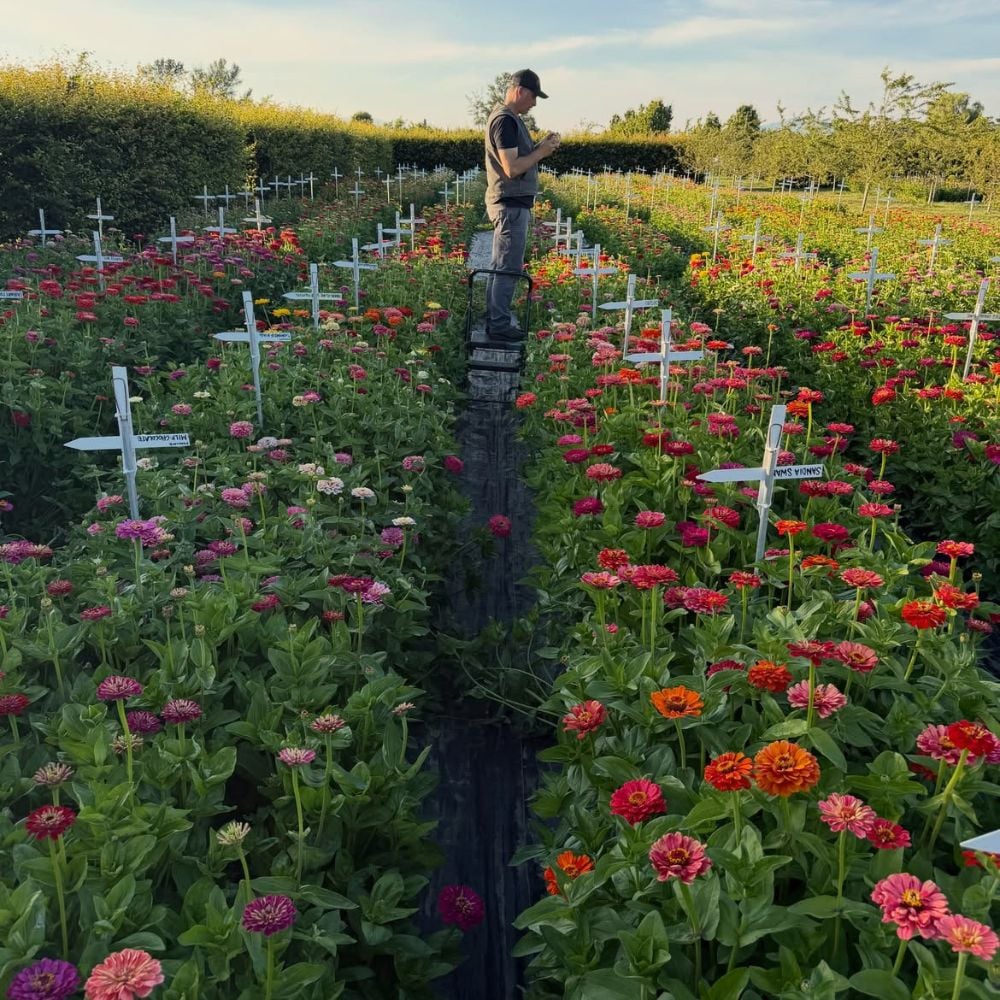
Rather than pursuing large-scale commercial production, Floret has stayed devoted to cultivating exceptional cut flowers, trialling new varieties, and building a global community of growers through research and education. From fragrant sweet peas and romantic dahlias to pioneering new cut-flower introductions, every season reflects the farm's commitment to beauty, craftsmanship, and biodiversity. It's a philosophy that has helped redefine modern flower farming, proof that influence isn't measured by acreage, but by the impact a single, thoughtfully grown flower can have on growers and designers everywhere.
What Ties Them Together
None of these farms is boutique by accident, and none of them is boutique because they couldn't grow bigger. Tambuzi could expand well beyond its current footprint. Alexandra Farms could chase volume over character. Each of them has chosen not to, because the story of a flower- where it came from, who grew it, how much care went into every stem- is the entire point.
That's really what separates a boutique farm from a large-scale one. It's not the acreage. It's whether the grower can still tell you something specific about the rose in your hand: its scent profile, its lineage, the season it blooms best in, the hands that picked it. Scale makes that harder. Boutique growers have simply decided it's worth protecting.
The next time a bouquet crosses your counter with a fragrance that stops you mid-step, there's a good chance it came from a farm exactly like these. Small enough to know every variety by name, and proud enough to keep it that way.
Header image by @Rose Story Farm.