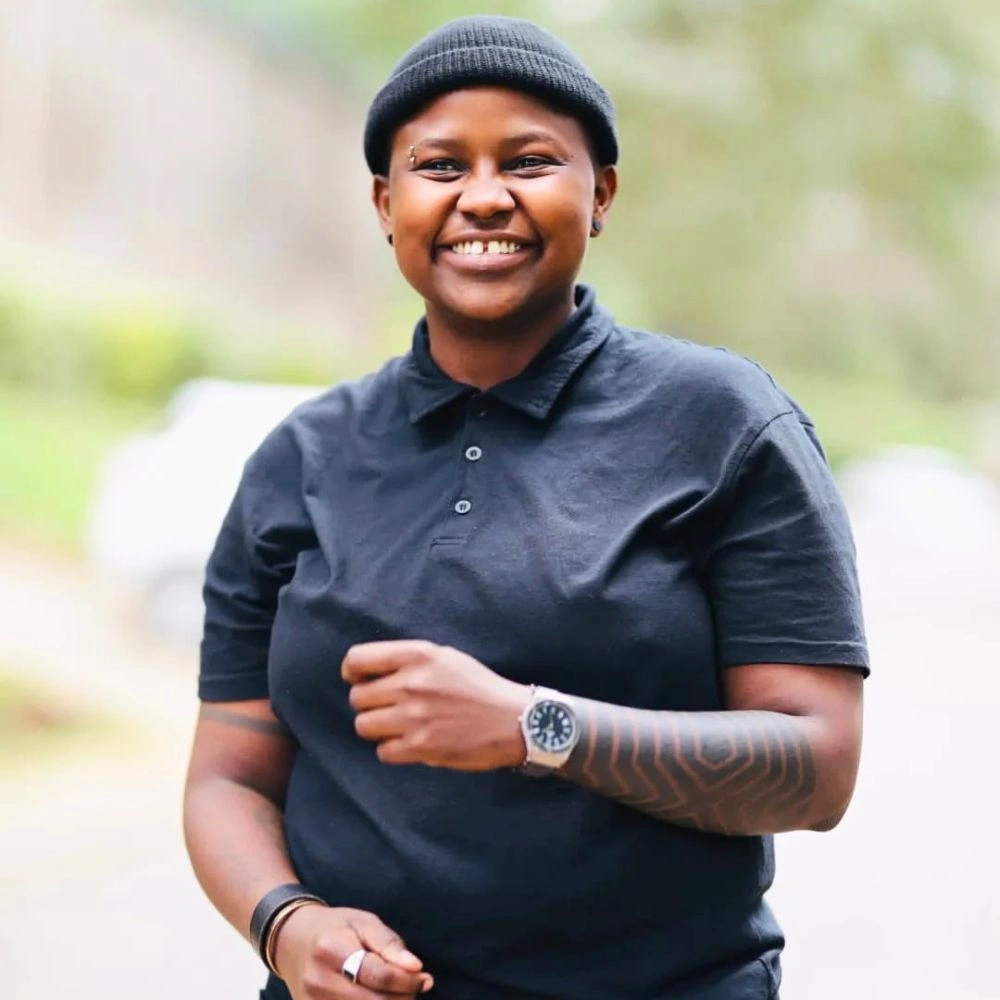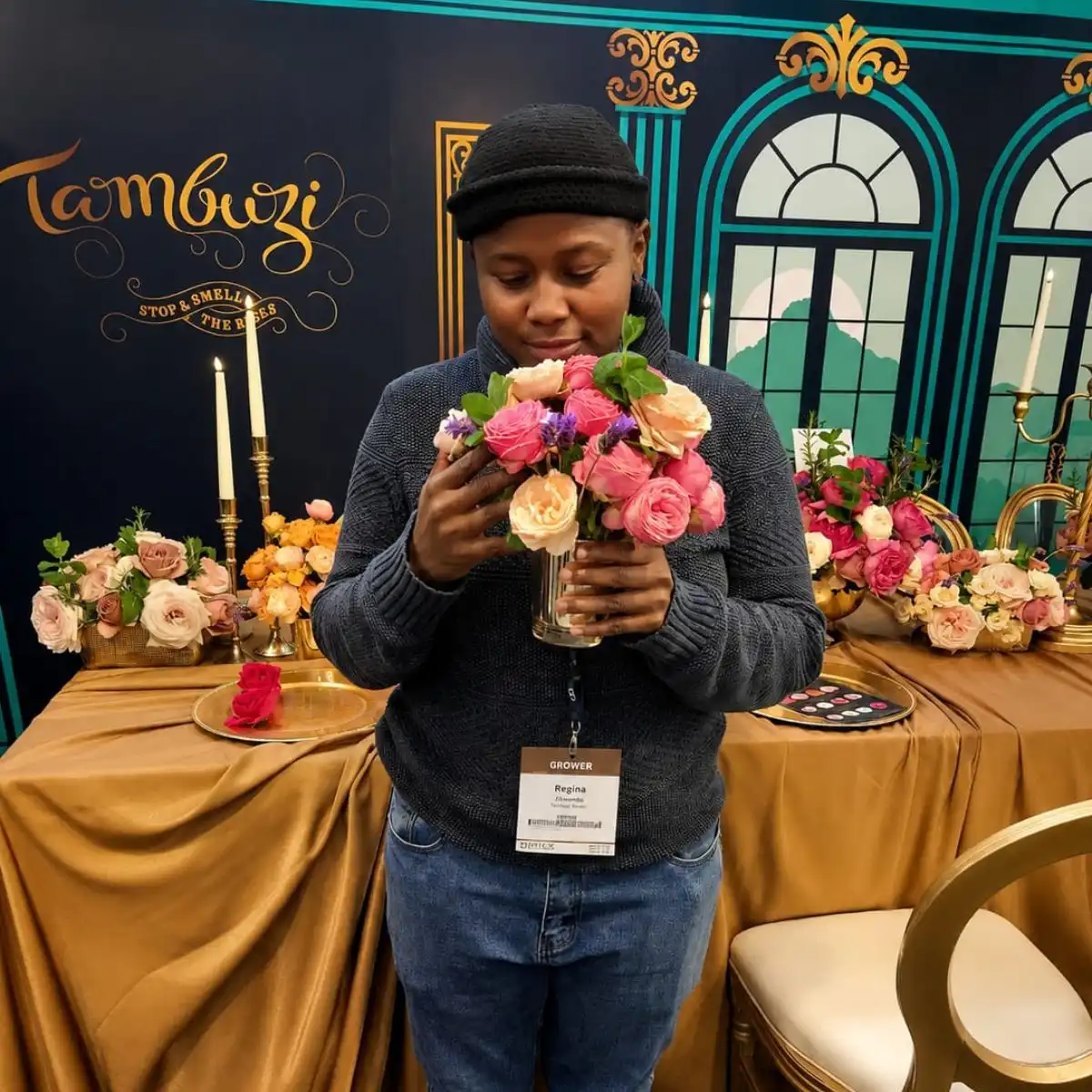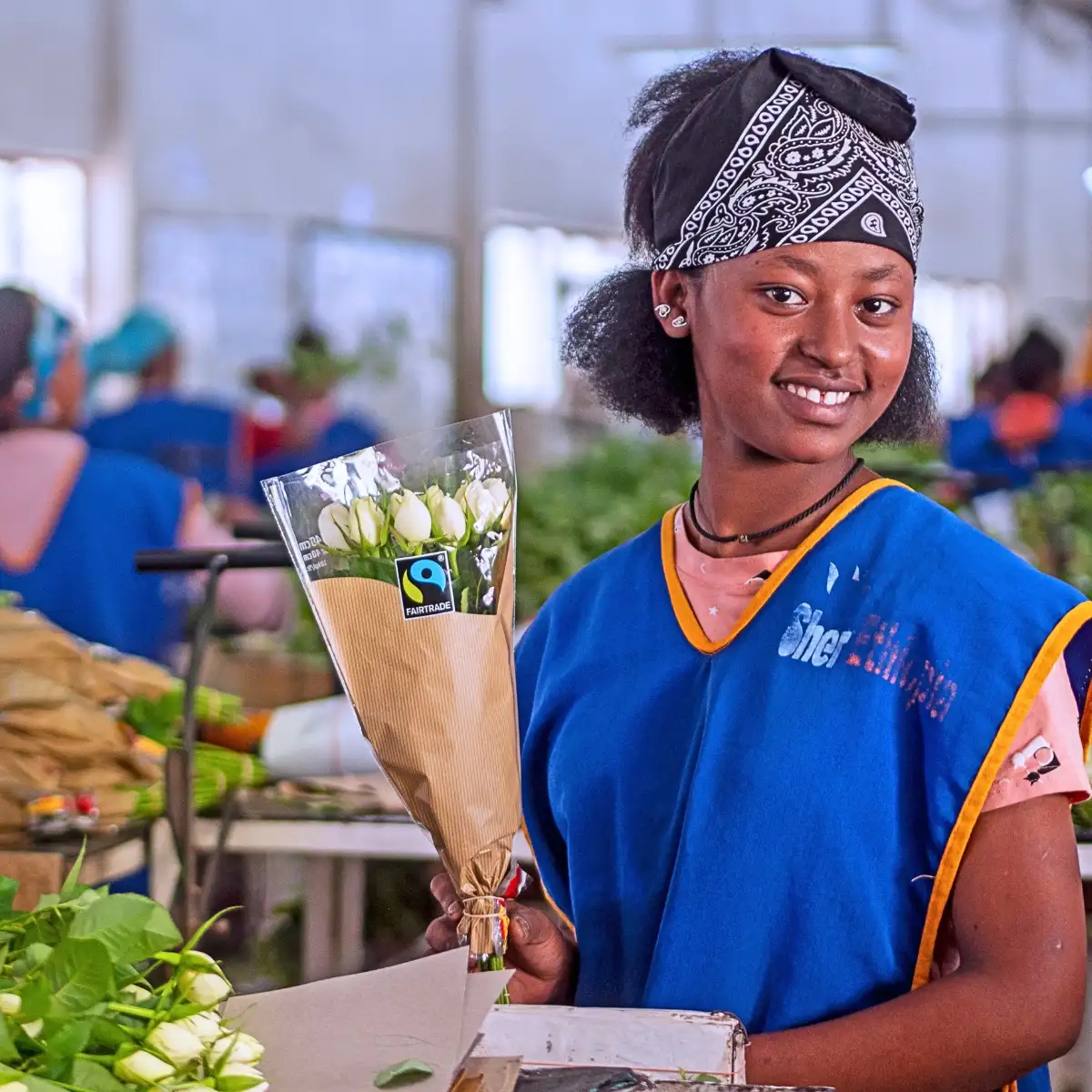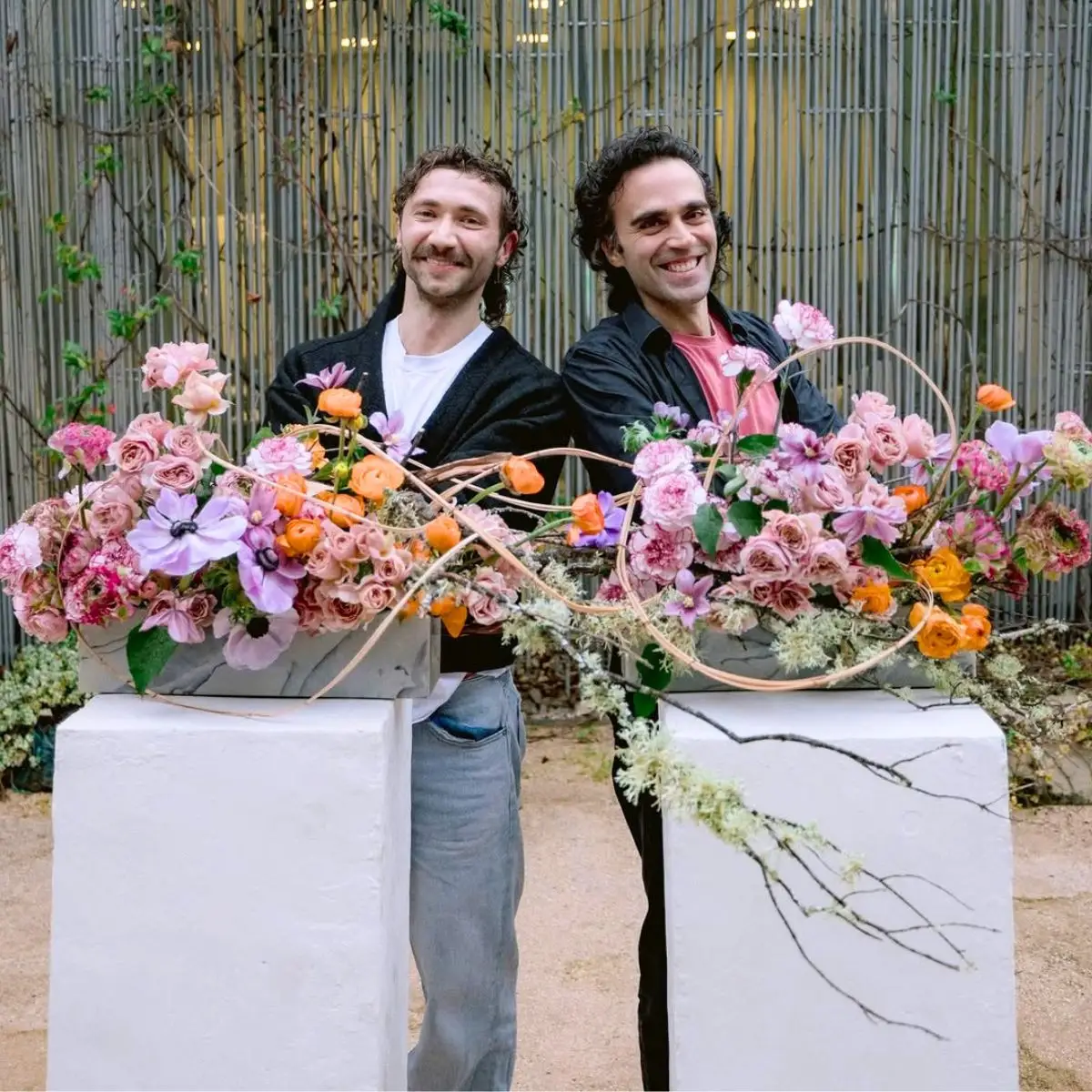
There's a word people love to use when they talk about Tambuzi Farm: boutique. It gets thrown around a lot in this industry, sometimes as a compliment, sometimes as a polite way of saying "small." But having grown up on this farm and later worked inside it, I can tell you that at Tambuzi, boutique was never about size. It was a choice.
It started, as most good things do, almost by accident. In the mid-1990s, Tim Hobbs and Maggie Hobbs, a couple with Kenyan roots, came across a derelict farm on the foothills of Mount Kenya, just miles from the Equator. It wasn't a rose farm at all in the beginning. The land had originally been used for dairy and beef production, and the name Tambuzi itself carries that history, a nod to the goats, mbuzi in Swahili, that the Hobbs started with, blended with their own initials. What they built from that beginning has never chased scale for its own sake. Today, Tambuzi has 25 hectares of roses and summer flowers at its original Burguret site, alongside sustainable forestry, beekeeping, and livestock, and has expanded to two further farms in Timau. By global flower farm standards, that's still modest. And that's precisely the point.
Specialization Over Size
Ask anyone in the industry what makes Tambuzi different, and the answer almost always comes back to scent. Tambuzi has spent over two decades specializing in traditional scented garden roses, at a time when much of the cut flower industry was optimizing for stem count, uniformity, and shelf life. Tambuzi went the other way. Their philosophy has never been just about productivity and vase life. It's equally about a rose's beauty and its character.
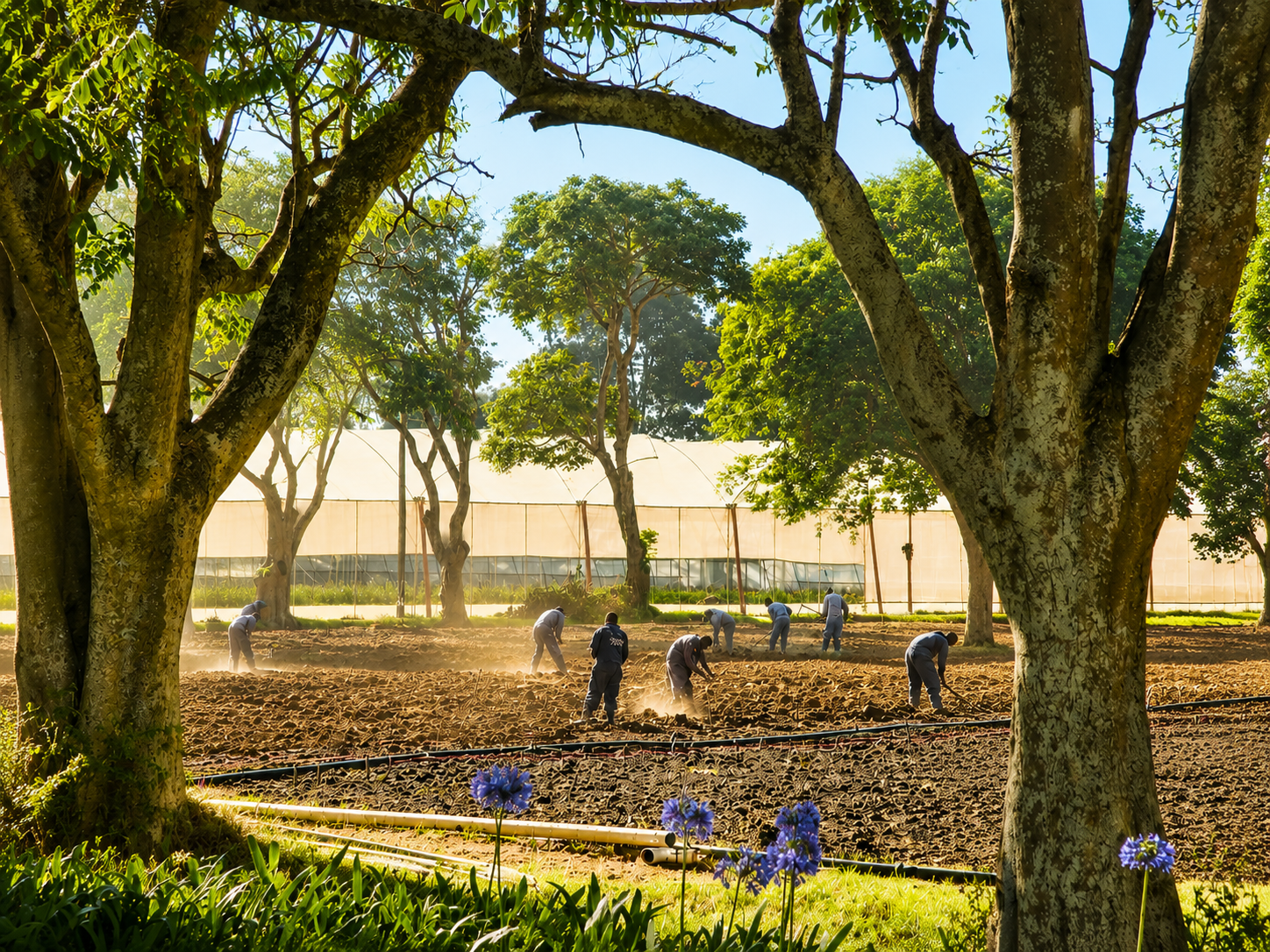
That's a boutique mindset in the truest sense: choosing depth of craft over breadth of production. Rather than growing everything, Tambuzi grows a curated range, now over 130 carefully selected rose varieties, including English roses from the David Austin collection, alongside herbs and foliage used to round out floral arrangements. Every variety earns its place in that lineup.
One of a Kind, Literally
Here's something that still amazes me, even having worked there. Tambuzi is the only specialized scented garden rose farm in Africa. Not the biggest. Not the loudest. The only one doing exactly this, on this continent.
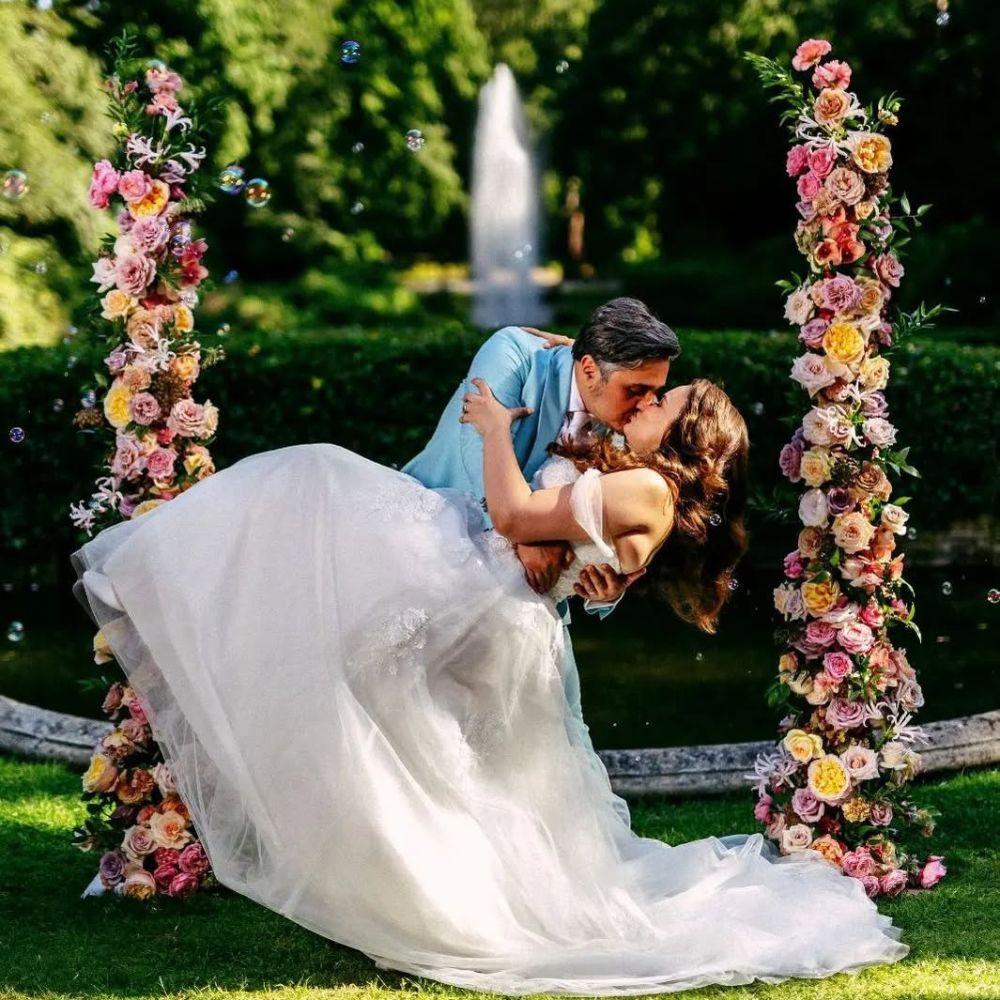
And the farm hasn't just grown scented roses quietly in a corner of Kenya. Tambuzi made history as Kenya's first-ever garden-scented rose farm, setting a benchmark the rest of the industry has followed since. Their flowers have even been used in royal weddings, which tells you everything about the level of craft packed into every stem. Being boutique, in Tambuzi's case, has never meant being closed off from the world. It's meant to be selective about what they grow, and uncompromising about how they grow it.
Land, Not Just Roses
Part of what keeps Tambuzi feeling boutique, even as it expands, is its relationship with the land around it. The three Tambuzi farms sit within Nyeri, Laikipia, and Meru Counties, on the edge of a vast semi-arid wilderness that supports large populations of wildlife, some of them endangered. Tambuzi is the only large-scale flower farm in a region otherwise made up of small farms of two to six acres, mostly growing maize, beans, and potatoes. Sitting almost directly on the Equator at 1,900 meters above sea level, with ten hours of sunshine a day and roughly 800mm of rainfall a year, the farm has near-perfect natural conditions for the kind of slow, deliberate rose growing that mass production can't replicate.
.jpg?1783666349958 "The beauty of everyday life at Tambuzi")
That geography isn't incidental. It's part of why a scented rose grown at Tambuzi smells the way it does, and why the farm has never needed to industrialize its way to relevance.
Boutique as a Value System
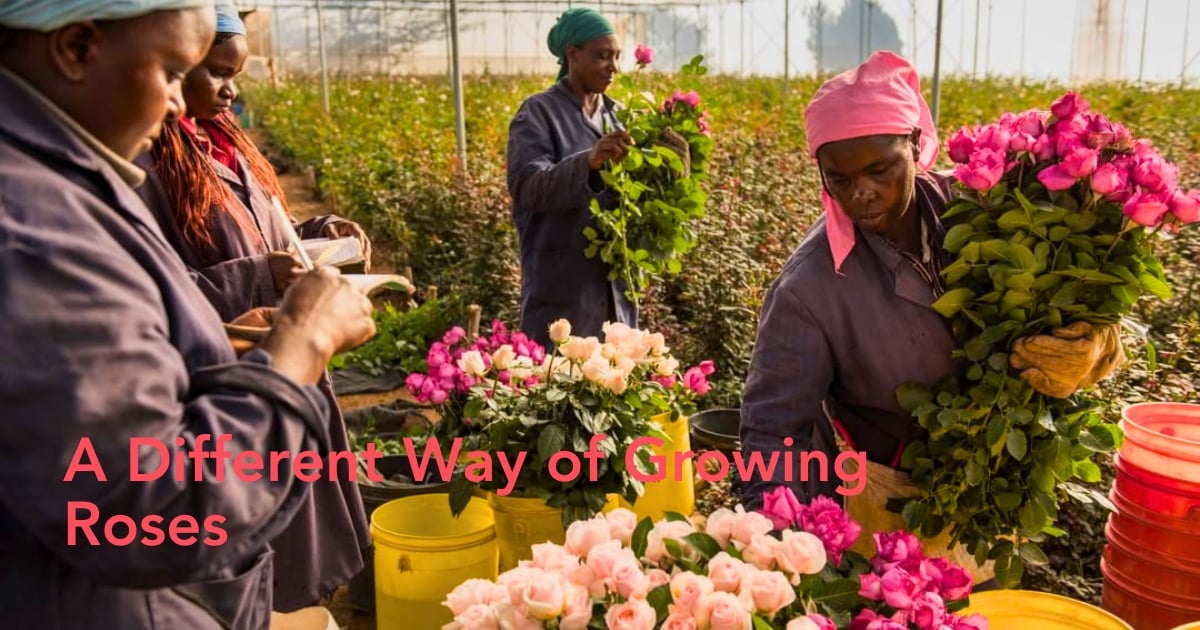
What people sometimes miss is that "boutique" at Tambuzi extends well past the greenhouses. The farm employs over 300 people full-time, with roughly 80 percent living close enough to walk to work, and gives hiring priority to members of the local community. On average, each employee supports three to six dependents, meaning the farm's employment directly touches more than 1,800 people. Over half the staff have been there more than five years, which, in an industry known for high turnover, says something about how people are treated.
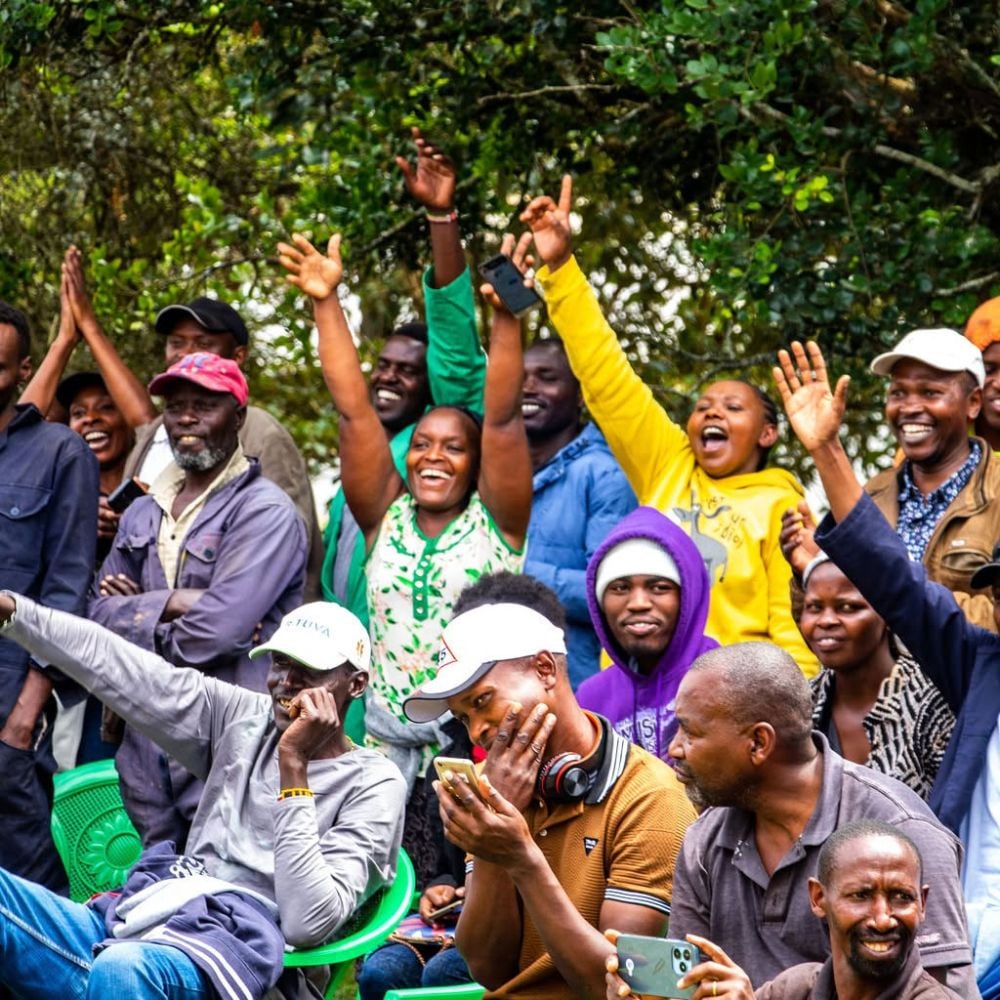
Add to that the fact that Tambuzi became the first flower farm in the world to reach Carbon Neutral Gold Standard, achieved through practices like harvesting rainwater, vermi-composting green waste, and running on solar energy, and it becomes clear that boutique, here, isn't a branding decision. It's a whole way of doing business, one that prioritizes care over volume at every level, from the soil to the people tending it.
Still Small Enough to Notice Everything
I think about this a lot: a farm can grow, add hectares, add new sites, and still stay boutique, as long as it never stops noticing the individual rose. That's what Tambuzi has managed to do. Every new variety still goes through a trial process before it reaches the market. Every stem is still, in some sense, personally vouched for.
.jpg?1783678227188 "Lady standing with a lovely Tambuzi bouquet")
Maybe that's the real definition of boutique. Not how much land you have, or how many stems you ship. It's whether you can still tell the story of every single one. That's Tambuzi. And having grown up watching it happen, up close, in the grading house and the greenhouses, I can say it's never been an act.
Header Image by @Tambuzi Limited.