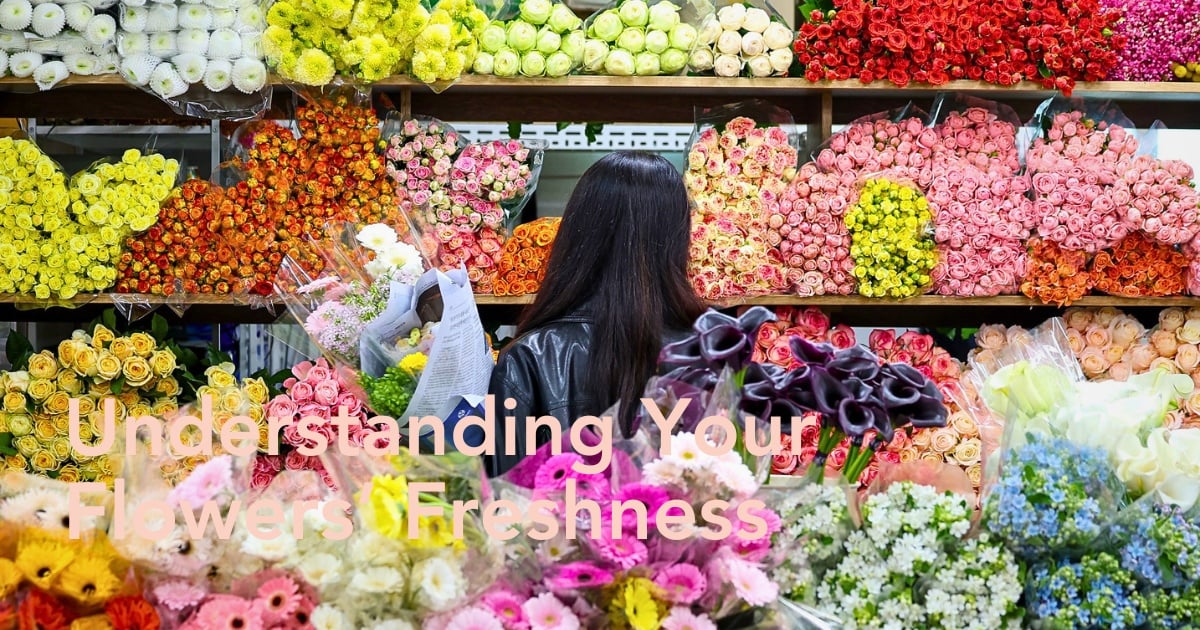
Walking into a flower shop full of colorful flowers can make it seem easy to just grab the nearest, prettiest bunch and head home. In fact, this is what most shoppers do: they reach for whatever color catches their eye first, take it home, and a few days later, they wonder why the arrangement barely lasted past a few days.
A beautiful bouquet today does not always mean a long vase life tomorrow, and choosing well takes only a minute longer. It all comes down to reading a handful of physical signs that a flower gives off. Flower freshness is all about checking the buds, petals, stems, leaves, and water so every purchase lasts as long as it should.
Start With the Buds, Not the Open Flowers
The instinct to pick the fullest, most open flower on display is understandable, but it usually works against you, because the biggest clue to a flower's age is how open it is. Fully open flowers may look full and impressive on the shelf, but they are often several days into their vase life already. A flower with a tight or just-beginning bud still has most of its vase life ahead of it.
Savvy florists reiterate this notion, noting that the freshest flowers are still in the process of opening, with snugger buds pointing to a younger flower. Tulips in particular are best purchased before they open at all, since the tighter the bud, the younger the stem and the longer it will hold up once it gets home.
The buds should also look plump and firm and not shriveled. They should also have a color that already looks rich instead of pale or washed out, and the outer bud casing, where present, should sit snugly against the petals and not seem to be peeling away. These flowers will continue to open once they reach a vase at home.
Check the Petals and Color
Run your attention across the petals themselves before anything else. Fresh petals should feel firm and look smooth, with strong, even coloring and no curling at the edges. Faded color, curling edges, brown spots, or a slightly transparent look are all signs that a flower has passed its peak. Experienced florists recommend looking for petals with bright, even color and a bit of firmness, not a limp or papery feel.
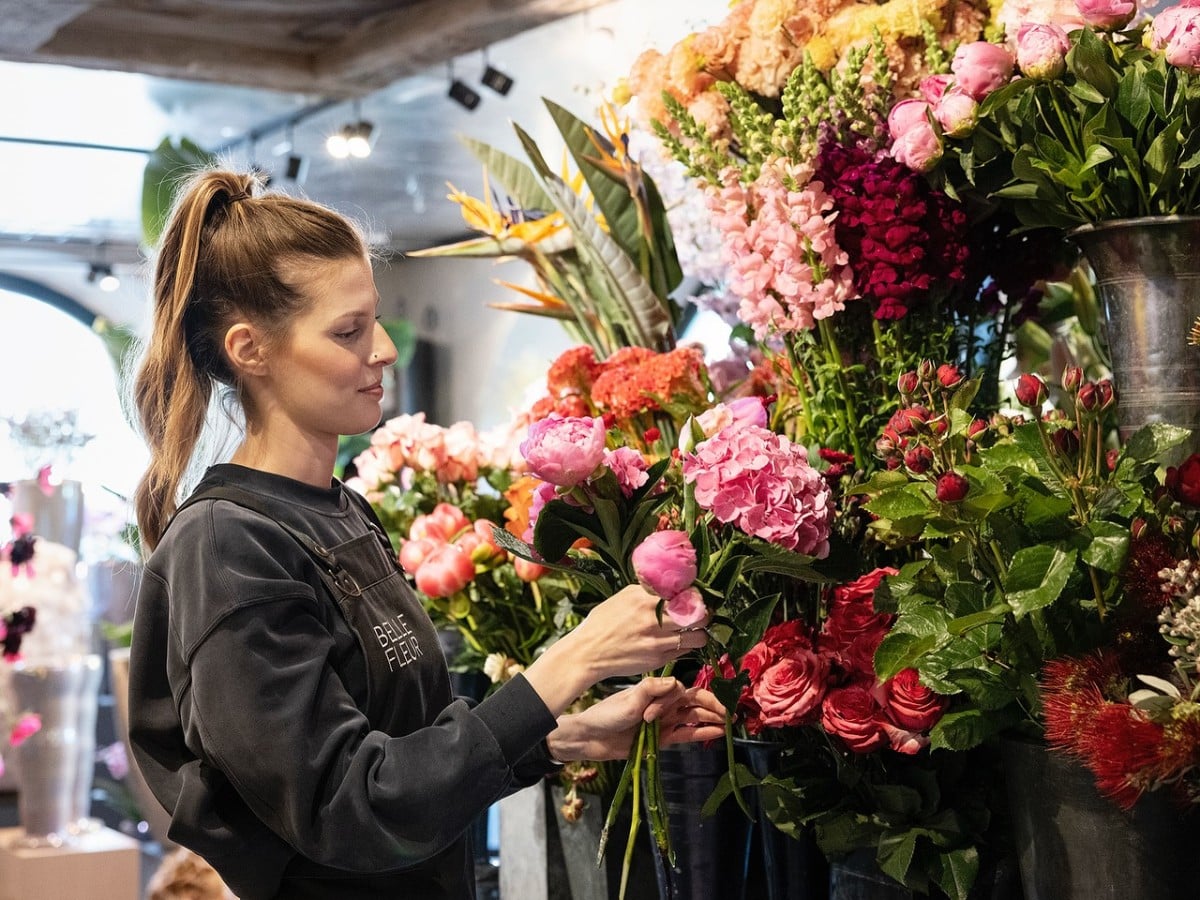
For roses specifically, a simple touch test would do. Press lightly where the petals meet the stem; a firmer feel shows freshness, while a soft or mushy feel means the flower is already declining. It also helps to gently move your fingers underneath a few petals and leaves; a faint rustling sound is generally a reassuring sign, while petals that feel sticky, limp, or unusually soft to the touch are worth passing over.
Inspect the Stems and Leaves
Stems and leaves reveal just as much as the flower heads. Fresh stems should be firm, green, and free of any slimy texture, since a soft or discolored stem often means bacteria have already moved in. Leaves should be green and crisp and not yellowing, spotted, or wilted. Any leaves with small holes suggest insect damage before harvest.
It also helps to check the calyx and sepals, the small green cups just below the flower head, which should look healthy and intact. Standard roses purchased fresh from a shop typically hold for twelve to eighteen days, a benchmark noted in this flower shopping checklist, so a flower stem that already feels weak at the point of buying is unlikely to reach anywhere near that window.
Look At the Water and the Shop Itself
The bucket a flower sits in before you buy it says a lot, too. Clean, clear water with no odor is a good sign, while cloudy or murky water suggests the presence of bacteria that shortens a flower's remaining life. Shopping early in the day can also make a real difference, since many shops restock their coolers in the morning.
Freshness at the point of purchase is more important than almost any other factor, since a flower that has already sat in a cooler for several days has burned through a significant part of its vase life before it reaches your hands, as explained in this guide on how long a bouquet should last.
Consider the Season and the Source
Flowers that are in season at the time of purchase tend to be generally fresher, since they have spent less time in transit before reaching the shop. A dedicated florist will often condition stock more carefully than a general retail counter, trimming stems, monitoring water, and storing flowers at a reliably cool temperature, while flowers displayed near produce sections in a supermarket can age faster due to nearby fruit releasing ethylene gas, which speeds up wilting.
Separating ethylene-sensitive flowers from other produce is one of the standard steps florists take to protect a bouquet's freshness, so a shop that keeps its stock well away from the fruit aisle is generally a safer bet. Asking a staff member how recently a shipment arrived is also a perfectly reasonable question, since even a well-run shop will have flowers at slightly different stages within the same cooler.
Ask About Variety-Specific Care
Not every flower shows freshness the same way, so it helps to know a little about what you are buying. Roses, for example, benefit from a proper diagonal cut and clean water from the start, as outlined in this guide on how to care for cut roses. Tulips continue to grow and change shape after purchase, so a bit of upward curve is normal and not a warning sign.
Lilies should arrive with mostly closed buds, since a fully opened lily has already used up a good share of its display window, as detailed in the lily care guide. A good florist will happily answer questions about the specific variety you are considering, so do not hesitate to ask.
Why Checking Flower Freshness Is Important
Before finishing your selection, take a quick look for any seeds or loose pollen around the center of the flower, since visible pollen usually means the flower was cut after it had already begun reproducing and is closer to the end of its life than the beginning. A faint, pleasant scent is another reassuring sign, while flowers with almost no fragrance at all sometimes indicate age or premature deterioration.
Certain flowers, including some varieties known for their durability, can hold for more than two weeks with proper care, so asking the shop which flowers in the current selection tend to last is a reasonable question and not an imposition. Most florists are glad to point a shopper toward the sturdiest options in the cooler, and a moment spent asking will usually save an entire week of enjoyment once the flowers are home.
Essentially, choosing wisely at the shop is the first step for everything that follows at home. Even the best care routine cannot fully make up for a flower that was already past its prime when purchased, which is why vase life science points to freshness at harvest and sale as one of the biggest factors in how long a bouquet lasts eventually.
Featured image by @lamaisonbellefleur. Header image by @newsis_photo.