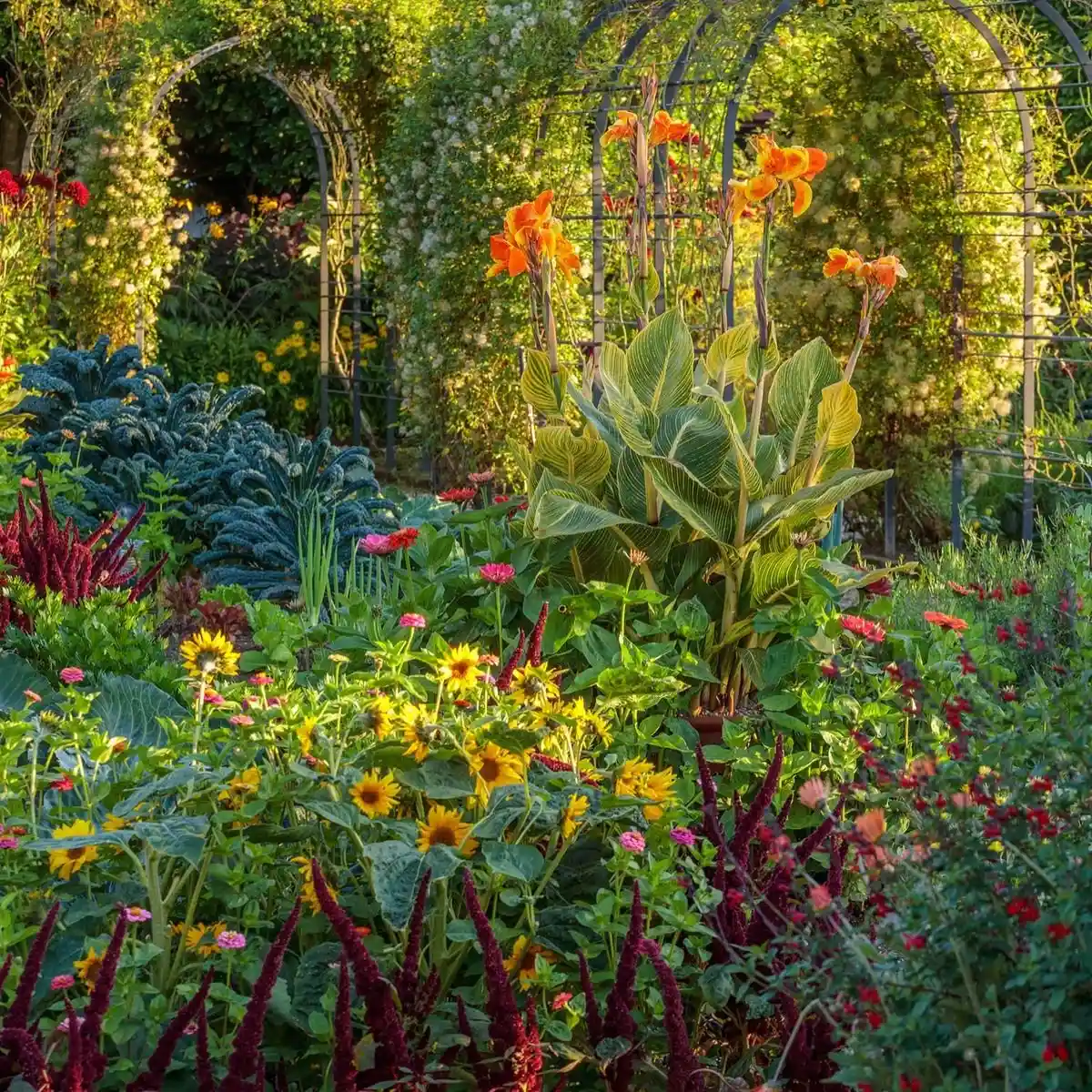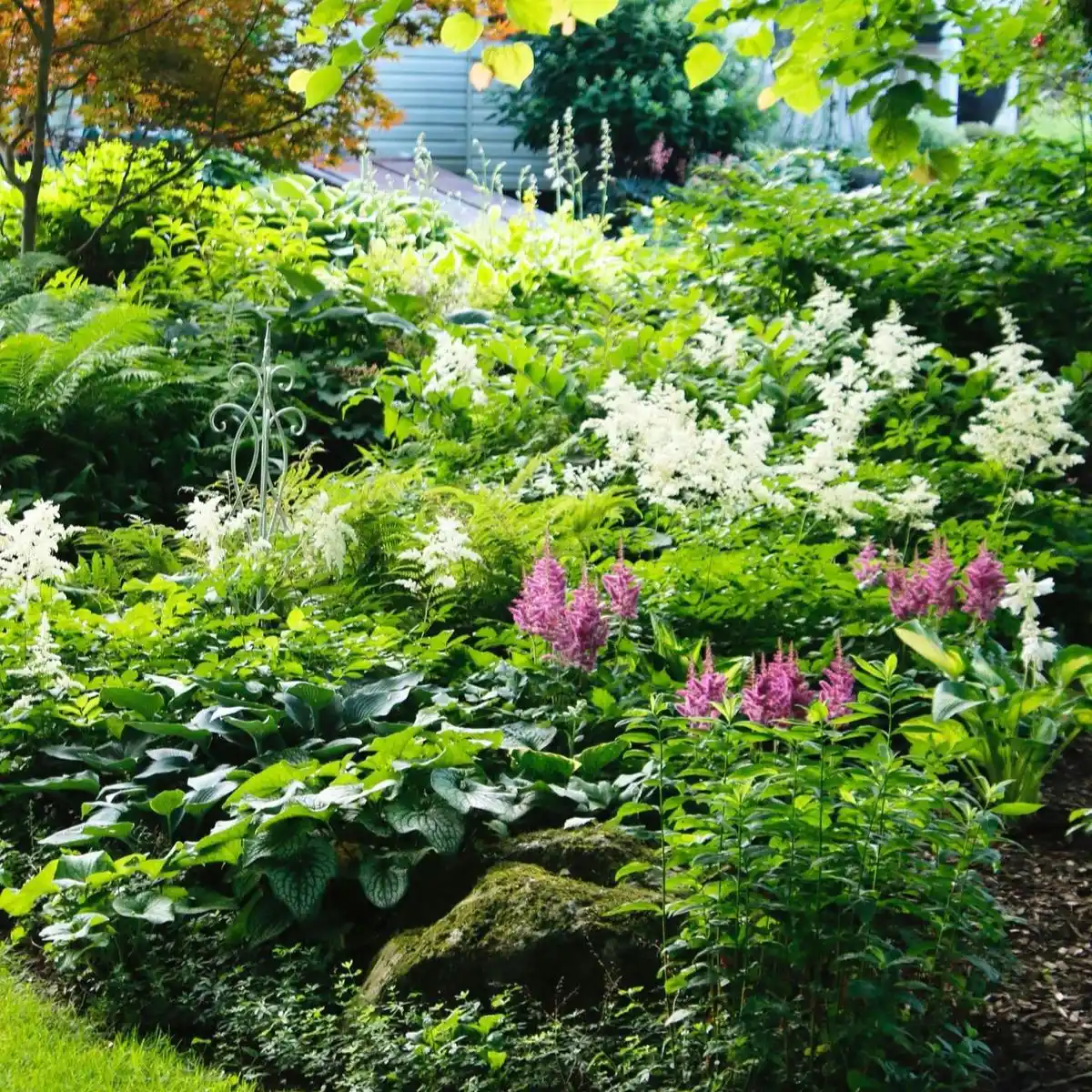
There is something timeless about the cottage garden. It’s simple, generous, and a little bit wild. Flowers spill over paths, roses climb walls and arches, tall stems rise behind lower plants. Nothing is too perfect-looking, but the garden has its own quiet rhythm.
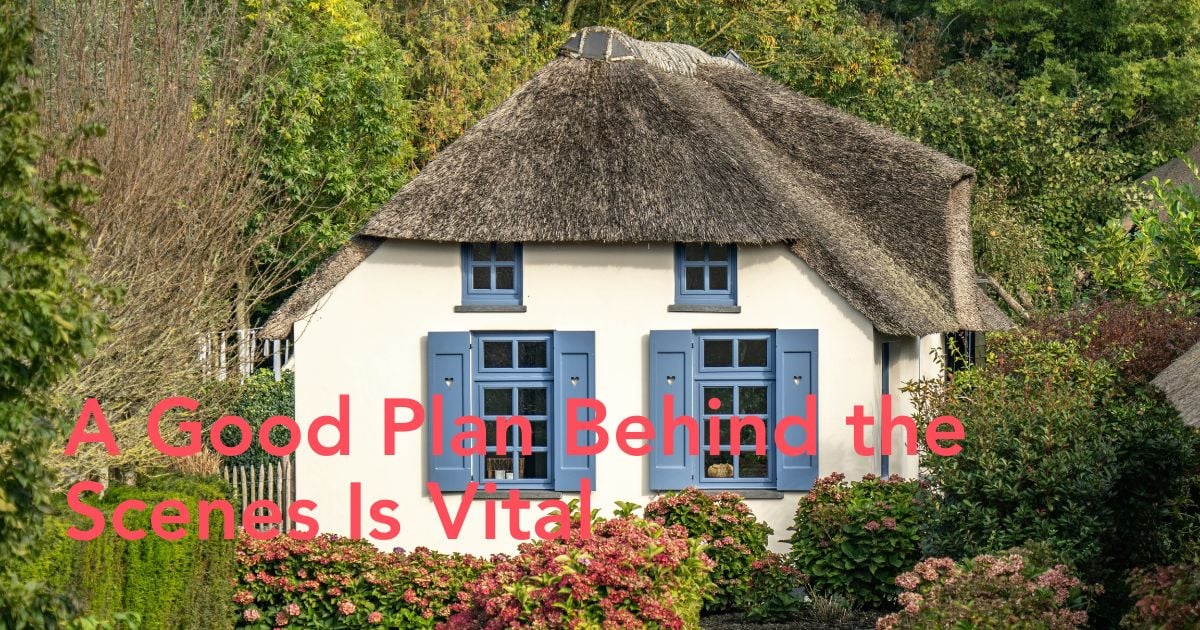
That careless look is not quite as careless as it seems. To make a cottage garden a success, a good plan behind the scenes is vital. Plants have to cooperate instead of competing for space. Height, color, bloom times and growing habits all matter.
This is where digital planning can make a big difference. With GardenBox 3D, you can build a realistic garden layout before you buy a single plant. The 3D view makes it easier to test different combinations, move plants around, and see how the finished garden could look.
What Makes a Garden Feel Like a Cottage Garden?
Cottage gardens are often packed with plants. That’s one of their most recognizable features. Instead of large areas of bare soil or neatly separated planting beds, you see a rich blend of flowers and foliage.
Classic cottage garden plants include roses, foxgloves, delphiniums, lupines, hollyhocks, peonies, lavenders, salvias, geraniums, daisies and climbing plants. Annuals are useful to fill gaps while perennials are getting started. Edible plants and herbs can also be used in a natural way in the design.
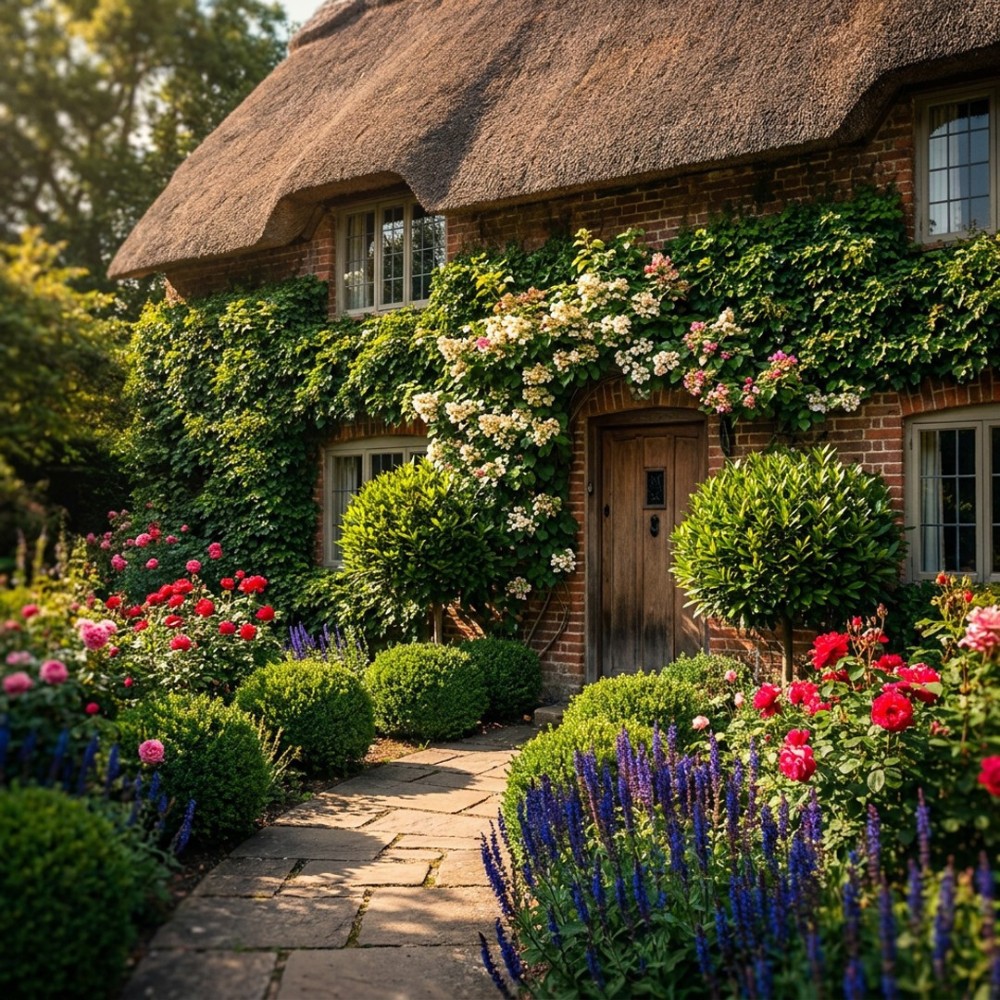
Some plants should stand up tall and catch the eye. Others should be in the middle. The edges are softened by low-growing flowers. Climbers can add another dimension by using walls, fences, arches or pergolas.
Think in Layers, Not Individual Plants
One of the easiest ways to plan a cottage garden is to divide plants into three or four height groups.
The back layer is for tall plants. Think hollyhocks, delphiniums, foxgloves, tall grasses, and climbing roses. These plants create a backdrop and give the garden vertical interest.
The middle layer contains plants of medium height. Roses, peonies, salvias, lavender, catmint, and many hardy geraniums work well here.
The front layer is made up of lower plants. Creeping thyme, lady’s mantle, small geraniums, edging plants, and compact annuals can soften the transition to paths and lawns.
Then there is the vertical layer. Climbing roses, clematis, honeysuckle, and other climbers can turn a plain fence or wall into part of the planting scheme.
Give Plants Enough Space
It's a common mistake when you buy a plant to just look at how it looks. A small perennial in a nursery pot might be just the thing for a narrow space. It may take up half the bed in a few years.
Before adding a plant to the plan, check its mature width and height. This is all the more relevant in a cottage garden where the planting is dense.
The idea is to suggest abundance, not to crowd them in.
This part can be made easier by GardenBox 3D. Instead of working from a flat list of plant names, you can place plants in a 3D garden and see how they relate to one another in space. Put a tall plant behind a group of medium-height flowers. Then bring it closer to the path. The difference can be surprisingly significant.
Use Color, But Keep It Connected
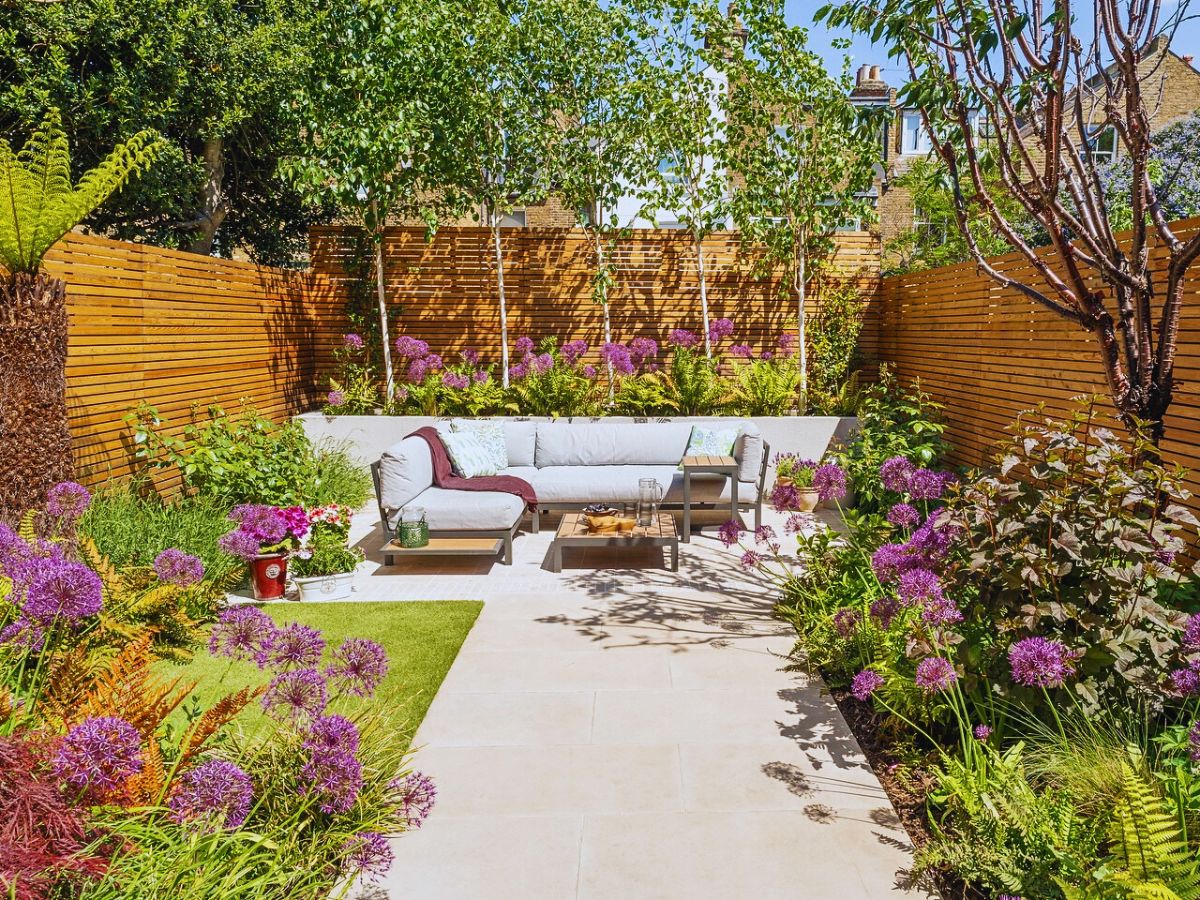
Soft and romantic colors are often associated with cottage gardens. Classic colors are pink, white, lavender, blue, cream, and pale yellow. But there’s no hard and fast color rule. The most important thing is repetition.
If you choose pink roses, for example, repeat pink elsewhere in the border. Add a couple of pink foxgloves or geraniums. If you select blue salvias, find the color in another blue or purple flower nearby. This provides visual links all over the garden.
This is where GardenBox 3D comes in handy, as you can try out different combinations of plants before you buy. Try a mostly pastel planting first. Then add darker purple/burgundy flowers. You can also play with a warmer palette of yellows, apricots, soft reds and pinks.
Plan for a Long Season of Flowers
A cottage garden should not be wonderful for a couple of weeks in June. The most successful designs have some action from spring on into fall.
Begin with early-season plants such as bulbs, primroses and early-flowering perennials. Follow with peonies, roses, foxgloves, salvias and other summer flowers. Then late-summer and autumn plants can take over.
Don’t choose plants just because they bloom at the same time. Imagine what will replace them.
A peony that is fading may look good with a rose or geranium close by, just coming into flower. A spring bulb can be lost under later foliage. This succession keeps the border interesting without all the plants flowering simultaneously. Use any preview feature your planning tool might have that shows how a planting will look over time. GardenBox 3D helps you think about the composition not only on the first day of planting, but also how it will change as the plants grow.
Let Some Plants Self-Seed
There is something of the pleasure of the traditional cottage garden in plants cropping up in unexpected places. Foxgloves, poppies, nigella, aquilegias and other self-sowing flowers can provide that slightly unpredictable, natural feel.
But there is a difference between natural and left to itself.
Pick a few areas where self-seeding is welcome. More controlled key edges and routes. Remove seedlings as they come up where they will be a problem.
Add Roses and Climbers for Romance
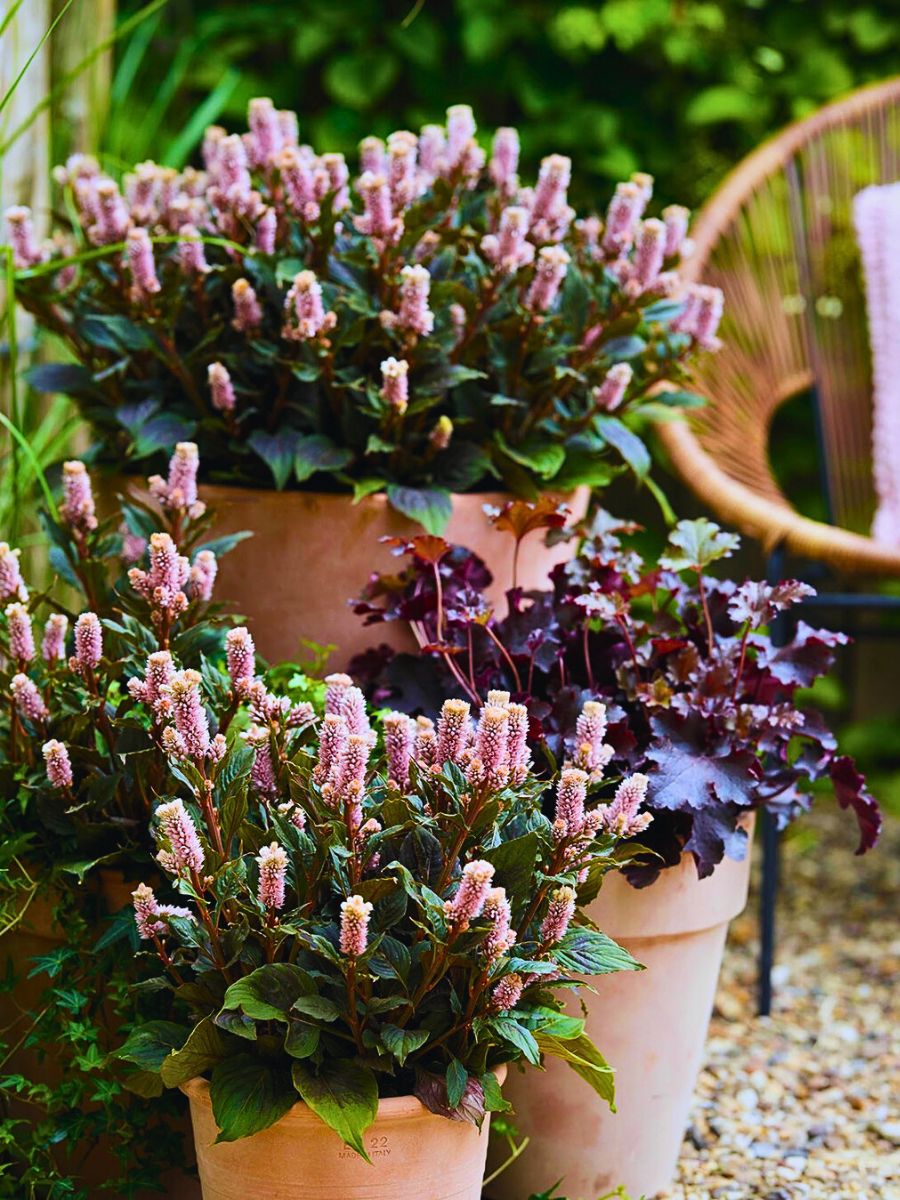
Few plants capture the cottage garden mood better than a climbing rose.
Use one to frame a doorway, cover a fence, climb an arch, or soften the corner of a building. Clematis can grow alongside roses and add another layer of flowers.
Think about what is behind the climber, too. A rose looks more impressive against a simple wall or fence than against a background that is already crowded.
In GardenBox 3D, vertical elements can be included as part of the overall composition. This helps you see whether a climbing plant will actually have enough room and whether it balances the rest of the garden.
Build the Plan Before You Build the Garden
A lovely cottage garden may look as though it just happened, but a really good one usually starts with a well-thought-out plan.
Plan the layers carefully, give plants room to grow, repeat your favorite colors, and allow a little space for surprise. With the right balance, even a small garden can have that lush, romantic character that makes the cottage garden style so enduring.
That is the real secret of the cottage garden style. It should look as though the flowers simply found their places on their own. But underneath that relaxed appearance is a clear structure.