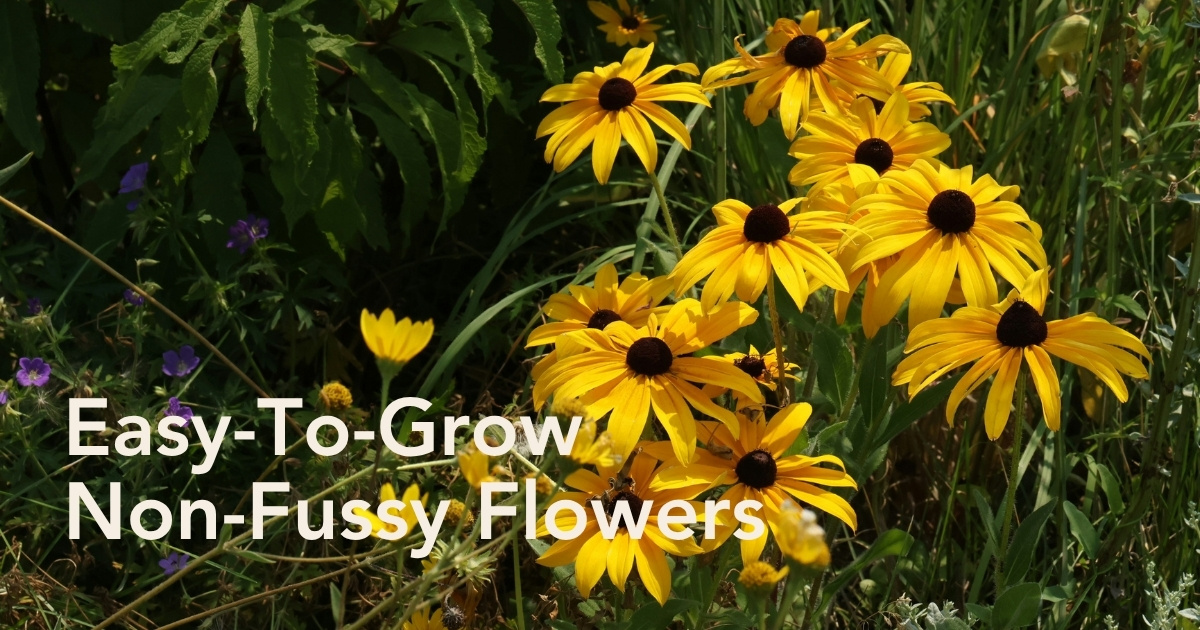
Every prospective (new) gardener eventually always asks the question: “Which flowers are truly forgiving enough to survive a first attempt?” And with a wide variety of flowers available, it is almost always difficult to settle on which one to work with. But the good news is there is a solid group of flowers across nearly every season that tolerate missed waterings, average soil, and the occasional beginner mistake, without much protest.
So regardless of whether you are starting in spring, working through the tail end of summer, or planning for the fall season, the same handful of qualities distinguish an easy flower from a demanding one. And it happens that late August through September offers a useful moment to think about those flowers right now.
What Makes a Flower Beginner-Friendly?
A truly beginner-friendly flower checks a short list of boxes. It germinates quickly, tolerates inconsistent watering, shrugs off average soil, and keeps blooming even when deadheading falls behind schedule. Marigolds hit every one of these marks. It tolerates poor soil and even periods of drought once established, while doubling as a natural pest deterrent when planted alongside vegetables.
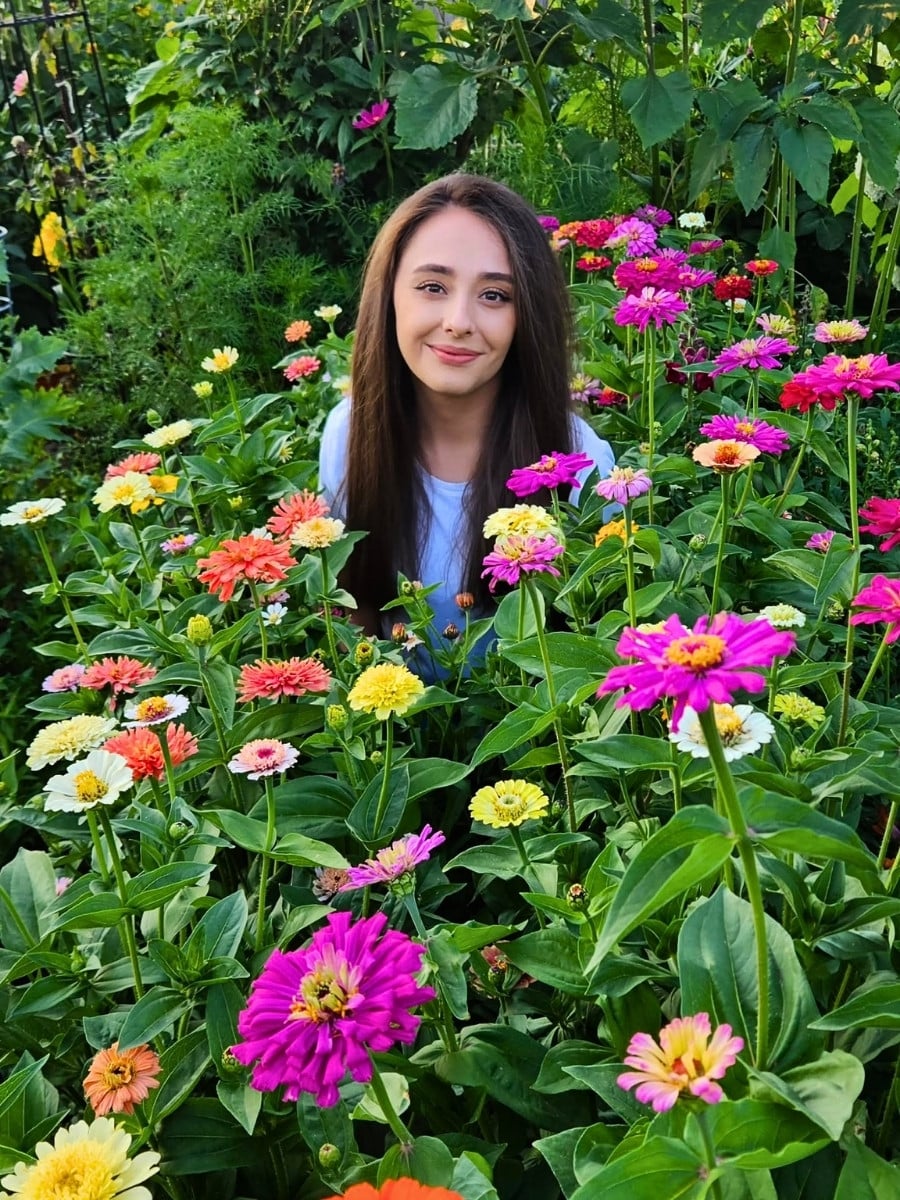
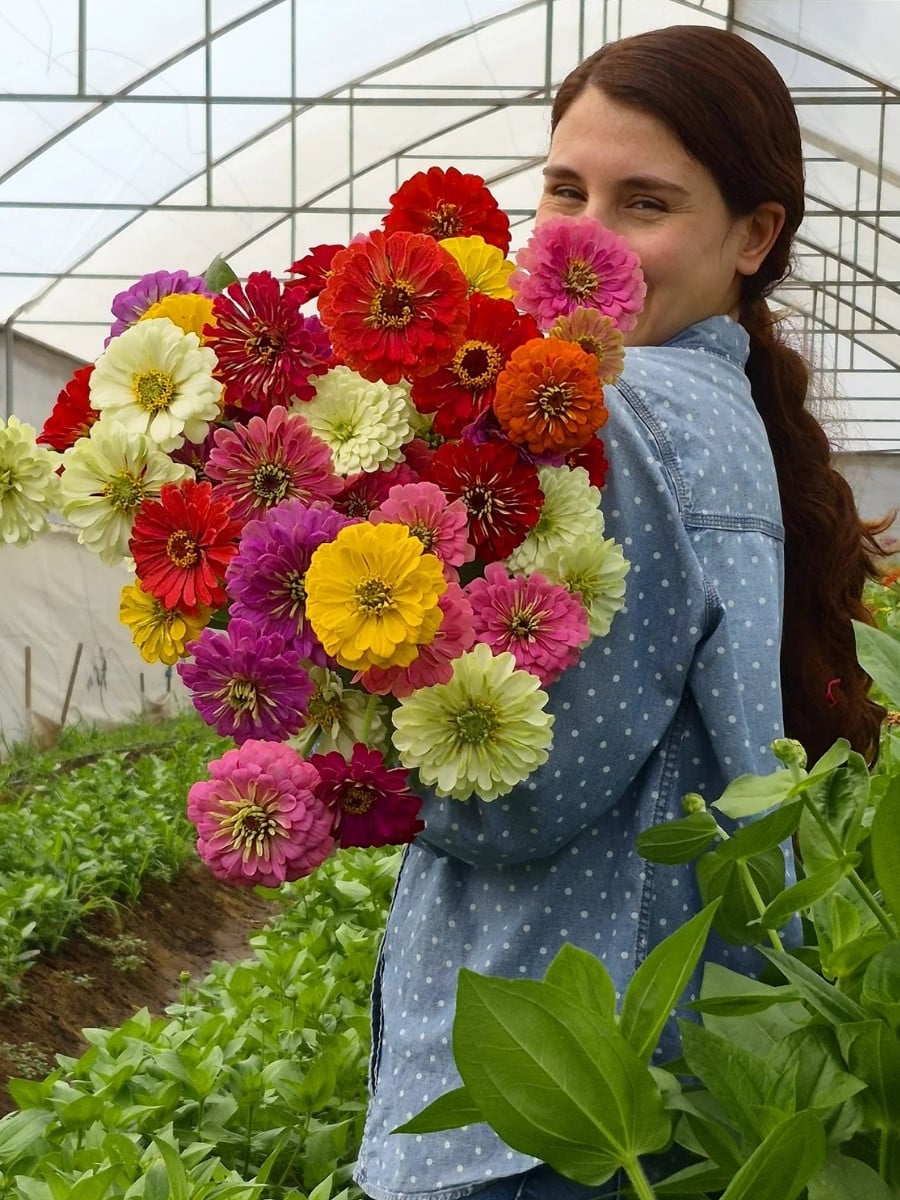
Zinnias follow a similar pattern, sprouting within about a week and requiring minimal care, with color that holds strong through the warmer months, through to fall, which makes both flowers a reliable starting point no matter what time of year one decides to start.
Fast, Reliable Annuals for Instant Color
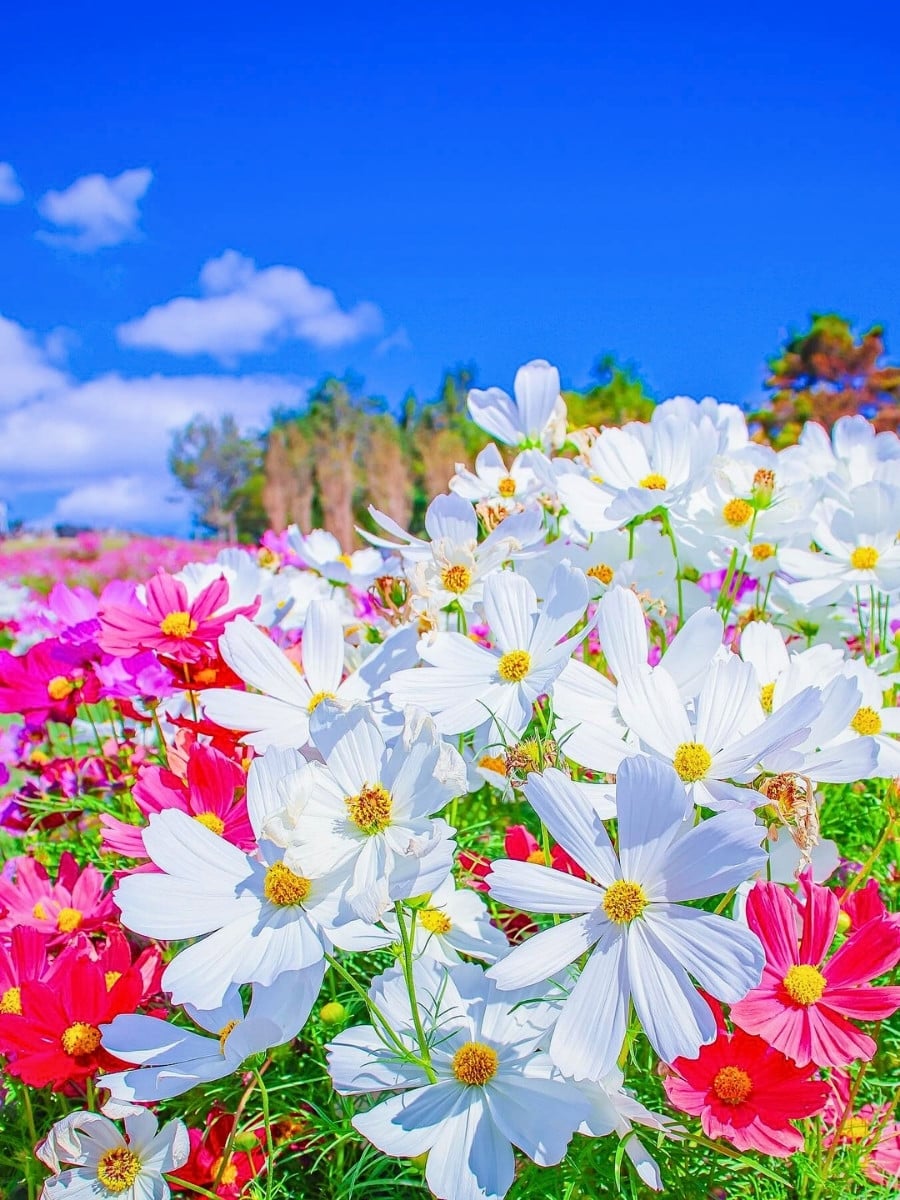
If quick results matter most, annuals are where a beginner should start. Cosmos produce delicate, daisy-like flowers on tall stems and truly prefer soil that is not too rich. They are so forgiving of the kind of neglect that worries new gardeners the most.

Sunflowers offer perhaps the most satisfying beginner experience of all, since one seed can grow into a towering, unmistakable flower within a season, needing little more than six hours of direct sun and occasional water to thrive. So, for gardeners who want flowers that keep performing right up until the first frost, cosmos and zinnias are, as noted, especially reliable, continuing to bloom from midsummer well into fall with only occasional deadheading required.
Self-pollinating flowers are also a dependable choice when it comes to flowers that are best (and friendliest) for newbies, since they remove one more variable a beginner might worry about. Certain compact, easy-care varieties are fully equipped to set seed without help from pollinators, which makes them a good choice for smaller spaces like patios or balcony containers where pollinator visits can be less regular.
Timing Your First Flowers by Season
Beginner-friendly flowers tend to behave differently depending on the season you start in, so it helps to know what each one favors. Spring is the classic entry point, when marigolds, zinnias, and sunflowers can be directly sown once the soil warms and the danger of frost has passed.
Summer plantings, including the tail end of the season, still work well for fast bloomers like zinnias and cosmos in warmer climates, since both can sprout, mature, and flower within a matter of weeks, though gardeners in cooler regions should check their local frost date before starting anything new this late in the year.
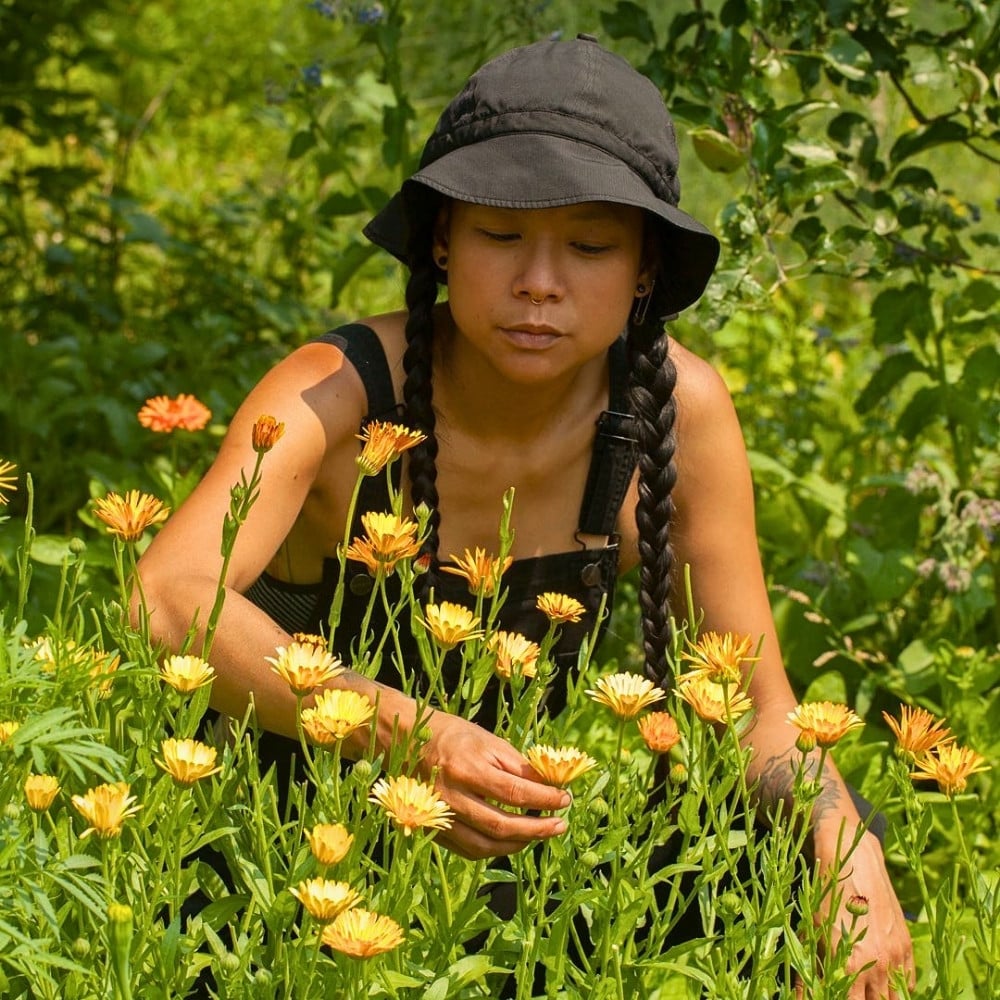
Fall moves the focus toward cool-weather flowers such as pansies and Calendula, along with spring-flowering bulbs like tulips and daffodils, which need a period of cold dormancy before they bloom and are typically planted six to eight weeks ahead of the first hard frost. Beginners in particular tend to gravitate toward tulips for this purpose, since the bulbs are inexpensive, easy to plant, and give a strong spring display despite the minimal effort.
Late August is at a useful point on this calendar, since there is still time to enjoy warm-season annuals while also ordering bulbs ahead of the fall planting window. This time of the year gives a beginner a foot in both the current season and the one just ahead.
Perennials Worth the Patience
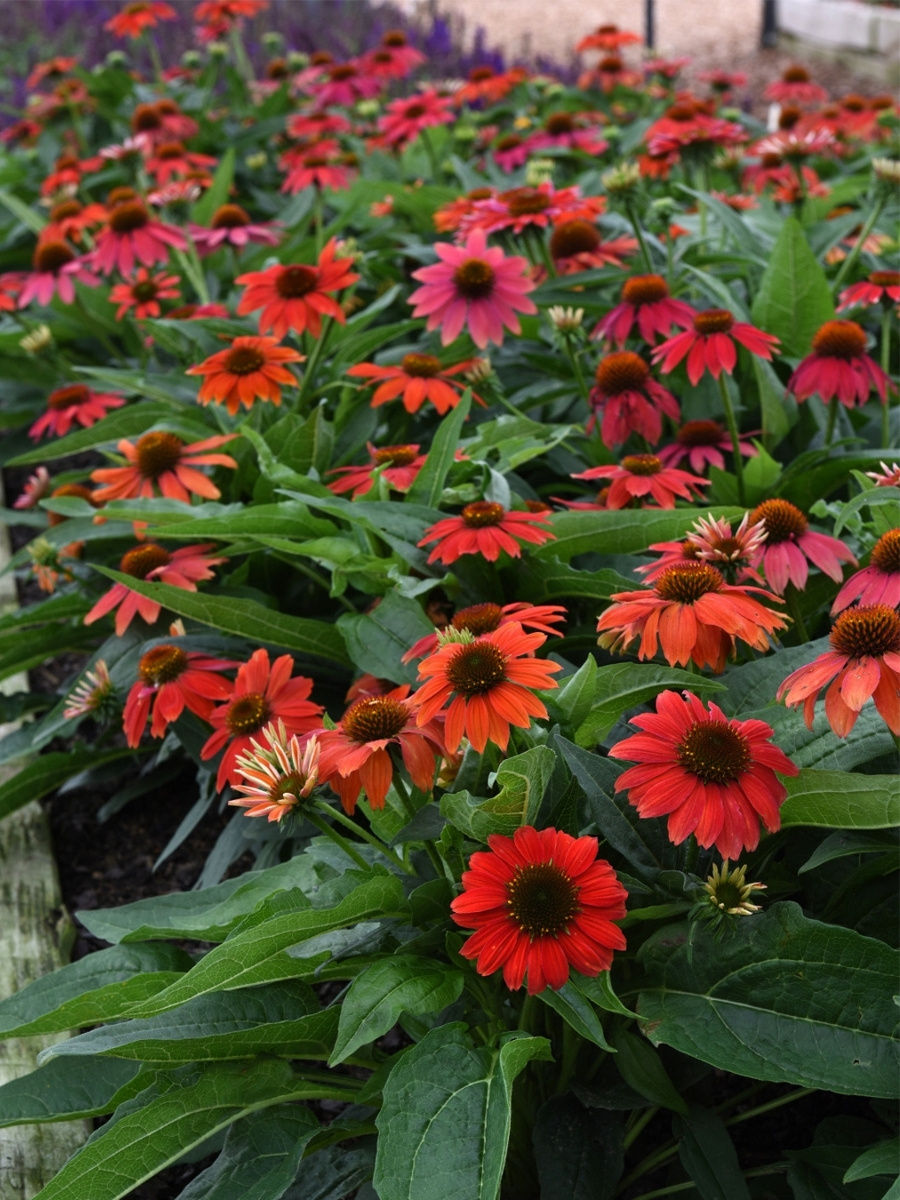
Annuals are wonderful for quick wins, but perennials give back to beginners willing to wait a season for a payoff that returns year after year with far less effort. Coneflowers, yarrow, and false indigo all fall into this category. They offer the benefit of the low-upkeep look of a wildflower without demanding constant deadheading, staking, or dividing.
These flowering plants tend to establish more slowly than annuals in their first year, which can feel discouraging to anyone expecting instant color, but the compromise is balanced by a garden that requires progressively less work each season, as opposed to one that needs to be replanted from scratch every spring.
More Excellent Beginner Flower Choices
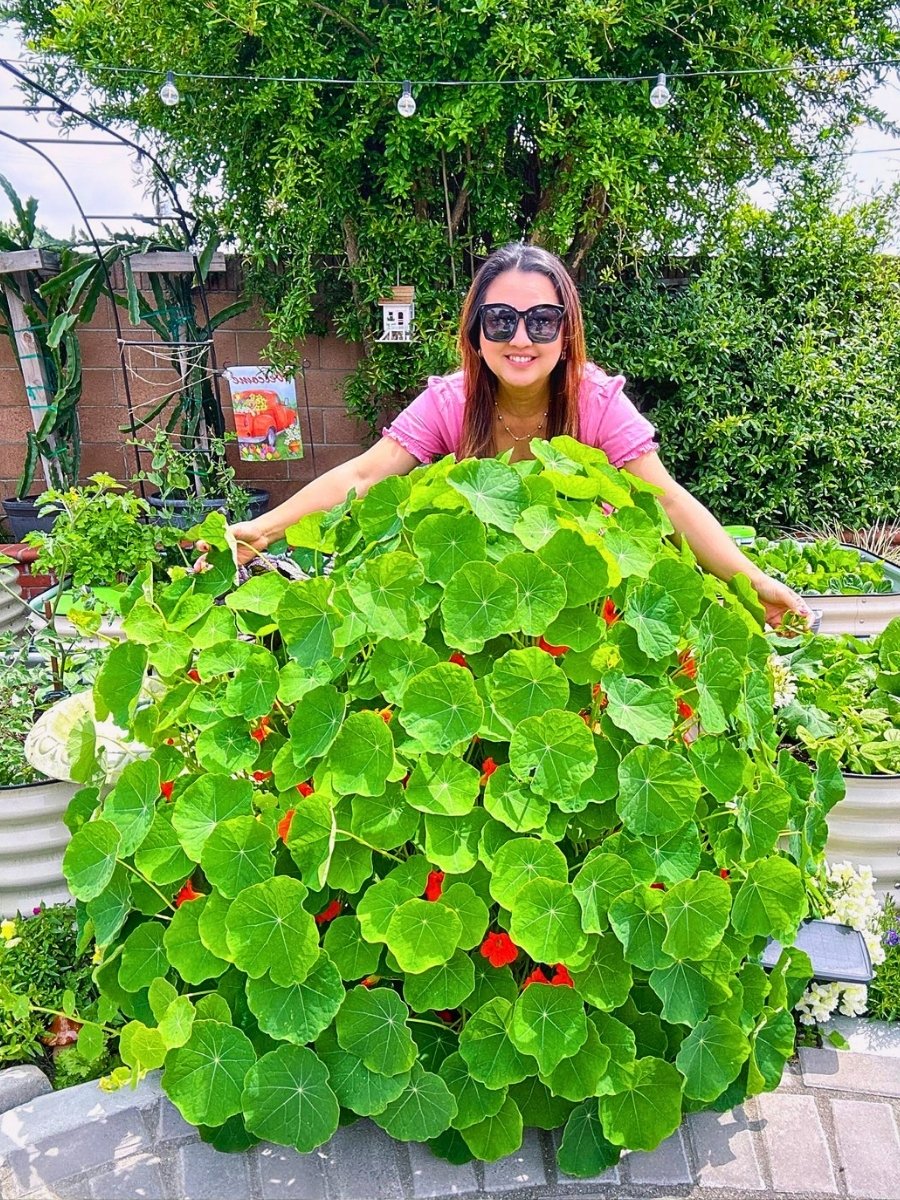
A handful of additional flowers round out a solid beginner lineup without needing extensive individual explanation: Nasturtiums grow quickly, tolerate poor soil, and produce edible flowers that double as a fun project for beginners gardening with kids. Salvia and coneflower varieties attract pollinators reliably while asking little in return once established. And both tolerate occasional missed watering better than more delicate perennials.
Calendula and pansies are worth keeping in mind specifically for the coming cooler months, since both thrive in fall temperatures just as many summer annuals begin to fade, giving a beginner garden color that carries into autumn and does not stop abruptly at the season's first cool snap.
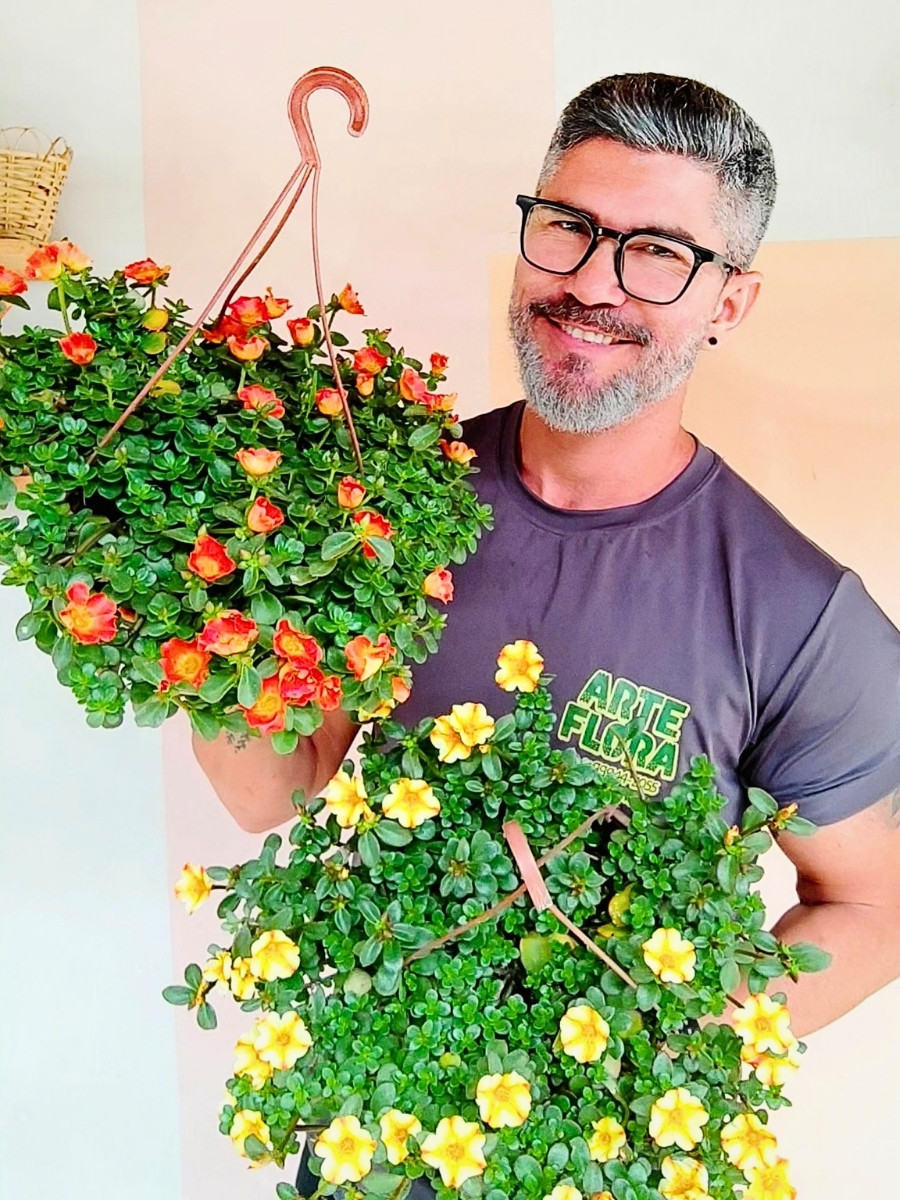
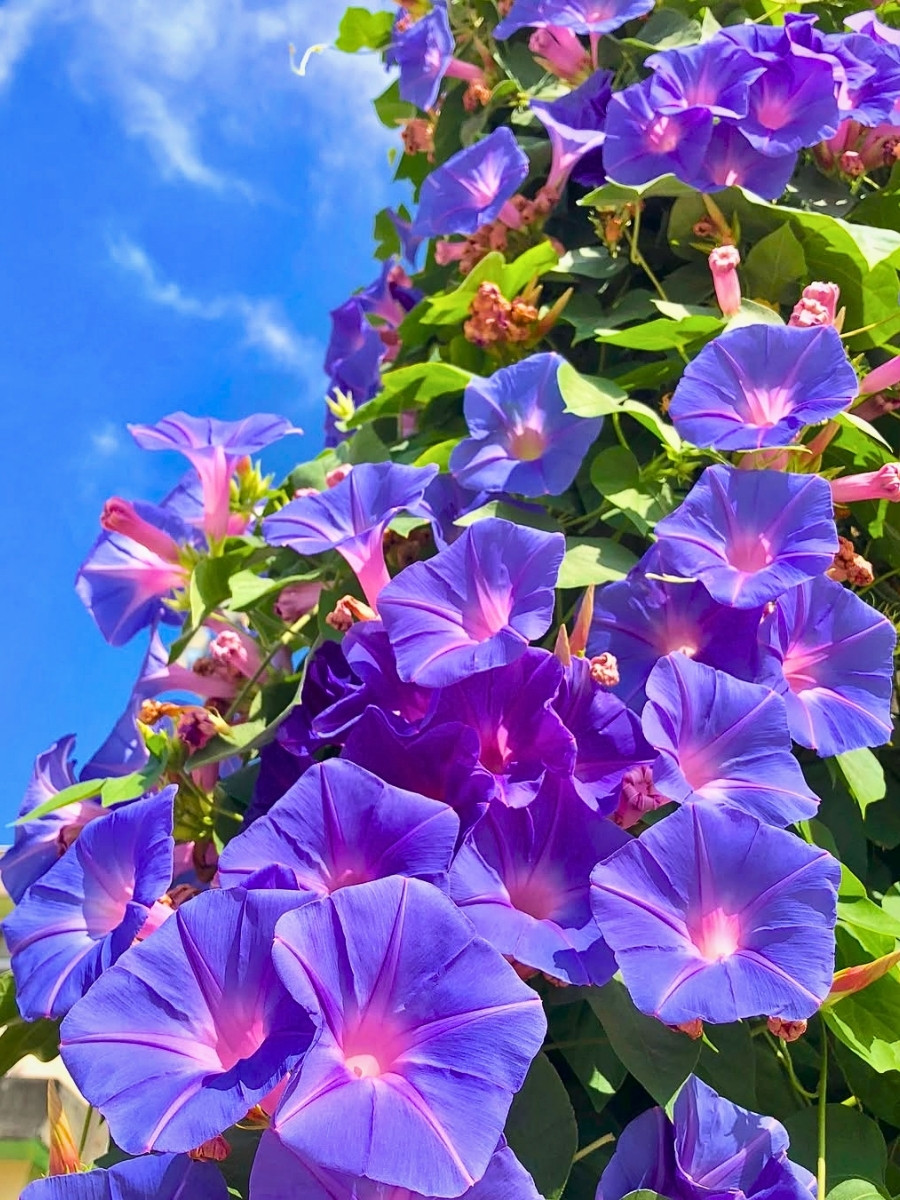
Morning glories (Ipomoea spp.) are, on the other hand, fast-growing vines with trumpet-shaped blooms, ideal for trellises or fences. They thrive in sunny locations. Sweet Peas (Lathyrus odoratus) give your beginner garden a fragrant and delicate feel. They prefer cooler weather and are perfect for spring or fall planting. Portulaca (Moss rose), though not strictly a flower in the truest sense, is a succulent annual that tolerates drought and poor soil, producing a colorful carpet of blooms.
A few more include Black-eyed Susans (Rudbeckia hirta), which are cheerful yellow daisy-like flowers that bloom from late summer and are hardy in most climates, as well as catmint (Nepeta x faassenii), featuring lavender-blue flowers and gray-green foliage, drought-tolerant, and thriving in full sun to part shade.
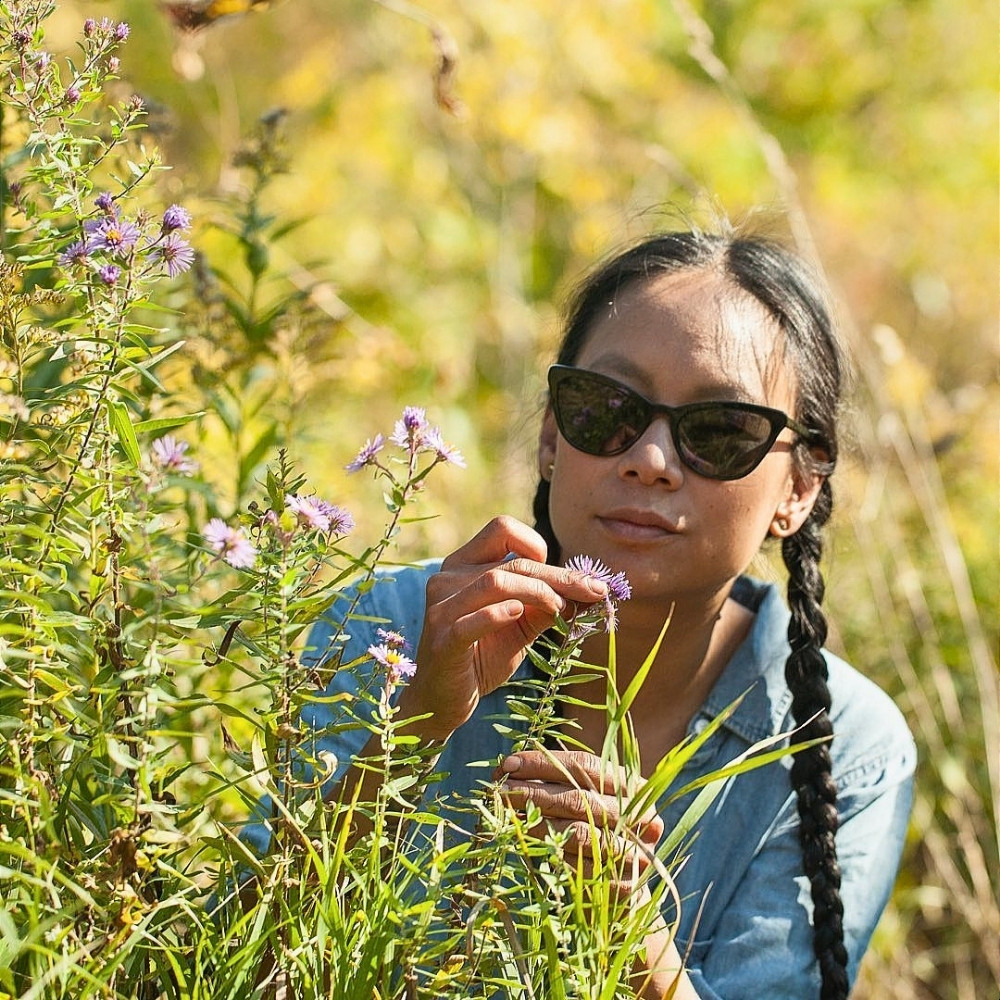
There are more. The Siberian iris (Iris sibirica), a hardy perennial that blooms in early summer, is adaptable to full sun or partial shade and is low in maintenance, and native New England Asters (Symphyotrichum novae-angliae), which bloom in late summer to fall with purple, lavender, or pink flowers, perform well in full sun to partial shade.
Start Small and Build Confidence
One of the best pieces of advice for any beginner is to start with a manageable number of forgiving flowers instead of attempting an ambitious mixed bed in the first season. A few pots of zinnias and marigolds, paired with a modest order of tulip bulbs to plant once fall arrives, give a new gardener both immediate results and something to look forward to once winter passes.
Confidence in gardening tends to build the same way any skill does, through small, repeated wins and not just one perfect attempt. A few flowers make those early wins easier to come by, whatever the season.
Tips for Beginner Gardeners
- Sunlight: Most beginner-friendly flowers prefer full sun (6+ hours daily).
- Soil: Well-draining soil is essential; amend with compost for perennials.
- Watering: Water regularly until established; then many of these flowers tolerate drought.
- Deadheading: Removing spent flowers encourages more flowering.
- Containers: Many annuals and perennials grow well in pots, making them ideal for small spaces or patios.
Starting with these resilient, low-maintenance flowers and following the provided guidelines guarantees that beginner gardeners can enjoy a colorful, thriving garden with minimal effort while gaining confidence in their gardening skills.
Featured image by @drcristina. Header image by Kevy Michaels.