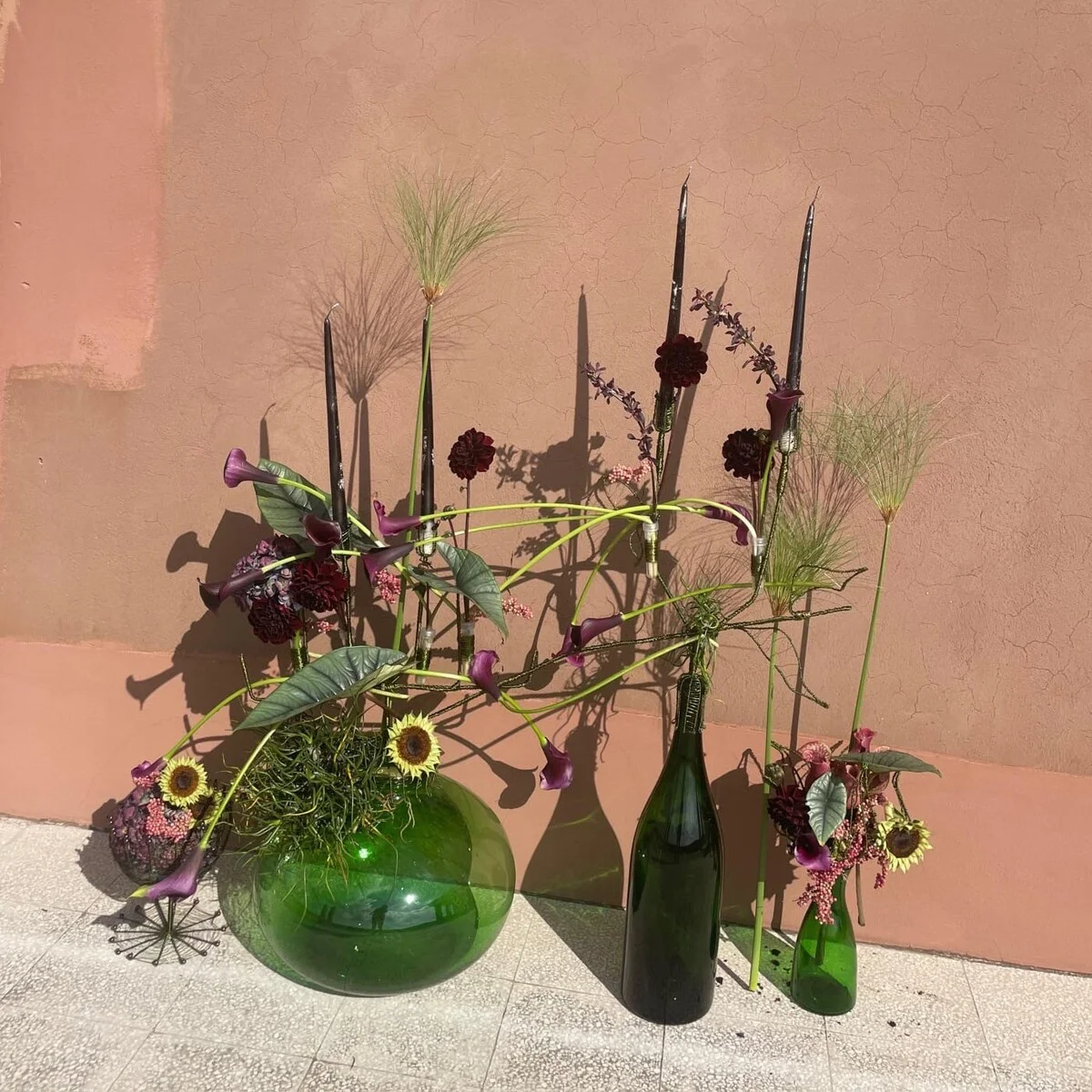
Walking into a gothic garden feels like an escape into a world of mystery, dramatic contrast, and romantic melancholy. While traditional gardens often rely on bright pastels and cheerful, sunny colors, a gothic garden embraces shadow, using dark foliage, silver textures, and midnight-colored plants and flowers to create the ideal atmospheric setting, where shadows speak, and plants give it life.
Creating the ultimate gothic garden experience, therefore, requires more than gathering dark plants in one corner of your yard: it means carefully orchestrating light, shadow, architectural elements, and plant selections so the scenery feels like a live-stage set. But how do you select the moody plants, position dramatic accents, and incorporate the right elements for such a garden?
About a Gothic Garden
Gothic garden style is the kind that blends dark romance, medieval or Victorian mystery, and moody nature. It marries the dark, dramatic aesthetics of gothic culture with the natural beauty of a garden. Often, it looks its best when the weather turns: mist hanging low over the landscape, light going amber and then gray and gloomy, and, somewhere, a velvet Dahlia the color of old wine glows against a wall of dark foliage.

It also features a dark color palette, using deep burgundy, inky purple, smoldering red, and velvety black tones. It also has contrasting highlights, balancing the shadows with silver foliage, white flowers (like moonflowers), or chartreuse green accents. Such a garden also relies on nocturnal plants, including night-blooming flowers like evening primrose and flowering tobacco that come alive at twilight.
In addition, it is often defined by dramatic hardscaping, incorporating wrought-iron gates, aged stone arches, cobblestones, weathered urns, and gothic-style statuary or gargoyles, as well as secluded layouts that avoid straight, open lines in favor of winding paths, pocket gardens, and enclosed hedges to create suspense and mystery.
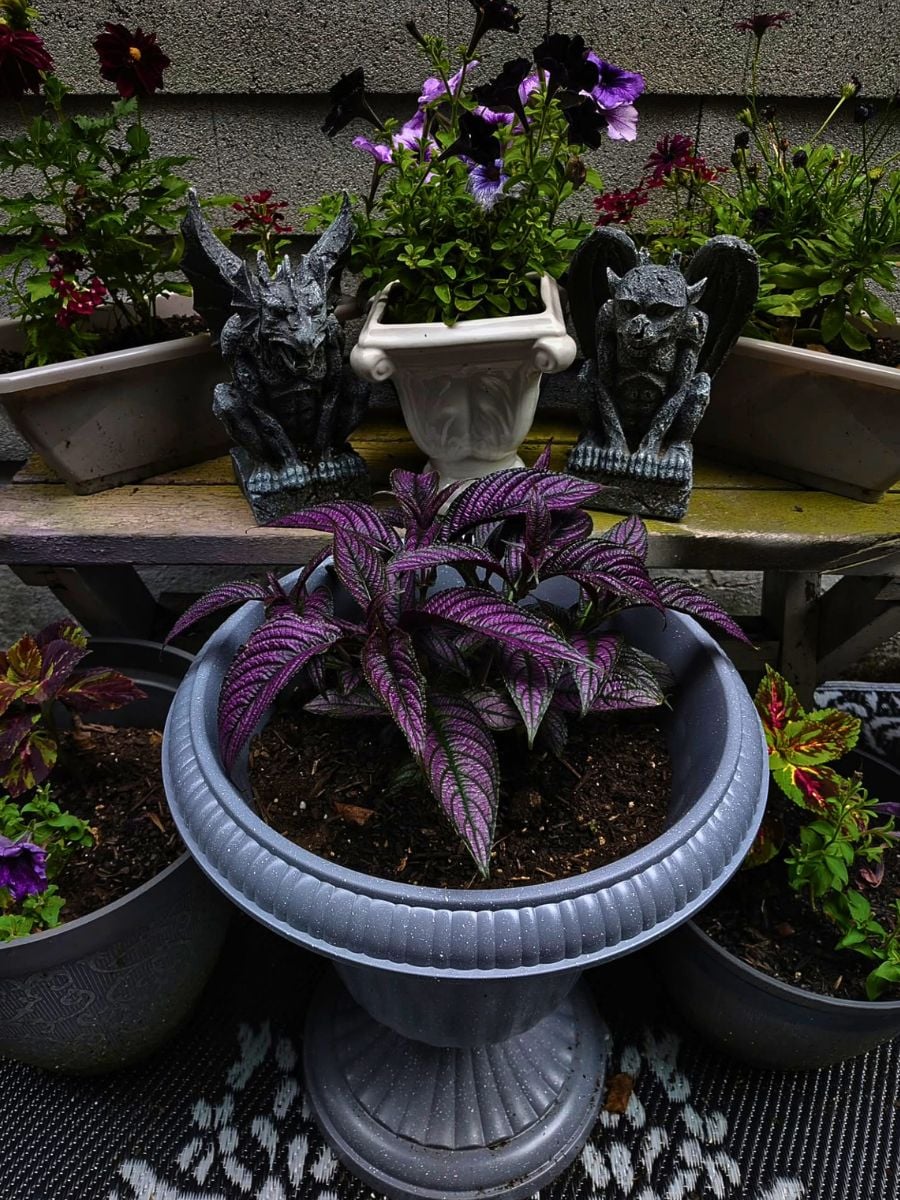
Not much about such a garden feels cheerful in the usual way, yet it is among the most peacefully striking places one can think of. And that is their appeal: drama, mystery, overgrown, atmospheric, and with a touch of danger, all derived from plants and their accompaniments. So, how do you achieve one?
Set the Mood With Layout and Structure
A gothic garden is not just a black garden. Epic Gardening describes the style as formal in structure but relaxed in feeling, with a lived-in look, dark flowers and foliage, and Victorian touches. The main aim is atmosphere: a place that allows for a stroll that makes one curious.

The foundation of a successful gothic garden, therefore, starts with spatial layout and structural framing. Instead of open, sun-drenched lawns, it goes well with enclosed spaces, meandering pathways, and secluded seating areas tucked under heavy overhead canopies.
At home, having the garden near a bedroom window or a secluded patio would allow you to enjoy its moody ambiance during evening hours when the lighting changes, where the weathered stone pavers, wrought iron elements, and dark wooden fencing provide the architectural anchors for the plant elements.
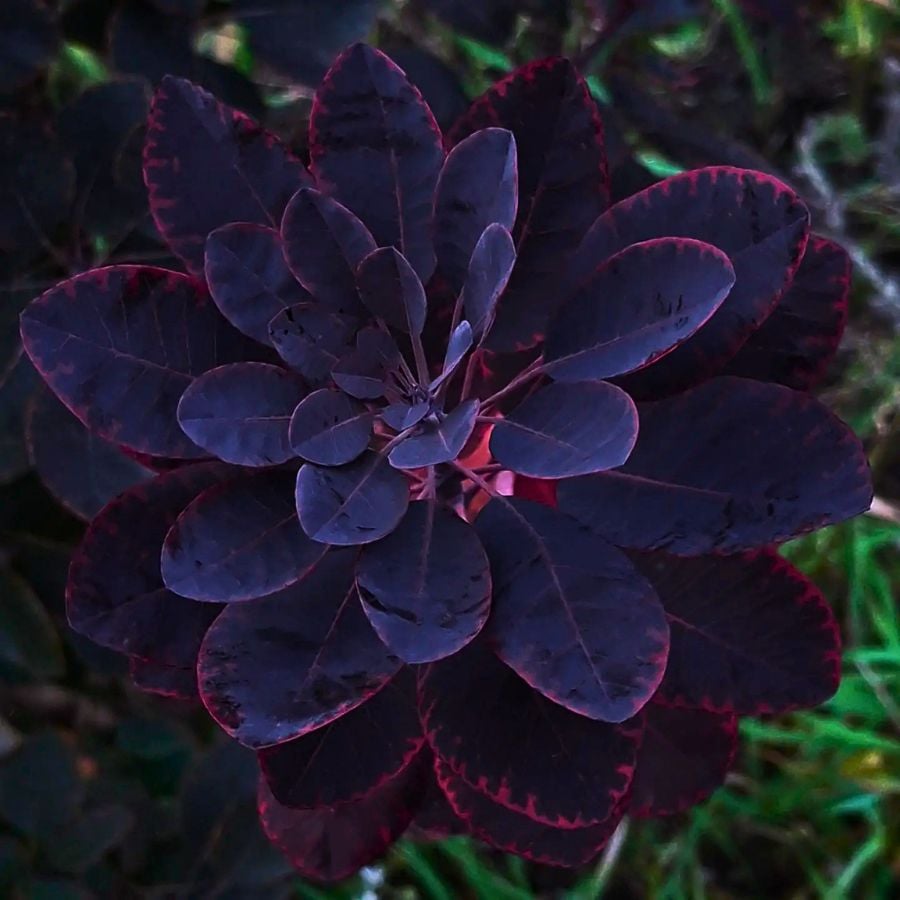
Taking a slow ramble along a twisting stone path bordered by deep foliage in the garden organically heightens the sense of romantic mystery and the idea of discovery. Contrast is also essential. A pale flower in a sea of dark leaves easily draws the eye, so the most effective gardens pair deep tones with ghostly white and silver. Think of the dark plants as the shadows in a painting and the pale ones as the light that makes the shadows decipherable.
Build ‘Rooms’, Not an Open Lawn
For a gothic garden, structure matters as much as planting. The University of Nebraska-Lincoln Extension advises dropping the ‘open concept’ and creating small, tucked-away spaces, each with its own feature, like a fountain, a stone bench, a pergola, or a statue of an angel or gargoyle.
Also, winding paths with twists and dead ends keep visitors from seeing everything all at once, a tip also suggested by Proven Winners. Notably, the hardscape should look aged: wrought iron gates and fences suit the style, but bright, shiny metals do not, so either choose weathered pieces or let new ones develop a patina. Moss-covered stone and a dark reflecting pool add to the effect.
Hedges and screens also help define the ‘rooms’, and a ninebark (Physocarpus opulifolius), with deep purple leaves and white flower clusters, makes a handsome dark shrub for the job. Topiary and espalier add the formal discipline that keeps the setting from feeling simply untidy.
Anchor the Landscape With Layers of Dark and Midnight Foliage
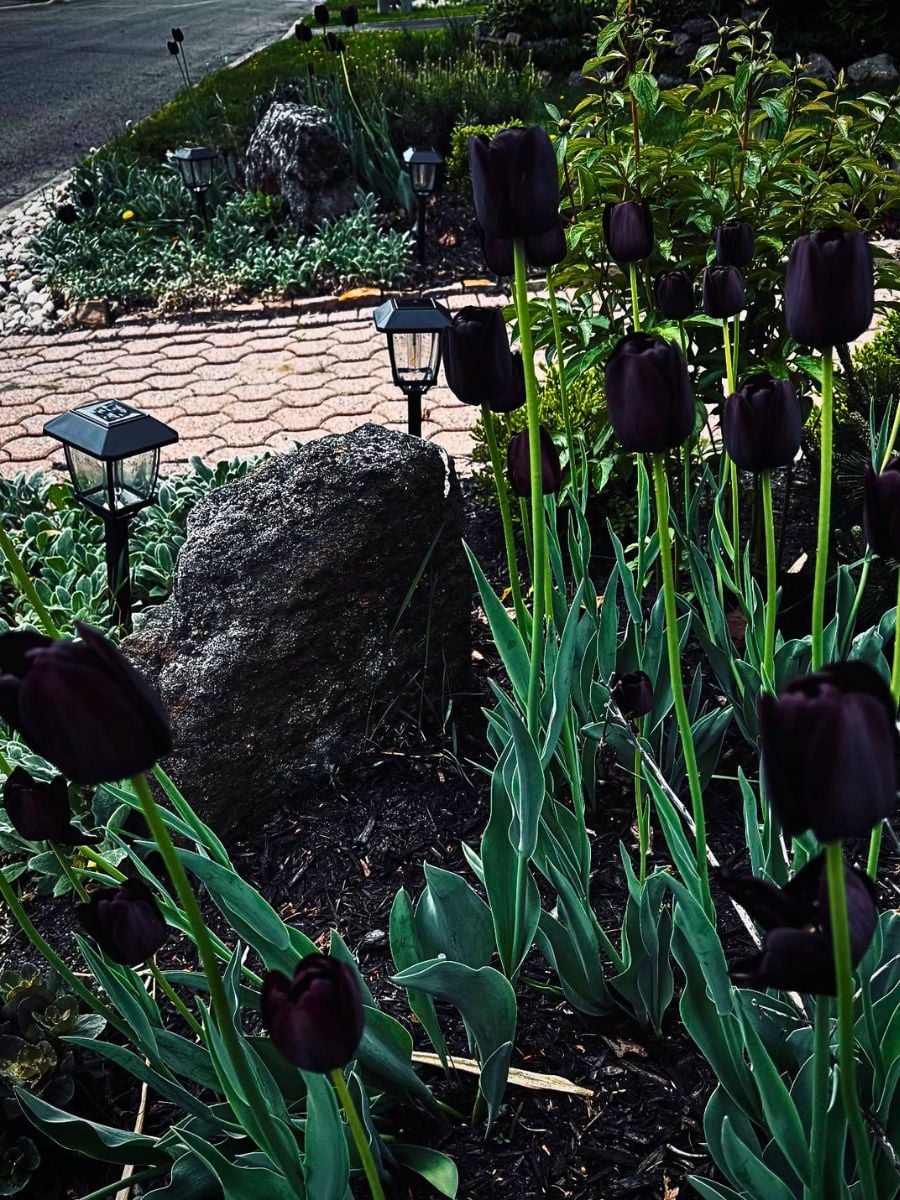
Foliage is the permanent architectural structure of a moody landscape, setting an intense tone even before seasonal flowers appear. Incorporating dark-leafed plants provides steady, ink colored contrast against lighter paving stones and garden walls. For example, black mondo grass (Ophiopogon planiscapus Nigrescens) creates dense, obsidian tufts of fine foliage that always look stunning. This dense groundcover of purple-black strappy leaves edges paths beautifully and handles part shade to full sun.
Dark purple Heuchera varieties like Black Pearl equally offer glossy, jet-black or chocolate colored leaves with deep scalloped edges, thriving underneath the cool shade of larger trees. In sunnier corners, the histrionic leaves of Colocasia Black Magic (elephant ears) tower overhead in inky purple-black, casting large, sculptural shadows defining the scheme.
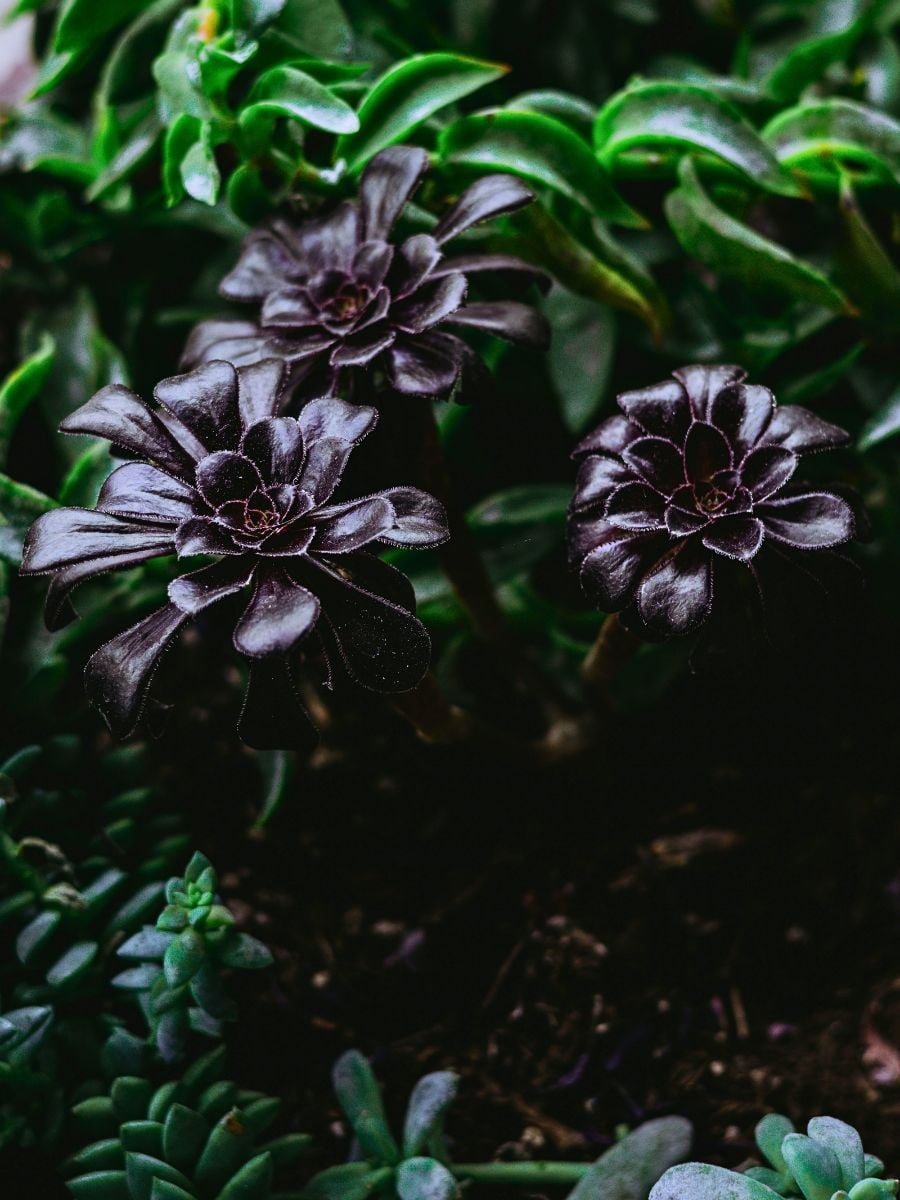
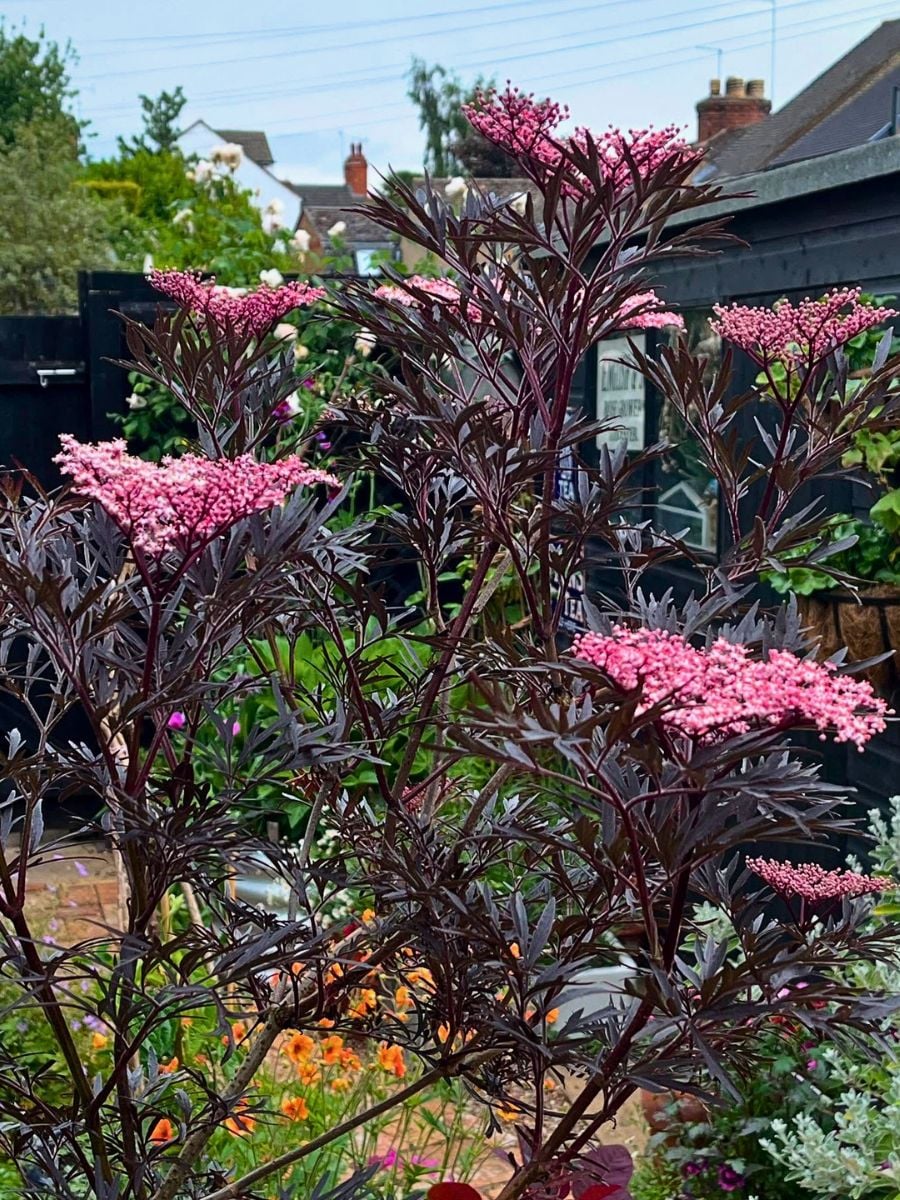
Elderberry Black Lace also brings its lacy black foliage and pink flowers to the garden, while Astilbe Dark Side of the Moon adds chocolate-brown leaves with rosy plumes. Still, for containers, Coleus Black Prince and the succulent Aeonium Zwartkop provide near-black color, though the Aeonium is tender and needs protection from frost.
Also recommended is planting silvery foliage like Brunnera macrophylla Jack Frost and lamb's ear beside dark plants so they stand out, and adding ferns or hosta as green backdrops so the dark leaves do not disappear. Pairing these plants with other dark-leaved varieties like sweet potato vines adds a spilling textural effect to structures like raised stone urns.
Curate Deep Color and Midnight Flowers
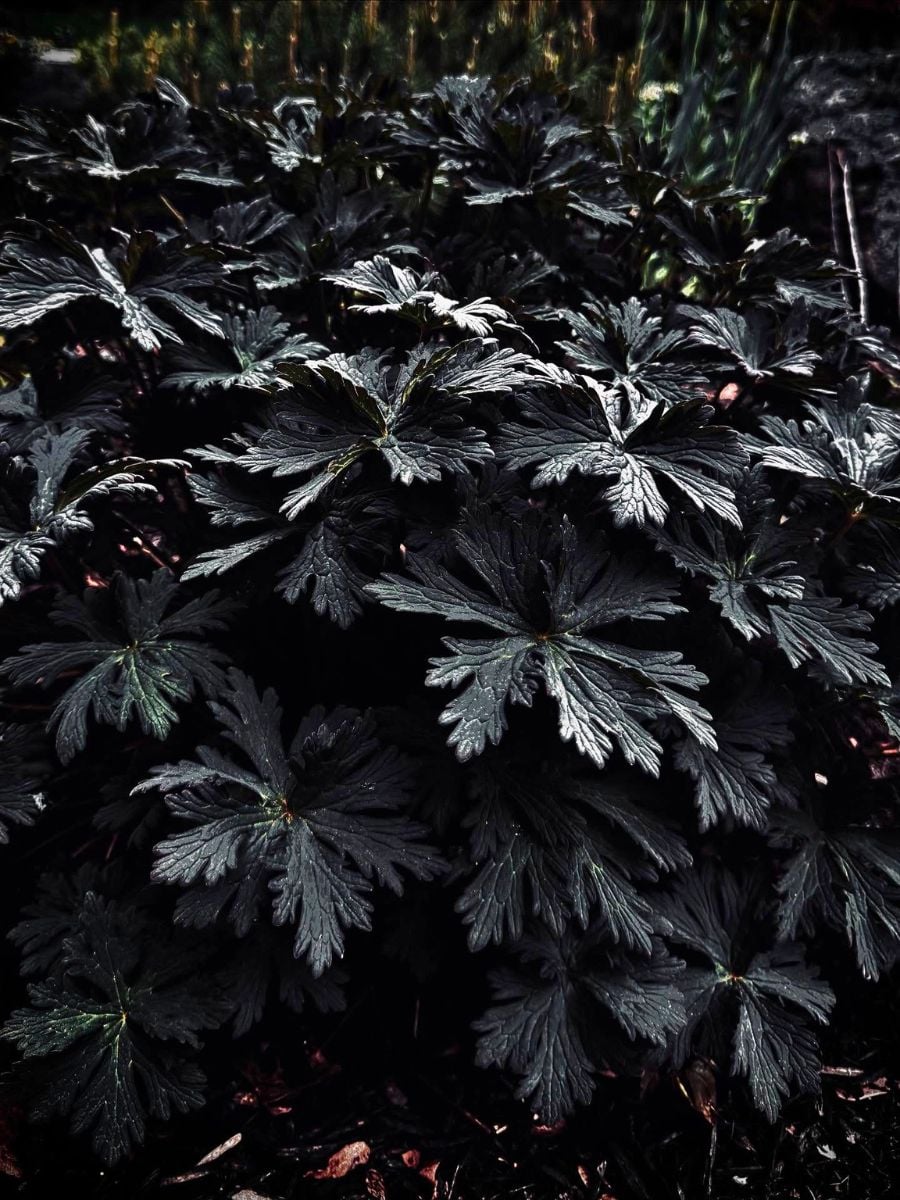
Gothic landscapes are not complete without a selection of deep colored flowers that catch the evening light with an air of hammy drama. Perennials with near-black petals bring a great sense of mystery and romance to border plantings. Queen of the Night tulips, for instance, offer deep, velvety maroon petals that appear nearly black when planted against stone walls.
Chocolate cosmos (Cosmos atrosanguineus) also offers velvety maroon flowers that release a subtle scent of cocoa on warm summer evenings, making them a wonderful choice for placement near a seating area. Adding gillyflower (Matthiola incana) brings deep purple flower spikes that add height and an intoxicating evening aroma to the garden. Night phlox (Zaluzianskya capensis) further enriches the experience, releasing an almond-vanilla fragrance after dusk.
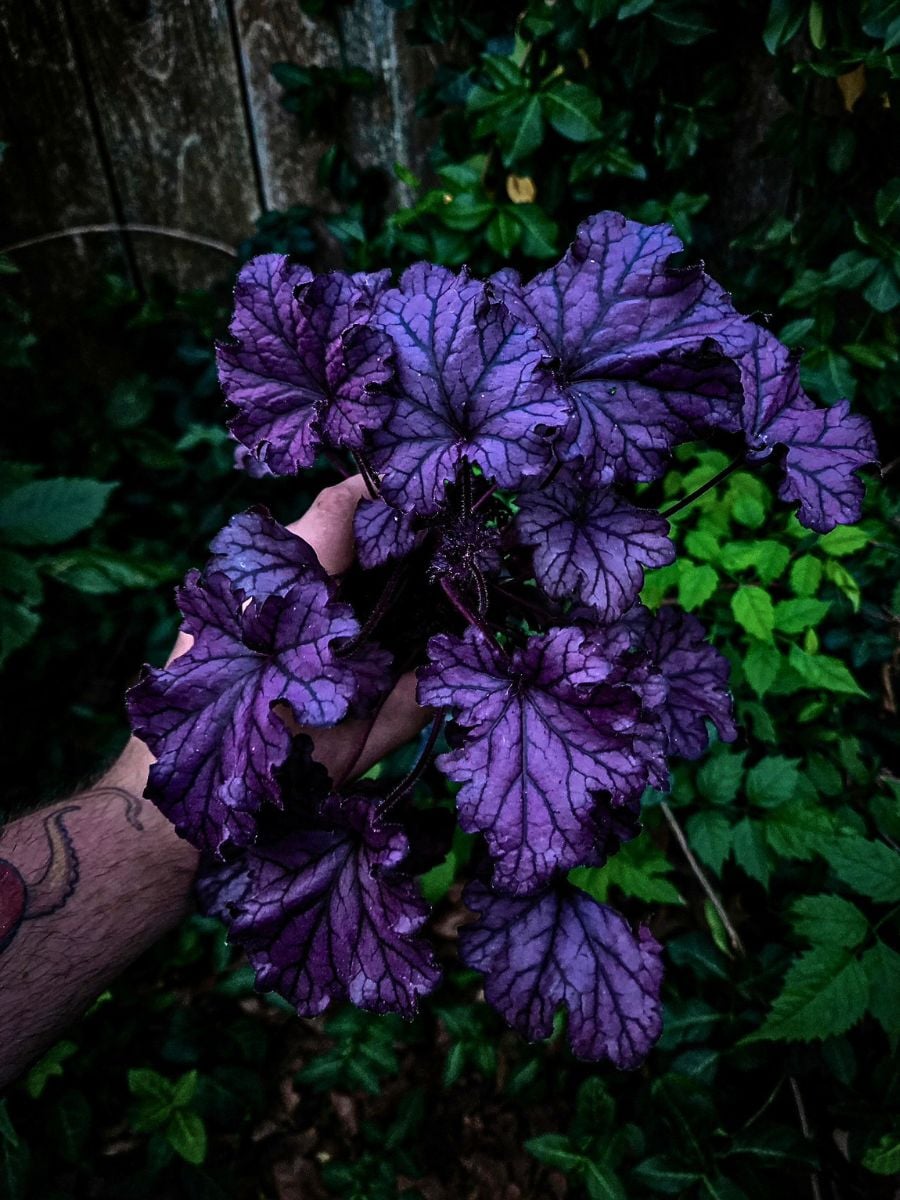
Worth noting is that true black is rare in plants; in fact, no flower is truly black, and the closest are very dark purple, maroon, or red. But these shades change with the light, looking nearly black in shade and glowing garnet in sun. Dahlias show this best, with the so-called black types being deep burgundy and maroon. A 2013 study linked their darkness to high anthocyanin levels.
Bring Fragrance After Dark
Scent enhances the whole picture. Moonflower opens in the early evening from spiraled buds, and flowering tobacco gives off a sweet, jasmine-like fragrance that peaks at night. Night-blooming phlox smells of vanilla, almond, and honey, and evening primrose opens at dusk with a mild lemon scent, while tuberose perfumes late summer into fall. All these enhance the experience in the evening.
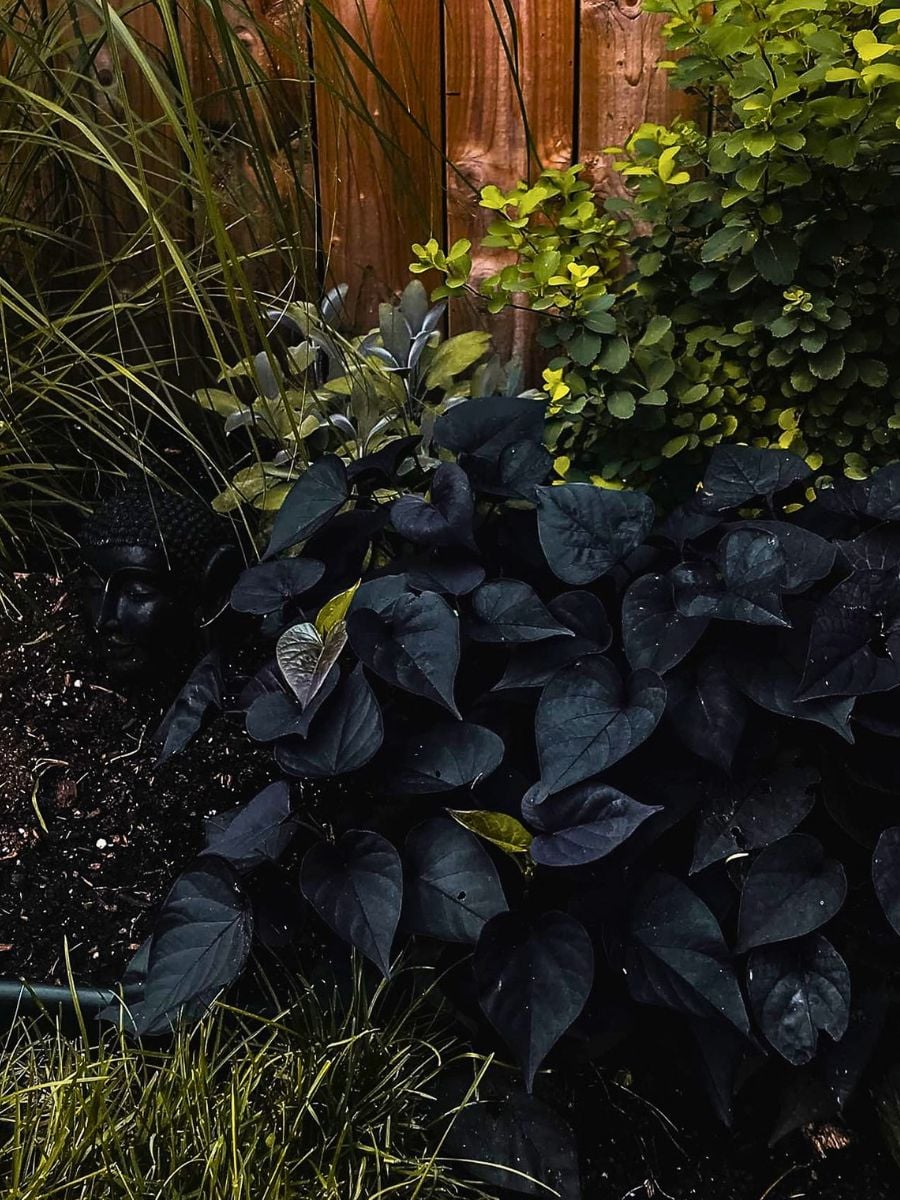
But they also bring moths and sometimes bats. Epic Gardening suggests bat boxes and growing night-blooming plants to welcome such wildlife. A caution, however: Angel's trumpet, four o'clock, and flowering tobacco are toxic. Lilies are also quite toxic to cats, so place them with children and pets in mind.
Add a Touch of Danger
Poisonous plants have a long gothic tradition, and one famous garden turns it into an attraction. Jane Percy, Duchess of Northumberland, created the Poison Garden at Alnwick Castle, which opened in 2005. Visitors enter through a black iron gate decorated with warning skulls and crossbones.
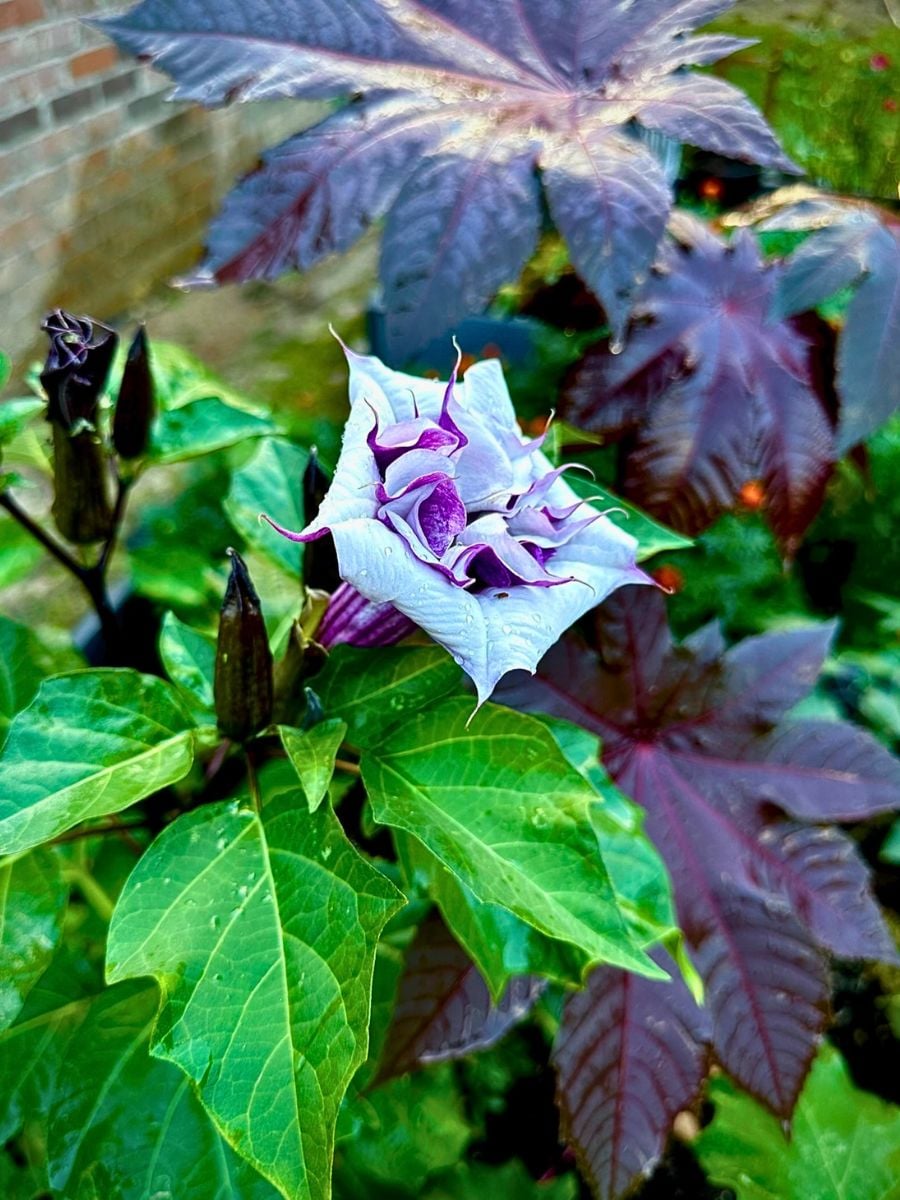
Several varieties like the deadly nightshade (Atropa belladonna), monkshood (Aconitum), angel's trumpet (Brugmansia), hemlock, and opium poppies grow there. Visits require a guided tour, with warning signs and strict rules against smelling the plants.
At home, however, the lesson is restraint. Foxglove is already common in ordinary gardens, and Helleborus niger, with deep purple to nearly black flowers from late winter to early spring and poisonous in every part, thrives in partial shade. Wear gloves when handling them, keep them away from edible plants, and avoid planting anything dangerous where children play.
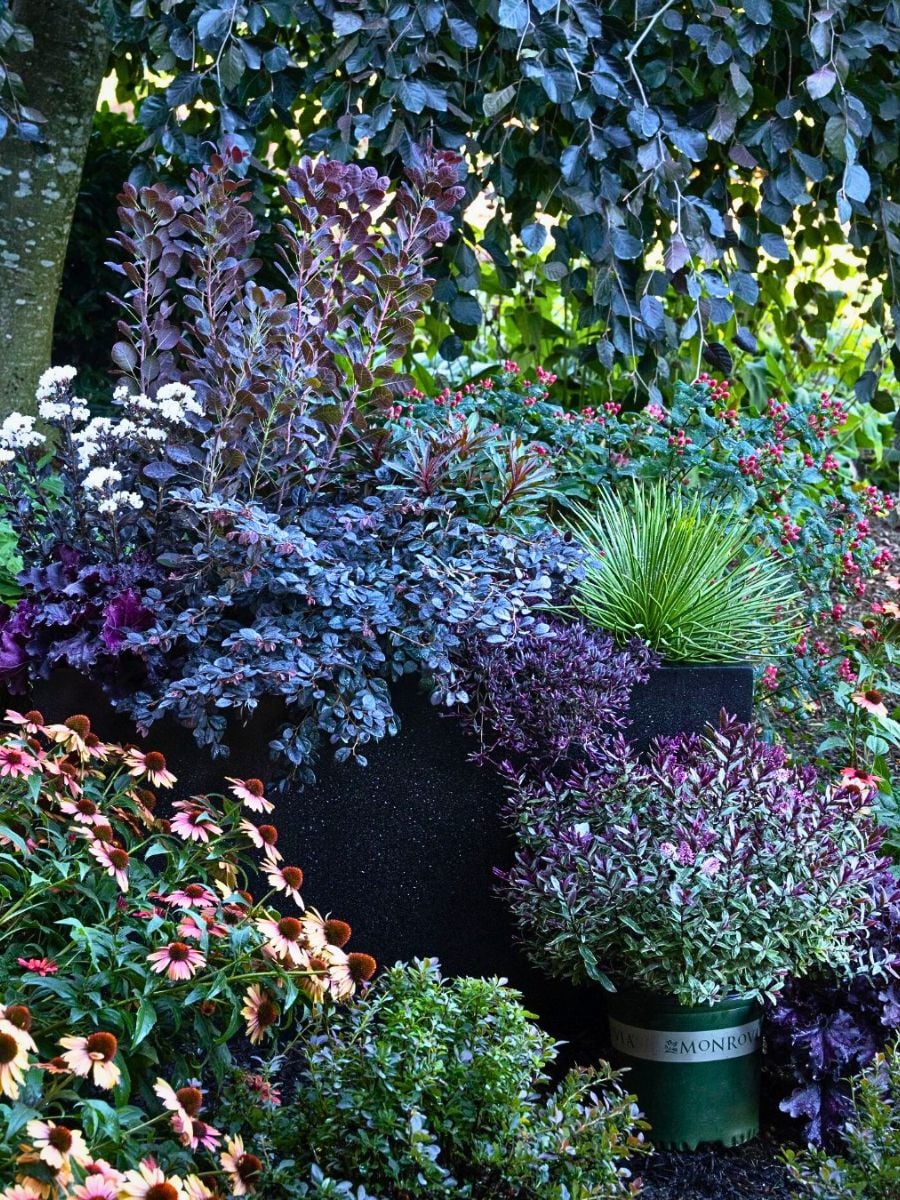
Illuminate Shadows With Silver and White Accents and Let Light Do the ‘Haunting’
To make dark foliage and midnight colored foliage and petals stand out, a successful gothic garden requires contrasting points of silver and stark white. Without lighter elements, it can easily disappear into visual murkiness after dusk. Planting silver sage (Salvia argentea) presents large, woolly leaves that catch even the faintest glimmer of moonlight, shining like pewter against the adjacent shadows.
White evening primrose (Oenothera caespitosa) likewise provides a brilliant contrast, opening its white petals just as the sun sets and creating glowing focal points. Integrating lamb's ear (Stachys byzantina) also offers soft, velvety textures in pale silver-green, softening the hard edges of stone borders while reflecting nighttime illumination. Silver Artemisia varieties, on the other hand, add fine, feathery foliage.
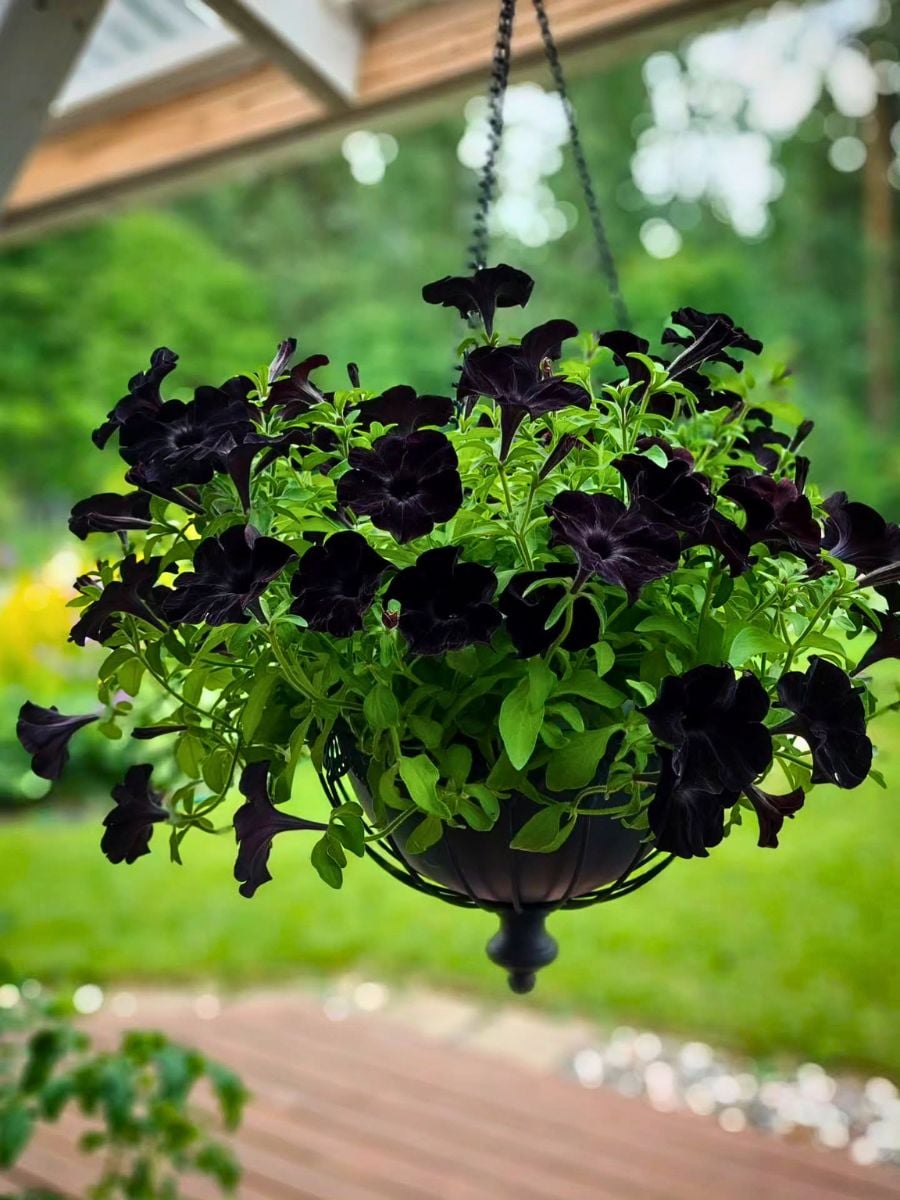
A gothic garden changes its personality after sunset, so plan the lighting as carefully as the plants. Low uplighting on large trees casts branching shadows, lanterns hang from limbs or awnings, and Victorian-style lamp posts set the mood. You could go the extra mile and use flickering light, which adds a ghostly touch. Gazing balls and mirrors extend the effect by catching whatever light there is.
Where and When to Plant
Match the plants to the right places: the Queen of Night tulip, which has satin maroon-black petals and appears late in the tulip season, and the tall black hollyhock both want sun and well-drained soil. In the shade, Geranium phaeum, which has dark maroon-purple flowers in May and June, and Japanese cobra lily (Arisaema sikokianum) do well.
Cold months are also opportune to start. Plant tulip bulbs, lift tender Dahlia tubers in cold zones, and tuck dark foliage into containers near the door. Starting small, with a patio vignette or an urn, is the easiest way to test the style before committing the whole yard.
Featured image by @theg0thgarden. Header image by @blackvortexplants.