The elephant ear plant is not one plant. It is a common name covering three separate genera that look similar on a shelf and want completely different things once you get them home. That is the single reason most elephant ear care advice fails: it is written for one genus and applied to another.
So this guide starts with identification, because until you know whether you have an Alocasia, a Colocasia or a Xanthosoma, no watering schedule is going to be right.
Alocasia, Colocasia, Xanthosoma: How to Tell Them Apart
There is a genuinely reliable test, and it takes two seconds.
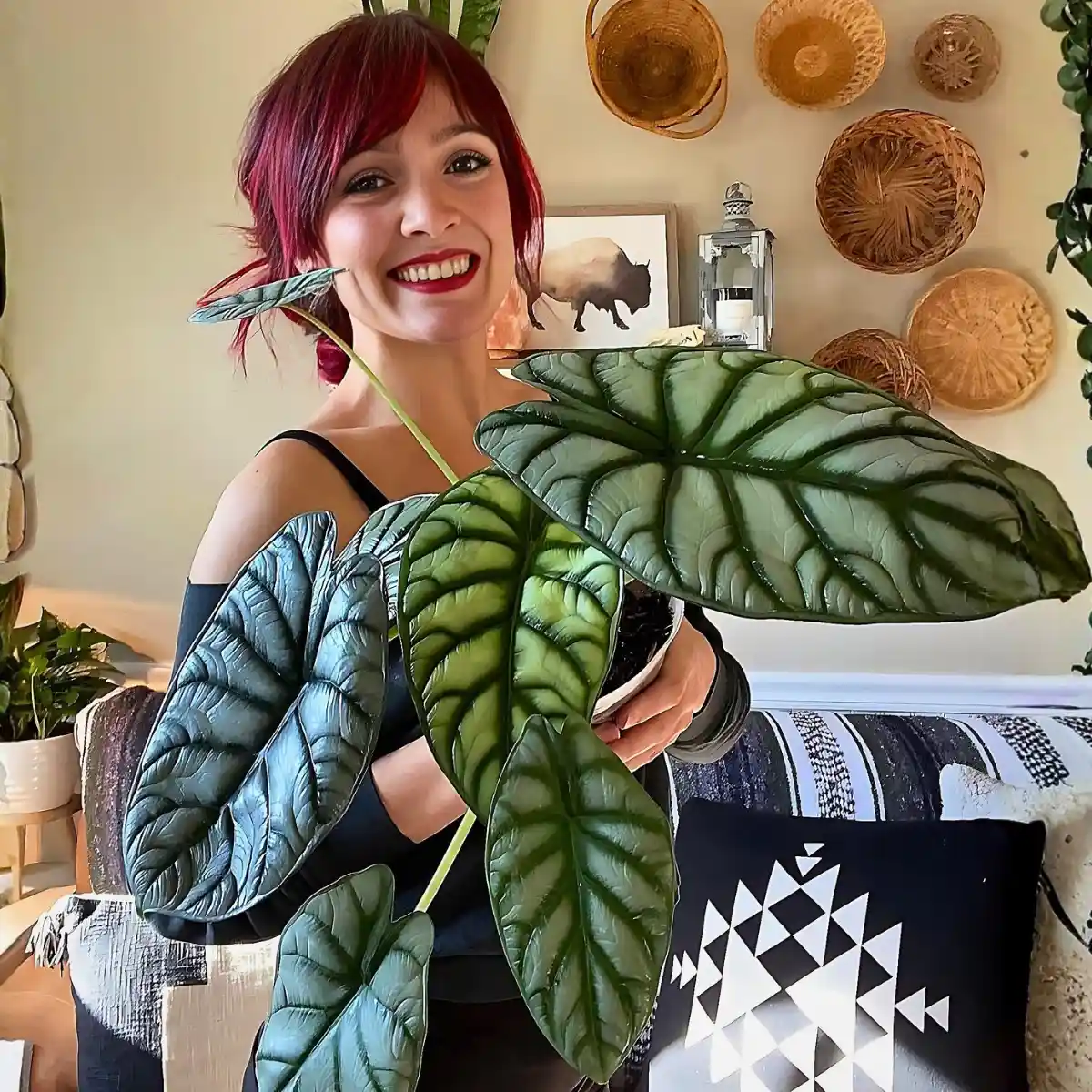
Look at where the stem meets the leaf. On a Colocasia the stem joins the underside of the leaf a little way in from the edge, so the leaf sits on the stem like a shield. On an Alocasia the stem joins right at the notch where the two lobes meet.
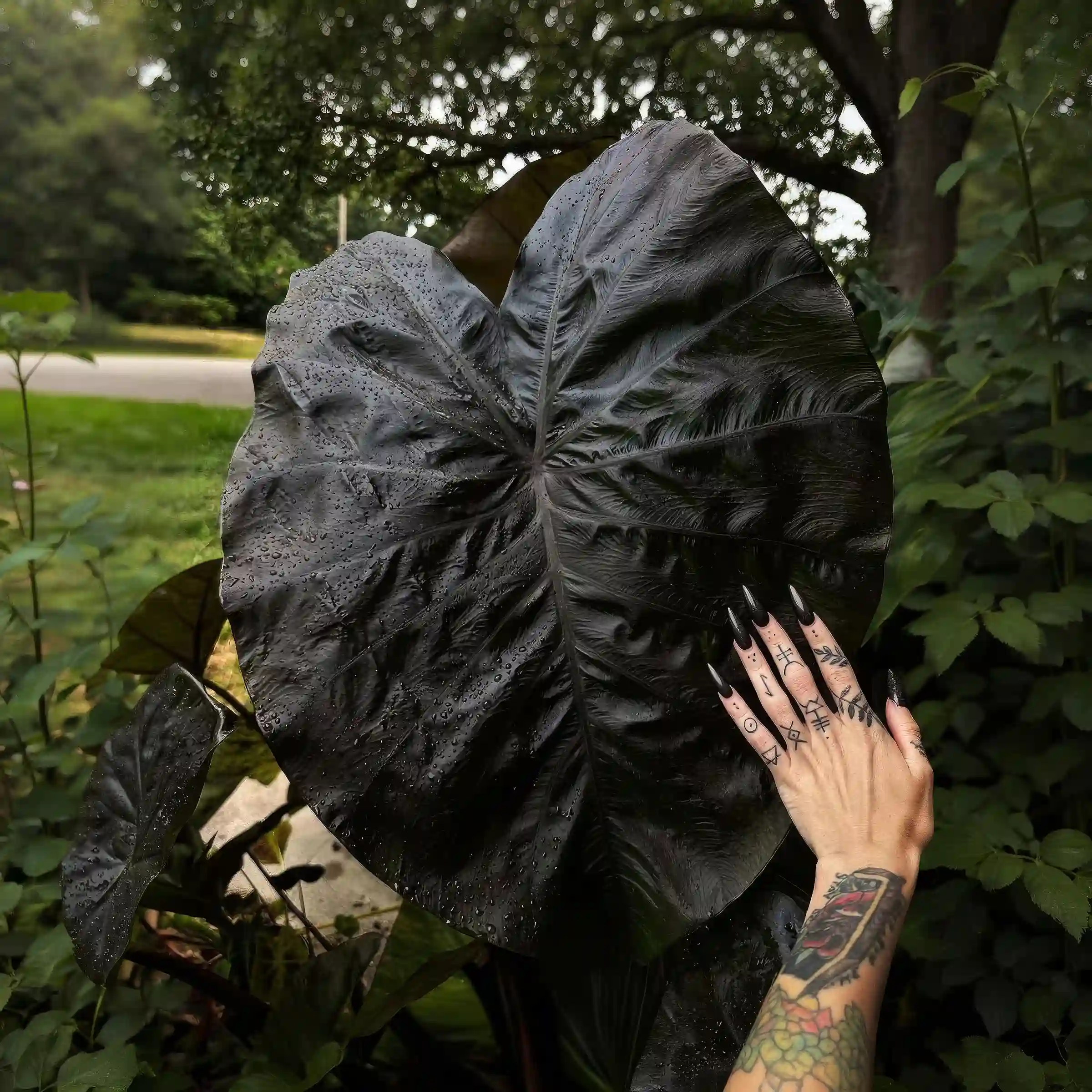
Then look at which way the leaf points. Alocasia holds its leaves up and outward, tips toward the ceiling. Colocasia lets them hang, tips toward the floor. This is why Colocasia is the one that reads as lush and tropical in a pond planting and Alocasia is the one that reads as architectural in a living room.
Xanthosoma is the third and least common in the houseplant trade. Its leaves are usually more arrow shaped, with a distinct rib running around the leaf margin, and it sits between the other two in habit.
The practical difference is water. Colocasia is a bog plant. It grows in standing water in its native range, and it is very hard to overwater. Alocasia is not a bog plant. Sit it in a saucer of water for a week and the tuber rots. Advice that says elephant ears love wet feet is Colocasia advice, and it kills Alocasias.

Elephant Ear Plant Care
Light
Bright indirect light for indoor plants. Alocasia in particular will scorch in direct midday sun through glass, and the thin darker-leaved varieties burn fastest. Too little light shows up as long weak stems and small leaves rather than as anything dramatic. Outdoors in a temperate summer, part shade is safer than full sun.
Water
For Alocasia indoors: let the top two to three centimeters of the mix dry, then water thoroughly and let it drain completely. Never leave it standing. With Colocasia, keep it consistently wet, and if it is in a container outdoors in summer it may need water daily.
Humidity and Temperature
Both want humidity, and both hate cold drafts. Below about 15°C growth stops, and cold wet soil is what actually kills these plants rather than cold air on its own. Keep them away from an open winter door and away from an air conditioning vent.
Soil and Feeding
Free-draining and rich. A houseplant mix opened up with perlite or bark works for Alocasia. Colocasia in a pond or bog planting can take much heavier soil. Feed through the growing season and stop in winter.
The Winter Dormancy Nobody Warns You About
This is the most common reason people throw away a healthy plant. Alocasia grown indoors in a northern winter will often drop most or all of its leaves and appear to die. It has not died. It has gone dormant, and the tuber is still alive under the soil.
The right response is to cut the watering right back, stop feeding, keep the pot somewhere light and warm, never cold, and wait. In spring it pushes new leaves. A mini Alocasia in a 6 cm pot does exactly the same, only faster, says Michel Teekens, co-owner of Danish mini-plant grower Lundager. The test is the base of the stem. If it is firm, the plant is resting. If it is soft, it has been kept too wet.
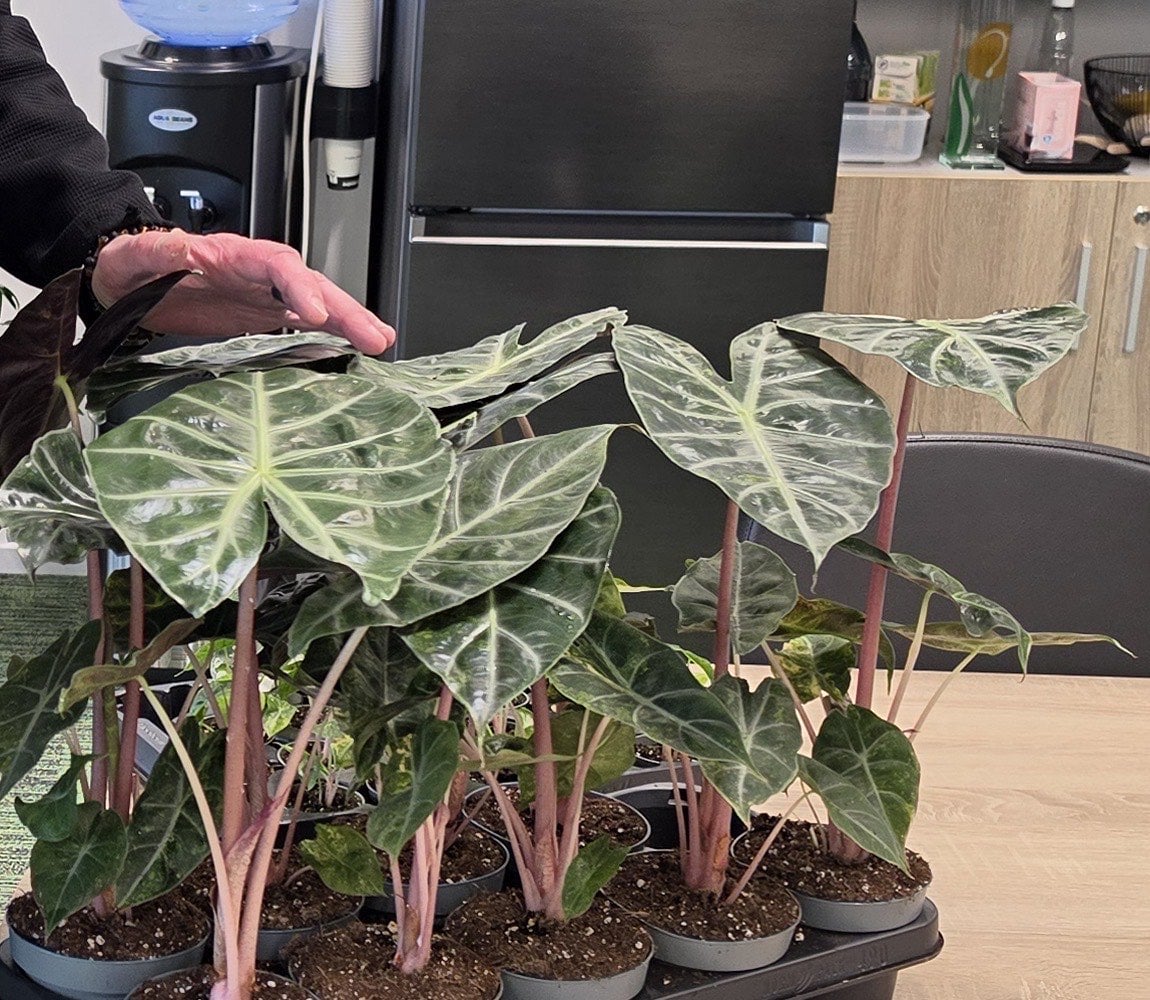
The wrong response, and the usual one, is to water more because the plant looks unhappy, which rots the tuber and turns a dormancy into an actual death.
If you want the detail on individual varieties, Thursd's Alocasia guide covers the types, and the Alocasia Amazonica listing shows the variety most people meet first. For the darkest leaves, Colocasia Black Magic and Alocasia Black Velvet both feature in the guide to black houseplants.

Is the Elephant Ear Plant Toxic
Yes, and this gets left out of a surprising number of care guides. Every genus sold as elephant ear contains calcium oxalate crystals in its sap. Chewing any part causes immediate burning of the mouth, lips, and throat, drooling, and swelling that in severe cases affects breathing. The ASPCA lists elephant ear as toxic to cats, dogs, and horses.
One bite burns so fast because of the shape of those crystals. 'The needle-shaped calcium oxalate crystals don't dissolve in water,' says chemist Jaap Hanekamp. 'They cause painful damage to the mouth, the esophagus, and further down, and once the mucous membrane is damaged, other plant toxins and proteins can get past that barrier. It takes only a very small dose. This is not toxicological damage but physical damage, with immunological consequences.'
The confusing part is taro. Colocasia esculenta is one of the oldest food crops in the world and feeds a large part of the tropics. It is edible only after thorough cooking, but not because cooking breaks down the oxalate. Heat denatures the enzymes in the plant, Hanekamp says, and the crystals stay. Raw, it is exactly as unpleasant as any other elephant ear. So a plant being a staple food somewhere does not make the one in your living room a snack.
Practical version: keep it away from small children and pets, wear gloves when you divide the rhizomes, and wash your hands after handling cut stems.
Where Elephant Ear Plants Come From
Commercially these are Dutch and Danish greenhouse products long before they are tropical exotics. Growers such as Plantanious in Kwintsheul run broad houseplant assortments in which the aroids sit alongside seasonal flowering lines, and breeders including Evanthia work on the genetics behind what eventually turns up in a garden center.
The finishing happens in the greenhouse, but the start often does not. Lundager brings in young Alocasia plants from China, among other countries, and tests several origins to keep the price right and to try more varieties. Compact growing is what makes Alocasia work in a 6 cm pot. "A mini is a young plant at its most beautiful moment," Teekens says, "and at home it keeps growing."
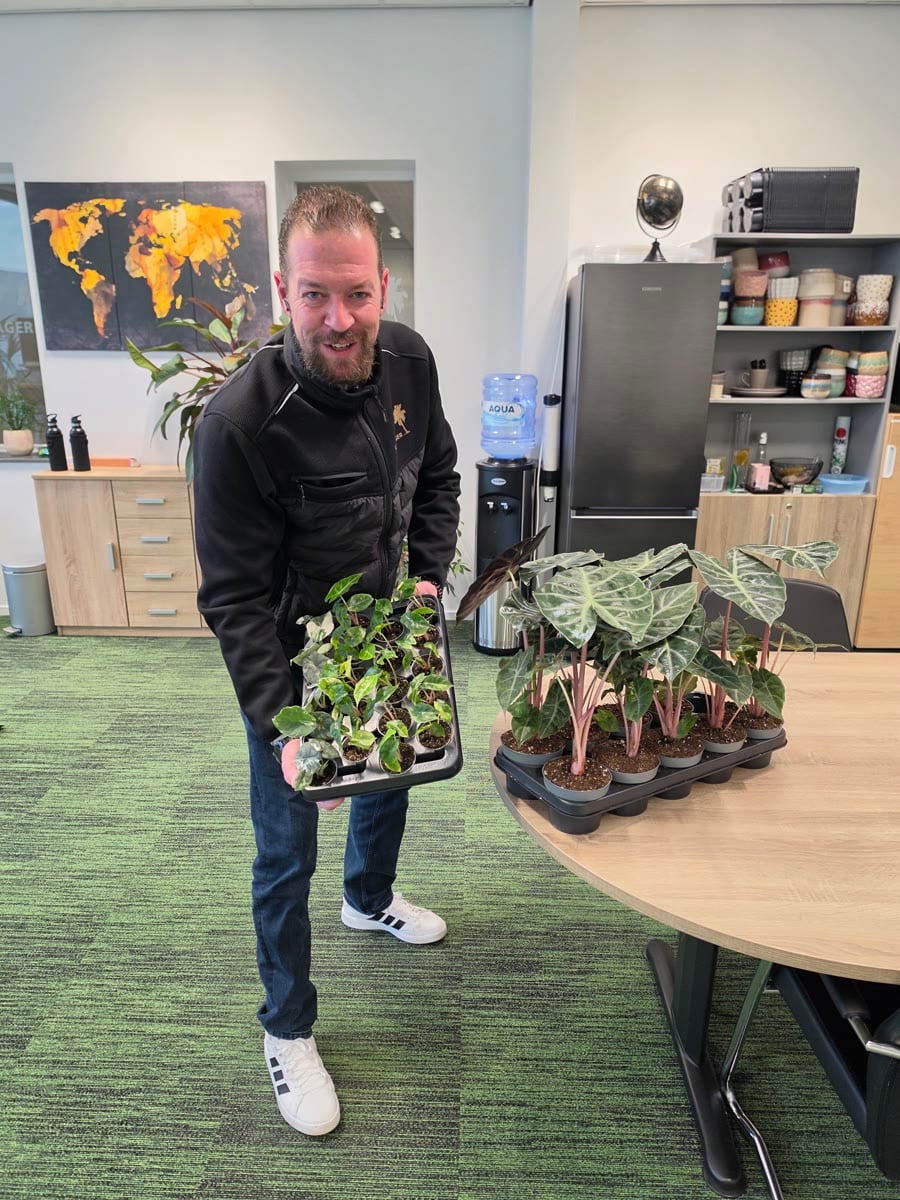
That matters for one practical reason. A plant raised in a greenhouse at high, controlled humidity and then moved into a dry heated room in October is going through a bigger change than most buyers realize. A few weeks of leaf loss after purchase is usually acclimatization, not a fault, and it is worth being patient before you start changing everything.
Thursd's elephant ear plant page has the ornamental overview if you want the shorter version.
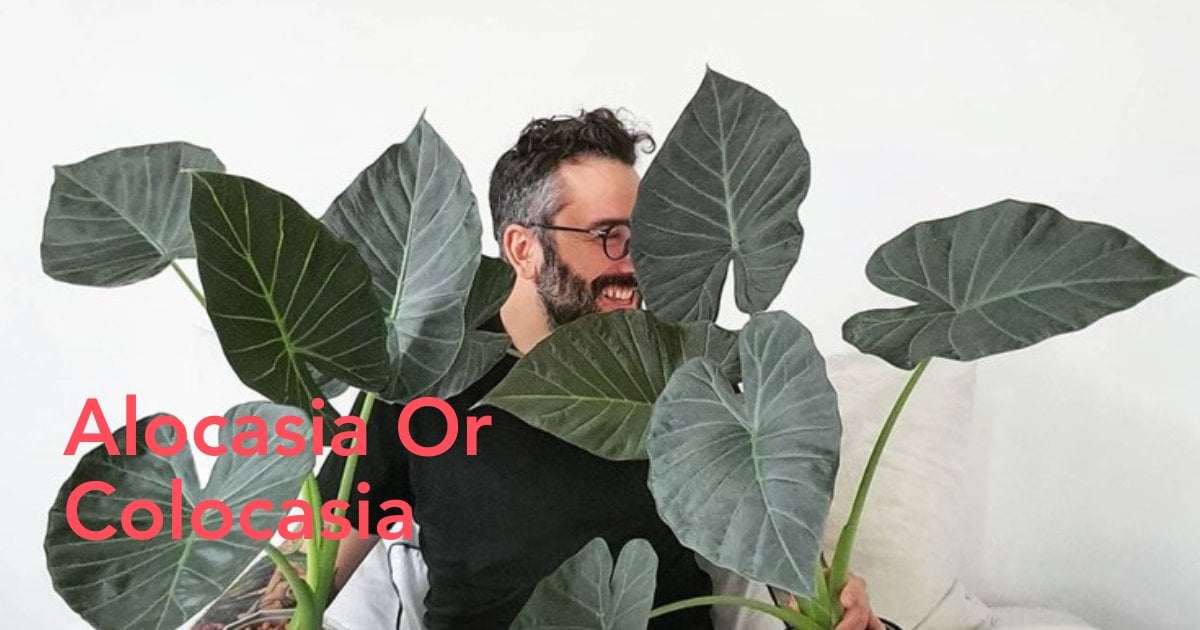
Header and feature image: Alocasia Regal Shields. Picture by @romain.orchids.
About the author: Brian Okinda is an editor at Thursd and a trained journalist specializing in agriculture, science, and sustainable floriculture. He covers the flower industry from the inside, from farms and expos to the people behind the flowers. Connect with Brian on LinkedIn.