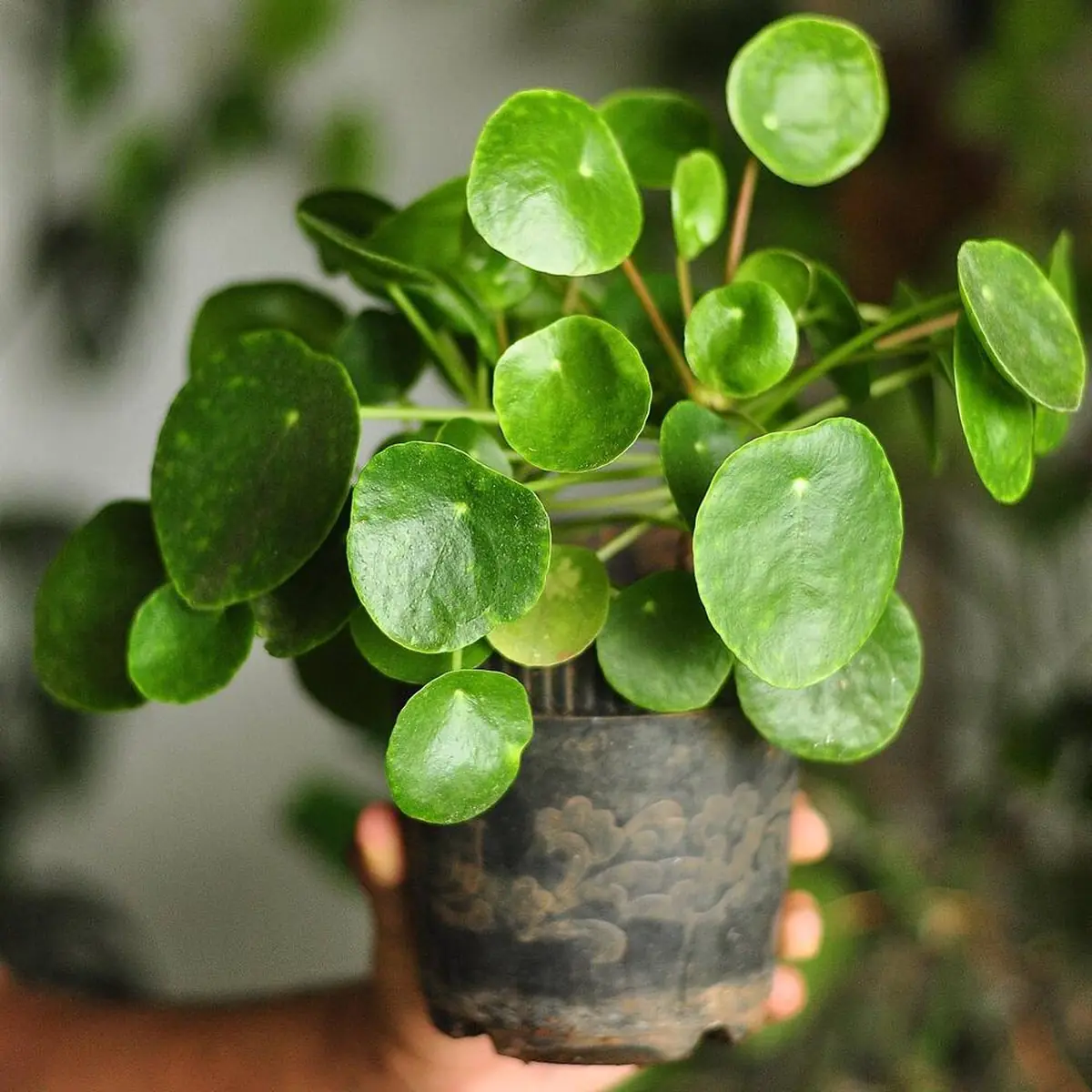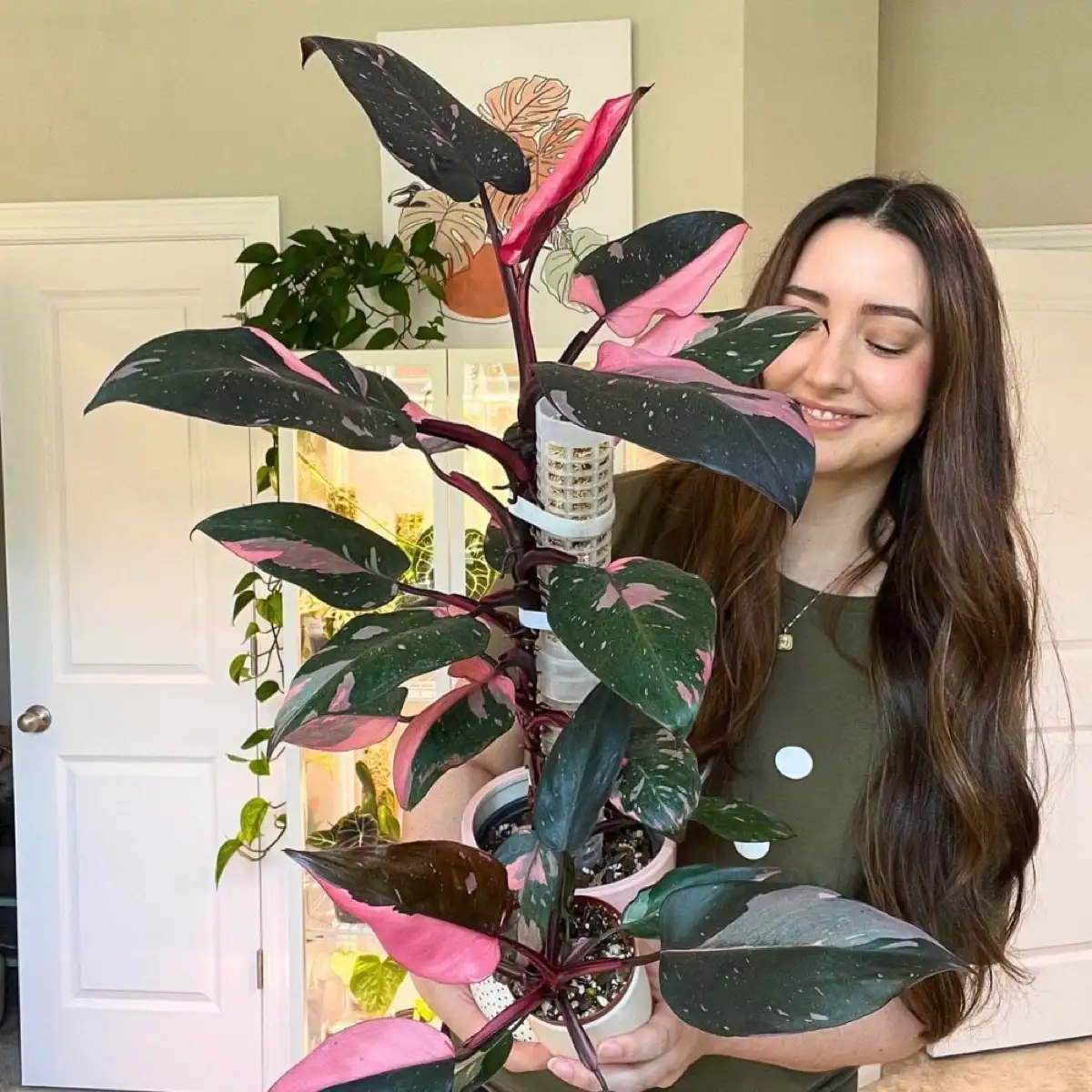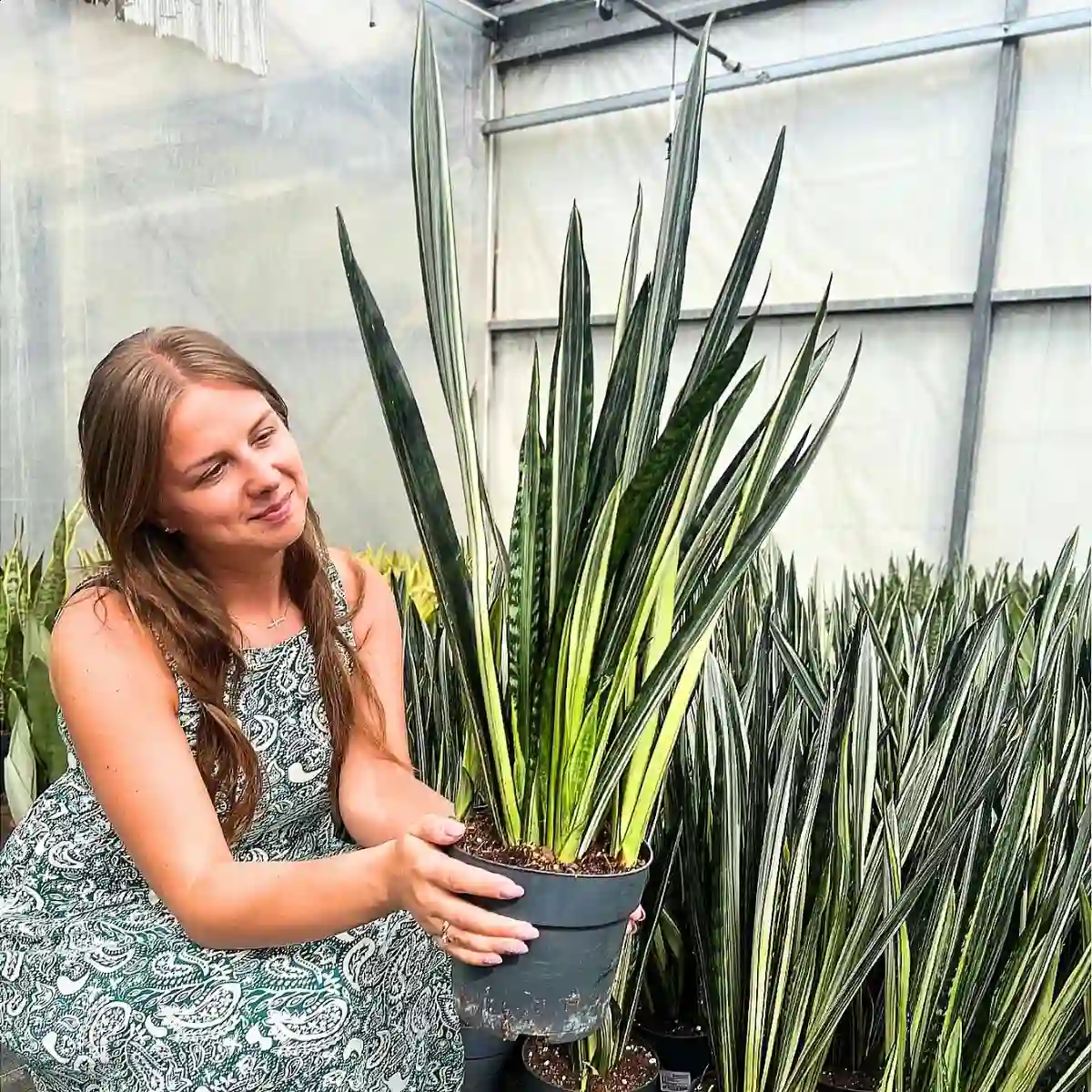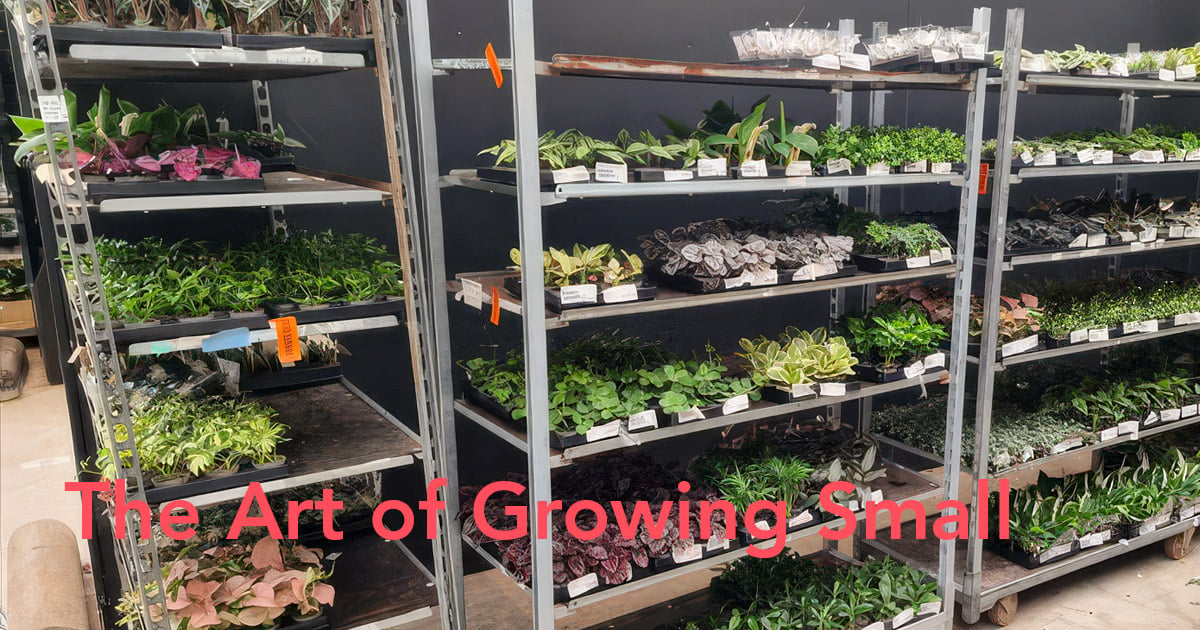
Mini plants are more than smaller versions of ordinary houseplants. According to Michel Teekens, Co-owner and Sales Manager of Lundager BV in the Netherlands, a houseplant in a 6 cm pot needs as many hands per square meter as a bigger one, is harder to keep in shape, and is bought for different reasons. That is why the Danish grower treats mini plants as a product group of their own, with its own ceramics, presentation, and sales channels.
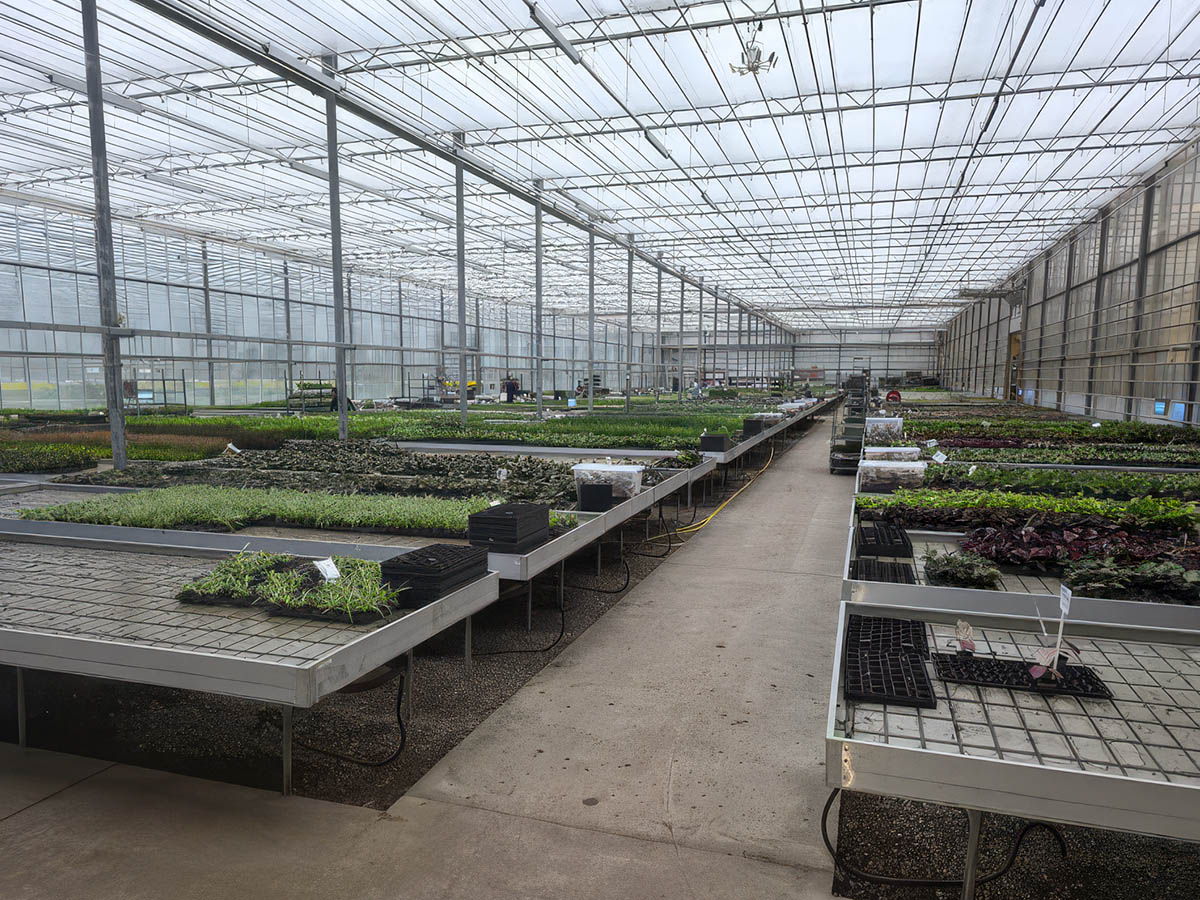
Lundager's history began in 1985, when Ove Lundager acquired his first nursery in Ulfborg, in western Denmark. With a small team, a strong dedication to the craft, and a clear focus on quality, the company laid the foundation for its future. It grows more than 25 million plants a year on 120,000 m² of greenhouses, and Teekens expects close to 30 million this year. He set up the Dutch sales company in 2017. "I went over to have a look, and I was sold right away," he says. "The number of varieties you see there is unbelievable."
What Makes Mini Plants a Category of Their Own?
Teekens starts on the growing side, which explains why a 9 cm plant is often cheaper than a 6 cm one.
"It's easier to let a plant grow than to keep it small," he says. "A plant only wants one thing, and that is to grow."
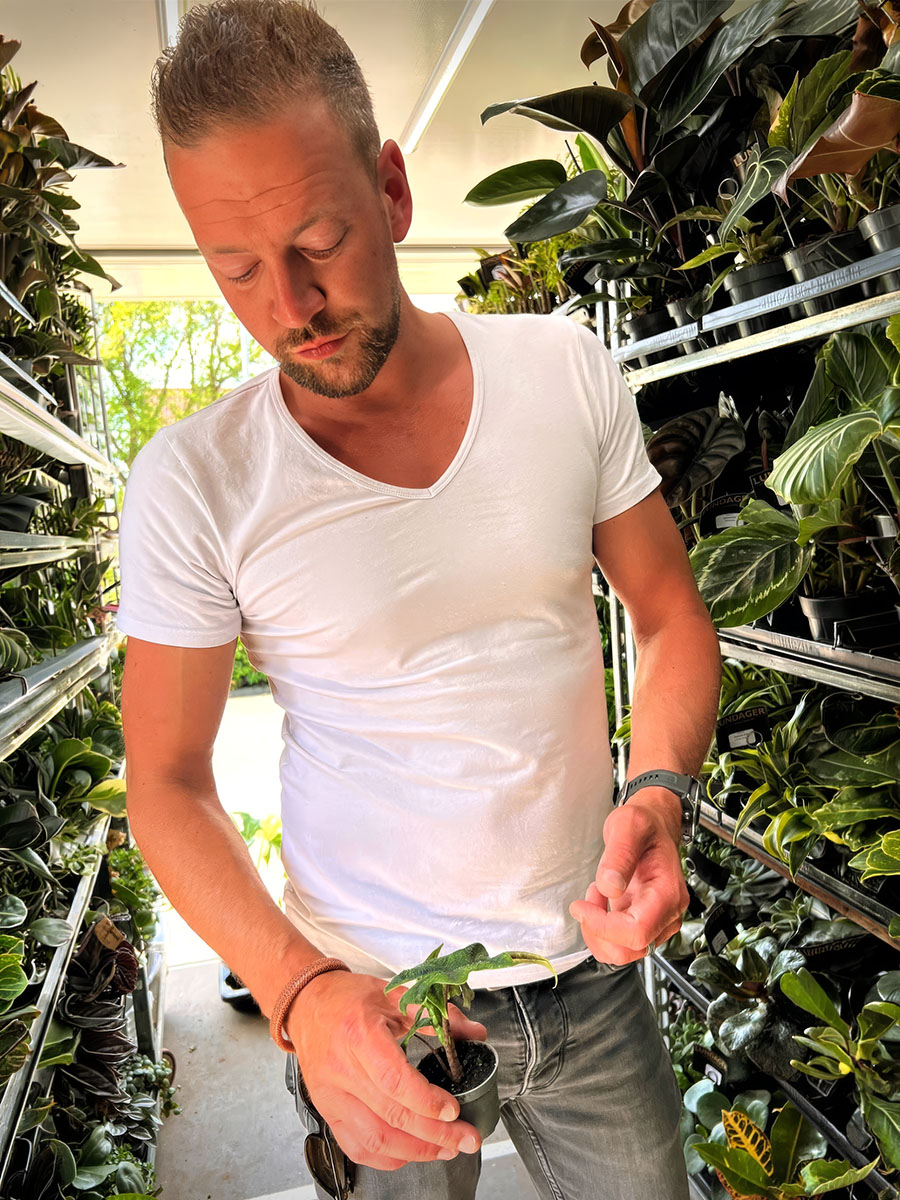
The costs don't shrink with the pot either. "It's nice that a hundred plants stand on a square meter instead of fifty, to keep the math simple," Teekens says. "But you need the same hands for those same square meters."
For consumers, mini plants are often an impulse buy. "People buy a few small plants and put them together in a pot themselves, or in a terrarium. They do the craziest things with them." They also fit where bigger plants don't, from the bathroom to the toilet, "because you're not going to put a 17 cm Areca there." Terrarium makers depend on them too, since a 12 cm plant won't go through the opening of a glass terrarium. That trend peaked in 2023, Teekens says, but makers keep coming up with something new. Florists can find suitable plants for closed terrariums on Thursd, and compact plants for small homes also feature among the trending houseplants of 2026.
Why a 6 cm Pot Instead of 5.5 cm?
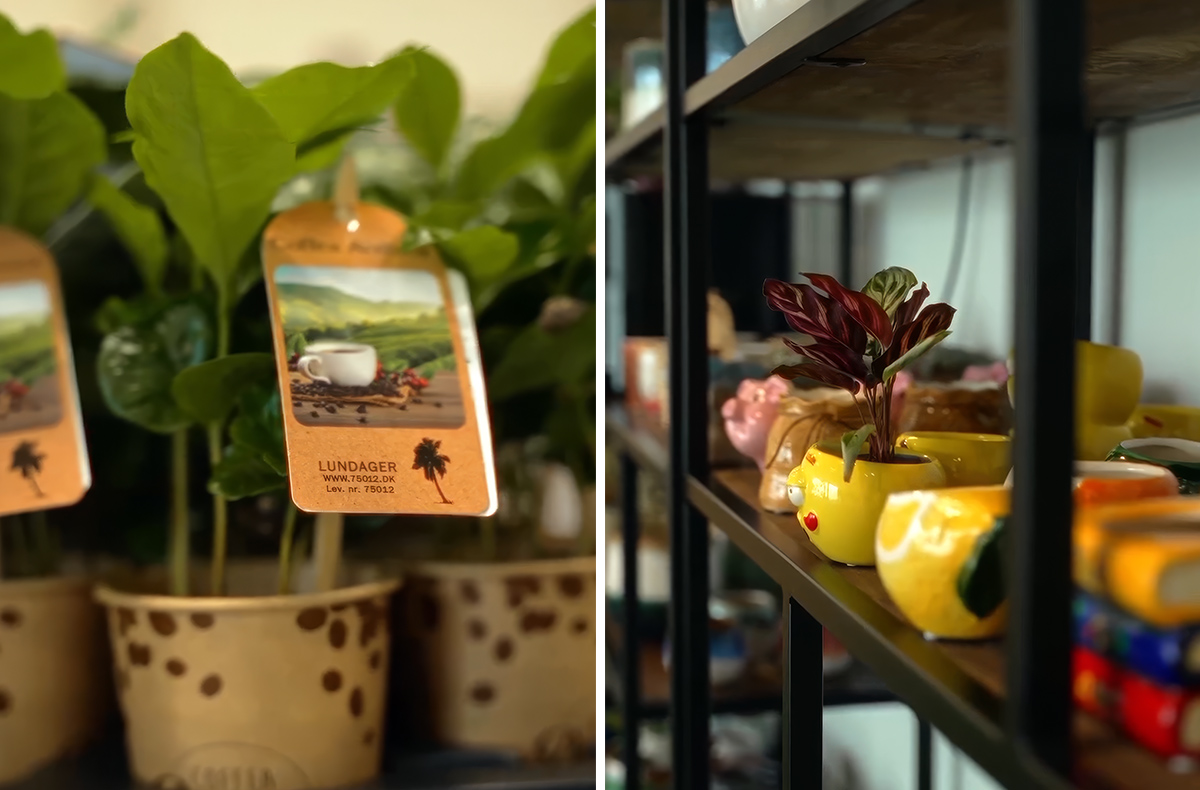
Many Dutch growers choose 5.5 cm; Danish growers choose 6 cm. The slightly bigger pot holds a little more water, so the plant stays in good condition a little longer. Also, most decorative ceramics imported from China are made for 6 cm, so the plant stands firmly instead of rattling loose during transport.
Fewer Small Pot Plants on the Market, More Variety at Lundager
Production of mini plants is falling, Teekens says, as many growers disappear. Royal FloraHolland sees the same in its figures for the first half of 2026: the volume of green houseplants keeps declining, "with the sharpest fall continuing to be seen in the smaller pot sizes."
"We jump into that gap, but there's no point in raising production by 200 percent, because then you can't hold your prices," he says. "The 6 cm will always remain our core business, but we're going to focus more on diversity than on quantity."
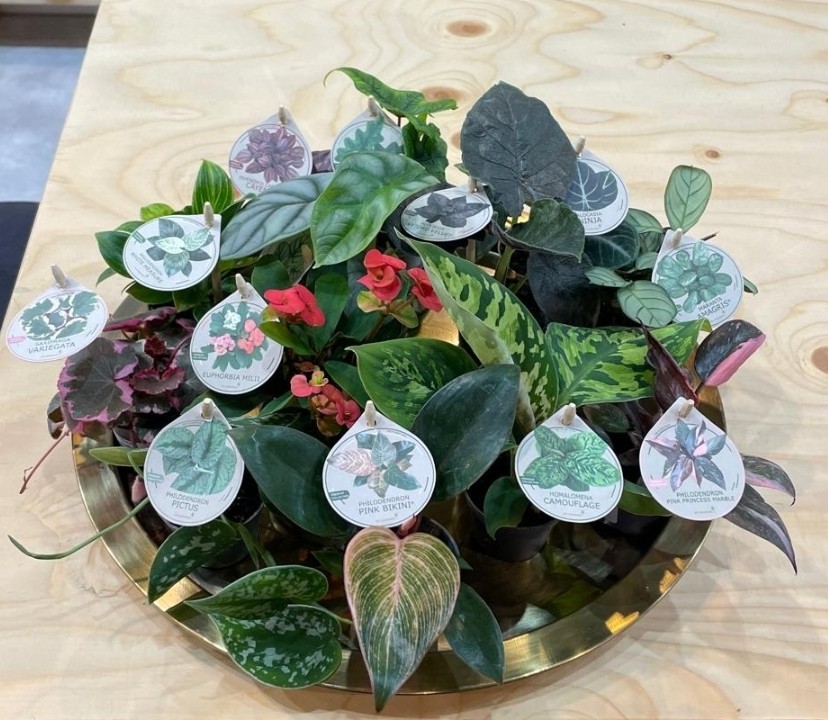
That diversity already runs to more than 500 items. Lundager took over Tingdal, a grower of 12 cm Peperomia plants, and Hawaii Gartneriet, which grows Alocasia and Philodendron in 12 cm pots. From October 2026, it also took over the production of 9 cm carnivorous plants from Gartneriet Lammehave, including Sarracenia, Nepenthes, and Dionaea, better known as the Venus flytrap. Mini plants now make up about 70% of the business, Teekens estimates.
Most orders go straight from Denmark to the customer. Mixed loads with Dutch growers' plants are put together at the transporter Alex Andersen Ølund in Aalsmeer, where the Dutch office is based. From that hub, the plants travel "from America to Vietnam." Exporters are the biggest customer group, ahead of wholesalers, cash and carries, webshops, garden centers, and retail chains.
How Ceramics and Mix and Match Help Sell Mini Plants
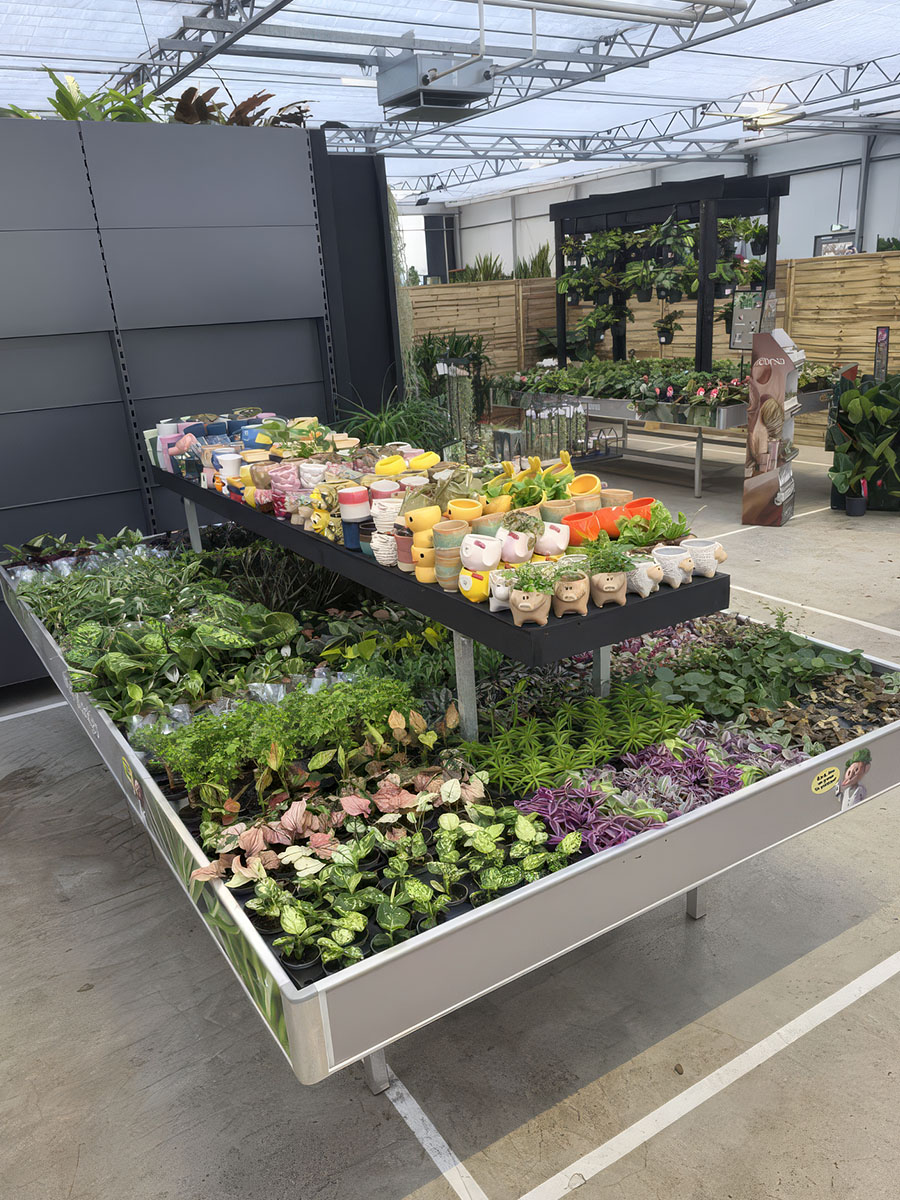
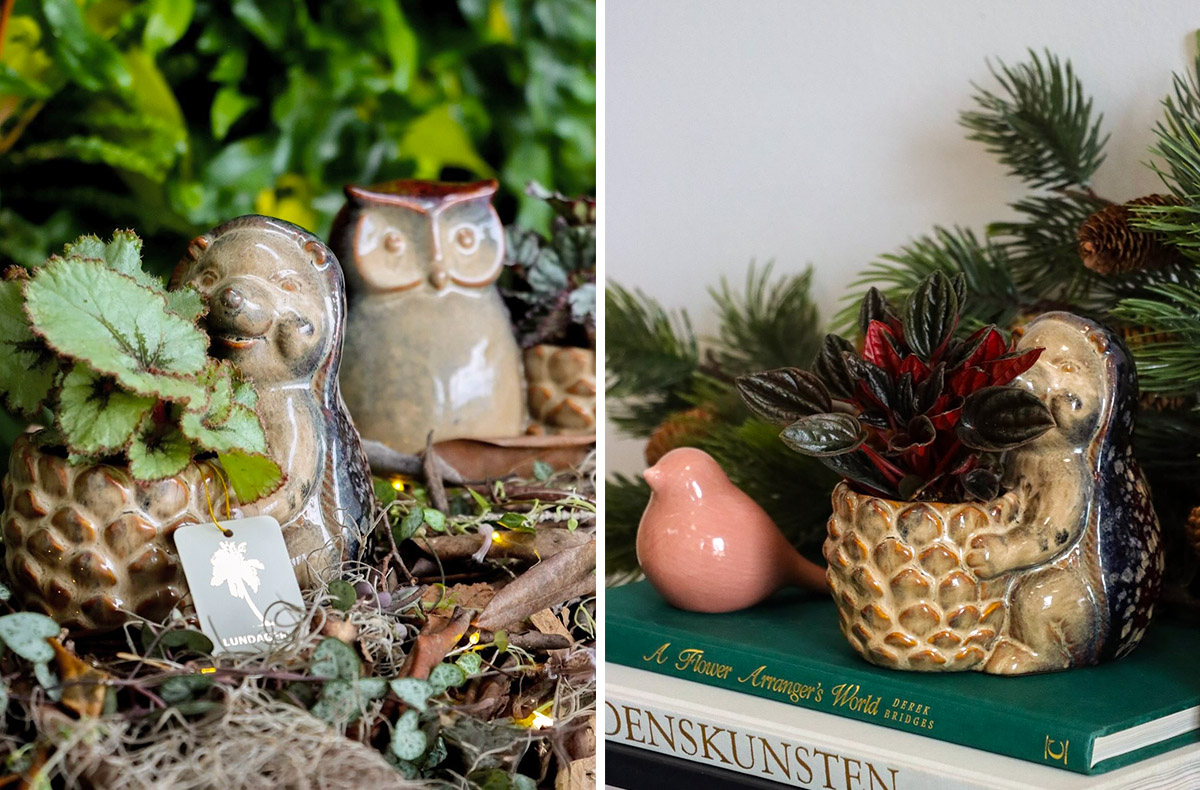
About 40% of Lundager's mini plants are sold in ceramics, as added value. Many designs start at art fairs in China, where the owner's wife and son see a painting or a vase and ask for a pot based on it. "Our ceramics are very distinctive. They aren't cheap, I'll say that right away. But you can't get them anywhere else," Teekens says. Lundager protects its designs, and in 2020 a Dutch court ruled in its favor in a case about copies of one of its pots.
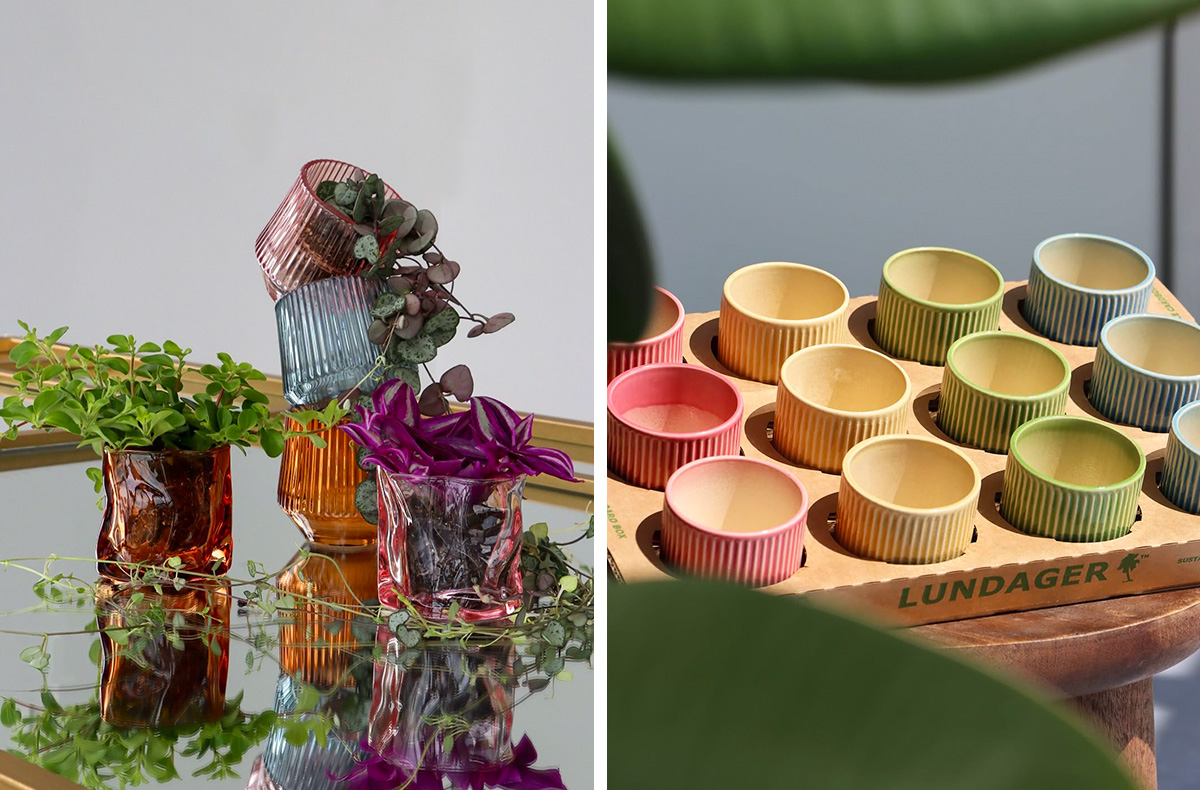
In 2017, Teekens designed displays for the checkout. Today, mix and match does the work: a table with plants and empty pots above it, so shoppers choose which plant goes in which pot. "It's not really necessary anymore to design those display boxes. It happens by itself."
Why Two Crates Matter as Much as a Full Trolley
Besides the fixed routes, Teekens will drive a rush order over in the trunk of his car.
"Trust arrives on foot and leaves on horseback," he says, quoting a Dutch saying. "Not just the full trolley, but those two crates are really important. That's forty plants, and it could be forty customers."
Otherwise, the customer has to explain to forty people that their plant didn't arrive. Out of about 173 deliveries a week, two with a problem is a lot, Teekens says, with items that come in packs of 12, 20, 28, or 40, with or without stickers.
Selling Mini Plants Live on Instagram
How can the sector turn falling houseplant sales around? Not by going ahead with the Dutch proposal to raise VAT on flowers and plants from 9% to 21%, Teekens says, now that consumers already feel the pinch at the supermarket.
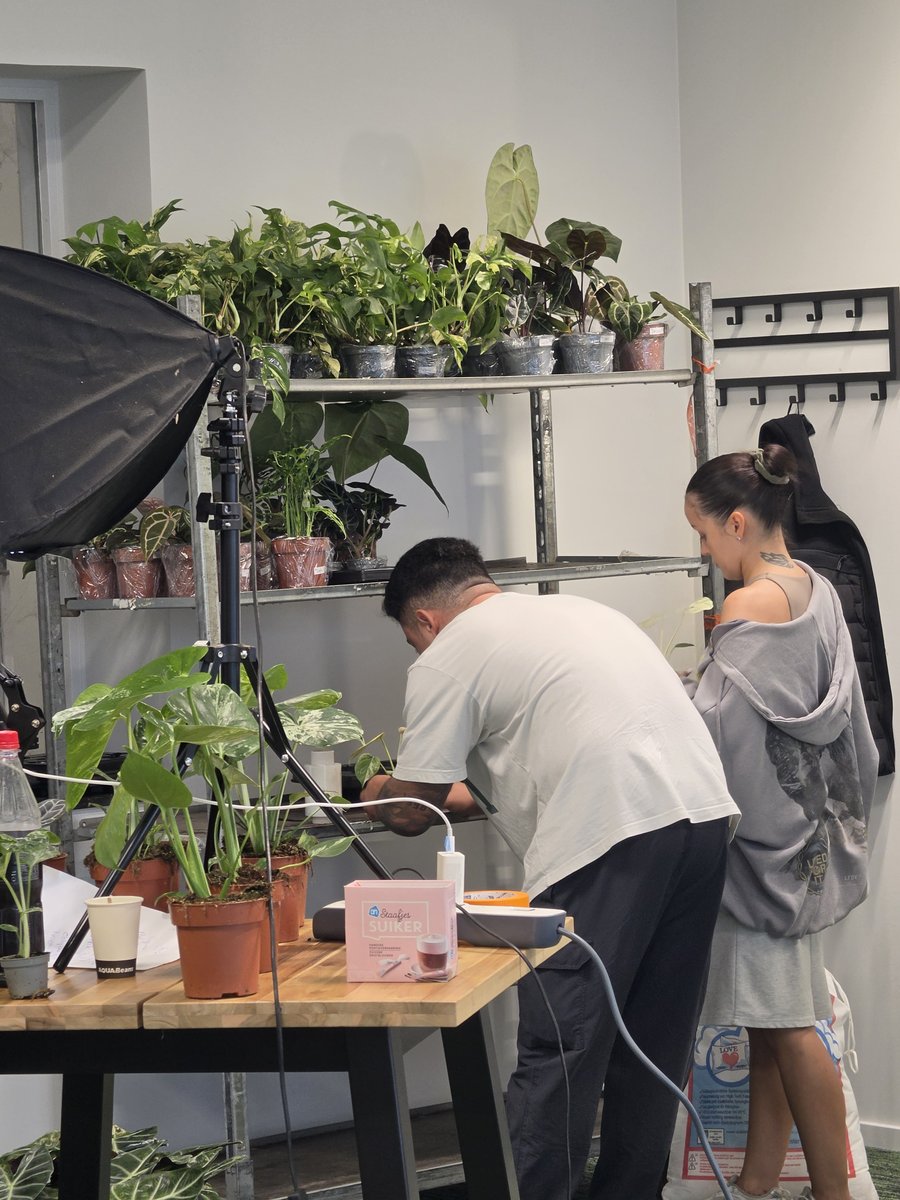
His own answer is online. During the interview, he shows a table set up for a customer who sells plants live on Instagram: plants from 6 to 12 cm, from Lundager and from Kwekerij Mostert and Variplants, starting at €5. Viewers get three hours to buy. Teekens carried it all up 30 stairs himself. "All they have to do is turn on the camera, go on Instagram, and sell."
That approach suits mini plants. They are an impulse buy at heart; a live sale gives viewers only a few hours to decide, and prices start at a few euros. With fewer growers in the smaller pot sizes and Lundager choosing variety over volume, Teekens sees plenty of room to grow online.
"Online was 4 percent of total plant sales last year," he says. "Now it's around 8, I think. So we're still at the beginning."
Featured image by @lundagerplants.