Graduation often feels like standing at a crossroads. One path may lead to an office, another to a laboratory, and another to a greenhouse filled with color, fragrance, and life. For students who enjoy plants, creativity, science, or business, floriculture careers after graduation can offer an exciting combination of all four.
Floriculture is the branch of horticulture that focuses on growing, managing, marketing, and designing with flowers and ornamental plants. It includes cut flowers, potted plants, bedding plants, foliage plants, and decorative greenery. However, the industry involves much more than planting seeds and arranging bouquets. It also needs production specialists, greenhouse managers, sales professionals, researchers, marketers, and entrepreneurs.
So, where can a floriculture qualification take you? The answer may be broader than you expect. Whether you want to work with your hands, manage a business, solve plant health problems, or create beautiful floral displays, there may be a suitable path waiting for you.
Why Floriculture Can Be a Rewarding Career Field
Flowers play an important role in everyday life. People use them at weddings, birthdays, festivals, funerals, corporate events, hotels, restaurants, and public spaces. Ornamental plants also improve homes, offices, gardens, and urban environments. Because of this wide demand, the floriculture industry connects agriculture with design, retail, hospitality, and environmental management.
One of the strongest advantages of choosing a career in floriculture is variety. You do not have to spend your entire working life doing the same task. A student may begin as a greenhouse assistant, become a production supervisor, and later manage a large growing operation. Another graduate may start in a flower shop, build a strong portfolio, and eventually open an event-design studio.
Floriculture can also suit different personalities. Do you enjoy quiet, detailed work? Plant propagation or quality control may suit you. Do you enjoy talking to people? Sales, customer service, and marketing may be better choices. Are you highly creative? Floral design could give you the freedom to turn flowers into visual stories.

Not every student enjoys every technical subject, and that does not mean floriculture is the wrong career choice. Perhaps mathematics, statistics, or another demanding discipline felt difficult at college, so you ordered extra academic support while focusing on the subjects that matched your interests. During a particularly busy semester, you may even have searched for “someone who can do my math homework for me online”, although treating such help as tutoring can strengthen the basic calculation skills needed for pricing, crop planning, budgeting, and inventory control. Floriculture offers many different roles, so you can choose a path that highlights your natural strengths while gradually improving the skills you find more challenging. In the end, career success depends not on being perfect at every subject but on understanding your abilities and using them wisely.
The field also gives people the chance to see direct results. When you care for a crop, you watch it develop from a cutting or seed into a healthy flowering plant. That process can feel like building a bridge one piece at a time. Your daily actions—watering, feeding, monitoring, pruning, and protecting, gradually create a valuable final product.
Of course, floriculture work can be physically demanding. Greenhouses may become hot and humid, peak seasons may require long hours, and flower production often follows strict schedules. Plants do not stop growing because it is a weekend. Yet for many graduates, the active environment and visible results make the work meaningful.
Skills and Education Needed for Floriculture Jobs
Students enter the floriculture industry through several educational routes. Some complete a degree or diploma in floriculture, horticulture, plant science, agriculture, botany, or landscape management. Others begin with short vocational courses, apprenticeships, or practical training programs.
Your qualification can open the door, but employers also value practical experience. Knowing the scientific name of a plant is useful, but knowing how to recognize stress, control watering, and prevent crop damage is equally important. Floriculture is a field where theory and practice grow together, like roots and leaves.
Technical Skills That Employers Value
Plant identification is one of the most useful technical skills. Graduates should understand common flowering plants, foliage plants, bulbs, annuals, perennials, and greenhouse crops. They should also know the basic needs of each plant, including light, temperature, water, soil, and nutrition.
Propagation skills are important as well. Depending on the crop, workers may use seeds, cuttings, division, grafting, tissue culture, or bulbs. A propagation assistant must work carefully because small mistakes at the beginning can affect thousands of plants later.
Pest and disease management is another essential area. Students should learn how to identify insects, fungal infections, nutrient problems, and environmental stress. Modern growers often use integrated pest management, which combines observation, prevention, biological controls, and careful chemical use.

Technology now plays a growing role in commercial floriculture. Many greenhouses use automated irrigation, climate-control systems, sensors, production software, and digital inventory tools. Graduates do not need to become computer engineers, but they should feel comfortable learning new systems.
Postharvest handling also matters, especially for cut flowers. Once a flower is harvested, the clock begins to tick. Workers must cool, grade, package, store, and transport flowers correctly to maintain freshness. A perfect flower can quickly lose value if people handle it badly after harvest.
Soft Skills That Help Graduates Succeed
Communication is vital in almost every floriculture career. A greenhouse employee may need to report a crop problem. A floral designer must understand a customer’s vision. A sales representative has to explain product benefits clearly. Strong communication keeps small problems from growing into expensive ones.
Time management is equally important because floriculture follows natural and commercial deadlines. A crop intended for a major holiday must flower at the correct time. Wedding arrangements must be ready before the event begins. There is rarely room for “almost on time.”
Graduates also need patience and attention to detail. Plants may show only tiny signs when something is wrong. A slight change in leaf color, growth speed, or flower quality can reveal a larger problem. Observing those signs is similar to reading a quiet language.
Creativity can support both production and design roles. Growers may experiment with attractive plant combinations, while marketers look for fresh ways to present products. Even a technical greenhouse role may involve creative problem-solving when weather, pests, or equipment create unexpected challenges.
Finally, adaptability helps graduates survive busy seasons and changing market demands. Floral trends change, customer preferences develop, and environmental conditions remain unpredictable. The people who continue learning usually create the strongest careers.
Popular Floriculture Careers After Graduation
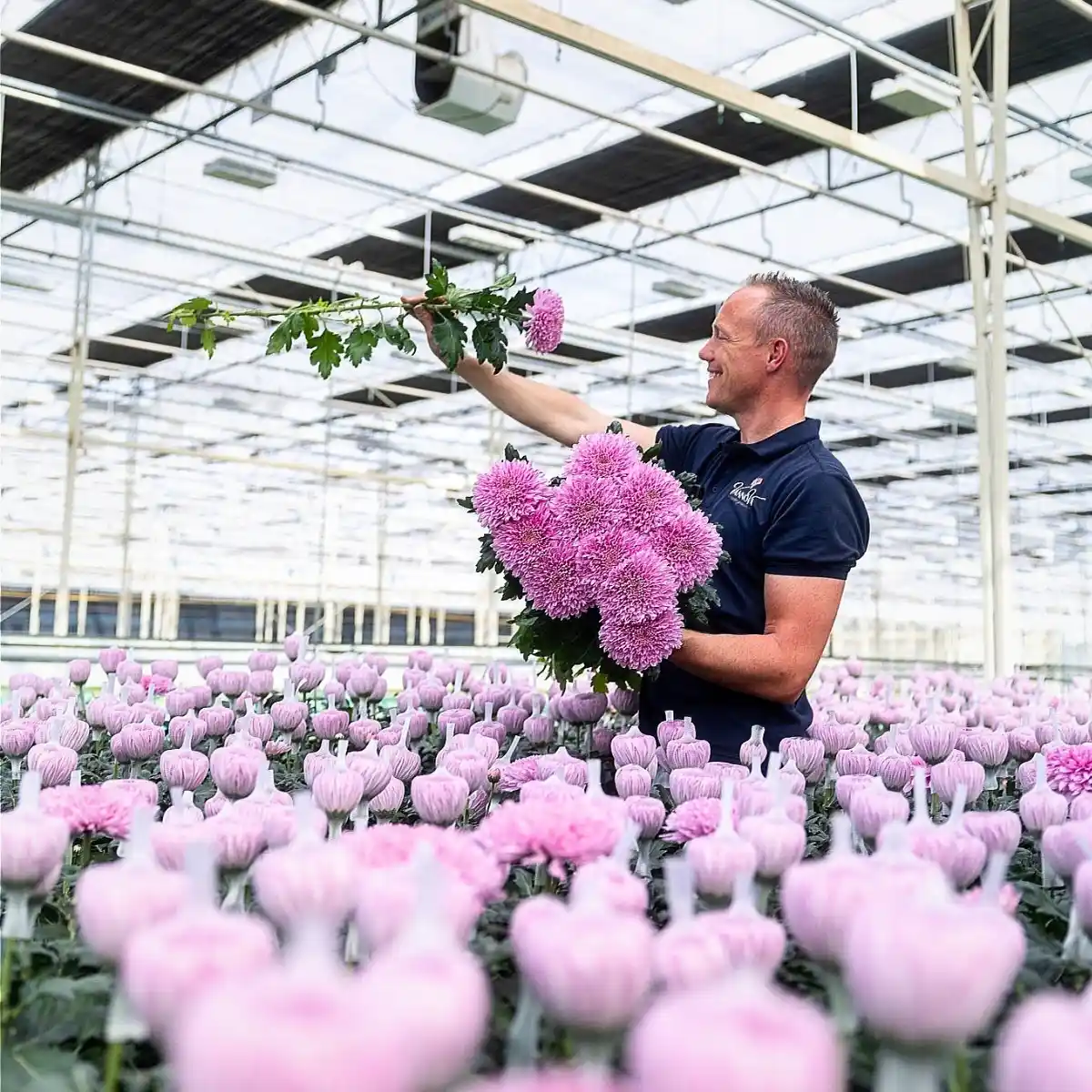
A greenhouse technician is one of the most common entry-level positions for floriculture graduates. Greenhouse technicians water plants, monitor temperature, apply fertilizers, inspect crops, record growth, and help control pests. This role provides broad practical experience and can lead to positions such as section grower, production supervisor, or greenhouse manager.
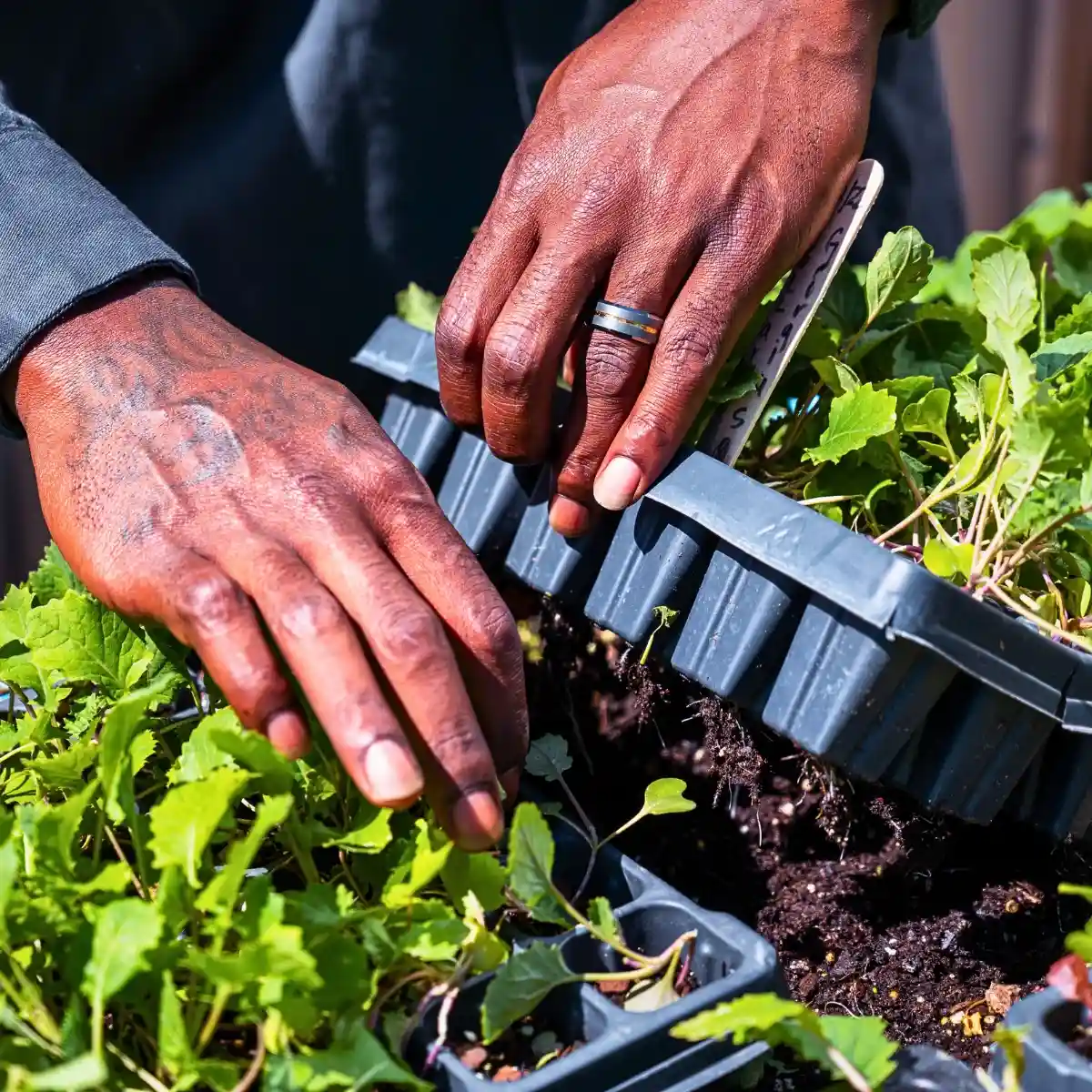
A plant propagation technician focuses on producing new plants. Daily tasks may include preparing growing media, taking cuttings, sowing seeds, maintaining humidity, and checking root development. This work suits patient people who enjoy careful routines and precise conditions.
Graduates with strong creative skills may become floral designers. Floral designers create bouquets, centerpieces, wedding decorations, sympathy arrangements, and displays for homes or businesses. The job requires knowledge of color, shape, balance, texture, and flower care. It also requires customer service skills because clients may arrive with only a vague idea of what they want.
An event floral assistant helps design and install decorations for weddings, conferences, celebrations, and other events. Unlike regular shop work, event floriculture often involves large spaces, strict deadlines, and detailed themes. One day may involve creating a soft garden-style wedding, while the next may require a bold corporate display. The work can be tiring, but it rarely feels dull.

A nursery or garden center associate helps customers choose ornamental plants and understand how to care for them. This role combines plant knowledge with retail service. Graduates may manage stock, create displays, answer gardening questions, and monitor plant quality. With experience, they can move into purchasing, department management, or store leadership.
A floriculture sales representative connects growers, wholesalers, retailers, landscapers, and event businesses. Sales professionals need to understand flowers and plants, but they must also build relationships and identify customer needs. Some representatives sell seeds, bulbs, young plants, fertilizers, greenhouse equipment, or finished floral products.
Students interested in organization and logistics may pursue inventory or supply-chain roles. Flowers are delicate and time-sensitive products. They must move quickly from farms and greenhouses to wholesalers, shops, supermarkets, and event locations. Supply-chain employees coordinate orders, shipping, storage, packaging, and delivery schedules.
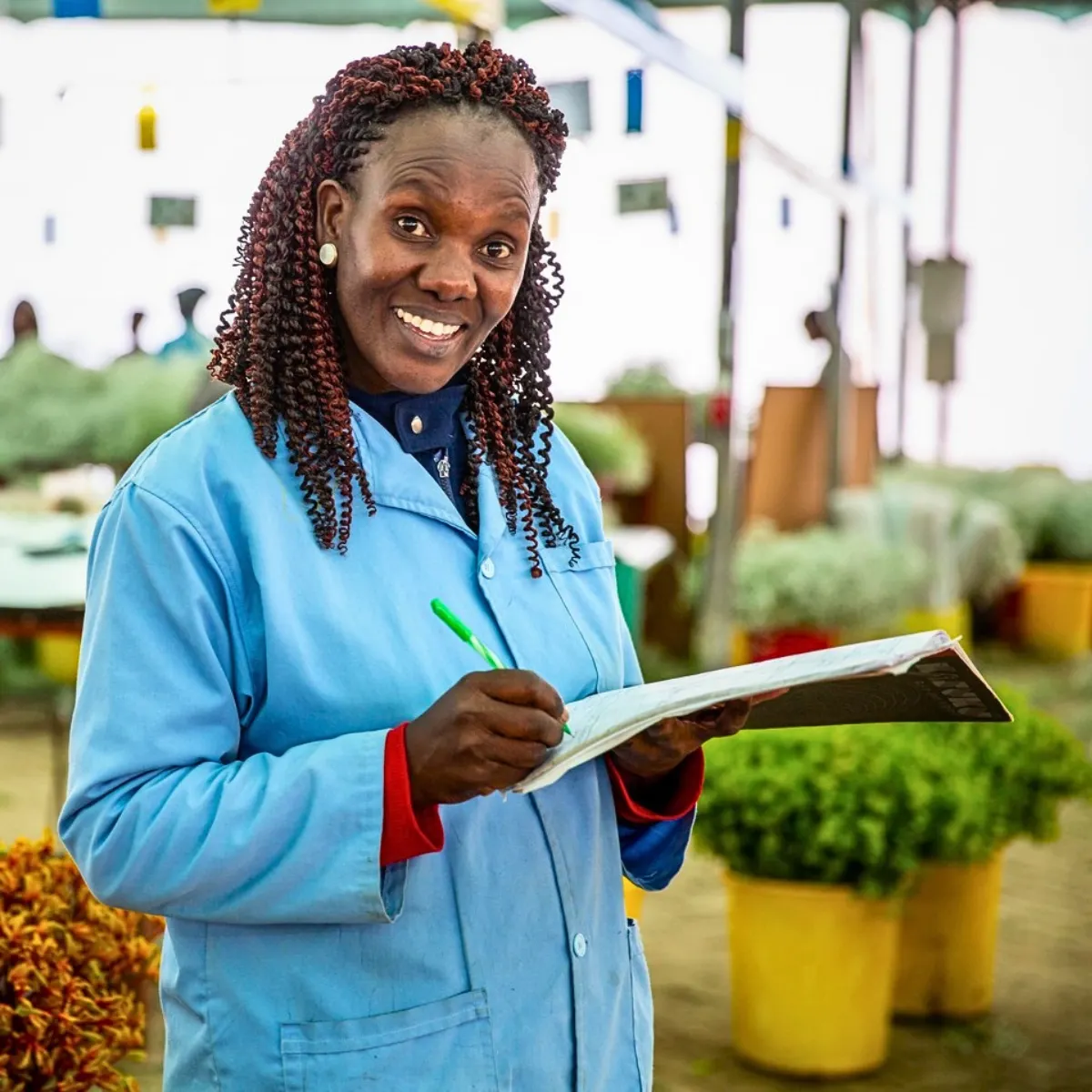
A quality-control assistant checks plants and flowers before they reach customers. The employee may inspect size, color, freshness, stem strength, pest damage, disease symptoms, and packaging. Quality control acts like a safety net. It protects the company’s reputation and helps customers receive products that meet their expectations.
A postharvest technician specializes in keeping harvested flowers fresh. This may involve testing preservatives, controlling storage temperatures, managing hydration, and reducing damage during transport. The role is especially important for companies that ship flowers over long distances.
Graduates who enjoy experiments may work as research assistants in universities, plant-breeding companies, government departments, or commercial laboratories. They may help test new varieties, collect data, study plant diseases, improve growing methods, or explore sustainable production techniques. Advanced research positions may require further study, but assistant roles can provide an excellent starting point.
A landscape planting assistant helps select, install, and maintain flowering plants in gardens, hotels, parks, resorts, business properties, and residential spaces. Although landscaping covers more than floriculture, flowering plants often form the visual heart of a landscape. Graduates who understand seasonal color and plant performance can bring real value to these teams.
Floriculture graduates can also work in marketing and social media. Flower farms, garden centers, floral studios, and plant brands need attractive photographs, helpful content, online campaigns, and product descriptions. A graduate who understands both plants and digital communication can explain products more accurately than a general marketer.
Finally, some students choose entrepreneurship. They may start a flower farm, home-based floral studio, plant nursery, wedding-flower service, subscription bouquet business, or online plant shop. Running a business requires courage, planning, and financial discipline. Still, it allows graduates to shape their own identity in the market.
How Students Can Enter the Floriculture Industry Successfully
The best time to prepare for a floriculture career is before graduation. Internships, part-time jobs, volunteering, and seasonal work can help students understand how the industry operates. Even a few weeks in a greenhouse or flower shop can reveal which tasks feel exciting and which ones do not.
Students should also create a practical portfolio. Floral designers can photograph bouquets, table arrangements, and event installations. Production students can document propagation projects, crop records, pest-management plans, or greenhouse experiments. A strong portfolio shows employers what you can actually do, not only what you studied.
Networking can open valuable doors. Students can attend flower shows, horticultural exhibitions, workshops, trade events, and local gardening programs. Speaking with growers, designers, suppliers, and former graduates may lead to internships or job opportunities. Networking does not need to feel formal. It often begins with a simple question: “How did you get started in this field?”
When applying for jobs, students should adjust each résumé to the position. A greenhouse employer may care about crop monitoring, irrigation, and pest identification. A floral studio may focus on design ability, customer service, and event experience. Sending the same general résumé everywhere is like giving every plant the same amount of water, it may work sometimes, but it will not produce the best results.
Graduates should remain open to entry-level roles. A first job may involve cleaning workspaces, preparing containers, unpacking flowers, moving plants, or updating records. These duties may seem basic, but they reveal how the whole business works. Reliable employees often receive more responsibility quickly.
It also helps to learn basic business skills. Even technical employees benefit from understanding pricing, waste, labor costs, customer expectations, and profit. Flowers may look romantic, but floriculture businesses still need careful financial management.
Students who want to start their own businesses should begin on a manageable scale. Instead of immediately renting a large shop, a new designer might accept small event orders from home. A future flower farmer might test a few crops before expanding production. Small experiments reduce risk and provide valuable market feedback.
Continuous learning is essential. Graduates can strengthen their careers through short courses in floral design, greenhouse technology, plant protection, digital marketing, business management, or sustainable growing. The industry keeps changing, so curiosity can become one of your greatest professional advantages.
Conclusion: Growing a Future in Floriculture
Floriculture offers far more than one traditional career path. After graduation, students can enter greenhouse production, propagation, floral design, event decoration, sales, research, quality control, postharvest management, landscaping, marketing, or entrepreneurship. The right choice depends on your interests, strengths, and preferred work environment. You may want to create beauty, solve plant problems, manage people, serve customers, or build a business of your own.
A successful floriculture career does not appear overnight. Like a healthy flowering plant, it develops through strong roots: education, practical experience, patience, networking, and continuous learning. Your first position may be small, but it can become the seed of something much larger. When you combine plant knowledge with creativity and professional discipline, floriculture can grow from a subject you studied into a colorful, meaningful, and long-lasting career.