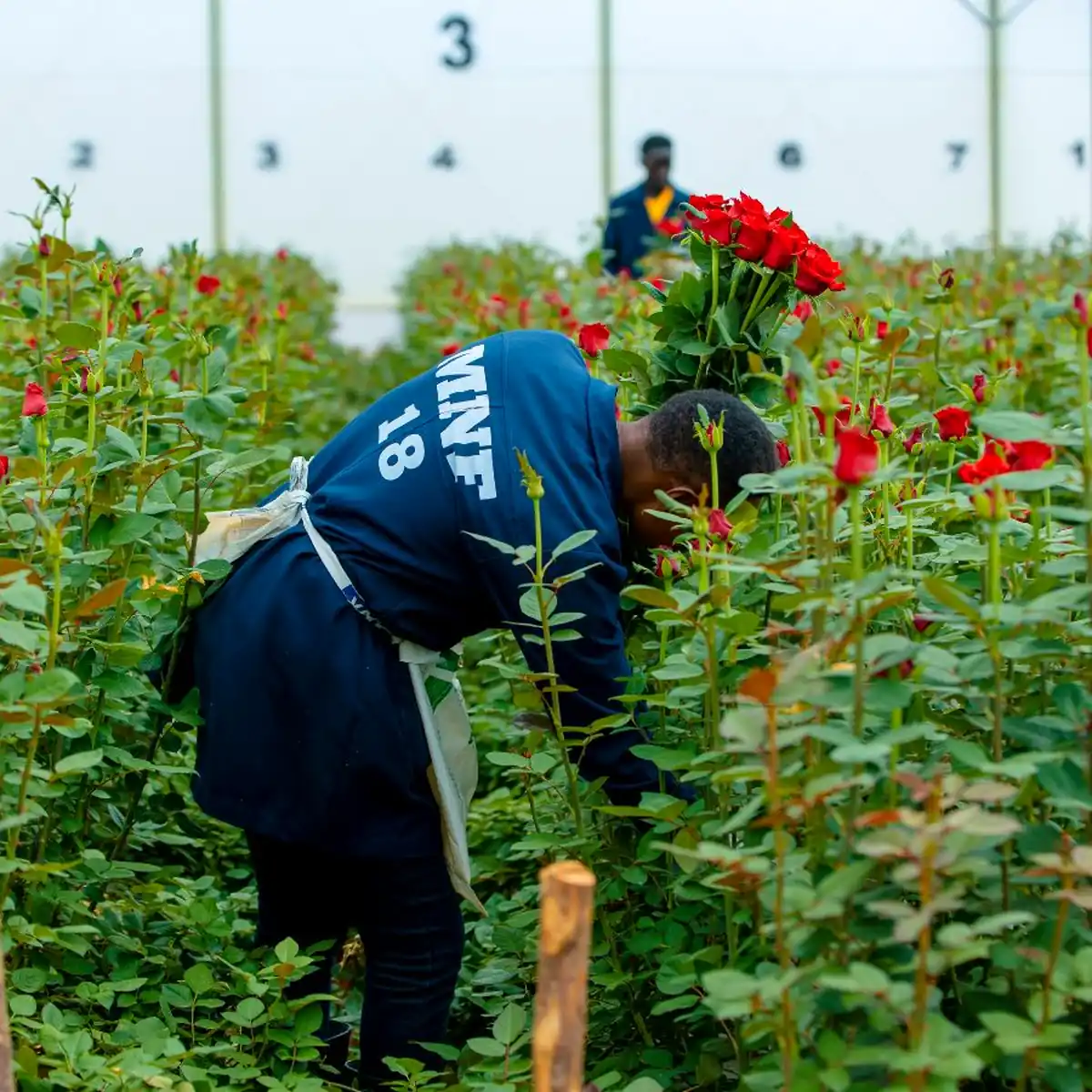
At 2,500 meters, the air is thin, the roses are gorgeous, and the harvest forecasts are... a matter of opinion. AAA Growers farms roses at two Kenyan locations: Simba, at around 2,000 meters, and Chui, at around 2,500. Same company, same standards, but very different moods. One farm tended to be a little too optimistic about the coming harvest. The other leaned a little too pessimistic.
Neither was exactly wrong. They just needed a shared yardstick.
Not Your Average PlantScout Story
Here's the twist: AAA doesn't use PlantScout for scouting (yet). They still mark pests the classic way, with a flag in the bed. Instead, the team picked the modules that best fit their operation: Audit and Vase Life. Think of it as pick-and-mix, but for agronomy.
Audit: Everyone Gets the Same Ruler
Farm, production, and technical managers use Audit to assess crops against a set of agronomic parameters. The result is a clear, comparable picture of crop status across both farms. That's how the optimist-and-pessimist pattern emerged. Optimism is hard to spot from the greenhouse floor, but side-by-side numbers are hard to argue with. Audit didn't take a side. It simply put both farms on the same scale.
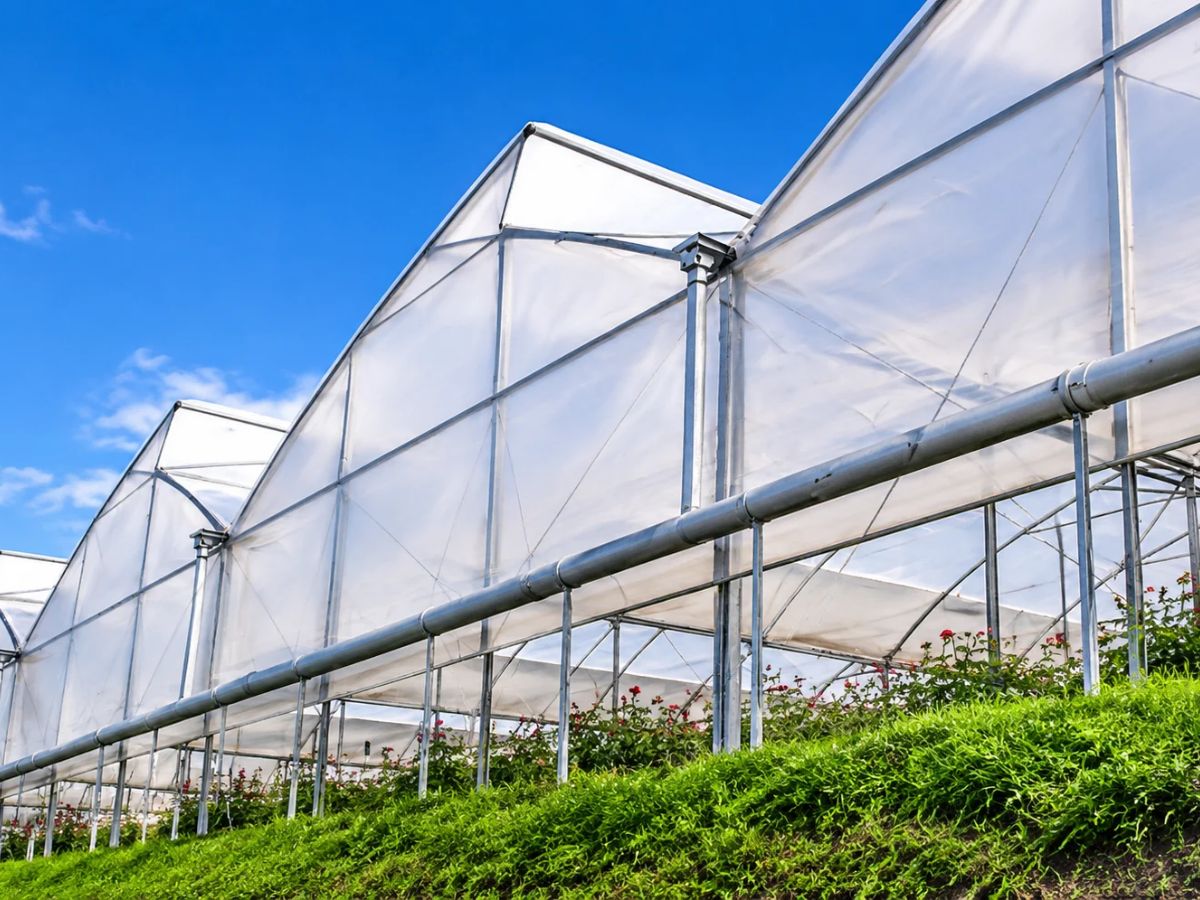
The results now sit at the center of the production meetings, where the team reviews each greenhouse and asks the question that matters most: is this crop actually making progress? The best part is the rearview mirror. “In the past, we mainly worked with real-time reports and rarely looked back,” the team says. Now they can pull up a crop's status from two weeks ago and see how far it has come. “I believe that looking back will show us the way forward.”
Vase Life: The Rose Takes the Stand
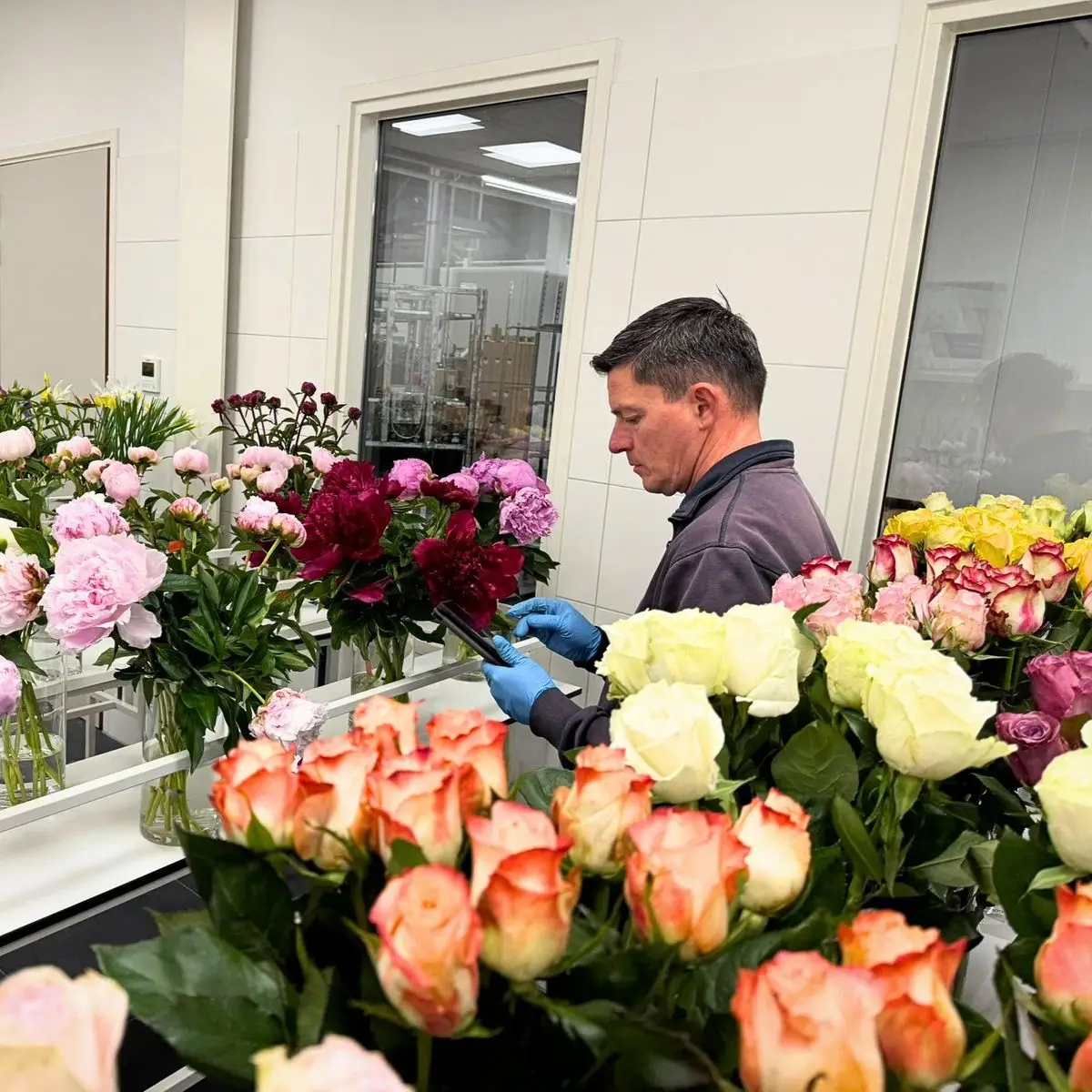
If Audit tells AAA how the roses are doing at home, Vase Life reveals how they behave once they've left. The team finds it the most relevant module for the loop between Kenya and its European customers. Every week, vase life data takes a seat at the sales meeting, where the team watches for deviations. When a customer reports a quality issue, the team first checks it against AAA's own numbers. Does the data match the complaint? From there, the team traces it back to post-harvest treatments and looks for ways to improve. A complaint becomes a chance to improve.
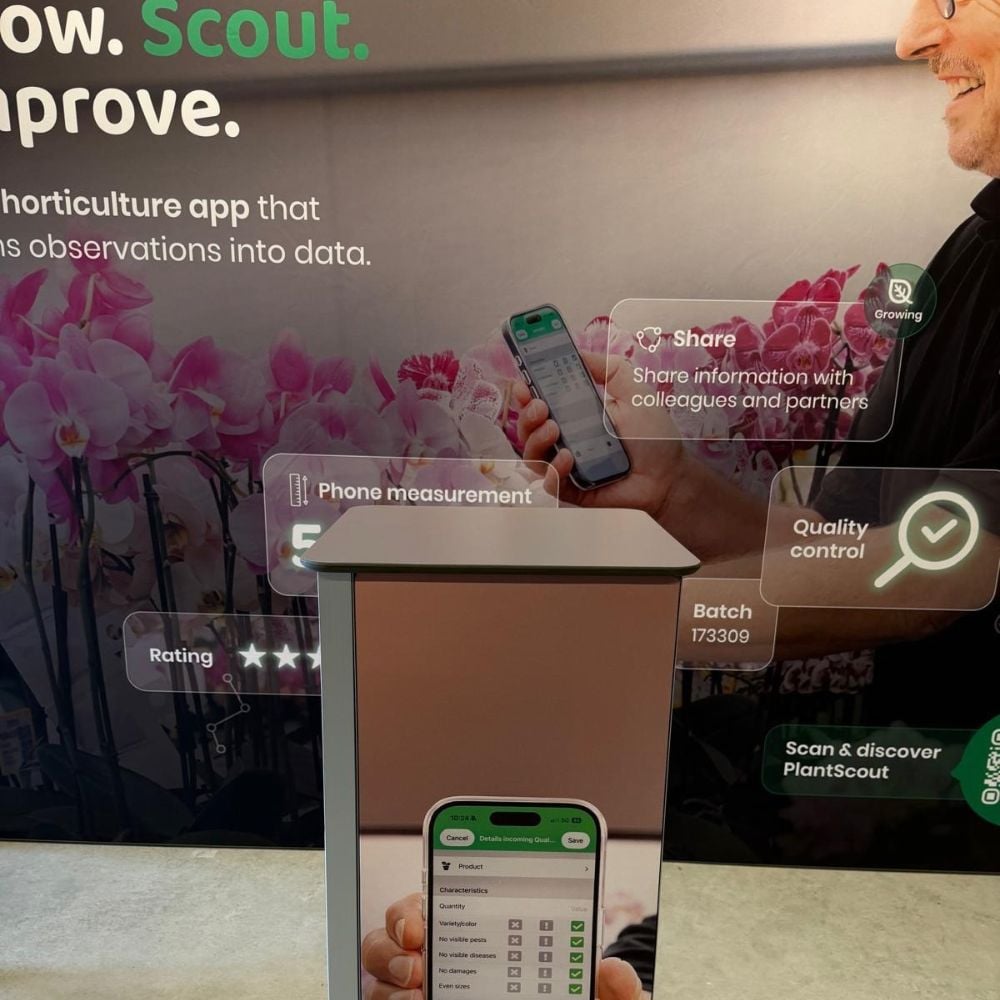
Vase Life also helps decide which roses make the cut. They track new varieties from the day they're planted, judging how they grow, how they can be handled, and whether they’ll sell. Roses stir emotions, and AAA is happy they do, but not when it comes to picking varieties. "PlantScout helps us gain a more rational perspective on the beauty of a flower." Love at first sight, with a spreadsheet as chaperone.
Mountains, Meet Software
Rolling out software at remote mountain farms might sound like an adventure. In practice, it was refreshingly calm. PlantScout is easy to use, and the training is simple. The real work was getting the data displays and user rights right, and fixing the errors that surface once people start using it for real. The biggest hurdle wasn't technical.
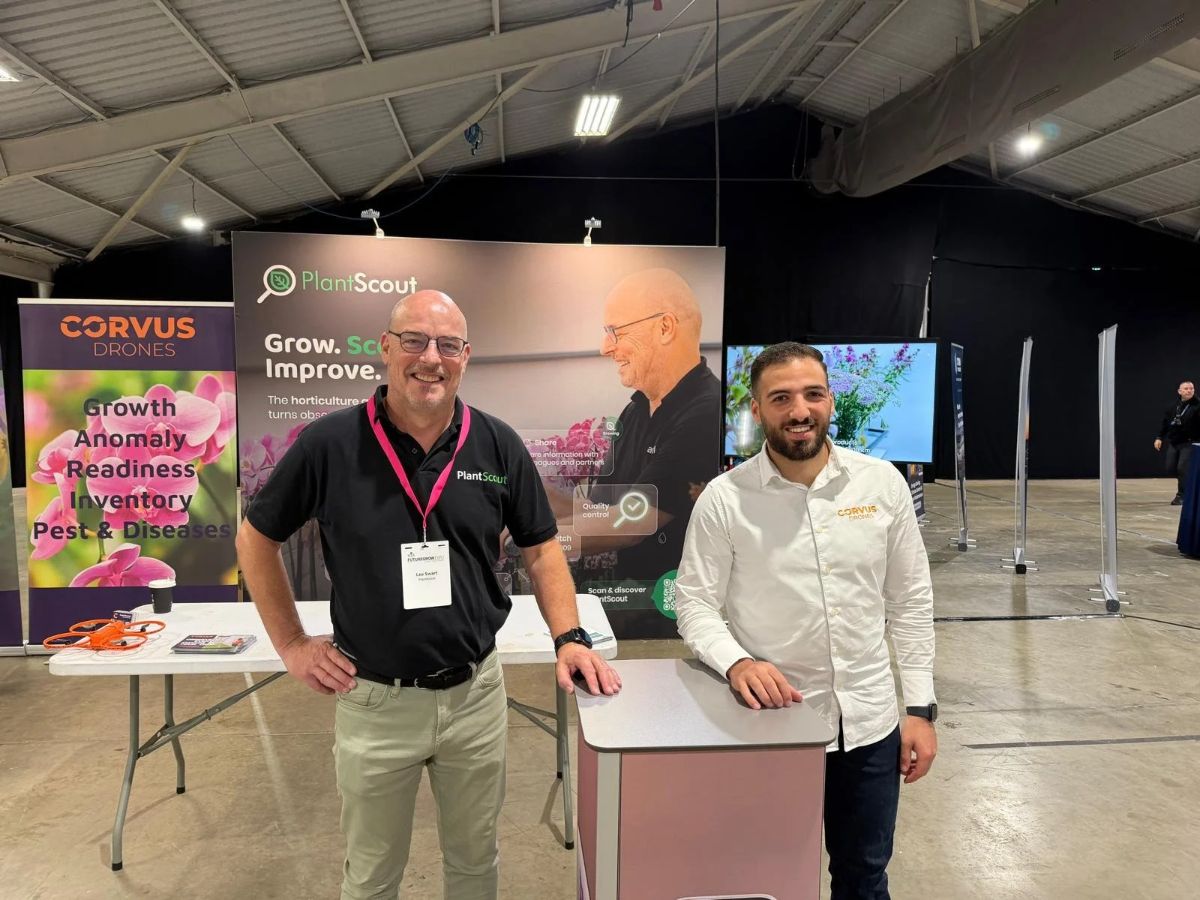
It was perception. Many people assumed a new tool would mean more work, but it's meant to do the opposite. Convincing colleagues and showing them that it makes their lives easier is, the team says, the real challenge.
The Takeaway
AAA Growers proves that PlantScout doesn't have to be used all at once, or all in the same way. By choosing the modules that suit them, they now have two farms looking at the crop through the same lens, and a data trail that runs from a European vase straight back to a Kenyan greenhouse.
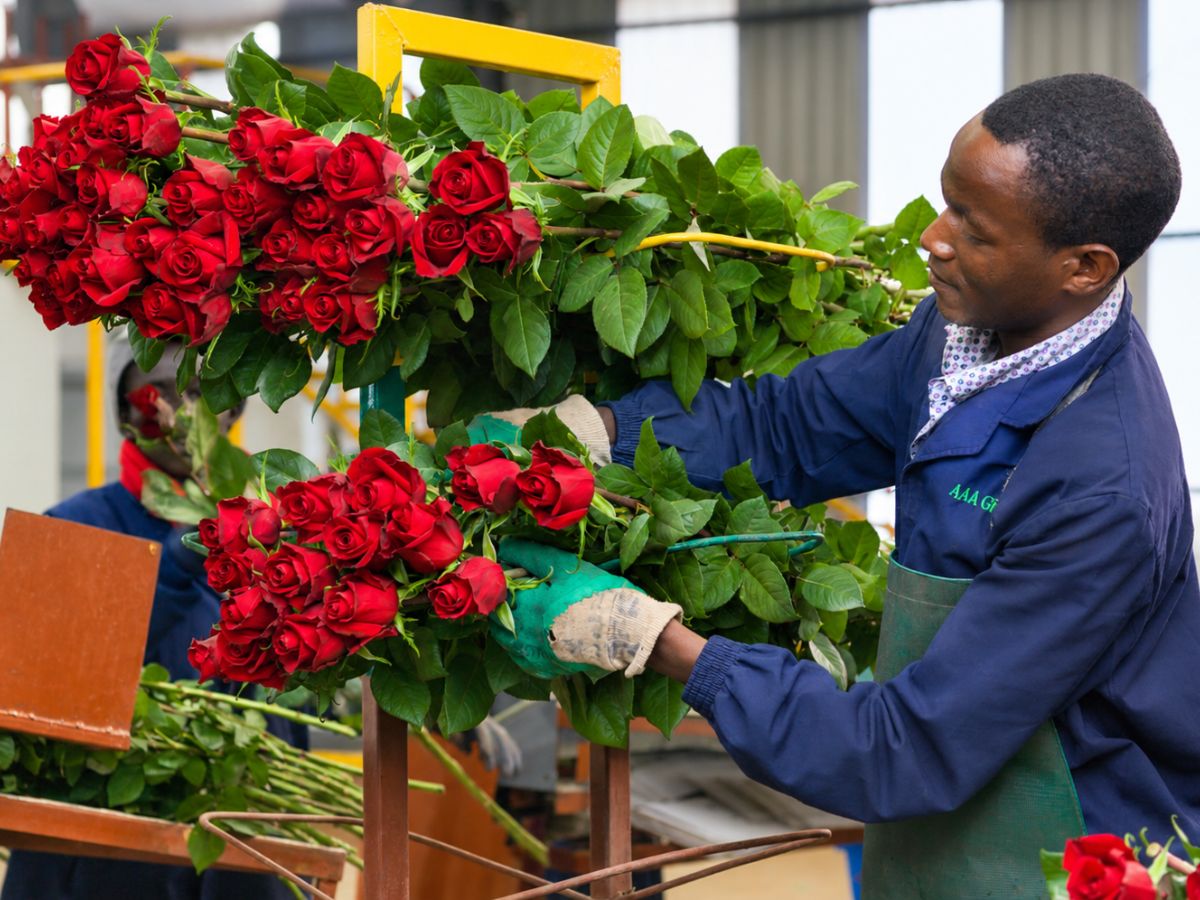
The data now travels both ways. Not bad for a few flags and a ruler.
Featured image by @plantscoutbv.