The vase of flowers on your desk, or the bouquet you get from a flower shop, each has a long backstory. Weeks of light, water, warmth, and nutrition shape and define these flowers while still in the greenhouse. Then, a few crucial hours after cutting decide how long they will last afterward. By the time a flower gets to you, its fate is pretty much settled. For anyone who cares about sustainability, that is good news since these flowers carry an ‘element’ of land, water, fertilizer, energy, fuel, and labor. Any that wilts or fades early wastes a part of these resources.
When examining the life cycle of cut flowers, a few key pillars mean nearly everything: disciplined field or greenhouse crop management and meticulous post-harvest handling. Neglecting either link in this chain does not just compromise the beauty and vase life of the flower but also creates environmental and economic waste. Why and how these practices matter is essential for creating a resilient, sustainable floral industry.
Quality Is First Created Before the Flower Is Cut
Researchers describe vase life as a product of nutrition, stress management, water quality, and post-harvest care. At Alexandra Farms in Colombia, for example, biologist Pilar Buitrago noted that calcium plays an important role in the longevity of exportable roses, as the farm's approach to rose longevity shows.

Calcium strengthens cell walls, which helps petals resist drooping, so the farm tracks it from soil to leaf. Of course, nitrogen and potassium ratios are important too, as they help strengthen cell walls, making stems resilient against mechanical bending, bruising, and snapping during subsequent transport.
Just as well, hydration starts in the field too. Extension guidance advises irrigating 12 to 24 hours before harvest, so the flowers are full of water when cut, and using clean, treated water instead of raw irrigation water at that stage. Cultivar choice, fertility practices, and sanitation all matter as well, and gray mold, caused by Botrytis cinerea, is the most important disease to note for cut flowers, according to University of Florida postharvest notes.

When a crop is managed with precision from propagation to maturity, the resulting plant material possesses the physiological reserves needed to survive the stresses of the floral supply chain.
Smarter Greenhouses Save a Lot More Than Just Flowers
Climate control is a balancing act. At the Wageningen University & Research demonstration greenhouse KAS 2030, researchers found that screens that save heat also raise humidity, which increases the risk of fungal disease, so growers must weigh energy savings against crop health. The greenhouse uses only LED lighting, three screen systems, and an electric heat pump, and it collects and purifies all drainage water with ozone so most crops can reuse it.
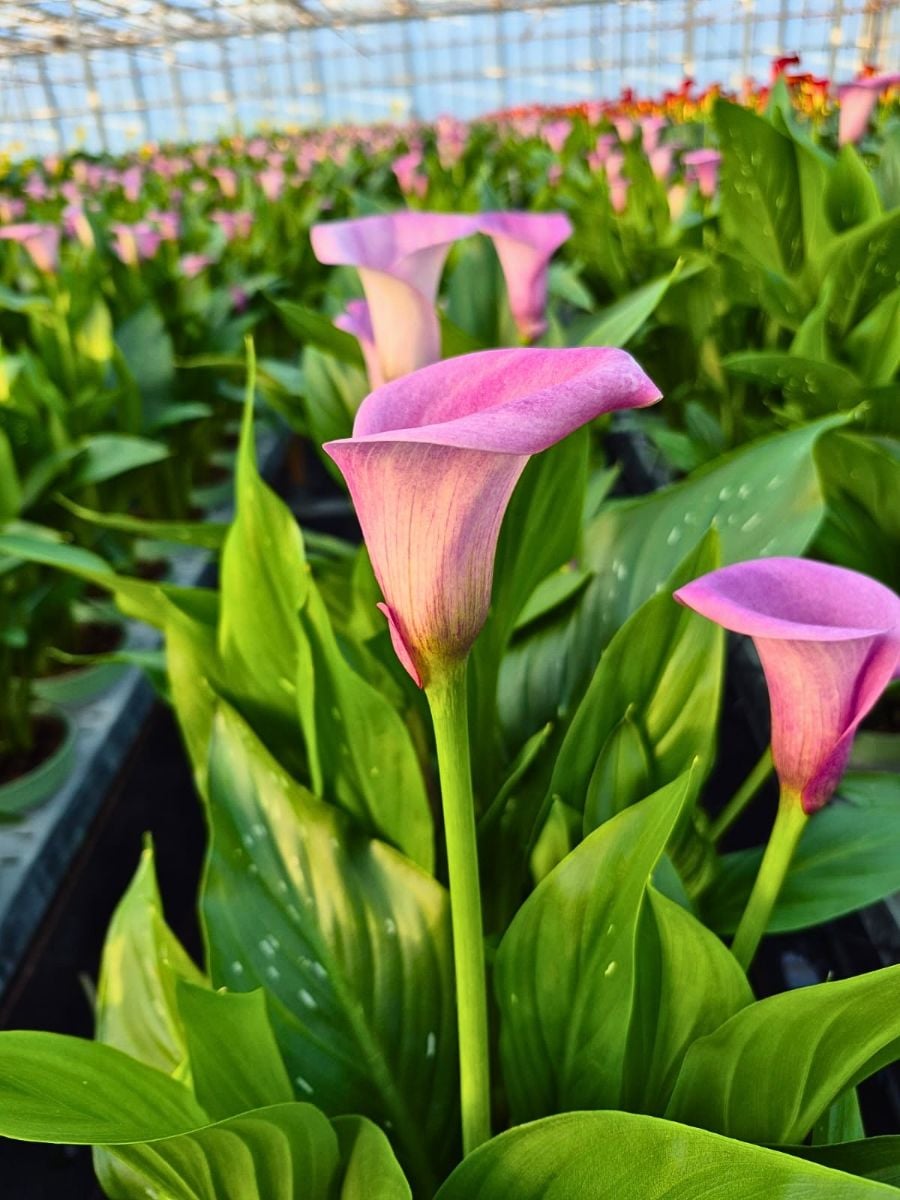
When it comes to pest control, Wageningen entomologist and an expert in crop health, Ada Leman, estimates that about 80% of Gerbera growers now use banker plants, which shelter predatory bugs and parasitic wasps that protect the crop. Biological control reduces reliance on synthetic chemicals and the risk of leaf damage from sprays, which keeps plants healthier.
Integrated pest (and disease) management (IPM) is important just as much. Overuse of agrochemicals damages both the environment and the delicate tissue of ornamental crops, while underuse invites infestations. Growers practicing sustainable greenhouse management always use biological controls, precise climate venting, and targeted humidity regulation to prevent fungal pathogens like Botrytis cinerea before they take hold.
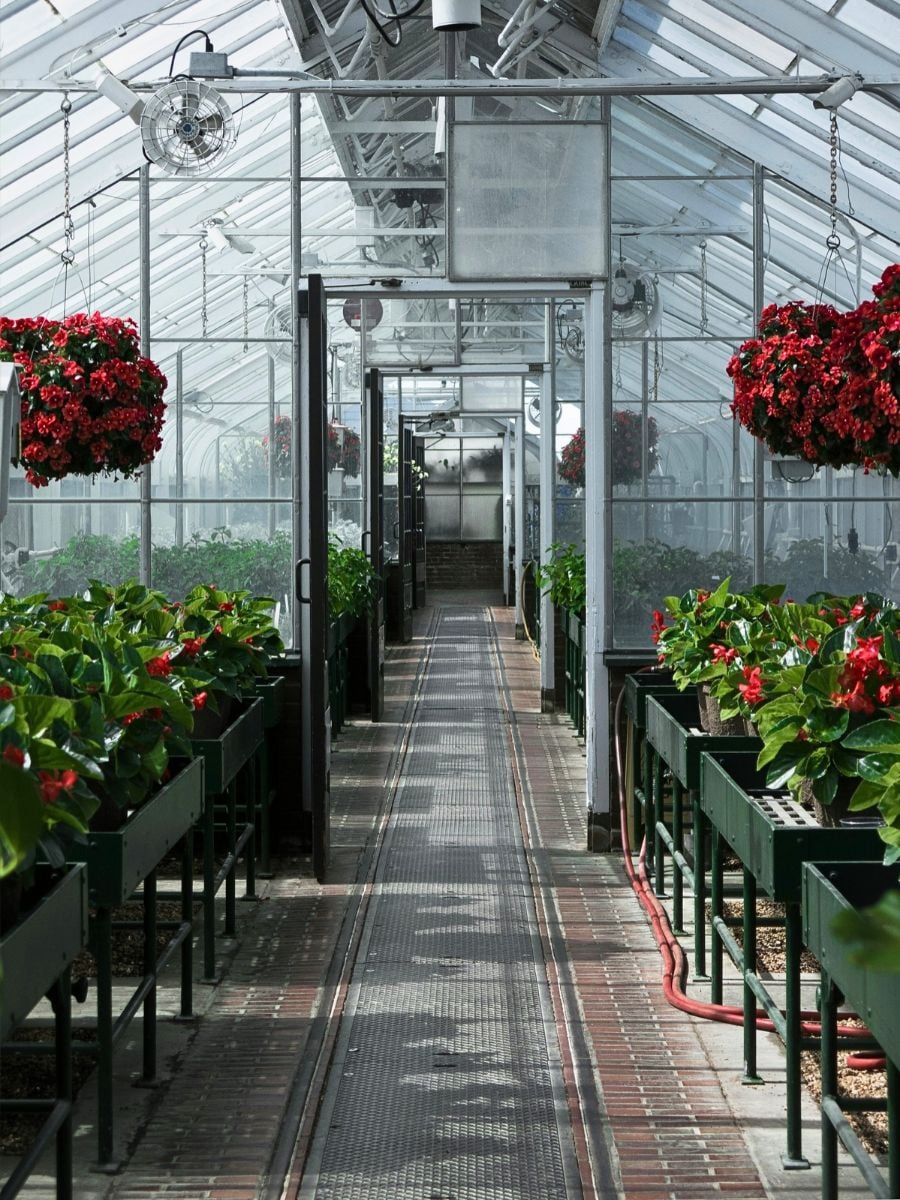
But water management reaches the cultivation space as well. In ebb-and-flow systems, water rises into the growing area from below and drains back, so fertilizer and crop protection products are captured and reused instead of reaching the soil, and growers report 10% to 20% less energy for climate control.
The Harvest Window and How Timing Means Everything
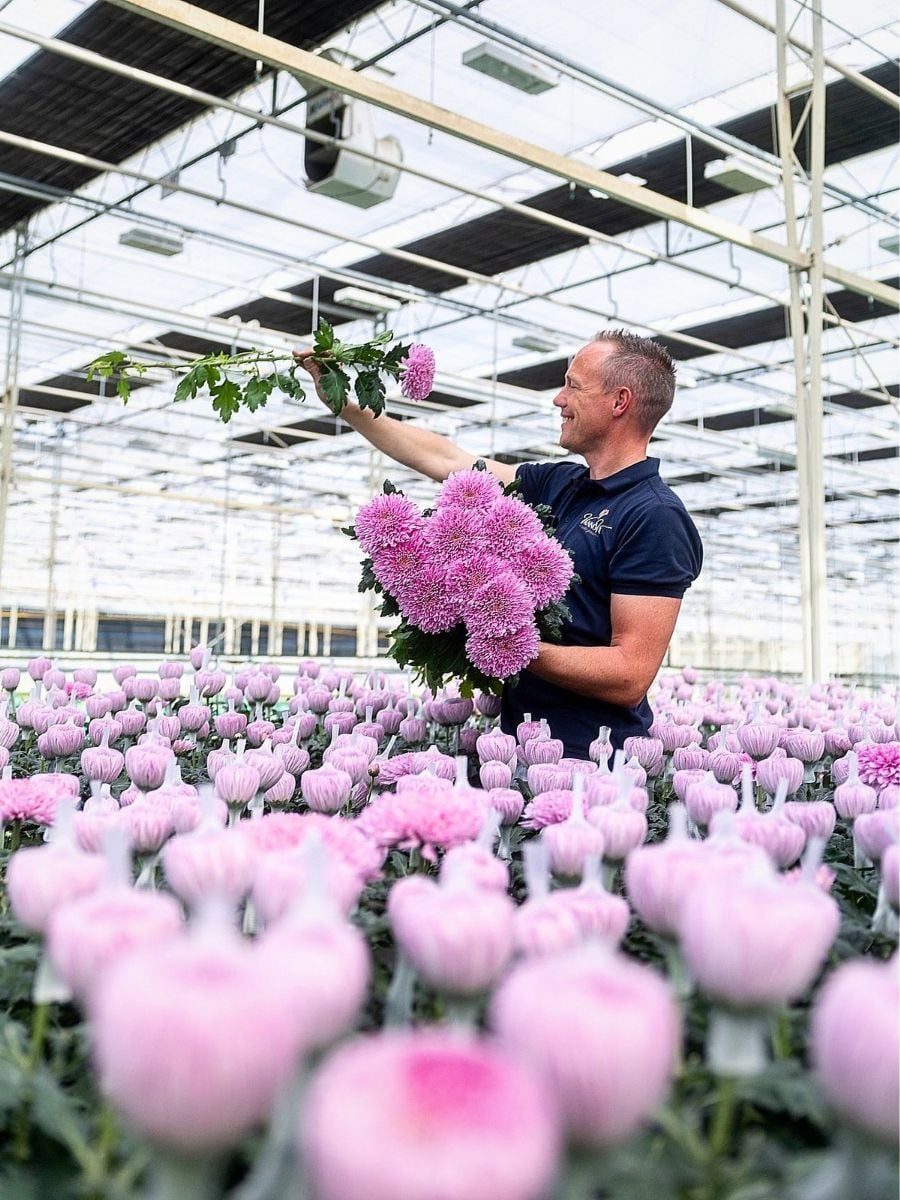
Harvest is where good growing meets good handling. Many flowers, including roses, carnations, snapdragons, and Chrysanthemums, are cut at the tight-bud stage to extend vase life, though the ideal stage varies. For spray mums, UC Davis advises growers to accept flowers two-thirds to three-quarters open, since they last longer than tighter-cut ones.
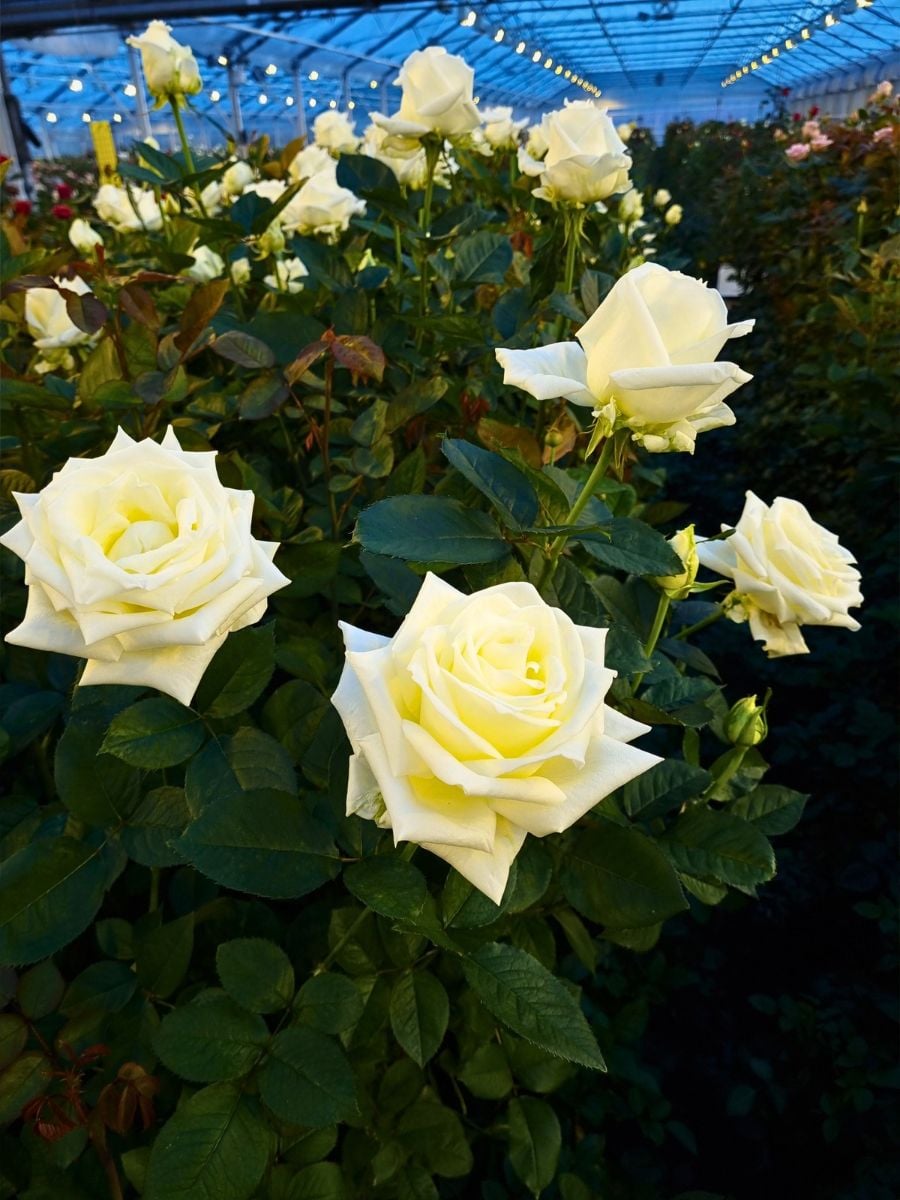
Also, different flowers require distinct harvest cues. For instance, diagnostic tests like the ‘wiggle test’ on field- and greenhouse-grown flowers ensure that they are rigid and mature enough to withstand transit. For cutting the flowers, professional growers always harvest during the coolest hours of the day, typically at dawn or early morning. During these hours, the plants are fully hydrated, respiration rates are minimal, and carbohydrate reserves are fully restored. This limits heat stress.
The first hour is the most vulnerable. Bruised flowers may not show damage until they wilt early, and every extra movement raises the risk of disrupting the flower stem’s water-uptake pathway, as noted in this look at flower longevity and mechanization. Conveyors and low-impact harvest wagons reduce jolting and shorten the time between cutting and cooling.
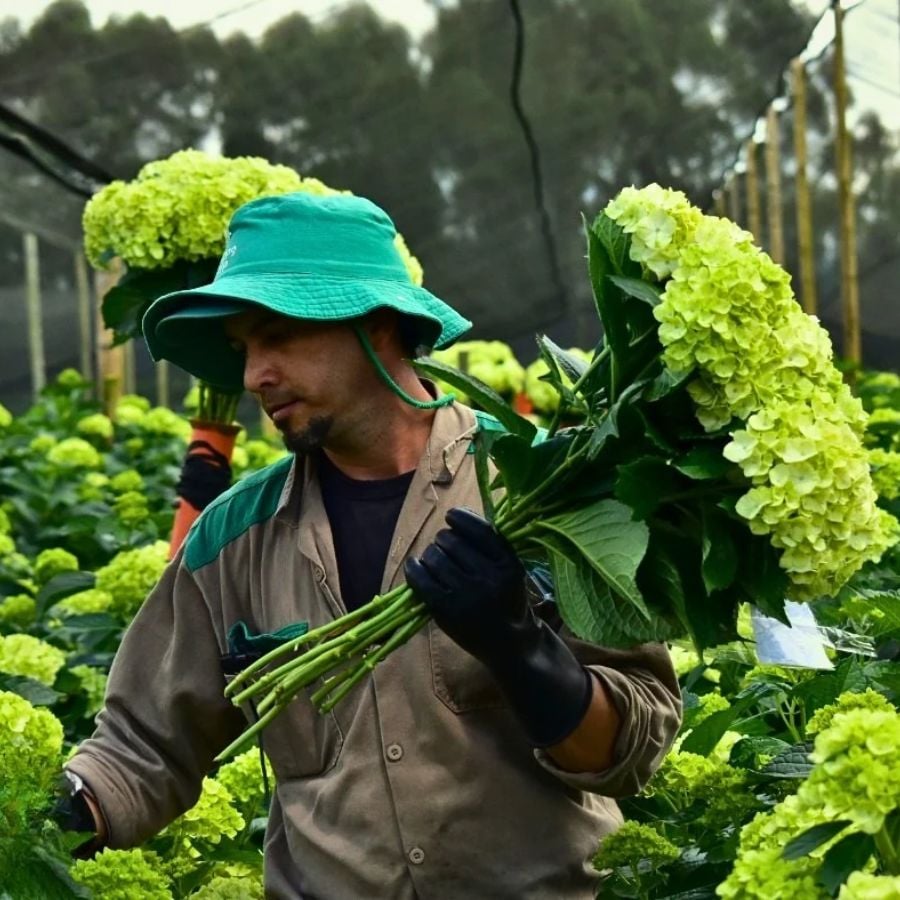
Post-Harvest Handling and How the Cold Chain Slows Down Aging
Once severed from the plant, a cut flower becomes a living, respiring organism cut off from its source of water and nutrients. It is still alive, breathing, and aging without roots, and temperature controls how fast. For cut flowers, respiration could rise steeply with warmth (a Q10 of up to 7).
Without immediate intervention, deterioration accelerates rapidly. Once cut, flowers must be removed from the greenhouse immediately and rushed into staging areas or cold storage. Rapid cooling drops the respiration rate, locks in moisture, and prevents premature petal opening. Commercial cut flowers generally thrive when maintained in a strict cold chain between 2°C and 5°C (35°F – 41°F) and ideally above 95% relative humidity.
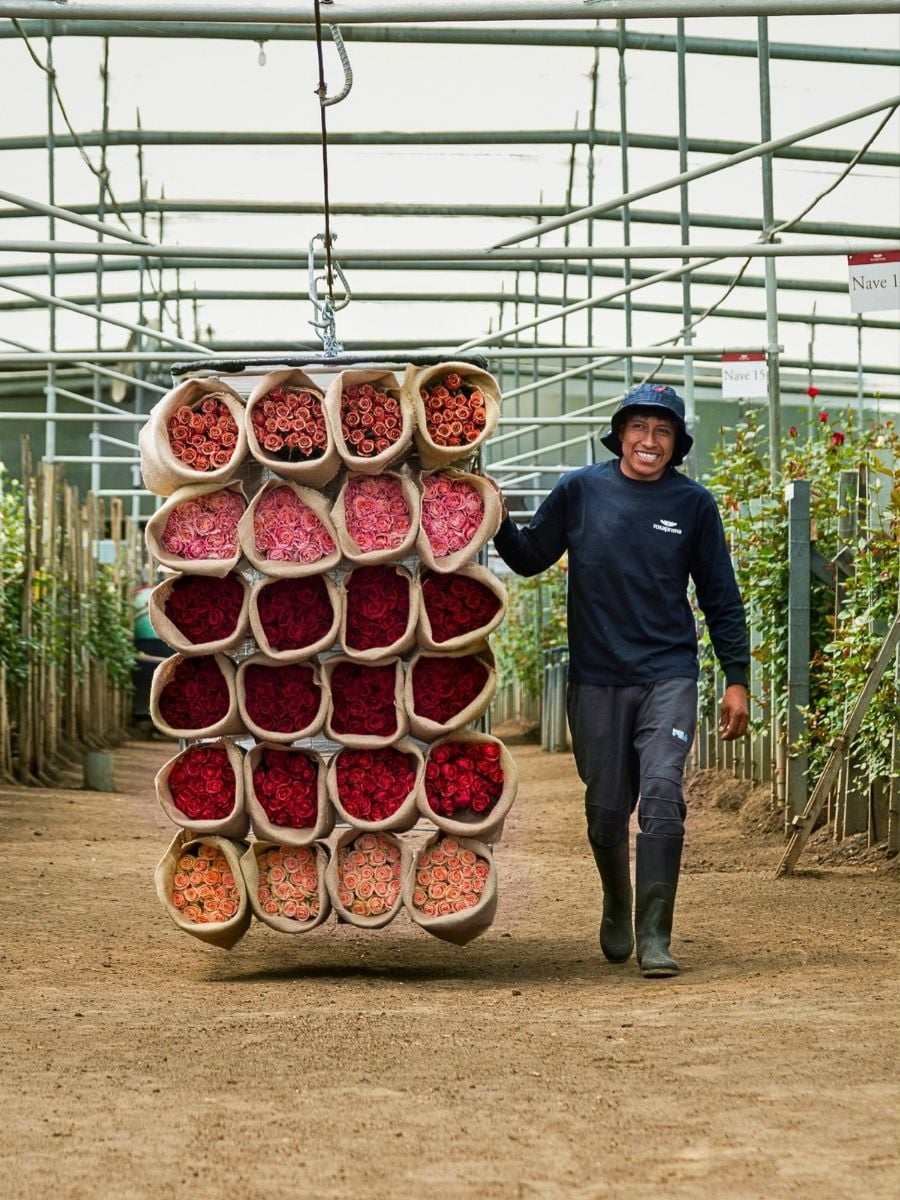
Also, while breaks in the chain at loading docks, airports, and warm backrooms are what shorten saleable life, according to research on vase life and sustainable floriculture, affordable wireless temperature sensors can reveal weak spots. Vacuum cooling is, likewise, used at airports and increasingly on farms because it removes surface moisture, which reduces botrytis risk, and cools flowers to the core within minutes.
Water, Cleanliness, and Ethylene Management
Hygiene and micro-blockage prevention are also crucial because flower stems can be blocked by air bubbles or bacteria. Clean water is, therefore, crucial. When a flower is cut, air embolisms and microbial slime can quickly clog vascular vessels.

Strict sanitation protocols, including daily bucket scrubbing with approved disinfectants, using sharp, sanitized cutting blades, and using professional hydration and holding solutions containing biocides, prevent bacterial proliferation. Hard or alkaline water, likewise, reduces vase life, and acidifying water to about pH 3.5 with citric acid helps.
Plus, buckets, vases, and shears should be washed and sanitized, because bacteria multiply in dirty water and clog stems. Ethylene is another hazard. This natural aging hormone affects flowers like carnations, Delphiniums, snapdragons, sweet peas, and roses, among others, and speeds up aging, leaf yellowing, and petal drop. It comes from ripening fruit and decaying plant material.
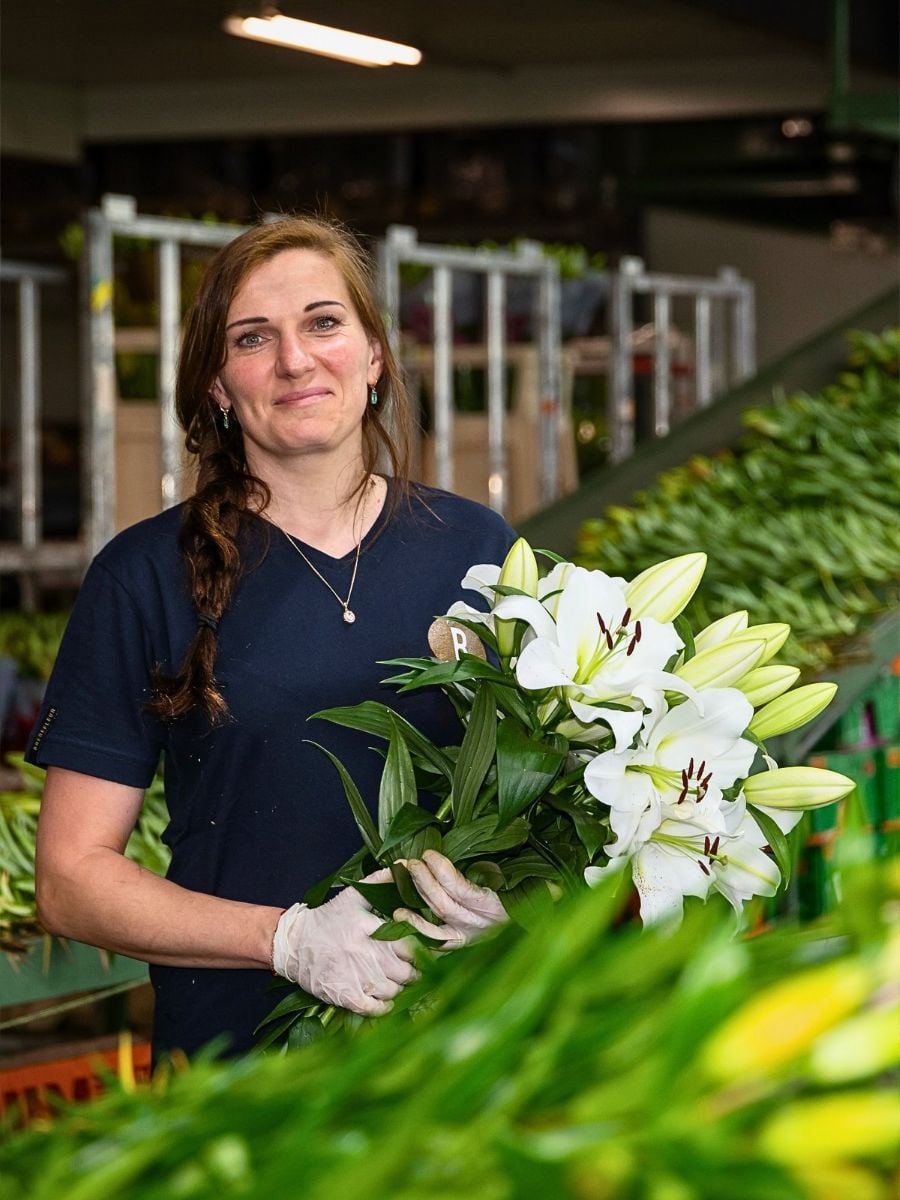
Treatments such as 1-MCP can keep flowers insensitive for about 12 days, though Chrysanthemums are not overly sensitive to ethylene. Modern facilities ensure absolute separation from ethylene sources (such as ripening fruits, combustion engines, or exhaust fumes) and apply specific anti-ethylene treatments where required.
Elsewhere, flower food repays the effort when used correctly. In one University of Florida study, properly mixed food extended the vase life of roses by nine days compared with plain water, while doubling the concentration gave no better result and only wasted product.
All These Add up to Sustainability
When flowers last, the whole system uses fewer resources. Short vase life means over-ordering, markdowns, and shrinkage. Extending saleable life by even three days means faster inventory turns and fewer expired stems. Training helps this spread, and certification programs like MPS, Florverde, and the Kenya Flower Council’s Flowers and Ornamentals Sustainability Standard (FOSS) build training into their requirements.
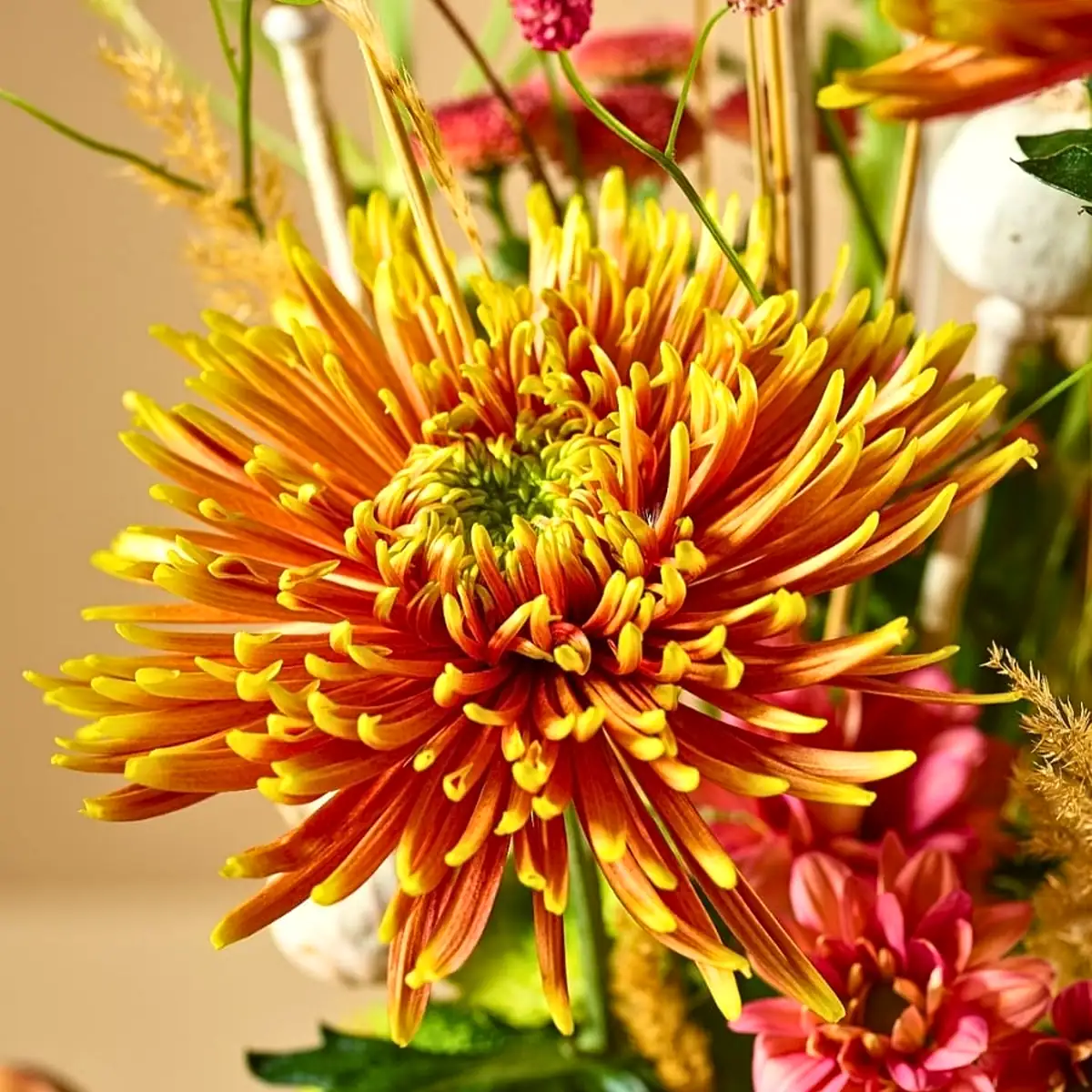
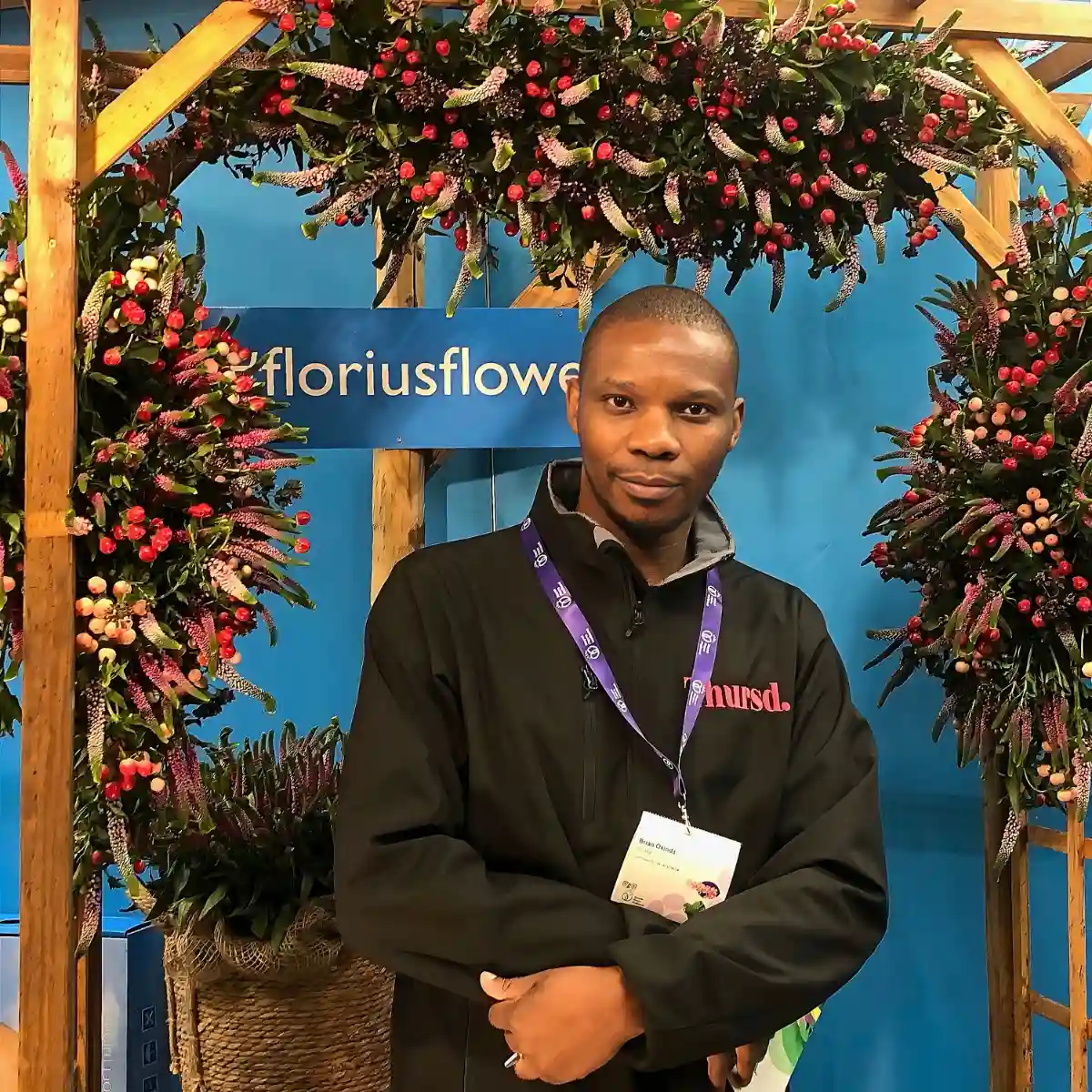
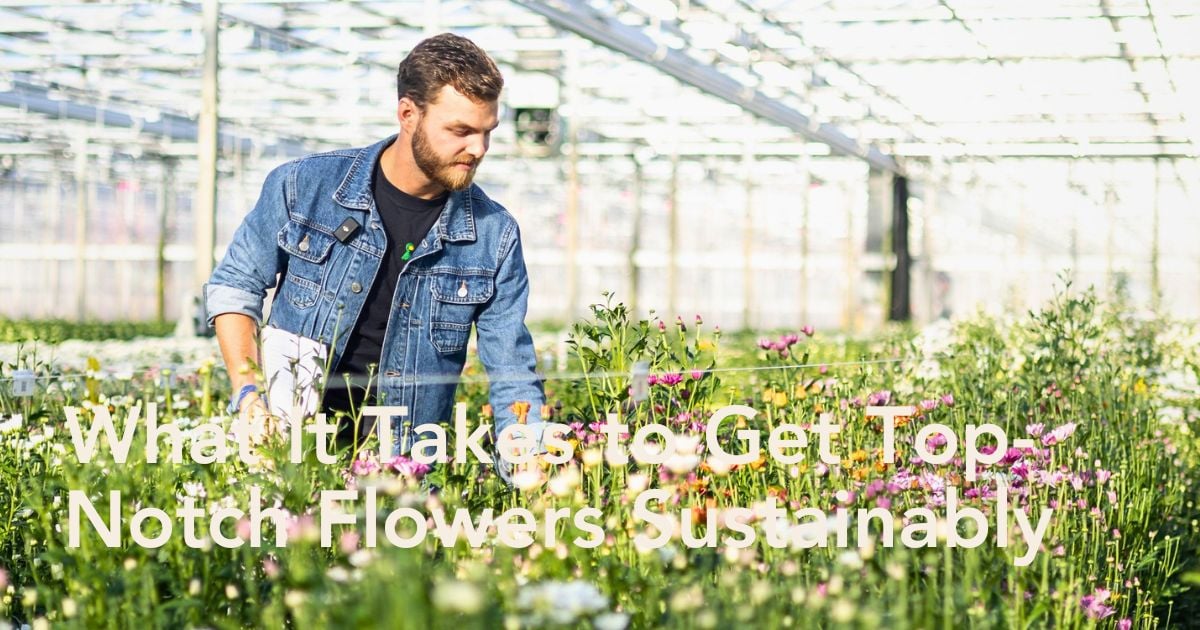
Featured image by @dekkerchrysanten. Header image by @madiba.flowerpower.