Japan is well known for how perfectly and beautifully integrated its nature and culture are. With nature and culture integrated so well, the use of flowers and how they are presented in daily life is very important. Flowing markets in cities and quiet nurseries in the countryside are just some of the places and markets that inspire many people who enjoy traveling for photography, the culture of the area, and the horticulture passion for exploring Japan's floral traditions.
There is a little bit of skill that is required in visiting the many various floral culture locations and markets in Japan. Local neighborhoods and seasonal exhibitions are places where the local floral cultures are presented, and it is also where many of the local culture markets are located. Access to the Internet will help the traveler move easily between multiple locations. Pocket wifi Japan allows uninterrupted access to the Internet and is very useful for traveling.
You can find more floral inspiration here: Tokyo: A Blossoming Paradise for Flower Lovers
Japan's Impressive Use of Flower Culture
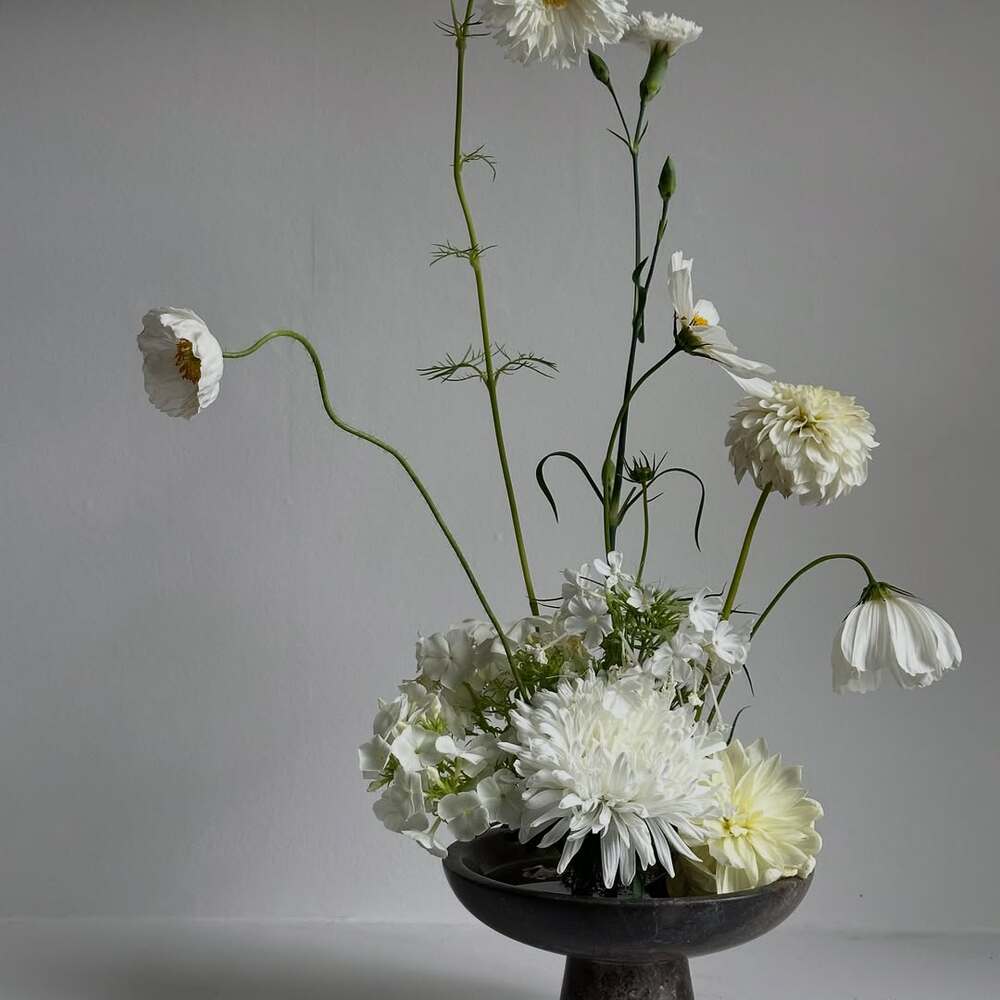
Flowers are not simply used as a decoration in the country. Each flower in a particular region represents a particular season, emotion, and conflict. One of the many aspects of Japan that reflects the culture of the nation is the practice of the arrangement of flowers, which is called Ikebana.
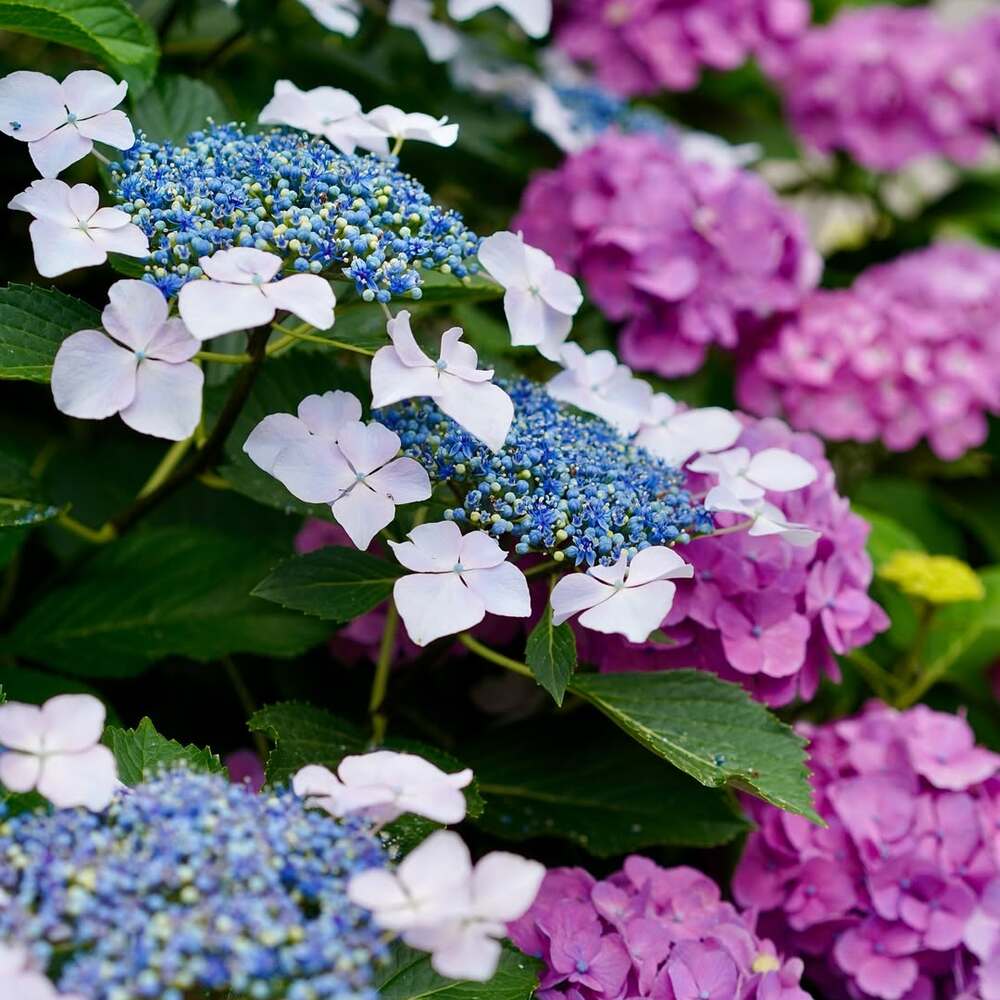
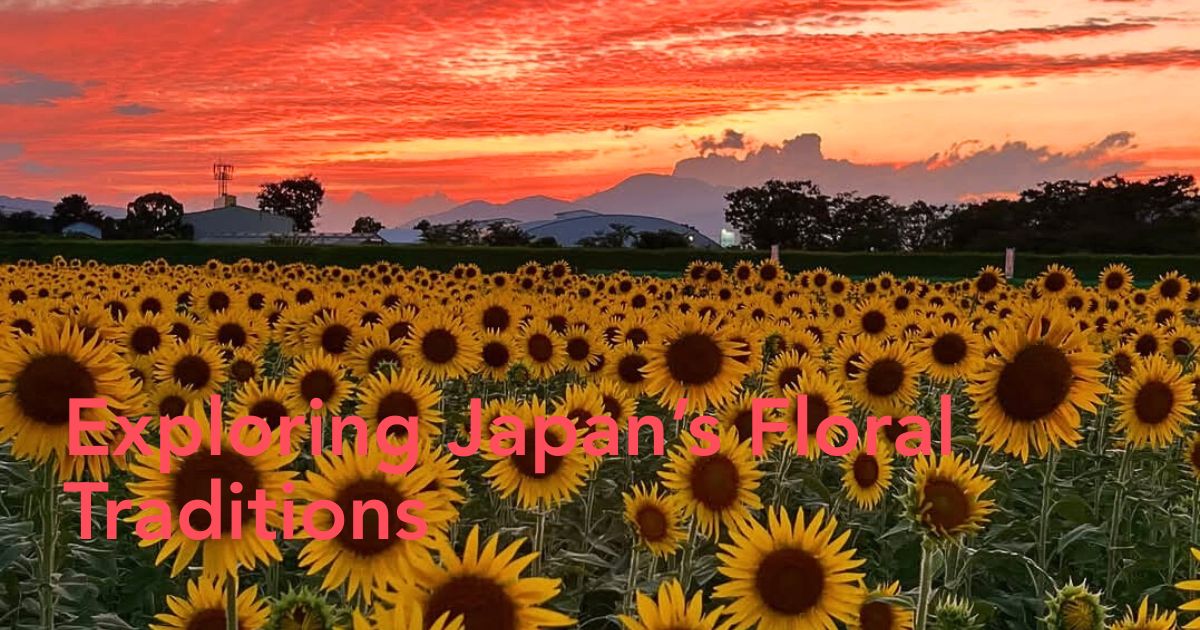
Throughout the country, seasonal flowers are celebrated and are used in festivals and parades. Each different autonomous area is used with specific flowers. Plum flowers in the frigid winter. Cherry flowers in the not as hot and dry spring. Sunflowers in the warmer summer. Chrysanthemums in the lovely and cool autumn. All of which are used in the many seasonal floral festivals that are used in the many seasonal floral festivals. In order to fully use all facilities and events at their peak improvement, a traveler must also possess knowledge of the region's habitats. Real-time knowledge is required for travelers exploring the area.
Renowned Floral Markets Around Japan
There are a variety of different types of markets in Japan, ranging from wholesale venues to public flower markets. They are always lively and incorporate fast floral trading within the community, each with their own unique offering.
Ota Flower Market, Tokyo
Ota Flower Market is the biggest of all of Japan's flower markets, offering wholesale flower supply to all of Tokyo as well as the surrounding areas. Every market has its own peak trading hours, and in this case, the busiest trading period is early in the morning. As fast as the vendors can go, the signs are often only in Japanese. Knowing how to use the internet is considered very helpful for foreign customers in order to translate various signs and understand the workflow of the market.
Kyoto's Local Flower Channels
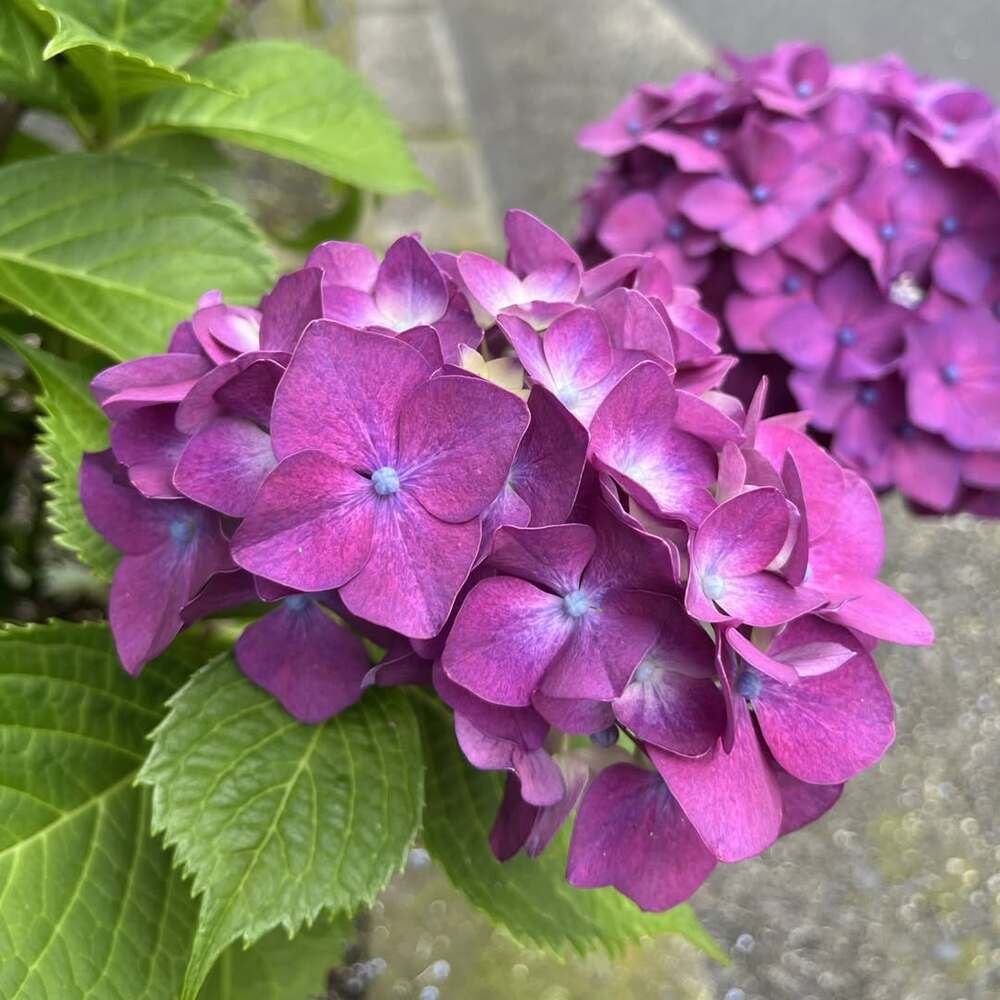
In Kyoto, flower market opportunities are more limited. There are still some smaller markets to be found, and these can be described as classical markets as well. You'll find that many are situated in the proximity of the markets of the classical old shopping streets and the temples. They are also still very local and are focused on the residents of the areas and the local flower growers. As many of the markets are situated off the main thoroughfares, a navigation app can be a valuable tool.
Regional Wholesale Markets
Osaka, Nagoya, and Fukuoka also have a full complement of Regional flower markets. For these areas, the markets are wholesale, with very little in the way of tourist services. For these areas in Japan, the markets will give a very good overview of Japan's wholesale flower trade and the economic aspects of the floral business in Japan. Again, a little preparation with the internet to obtain transport schedules, maps, and information on the area will make the visit more enjoyable.
Japan's many thousands of licensed flower nurseries located within rural areas are far removed from the public flower markets. In the majority of the rural areas of the country, as opposed to bustling city centers, such family-operated venues as well as larger botanical nurseries and extensive gardens can be found.
Rural Nurseries and Greenhouses
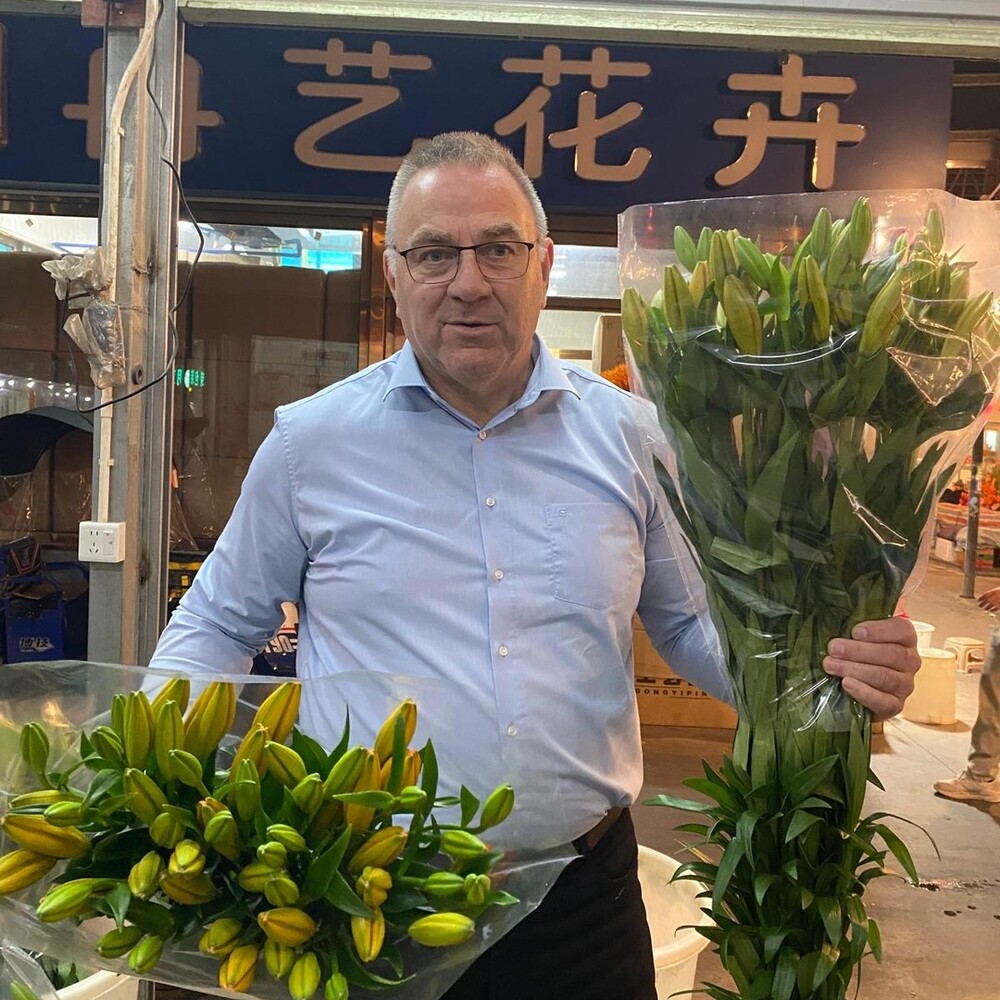
Many flower nurseries are located just outside city centers. Because of this, they may have poor public transport coverage. Having an internet connection helps travelers check schedules, confirm transport points, and pinpoint their locations.
Some nurseries permit customers to stroll through their greenhouses, while others have exotic plants for sale. Sometimes, communicating with staff requires translation tools. Having a strong internet connection may help with the use of translation applications.
Botanical Gardens and Parks
The botanical gardens in Japan have a lot of attention to detail. Some popular ones are:
- Shinjuku Gyoen, located in the heart of Tokyo
- Ashikaga Flower Park in Tochigi
- Nabana no Sato in Mie Prefecture
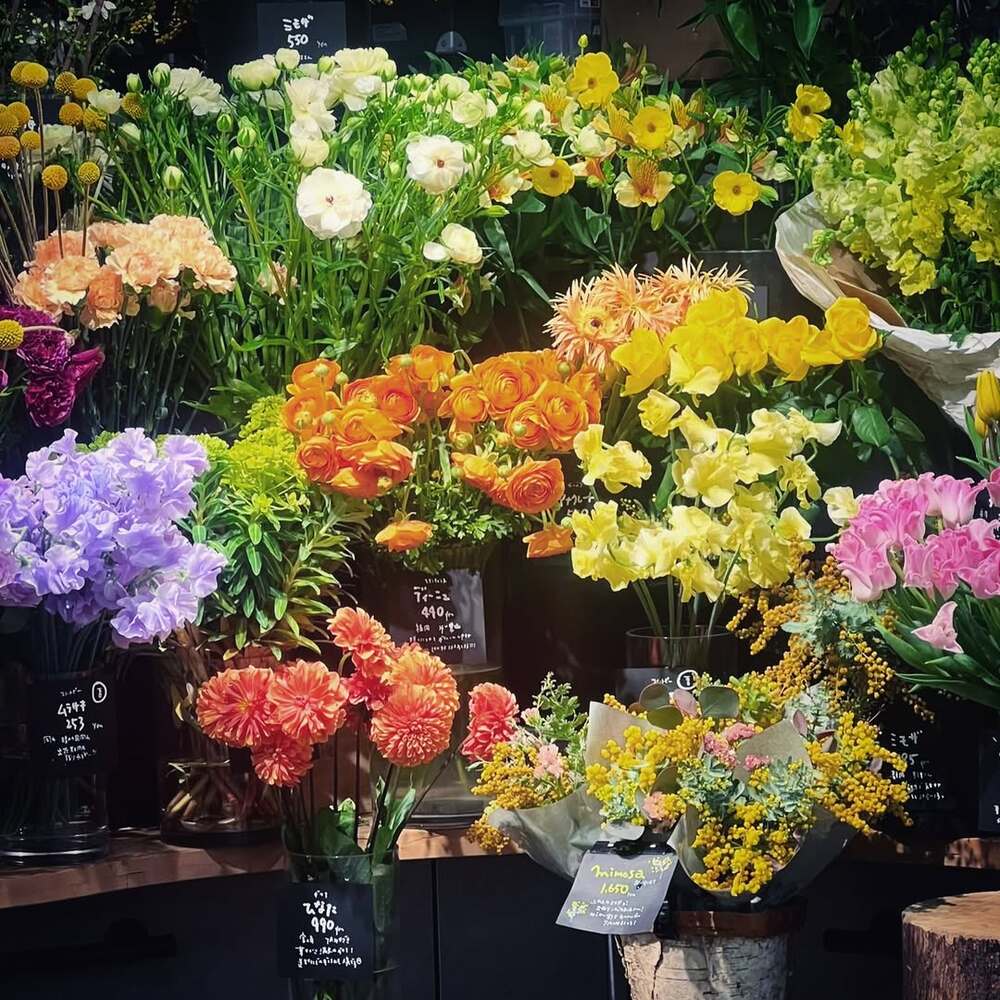
These popular locations frequently post and update the current state of the blooms. Gardens and Parks are popular with travelers as they visit to see the gardens during peak flowering.
Floral Exhibitions and Seasonal Events
Japan has a variety of floral exhibitions all throughout the calendar year, as they attract travelers from all over the world.
Cherry Blossom Festivals
Hanami, or cherry blossom viewing, is the most popular event and will draw in travelers from all over. The lineup of blooms is unpredictable from year to year, which makes the festival and event timing unpredictable.
Wisteria and Tulip Exhibitions
Wisteria tunnels and Tulip festivals occur soon after the cherry blossoms. These vary in location over a large area, which makes the use of route planning and navigation tools helpful.
Chrysanthemum Shows
The Autumn chrysanthemum exemplifies meticulousness and craftsmanship on the part of the exhibitors. Such events are often held at temples and public parks. One can find event information on the internet published in the Japanese language.
Why Reliable Internet Is Essential for Floral Travel
Journeying through the exhibitions and flower markets in Japan is extremely satisfying, but it relies on information and regular updates. This is where the internet becomes a necessity and not a luxury.
Navigation and Transportation
A flower-related activity has little English signage, so travelers need to understand the local language to find the markets, nurseries, and gardens. GPS does not provide assistance for the local public transport, so travelers are best advised to prepare transfer instructions, bus lines, and pedestrian routes in advance.
Real-time information is useful for ordering utilities and avoiding a waiting period in service lines.
Communication and Translation
It is often the case that a seller does not know English. This is why a travel guide is needed in local flower markets. The travel guide is also needed to explain questions concerning prices and flower varieties.
To speak up to guides, companions, and operators of the service you are using, using a walkie-talkie or chat service is recommended. They need to speak up to you and provide instructions. This is especially important during the peak hours of the activity.
Sharing Content Instantly
In Japan, the flower scenes in photos and videos are captured frequently. Travelers usually like to upload videos and photos immediately. Social media stories, cloud syncing, and internet streaming need a good quality internet.
Bloggers, photographers, and YouTubers are highly dependent on good-quality internet to upload videos and photos.
The Convenience of Pocket WiFi in Japan
Japan's public WiFi is getting better, but it is still unreliable, and a lot of public networks require you to register. Some coffee shops will even limit your use of WiFi. If you go to a less populated area, there may not even be any WiFi.
Pocket WiFi solves this problem. Pocket WiFi devices rent you portable WiFi for the city and country, so you can access the internet wherever you go.
Pocket WiFi Japan provides travelers with:
- Reliable high-speed internet
- Coverage everywhere
- No reliance on public networks
- Easy use and portability
It is great for travelers who need to move between different flower-related locations throughout the day.
Supporting Flexible Travel Plans
Flower-related travel is very dependent on the weather and when flowers bloom. Plans change often, and a portable WiFi allows travelers to change their plans on the go.
Travelers can:
- Access bloom time forecasts
- Discover nearby flower-related attractions
- Alter their travel plans
- Verify transportation schedule
- Check opening times for exhibits
Traveling with portable WiFi provides the best experience.
Enhancing Cultural Understanding
When travelers can access online information, it allows them to appreciate ancient and seasonal cultural practices related to flowers more. When traveling to a location, people can read about that location's ancient and seasonal practices related to flowers.
Being able to read about customs prior to entering a nursery or exhibition makes it more likely that people will engage with the content more. It is better for everyone involved when there is WiFi access. It allows the travelers to dive deeper into the theme and ideas as they travel.
A Better Way to Experience Japan's Floral World
Japan's flower markets, nurseries, and exhibitions provide insight into the country's culture and seasonal changes. The flower markets, nurseries, and exhibitions provide Japan's culture and seasonal shifts insights. There is a need for physical and mental flexibility.
There is a need for a reliable internet connection, seamless research, and efficient travel planning. Connectivity is key to all travel-related processes: navigation, communication, content sharing, and even culture research.
For travelers wishing to explore Japan's floral landscapes without interruptions, portable internet solutions like Pocket WiFi Japan provide a seamless, informed, and pleasant travel experience.
Seasonal Floral Experiences in Japan
Japan's flower markets, nurseries, and exhibitions provide seasonal cultural insight. From the bustling wholesale markets to the serene botanical gardens, Japan's diverse offerings seasonally immerse you in floral beauty. Limited access to information makes understanding the seasonal cultural insight difficult.
Header Image by @mauayulo90