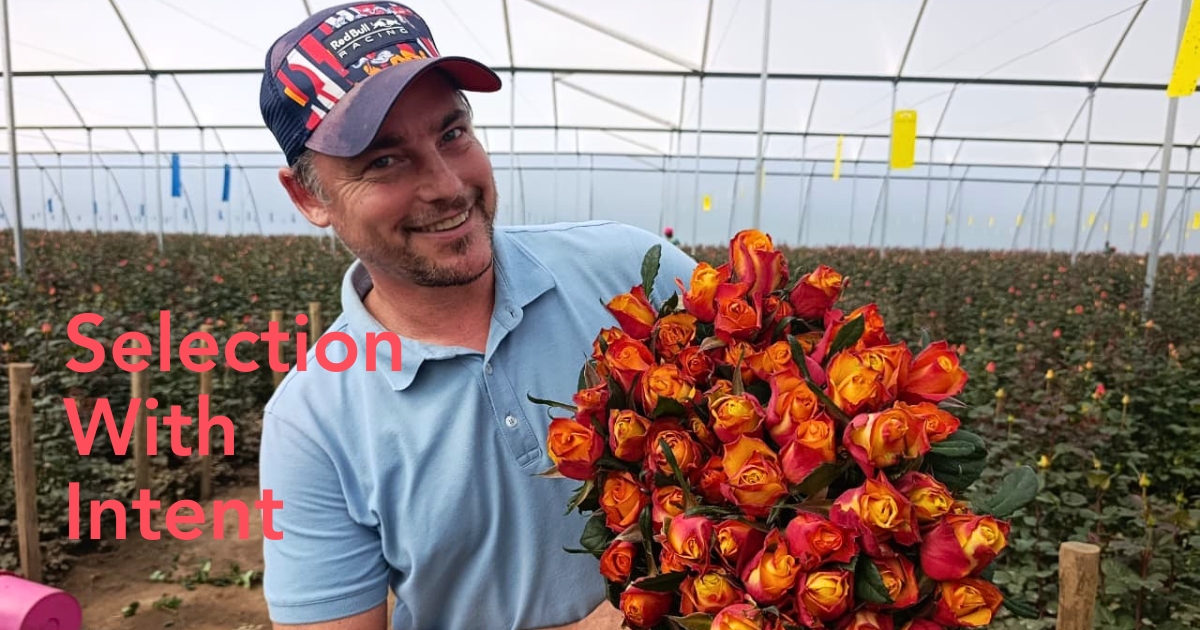
Most growers build their assortment around varieties that are already proven. It is a safer way to ensure stable returns and predictable demand. At Florapura, that is not the path being taken. For Simon van der Burg, selecting a variety is not about what is already working. It is about identifying what could work next and having the conviction to act on it. His farm continues to test genetics from multiple breeders, often introducing varieties that are not yet established in the market and turning them into commercially viable products.
This approach is shaped by experience. Having worked closely with breeders such as Van Kleef Roses and NIRP International, Simon understands how a rose develops long before it reaches commercial production. That knowledge gives him an edge when it comes to selection.
Relationships Are Vital, so Are Genetics
Florapura works with a wide network of breeders. Relationships are super important for the successful introduction and development of a new variety. But it all starts with genetics matching expectations. He reviews a large number of varieties and selects several at a time for testing. The process is not about choosing one and committing immediately. It is about observing, filtering, and allowing performance to guide the final decision.
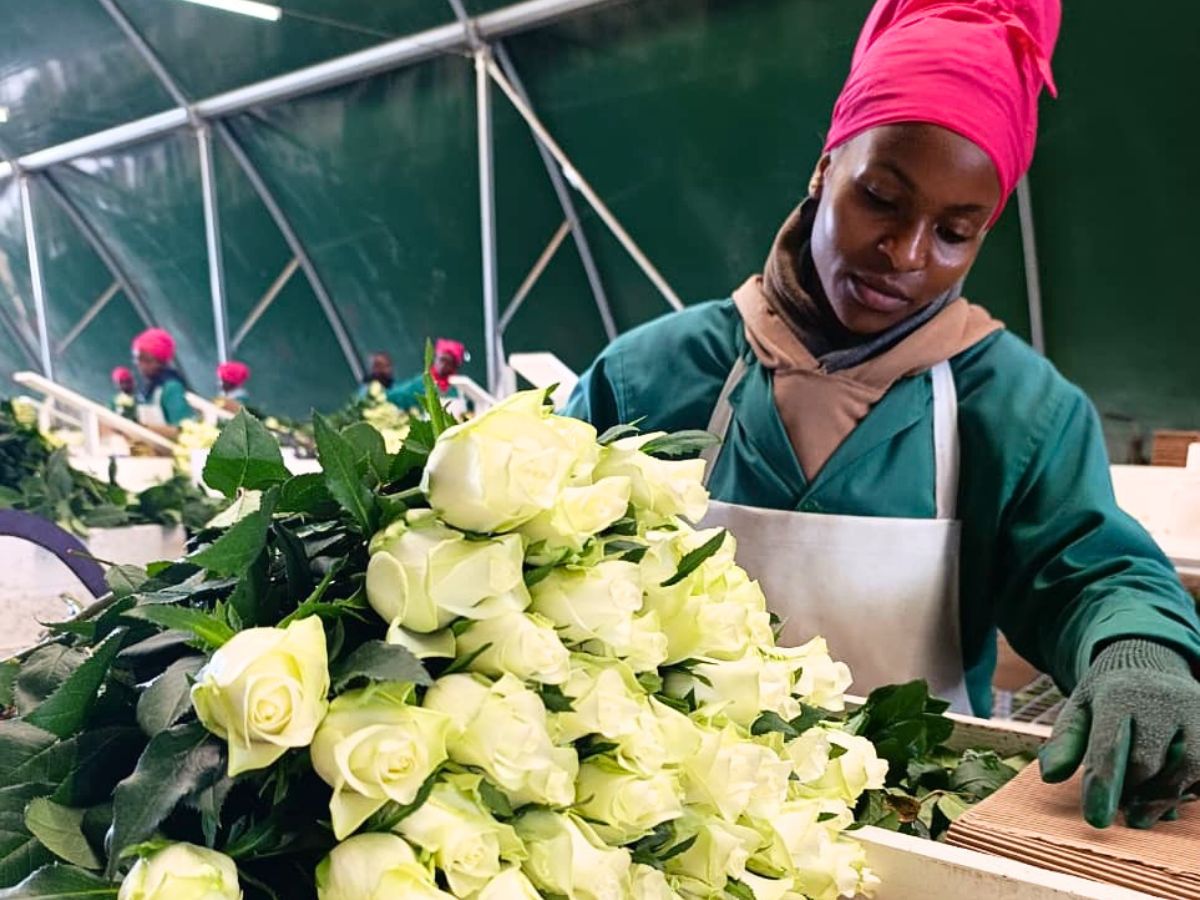
Even with access to hundreds of options, he does not rely on trends. He studies what fits his vision and eliminates what does not, even if it looks appealing at first glance. However, Breeders' ethics on release policy and mutual understanding between breeder and grower are key to a successful collaboration between the two parties.
What He Looks for When Evaluating a Variety
Selection at Florapura is built on a combination of technical and visual factors that must align. Color is one of the first filters, but not in a simple way. It is not about whether a variety is pink or lavender. It is about the exact tone within that color. Subtle differences determine whether a variety will succeed or struggle in the market.
Shape is equally important. Simon looks at how the flower presents itself from the top, even at early stages. If the structure already shows potential before full opening, it signals a stronger visual performance later on.
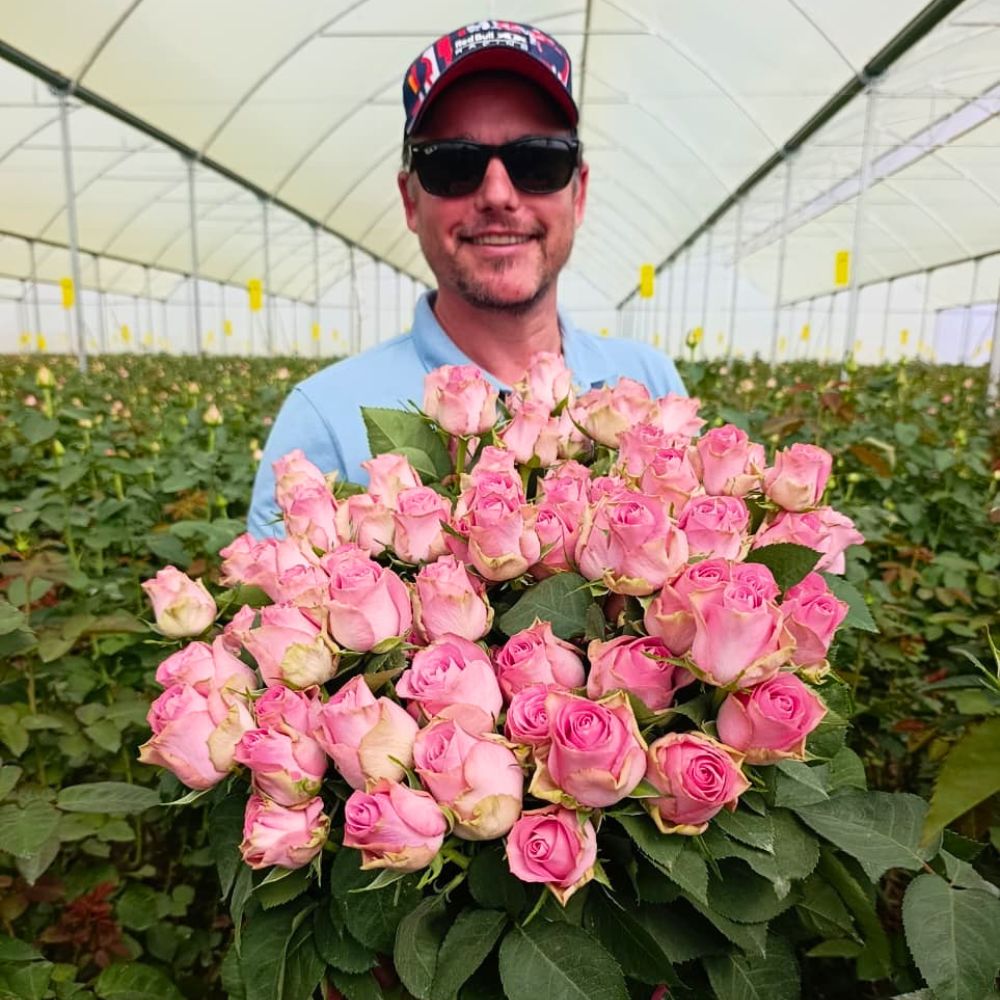
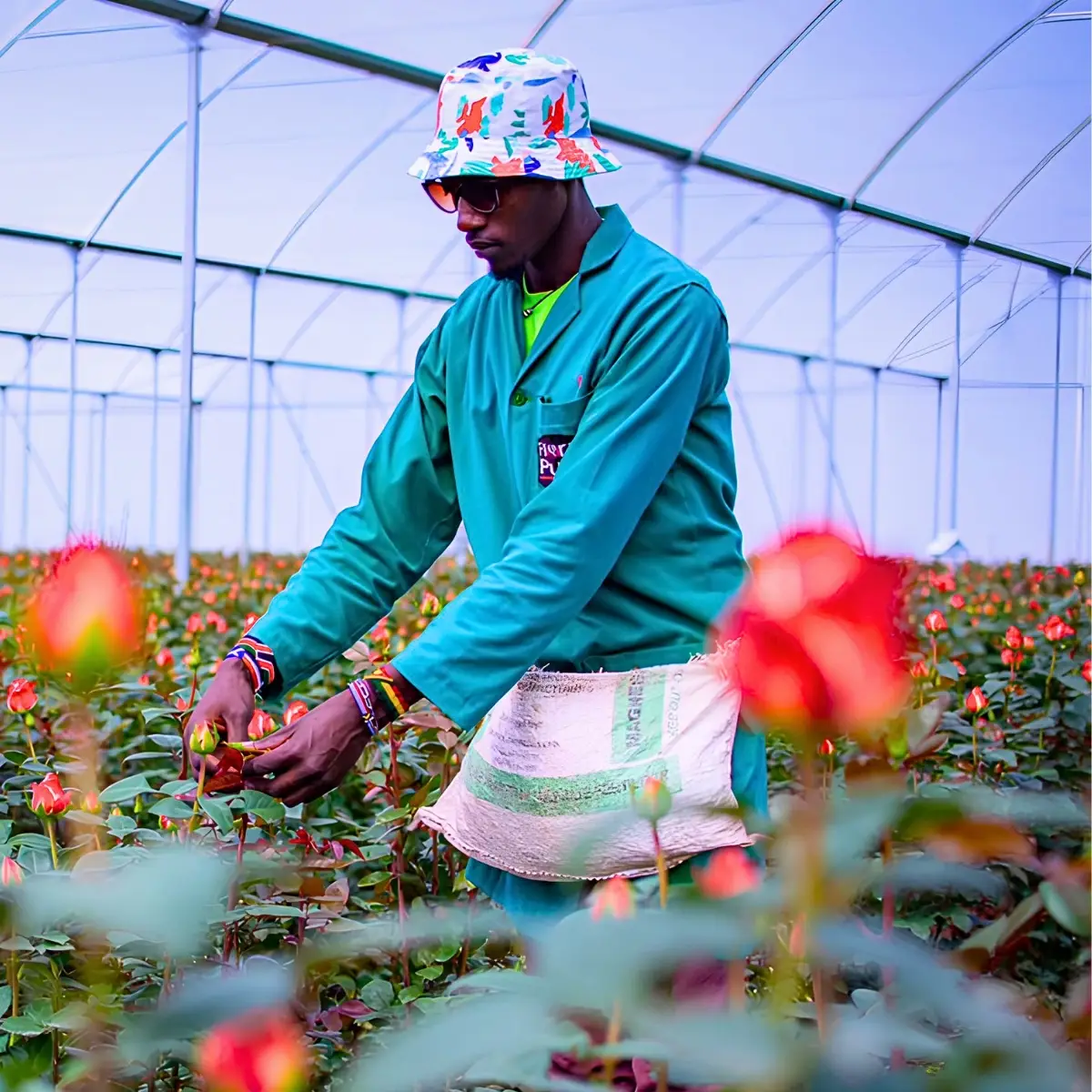
Plant structure plays a critical role. In early development, many plants appear weak, but he looks for varieties that start strong and can build a stable plant. A variety that develops multiple strong shoots early creates a better foundation for consistent production.
Head size is another benchmark. A starting point of around five and a half to six centimeters aligns with premium expectations. While size can change over time, this range provides a solid baseline. All these elements must work together. A variety may look good in one aspect, but if it fails in another, it does not move forward.
The Line Between Beauty and Practicality
One of the clearest principles in Simon’s strategy is knowing when to walk away. Some varieties are visually impressive but difficult to produce. Others perform well in the vase but fail to communicate their value at the point of sale. If a buyer cannot understand what the flower will become after a few days, the variety loses its strength in the market.
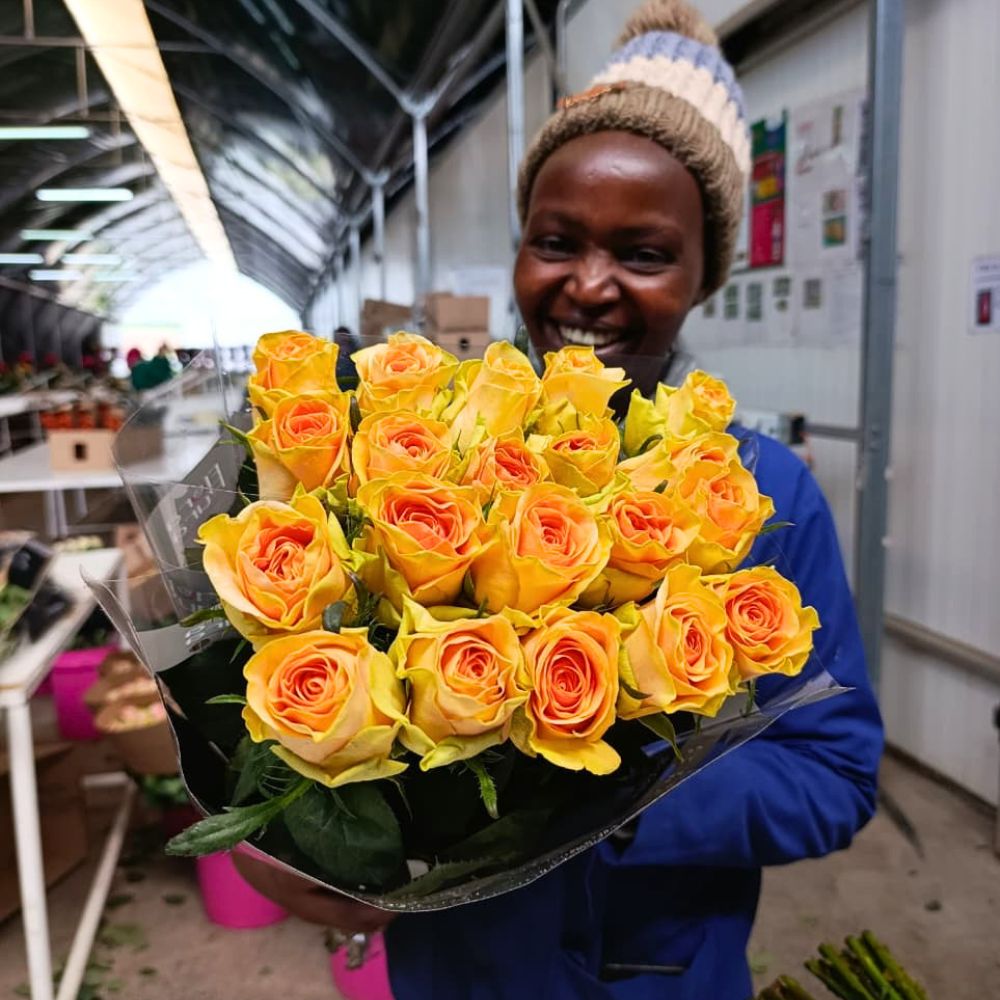
Post-harvest performance is a major factor. A rose must handle cutting, transport, packaging, and unpacking without significant damage. If losses occur along the chain, even a high market price cannot justify keeping the variety. This is where Simon draws a firm line. If a variety looks good but creates too many challenges in production or logistics, it is removed.
Reading the Market Beyond the Greenhouse
Selection does not stop in the greenhouse. Simon studies the market closely. When visiting the Netherlands, he spends time monitoring the auction, observing what is being offered, by whom, and under what conditions. He compares how the same variety performs across different growers, altitudes, and handling processes. He also checks in with his agent Rob in the Netherlands as his discussion partner and key role in the European market. He is the ears and eyes on the market side regarding varieties gaining significant traction.
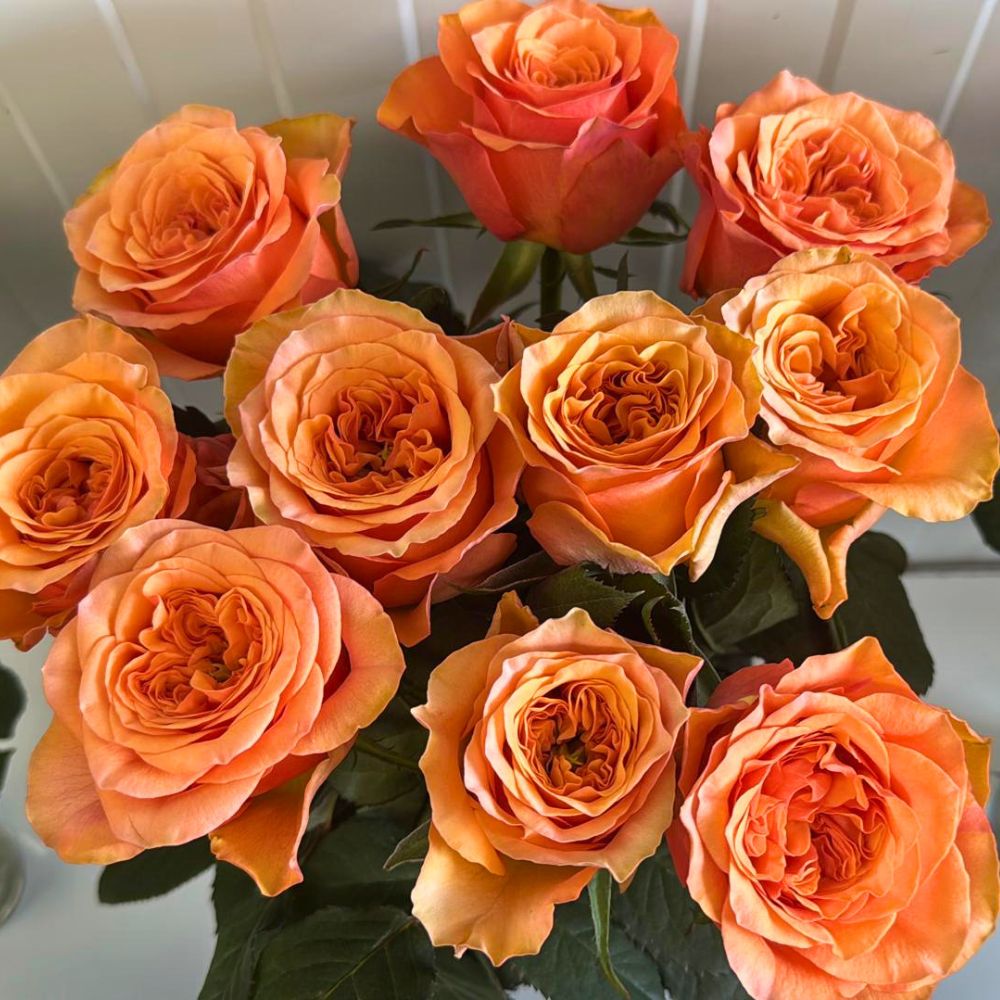
This constant observation helps him understand why certain varieties succeed while others struggle. He then translates these insights back into his own selection process. Some colors are eliminated almost automatically. Not because they are not attractive, but because they consistently fail to perform in the market. Others, especially within shades like pink and lavender, require careful selection because small differences can determine success.
Accepting Mistakes and Acting Fast
Not every decision works out. Simon is clear about that. Some varieties perform well initially but develop issues over time. Damage during handling, inconsistency in quality, or declining market performance can change the outlook completely.
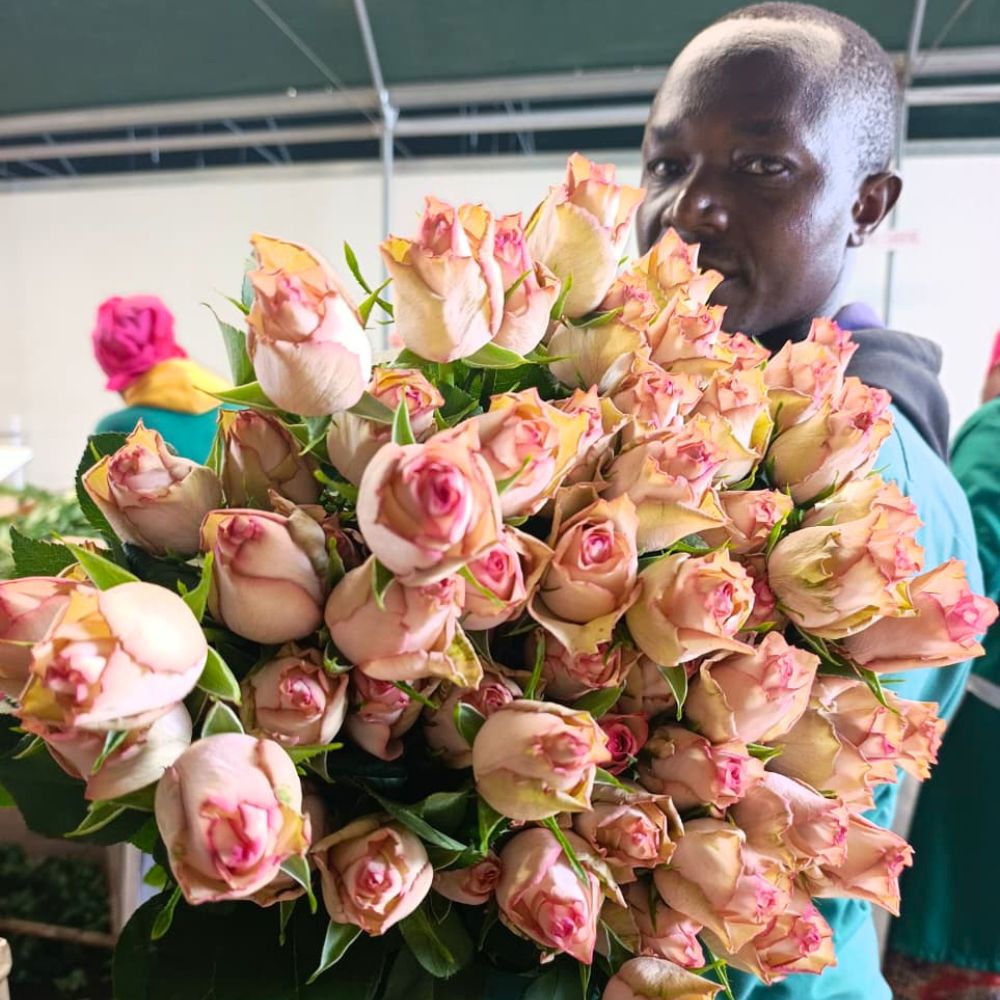
When that happens, he does not hesitate. Even if a variety is still making money, he evaluates its long-term potential. If the risks outweigh the benefits, he replaces it. This ability to act quickly is part of what keeps the farm’s assortment sharp and relevant. The goal is not just to maintain production. It is to maintain a level of performance that meets his own standards.
Balancing Risk and Volume
Introducing new varieties always comes with risk, especially for a young farm. In the early stages, Simon balanced this by combining proven varieties with new ones. Some of the proven choices did not meet expectations, while some of the new introductions performed better than anticipated.
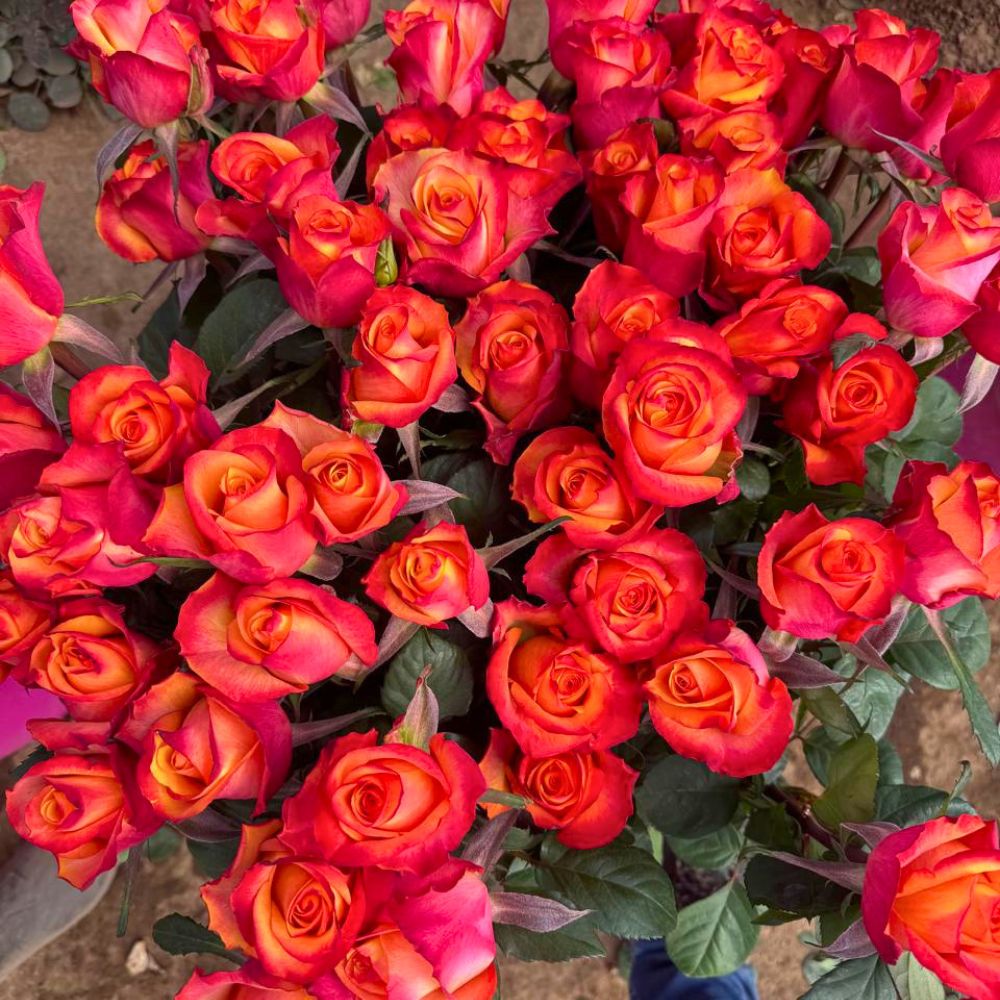
Over time, this shifted his confidence. He began allocating space more strategically, starting with smaller trial areas, observing market response, and then scaling up when the results supported it. At the same time, he ensures that production volumes remain consistent enough to supply the market reliably. A variety must not only perform well. It must also be available in volumes that buyers can depend on.
A Strategy That Continues to Evolve
There is no fixed formula behind Simon’s selection strategy. It is a continuous process of testing, observing, adjusting, and sometimes taking risks. He still experiments with new genetics, still refines his criteria, and still challenges his own decisions.
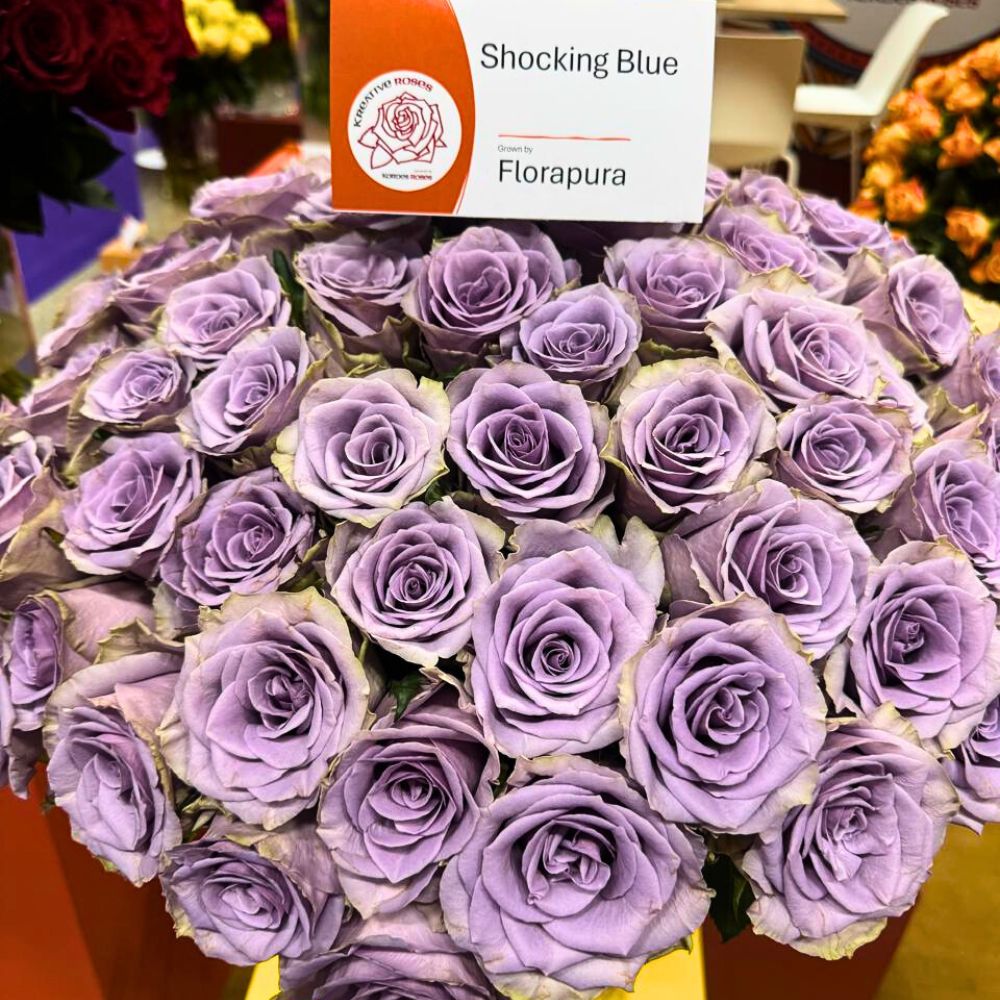
What remains constant is the intent. To build an assortment that stands out, not just because it is new, but because it works. Varieties that combine strong performance with a clear presence in the market. At Florapura, selection is not a one-time decision. It is an ongoing process shaped by experience, observation, and the willingness to move when something better comes along.