Flower arranging is often seen as a design skill. You choose stems, trim them, place them in a vase, and create something that suits a room or event. But for many people, flower arranging can also become something quieter: a mindful practice.
It asks you to slow down. It puts your hands to work. It gives your eyes one clear task. It lets you notice shape, scent, texture, water, and space without needing to rush toward a perfect result.
That is why flower arranging can fit into everyday self-care. Not as a cure. Not as therapy by itself. But as a simple practice that helps you return to the present moment.
Why Flower Arranging Feels Calming
Mindful activities often work because they give the mind something steady to focus on. Flower arranging does this naturally.
You trim one stem. You remove the lower leaves. You check the height. You turn the vase. You step back. You adjust one piece at a time.
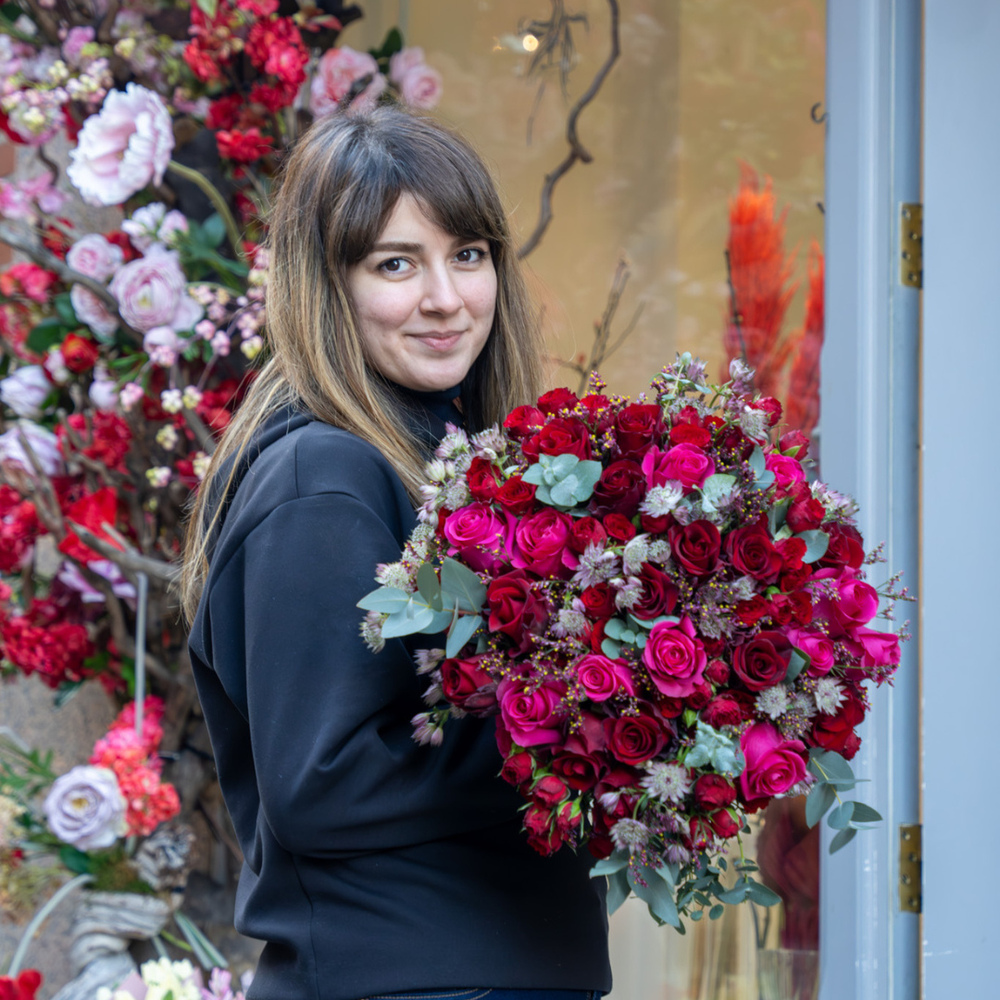
This process can slow racing thoughts because it gives the brain a clear sequence. There is no need to solve everything at once. The next action is simple and physical.
For people who spend long hours online, in meetings, or managing stressful days, arranging flowers can offer a useful contrast. It is slow, tactile, and visible. You can see progress in front of you.
It Is Not About Making a Perfect Arrangement
One of the biggest mistakes is thinking the arrangement has to look professional.
It does not.
Mindful flower arranging is not about impressing anyone. It is about noticing. If a stem bends, you notice it. If one flower sits lower, you notice that too. If the arrangement feels unbalanced, you can adjust it or leave it as it is.
The point is not to control every detail. The point is to stay with the process.
This is helpful because many people bring perfectionism into self-care. They want the perfect morning routine, the perfect journal, the perfect home, the perfect vase. Flower arranging teaches a softer lesson: good enough can still be meaningful.
Start Small With What You Have
You do not need a large bundle of flowers. A small vase and three to five stems are enough.
A simple starting set could be:
- one main flower
- one filler flower
- one leafy stem
- one small branch or herb stem
- a clean glass jar or vase
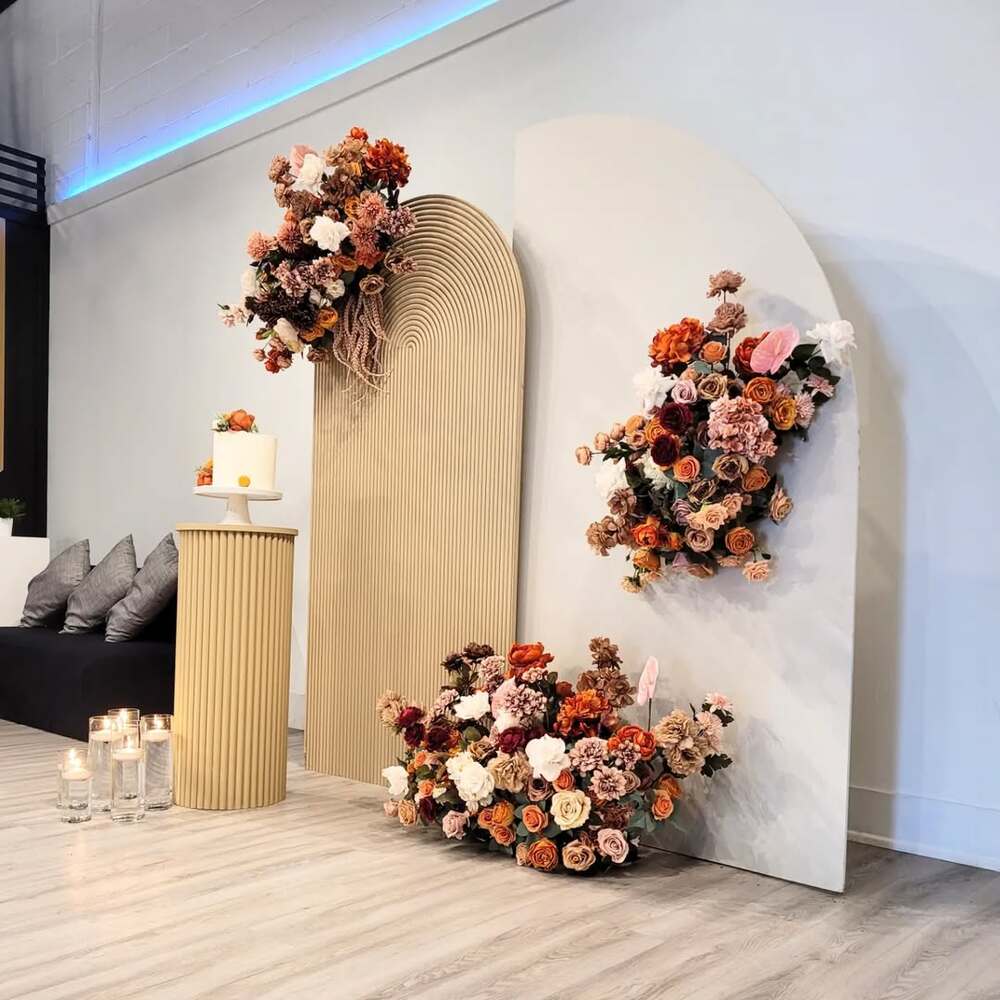
If fresh flowers are not available, try garden cuttings, herbs, dried stems, or even a few leaves from a safe plant. The material does not need to be expensive.
A smaller arrangement is often better for mindfulness because it removes pressure. There are fewer choices, so you can focus more clearly.
Make the Setup Easy
A mindful practice should not create stress before it begins.
Set up a small space with:
- clean scissors or snips
- a vase or jar
- fresh water
- a cloth or towel
- a bowl for discarded leaves
- Your stems are within reach
Keeping things simple helps the practice feel grounded. You are not searching for tools or wiping water everywhere. You are creating a small workspace where your attention can settle.
For more background on how plants can support quiet routines, readers can explore Thursd’s internal article The Psychology Of Plant Therapy.
Use the Five Senses Carefully
Flower arranging naturally connects to the senses. This can be calming, but it should also be comfortable.
Look at the color and form. Feel the stem between your fingers. Notice the sound of water being poured. Smell the flowers if the scent feels good to you.
But not everyone enjoys a strong fragrance. Some people are sensitive to scent or pollen. In that case, choose low-scent flowers, foliage, dried materials, or simple greenery. Mindfulness is not about forcing an experience. It is about noticing what supports you.
A Simple 10-Minute Flower Arranging Practice
You can turn flower arranging into a short routine.
Minute 1 To 2 Prepare
Fill your vase with clean water. Lay out the stems. Take one slow breath before you begin.
Minute 3 To 5 Trim
Trim stems one by one. Remove leaves that would sit below the waterline. Notice the small actions.
Minute 6 To 8 Place
Start with the strongest stem. Add the second and third slowly. Turn the vase as you go.
Minute 9 Adjust
Look at the arrangement from different angles. Make one small change if needed.
Minute 10 Pause
Place the vase somewhere visible. Take a moment to notice the finished piece without judging it.
This simple structure works because it is short enough to repeat. Mindfulness does not need to take an hour.
Flower Arranging for Stressful Workdays
Florists know that working with flowers is not always peaceful. Deadlines, clients, deliveries, and events can make the job stressful.
That is why mindful arranging may be more useful when it is separate from paid work. A florist can use leftover stems at the end of the day for a small personal arrangement with no client, no brief, and no pressure
This can become a reset ritual. Clean the bench. Save a few stems. Make something only for yourself. Then stop.
The act of stopping is important. It tells the body that work is done.
When a Practice Is Not Enough
Flower arranging can support calm, but it is not a substitute for professional mental health care.
If someone is dealing with ongoing anxiety, grief, depression, panic, or emotional distress that affects daily life, it may help to speak with a trained professional. For readers in that area, connecting with Therapists in Rhode Island can be a meaningful next step beyond at-home self-care practices.
A healthy routine can support healing, but people should not feel they have to manage everything alone.
How to Use Flowers During Emotional Seasons
Some people turn to flowers during grief, change, burnout, or personal transition.
In those moments, the practice can be very simple. Choose one flower that reflects how you feel. Place it in water. Sit with it for a few minutes. You do not need to explain it to anyone.
Flowers can hold memories. They can mark a day. They can make space for feelings that are hard to put into words.
This is one reason flowers appear in so many human rituals: weddings, funerals, apologies, celebrations, and recoveries. They give form to emotion without demanding too much language.
Create a Weekly Flower Ritual
A weekly ritual can make flower arranging easier to keep.
For example:
- Friday evening: buy or cut a few stems
- Saturday morning: arrange them slowly
- Midweek: change the water and trim stems
- End of week: compost or dry what remains
This rhythm is practical and calming. It also teaches care. Flowers are not permanent, and that is part of their value. They ask for attention while they are here.
If readers want more plant-based wellbeing ideas, this internal Thursd article can be useful: Natural Stress Relief How Plants Can Soothe Anxiety.
Make It Personal
There is no single “right” way to arrange mindfully.
Some people like quiet. Some prefer music. Some like a clean table. Others work outside. Some use flowers from a florist. Others use garden clippings or herbs from the kitchen.
The best practice is the one you can actually repeat.
If it feels like another task, simplify it. Use fewer stems. Use one jar. Skip complicated techniques. The goal is not to become an expert. The goal is to create a small moment of attention.
Flower arranging can be a gentle, mindful practice because it brings the hands, eyes, and attention into one place. It gives you a small task with a visible result. It helps you slow down without needing many tools or much time.
It is not therapy, and it should not be treated as a cure. But it can be a supportive habit in daily life. A few stems, a vase of water, and ten quiet minutes can create a simple pause in a busy week.
Sometimes, that pause is enough to begin again with a little more steadiness.