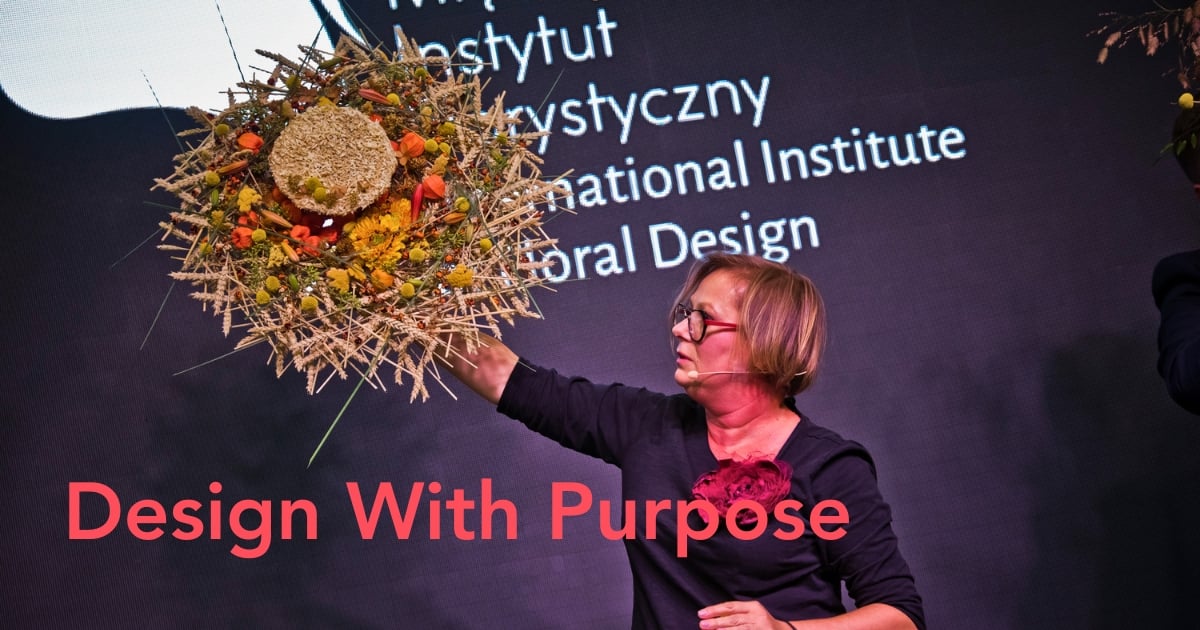
Gardenia 2026 will allow florists to explore how they source materials, construct arrangements, and interpret seasonal beauty. From October 6 to 8 at the Poznan International Fair, SITO Poznan will organize a floral competition, two practical workshops, and three days of shows, bringing questions about sustainability directly into the design process.
A garden that supplies floral material, an arrangement created without floral foam, and a competition inspired by Japanese aesthetics offer different starting points for that conversation. Together, the program connects creative expression with decisions florists make at the workbench, giving visitors specific techniques and ideas to examine during their time in Poznan.
A Floral Competition Exploring Ethics and Artistry
The competition, 'Sustainable Floristry: Ethics and Artistry', draws inspiration from ikebana and wabi-sabi aesthetics. Participants will prepare two works: 'The Imperfect Beauty of Autumn', a bouquet tied in the hand, and 'Chrysanthemum Season', a composition in a dish inspired by ikebana. The pairing gives designers two distinct formats through which to interpret the theme, with autumn and Chrysanthemum providing the creative focus.
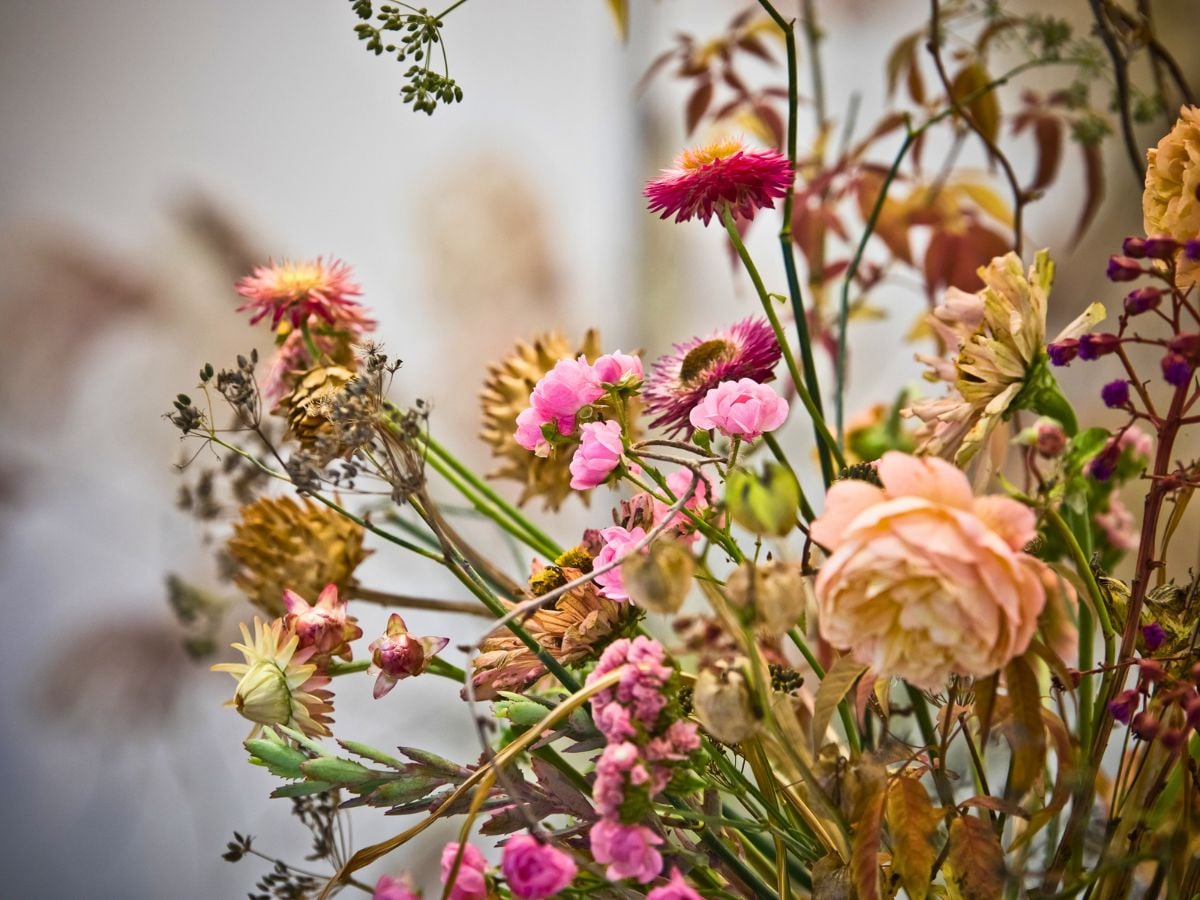
Placing ethics alongside artistry also invites a broader reading of the finished work. Material choices and construction become part of the design conversation, alongside color, proportion, and form. The competition runs during the fair, with results scheduled for October 8 from 3:00 to 3:30 p.m. The announced application deadline is September 15, 2026, and the organizer’s competition information provides the route to participation details and rules.
Designing a Garden That Supplies the Florist
Krzysztof Mielicki will lead the October 6 workshop, 'Florist’s Garden, or How to Design Green Areas in the Service of Sustainable Floristry', from 10:30 a.m. to 1:00 p.m. Participants will move from analyzing a site to developing a garden concept, considering how a planted space can supply floral material while supporting biodiversity and reducing environmental pressure. Workshop information and registration are available through SITO Poznan.
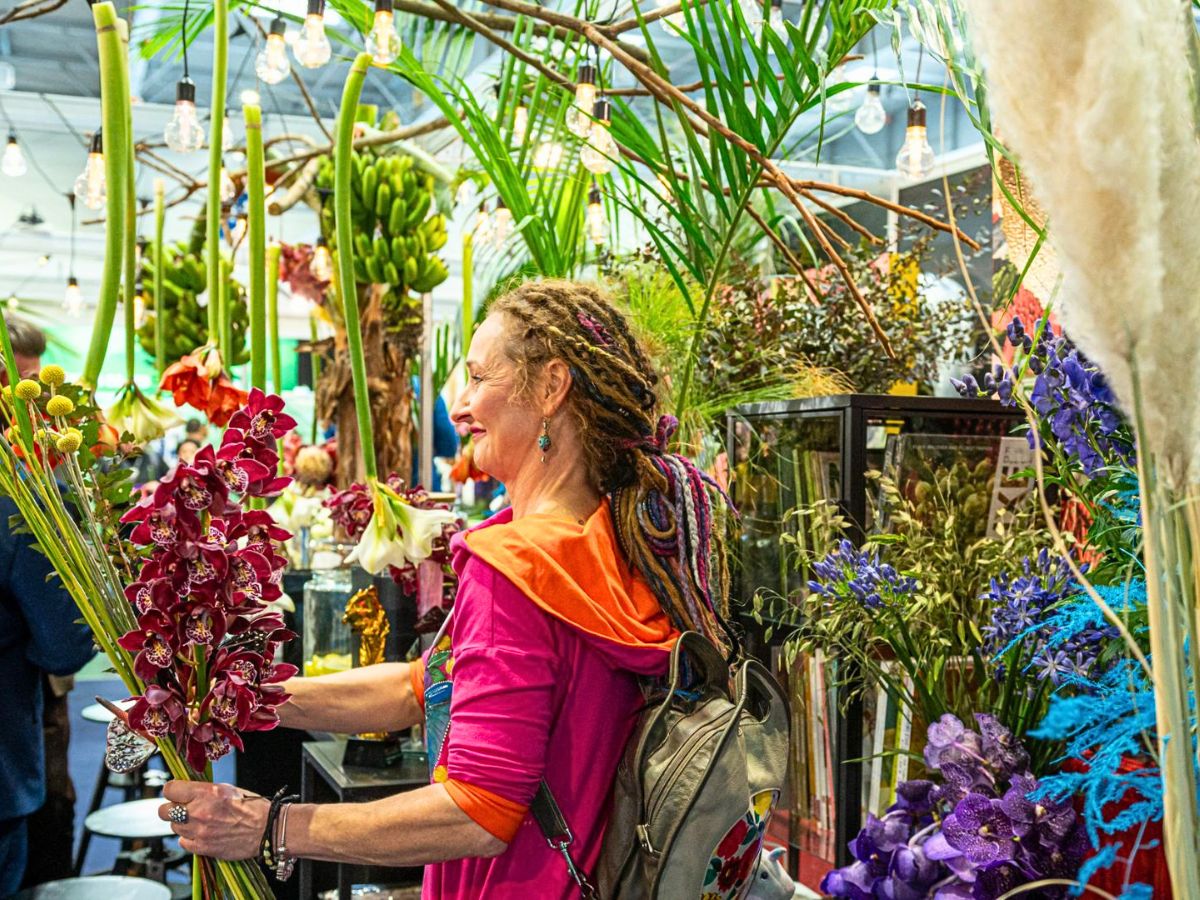
The connection between a garden and the florist’s workbench gives this session particular relevance. A planting scheme can be considered for its contribution to arrangements as well as its appearance outdoors. For florists interested in growing some of their own materials, the workshop offers a starting point for thinking about the space available, what it can support, and how its use might fit into their practice.
Creating Arrangements Without Floral Foam
Anna Wawrzyniak and Maria Matuszczak will lead the second workshop on October 8, also from 10:30 a.m. to 1:00 p.m. 'Sustainable Floristry: An Introduction to Techniques Without Floral Foam' will focus on creating arrangements using natural materials without a floral sponge. SITO provides session details and registration information directly.
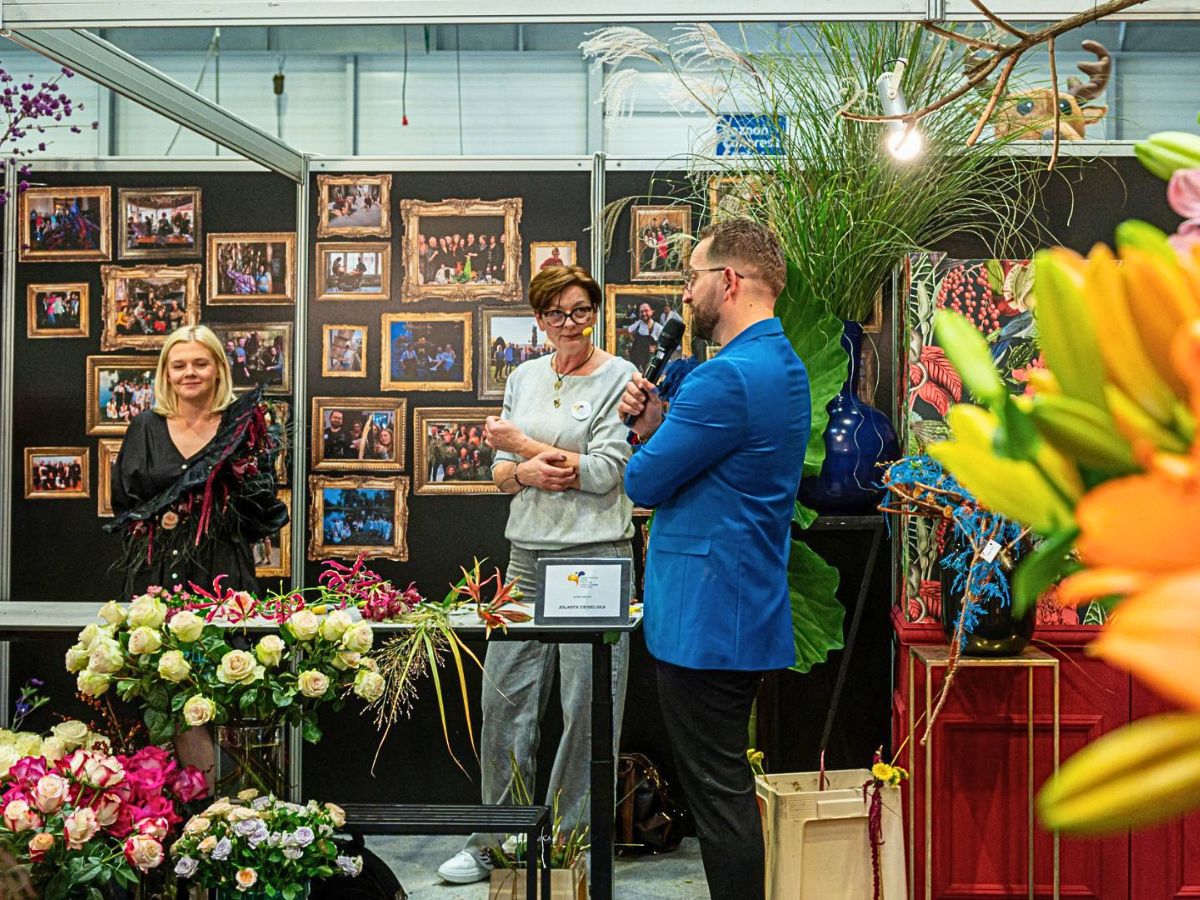
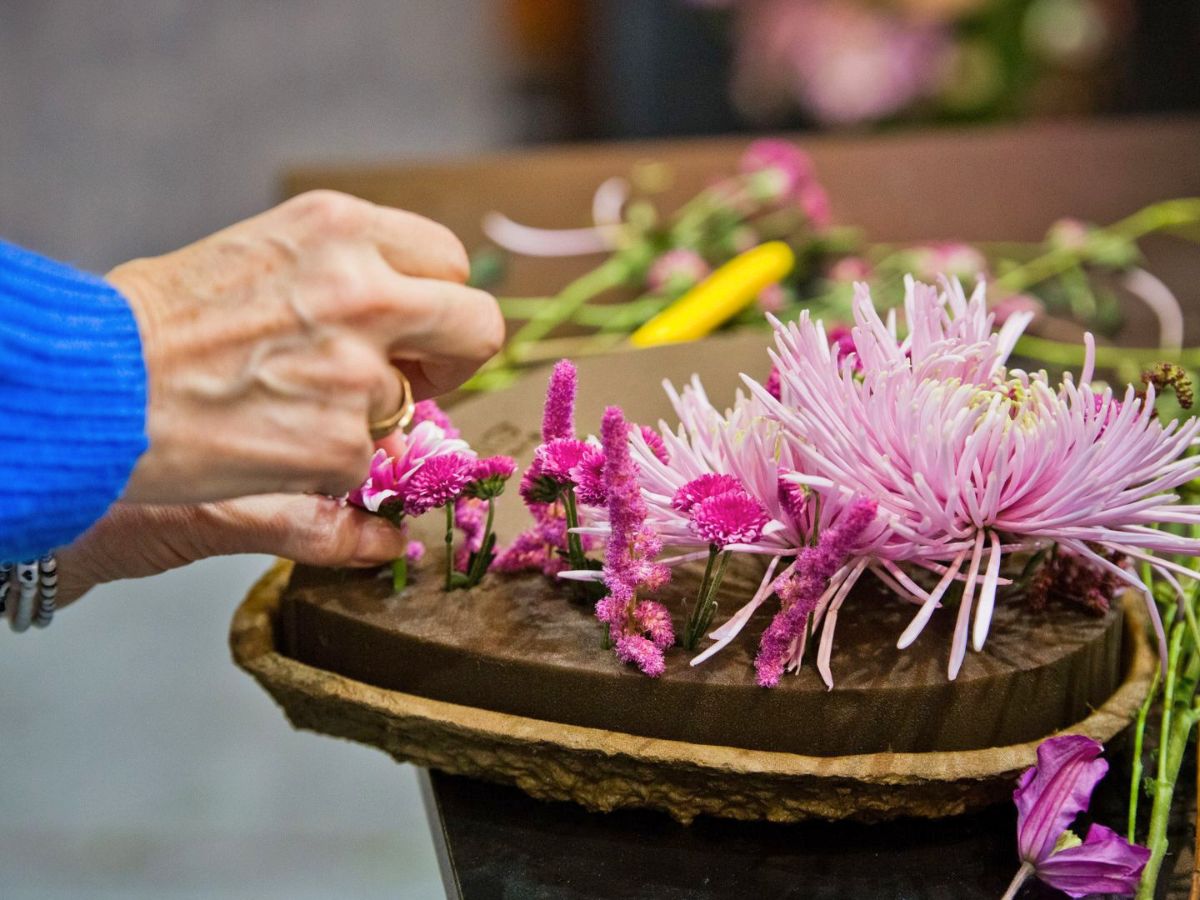
Construction is central to this subject. The way stems are supported influences their placement and the form an arrangement can take. A practical session creates an opportunity to explore those decisions through making, helping participants assess how different methods might work within their own designs. It also gives the sustainability theme a clear point of application: the materials and techniques used to hold an arrangement together.
Three Days of Floral Shows
SITO Poznan’s shows will run throughout October 6 to 8. Gardenia’s published schedule includes an October 6 presentation on the potential of plants grown in the ground for sustainable design, while an October 8 session explores ecological floristry through the theme of tomorrow’s architecture. These subjects extend the workshop focus into stage presentations, connecting plant selection with floral construction. Visitors can follow the SITO show program and Gardenia’s published schedule when planning their visit.
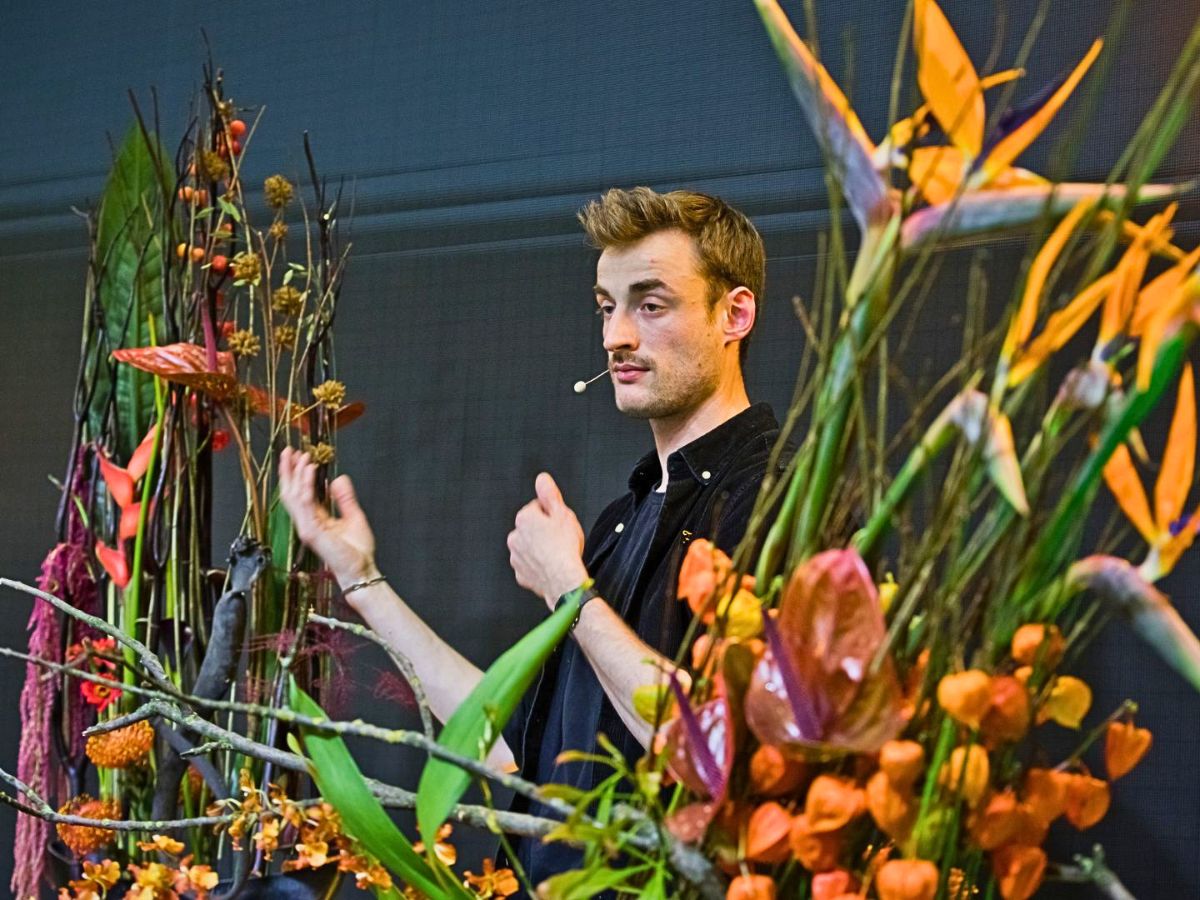
Watching designers work gives florists an opportunity to examine how an idea develops through individual decisions. The choice of a stem, its placement, and the structure supporting it can all become useful points of reference. Alongside the competition and workshops, the shows create several ways to engage with the program, whether visitors want to participate, observe, or discuss an approach with colleagues.
Connecting Floral Design With Growers
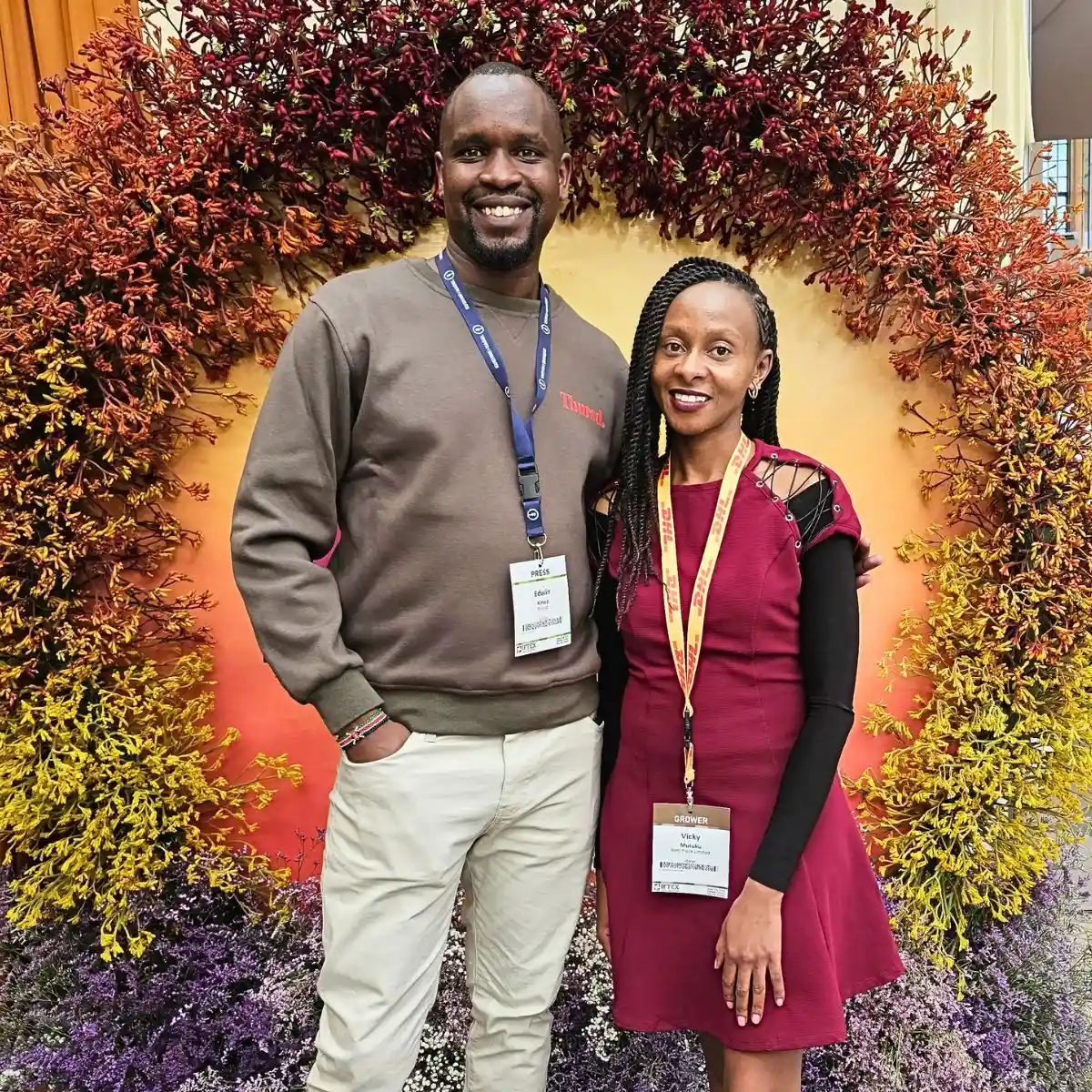
Thursd’s participation adds a grower perspective to the wider event. Gardenia has announced the presence of six Kenyan flower businesses through Thursd: Mzurrie Flowers, Benev Flora, Sian Flowers, Karen Roses Limited, Flora Ola, and Leinot Farms. Their inclusion brings flower production into the same setting as floral education and design. Gardenia’s announcement introduces the participating companies.
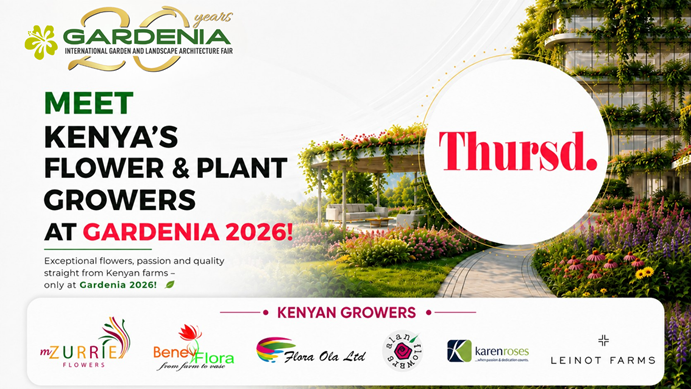
For visiting florists and buyers, this creates an opportunity to connect design interests with questions about varieties, availability, and production. Conversations around the flowers on display can help growers understand what designers need, while giving florists more context about the businesses behind the products they purchase.
Planning Your Visit to Gardenia
SITO Poznan manages registration, participation rules, and any applicable costs for its competition and workshops. Participation in a SITO activity does not replace admission to Gardenia: everyone attending the competition, workshops, or shows must also hold a valid fair ticket.
Industry professionals can register for a free Gardenia ticket, which the organizer states allows repeated entry across all three days. Review the program, book workshops directly with SITO, and allow time for the grower displays and conversations between sessions. Gardenia’s floristry program offers plenty to bring back to the workbench.
All pictures courtesy of @targigardenia.pl.