When we think of flowers, we naturally associate them with beauty. But with current trends, we now greatly associate them with the environment. There is quite a lot that happens before one gets these flowers: an elaborate global supply chain, the environmental footprint of a flower depending greatly on where it was grown, how much artificial heating or water was required, practices used in its cultivation, and how it supports its ecosystem. Sustainability comes in here.
Regardless of whether used in home gardening, landscape design, or cut-flower floral arrangement, the idea of sustainability is defined through several metrics, like ecological harmony, minimizing carbon emissions, conserving water, avoiding synthetic chemicals, supporting people and pollinators, and working within natural biological ideals.
For Flowers, What Does ‘Sustainable’ Really Measure?
If you ask a gardener and a florist which flower is the most sustainable, you may get two very different answers. One may point to a sturdy perennial that regrows every spring or summer with almost no help. The other, perhaps a bundle of dried flowers that has already outlasted three seasons of vases. Both are right, because sustainability in flowers is less about just one idea. It is more about several, plus how long the flower stays useful.
So what does ‘sustainable’ really measure when it comes to a flower? In the modern floriculture market, a truly sustainable flower is no longer defined by poetic ideals of zero-input growth, but by strict, data-driven operational compliance. Authentic sustainability requires a highly managed commercial supply chain that actively minimizes environmental impact through audited chemical, water, and waste reductions, while also verifying fair labor practices and human equity across the production pipeline.
In practice, that comes down to a handful of questions like: how much water, heat, and chemical input did it need? When grown, does it support the living things around it, from people to bees, and the soil? How far did it travel? It also brings to mind factors like how long it lasts once cut. And what happens to it afterward?

The Garden Angle: Low Effort Perennials, Native Species, and Pollinator Supporters
In a garden setting, the most sustainable flowers are usually perennials, since they come back year after year without the need for replanting. Coneflowers (Echinacea), yarrow, black-eyed Susans (Rudbeckia), milkweed, Salvia, bee balm (Monarda), and false indigo are often the low-effort varieties recommended for gardeners who want a wildflower look with little deadheading, staking, or dividing. They take a season or two to settle, but the work eases afterward.
Unlike annuals that must be replanted every year, established perennials build deep root structures that stabilize soil, retain water, and build organic matter over years. These flowers are biologically adapted to local rainfall patterns and soil conditions, so they need no synthetic fertilizers or chemical pesticides to thrive.
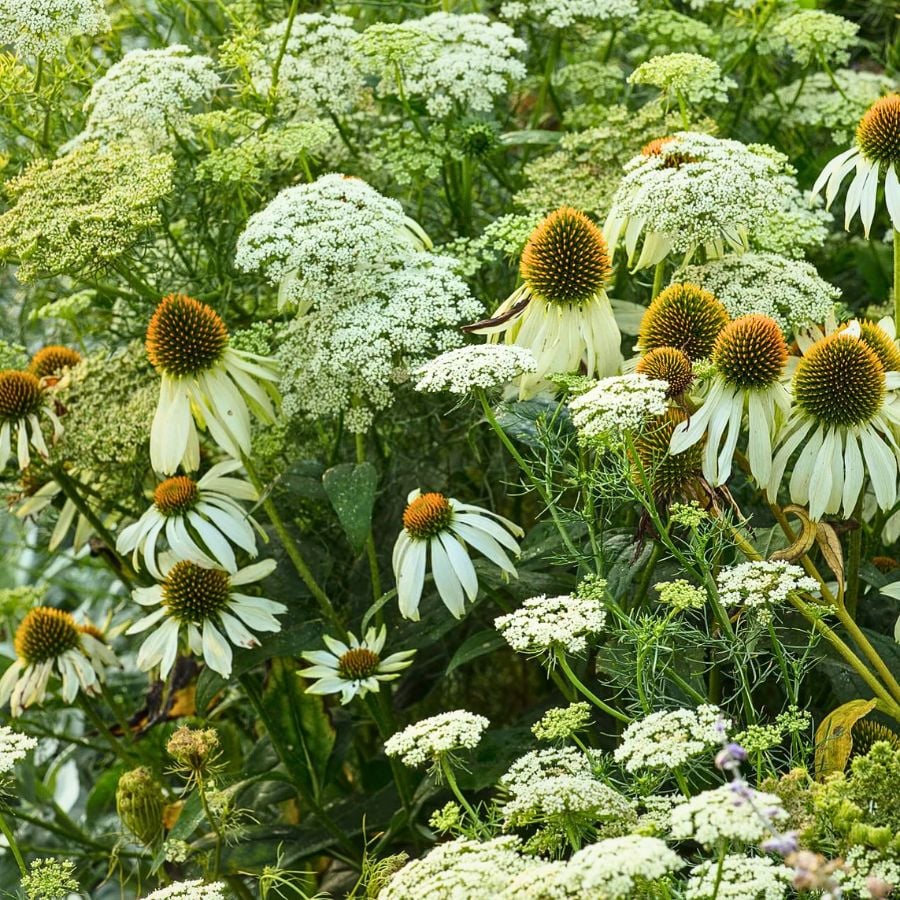
Pollinators raise their value. Leaving some of these flowers to set seed in late autumn provides essential winter food for birds and habitat for overwintering pollinators. Coneflowers, salvia and globe amaranth feed birds, bees and butterflies late into the season, so a modest bed can support a lot more than its footprint suggests.
Annuals, too, have their place when chosen well. Cosmos thrive in ordinary soil, marigolds are hardy enough to double as companions that deter pests among vegetables, and sunflowers need little more than sunshine and an occasional drink. Self-pollinating varieties are also another low-effort option for patios and containers. They work in floristry too. Incorporating flowering branches, perennial foliage, and structural native plants easily provides unique form.
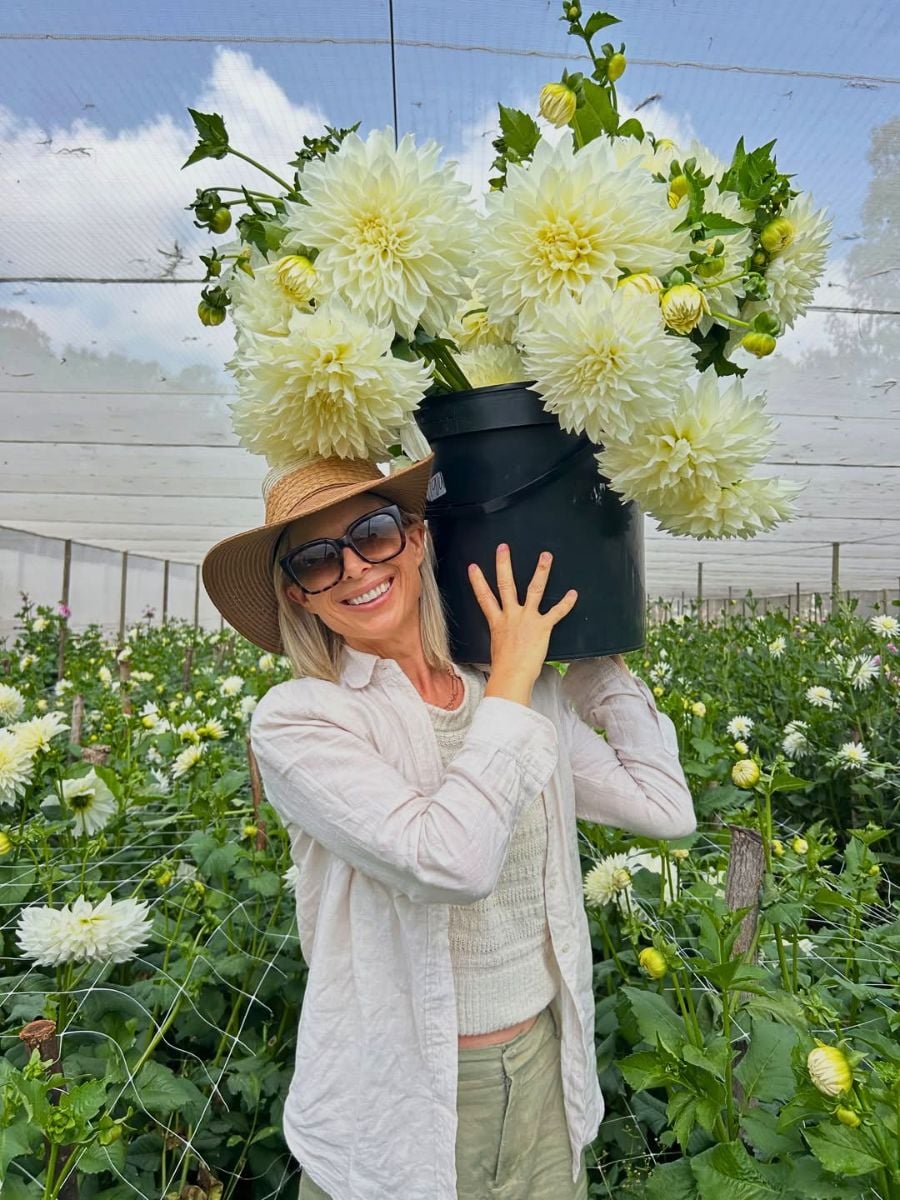
In-Season Local Flowers Blooming on the Fields
One of the simplest sustainable floral choices is whatever is growing nearby, right now. In spring, that means field-grown annuals like snapdragons, tulips, Daffodils (Narcissus), Primrose (Primula), Snowdrops (Galanthus), and other springtime flowers. When grown outdoors in local soil, these flowers require no simulated lighting or heating and minimal protective infrastructure.
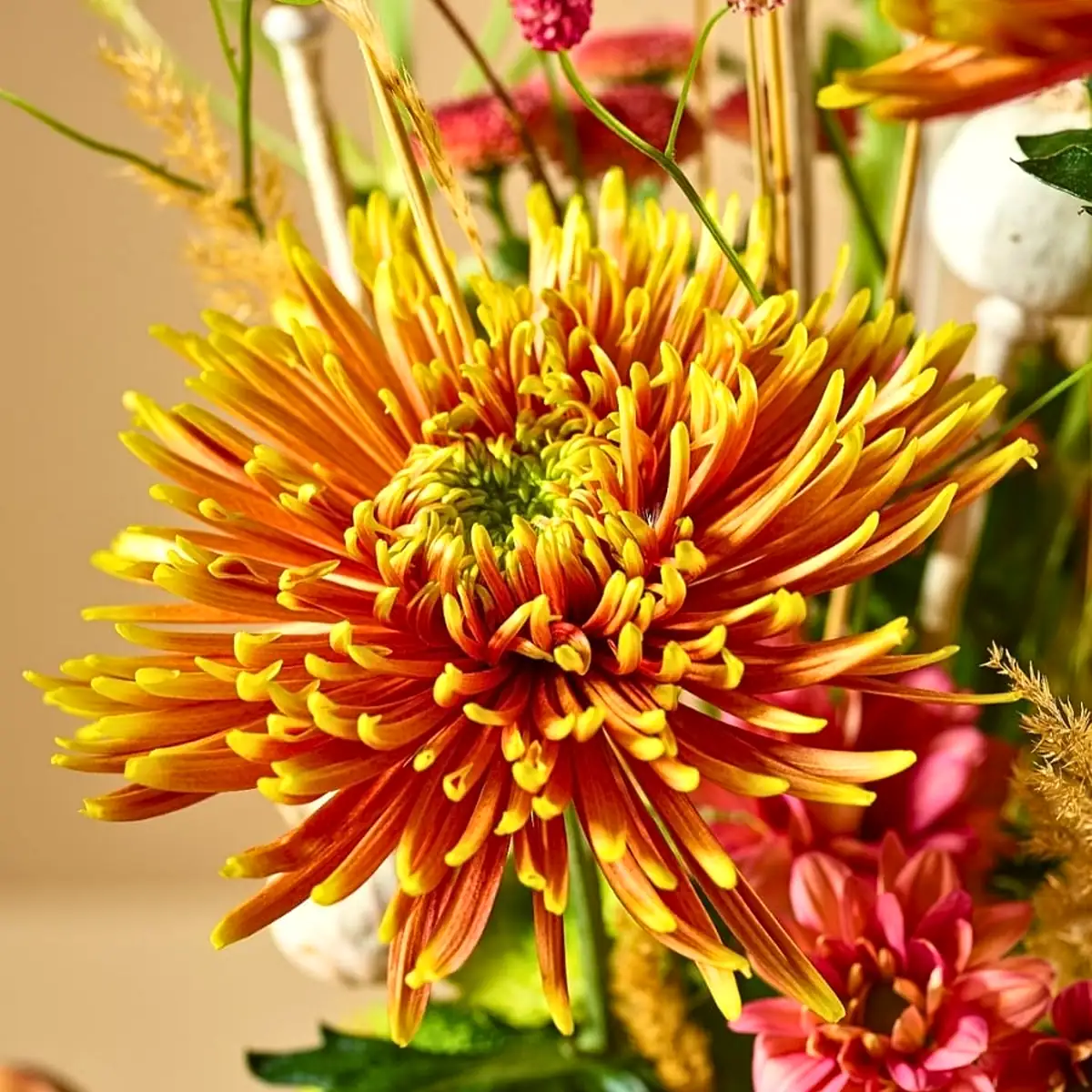
In summer, zinnias and sunflowers are in plenty, and in fall, Chrysanthemums, Asters, and Dahlias are more easily available because they are abundant then. When flowers are in season, supply rises, and prices ease, and the same reason cuts much of what is needed to grow and have them delivered.
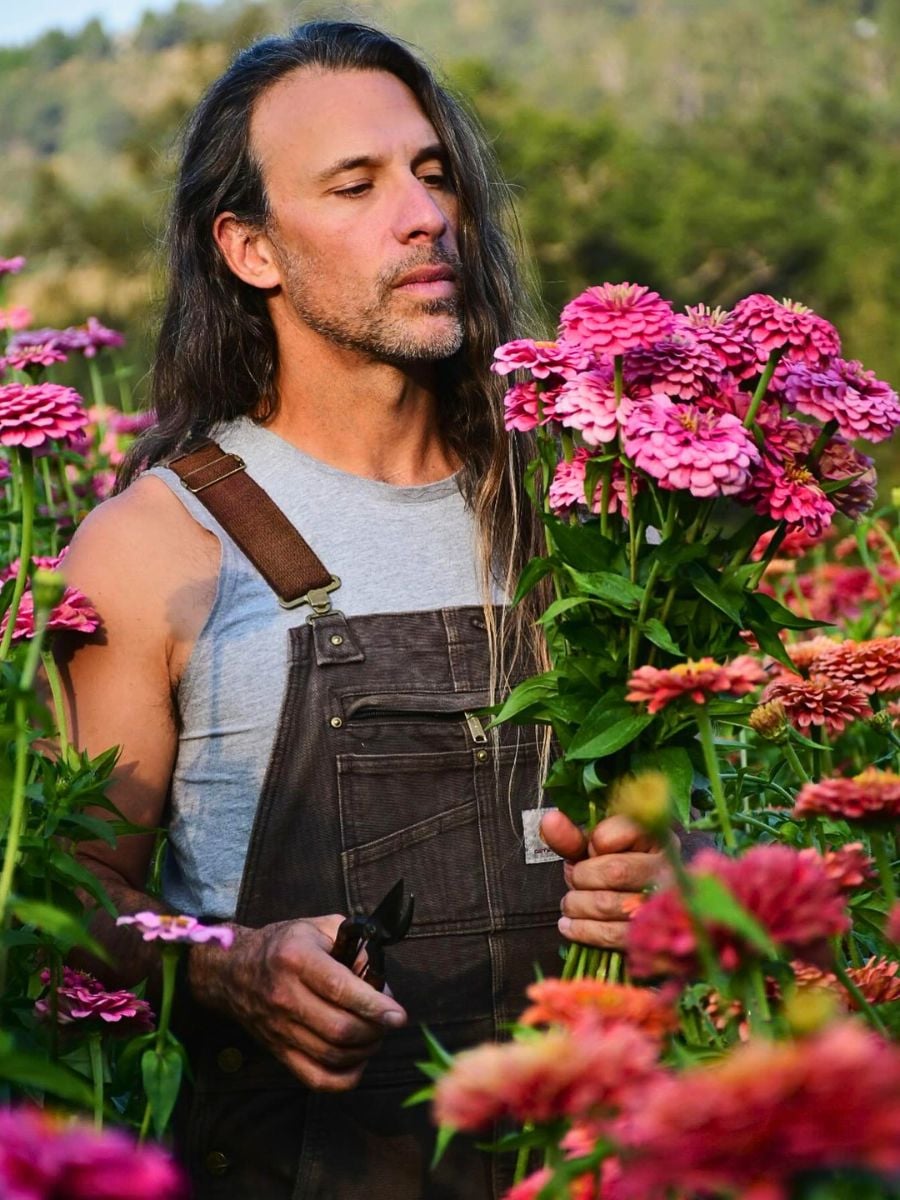
The idea is to source flowers in bloom naturally in your region’s specific season, and import those out-of-season and/or unavailable in your region. Plus, in-season, locally available flowers tend to mean fresher flowers, which are often deemed to last longer. Farmers' markets, local flower farms, and a few rows of zinnias in the backyard all work toward this.
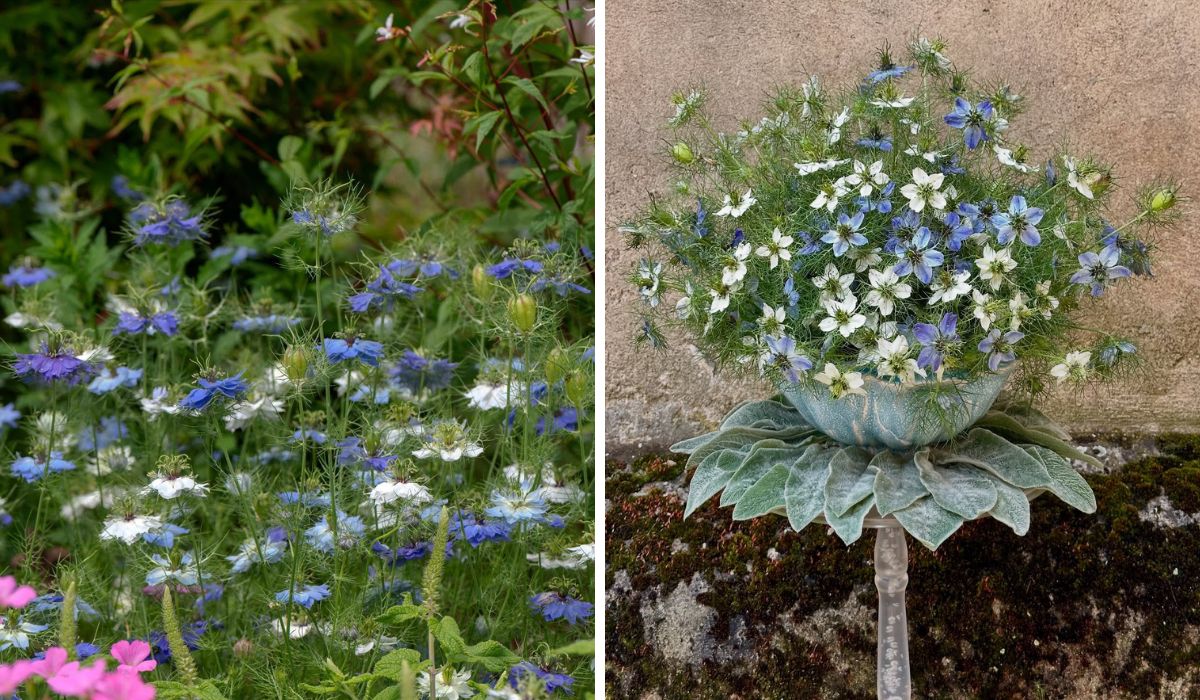
Also, for gardeners, growing self-seeding annuals like calendula or Nigella damascena reduces the need to buy new nursery starts or plastic-packaged seeds every season, which allows the garden to regenerate naturally while providing continuous food for beneficial insects.
Water-Wise Bulbs and Drought-Tolerant Varieties
Water conservation is a key pillar of environmental responsibility, particularly in drought-prone or warmer growing regions. Sustainable floral choices often include varieties that store their own energy and moisture reserves or possess specialized physiological traits to withstand dry conditions.
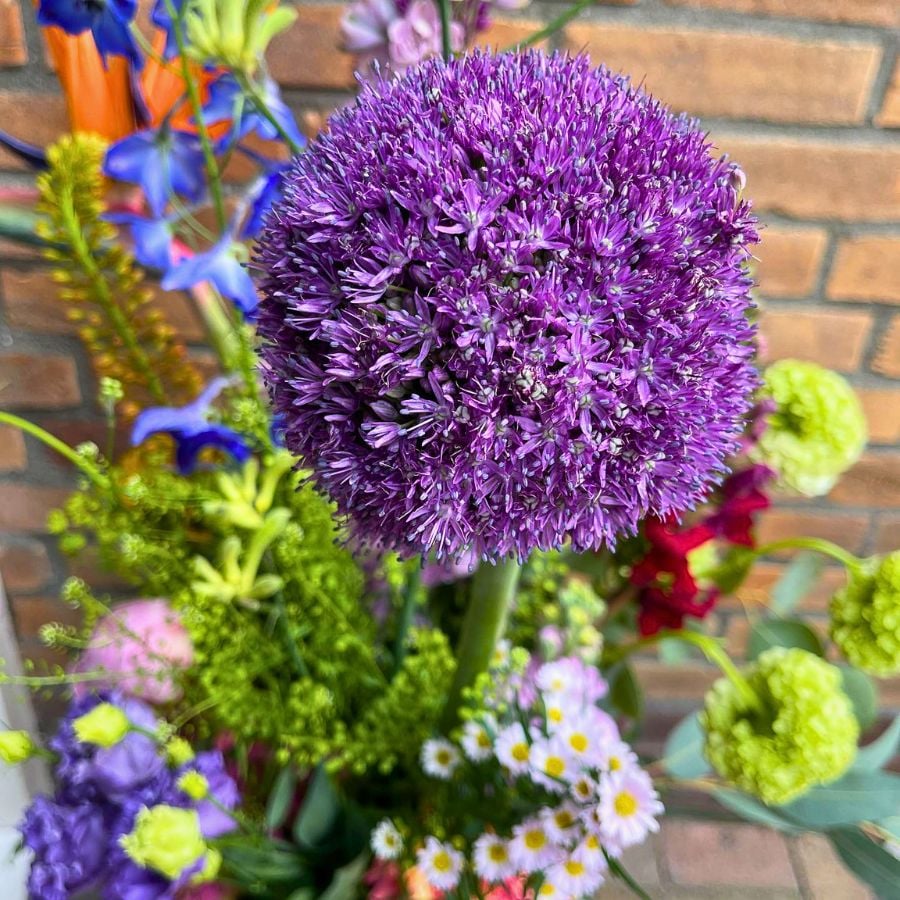
Spring flowers like Daffodils, tulips, Alliums, and Hyacinths naturally bloom during cool, moist periods when rainfall is abundant, requiring minimal supplemental irrigation. Once their bloom cycle ends, they go dormant underground during the hot summer months to conserve water.
Drought-tolerant varieties like lavender, Achillea, sea holly (Eryngium), and sedum thrive in dry soils and require little water throughout their life cycles, so they are highly sustainable choices for both water-wise landscape design and long-lasting arrangements.
This is why breeders are increasingly working on varieties that require less water, including garden roses like Oso Easy® Series from Proven Winners and David Austin shrub roses like Olivia Rose Austin and The Lady Gardener, as well as Panicle Hydrangeas (Hydrangea paniculata) and Oakleaf Hydrangeas (Hydrangea quercifolia), among others.
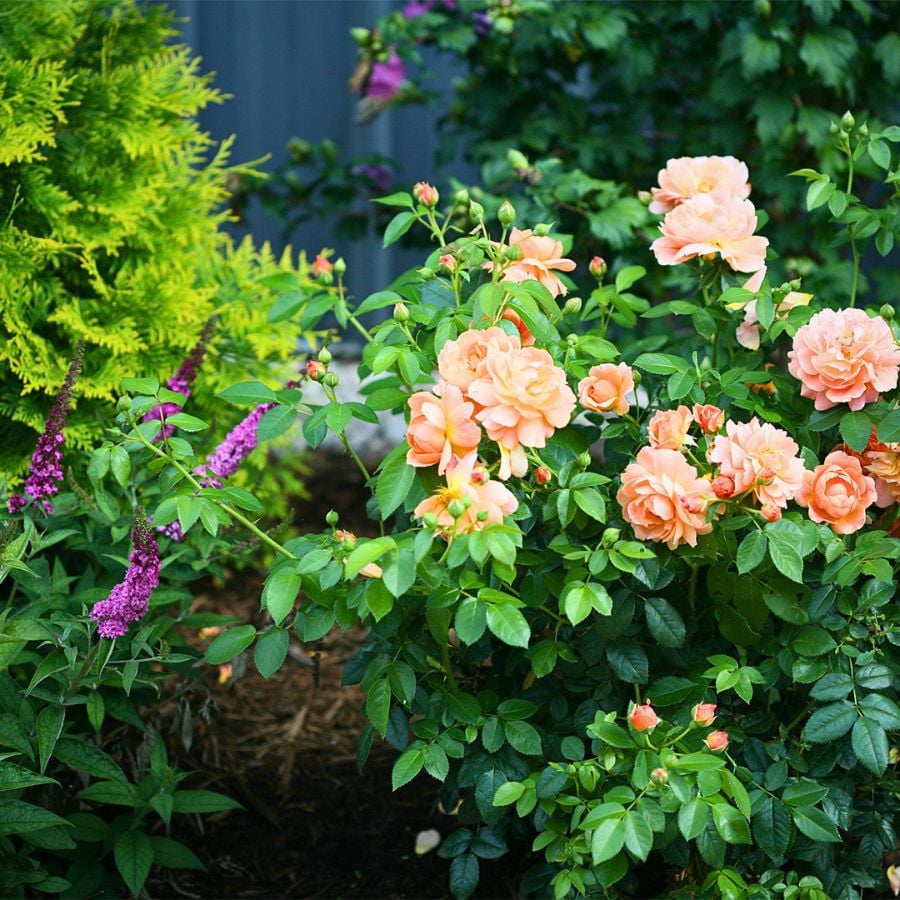
Flowers Bred to Last, Everlastings and Naturally Dryable Florals
Longevity is its own form of sustainability, since a flower that lasts twice as long needs half the replacing. Carnations, Alstroemeria, and Chrysanthemums are good examples, known for holding up for two weeks or more, which cuts their wastage.
Furthermore, extending the life of a flower is one of the most effective ways to lower its environmental impact. Flowers that retain their structure and color when dried – often called ‘everlastings’ – allow designers to create stunning, long-lasting installations without needing continuous replacements.
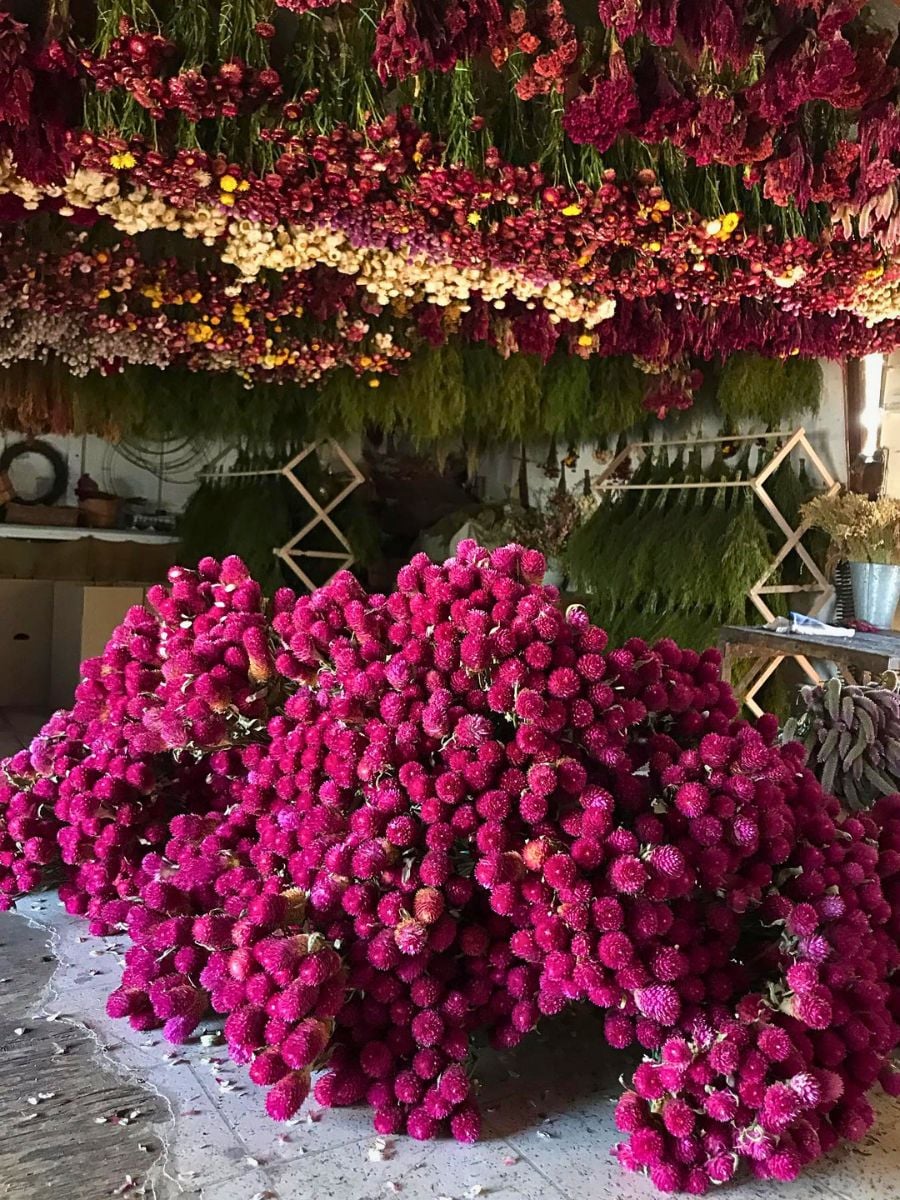
Varieties like strawflower (Xerochrysum), Statice, Gomphrena, Pampas grasses, and Helichrysum naturally contain low moisture levels in their petals, with Gomphrena, for instance, having papery bracts that keep their color and form for much longer; it dries with nothing more than a hanging bundle, and is notably heat-and-drought-tolerant in the garden.
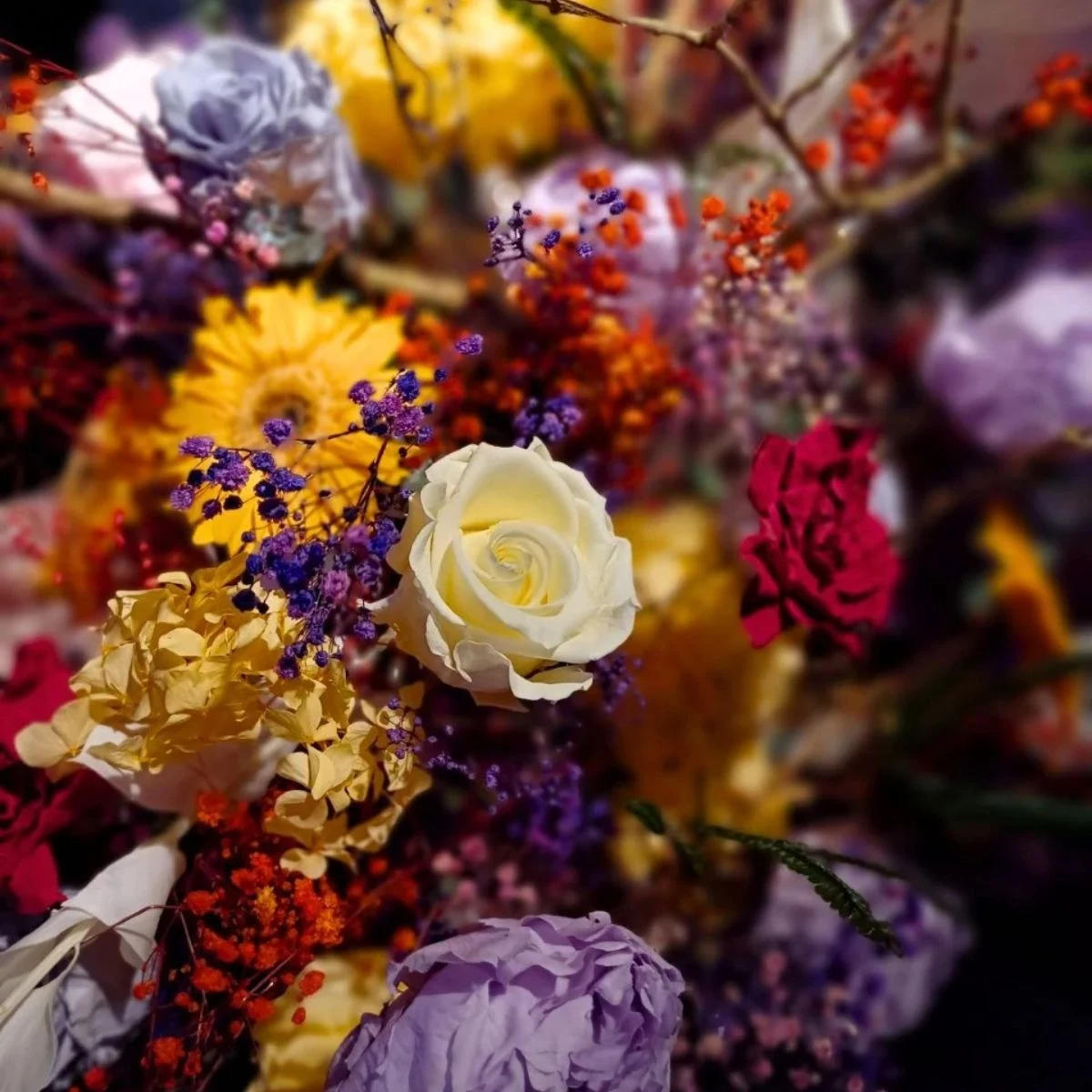
Hydrangeas offer a similar bargain. Fresh, they last two to three weeks, but dried, they last even longer, which is why they frequently appear in wreaths, bouquets, and event installations. Essentially, these flowers can be harvested at peak bloom and air-dried without chemical preservatives or energy consumption. In addition, in late autumn and winter, incorporating dried seed pods – such as poppy pods, Scabiosa seed heads, lotus pods, and honesty (Lunaria) – gives florists even more options with these flowers.
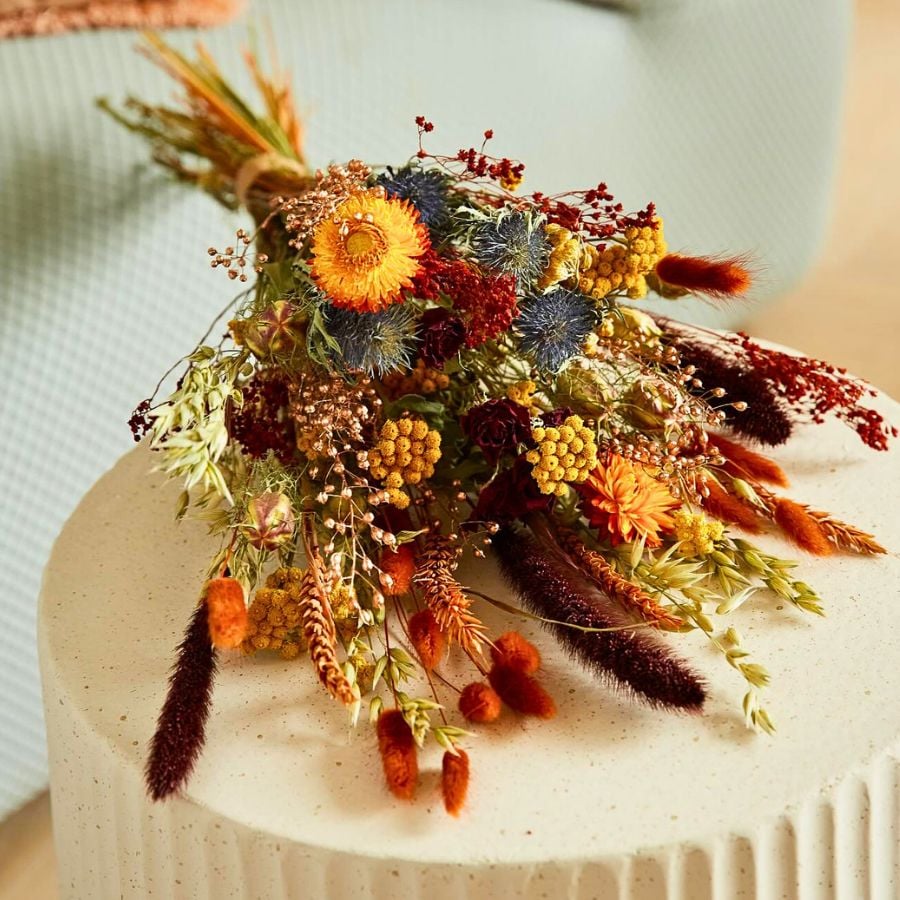
Sustainable Certified Commercial Flowers
While growing or buying hyper-local flowers is ideal, commercial supply chains remain necessary for large-scale floral needs, especially during winter months or where the necessary flowers are not available. In these cases, sustainability is defined by farm practices, employee welfare, water management, and environmental governance.
When sourcing popular commercial flowers like roses, carnations, lilies, and others, choosing flowers certified by recognized environmental frameworks like MPS, KFC FOSS, Fairtrade, Florverde Sustainable Flowers, or Veriflora ensures responsible production.

Certified farms use closed-loop water recycling, rainwater harvesting, biological pest controls (including introducing beneficial predatory insects instead of chemical sprays), and fair labor standards to minimize ecological harm.
Sustainable Design Practices and Choices Matter Just as Much as the Flowers
Choosing eco-friendly flowers is only half of the sustainability equation; how the flowers are handled and used is equally important because a sustainable flower can still end up in an unsustainable setting. So here’s what one can do.
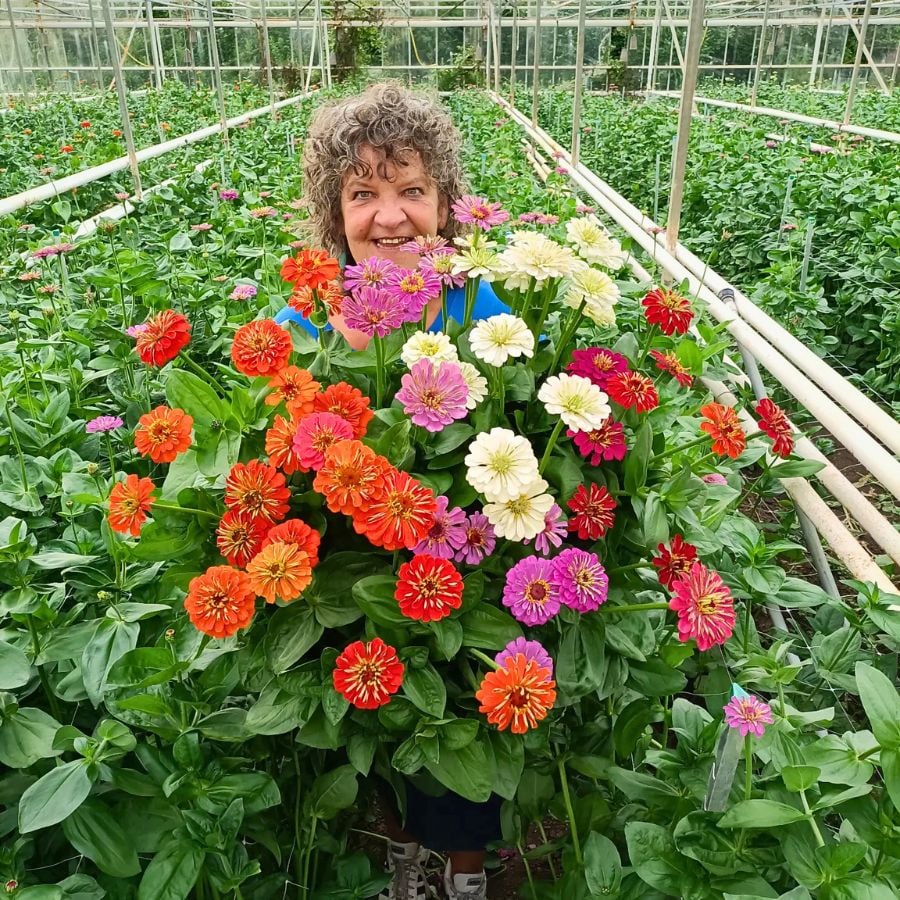
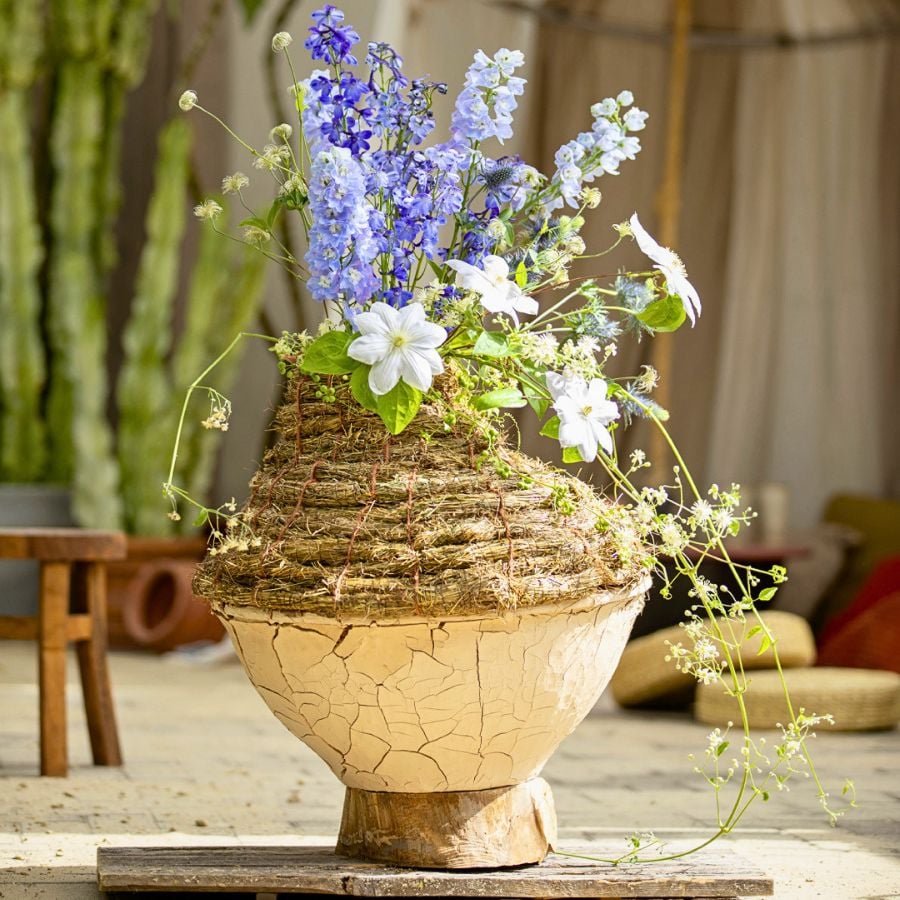
- Eliminating single-use plastics and foam: Traditional petroleum-based floral foam is increasingly replaced by eco-conscious design mechanics like chicken wire, metal flower frogs (kenzan), sustainable floral foam, reusable glass vessels, and compostable twine.
- Organic soil and peat-free growing: In the garden, using compost, peat-free potting media, and organic mulches builds living, biologically active soil that sequesters carbon and retains moisture naturally.
- Composting and closed cycles: Once cut arrangements reach the end of their vase life, stripping away non-organic ties and adding the flowers to local compost bins closes the loop, returning nutrients back to the soil to nourish future flowers. All these alternatives are simple and often beautiful.
So what flowers are most sustainable? For a flower, true sustainability means many things. It could mean adopting a mindset of seasonal appreciation, supporting ethical growers, choosing those that enrich the people and surrounding ecosystems even after they fade, and choosing those independently certified (based on all sustainability metrics) to be sustainably produced.
Featured image: @bohemianbloomsuk. Header image by @adeneflowers.