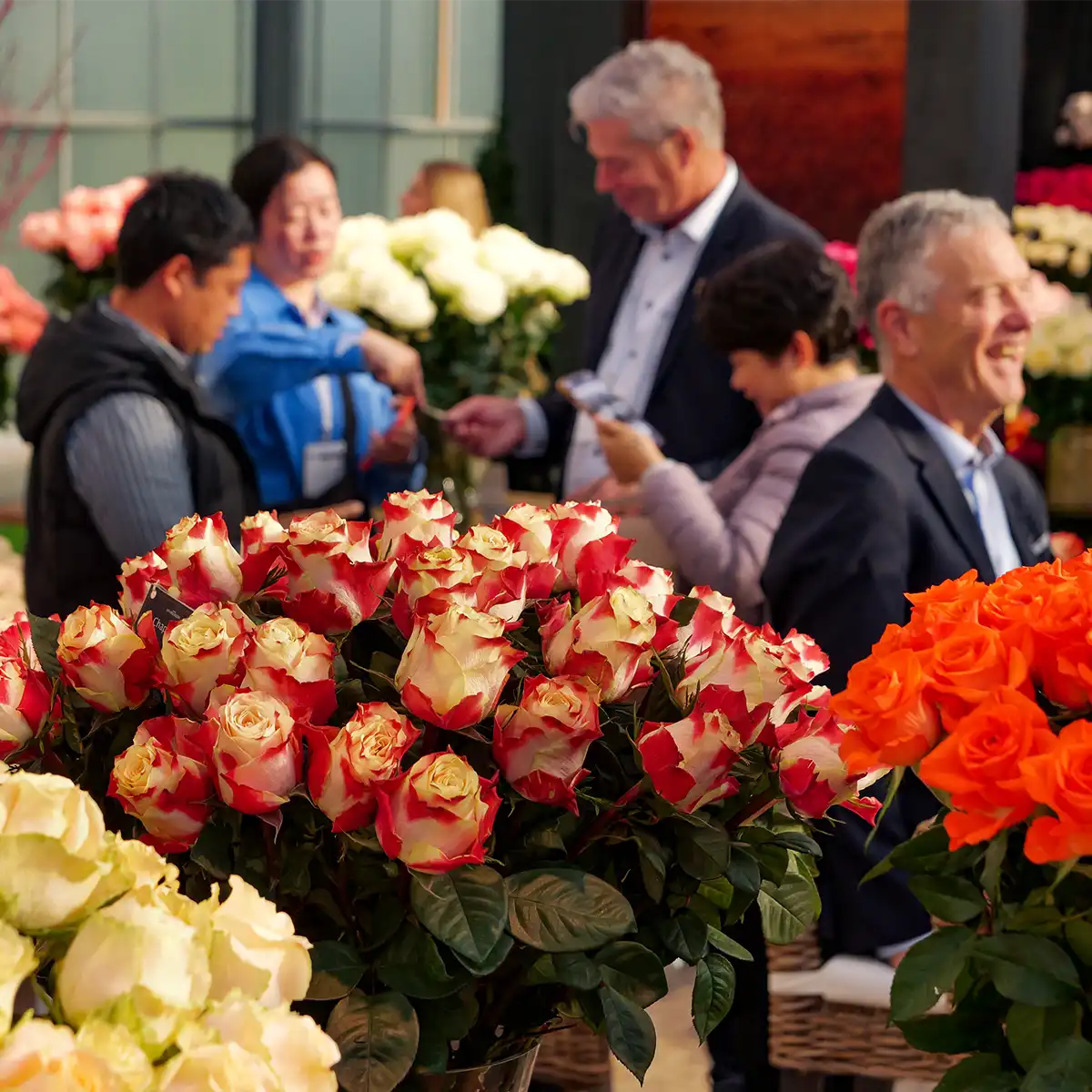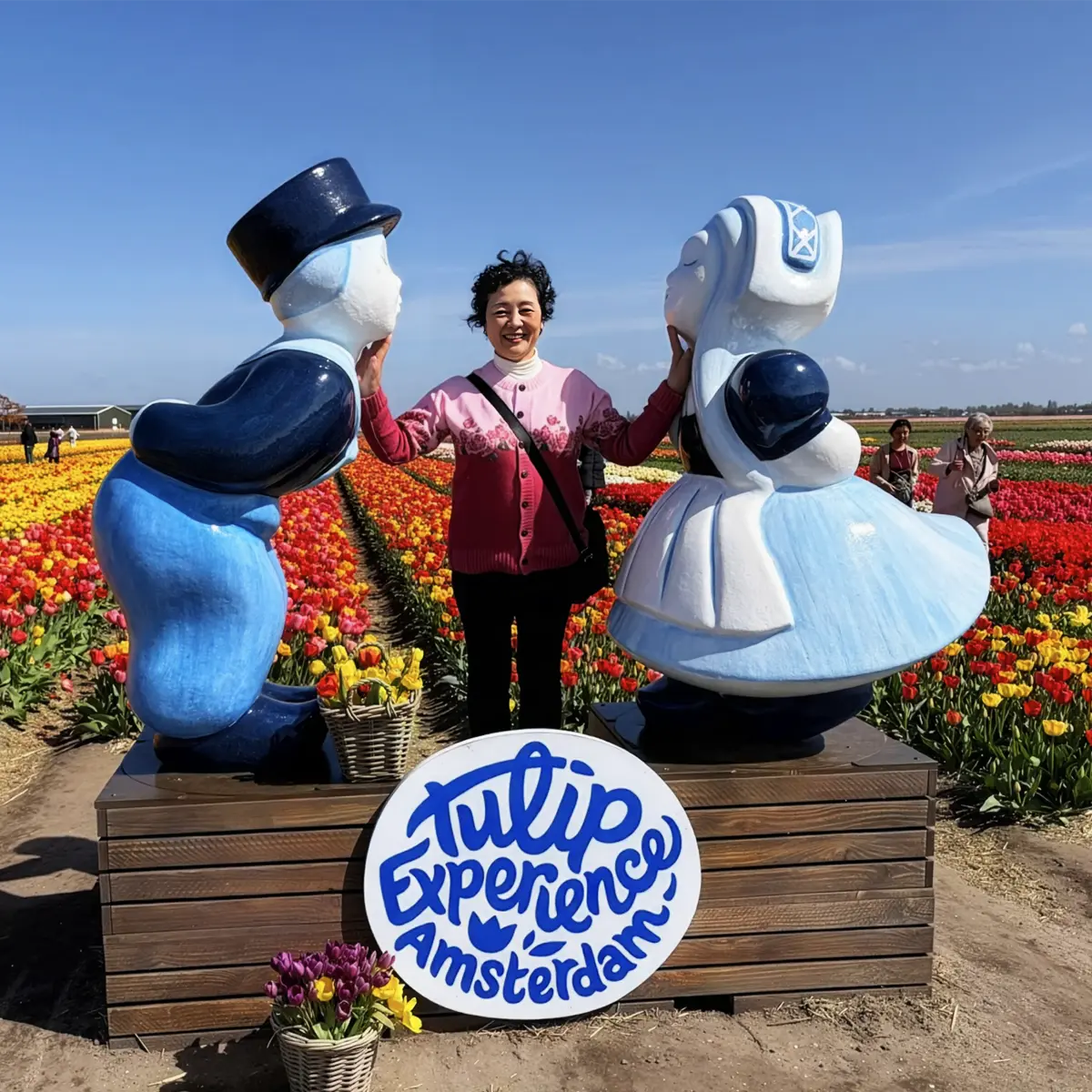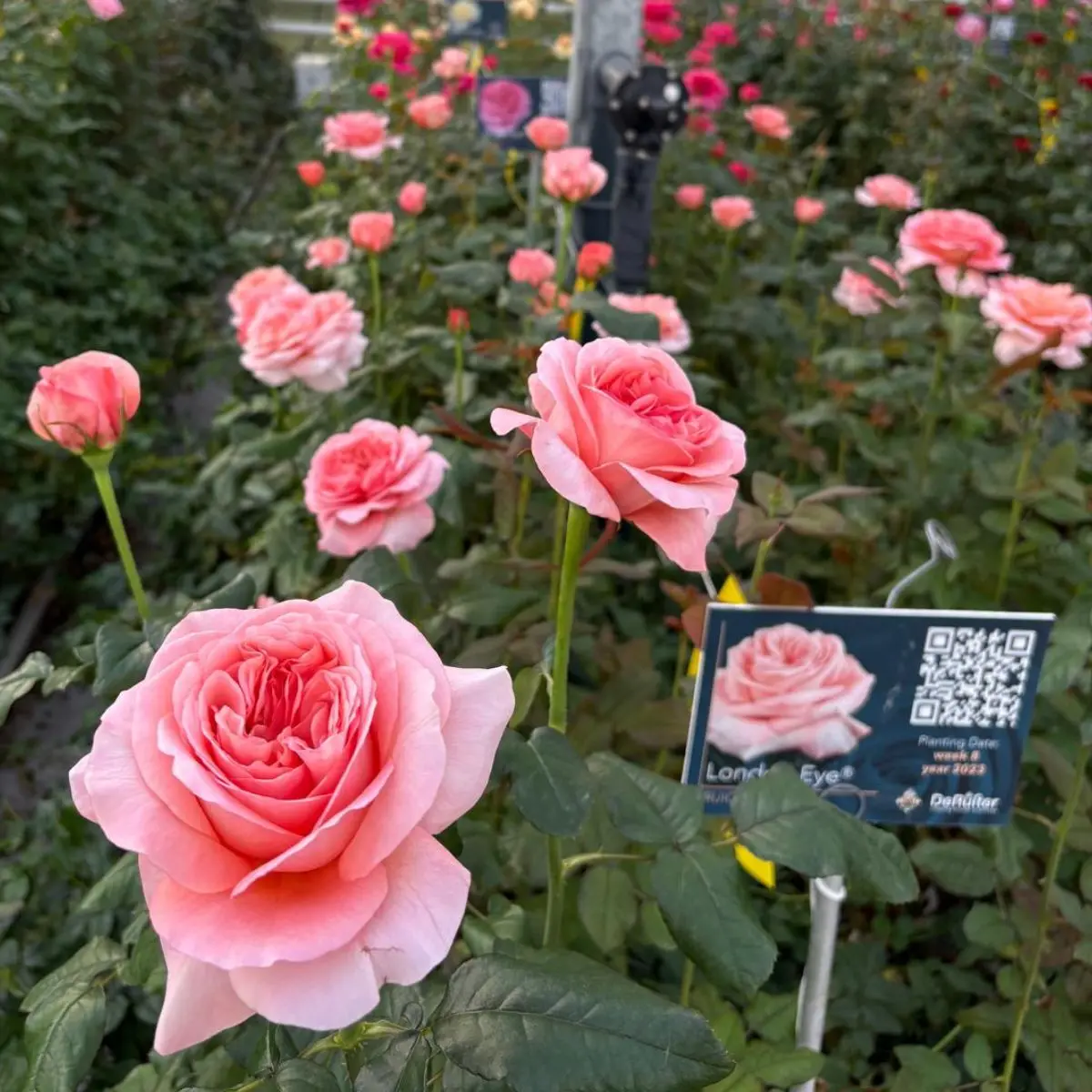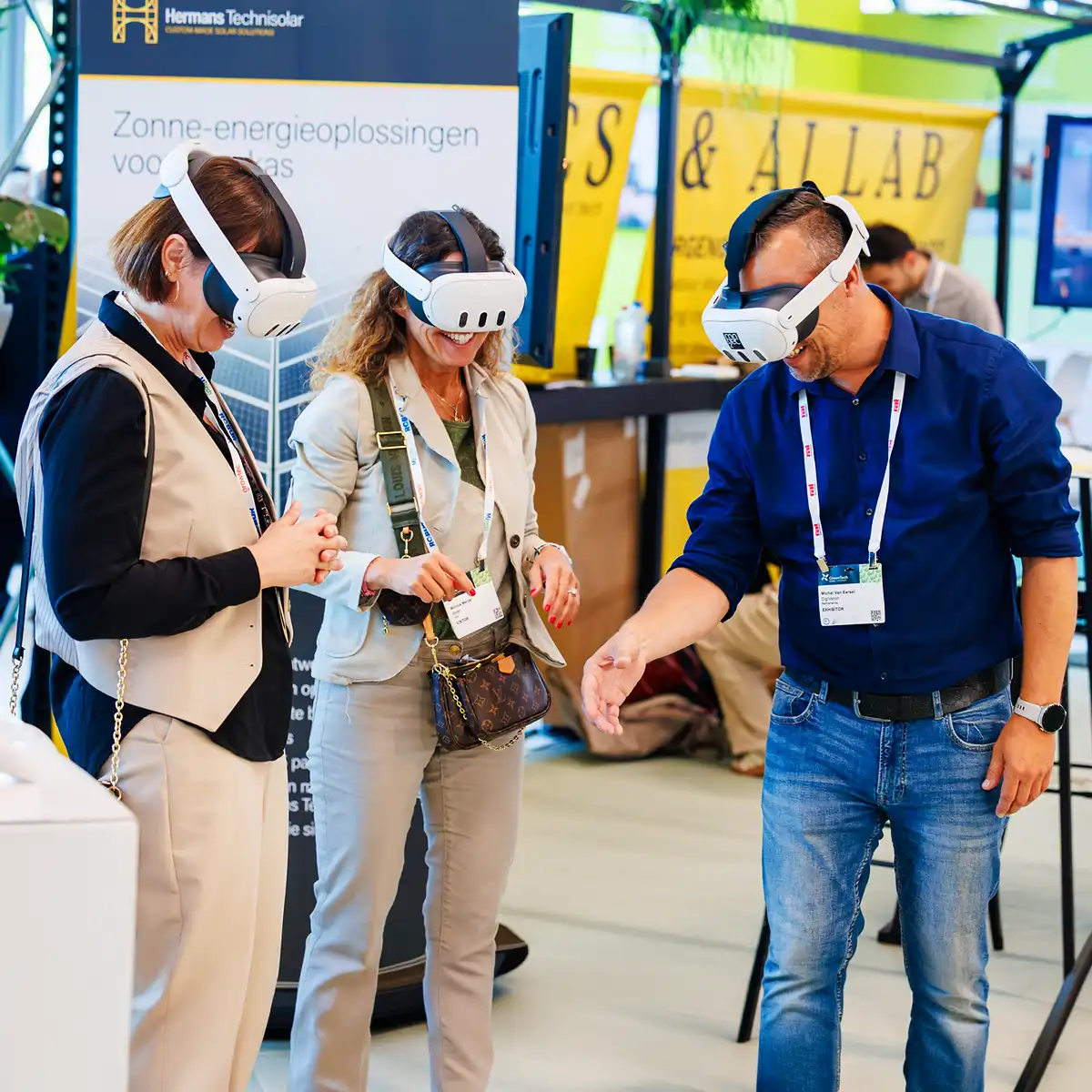
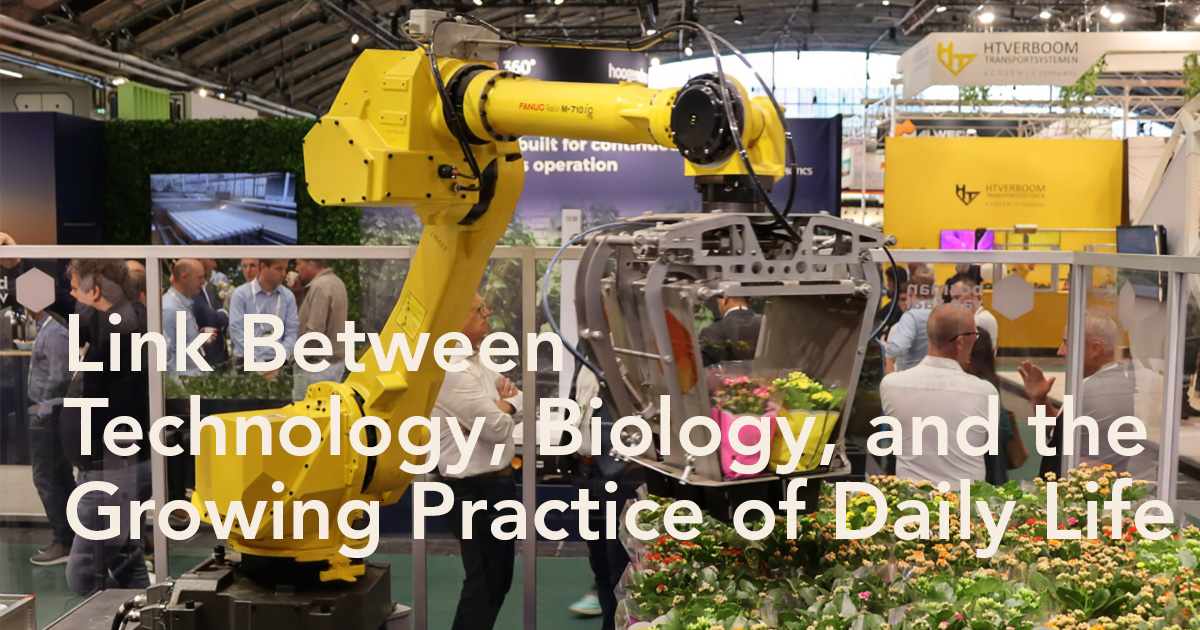
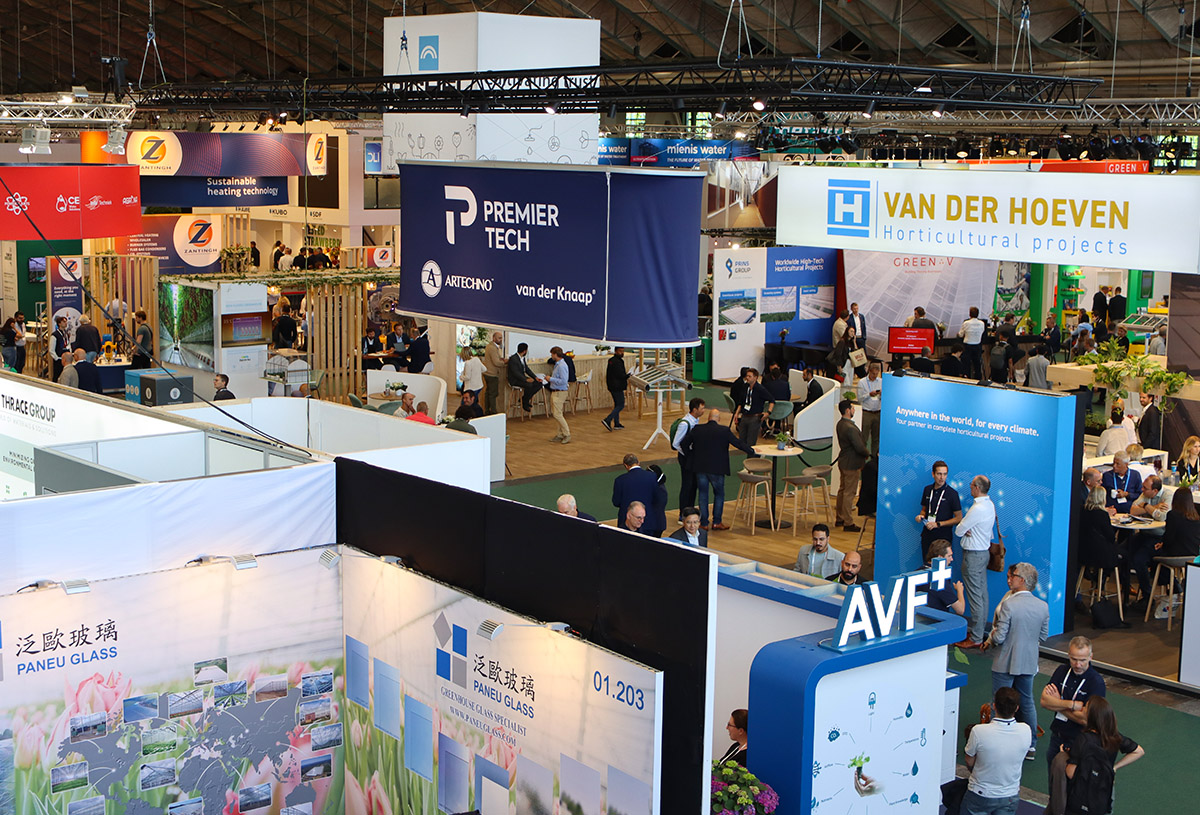
GreenTech Amsterdam 2026 has wrapped up, and this edition felt clear from the first morning to the final conversations on the floor. Over three days at RAI Amsterdam, in the Netherlands, the event again brought together tech companies, researchers, builders, breeders, growers, and industry suppliers and advisors from across the international horticulture sector. But more than that, it showed how this industry is trying to move forward: with fewer loose promises, more connected systems, and a stronger link between technology, biology, and the growing practice of daily life. "Connection" and "collaboration" are not empty words but realities and necessities for safeguarding the sector's future.
The main theme 'PURE' ran through the whole event. Not as a slogan hanging above the aisles, but as a practical direction. Less waste, less chemistry where possible, smarter use of water and energy, better data, stronger collaboration, and more attention to what actually helps the grower move ahead. That came back in the opening ceremony, the program, the awards, and the conversations at the stands.
The Opening Ceremony Put the Week in Perspective
The opening set the tone well. Instead of treating GreenTech only as a showcase for new equipment, it positioned the fair as a place where food security, climate pressures, economic resilience, and horticultural innovation converge. The broader message was that the sector is dealing with urgent questions now, not in the distant future. How do you produce more with fewer resources? How do you stay productive under pressure? And how do you use innovation without losing touch with natural systems?
What also came through in that first hour was the idea that horticulture is no longer only about isolated products. The opening leaned heavily into collaboration, international exchange, and integrated thinking. Technology was presented as something that should strengthen biology and support growers, not push them aside. That same line returned in the awards as well, where impact, practical application, and system-wide solutions clearly mattered as much as fresh concepts.
That made the opening useful for the rest of the week. It gave visitors a framework for reading the fair. GreenTech Amsterdam 2026 was not only about what is new. It was about what is usable, what is scalable, and what actually fits the future of production.
Green World and Tech World Helped Make the Fair More Readable
One of the better choices this year was the split between Green World and Tech World. It made the event easier to navigate and understand.
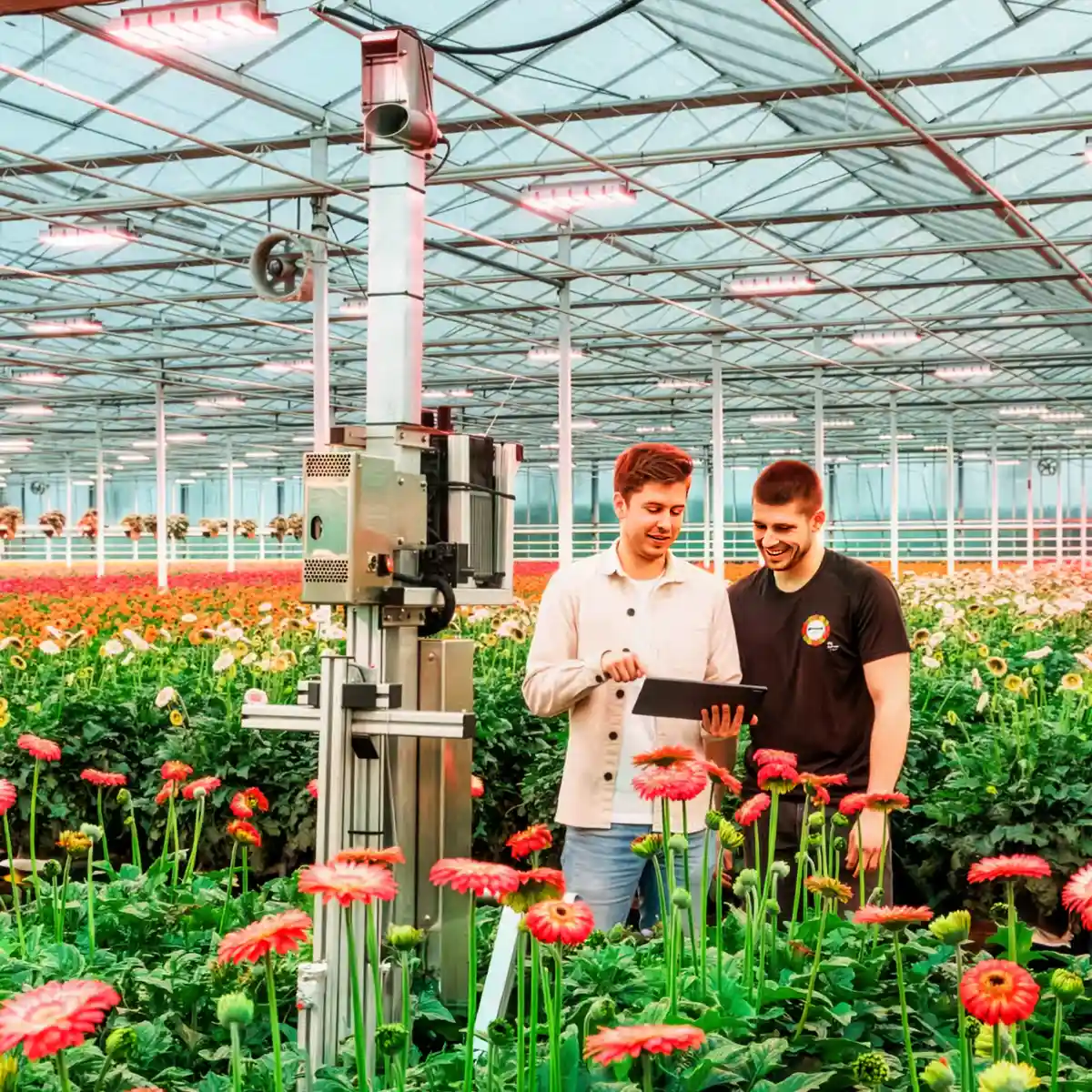
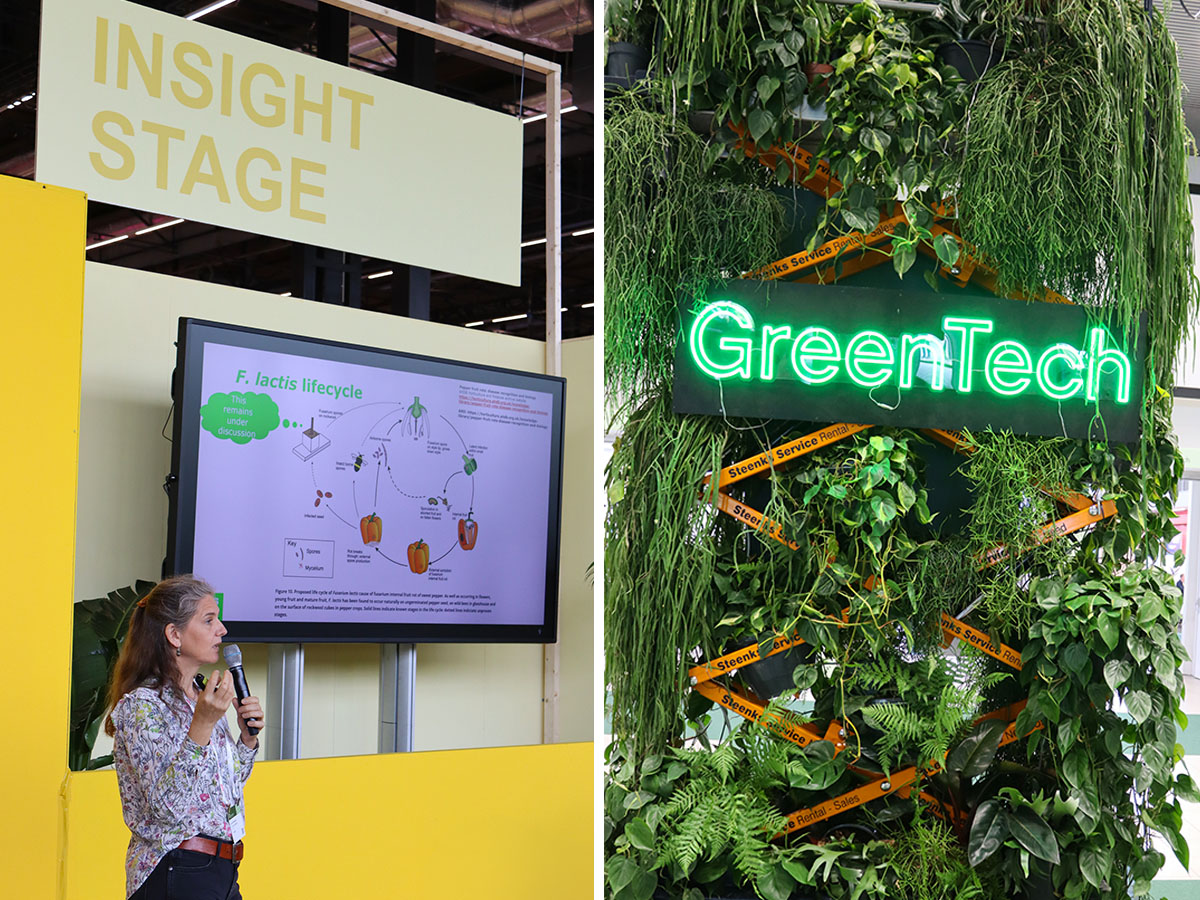
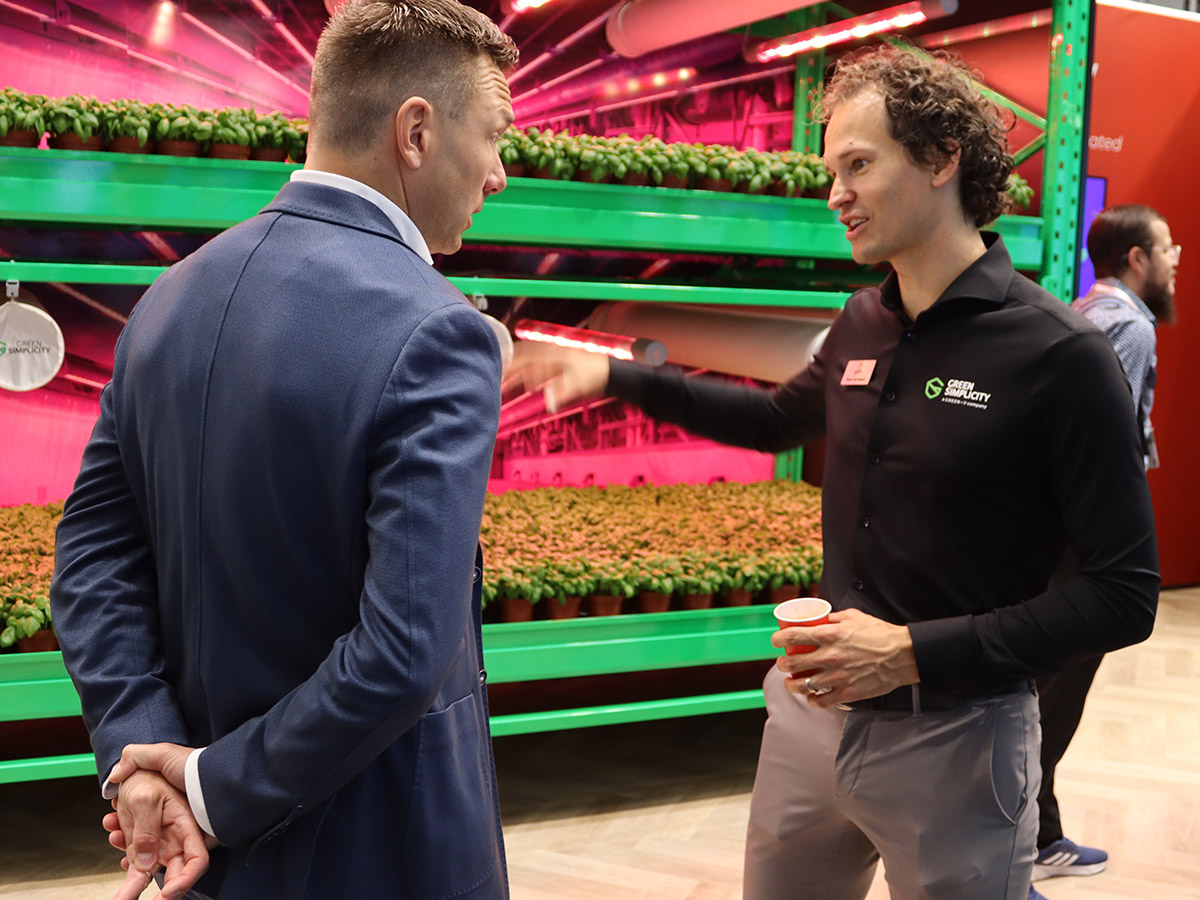
Green World brought cultivation, crop choices, renewables, and production methods more clearly into view. Tech World did the same for robotics, AI, sensors, digital platforms, and automation. Together, they made the event feel less like one long hall of unrelated stands and more like a fair with a clear internal logic.
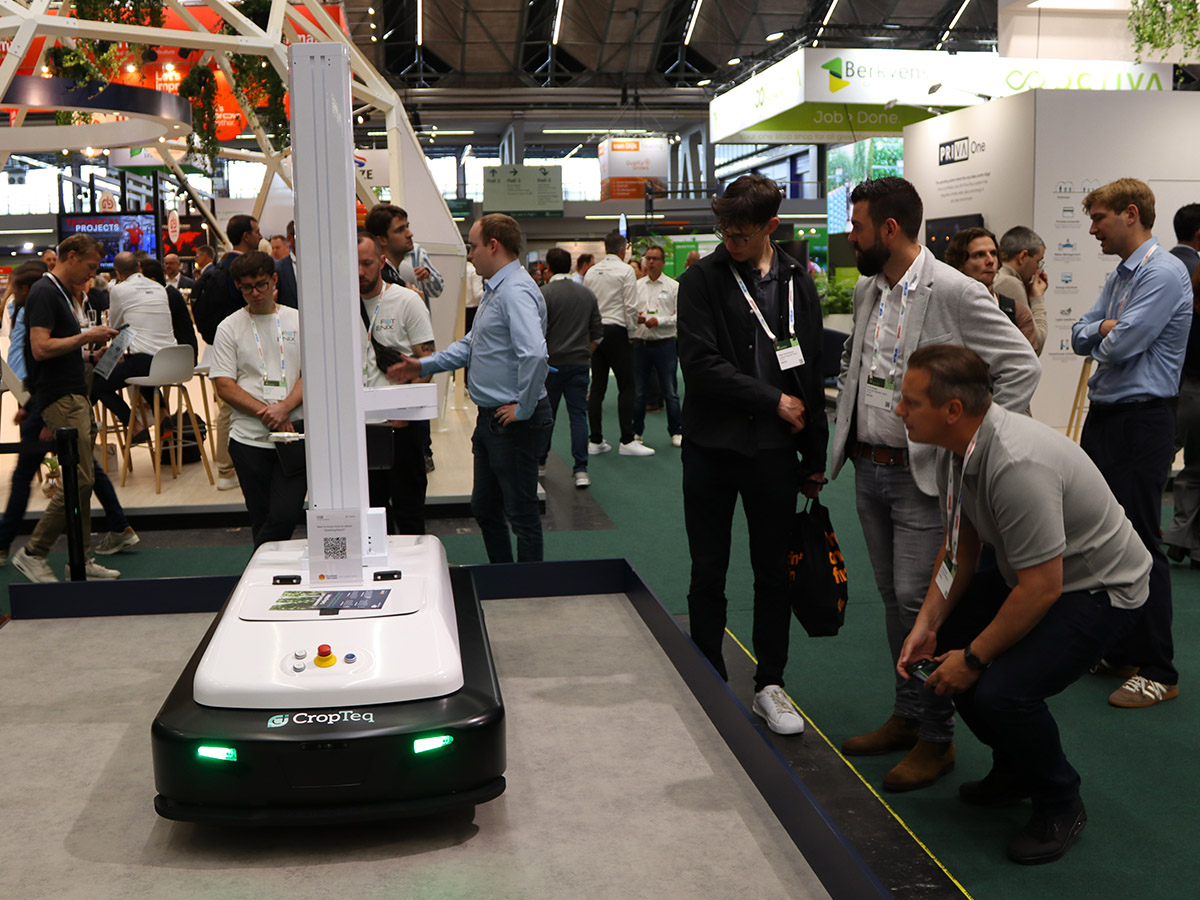
The Innovation & Insight area and the Robotics & AI Lab further strengthened that. They gave visitors more than products to look at. They created places where ideas, research, and market-ready solutions could sit side by side, which felt very much in line with the week's wider theme.
Opening With the Winners of the GreenTech Awards
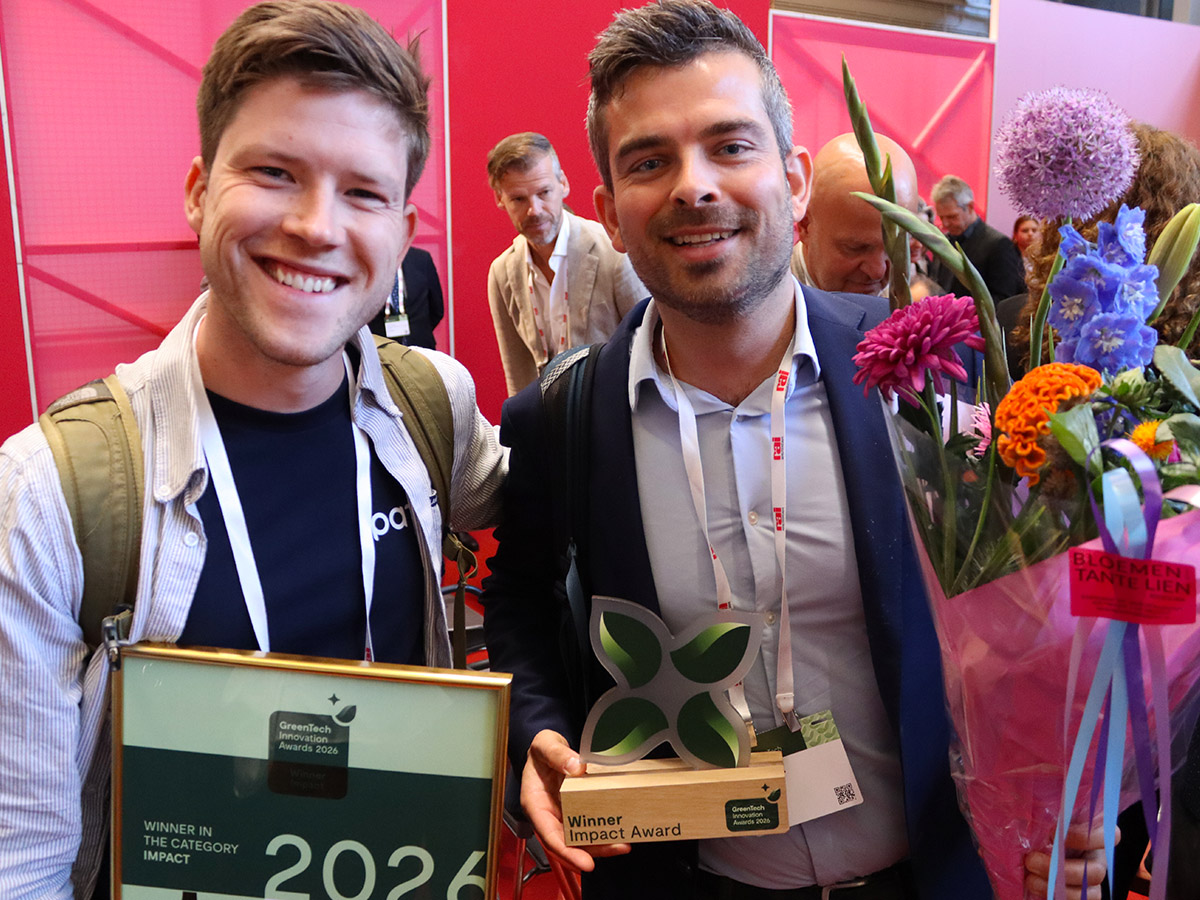
The winners of the GreenTech Innovation Awards were announced at the event's opening ceremony. There were three categories: GreenTech Innovation Award, GreenTech Concept Award, and the all-new GreenTech Impact Award. The purpose of this new category is to recognize organizations that have achieved significant real-world impact with an existing product, have at least 2 years of market presence, and have proven high impact on sustainability and revenue growth.
- The GreenTech Innovation Award was won by Belgian company Sensie. Their Sensie Omni is a wireless plant wearable that translates real-time root, climate, and plant signals into proactive growing strategies.
- The GreenTech Concept Award went to MANNA CEA from the Republic of Korea. They invented MESH: AI Greenhouse Automation & Management, a modular AI greenhouse control ecosystem that combines BLE Mesh, actuator-level modules, and edge intelligence to enable broader adoption across farms.
- The GreenTech Impact Award goes to PATS from the Netherlands. PATS-C is fully automated monitoring for moth pests that predicts caterpillars and helps growers prevent outbreaks, time interventions perfectly, and unlock biocontrol: Getting it right before they bite.
Check here if you want to learn more about all nine nominees. These innovations were showcased on the show floor, along with the full long list of novelties, 37 of which were submitted for the awards.
The Conversations on the Floor Added the Real Texture
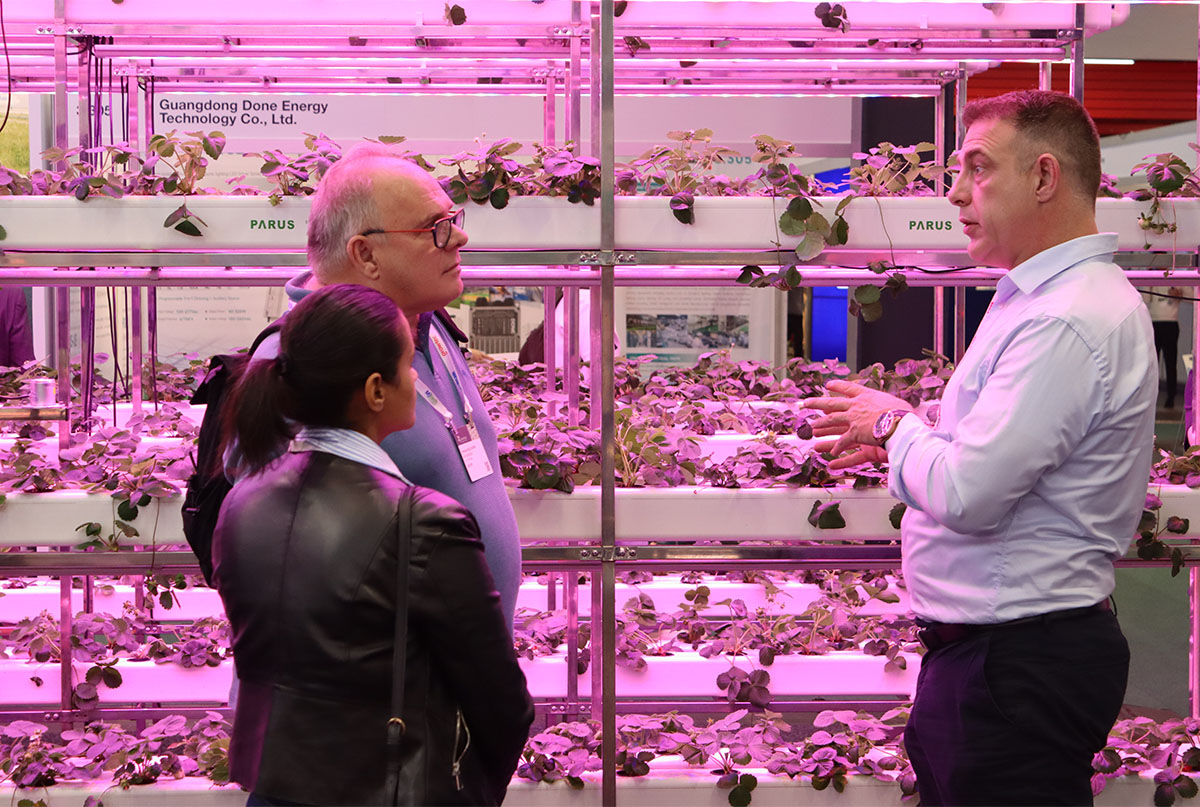
If the official program gave GreenTech its structure, speaking to exhibitors gave it texture. Again and again, the same message came back: growers no longer need one isolated tool. They need systems that work together, information they can actually use, and partners that understand the pressures of the real production environment.
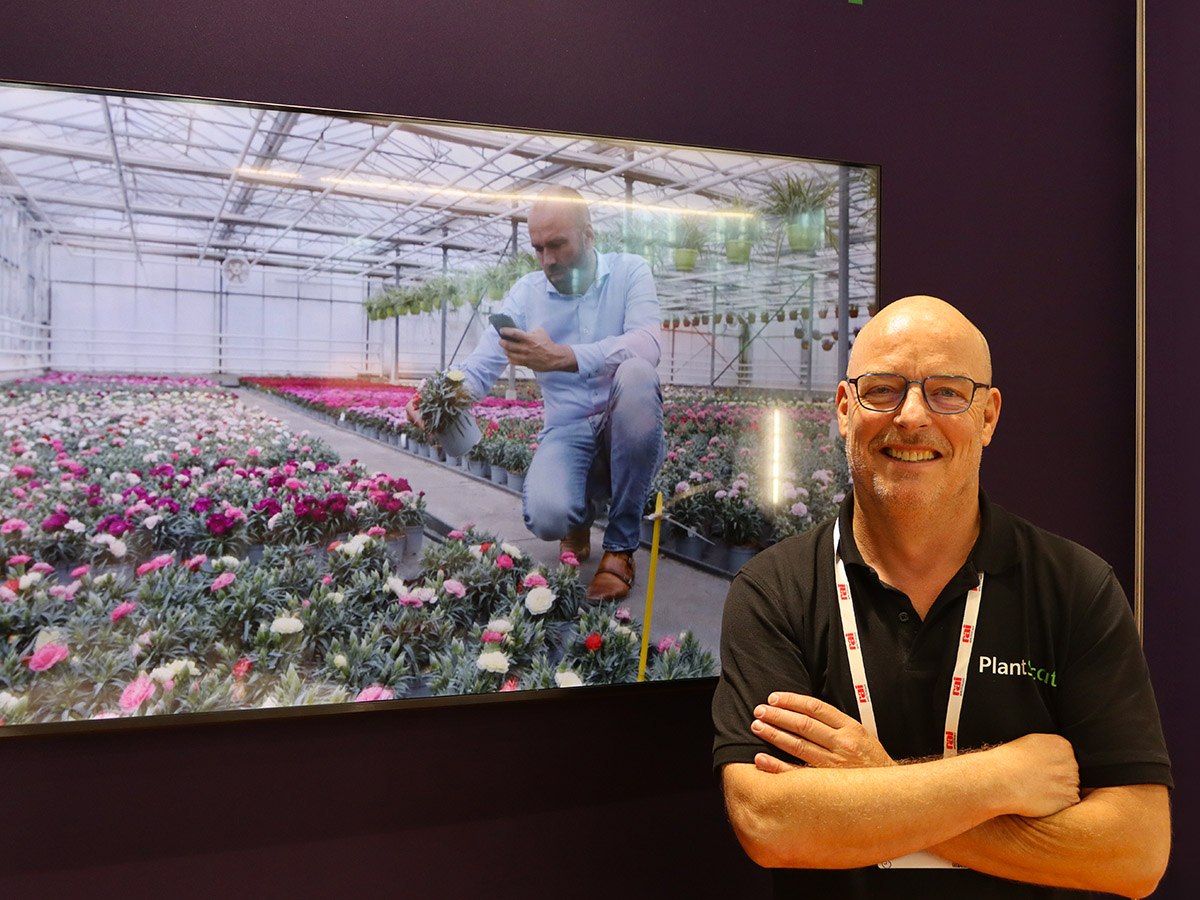
That came through clearly at PlantScout, offering digital scouting tools that help breeders, growers, and exporters record, organize, and act on crop observations. Co-founder Leo Swart framed the company's appearance as a practical experiment in co-creation rather than a classic software presentation:
"This is PlantScout's first trade fair in Europe, and standing here with Corvus Drones and AgriData Innovations (ADI) shows how different techniques can work together instead of creating even more separate tools for the grower."
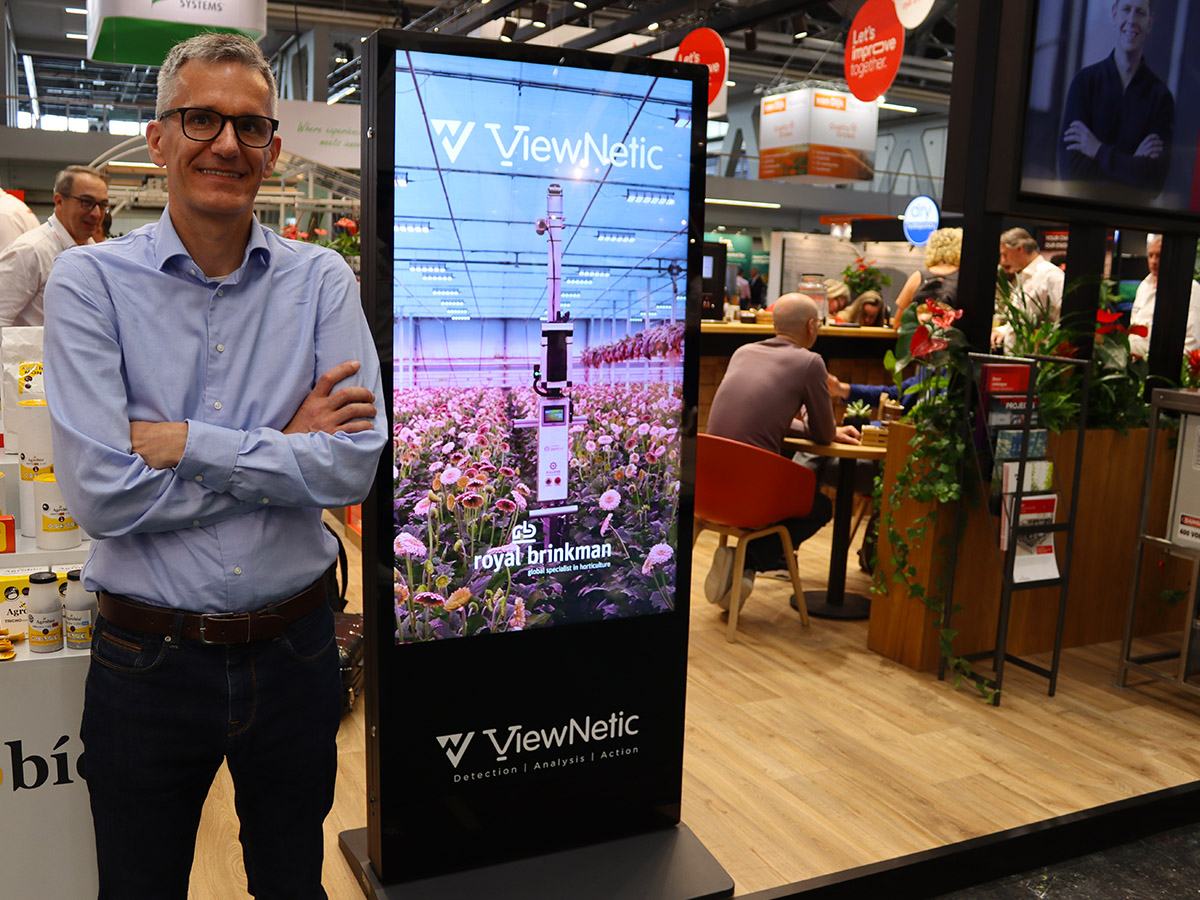
Royal Brinkman put a similar thought into slightly broader terms. Bringing 140 years of experience, this company supports horticulture with solutions in Integrated Crop Management (ICM), technical projects, and trade goods. Thomas Kern made it clear that the company was not there for shallow sales talk, but for deeper conversations about what customers in different markets are actually dealing with:
"The buzzword would be 'systemic approach'. That's why you have to look at a system where no single product or supplier can do it alone. Companies need to work together. For instance, drones. They can't do more than indicate where the moths are right now. That's already a lot more than we ever knew. But then you also have to know what to do about it. Also use that collaboration with other companies. Like a kind of conscious camera system that goes through the greenhouse, monitoring what's going on in the crop, under the leaves. Insects are super small, and early insect development is eggs and larvae. And that happens so quickly that we have to recognize them. On one hand, when are they there? On the other hand, how fast do they grow? And what is it? We also have to find a balance with natural enemies. All this takes a great amount of collaboration across the sector."
Elsewhere on the floor, the material side of horticulture was just as present. Director Luuk Groenewoud of Maan Bio-Based Products brand 'Growcoon' gave a concise explanation of why their story fits GreenTech so well:
"GreenTech suits us because it combines the technology the show stands for with a product growers immediately understand."
That line worked because it linked innovation to something tangible: a biodegradable growing solution that still has to perform under very different cultivation conditions.
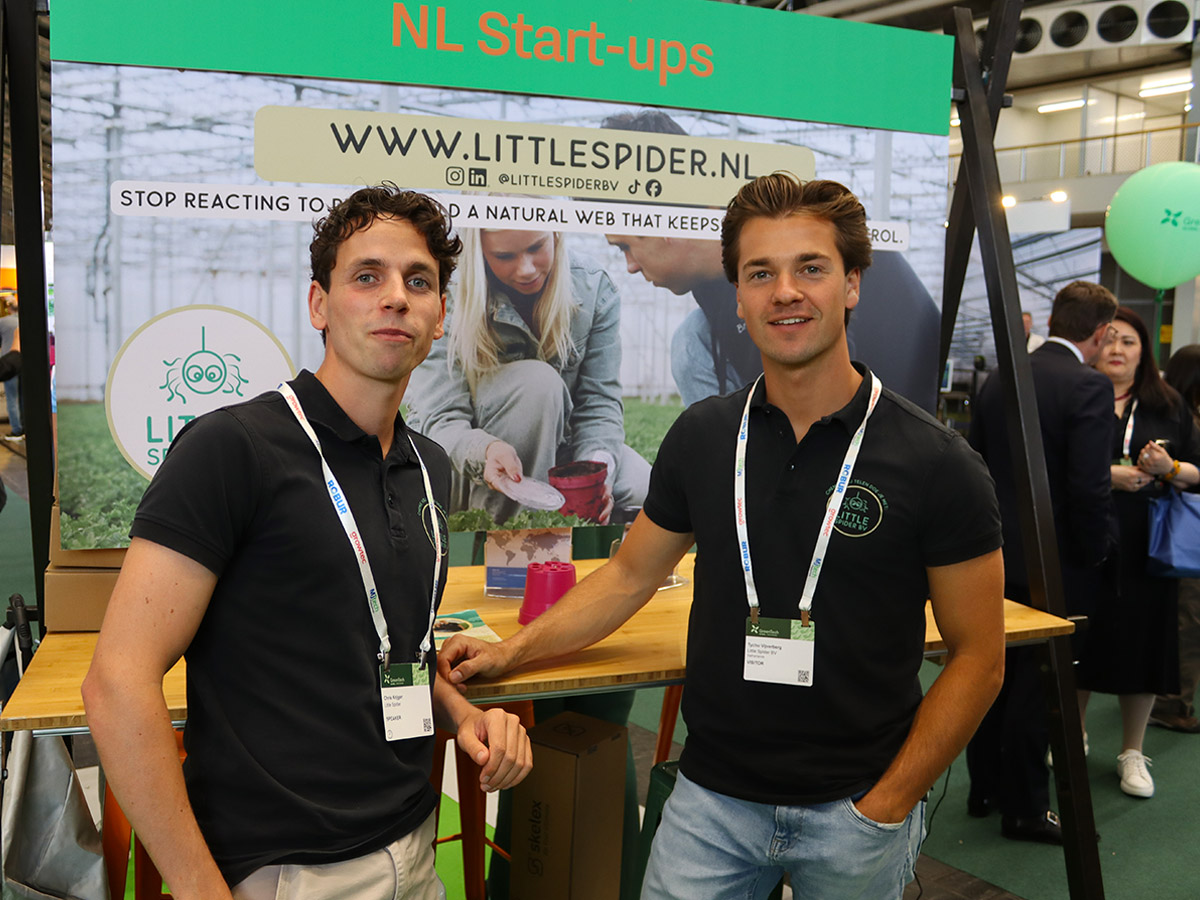
Even at a more straightforward supplier such as Van de Lande, the same practical logic was visible. Not every useful innovation at GreenTech was about AI or robotics. Sometimes it was about reliability, availability, and installation quality. As International Accountmanager Joeri Bras put it:
"We may be – to put it a bit bluntly – the plumber of horticulture, but with thousands of fittings and fast delivery we keep greenhouse installations moving. That's also technology, but of a different kind."
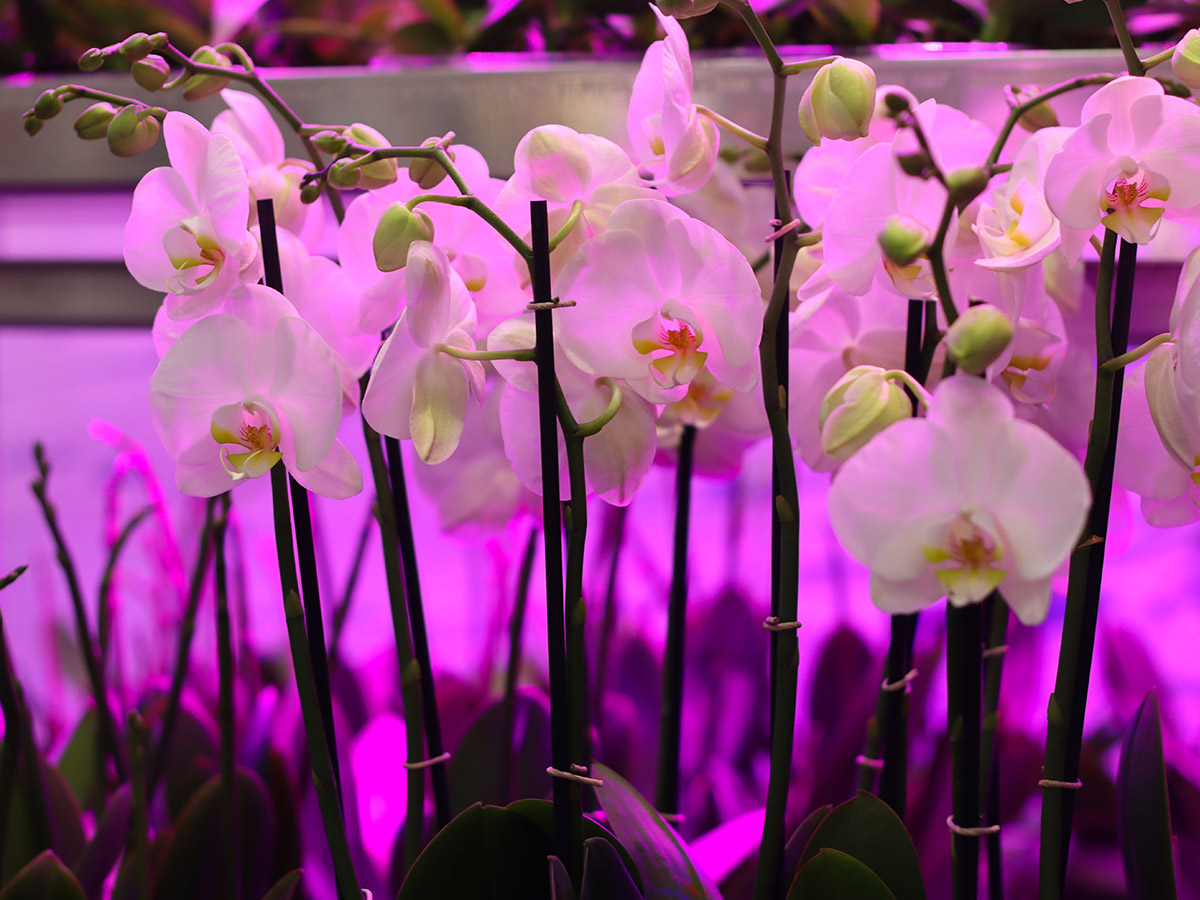
Anthura, a globally renowned breeder of Phalaenopsis, Anthuriums, and Bromeliads, added a floriculture angle to GreenTech Amsterdam. Erwin Koopstra, Manager Productmanagement & Marketing, was there with a daylight-free cultivation concept for Phalaenopsis. His core message was direct:
"We came to show that a fully closed, daylight-free Phalaenopsis concept can make local, high-quality production possible even in extreme climates and conditions."
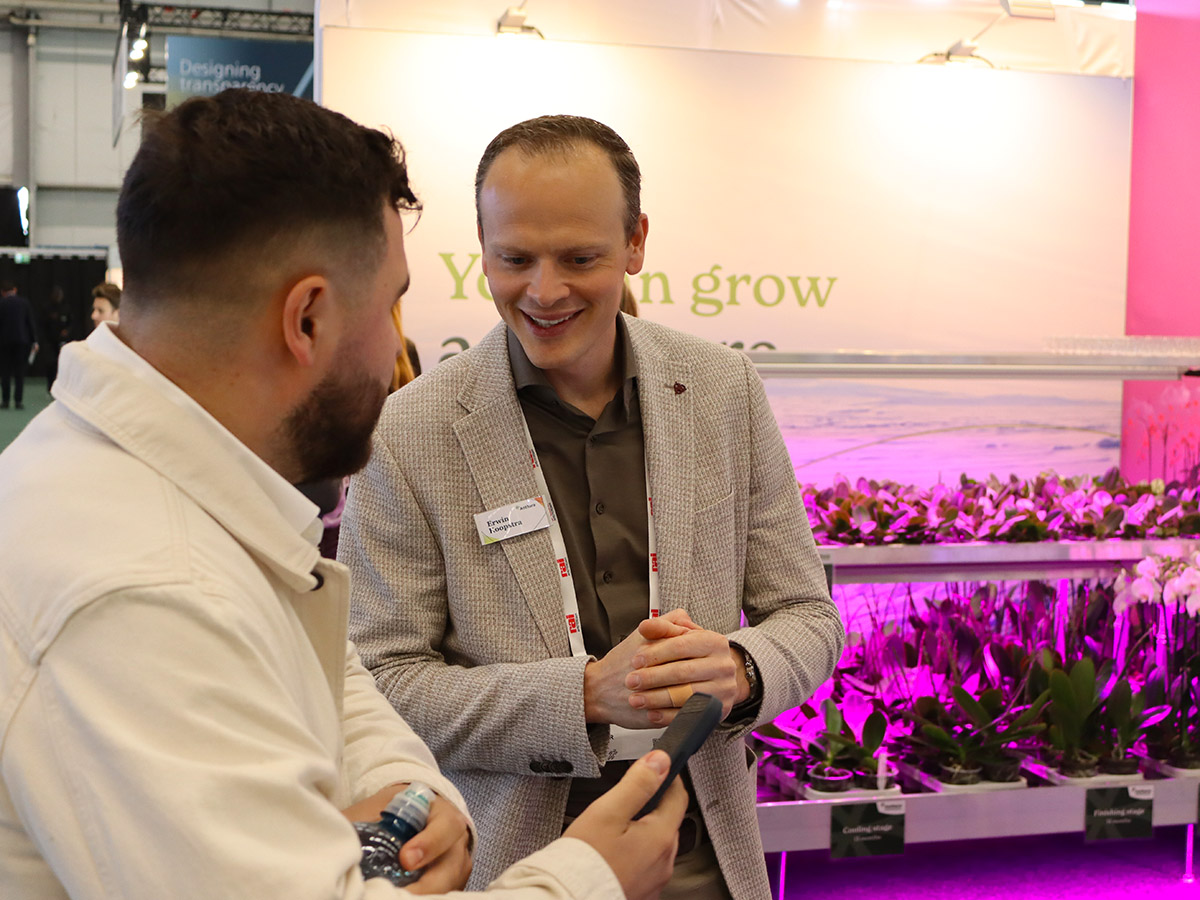
It was one of those stand stories that immediately pushed the discussion beyond breeding and into market access, local production, transport footprint, and controlled growing.
Wageningen University & Research brought in the research and network side of the story. Jochen Hemming did not present the organization as a student recruiter or academic outpost, but as a sector partner:
"We are here first of all as a knowledge partner for the sector, and this year Hort INspire gave that international role an even clearer form. HortINspire is a new international network for protected cultivation. The network brings together growers, companies, knowledge institutions, and other parties worldwide to share knowledge and practical experience more quickly and to make it easier to apply."
That mattered because GreenTech 2026 repeatedly showed how much the sector now depends on bridges between research, practice, and commercial application.
Delphy landed in a similar place, though from the advisory side. Erik de Rooij described the fair as a meeting point for global project opportunities rather than a place for direct selling:
"Our job is to make growers better. In that perspective, for us, GreenTech matters because the international market comes here, and if growers from around the world approach us for project support, the fair has done its job."
That fits the current shape of GreenTech quite well. The fair has become less about pushing individual products and more about building the combinations of expertise, technology, and knowledge that a project or grower actually needs.
Why This Matters for Floriculture Too
For florists and floral professionals, a fair like GreenTech can seem one step removed from daily work. But the link is there. The systems discussed in Amsterdam shape how flowers and plants are produced, the consistency growers can offer, the cultivation footprint, and the availability of products in difficult climates or changing markets. When companies like Anthura start talking about fully controlled local production, or when Royal Brinkman and PlantScout talk about integrated decision-making, those are not abstract greenhouse conversations. They are part of the chain that eventually reaches wholesalers, retailers, designers, and florists.
A Recap That Felt More Like a Direction Than a Conclusion
What remained after three days was not a single launch or a loud headline. It was the feeling that the sector is becoming more connected in the way it thinks. GreenTech Amsterdam 2026 showed a horticulture industry that is still moving fast, but also becoming more deliberate. More system thinking. More biological logic. More international collaboration. More attention to what works in practice.
That made this edition feel solid. Not because it tried to predict everything, but because it brought together the people, ideas, and tools that are already shaping the next phase of horticulture. In that sense, 'PURE' turned out to be a useful choice. It gave the week a thread, and by the end of the fair, that thread held together pretty well.
Next GreenTech Events
Did you get inspired to visit the next GreenTech event? Or perhaps showcase your company as an exhibitor? Then there are three opportunities for you coming up in the US, Latam, and back in Amsterdam:
- 23-24 September 2026 GreenTech North America in Philadelphia, USA
- 9-10-11 March 2027 GreenTech Americas in Querétaro, Mexico
- 15-16-17 June 2027 GreenTech Amsterdam in the Netherlands
Subscriptions are open for your booking!