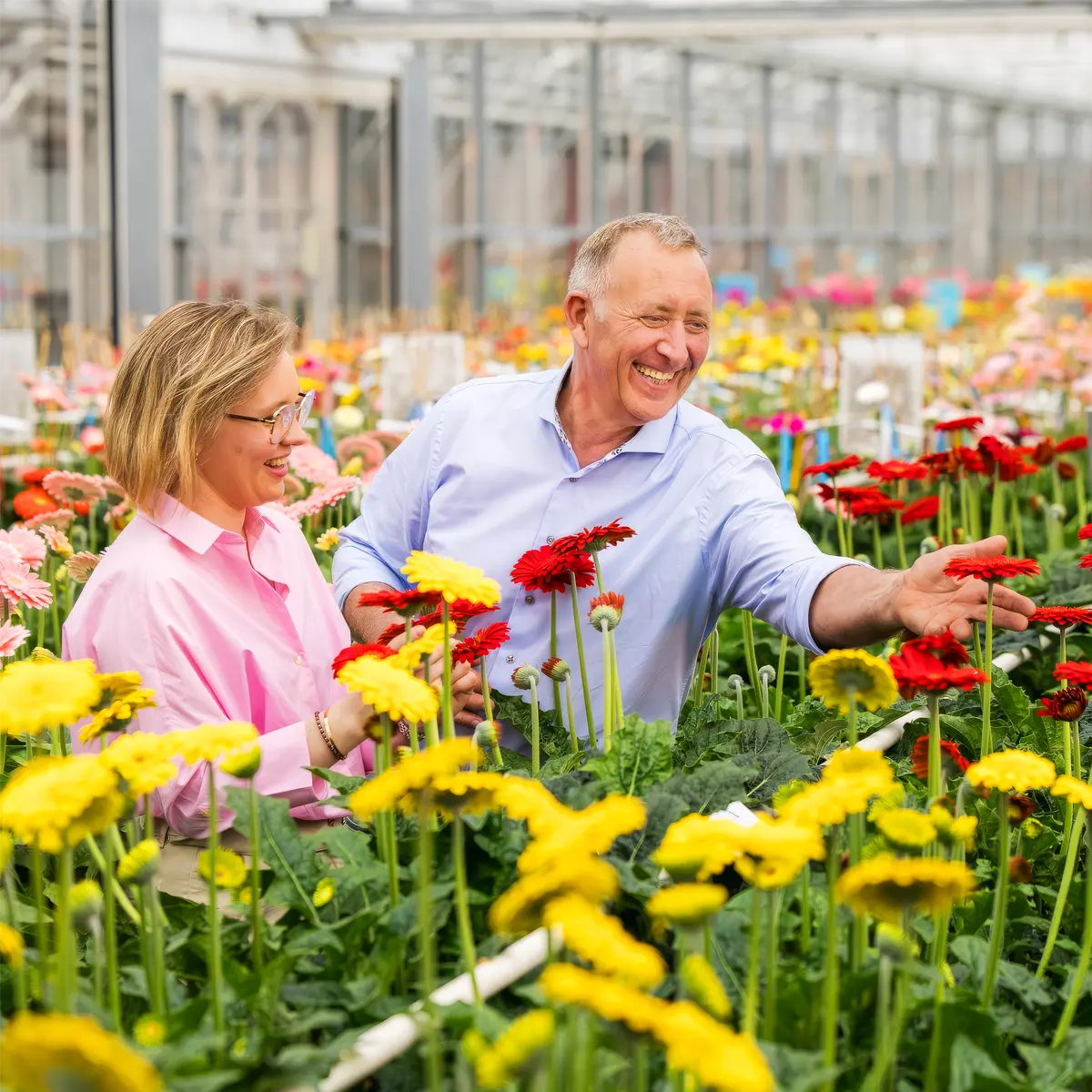

Isn't it about time the floricultural industry finds the right way to control Botrytis? Finally, someone is taking up the challenge. Several renowned flower and fruit breeders are joining forces with Wageningen University to combat this persistent plant disease. Good progress is already underway. Here's the current status, first-hand shared by the initiators.
Botrytis Is Everybody's Problem
Botrytis cinerea, often called grey mold, is one of those issues that doesn't respect the boundaries between growers, traders, and florists. A crop may appear clean in the greenhouse, but quality can drop rapidly after harvest, during packing, or along the cold chain. By the time roses reach a wholesaler's box line or a florist's cooler, the problem may be visible, costly, and difficult to reverse. That's why Botrytis creates tension across the supply chain: no one wants to ship risk, and no one wants to receive it either.
For growers, Botrytis pressure can increase rapidly when conditions fluctuate between humid and dry, when nights cool, or when the canopy remains wet for extended periods. For traders, it's often a story about time and temperature: how quickly a shipment moves, how well the cold chain is maintained, and how carefully mixed loads are handled. For florists, it's simple and brutal: petals mark, buds fail, and a premium bunch can suddenly feel like a liability. Everyone ultimately pays for the same biology, just at different times.

A 101 on Botrytis – What Is It?
Botrytis cinerea is a fungus that infects plants and causes a disease commonly called grey mold or botrytis bunch rot. It is a necrotrophic plant pathogen, meaning it kills plant cells and then feeds on the dead tissue. It's one of the most economically important plant pathogens (something that can cause disease in a living organism) worldwide, causing serious losses in many fruit, vegetable, and ornamental crops pre‑ and post‑harvest.
Typical symptoms are soft, water‑soaked rot and brown lesions that soon become covered with a characteristic grey, fuzzy mold made of spores. It can infect flowers, leaves, stems, fruit, and even stored produce, especially under cool, humid conditions.
The fungus produces large numbers of asexual spores (conidia) on branching structures called conidiophores, which form the grey, dust-like growth observed on infected tissue. It also forms hardened survival structures (sclerotia) that allow it to persist in crop residues, soil, or on dead plant material, and then initiate new infections when conditions become favorable. Spores spread primarily through air movement and splash dispersal; therefore, dense crops under high-humidity conditions are particularly at risk.

The Collaboration: Five Rose Breeders + Wageningen University & Research
To address this shared reality, five renowned rose breeders have partnered with Wageningen University & Research (WUR) in a multi-year R&D collaboration focused on Botrytis cinerea. The rose partners are the breeders United Selections, De Ruiter Innovations, Interplant, Dümmen Orange, and Meilland International.
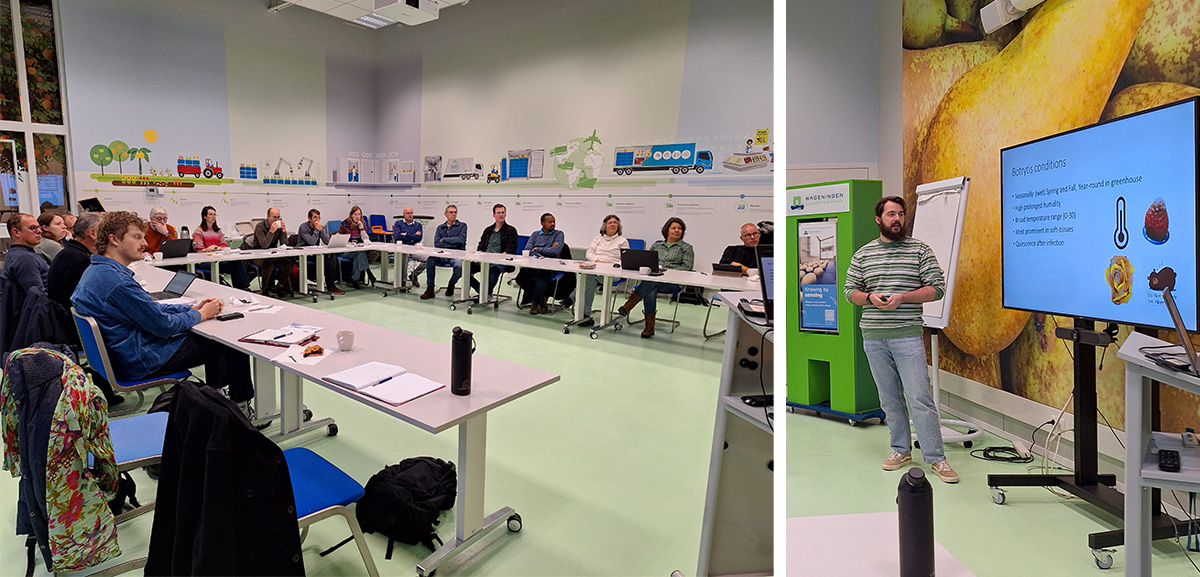
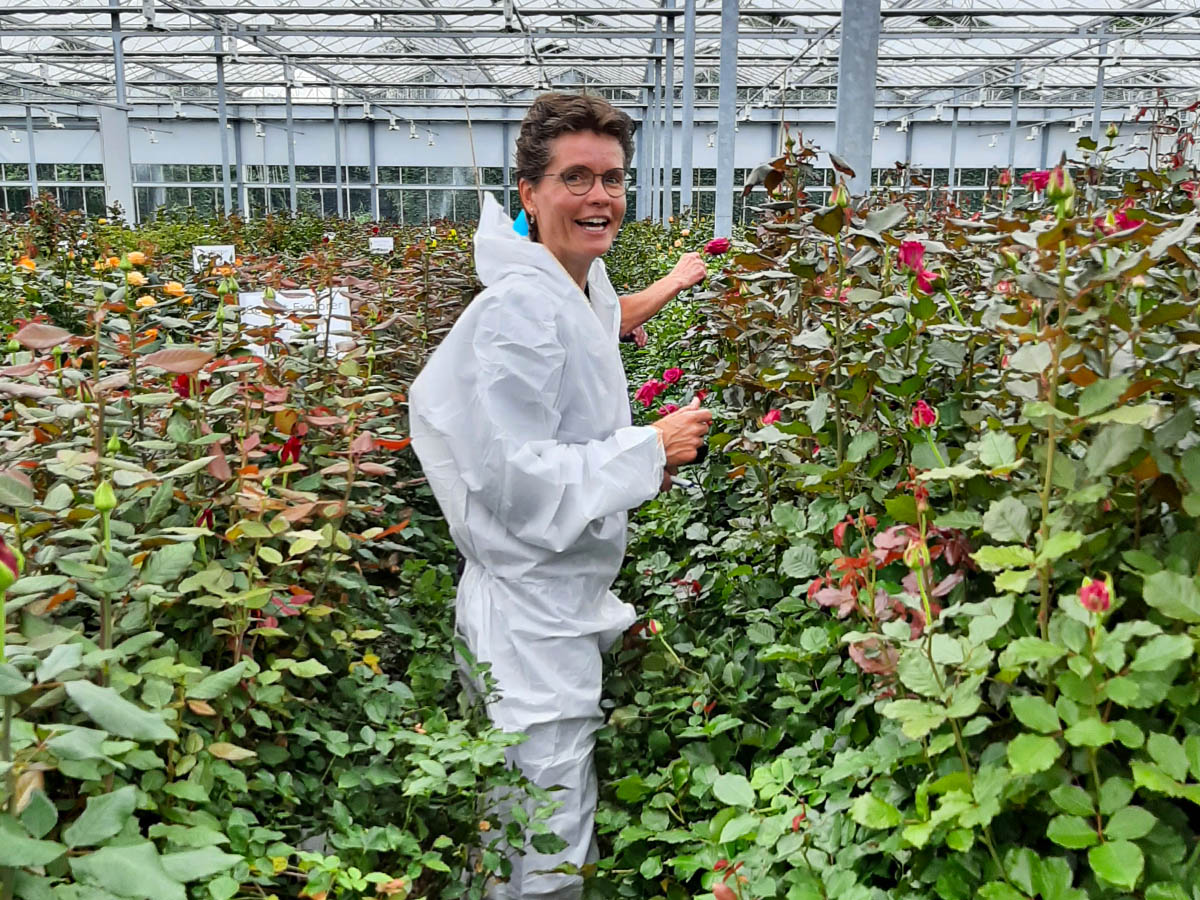
Kenyan rose farm Xpressions Flora is also involved, supporting the project by providing greenhouse space to grow roses from various gene pools owned by rose breeders. This reduced the confounding environmental effects on disease-sensitivity observations by growing in the same area, rather than in different companies under varying microclimates and crop management.
The setup is deliberately pre-competitive, meaning the focus is not on who launches what variety first, but on building knowledge and tools the sector can use to breed better roses over time.
That pre-competitive angle matters. Botrytis is complex, and repeating the same experiments across five separate programs would be costly. By aligning methods and sharing research frameworks, the partners aim to accelerate learning and reduce the uncertainty that often surrounds disease screening. Within the broader project structure, breeders from other crops, such as strawberries, are also involved, which makes sense because Botrytis is a serious problem across multiple high-value crops and can be studied from multiple angles. Additional research partners include the asparagus and strawberry breeder Limgroup and the fruit breeder Fresh Forward.
Why This Matters Right Now
Pressure is not going down. Producers are asked to maintain quality while reducing chemical inputs, managing climate variability, and meeting stricter market expectations. At the same time, the rose market remains competitive, with customers expecting consistent performance from premium stems. In that context, any improvement in Botrytis tolerance is not a small upgrade. It can affect shelf life, transport risk, claims, waste levels, and consumer confidence when buying and selling roses week after week.
The Real Target: Susceptibility in the DNA
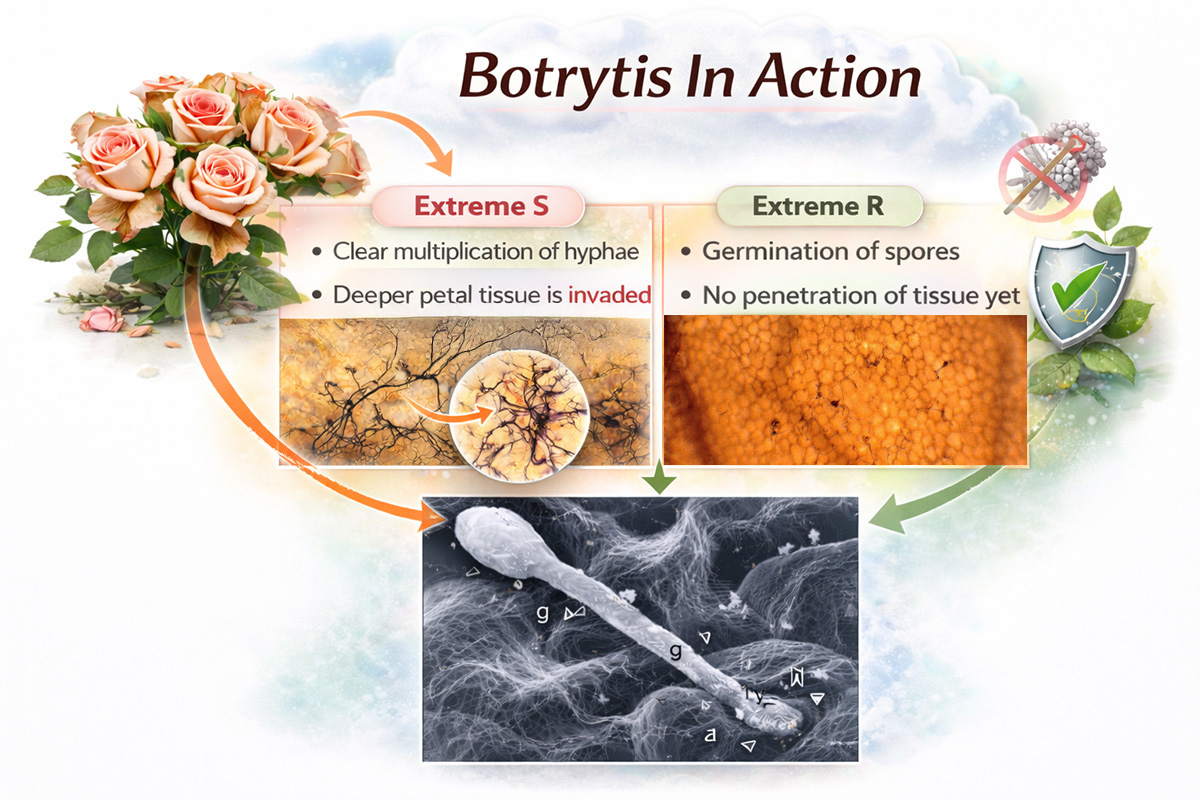
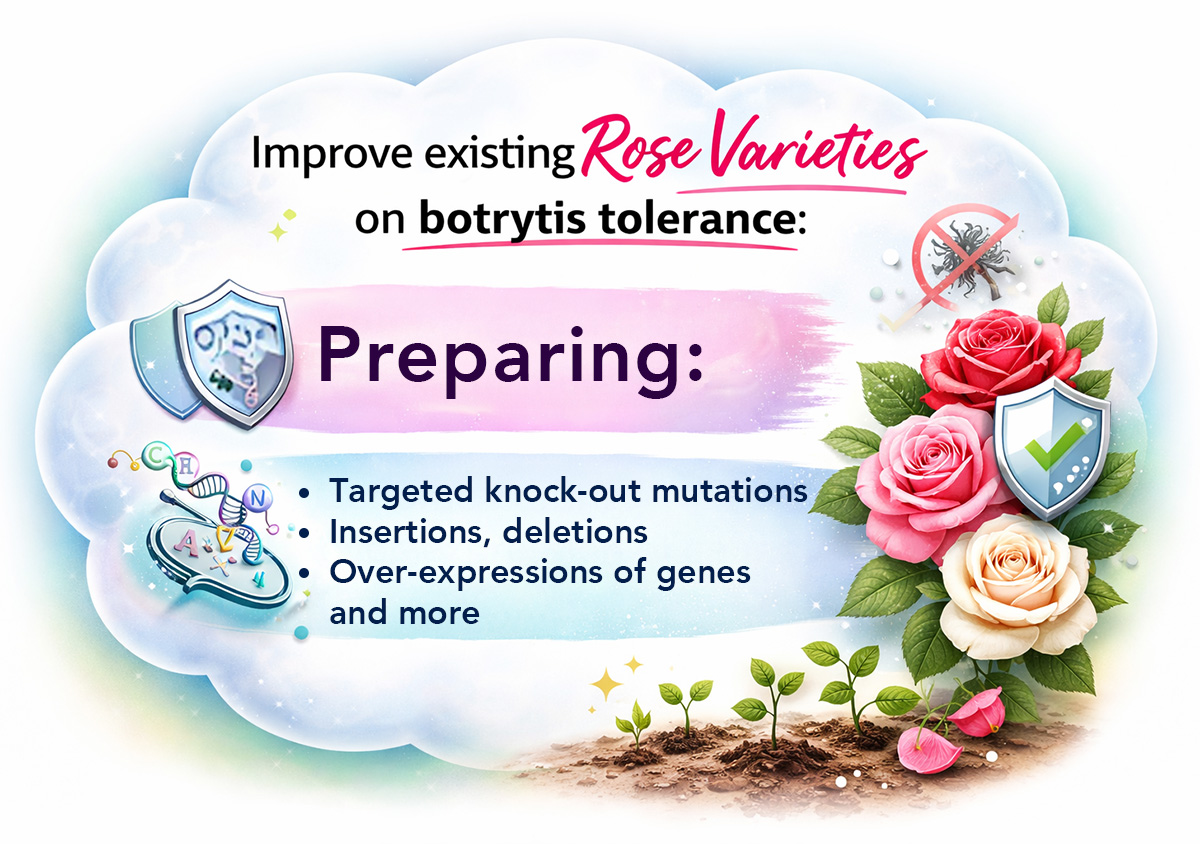
A key part of this project is that it not only looks for classic resistance in a broad sense. The team is focusing on the plant's DNA to understand susceptibility: the genetic factors that make a rose more likely to suffer from Botrytis under stress. This is where terms such as 'susceptibility genes' (S-genes) come in. The idea is straightforward: if certain genes or gene regions contribute to vulnerability, then reducing that vulnerability through breeding becomes a measurable, trackable goal.

For breeding programs, this matters because it can improve preselection. Instead of growing large populations and waiting for disease pressure to reveal winners and losers, breeders can use genetic signals to make earlier decisions. That does not replace field and greenhouse testing, but it can make the funnel smarter, faster, and more cost-effective. Over time, that can lift the baseline performance of new material moving through the breeding pipeline.
S-Genes, Natural Variation, and Avoiding Side Effects
One reason breeders have historically been cautious around disease traits is the risk of side effects. If you push too hard on one trait, you may inadvertently lose another: bud shape, vase life, productivity, color stability, or postharvest behavior. This project takes that concern seriously. The research examines natural variation in S-genes and gene dosage to improve Botrytis outcomes while minimizing trade-offs.
That's a very practical mindset. The supply chain does not need a rose that survives Botrytis but fails in transport, or opens poorly, or performs inconsistently in the florist's cooler. The best result is balanced: a rose that is easier to grow, safer to ship, and easier to handle at the retail and event levels.
What's Happening in the Research
The collaboration has been underway for about three years, and the partners have indicated that the results are promising enough to begin discussing the direction and progress. Although this remains research and development, not a finished product, the work is grounded in methods that can yield actionable insights for breeding.
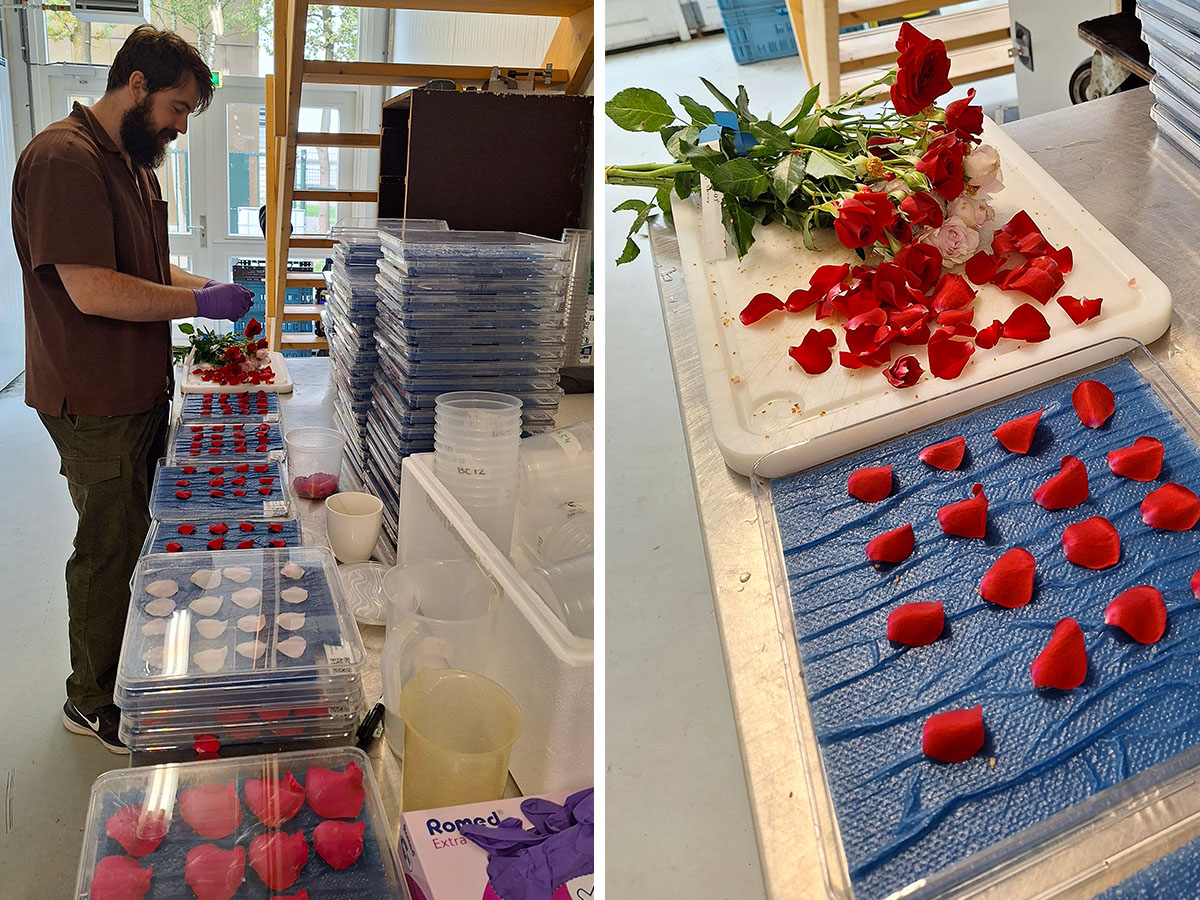
The project includes several research components that support selection and understanding:
- Optimizing bioassays for roses and strawberries: Bioassays are experimental tests to check whether rose or strawberry tissue is damaged by microorganisms, pathogens, or pests. To test which roses are most or least damaged by Botrytis, it is important that bioassays be repeatable and meaningful so results can be compared across rose materials and over time.
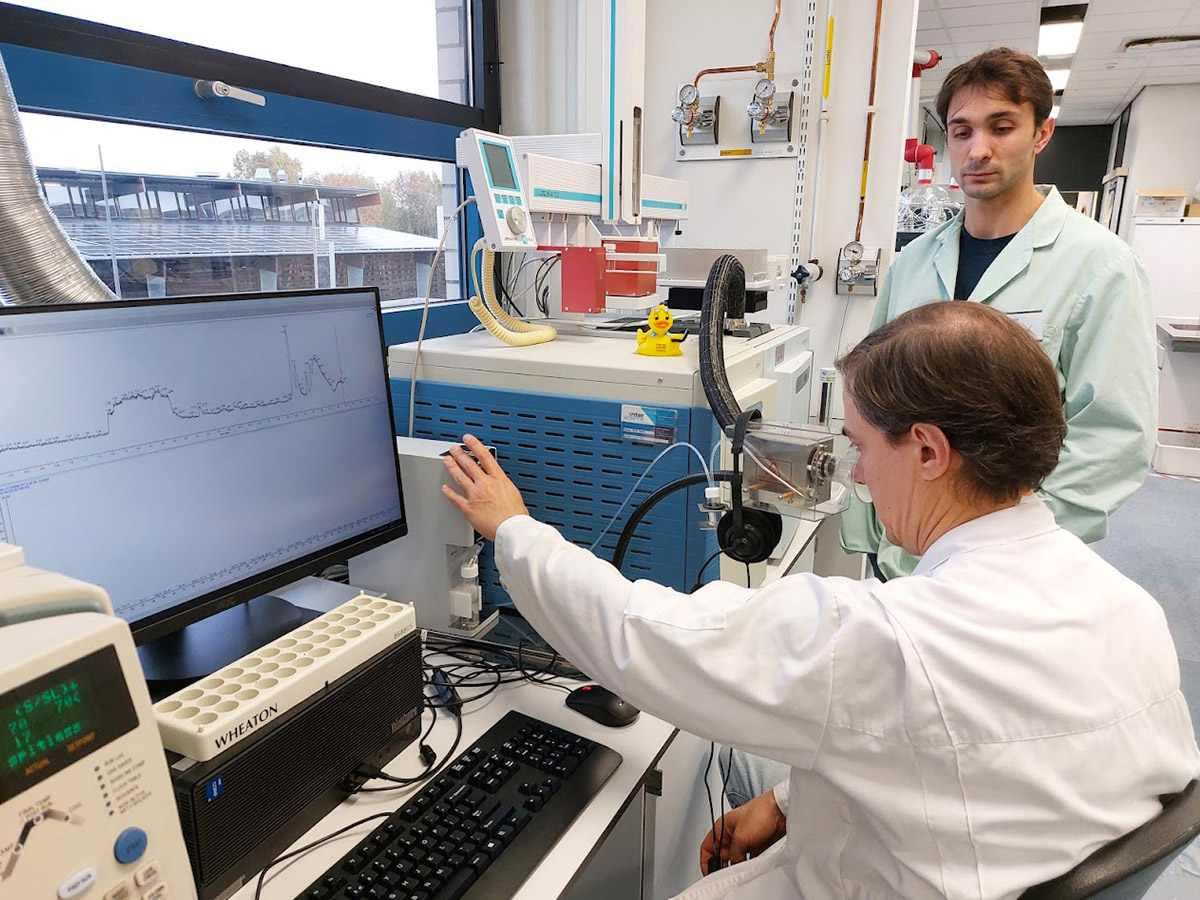
- Advanced phenotyping: Phenotyping is the process of measuring and analyzing the observable characteristics (traits) of an organism. Using modern measurement approaches, including hyperspectral imaging, enables detection and quantification of responses that the eye alone might miss.
- Identifying QTLs linked to Botrytis performance: Quantitative trait loci (QTLs) are regions of DNA that influence variation in traits that are measured on a continuous scale, such as height, yield, or disease resistance. The goal is to map genetic regions that correlate with stronger outcomes under infection pressure.
- Exploring susceptibility-related DNA regions: By focusing on genetic signals linked to vulnerability, breeders can select against those weak points.
Put simply, the team is building a stronger bridge between what happens in controlled tests and what breeders can use in real-world selection decisions. The goal is not academic novelty for its own sake. The goal is to deliver usable knowledge that makes breeding more efficient and reliable.
What Growers Get Out of This
On the production side, Botrytis management often follows a layered strategy: climate control, hygiene, crop balance, scouting, and timely interventions. That will not change. But genetics can make the whole system less fragile. If varieties are less prone to Botrytis damage, growers may see fewer sudden breakdowns near harvest and fewer quality surprises when stems enter postharvest handling.
Higher tolerance can also support the broader push toward sustainable production. If the baseline risk is low, it is easier to reduce chemical dependence while maintaining quality. That can matter for certification, for customer expectations, and for long-term cost management. It also matters emotionally: fewer rejected lots, fewer complaints, fewer tense calls when something goes wrong after the stems leave the farm.
I am running a few minutes late; my previous meeting is running over.
What Traders and Logistics Teams Get Out of This
For wholesalers and logistics teams, Botrytis is a reliability problem as much as a quality problem. One weak batch can lead to additional sorting, increased waste, and a wave of customer dissatisfaction. It can also complicate mixed loads and shared cold-chain environments, where a single issue can quickly spread risk. Even when claims are not filed, relationships suffer when performance is unpredictable.
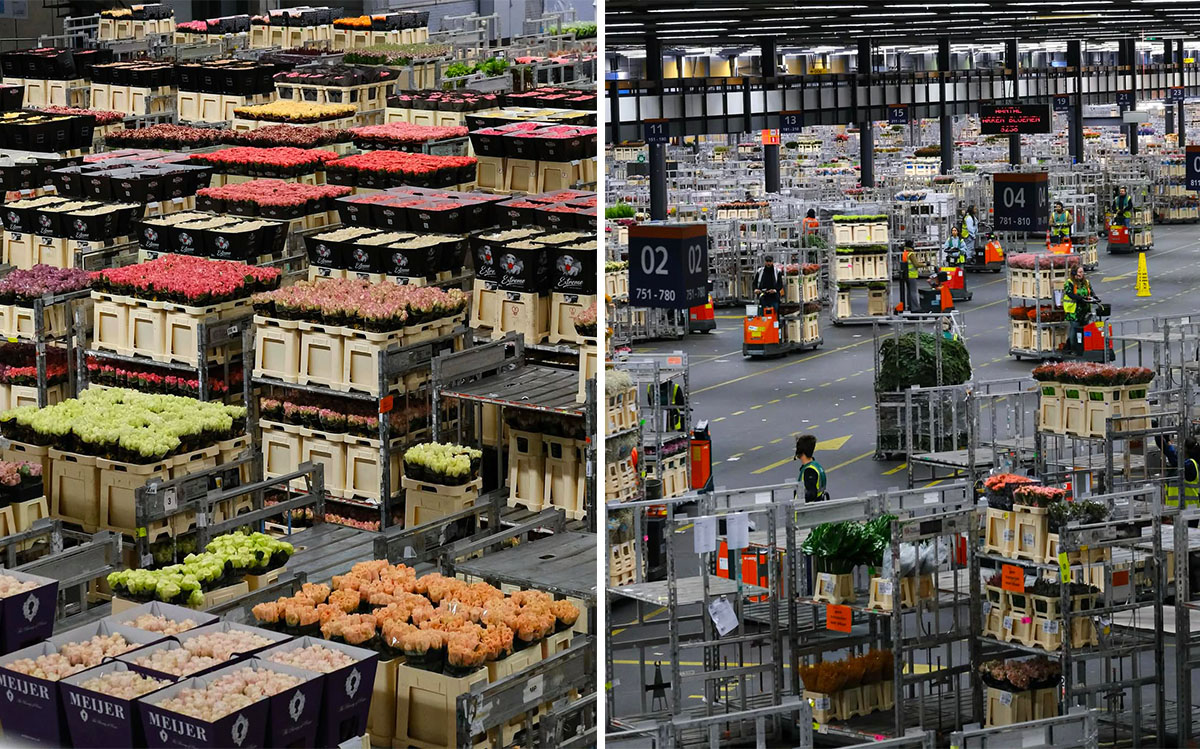
Improving genetic tolerance does not eliminate the need for strong cold-chain practices, but it can slow the rate at which issues develop. That matters for long-haul transport, for hubs where boxes are opened and rehandled, and for periods when demand spikes and speed becomes a challenge. In practical terms, better tolerance can mean fewer problem pallets, fewer downgrades, and more consistent performance across different destinations.
What Florists and Event Designers Get Out of This
Florists and floral designers want roses that behave. That's the real brief. They need stems that hydrate well, open predictably, and hold their look in the cooler and on the job. When Botrytis appears, it tends to do so at the worst moment: during a busy weekend, in a warm shop, or right before an event. And because Botrytis is visible, it can quickly erode trust. Customers don't care where the infection started. They see only a product that doesn't meet expectations.
More tolerant genetics can reduce the chance that a small issue becomes a full failure at the retail level. That can translate into less waste, fewer emergency replacements, and less use of chemicals (fungicides)! And greater confidence when ordering premium roses for weddings and corporate events. For design teams, consistency is everything. A rose that performs the same way every time is easier to price, easier to plan, and easier to recommend.

Alina Neacsa (photo by @parfum_flower_company), Katya Hutter (photo by @katyahutterfloraldesign), and Sara Garden Inc. (photo by @saragardeninc)
Breeding Together, Not Just Competing
One of the most interesting parts of this story is the collaboration itself. These breeders usually compete, and that will always be the case in the market. But on the fundamentals that affect the entire chain, working together makes sense. Botrytis costs the whole industry money. Reducing those costs not only supports growers but also strengthens trade reliability and makes the florist’s job easier. Maybe even more important, reducing Botrytis losses leads to a sustainable rose production, with fewer chemicals and spoiled products.
It's important to keep expectations realistic. This is not about releasing a 'Botrytis-proof' rose next season. It is about developing improved selection tools, improving understanding of susceptibility, and steadily increasing tolerance levels in new breeding generations. Those steps add up. Over time, they can reduce waste across the chain and support a more sustainable approach to quality.
If you are a grower, trader, or florist, the big takeaway is simple: serious breeding work is happening behind the scenes to address one of the sector's most stubborn problems. In this case, it's not a single program working alone. It's those major breeders and WUR pushing in the same direction, to make roses stronger in real-world conditions.