Hawaii is known around the world for its dramatic landscapes, ocean light, volcanic soil, and an extraordinary relationship with flowers. Across the islands, flowers are not simply decorative. They are worn, gifted, cultivated, remembered, and woven into the rhythm of daily life. They appear in leis, celebrations, welcomes, farewells, and cultural expressions that connect people to place. Among this rich floral identity, one flower carries a particularly meaningful title: the Hawaii state flower.
The official flower of Hawaii is the Hawaiian Yellow Hibiscus, scientifically known as Hibiscus brackenridgei. In Hawaiian, it is commonly called Maʻo Hau Hele, and it is one of the most distinctive native flowers associated with the islands. Its bright yellow petals, deep-toned center, and graceful form make it instantly memorable, but its true significance goes far beyond beauty. This is a flower tied to identity, native ecology, conservation, and the enduring spirit of Hawaii itself.
What Is the Hawaii State Flower?
The Hawaii state flower is the Hawaiian Yellow Hibiscus, a native hibiscus species known scientifically as Hibiscus brackenridgei. It belongs to the mallow family, Malvaceae, and is recognized as one of the plant species that gives Hawaii’s natural world its rare and deeply local character. While many people associate Hawaii with hibiscus flowers in every color imaginable, the official state flower is specifically the yellow hibiscus, not the broader group of ornamental hibiscuses often seen in gardens and resorts.
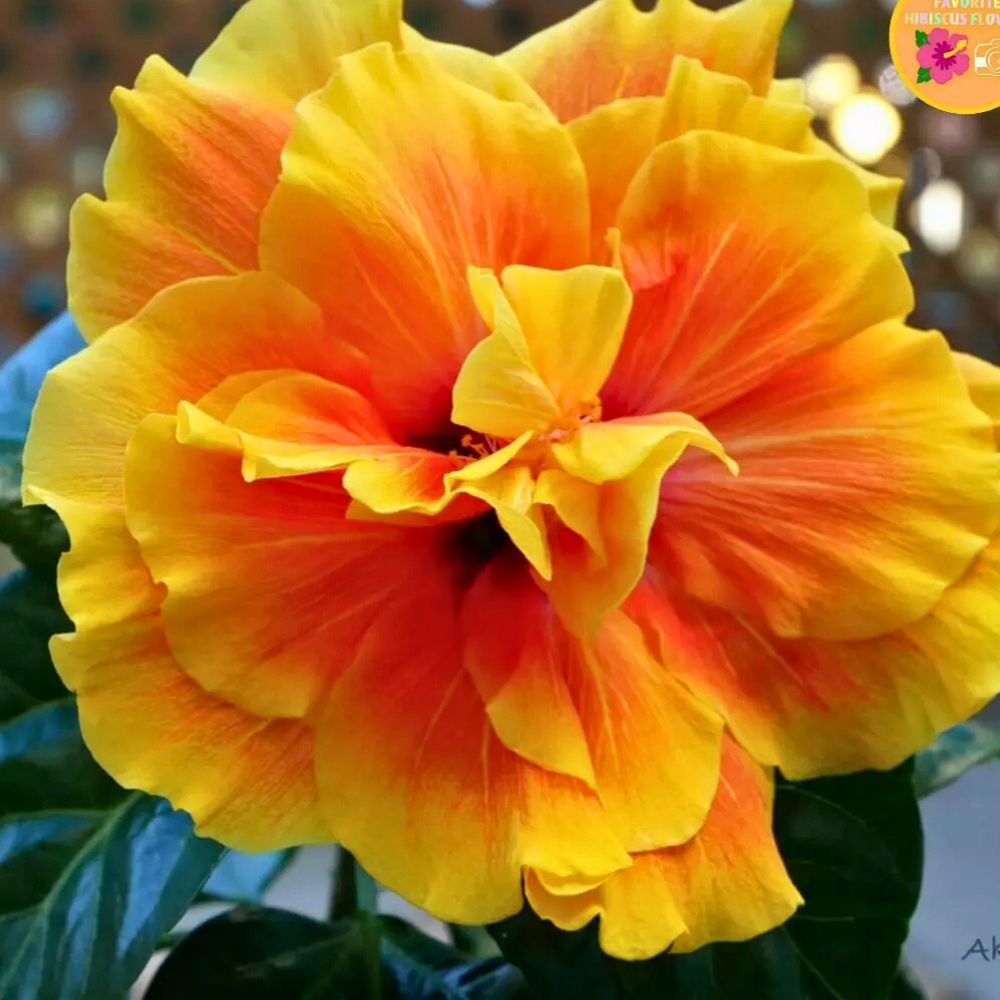
This distinction matters because the Hawaiian Yellow Hibiscus is not just a tropical-looking flower chosen for its beauty. It is endemic to Hawaii, meaning it naturally belongs to the islands and forms part of their native plant heritage. Its selection as the official state flower recognizes Hawaii’s unique biodiversity and the importance of protecting plants that occur naturally in this island environment. In that sense, the flower represents both celebration and responsibility.
The History Behind Hawaii’s State Flower
Hibiscus has long been closely associated with Hawaii. For many people across the world, the image of a hibiscus flower immediately brings to mind island life, warmth, hospitality, and the relaxed elegance of the tropics. However, the journey toward identifying the official state flower was more specific than simply choosing any hibiscus. Hawaii eventually recognized the yellow native hibiscus as the flower that best represented the state’s natural and cultural identity.
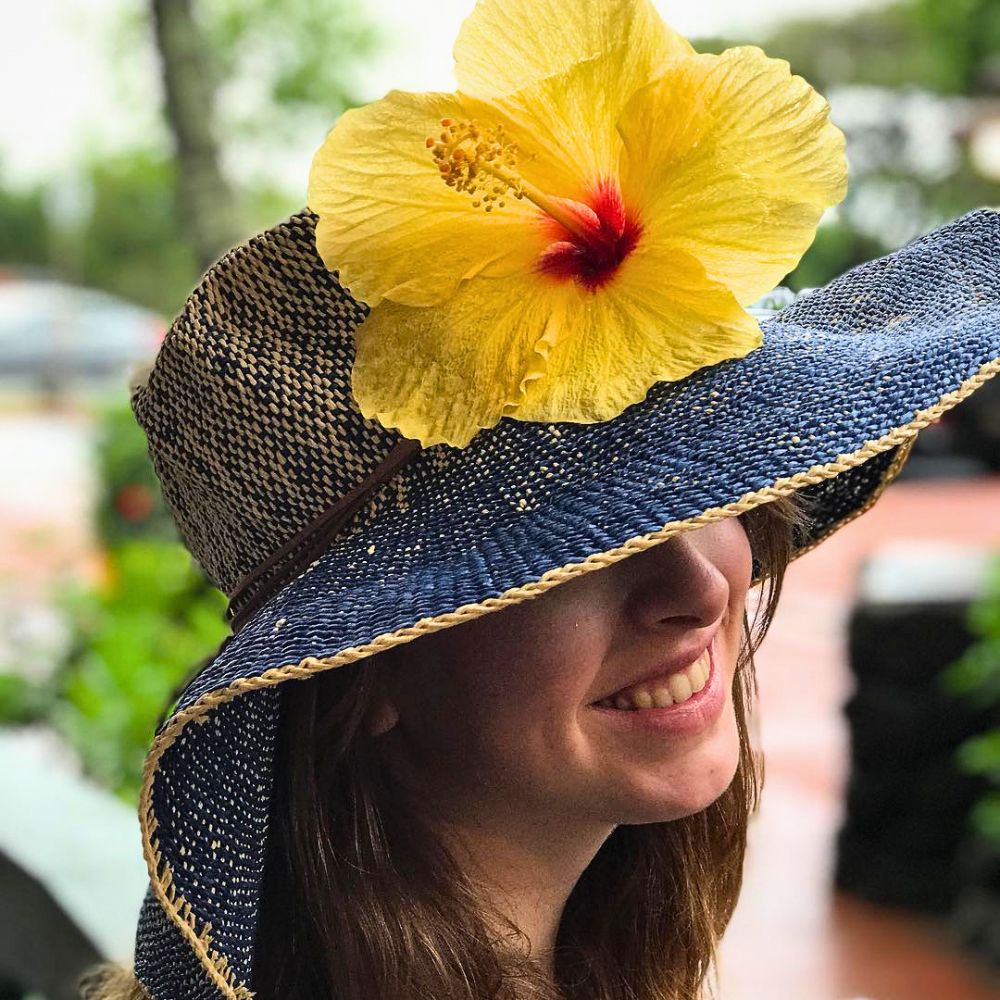
In 1988, the Hawaiian Yellow Hibiscus was designated as Hawaii’s official state flower. This decision provided greater clarity on the state symbol and helped distinguish the native yellow hibiscus from the many ornamental hibiscus varieties widely grown in gardens. It also placed a spotlight on a flower that needed more public recognition. Unlike the common tropical hibiscus seen in many landscaped spaces, Hibiscus brackenridgei is a native species with a fragile presence in the wild.
The choice of the Yellow Hibiscus speaks to a wider story about Hawaii. The islands are admired for their beauty, but they are also home to delicate ecosystems that require care. By choosing a native and endangered flower as a state symbol, Hawaii did more than select something attractive. It highlighted the value of native plants, the importance of ecological memory, and the need to protect what makes the islands truly unique.
Meet the Hawaiian Yellow Hibiscus
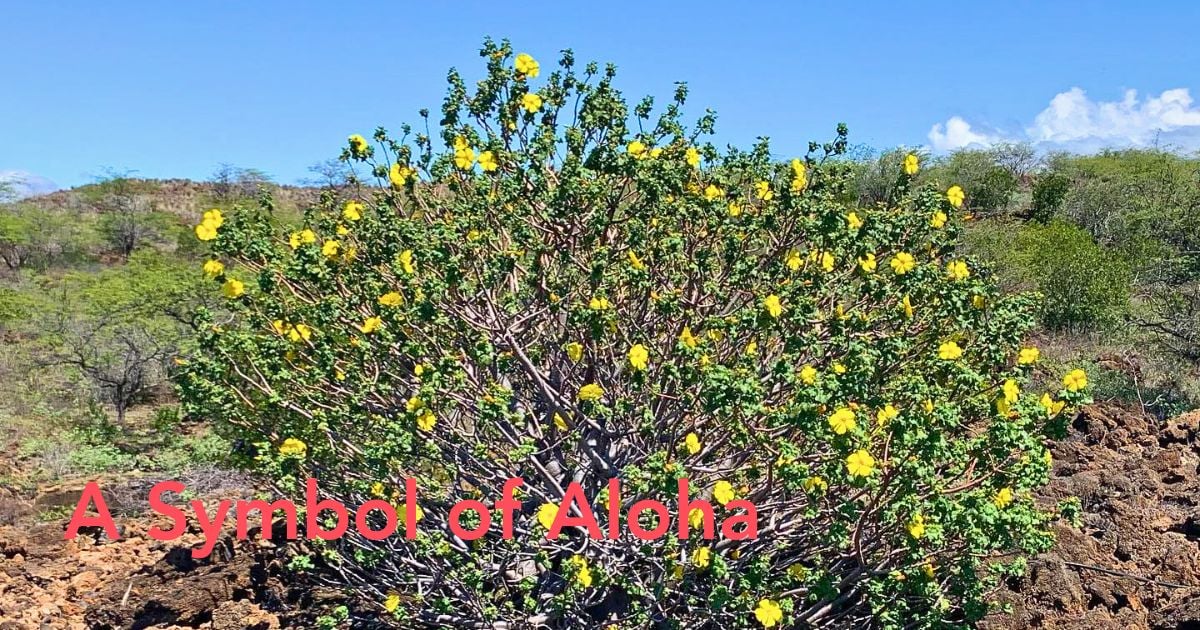
The Hawaiian Yellow Hibiscus is a striking flower with a strong visual presence. Its petals are usually a clear, radiant yellow, often accompanied by a darker center that adds depth and contrast. The flower has the elegance people expect from hibiscus, but there is something softer and more distinctive about its identity. It does not feel like a generic tropical flower. It feels tied to a place, shaped by climate, soil, and island history.
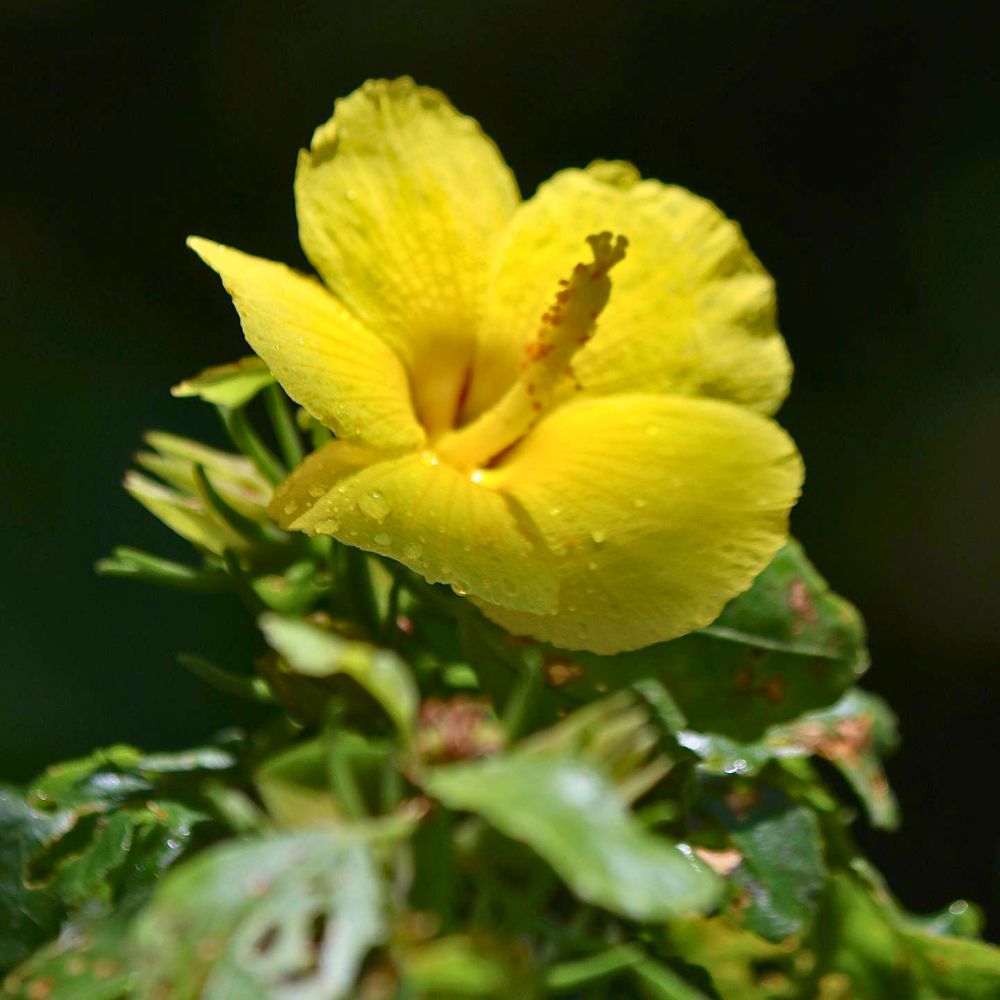
The plant can grow as a shrub or small tree, depending on conditions. Its flowers are large enough to command attention, yet refined enough to feel graceful rather than overpowering. The yellow color is especially meaningful because it reflects warmth, sunlight, and the brightness often associated with Hawaii. In floral symbolism, yellow often speaks of joy, welcome, and optimism, all of which sit naturally alongside Hawaii’s global image.
Yet this flower’s beauty should not be mistaken for abundance. The Hawaiian Yellow Hibiscus is not common in the wild. It naturally grows in dry forests and shrublands, environments that have faced significant pressure over time. Its presence is therefore both beautiful and vulnerable. To see it as merely a pretty yellow flower would be to miss the deeper story it carries. It is a native treasure whose elegance is closely linked to survival.
Why the Yellow Hibiscus Holds Special Meaning in Hawaii?
Flowers in Hawaii often hold meaning beyond their appearance. They are part of a cultural language of welcome, affection, respect, and belonging. The Hawaiian Yellow Hibiscus fits into this world of meaning with quiet strength. It reflects the warmth of the islands, but it also speaks to the relationship between people and nature. It reminds us that Hawaii’s beauty is not only found in beaches and landscapes, but also in the living details that have evolved there over generations.
As the Hawaii state flower, the Yellow Hibiscus becomes a symbol of identity. It represents a place known for hospitality, but also for ecological richness. Its story encourages a deeper way of seeing Hawaii, one that moves beyond surface-level tropical imagery. Rather than simply standing for paradise, the flower stands for a living island environment with its own native species, cultural histories, and conservation needs.
There is also a sense of resilience in the Hawaiian Yellow Hibiscus. It grows in dry habitats, often in challenging environments, and still produces flowers of remarkable beauty. That contrast between delicacy and endurance makes it a fitting emblem. It shows that beauty does not always come from ease. Sometimes it comes from adaptation, persistence, and belonging deeply to a place.
The Symbolism of the Hawaiian Hibiscus
The Hawaiian Hibiscus is often associated with joy, friendship, warmth, and welcome. These meanings align naturally with the flower’s appearance. Its open form feels generous, while its yellow color gives an impression of sunlight and positivity. It is a flower that seems to invite attention without demanding it, making it a fitting symbol for the generous spirit often associated with Hawaii.
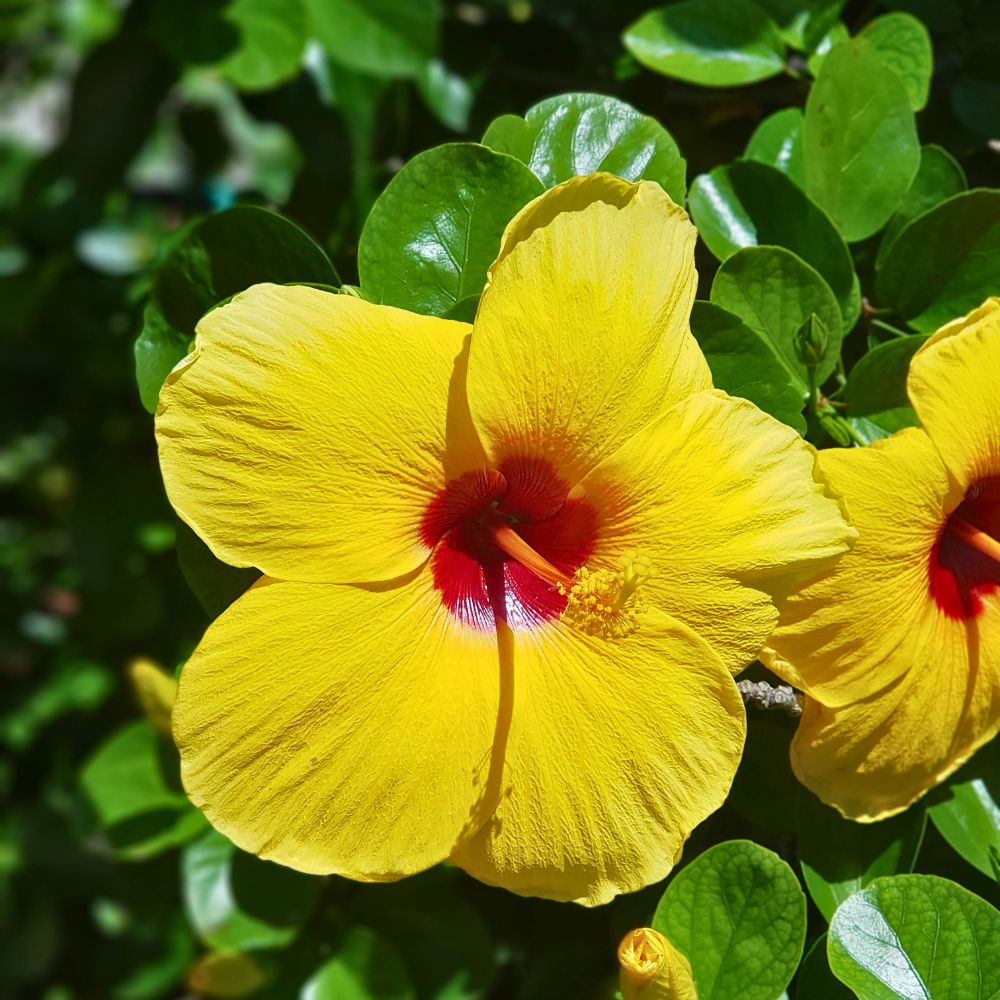
But the symbolism of the Hawaiian Yellow Hibiscus becomes stronger when connected to its native status. Because it is endemic, it represents more than general tropical beauty. It symbolizes the distinctiveness of Hawaii itself. It reminds us that the islands are not interchangeable with any other tropical destination. Their plants, landscapes, and ecosystems hold their own stories. The flower also carries a conservation message. In a world where native species are increasingly threatened, the Hawaiian Yellow Hibiscus becomes a reminder of what can be lost when habitats disappear. Its beauty asks for admiration, but its rarity asks for awareness. That combination gives the flower emotional depth. It is cheerful in color, graceful in form, and serious in meaning.
Where the Hawaiian Hibiscus Grows Naturally
The Hawaiian Yellow Hibiscus is native to dry forests and shrublands in Hawaii. These are landscapes that may not always match the lush, rain-soaked image many people have of the islands, yet they are essential parts of Hawaii’s ecological identity. Dry forests support many rare native plants and have historically been among the most threatened habitats in the islands.
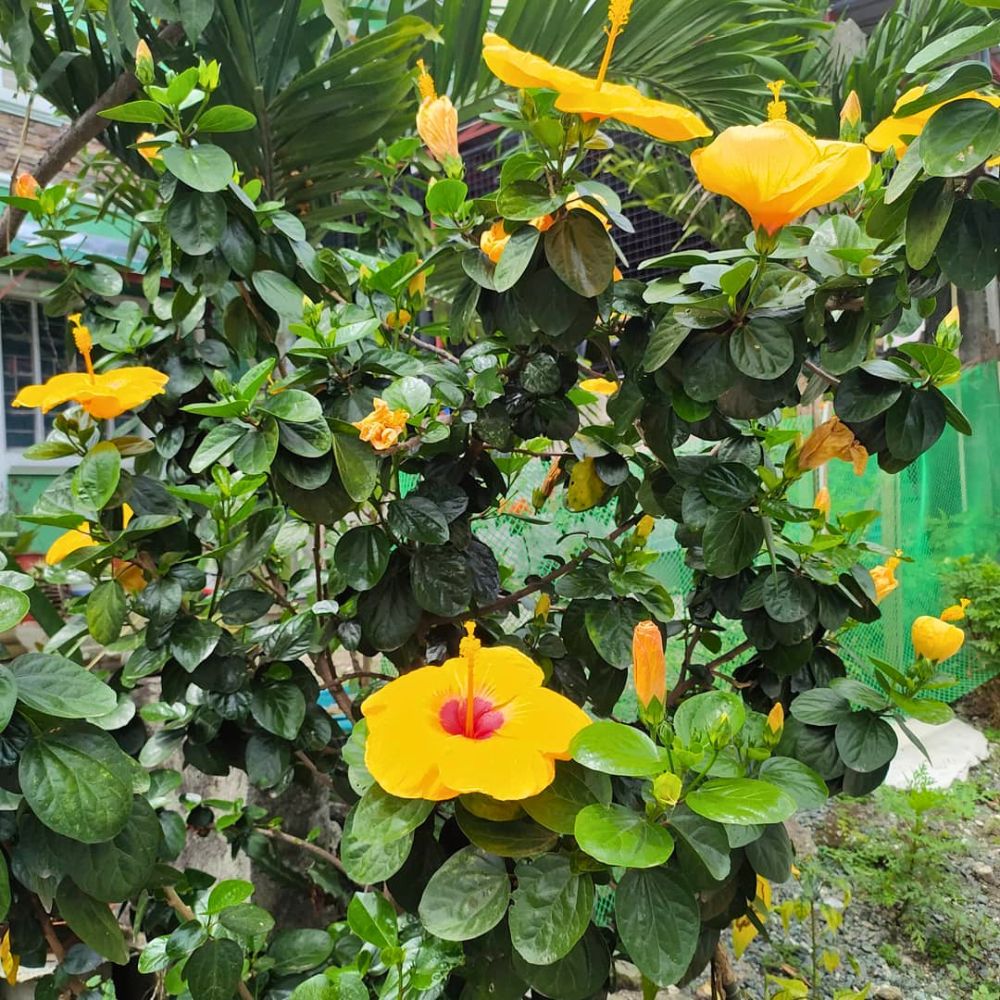
The plant has been recorded on several of the main Hawaiian Islands, although it is not common in any location. Its natural habitats have been affected by land-use change, invasive plants, and browsing by non-native animals. As a result, the flower’s wild populations have become fragmented and vulnerable. Understanding where the Hawaiian Yellow Hibiscus grows helps readers appreciate its story more fully. This is not a flower that simply appears everywhere across Hawaii. It belongs to specific ecosystems, and those ecosystems need protection. Its presence in the wild is therefore a sign of ecological importance, not just scenic beauty.
Protecting an Endangered Hawaiian Treasure
One of the most important things to understand about the Hawaii state flower is that it is endangered. This fact gives the flower’s story a deeper emotional weight. A state flower is often imagined as something abundant and easily seen, but the Hawaiian Yellow Hibiscus tells a different story. It is celebrated as a symbol, yet its existence in the wild remains fragile.
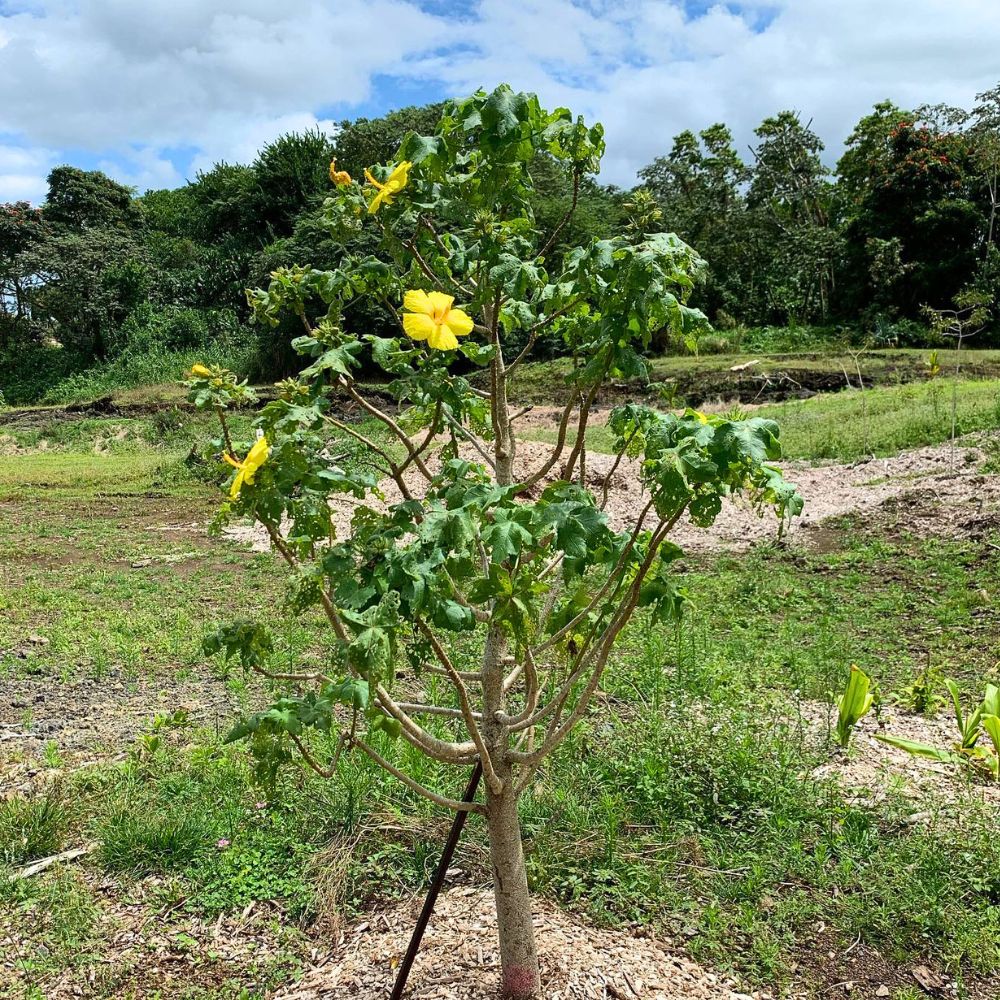
The threats facing the plant are closely linked to habitat loss and degradation. Dry forest ecosystems in Hawaii have been altered by human activity, invasive species, fire, and non-native animals. When native habitats are damaged, the plants that depend on them become harder to sustain. For Hibiscus brackenridgei, conservation is not only about protecting individual plants. It is also about restoring and safeguarding the wider environment that allows them to survive.
This makes the Hawaiian Yellow Hibiscus a powerful educational symbol. It invites people to look more carefully at what state flowers can represent. They are not only official emblems printed on lists or used in tourism language. They can also become ambassadors for endangered ecosystems. In the case of Hawaii, the state flower reminds us that beauty and vulnerability often exist side by side.
Hawaiian Hibiscus Versus Tropical Hibiscus: What Makes It Unique?
It is easy to confuse the Hawaiian Yellow Hibiscus with the many tropical hibiscus varieties seen in gardens around the world. These ornamental hibiscus flowers come in red, pink, orange, white, yellow, and many blended shades. They are popular in warm climates and are often used in landscaping because of their large, showy flowers and lush appearance.
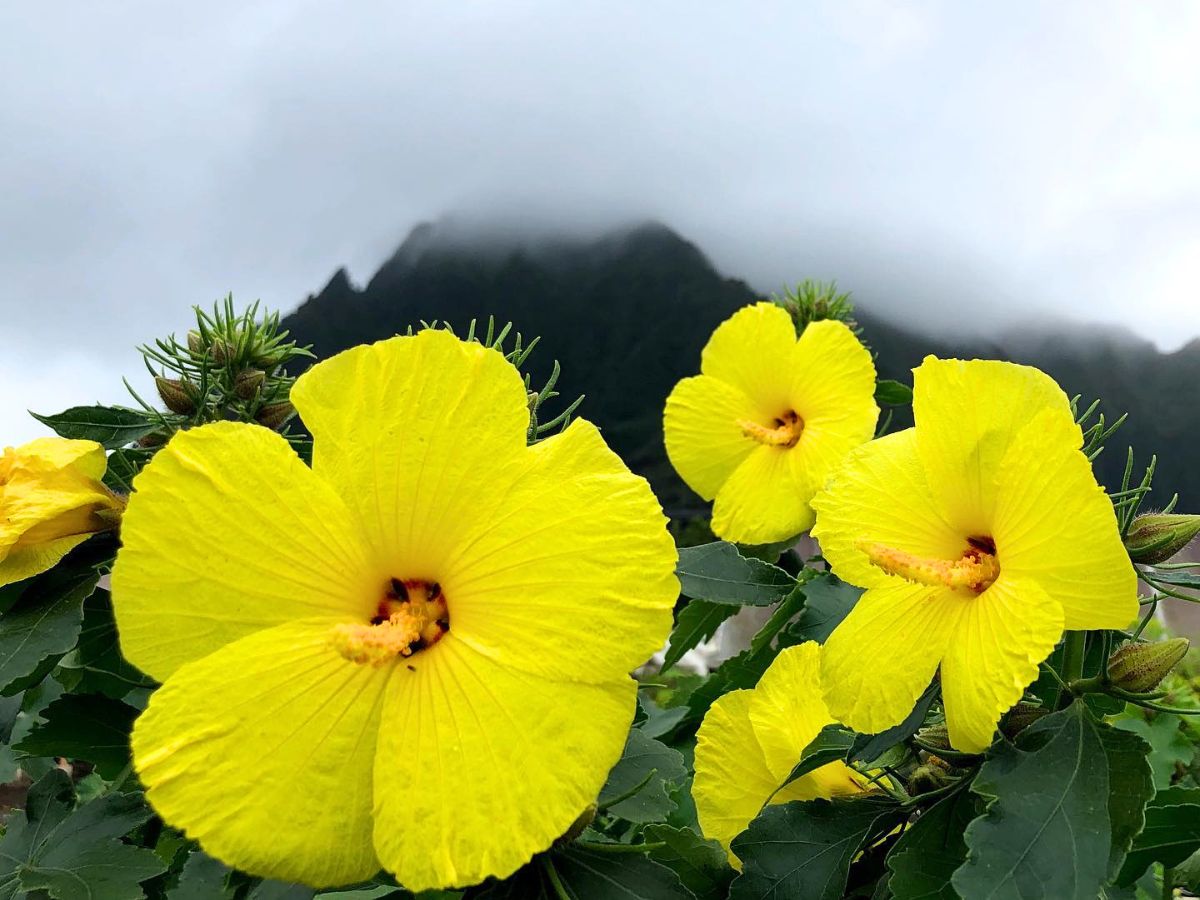
The Hawaiian Yellow Hibiscus is different. Its significance comes not only from its visual appeal, but from its origin. It is native to Hawaii and belongs to the islands’ natural heritage. While ornamental hibiscus varieties may create a tropical atmosphere, Hibiscus brackenridgei carries a specific ecological and cultural identity. It is not simply decorative. It is rooted in place. This difference matters for storytelling. A tropical hibiscus can represent beauty, warmth, and exotic charm. The Hawaiian Yellow Hibiscus represents all of that, as well as belonging, rarity, and responsibility. It carries the story of Hawaii’s native flora and the ongoing need to protect it. That is what makes it far more than a familiar tropical flower.
Why the Hawaiian Yellow Hibiscus Continues to Inspire
The Hawaiian Yellow Hibiscus continues to inspire because it brings together so many layers of meaning. It is beautiful, but not merely ornamental. It is official, but not ordinary. It is joyful in color, yet serious in its conservation story. It reflects the warmth of Hawaii while also reminding us of the fragile ecosystems that make the islands so extraordinary.
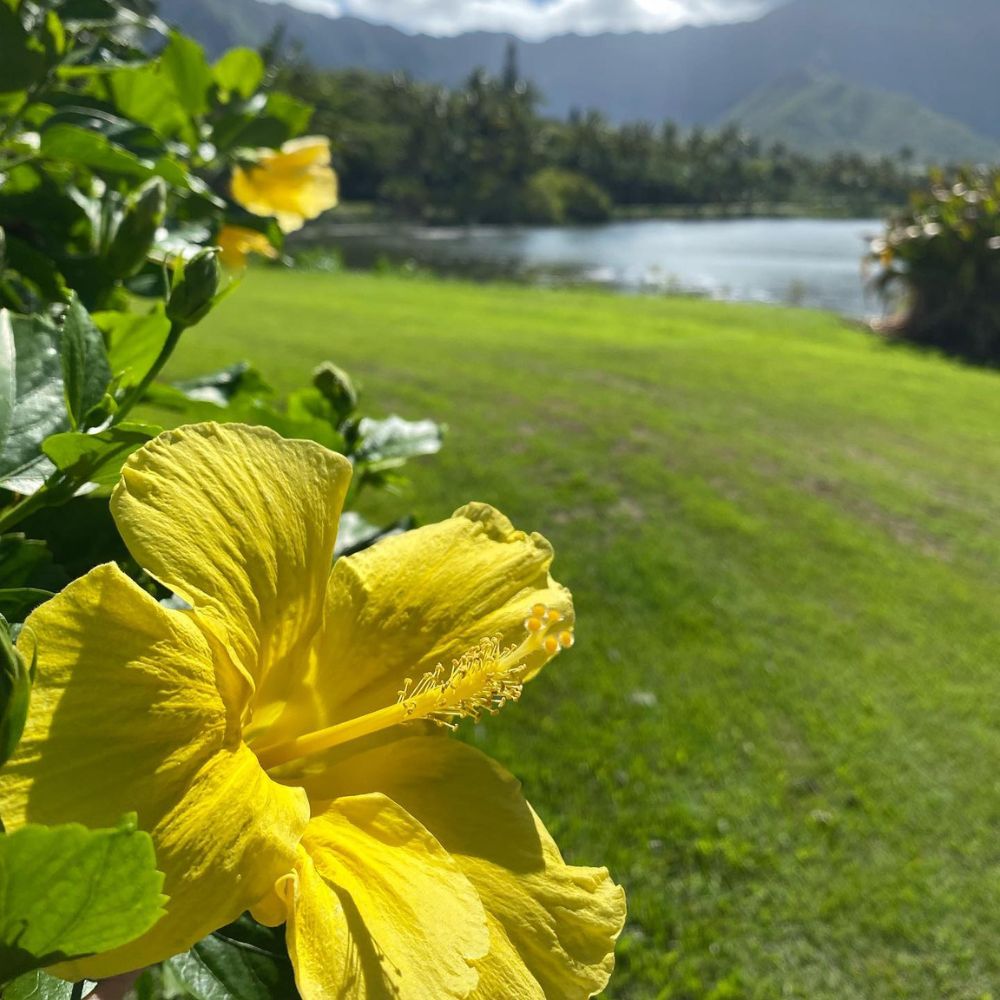
As the state flower of Hawaii, it asks people to pay more attention to flowers. A flower can be a symbol of welcome, but it can also be a symbol of place. It can carry history, culture, ecology, and emotion in a single form. The Hawaiian Yellow Hibiscus does exactly that. It stands as a golden reminder of Hawaii’s natural identity and of the care required to keep that identity alive for future generations.
For anyone seeking to understand the flower of Hawaii, the answer begins with a name: Hawaiian Yellow Hibiscus. But the deeper answer lies in what that flower represents. It is sunlight, resilience, beauty, memory, and responsibility, all held within the delicate form of one remarkable native flower.
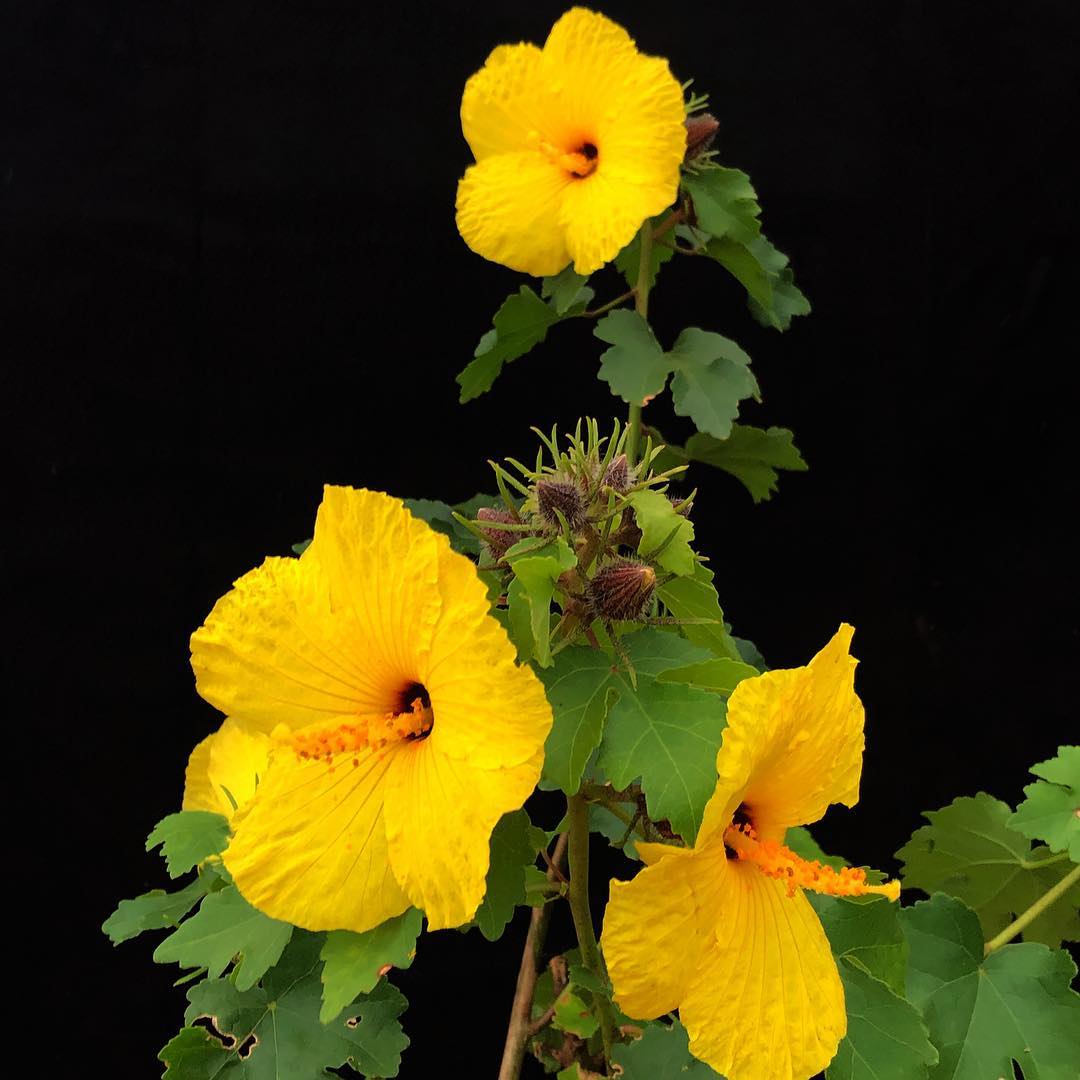
Header image by @geoscience_ecology_hawaii.