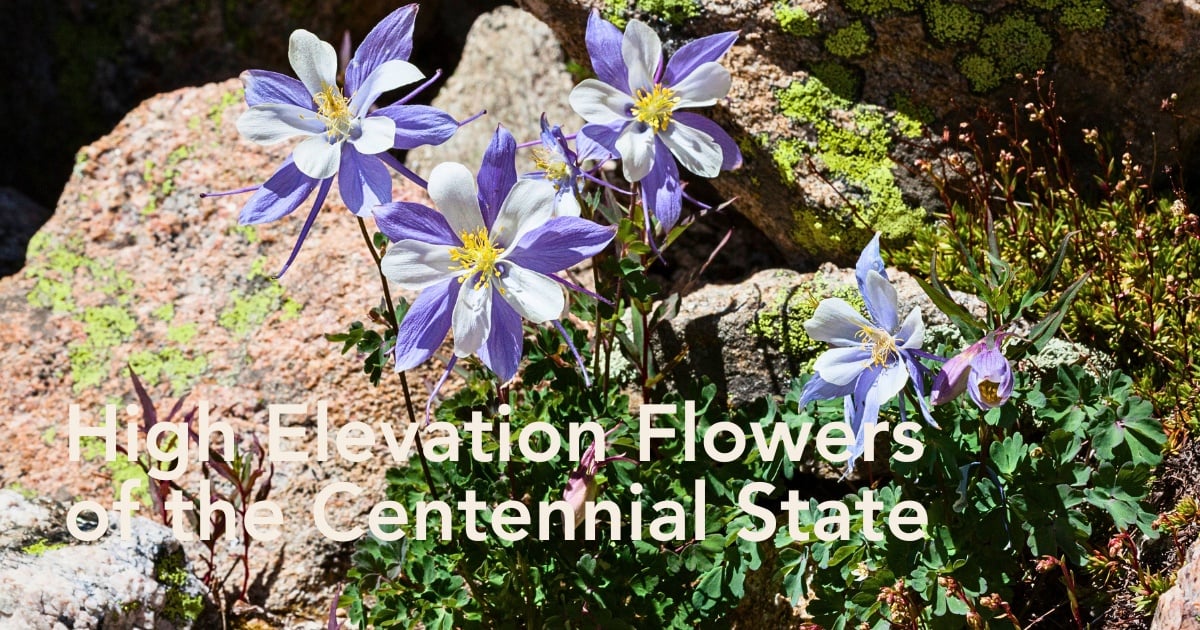
High in Colorado's mountain meadows, the air is always thin, and the summer season is short. But here, still grows a delicate blue-violet flower with a white center that opens every other year in the summer months between late June and August. This is the Rocky Mountain columbine (Aquilegia coerulea), the official Colorado state flower, and chosen more than a century ago.
Also called the blue columbine, this flower is particularly known for its striking blue, lavender, and white petals. It thrives at high elevations and remains heavily protected by state conservation laws. It was selected as the state flower through a process that began with a vote among the state's schoolchildren. Here is its story.
About the Rocky Mountain Columbine
The Rocky Mountain columbine is a perennial wildflower with the scientific name Aquilegia caerulea, a member of the buttercup family, Ranunculaceae. It typically grows between 20 and 50cm tall and produces large, upward-facing flowers composed of two distinct layers.
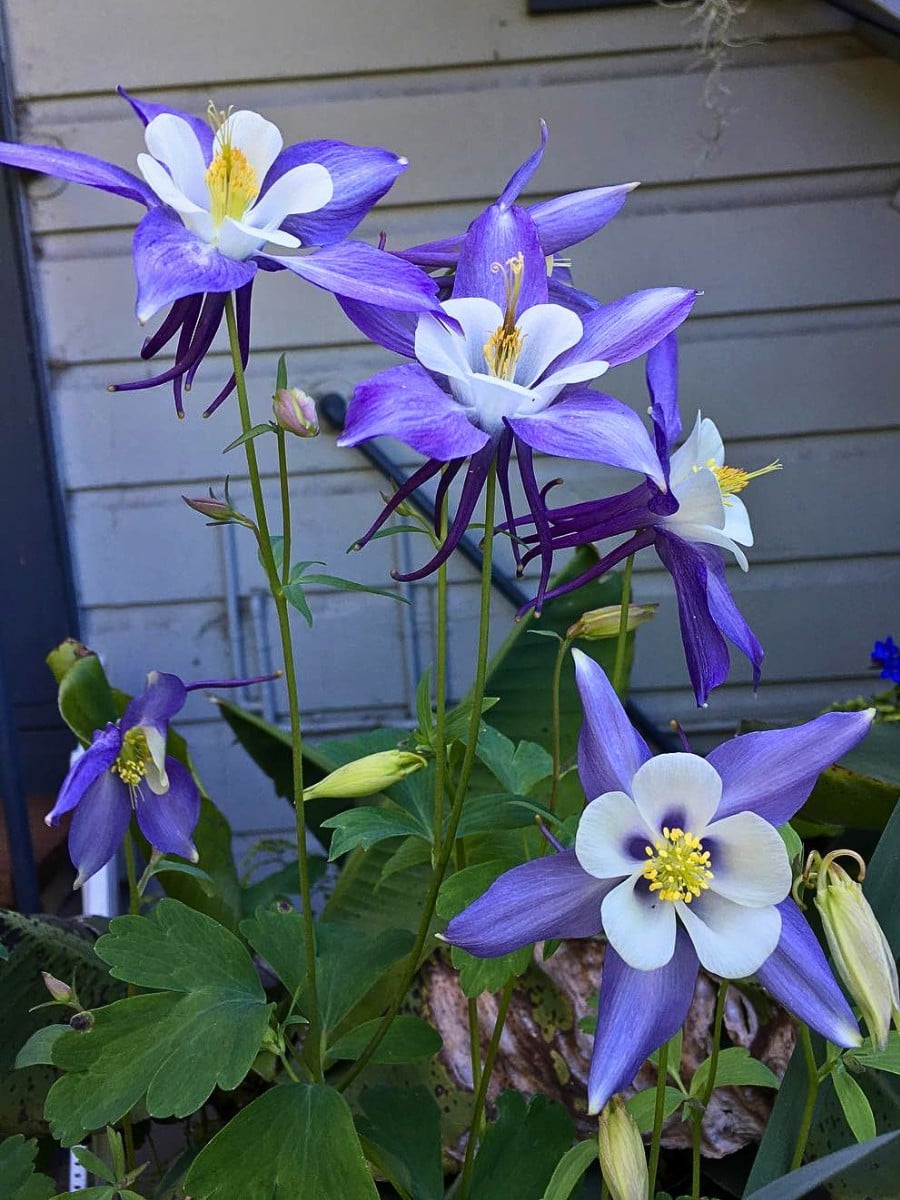
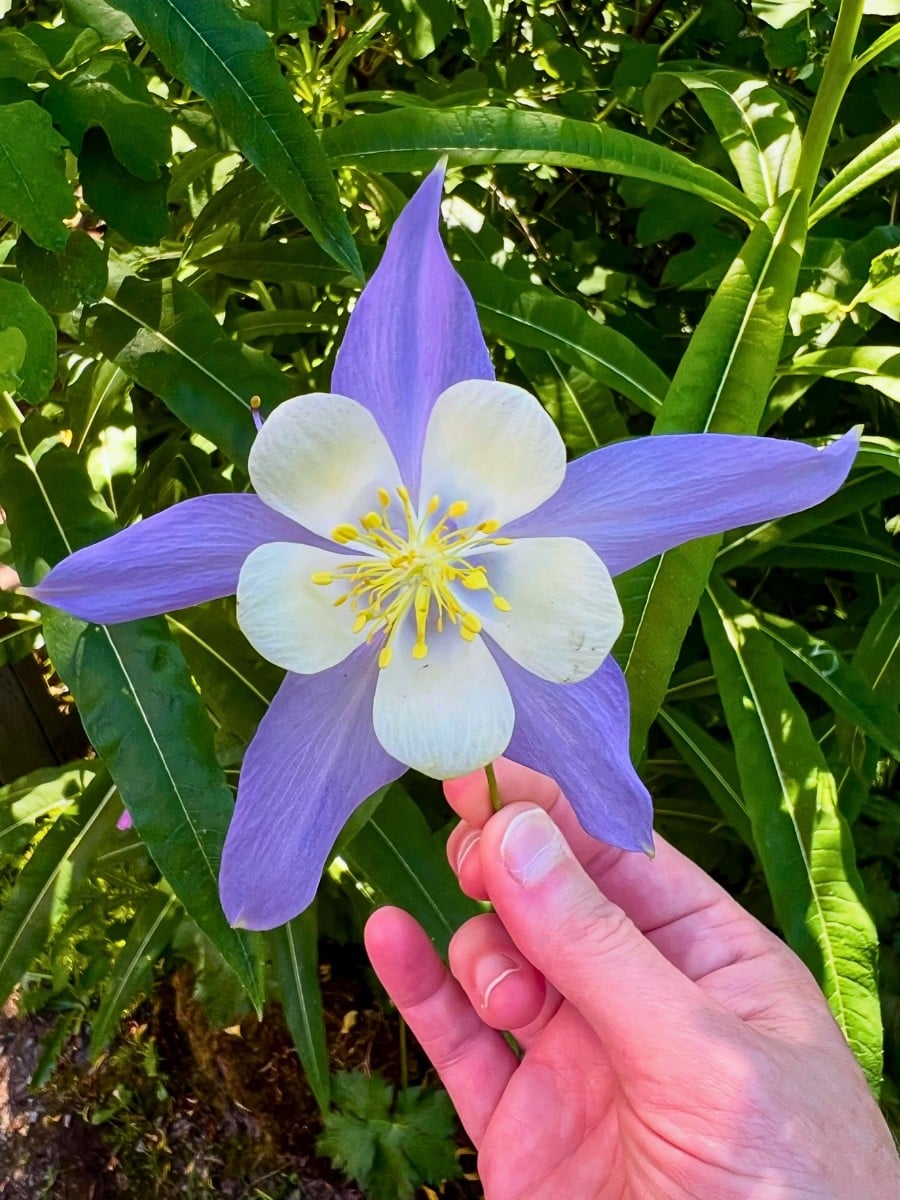
It has five pale blue to sky-blue sepals that flare outward, and five white or pale yellow petals that sit within the sepals, each extending backward into a long, hollow spur that can reach up to two inches in length.
The flower's genus name, Aquilegia, comes from the Latin word for eagle, a reference to the claw-like shape of the spurs at its base. The common name columbine comes from the Latin word columba, meaning dove, as early botanists thought the cluster of spurs resembled five doves gathered together. The species name caerulea translates roughly to blue sky, a fitting description of the flower's most recognizable color.
The Rocky Mountain columbine was first documented in 1820 by Edwin James, a botanist and mountain climber, during an expedition on Pikes Peak. It is found naturally across the Rocky Mountain region, in the alpine to subalpine range from 1,800 to 3,700 meters, where it grows in mountain meadows, aspen groves, and along open coniferous forest edges.
This flowering plant blooms during the summer months, and its strong fragrance attracts bees, hummingbirds, and butterflies, which feed on its nectar during those sunny months.
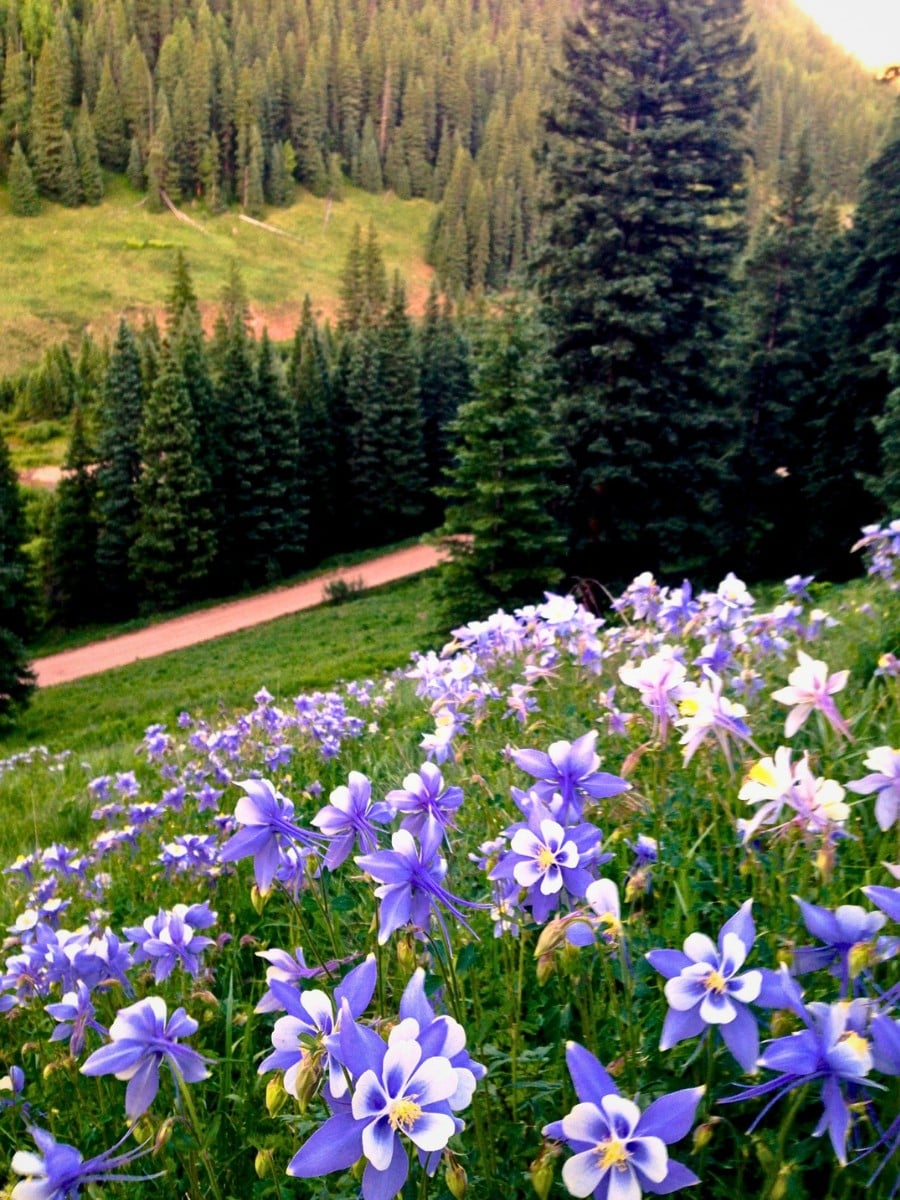
The Rocky Mountain Columbine as Colorado’s State Flower
As noted previously, the Rocky Mountain columbine got its place as the Colorado state flower through one of the more democratic selection processes among American state symbols. In 1891, Colorado schoolchildren were invited to vote for their favorite wildflower. Of the roughly 22,316 votes cast, 14,472 went to the Rocky Mountain columbine, putting it far ahead of the cactus, which finished in second place.
The flower's selection was more about its widespread presence and popularity across Colorado's mountainous terrain. Its appearance in high-altitude meadows throughout the state made it a familiar and beloved sight for residents and visitors, while its delicate yet hardy nature, thriving in a demanding alpine environment, mirrored qualities that many Coloradans associated with their own state.
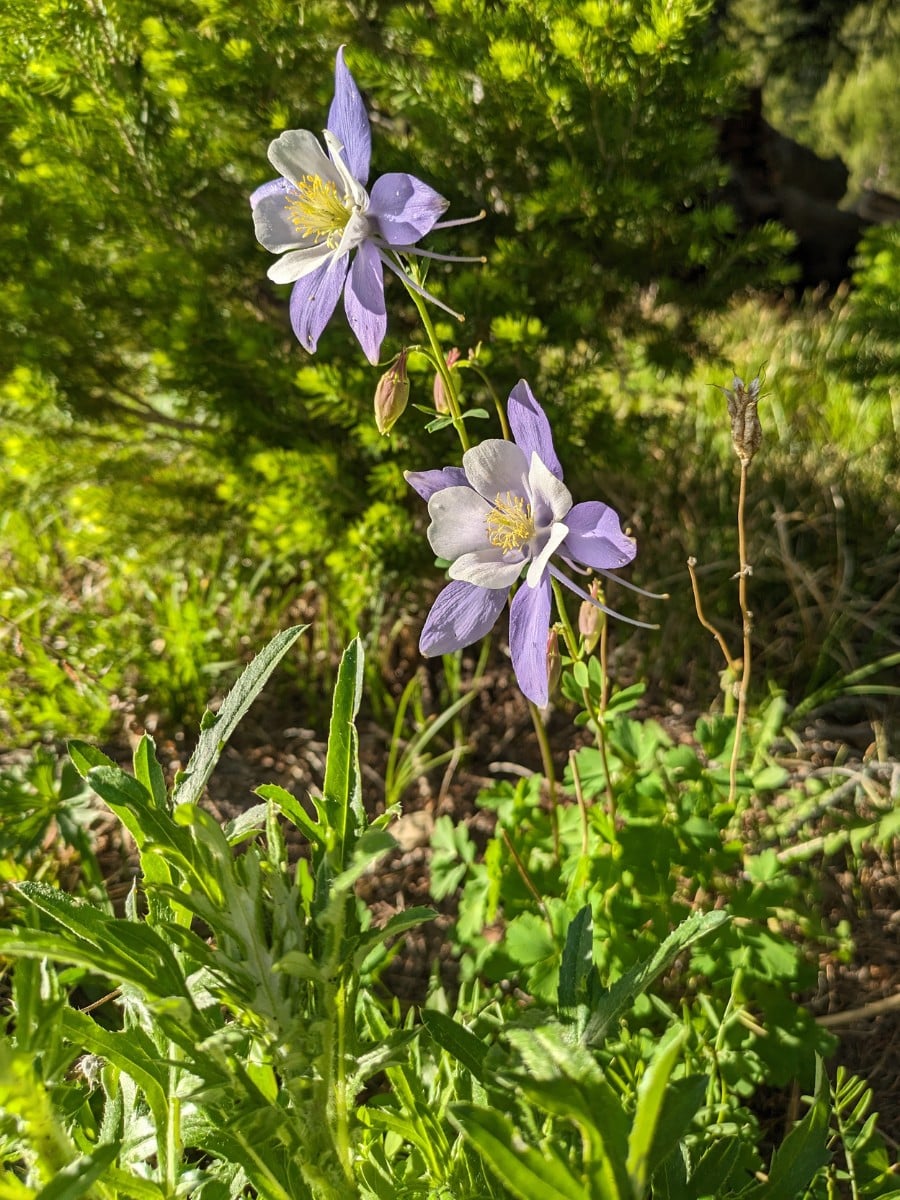
But its natural beauty aside, the Rocky Mountain columbine has symbolic meaning tied to Colorado's identity. The blue-violet sepals are said to represent Colorado's clear skies, the white inner petals represent the snow that covers the state's peaks for much of the year, and the yellow center is often associated with the gold mining history that shaped much of Colorado's early development. Few state flowers have such a relevant visual connection to the landscape and history of the place they represent.
Naming of the Rocky Mountain Columbine as the Colorado State Flower
Although Colorado schoolchildren voted for the columbine in 1891, the flower was not formally adopted as the state flower until eight years later. The delay came down to a simple administrative oversight in that, despite the overwhelming result of the schoolchildren's vote, no official action had been taken to make the designation legal.
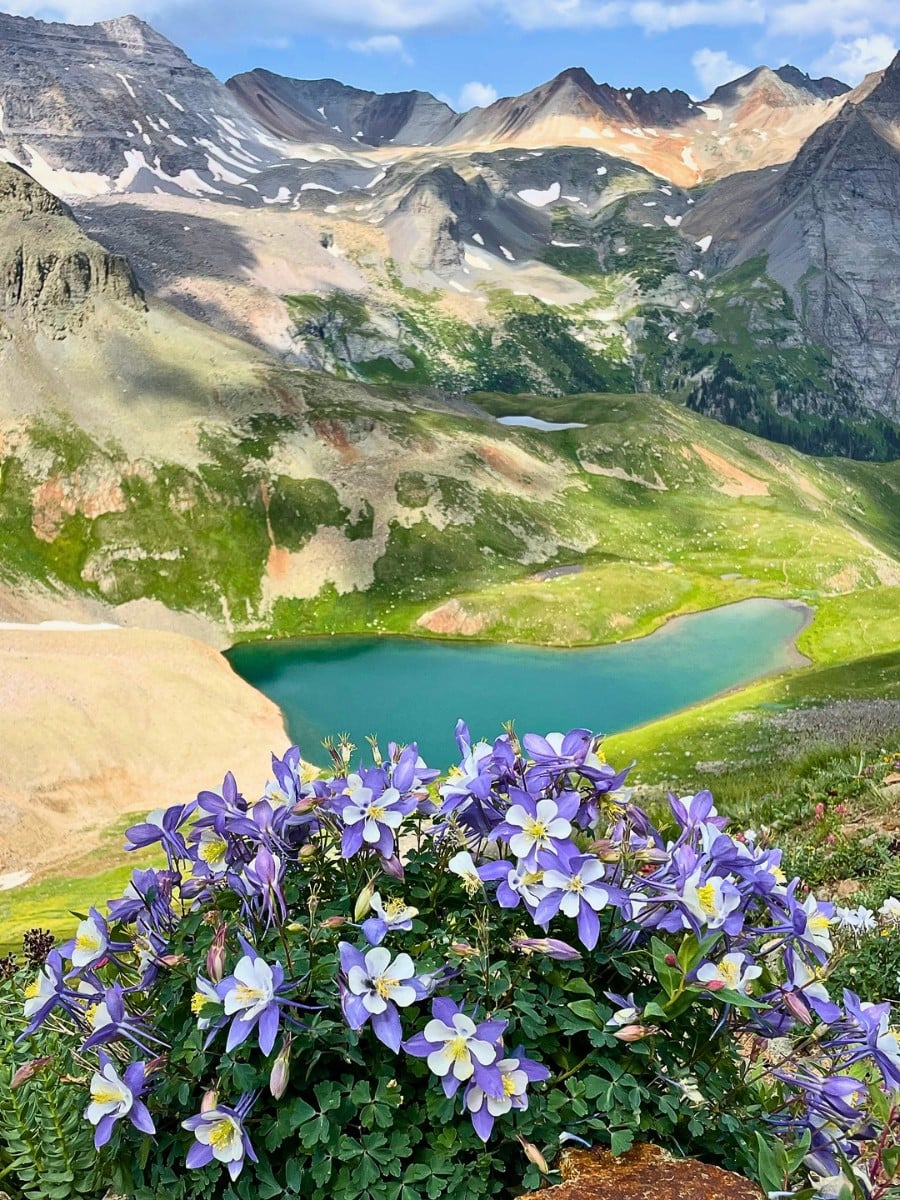
In 1899, a women's club in Cripple Creek, Colorado, discovered that the Rocky Mountain columbine had never been officially adopted despite its popular support nearly a decade earlier. The club took action, and their efforts led to the introduction of formal legislation. Senate Bill 261, declaring the white and lavender columbine the official Colorado state flower, was approved by the Colorado Legislature on April 4, 1899.
Interestingly, the original 1899 act named the white and lavender columbine as the state flower without specifying a scientific name. The species most associated with the designation, Aquilegia caerulea, has at times appeared in records with a slight variation in spelling, caerulea versus coerulea, though this minor discrepancy has never affected the intent or legal standing of the designation.
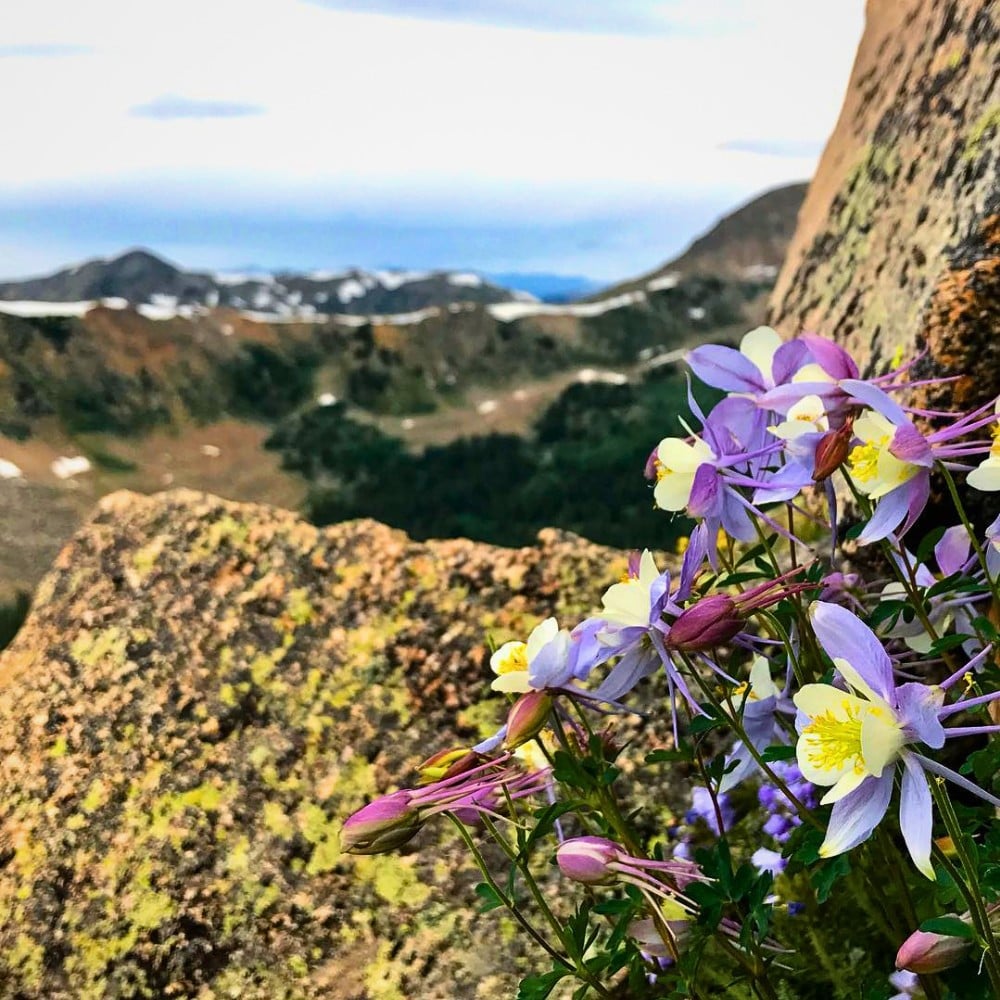
The recognition of the Rocky Mountain columbine did not stop with its designation as the state flower. In 1915, the song Where the Columbine Grows was adopted as the official Colorado state song, further enhancing the flower's place at the center of the state's official identity.
Legal Protections for the Colorado State Flower
The popularity of the Rocky Mountain columbine eventually became a concern for the flower's survival in the wild. As more people sought to dig up the plant for use in rock gardens and home landscaping, the wild populations of this slow-growing perennial came under increasing pressure. In response, the Colorado General Assembly took legislative action in 1925 to formally protect the state flower.
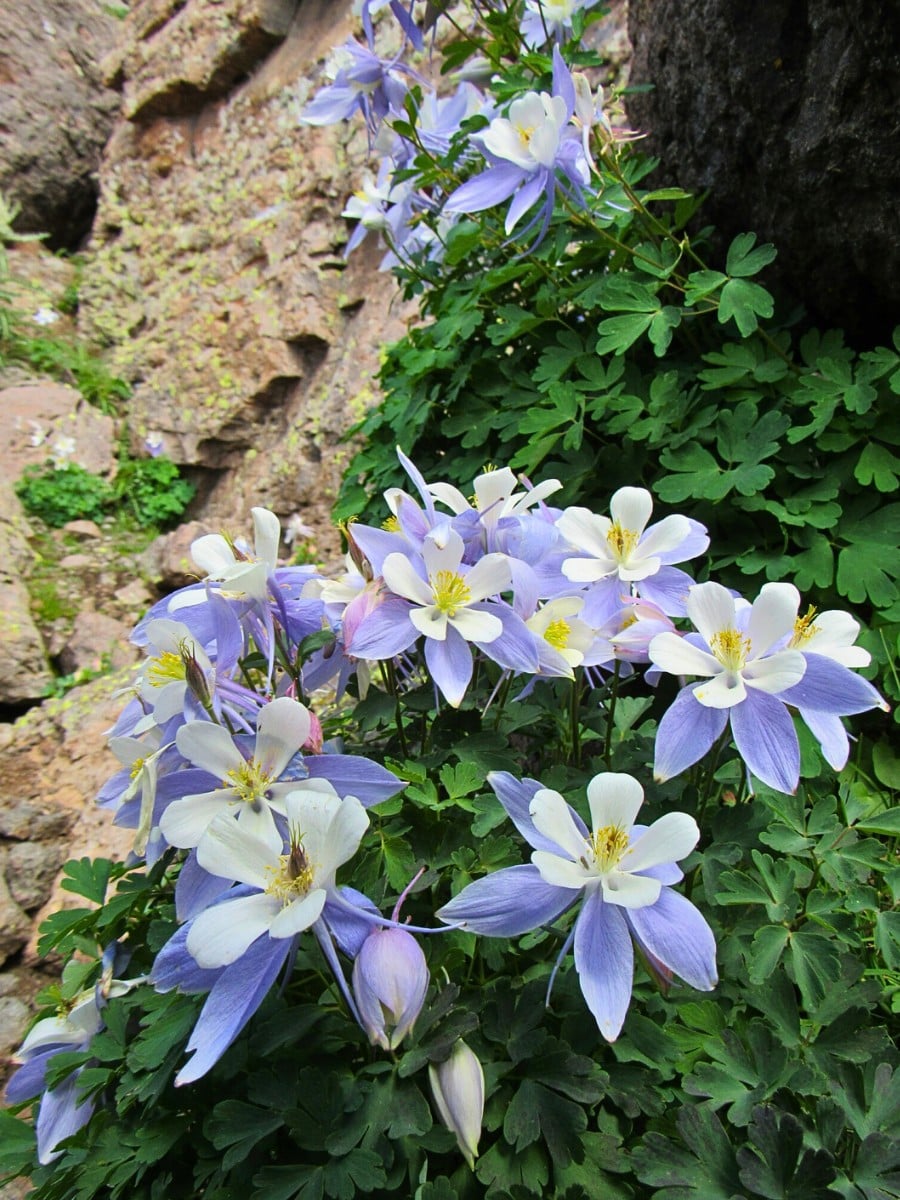
The 1925 law, codified in the Colorado Revised Statutes under Title 1, Part 9, made it the duty of every citizen of Colorado to protect the Rocky Mountain columbine from needless destruction or waste. The law specifically prohibits digging up or uprooting the flower on public lands. It also places limits on how many blossoms, buds, or stems can be gathered, with current guidance allowing no more than 25 stems to be picked by an individual in any single day on public land.
On private land, the flower may not be picked at all without the consent of the landowner. These protections show a long-standing recognition in Colorado that the Rocky Mountain columbine, while abundant in certain protected habitats, remains a fragile species that depends on careful management and protection to continue thriving across the state's high-altitude environments.
Coloradans Connecting With the Rocky Mountain Columbine
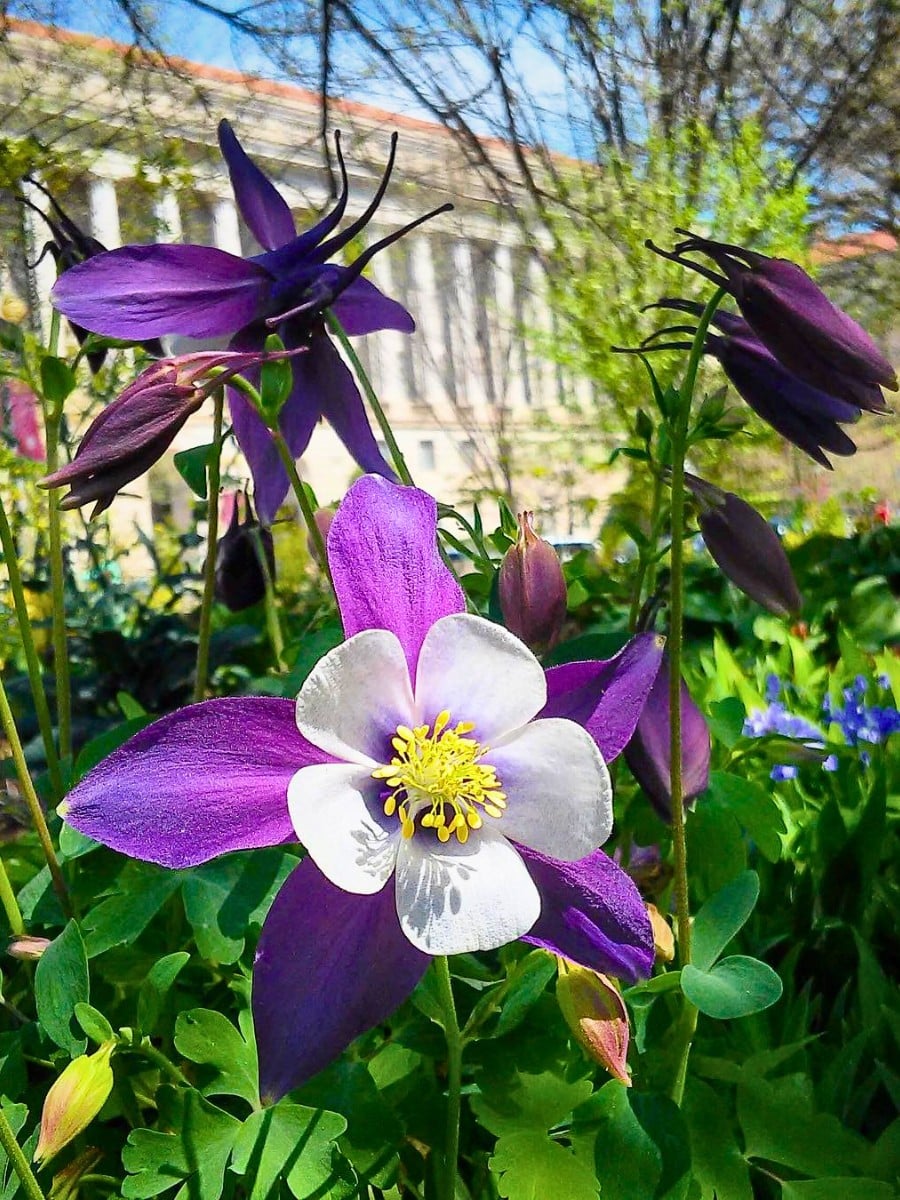
For many residents of Colorado, the appearance of the Rocky Mountain columbine in summer is closely tied to the experience of the state's mountains. Hikers and visitors to high-altitude trails often look forward to spotting the flower's distinctive blue and white blossoms along trailsides, in alpine meadows, and underneath stands of aspen trees during the peak of the summer season.
The flower's connection to Colorado is much deeper than its visual appeal. Native American communities in the region have a long history of using columbine for herbal remedies, with traditional uses including columbine-infused preparations for ailments ranging from fever to discomfort caused by poison ivy. This historical element adds to the flower’s significance within the general cultural history of the Colorado landscape.
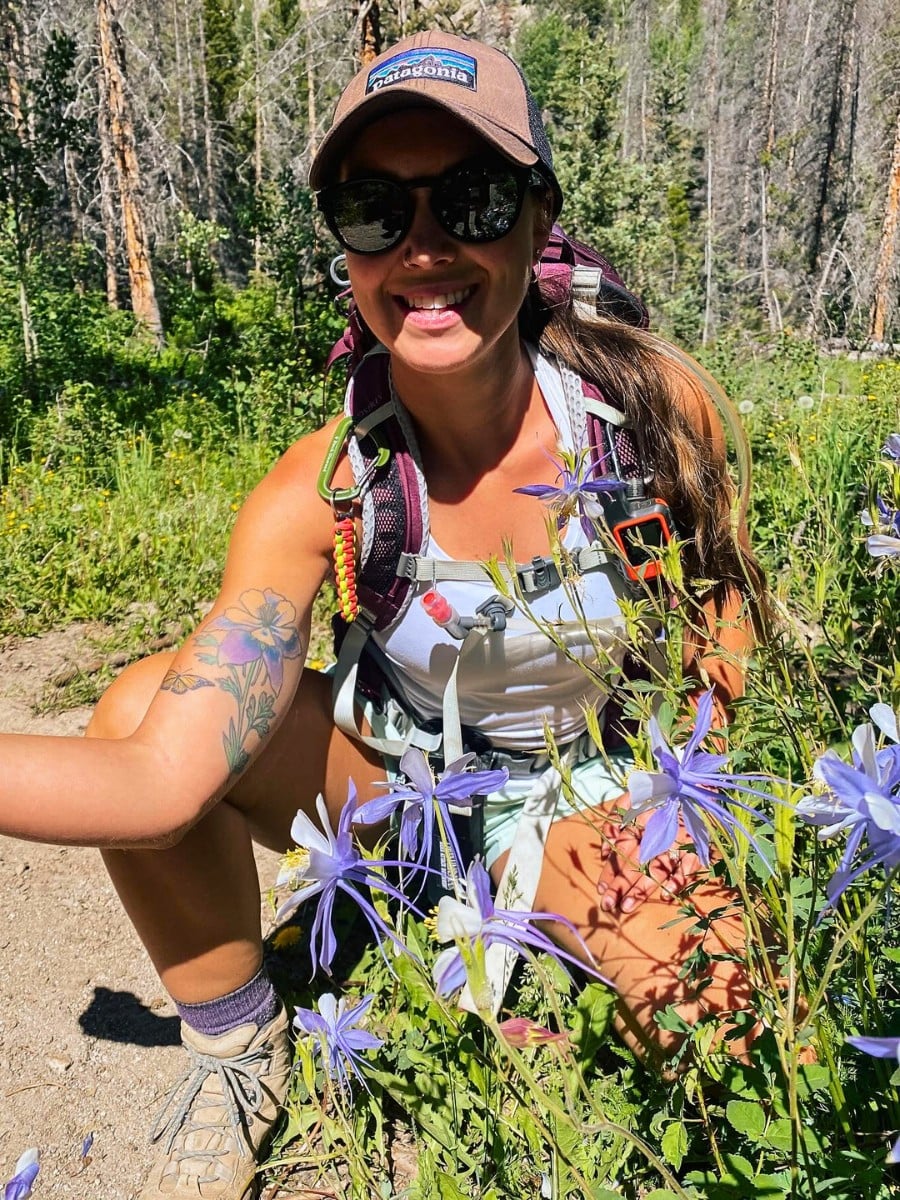
The Rocky Mountain columbine also appears throughout Colorado's public life, even outside of its symbolic nuances, into the natural world. Its image is featured in state publications, educational materials, and tourism promotion, and its connection to the official state song reinforces it as one of the most recognizable emblems of the Colorado state identity. For many Coloradans, the columbine is not just a flower, but also represents the high mountain landscapes defining the character of the state.
Other Columbine Species Found in Colorado
While the Rocky Mountain columbine, Aquilegia caerulea, holds the official designation as the Colorado state flower, it is not the only columbine species found within the state. Colorado is home to several columbine species in total, some of which are considerably rarer than the blue and white variety most commonly associated with the state flower designation.
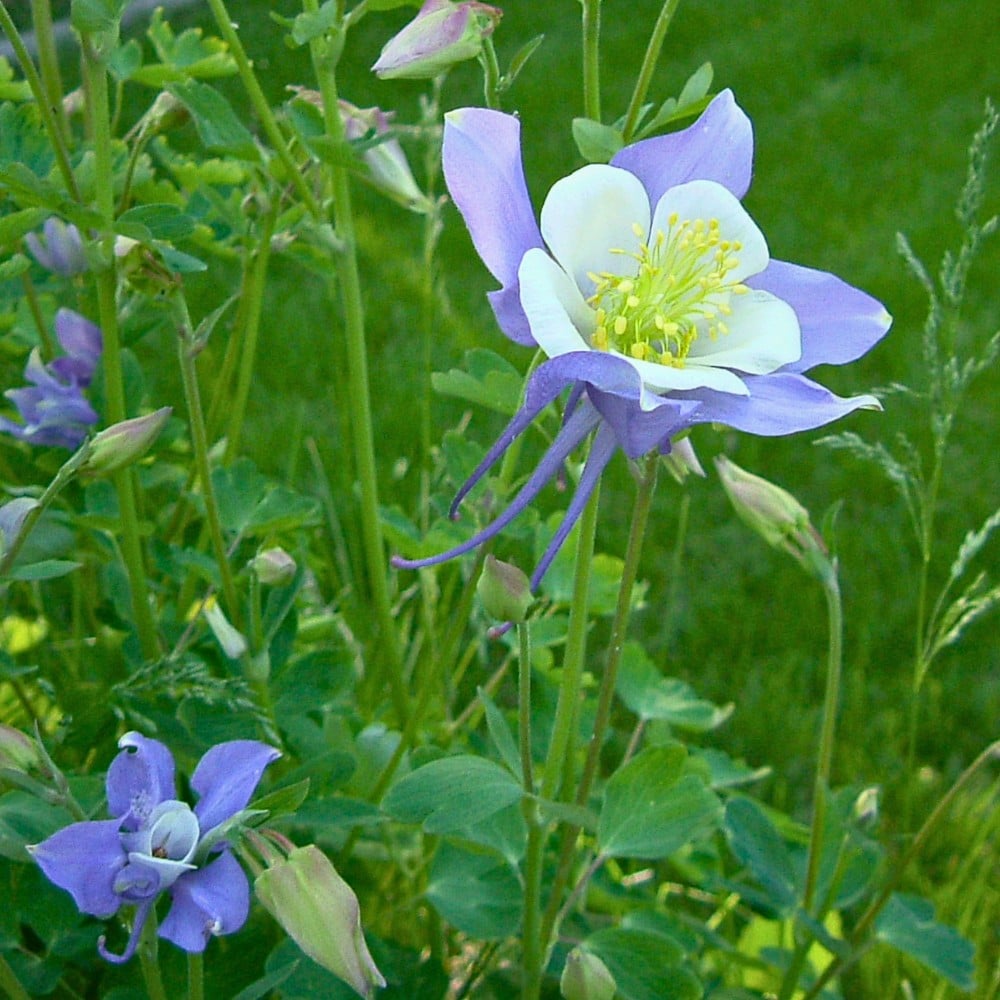
One notable example is the oil shale columbine, which tends to display pink or red coloring and not the familiar blue and white of the Rocky Mountain columbine. This variety is found in the northwestern corner of Colorado and is considered quite rare.
Worldwide, there are roughly 70 species of columbine, with approximately one-third of those native to North America, emphasizing just how distinctive Colorado's chosen variety is among its floral relatives. For those interested in Colorado's native plant life, the Rocky Mountain columbine is often an entry point into an overall appreciation of the state's diverse high-altitude flora.
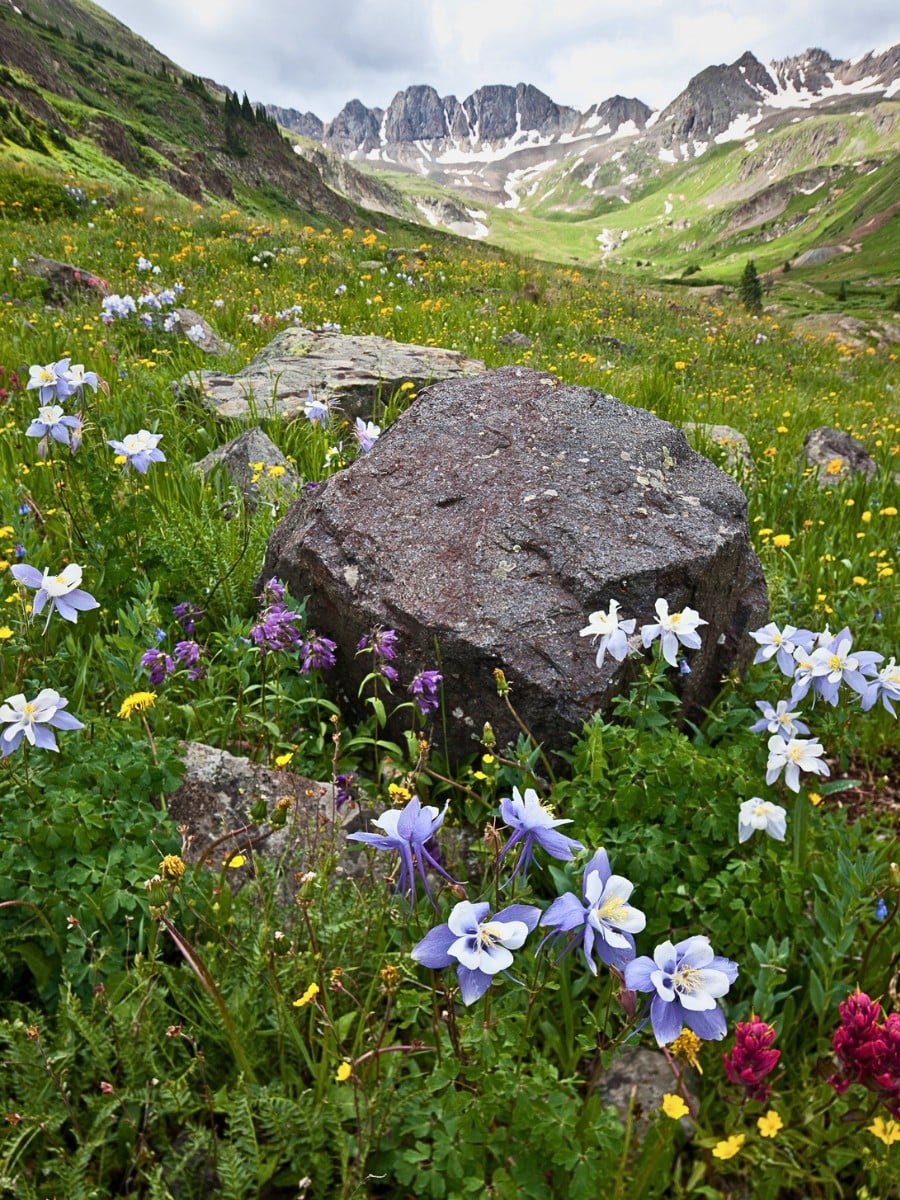
This flower’s prominence as the Colorado state flower has helped draw attention not just to the flower itself, but also to the general ecosystems in which it grows, many of which face their own pressures from development, climate change, and recreational use.
Featured image by Zenhaus. Header image by Patrick Alexander.