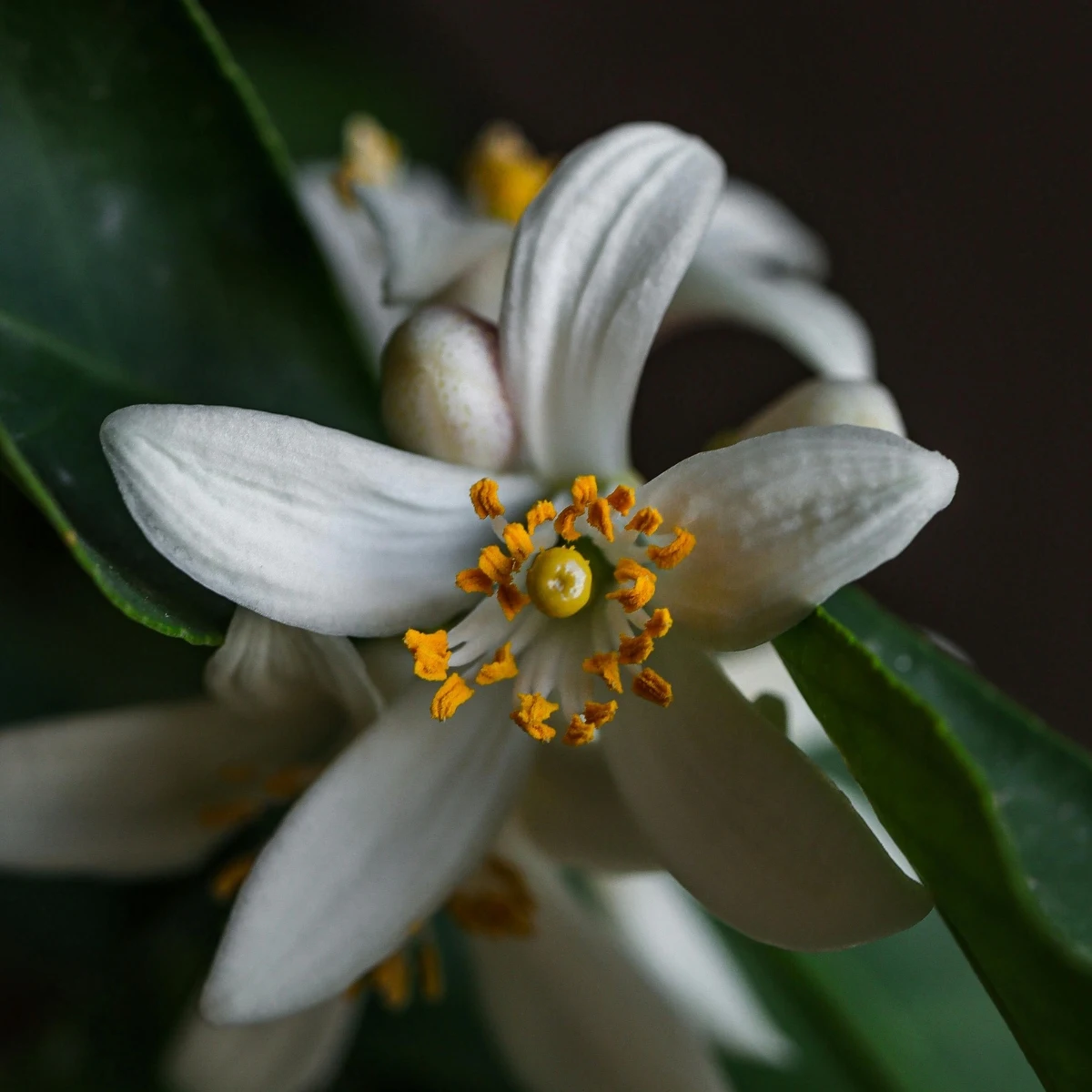
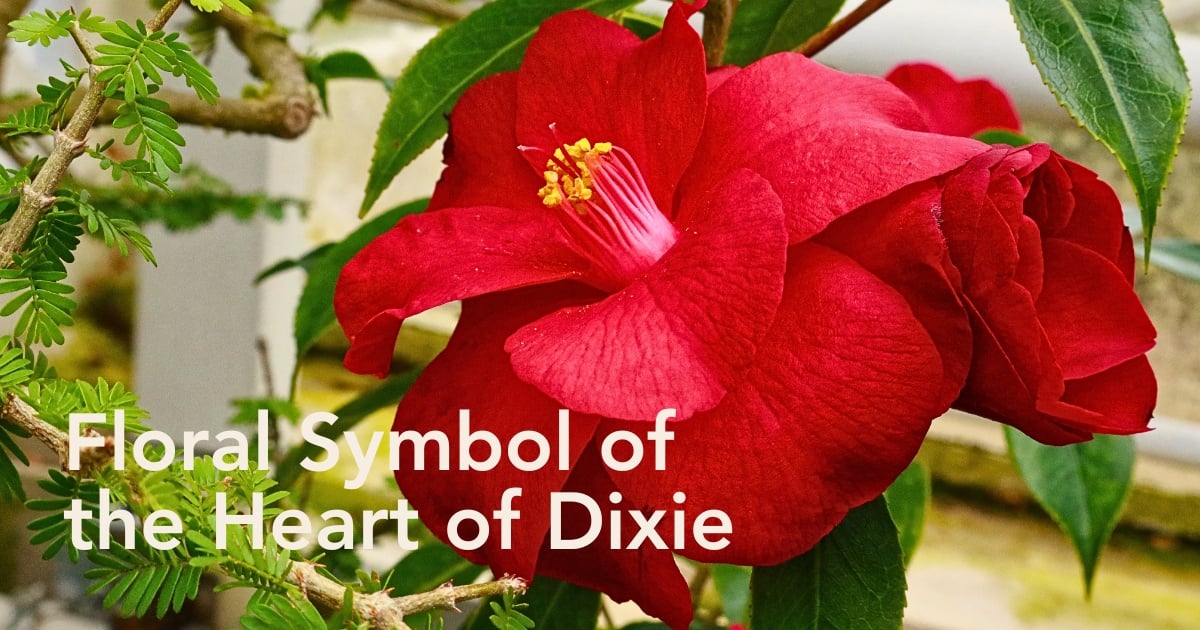
A long-lived, broadleaf evergreen shrub known for its lush, rose-like winter flowers, Camellia, the official Alabama state flower, has quite an interesting twist to being the Yellowhammer State’s official flower. For most of the 20th century, the state flower was not what it is today, and critics often dismissed this earlier floral pick, terming it just a roadside weed.
But then, in 1959, the Camellia entered and took its place, as a result of the efforts of a group of growers from a small Butler County town who refused to accept the alternative floral choice. Today, it is one of Alabama's most recognized symbols, despite having no historical roots in the state's native landscape.
About Camellia, the Alabama State Flower Name
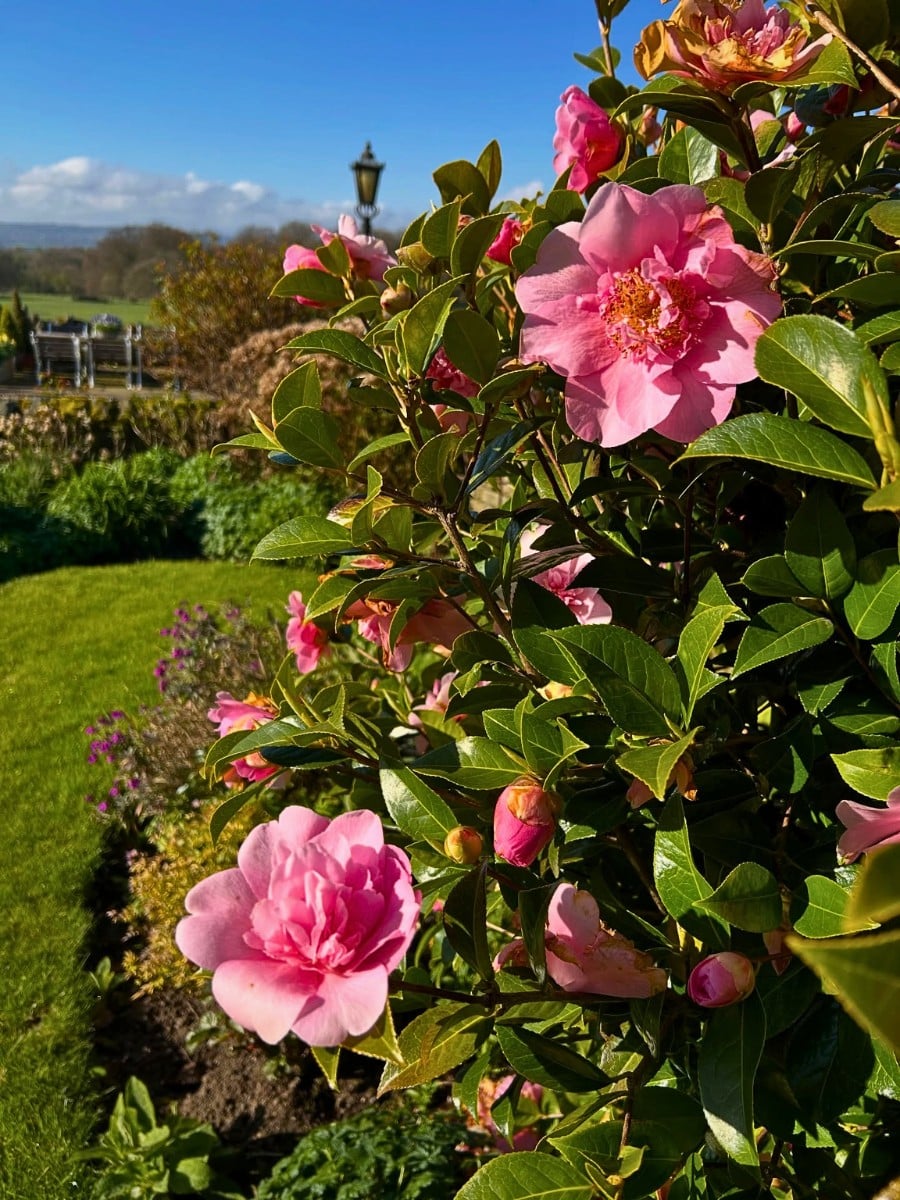
The Cotton State’s official flower specifically refers to Camellia japonica L., the evergreen flowering shrub belonging to the Theaceae family. It is often called the rose of winter, a suitable sobriquet given that it produces its large, layered flowers during the colder months, typically from November through March, with peak flowering in January and February across much of Alabama.
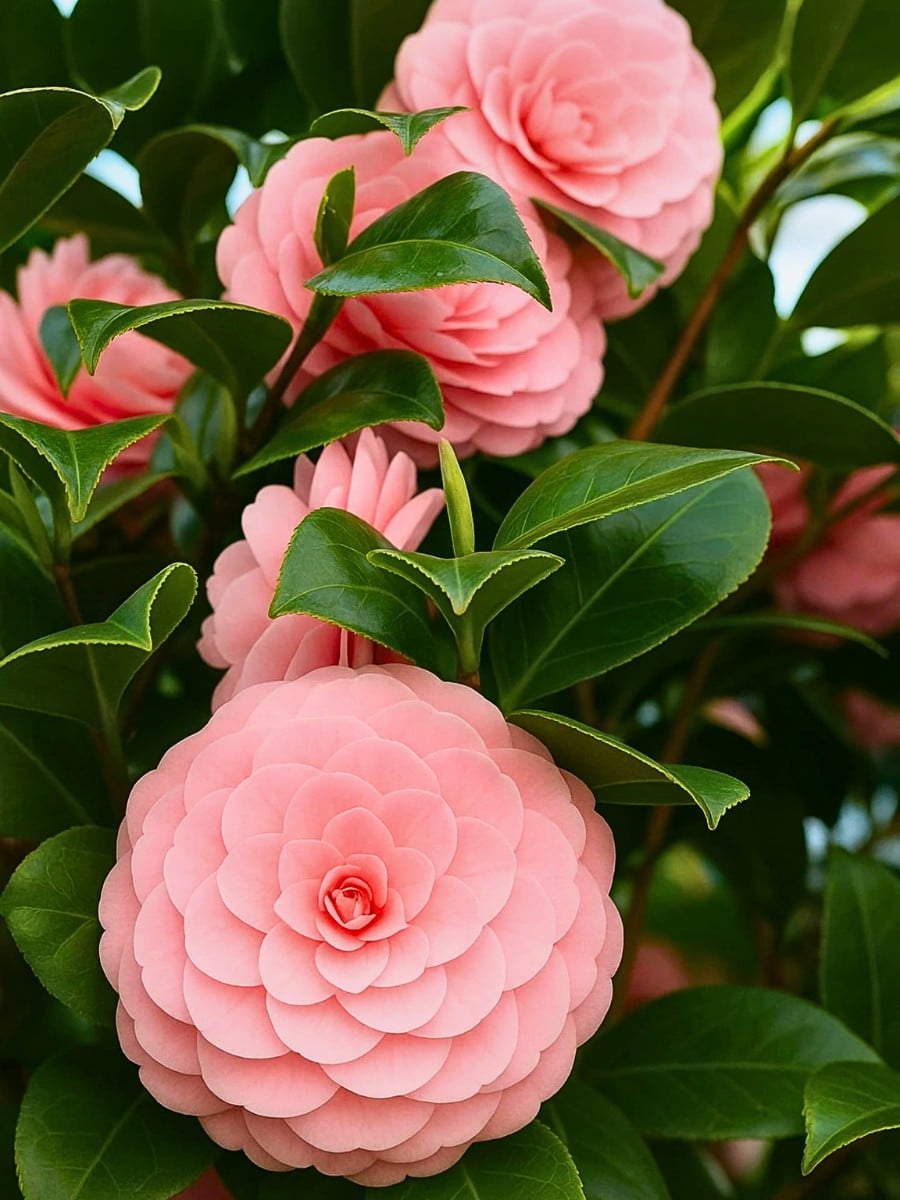
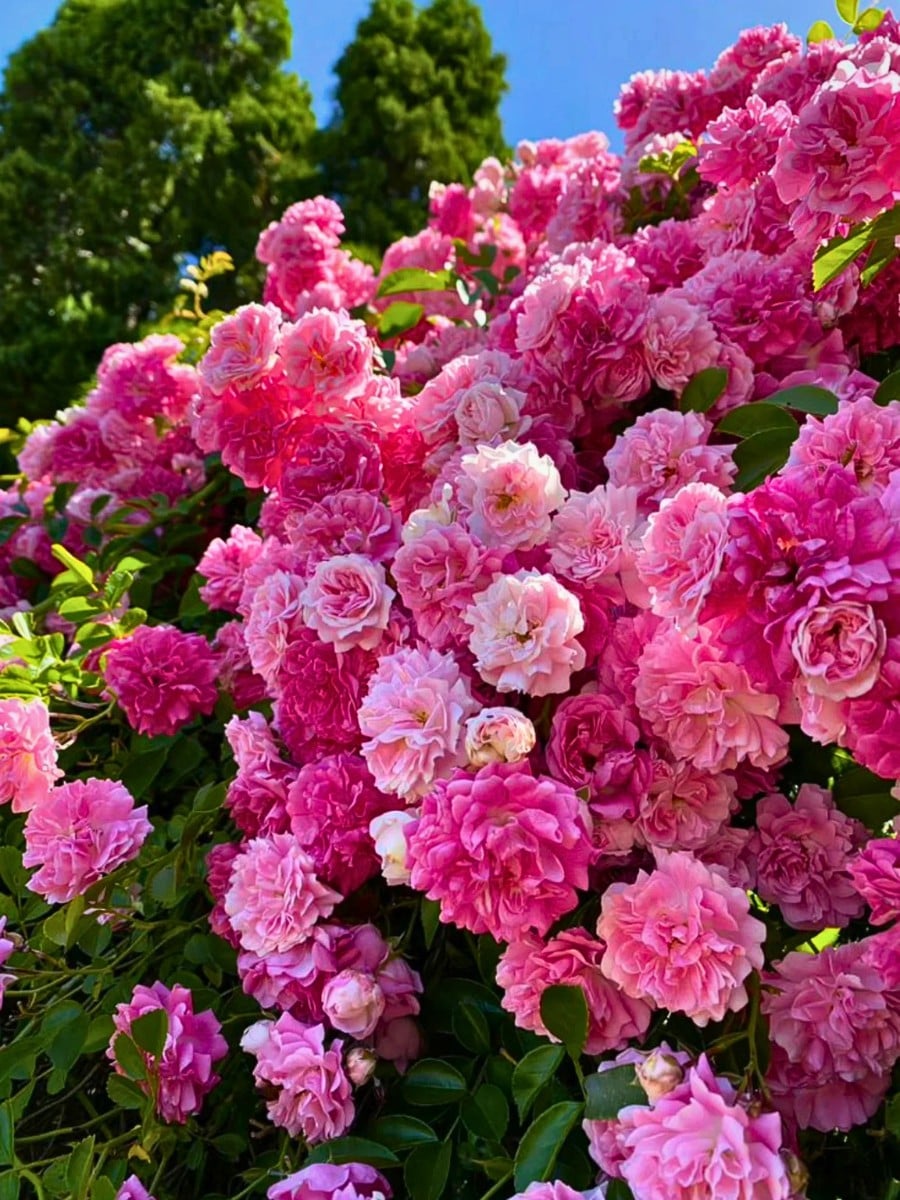
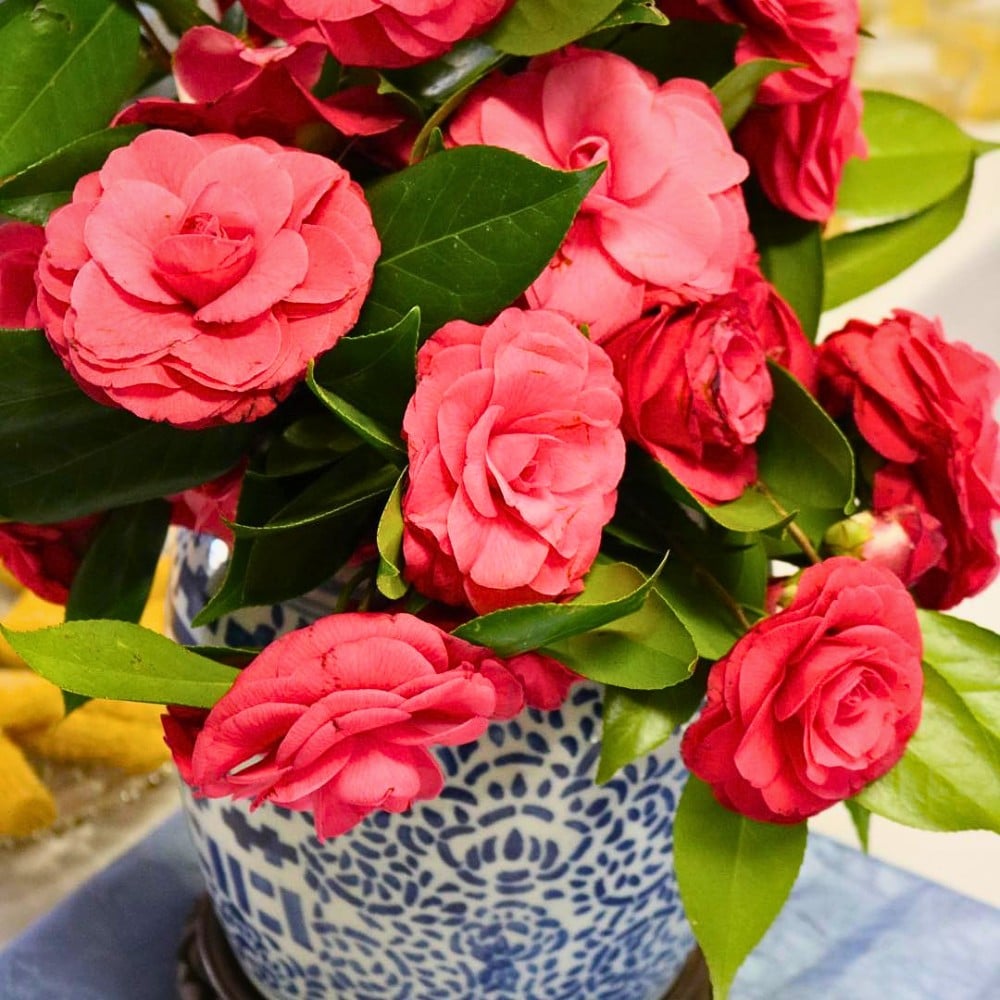
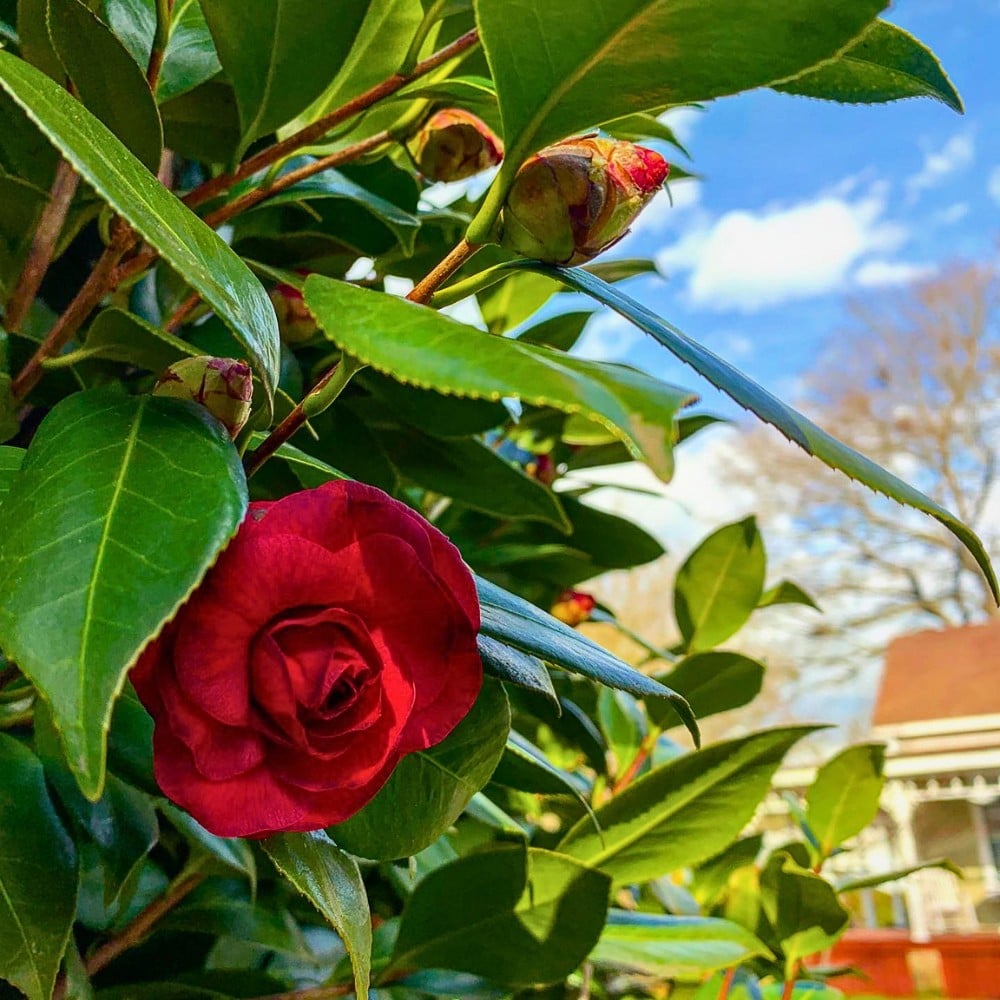
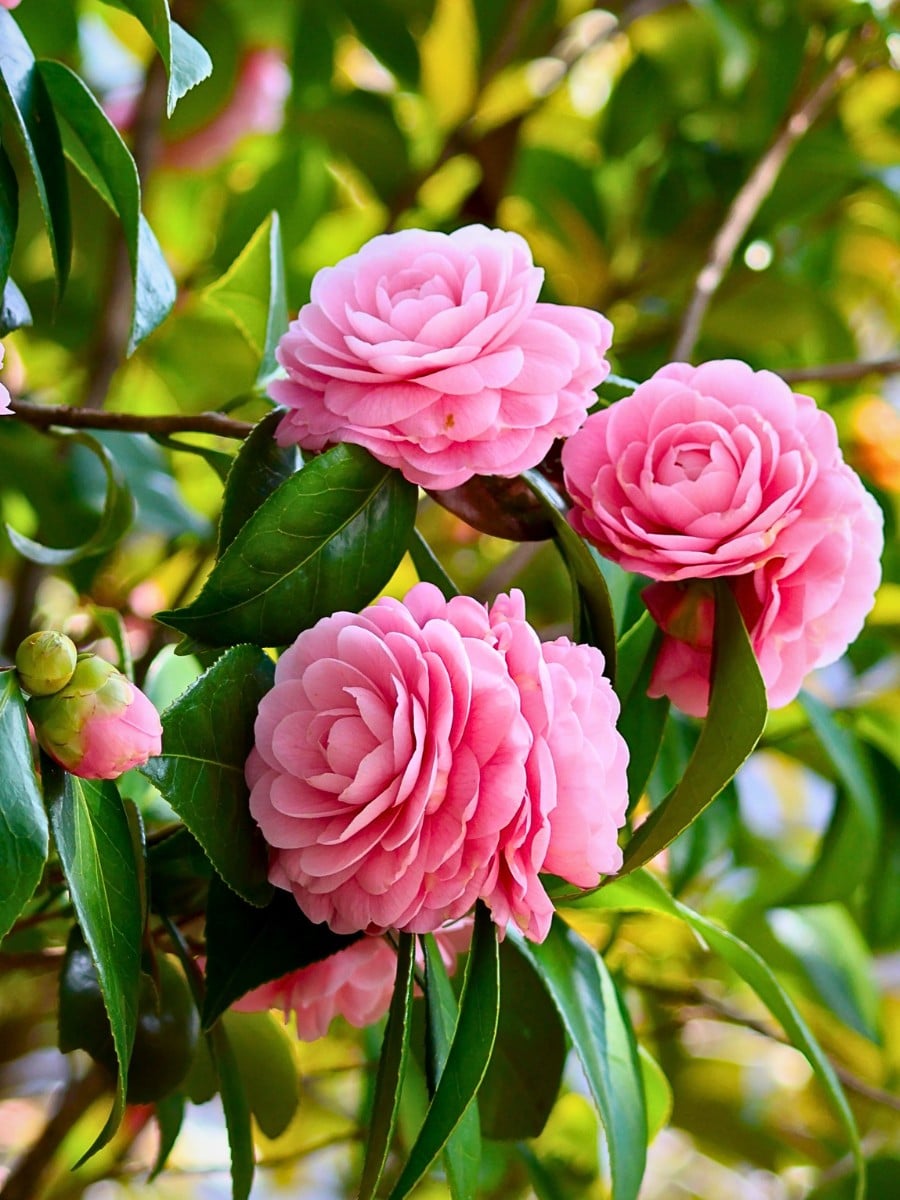
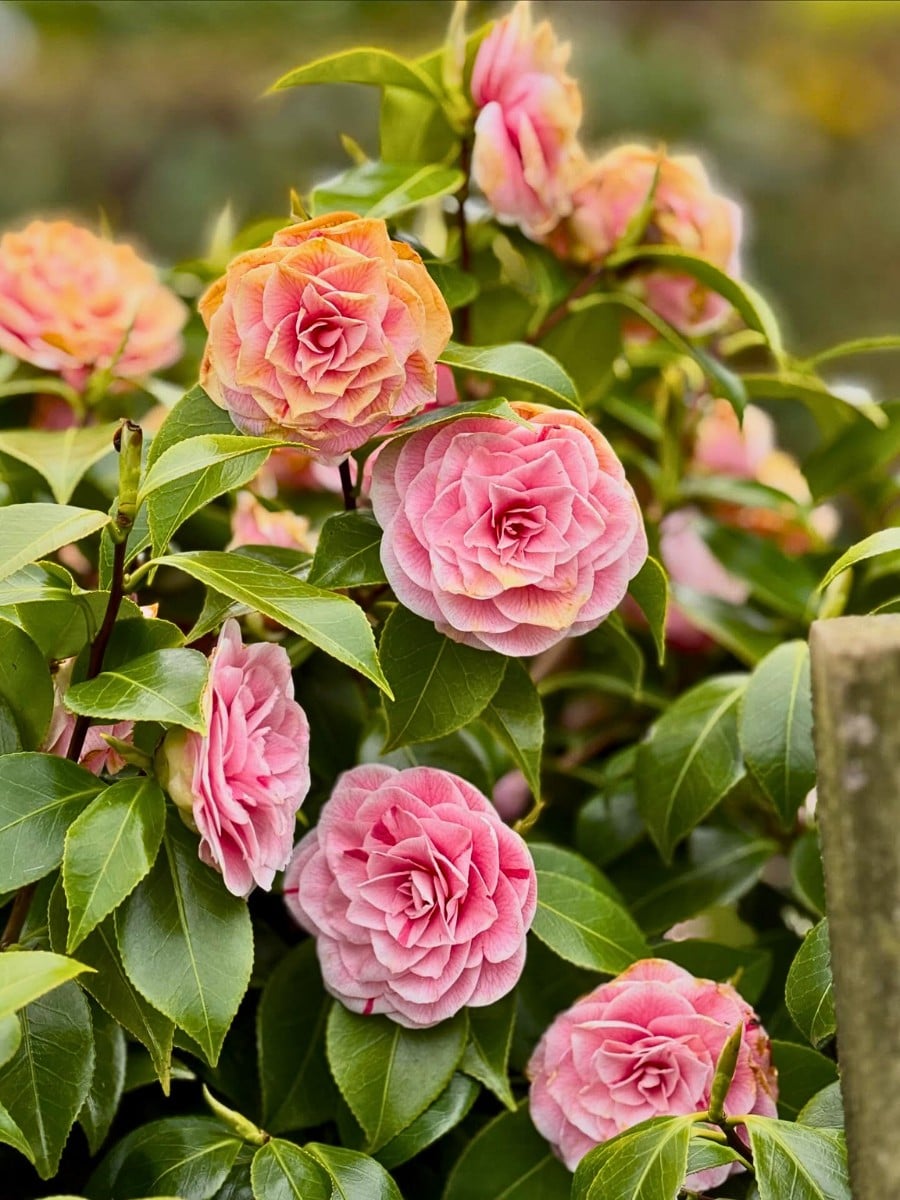
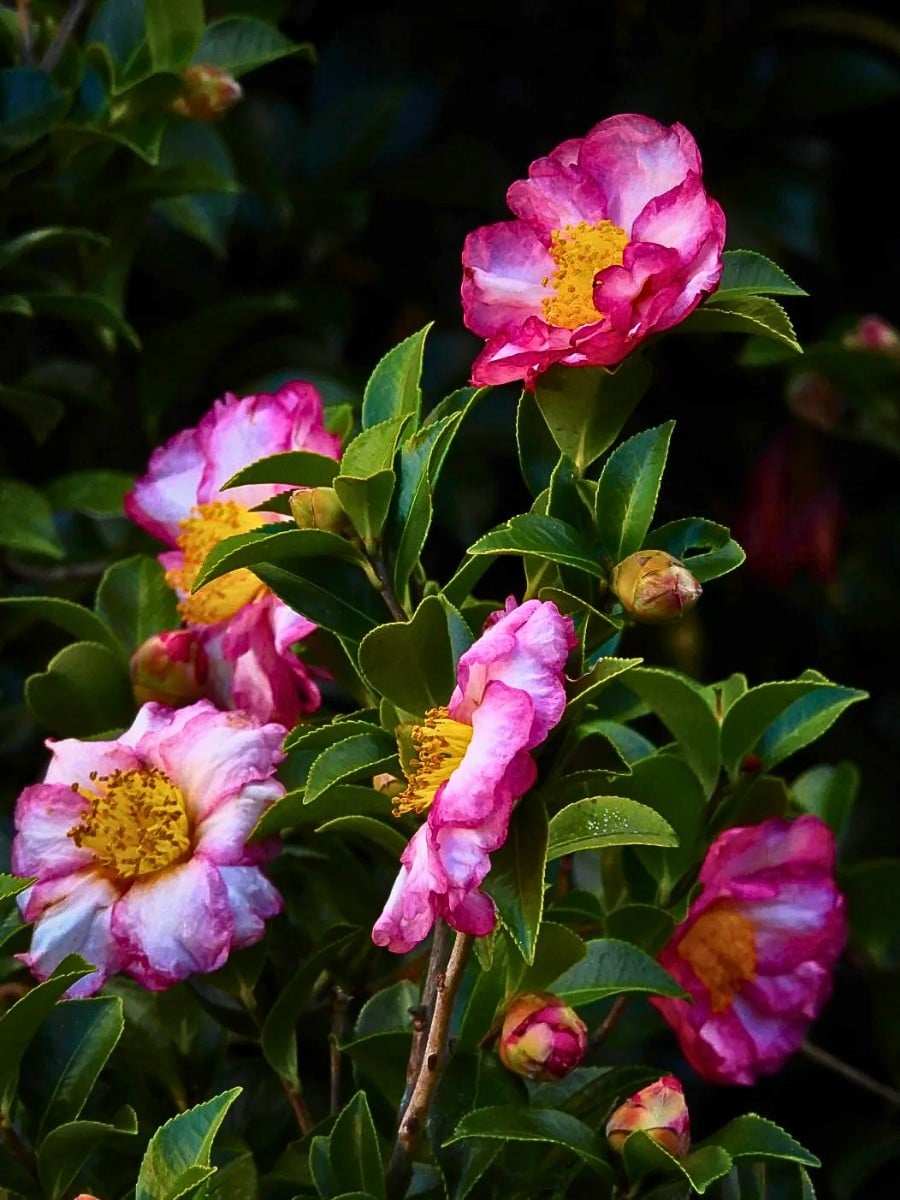
Camellia japonica is slow-growing and can reach 180 to 215 cm in height at maturity. It features smooth, dark green, polished leaves that hold their appeal even when the plant is not in flower. The individual flowers can measure several centimeters across and appear in shades of white, pink, red, and occasionally pale yellow, depending on the cultivar. Their form ranges from simple, single-layered flowers with a visible center of stamens to fully double forms with dozens of overlapping petals, often resembling roses or peonies.
One thing that often surprises people researching the Alabama state flower is that the Camellia is not native to Alabama or to North America at all. Camellia japonica originates from East Asia, including Japan, China, Taiwan, and Korea, which makes it the only official state symbol of Alabama that did not originate within its borders, adding an unusualness to its prominent role in the state's identity.
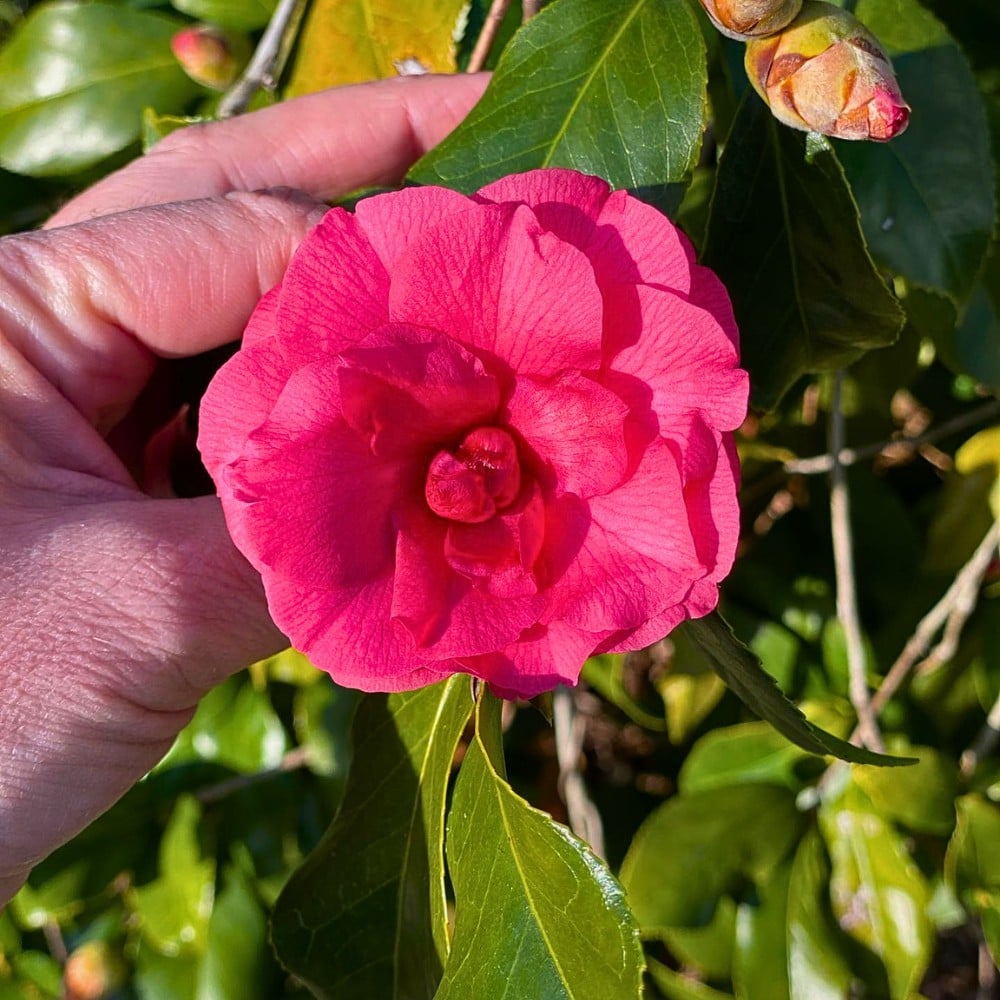
Camellias arrived in the southeastern United States in the late 1700s, brought by collectors and traders interested in ornamental plants from Asia. The climate of the Gulf South, featuring mild winters and humid summers, proved well suited to the plant, allowing its cultivation to take hold across Alabama, Georgia, and the Carolinas, even before the flower had any official standing.
Alabama State Flower, Camellia’s Fascinating Facts
One of the most interesting Alabama state flower facts is that the Camellia was not the state's first floral emblem. That merit belonged to the Goldenrod, adopted through a bill introduced by Representative T.E. Martin of Montgomery County.
The legislation became law on September 6, 1927, the same day that the yellowhammer was named the official Alabama state bird, giving the state a matching gold and yellow theme for its earliest floral and avian symbols. The Goldenrod (Kentucky's state flower) held its position for more than thirty years, but not without ongoing criticism.
Detractors argued that the plant was little more than just a common roadside weed, and some unfairly blamed it for seasonal hay fever, even though ragweed, a plant that flowers around the same time of year, is the actual source of most of those allergic reactions. The Goldenrod's reputation never fully recovered from this misplaced association, even though the plant itself produces a cheerful display of golden spires in the fall season.
By the late 1950s, a group of Camellia growers and enthusiasts from Butler County had grown tired of the goldenrod's status and decided to act on it. They found an ally in State Representative Folsom LaMont Glass of Greenville, a city sometimes called The Camellia City due to its long association with the flower.
Glass introduced the bill that changed Alabama's state flower, and House Bill 124 passed on August 26, 1959. Governor John Patterson signed it into law, officially naming the Camellia as the Alabama state flower and ending the goldenrod's three-decade run.
Another point worth noting among Alabama state flower facts is that the 1959 law did not initially specify which type of Camellia held the designation. Since Camellias include numerous species and thousands of cultivars, this left some ambiguity in the law for 40 years.
The Alabama Legislature addressed this in 1999, passing additional legislation that specified Camellia japonica L. as the official Alabama state flower. The same 1999 legislation also designated the oak-leaf Hydrangea, a shrub native to Alabama, as the state's official wildflower, giving the state a cultivated emblem and a native one.
Camellia Meaning as Alabama State Flower
The Alabama state flower's meaning draws on the symbolism the Camellia has carried across the cultures where it has been cultivated. In many of these traditions, it is linked to devotion, admiration, and refined beauty. When applied to Alabama, the flower has come to represent what is often described as southern beauty and gracious living, which are themes that align closely with the values its earliest supporters wanted to see mirrored in a state symbol.
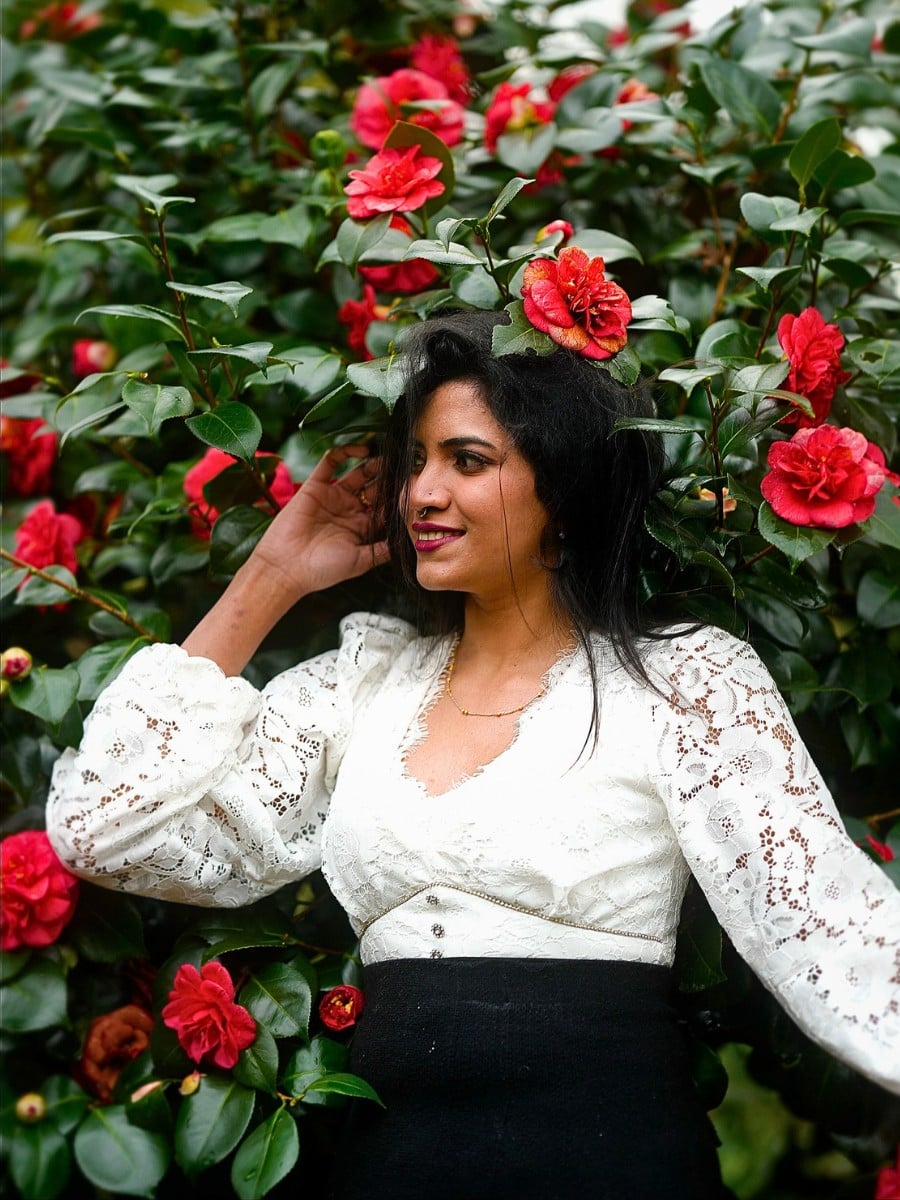
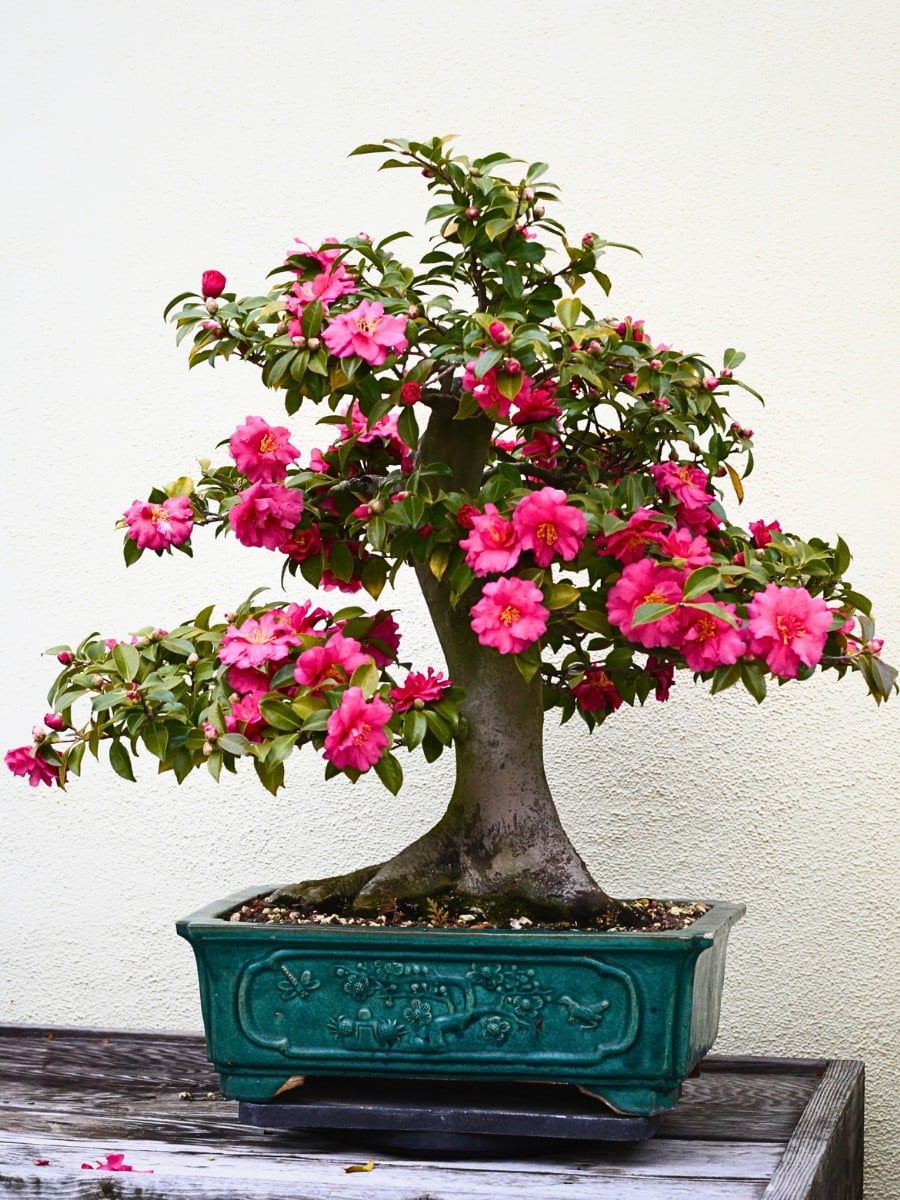
Away from the general associations with beauty, the Camellia is also tied to passion, excellence, and longevity. The plant's nature as a slow-growing, long-lived shrub, with some specimens surviving for well over a century and continuing to flower reliably every year, lends itself naturally to the idea of longevity. Its connection to excellence shows up in the dedication of growers and collectors, many of whom spend years cultivating rare cultivars and competing in Camellia shows held throughout the South.
There is also a social history nuance in the meaning of the Alabama state flower. When Camellias first reached the southeastern United States, they were expensive and difficult to acquire, which meant only wealthy households could initially display them. Owning Camellias became a marker of status and refinement during the 1800s.
But over time, as cultivation techniques improved and the plants became more widely available, the Camellia moved from a symbol of exclusivity to one of shared regional pride, setting the stage for its eventual adoption as a state emblem in the 20th century.
The Alabama State Flower, Camellia, in Everyday Life
Alabama’s state flower, the Camellia, shows up in several official and ceremonial settings across the state. Most visibly, it is featured on the Alabama quarter, part of the United States Mint's 50 State Quarters Program. This design choice put the flower into circulation across the whole country, giving it a place in the pockets and coin collections of people who may have never set foot in Alabama.
Alabama is also home to several stops on the American Camellia Trail, a network of gardens and historic sites across the southeastern United States dedicated to Camellia cultivation and display. Visitors to these locations see hundreds of Camellia varieties during the winter months, when most other plants in the region have lost their leaves or gone dormant. For anyone wanting to see the Alabama state flower up close, these gardens offer one of the most reliable opportunities to do so.
Camellia societies and garden clubs also remain active throughout the Heart of Dixie, hosting shows and exhibitions where growers display their best flowers and compete for recognition. These events continue a tradition that traces back to the flower's earliest popularity in the region, when its cultivation was a horticultural pursuit and social occasion. Local newspapers in Camellia-growing areas of Alabama have covered these shows for years, and many of the same families continue to enter their plants every year.
Growing This Alabama State Flower
Camellia japonica is well-suited to the climate found across most of Alabama, which has helped it remain a popular choice for home gardens years after its designation as the state flower. The shrub prefers partial shade, particularly protection from harsh afternoon sun in the height of summer, and performs best in slightly acidic, well-drained soil that contains sufficient organic matter.
Because Camellias flower during the cooler months, they provide color in the garden at a time when most other flowering plants have gone dormant, which makes them a valued addition to winter landscapes, especially when planted near entryways, patios, or windows where their flowers can be appreciated up close. A mature Camellia in full flower can be a focal point in an otherwise bare winter garden.
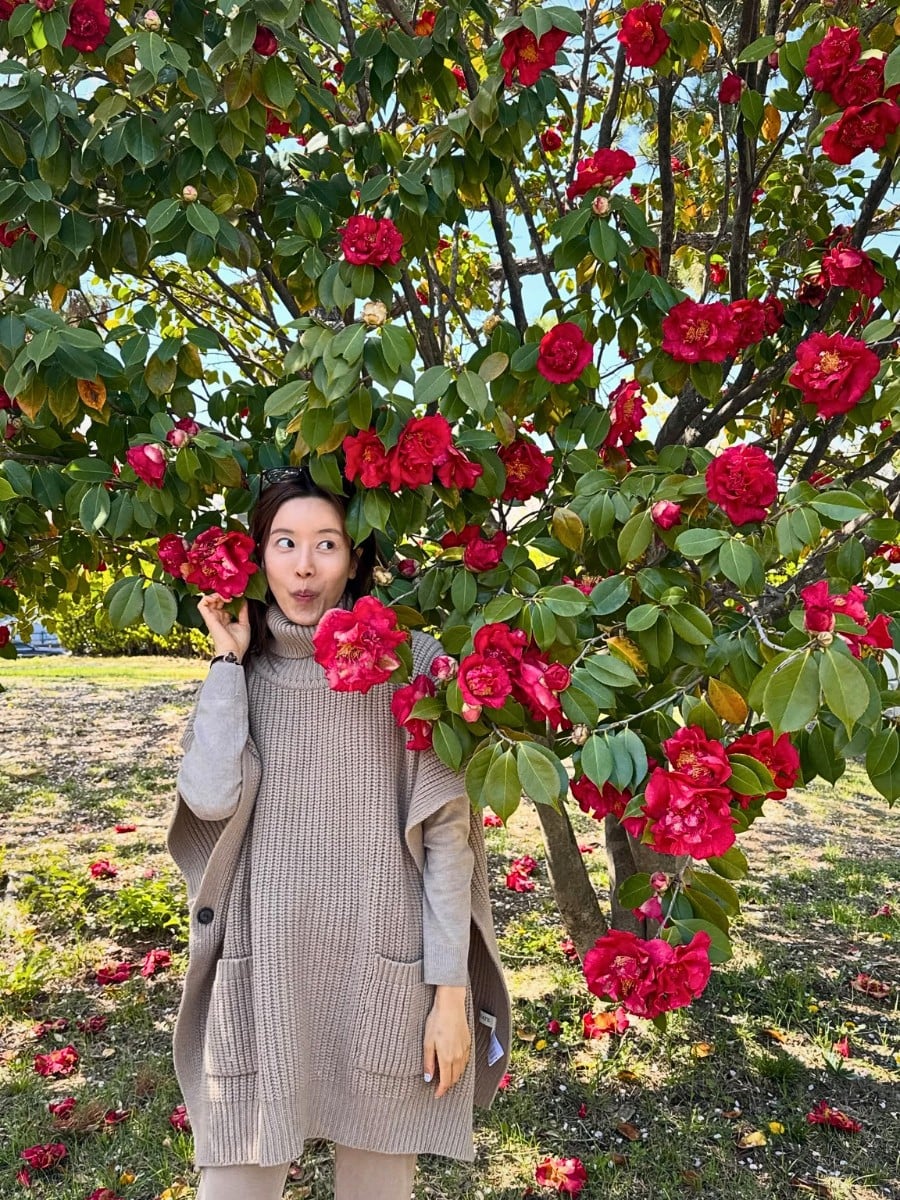
Established Camellia shrubs require relatively little ongoing care aside from occasional pruning to maintain their shape and the removal of spent flowers to encourage further flowering. Mulching around the base of the plant helps retain soil moisture and regulate root temperature through summer heat and winter cold, both of which support healthy long-term growth. With proper placement and care, a Camellia shrub can remain a fixture in a garden for generations, a quality that mirrors the longevity often associated with the Alabama state flower’s meaning.
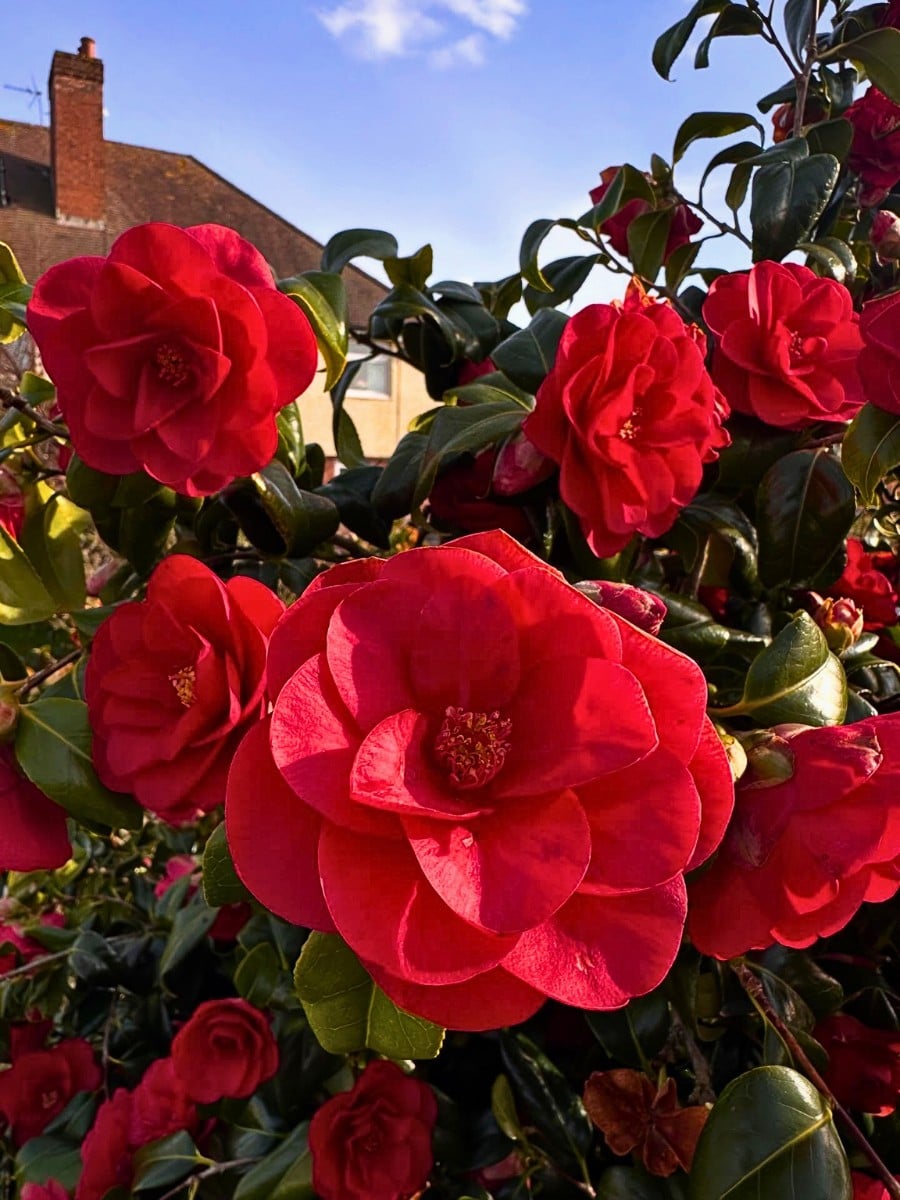
Gardeners new to Camellias should, nonetheless, be aware of the timing when it comes to pruning. Because the plant sets next year's flower buds during the summer months following its current bloom cycle, pruning should generally take place shortly after flowering ends in early spring. Pruning the flower too late in the year risks removing the buds that would have produced the following winter's display, which leaves the plant without flowers for an entire season.
Featured image by @elixir.ammu2.0. Header image by Burkhard Mücke. Reel: @garden_with_tom