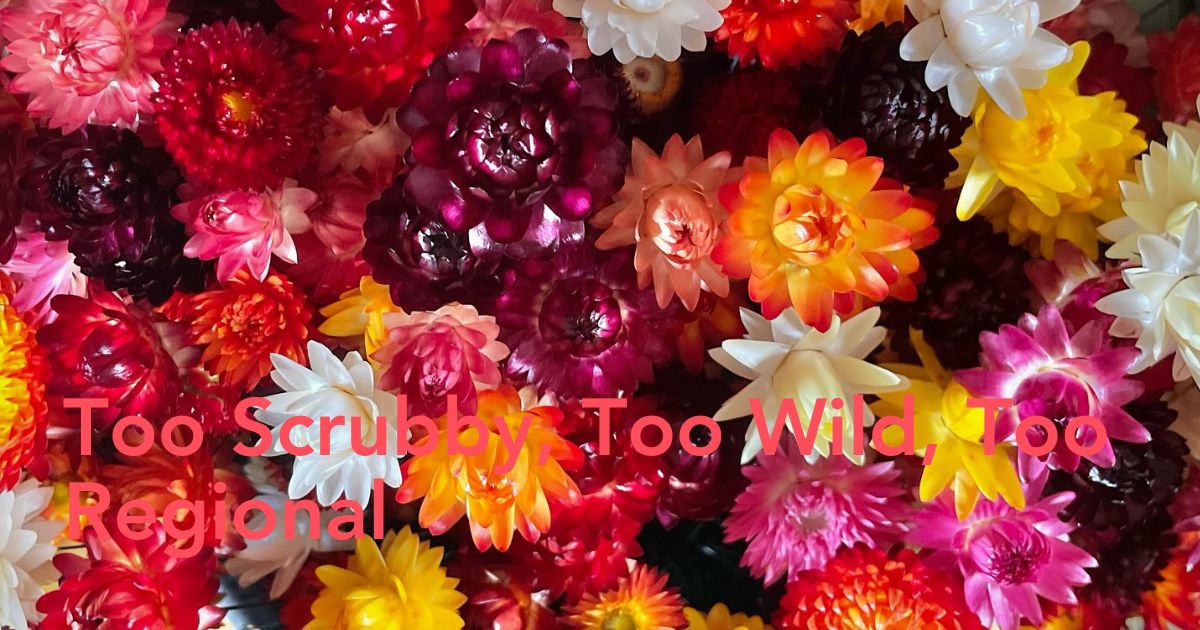
Corsica, July afternoon. Rocky hillside, the kind that looks like nothing much grows there. But something does. You smell it before you see it - curry, spice, honey, all layered into one warm drift of scent carried on dry air. The silvery shrubs producing it are everywhere, nobody planting anything, in the soil that should be too poor to bother with.
Helichrysum Italicum - The Immortelle
For decades, flower people ignored it. Too scrubby, too wild, too regional. A thing herbalists knew about, not florists. Fifteen years on, that's flipped, hard. One of the highest-value wild-harvested and cultivated flowers in the whole Mediterranean basin now is exactly this plant. Growers on Corsica who used to treat it like ditch weed run dedicated operations around it. Oil pricing has entered specialty-botanical territory. Dried flower demand climbed right alongside. Quietly, the immortelle moved from obscurity to serious industry relevance. For a deeper look at the species' history and chemistry, Prima's article on helichrysum benefits gets into the aromatic profile and traditional uses in more detail.
Helichrysum Italicum - The Flower Itself
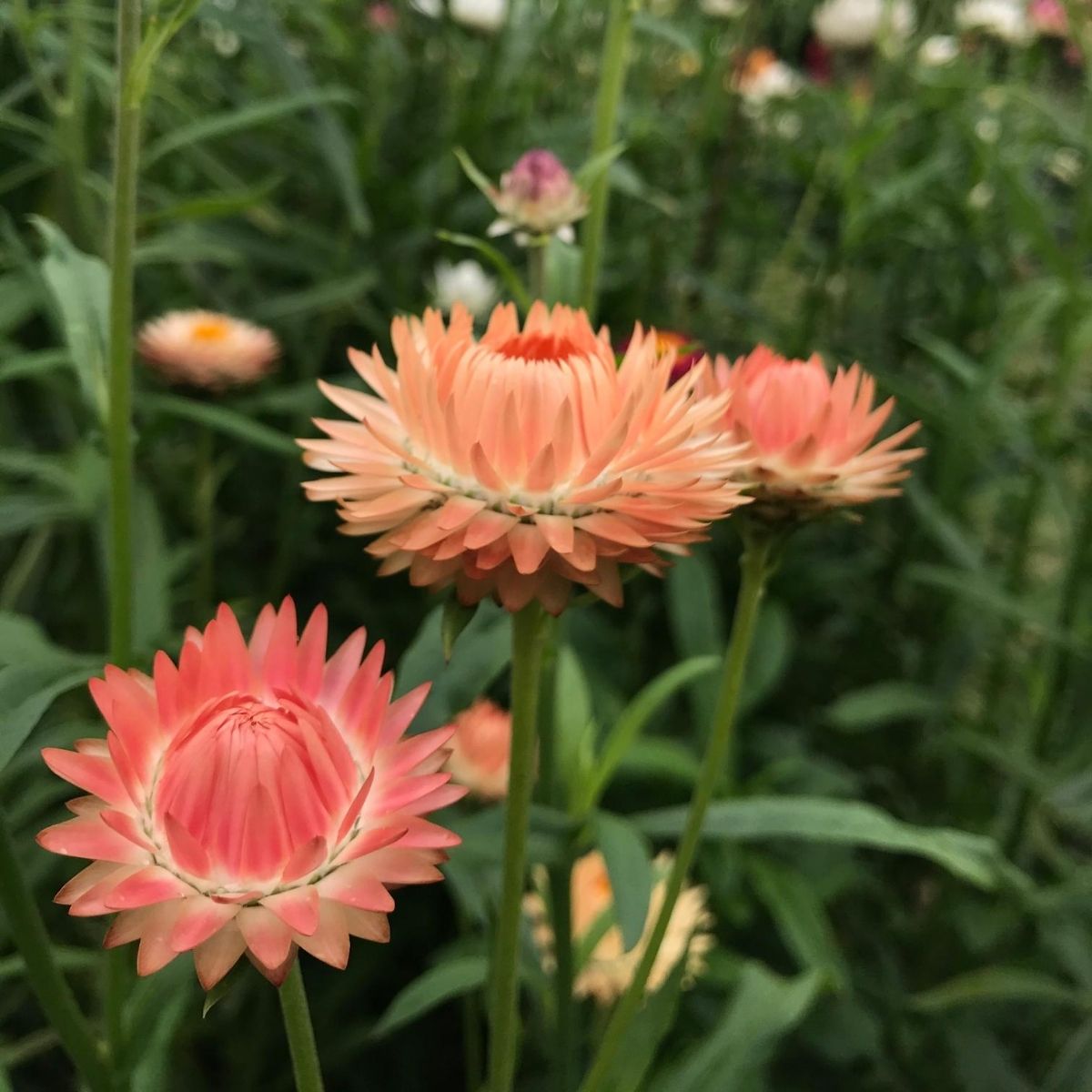
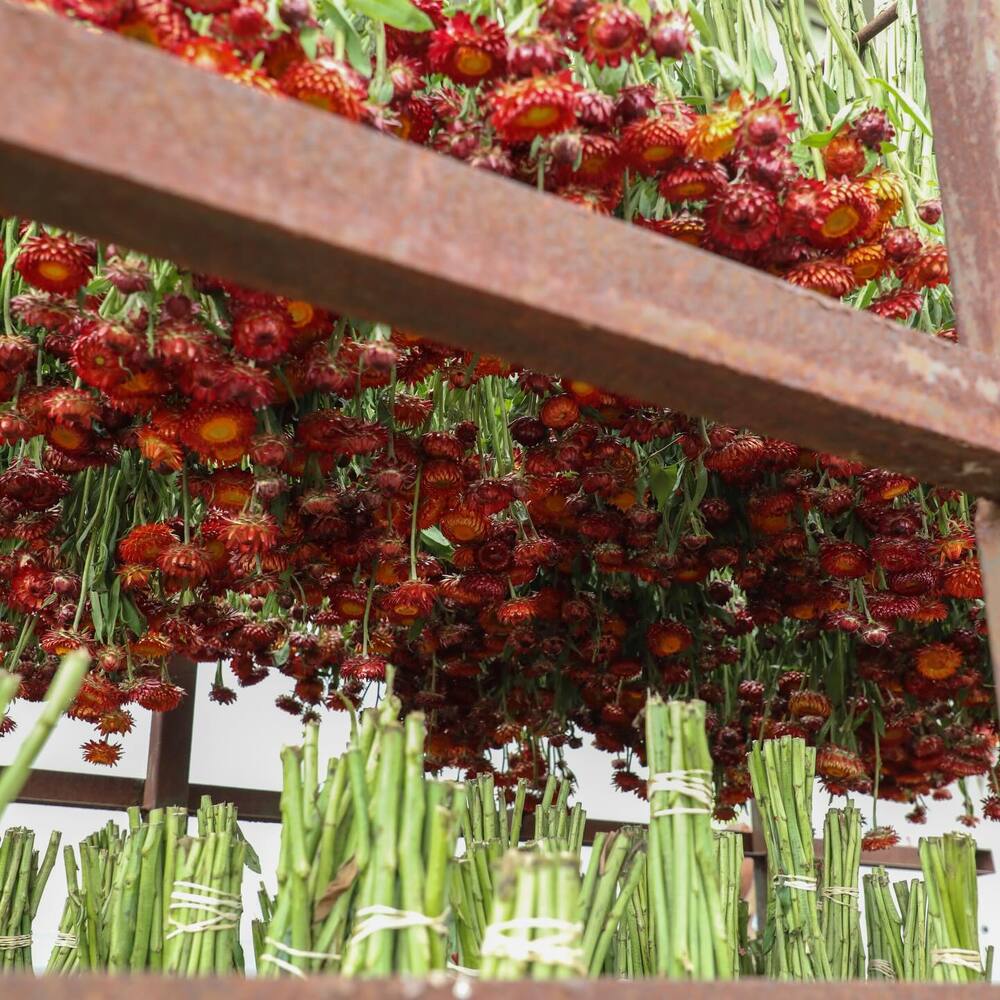
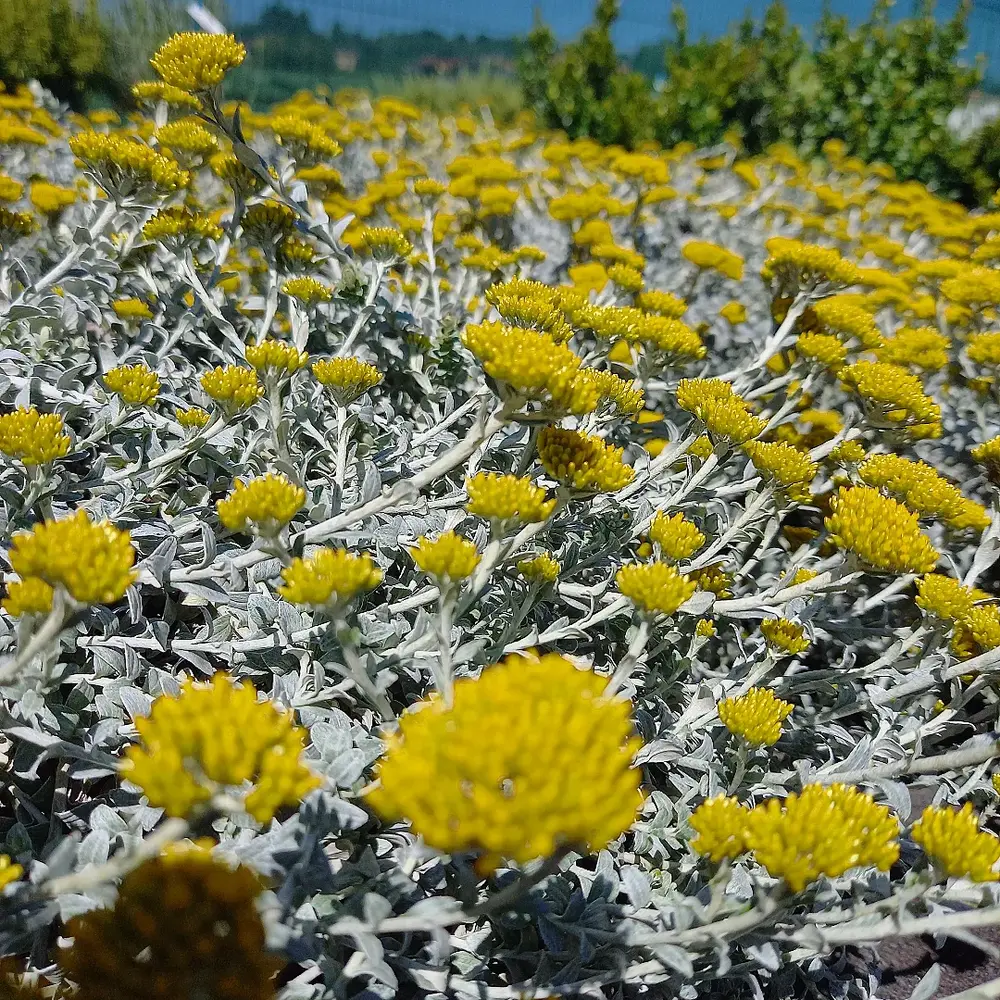
The flower is an Asteraceae perennial from the Daisy family and has the same extended relatives as sunflowers and chrysanthemums. Mature plant runs 40 to 60 centimeters tall with leaves that are narrow, silver gray, and fine-textured. Flower heads are small, densely clustered, exhibiting a typical deep golden yellow hue. Brushing the foliage releases that unmistakable, curry-spice aroma almost instantly - hence the English nickname, the curry plant.
Native range covers the Mediterranean basin - Italy, Croatia, France, Spain, Greece, Corsica, and Sardinia in particular. What the plant tolerates is exactly what most flowers can't: thin stony ground, prolonged drought, punishing midsummer heat that crisps off the rest of the regional flora. Flowering runs mid-to-late summer, often holding long after everything else has shut down for the season.
Every regional name for it points at the same single trait: Immortelle in French, Perpetuini in Italian, Everlasting in English. The translation that actually matters commercially: this flower keeps its color and shape for an absurdly long time after cutting. Flavonoid chemistry does the work, stabilizing pigment and structure in ways most cut flowers cannot match.
From Folk Plant to Commercial Crop
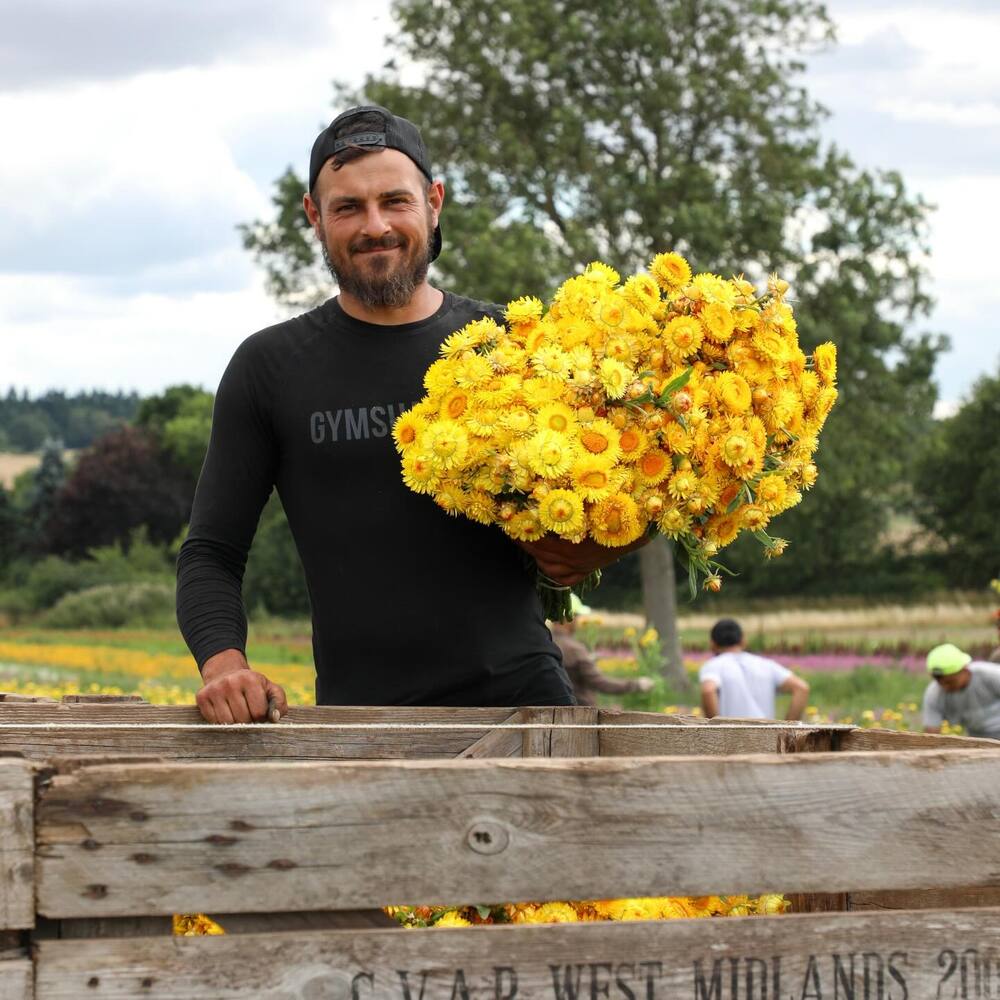
In the early 2000s, Helichrysum still came out of the wild almost exclusively. Collectors in Corsica, Croatia, and Bosnia would walk the hillsides in flowering season, harvest by hand, and move the material to small regional distilleries or local herbal markets nearby. Volumes stayed low. Prices stayed low. A cottage setup, top to bottom.
Two Things Changed That
Essential oil producers took the species seriously and started running real analysis on it. Helichrysum italicum's aromatic profile turned up an unusual combination of compounds - neryl acetate, italidiones, a distinctive spread of sesquiterpenes - accounting for both the scent and, more importantly from a commercial angle, a meaningful amount of reported anti-inflammatory activity. Peer-reviewed research followed. Aromatherapy wanted it. Natural skincare wanted it. Fragrance houses wanted it. Premium Corsican and Croatian distillates now move at prices anywhere from $1,000 to $3,000 per kilogram, depending on vintage, origin, and whether the material is certified organic. For context, that puts helichrysum oil shoulder-to-shoulder with some of the most expensive essential oils anywhere.
The second shift was cultivation expanding beyond wild harvest. Corsican growers built dedicated plantations first and partnered with regional agricultural programs to work out sustainable harvesting standards. Then Croatia. Then Bosnia. Italian growers joined the move. Professionalization happened across the whole sector over roughly a decade - distillation timing, cultivar selection, organic certification, and protected designation of origin.
The flower trade side effect was almost accidental. All that cultivation meant dried Helichrysum flowers and stems were finally available in volumes that the industry had never actually seen before.
Why the Floral Industry Noticed Helichrysum
Three floral sector trends arrived at the same moment Helichrysum supply was finally catching up with the demand.
- The everlasting flower revival: Dried work went from rustic curiosity to legitimate mainstream - weddings, editorial, interiors, events. Designers working with dried species needed species that actually hold color and shape across time. Statice, Strawflower, Pampas grass. Helichrysum landing right in the middle of that group: compact, warm golden, fine-textured, equally comfortable in minimalist contemporary pieces or layered classical arrangements. The flower slipped into the category almost seamlessly, with editorial-tier work pulling it upward in visibility fast. That visibility flowed straight into retail demand within a couple of seasons.
- The wellness-adjacent floral category: Floristry and wellness have genuinely bled into each other. Dried herb wreaths. Aromatherapy-themed arrangements. Botanical gifting, healing-themed pieces, sensory-driven design. Helichrysum's reputation as a healing herb plus its aroma positions it unusually well in this crossover space, where visual and sensory components matter equally.
The Sourcing Picture
Helichrysum flows into commercial channels from several origin zones, each with its own signature.
Corsica produces what most specialists still consider the reference oil. Strict PDO rules. Wild-crafted and organic plantation material from the island regularly sits at the top of the global pricing sheet.
Croatia and Bosnia handle the bulk supply volumes. The Dalmatian coast, especially, has developed into a legitimate growing region. Cooperatives work with both wild-harvested and cultivated flowers at varying quality tiers to match different buyers.
Italy, especially Tuscany and Sardinia, contributes oil and dried flower material, often moving regional cosmetic and herbal channels that predate the export boom.
Newer origin zones - parts of Spain, Portugal, and pockets of Turkey - started entering the trade over the last five years or so. Volumes are smaller. Consistency still varies meaningfully from batch to batch.
Florists and professional buyers working with Helichrysum today need more supply-chain awareness than they did ten years back. Origin, wild vs cultivated, post-harvest drying method, UV exposure during storage - all of those meaningful factors affect what actually shows up on the designer's workbench.
What This Means for the Industry
Helichrysum's arc maps onto patterns floriculture has already watched unfold. Lavender did it, Eucalyptus did it, Protea did it. A plant native to one region, with some combination of distinctive aromatic, visual, or functional traits, goes global once enough market trends converge at the same time. Helichrysum happened to catch four at once - the wellness sector expanding, dried flowers coming back, Mediterranean aesthetics trending in design, and scientific curiosity about the plant's chemistry rising in parallel. Rare combination, powerful effect.
Takeaway for growers is actually worth sitting with. Regional natives with something distinctive about them - scent, appearance, function - can move into serious commercial territory when the market swings their way, and current conditions genuinely favor exactly these kinds of species right now. For florists, Helichrysum brings something unusual to both fresh and dried work: a flower with an actual story, genuine scent, and real staying power in a vase or dried display. For the industry broad, the immortelle's path is a useful reminder. Some of the flowers that will matter most commercially in the next ten years are already growing somewhere. Probably on a hillside, nobody's watching yet.