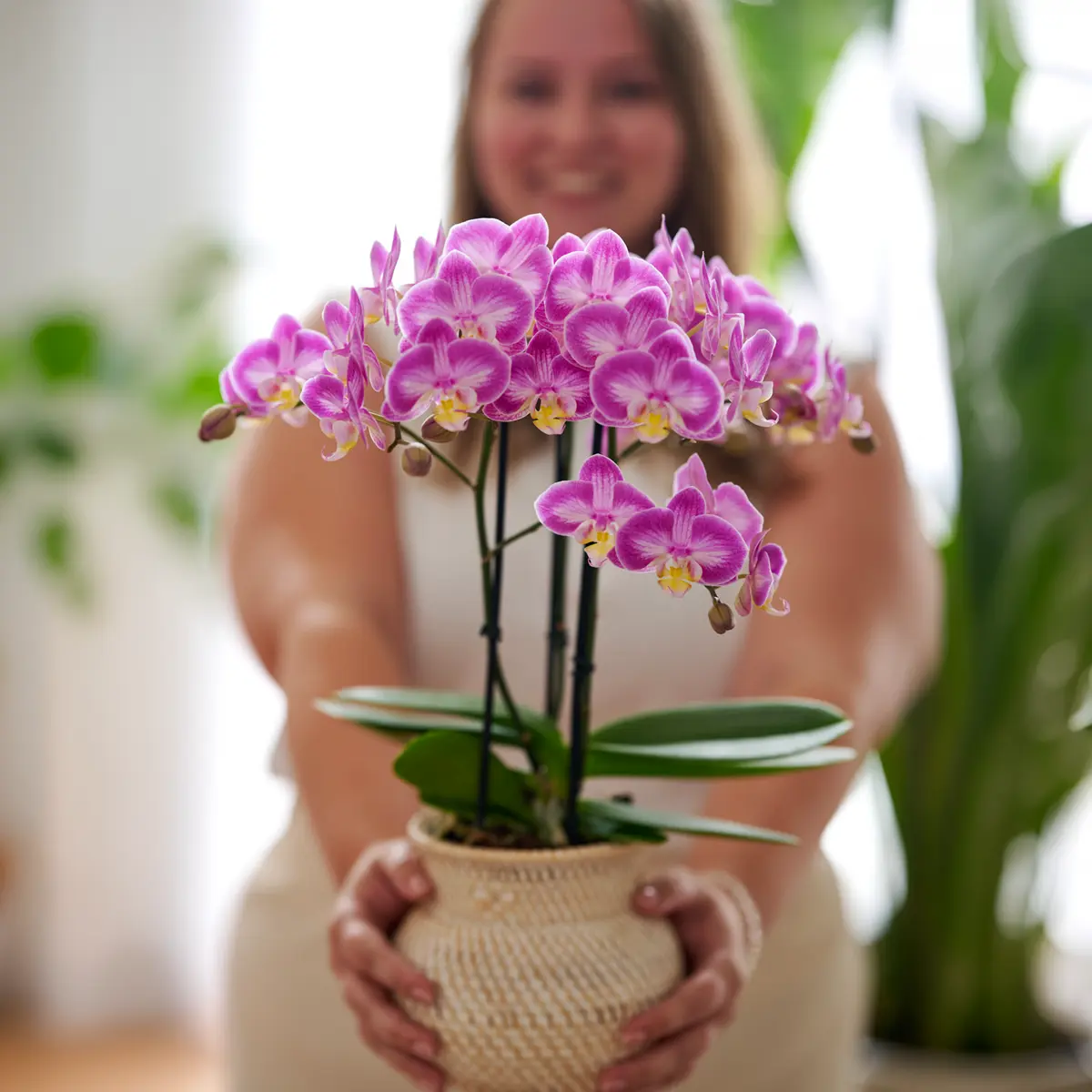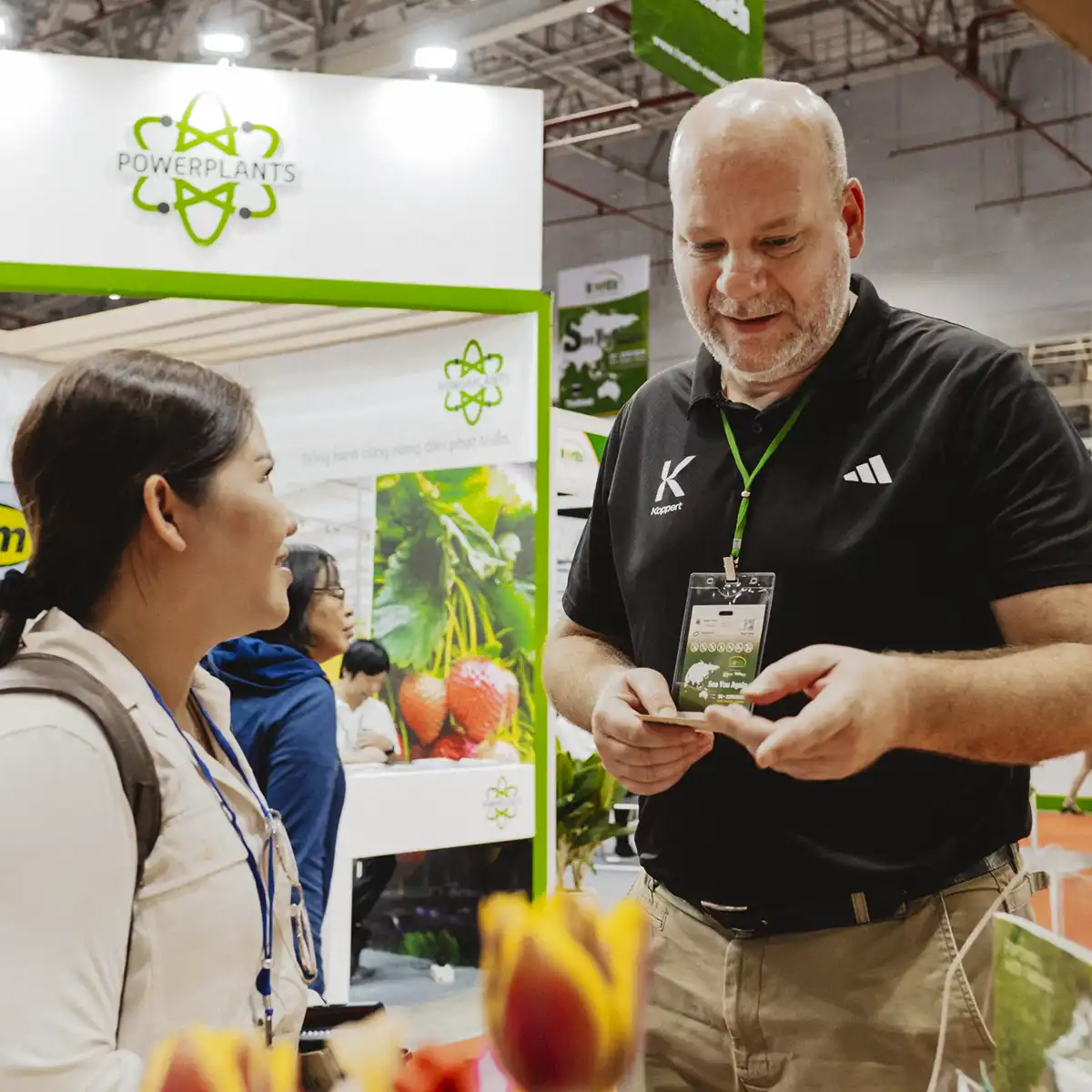
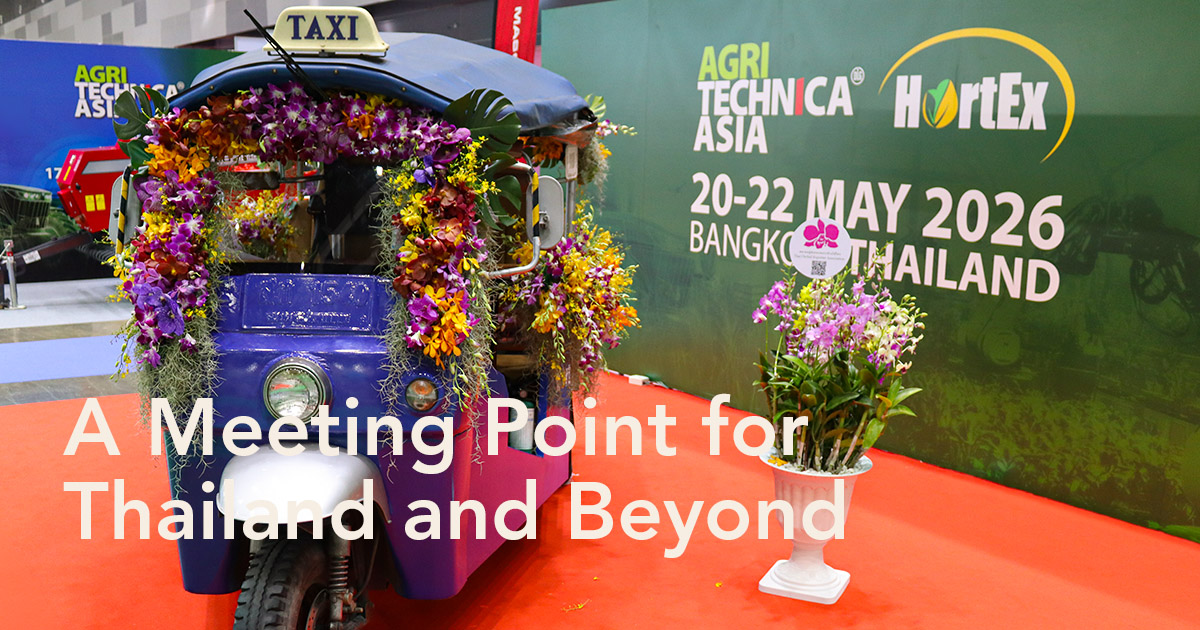
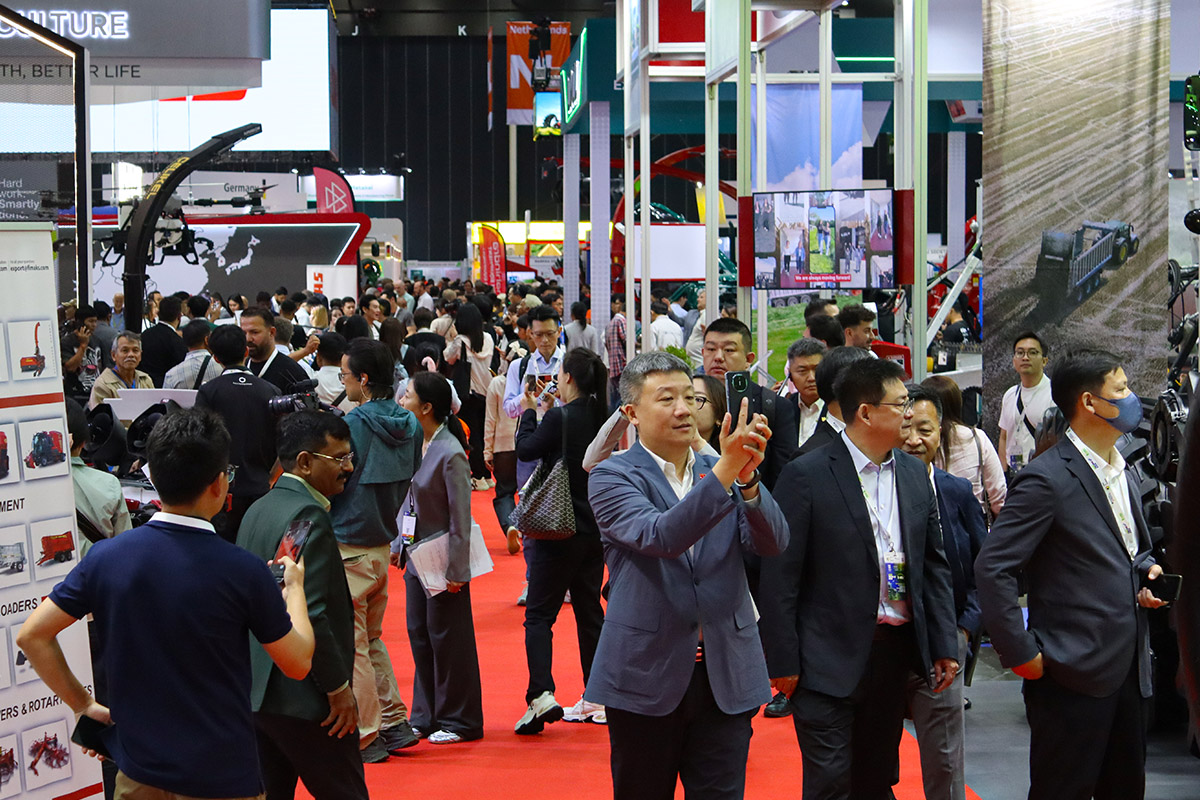
HortEx 2026 brought the horticultural and floricultural world to BITEC Bangkok from May 20-22, placing flowers, plants, growing technology, substrates, seeds, young plants, fertilizers, post-harvest solutions, trade, and regional market access under one roof.
12,034 visitors and 367 exhibitors from a total of 72 countries gave this edition its final shape on the 14K sqm of exhibition ground. But even before the post-show numbers came in, one thing was clear on the show floor: Bangkok worked as a meeting point for companies looking at Thailand, Southeast Asia, Southern Asia, China, and beyond.
The 2026 edition was held alongside AGRITECHNICA ASIA, which gave the fair a broader agricultural technology context. Still, the horticultural and floricultural side had its own story. This was not just about machines or general agriculture. It was about how flowers, plants, fruits, vegetables, and young plants are produced, improved, transported, sold, and positioned in a changing Asian market.
Bangkok Works as an Ideal Hub
The idea behind the Bangkok edition was not only to serve Thailand. HortEx 2026 showed Bangkok as an ideal hub where regional and international markets can meet. Visitors and exhibitors came from Thailand, China, Vietnam, Malaysia, India, Sri Lanka, the Philippines, Korea, Turkey, Germany, the Netherlands, Singapore, and other countries, giving the fair a wider reach than a purely local trade show.
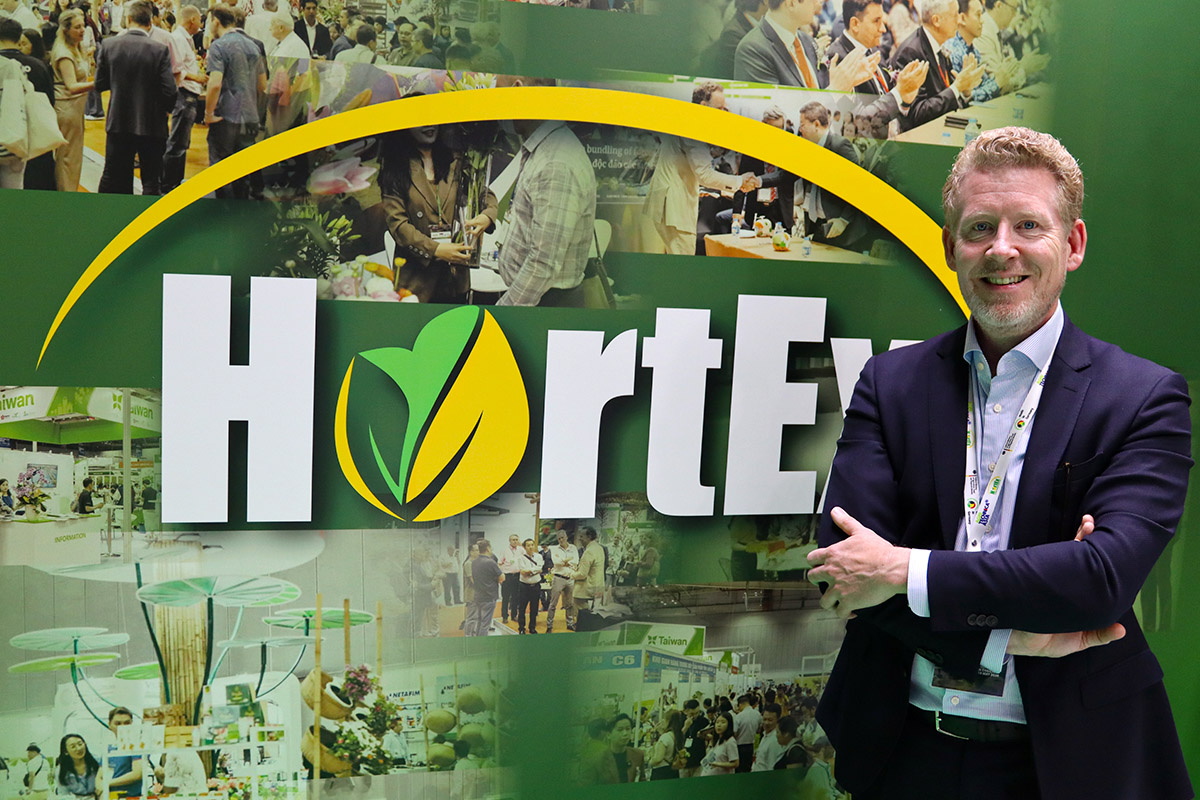
That hub function was also one of the strongest messages from Kuno Jacobs of Nova Exhibitions, as part of the globally operating fairs and events organizer DLG.
He explained that the rotating setup between Thailand and Vietnam (again held in 2027) is meant to give the event two different market profiles.
"Bangkok is a hub to the whole of Southeast Asia. So, it is very important to be here. And next year again in Ho Chi Minh City, because Vietnam is in itself a bigger market. So with these fairs that are held by turn we are having the best of both worlds."
For Jacobs, the event's floricultural identity also matters. With AGRITECHNICA ASIA in the same venue, the machinery and ag-tech side is easy to see. But the ornamental side needs its own spotlight.
"The ornamental sector is a different audience. Companies in irrigation or fertilizers have overlap with agriculture, but floriculture is a different world. We have to avoid people thinking this is just a machinery fair, and that is exactly why we wanted to underline the ornamental side more clearly," said Jacobs.
Horticulture, Floriculture, and the Practical Side of Growing
The show floor reflected that mix. Growers could find plant nutrition, substrates, seed breeding, young plant supply, drone technology, greenhouse-related solutions, agricultural machinery, crop monitoring, logistics, and export-focused organizations. For floriculture, the fair became especially relevant through companies and organizations such as Anthura, Evanthia, FloraGlobe, the Thai Orchid Export Association, and the Horticultural Science Society of Thailand.
There was also a strong Turkish presence, including the Antalya Chamber of Commerce and Industry delegation. This group represented several companies from Antalya, with a clear focus on plant nutrition, fertilizers, crop-enhancing products, and seed breeding. Antalya's position as a fresh-produce region helped explain why many of these companies see export opportunities in Southeast Asia.
Breeders and Young Plant Suppliers Tested the Water
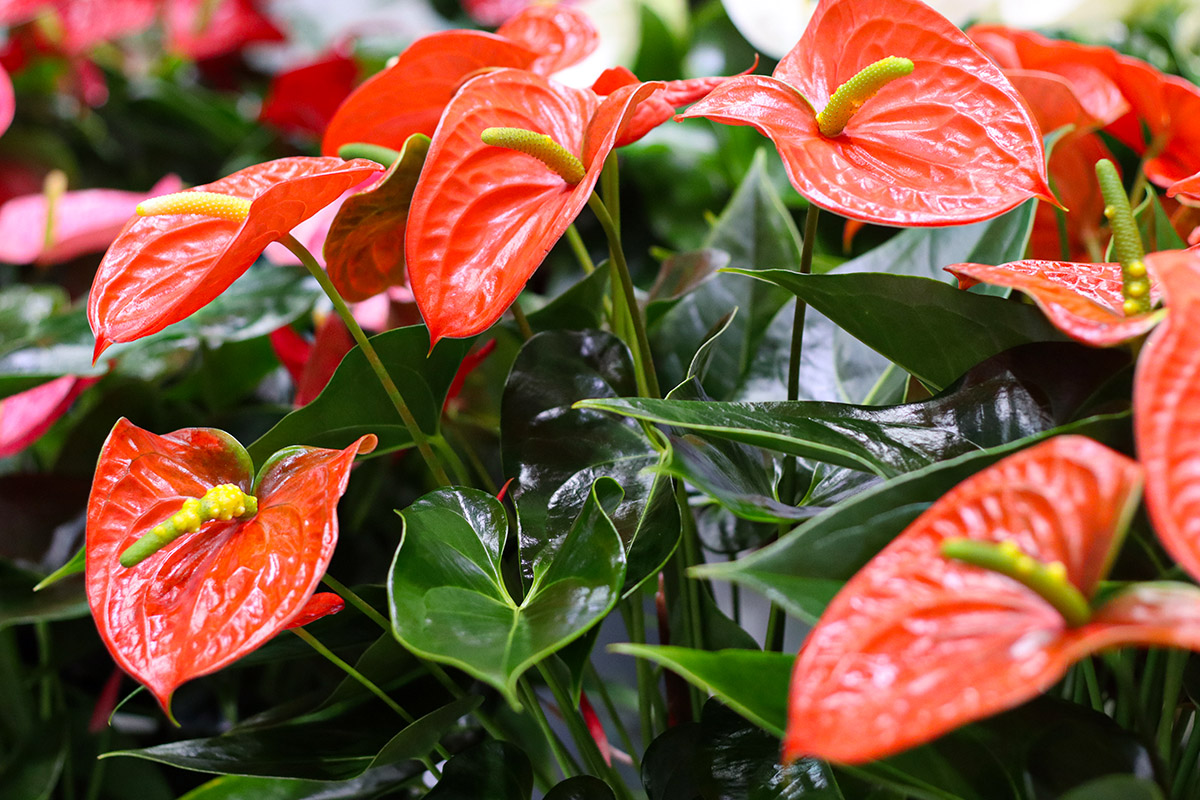
For international breeders and young plant suppliers, HortEx 2026 was an opportunity to gauge the market. Anthura, represented in Southeast Asia by Frank Verhoogt, used the fair to showcase part of its gorgeous Anthurium and Phalaenopsis assortment and to connect with existing and new contacts.
"I represent Anthura in Southeast Asia. We are here in Bangkok to promote our product and to source new relations. We are a breeder and young plant supplier, so the goal is also commercial: finding new leads and possibly new growers who want to trial our product," said Frank Verhoogt.
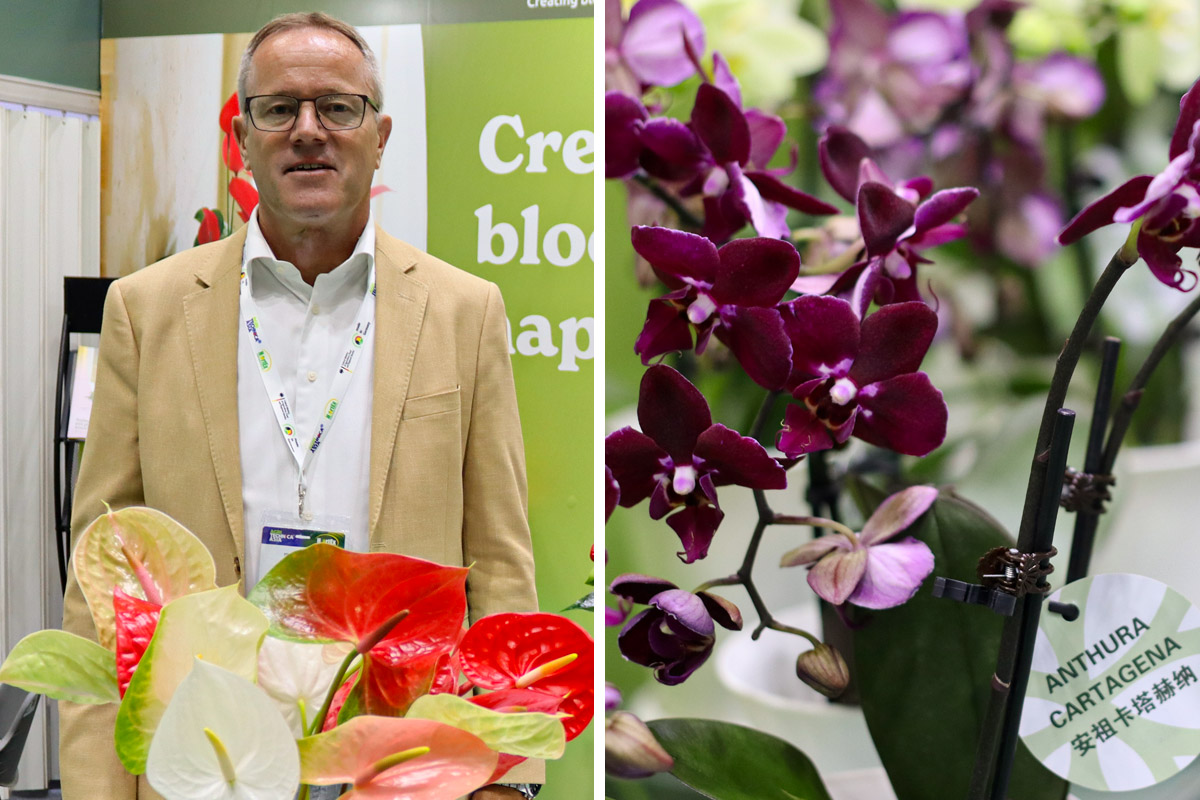
For Anthura, Southeast Asia is not one single market. Verhoogt pointed to traditional crops such as cut roses, Chrysanthemum, and lilies, while Anthurium already has strong positions in several Asian countries. Thailand is especially known for tropical orchids, including Vanda and Dendrobium, while countries such as Malaysia and Vietnam also play important roles in regional production.
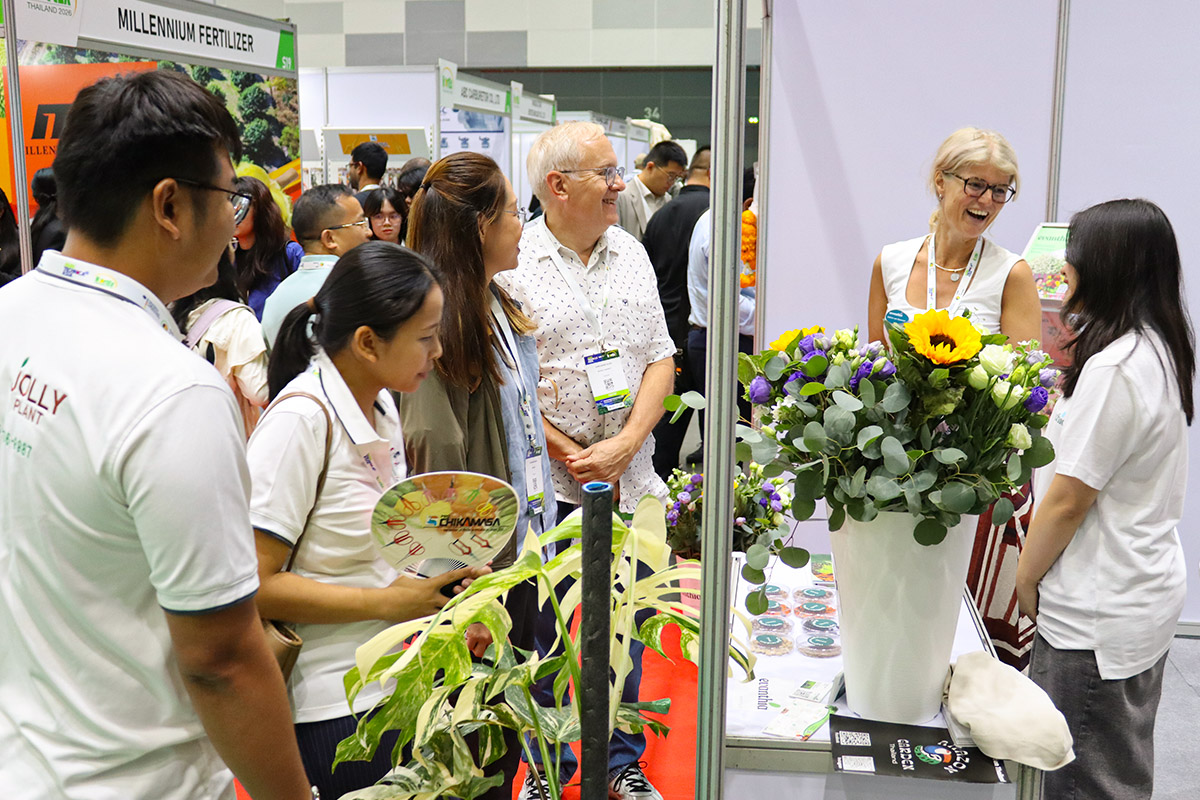
Evanthia also used HortEx 2026 as a first step into a wider Asian focus. Sabine van Staveren explained that the company has a strong presence in Europe, South America, and Africa, but Asia remains a relatively new territory for Evanthia.
"Evanthia has been strong in Europe, South America, and Africa. In Asia, we are still new, so this fair is all about exposure. We breed and make our own selections, and we want to test what our genetics can do here in this climate," said Sabine van Staveren.
That practical testing mindset matters. A variety that performs well in the Netherlands or South America does not automatically perform in Bangkok, Chiang Mai, Kunming, or other Asian production areas. Heat, humidity, crop systems, grower habits, and market demand all influence whether genetics can find a place.
Substrates, Fertilizers, and the Grower-First Conversation
Floragard brought a different but equally important layer to the show: substrates. For many Asian growers, peat and growing media remain central to production quality, especially as consistency, water management, and crop reliability become increasingly important.
Jonathan Kroiss of Floragard described the company as a long-established peat extractor, processor, and exporter serving markets across Asia-Pacific. For him, being in Bangkok was not optional.
"For us, Thailand is a huge market. It is number three in Asia after China and Japan. And it is not only aimed at Thailand. Bangkok is really a hub for Southeast Asia and Southern Asia," said Jonathan Kroiss.
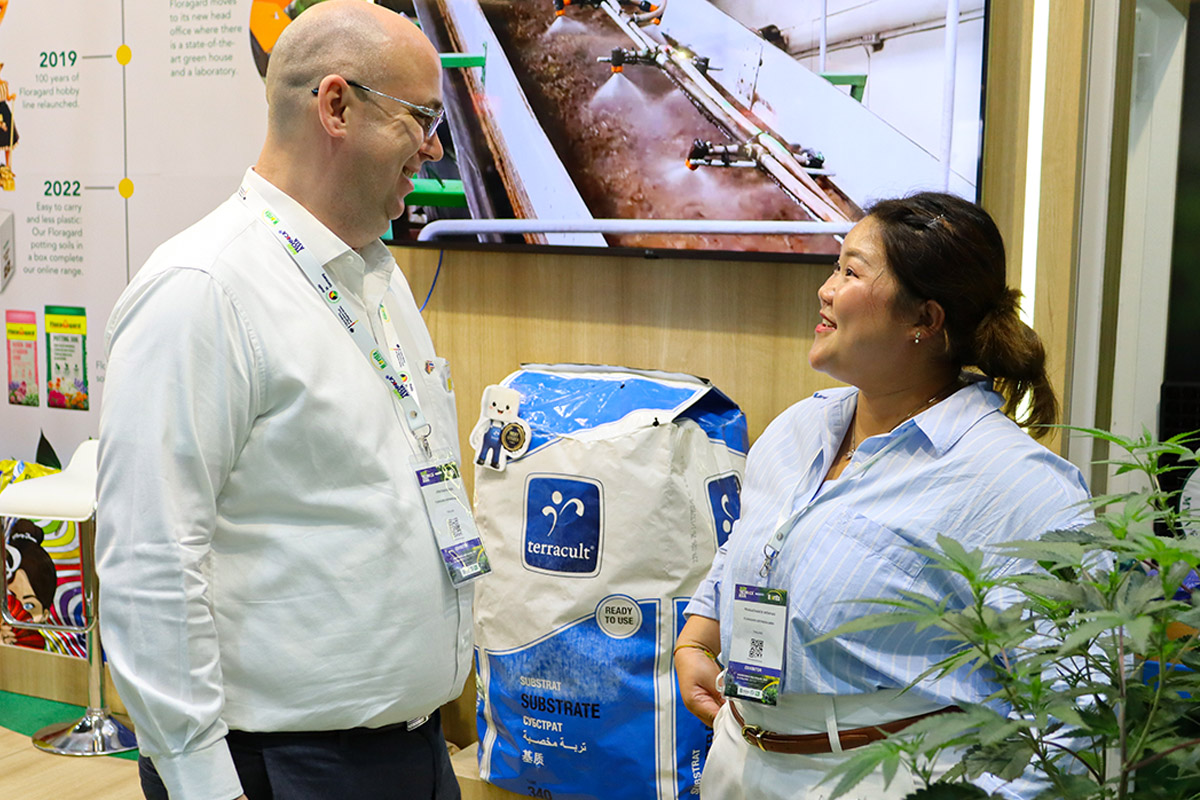
He also described the traffic at the stand as strong, with existing customers coming in for updates and many new faces stopping by. The real result of a show like this, he said, does not always come during the three days themselves. It comes in the months after, when importers and customers work through product details, documentation, distribution, and first orders.
Citsa Tarim from Turkey added another plant nutrition angle. The company produces fertilizers, including organic liquids, seaweed-based products, NPK powders, and other nutrient products. Its goal in Bangkok was clear: to find customers and distributors in Thailand, building on existing strength in Vietnam and knowledge of regional soils, fruits, and vegetables.
Through the Antalya delegation, more Turkish suppliers entered the conversation.
Hakan Pakalin, Vice President of the Antalya Chamber of Commerce and Industry:
"As a major global exporter of fresh fruits and vegetables, Antalya’s market success has organically fueled agricultural input industries. The scale of our exports is what directly drives local innovation in seed breeding, plant nutrition, specialty fertilizers, and similar products."
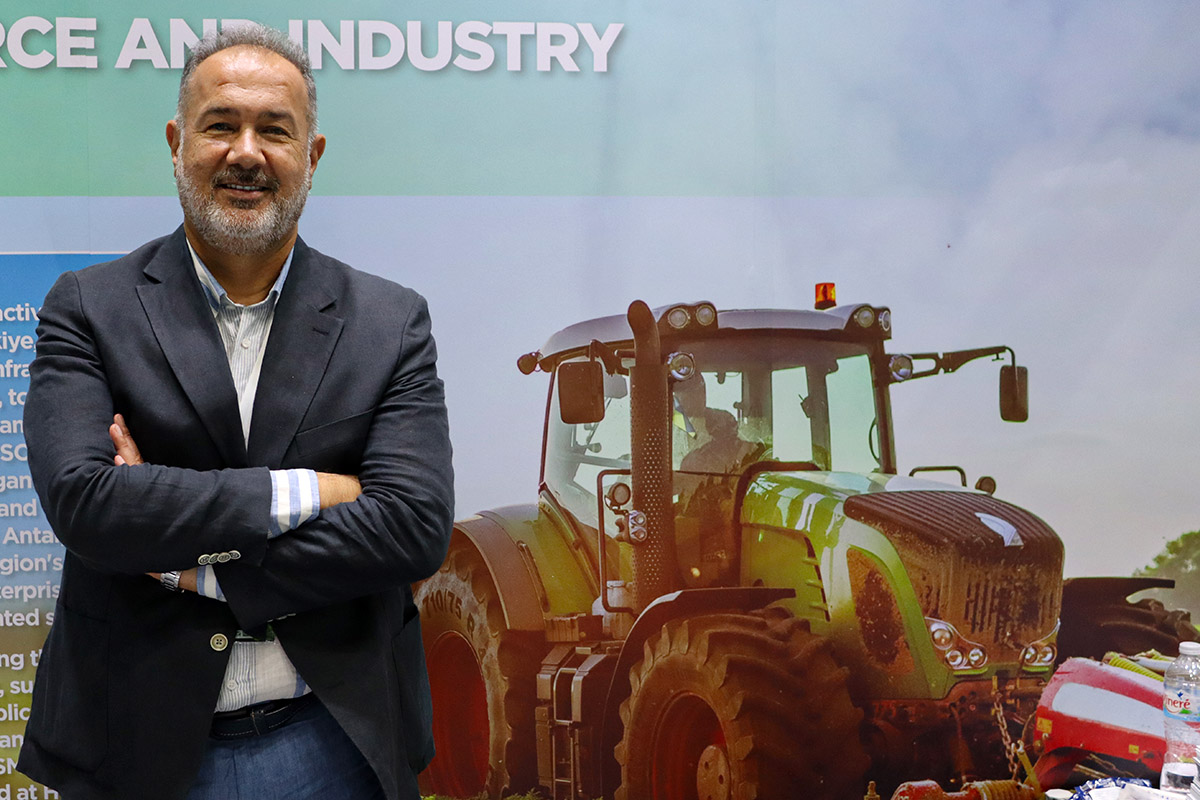
For growers in Southeast Asia, these exhibitors offered a reminder that crop nutrition and seed development no longer come only from a handful of traditional supplier countries. The supplier map is becoming wider.
Thai Orchids Needed This Stage
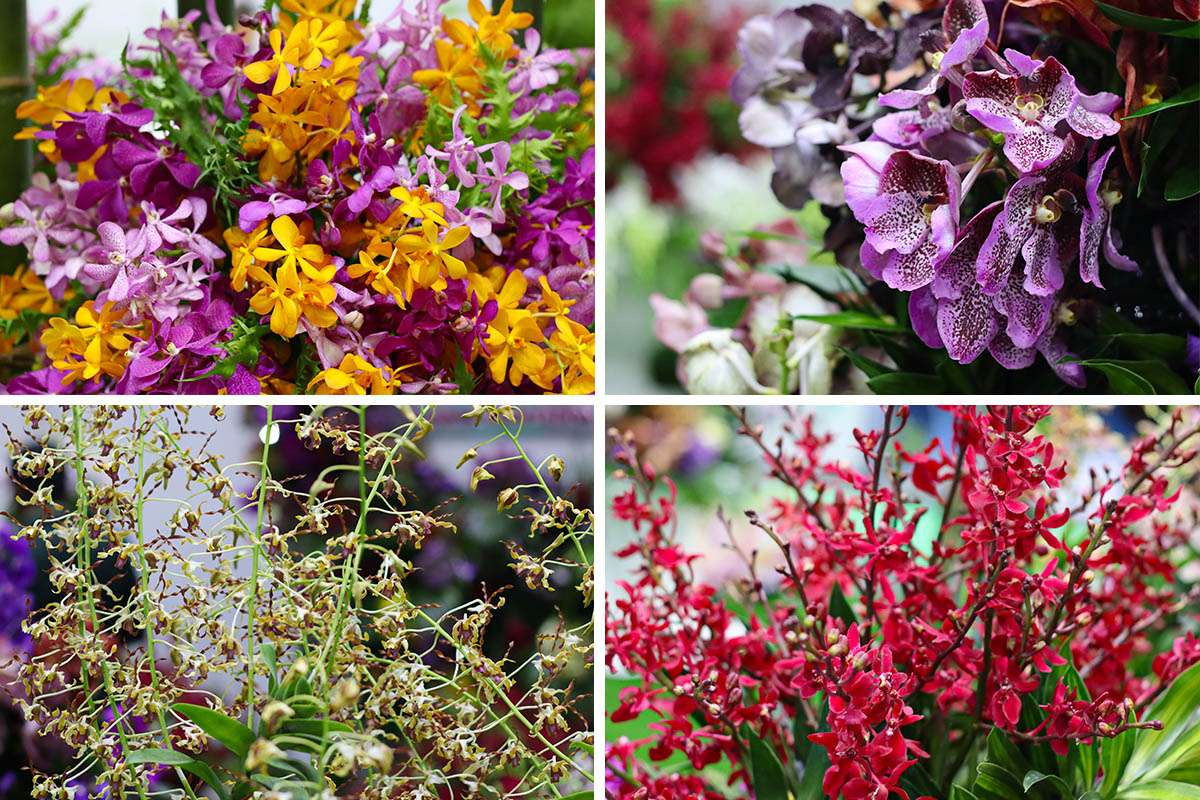
One of the most relevant stories in floriculture at HortEx 2026 came from the Thai Orchid Export Association. Thailand has a long-standing orchid industry, but as Sangduen Leelasmanchai explained, the international image of orchids is not always accurate. In many markets, orchid conversations are dominated by Phalaenopsis, often linked to Taiwan or greenhouse-based production. Thailand's orchid strength is more tropical.
"We want to promote a more accurate picture to the world and let people realize that Thailand has this product. Dendrobium is from Thailand, not Taiwan or Singapore. Our association can help promote that image worldwide," commented Sangduen Leelasmanchai.
"Our association represents 35 growers that have a 60 percent markegt share in Thailand's orchid exports. Not only Dendrobium or Vanda, but also Mokara and
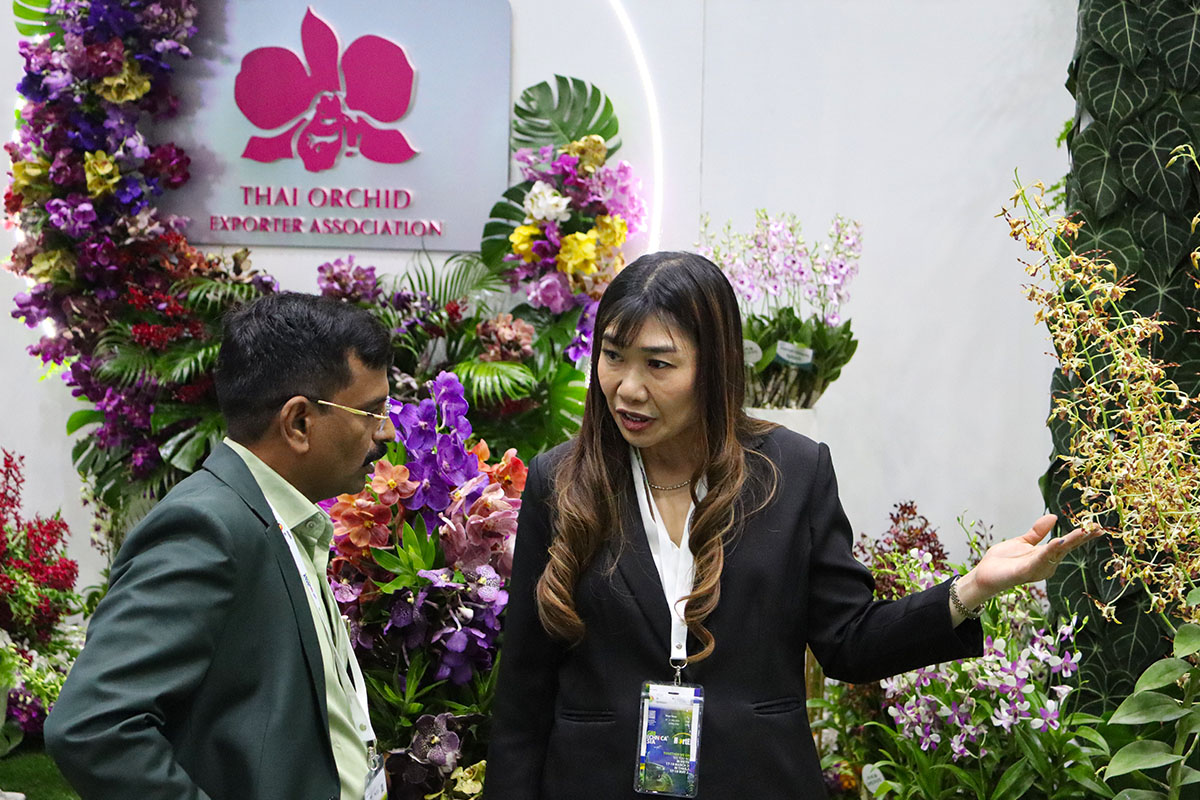
The association represents Thai orchid exporters and works to promote the sector internationally. According to Leelasmanchai, the association has 35 members, representing a large part of Thai orchid exports. Their main markets include Japan, the United States, Vietnam, and China.
She also explained why Thailand's product profile is different. Phalaenopsis needs cooler greenhouse conditions, which makes it expensive to produce in a hot tropical country. Dendrobium and other tropical orchid types are better suited to Thailand's natural growing conditions. For florists and buyers, that distinction matters. Thai orchids are not trying to be the same as Taiwanese or Dutch-grown Phalaenopsis. They have their own place, climate logic, and export story.
Fresh Cut Flowers and Regional Trade Routes
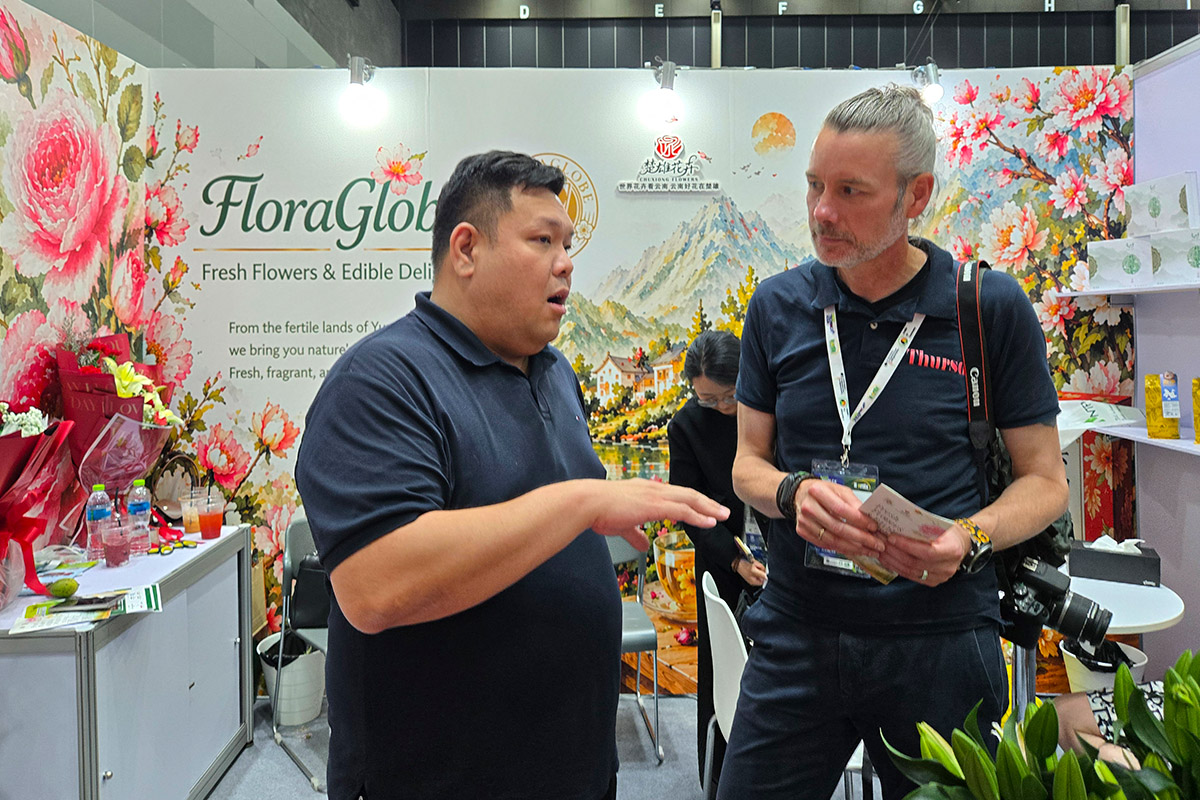
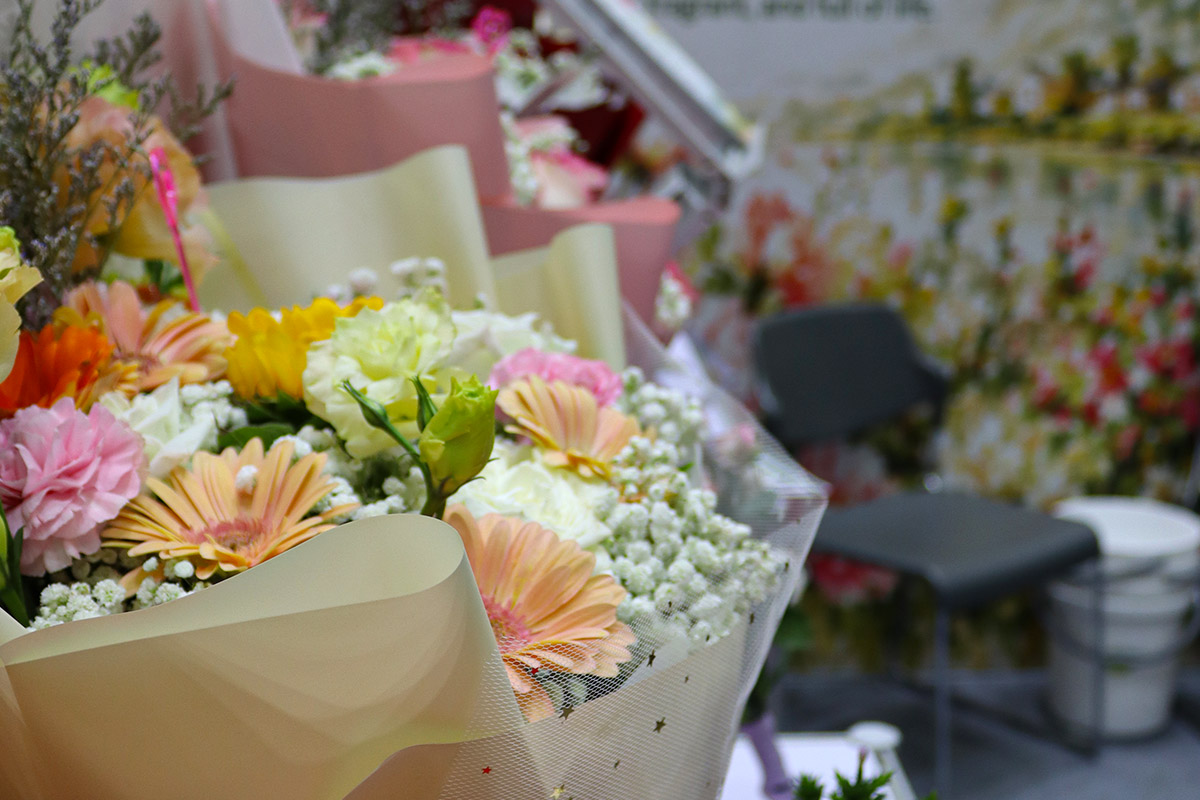
FloraGlobe added another international trade perspective to the show. The Singapore-based company works closely with producers in China and has operations in Vietnam, Southeast Asia, and even Croatia, which serves as a potential bridge into Europe.
Chan Meng Seng of FloraGlobe shares:
"Southeast Asia is a rapidly growing market, and from our company's perspective, it is one of the most important territories for our growth. We have gained ground in Malaysia and Vietnam, but we are still lacking in the Thai market."
That quote says a lot about HortEx's role. Companies did not only come to sell something immediately. Some came to understand Thailand better, scan the market, meet distributors, test partnerships, and figure out where production and trade routes could move next.
For the fresh cut flower chain, this is especially interesting. Kunming, Vietnam, Thailand, Singapore, and, certainly, European markets are all part of a wider conversation about how flowers move, where quality is good enough, and how new supply routes can be built.
Thailand Wants to Be Seen as a Horticultural Country
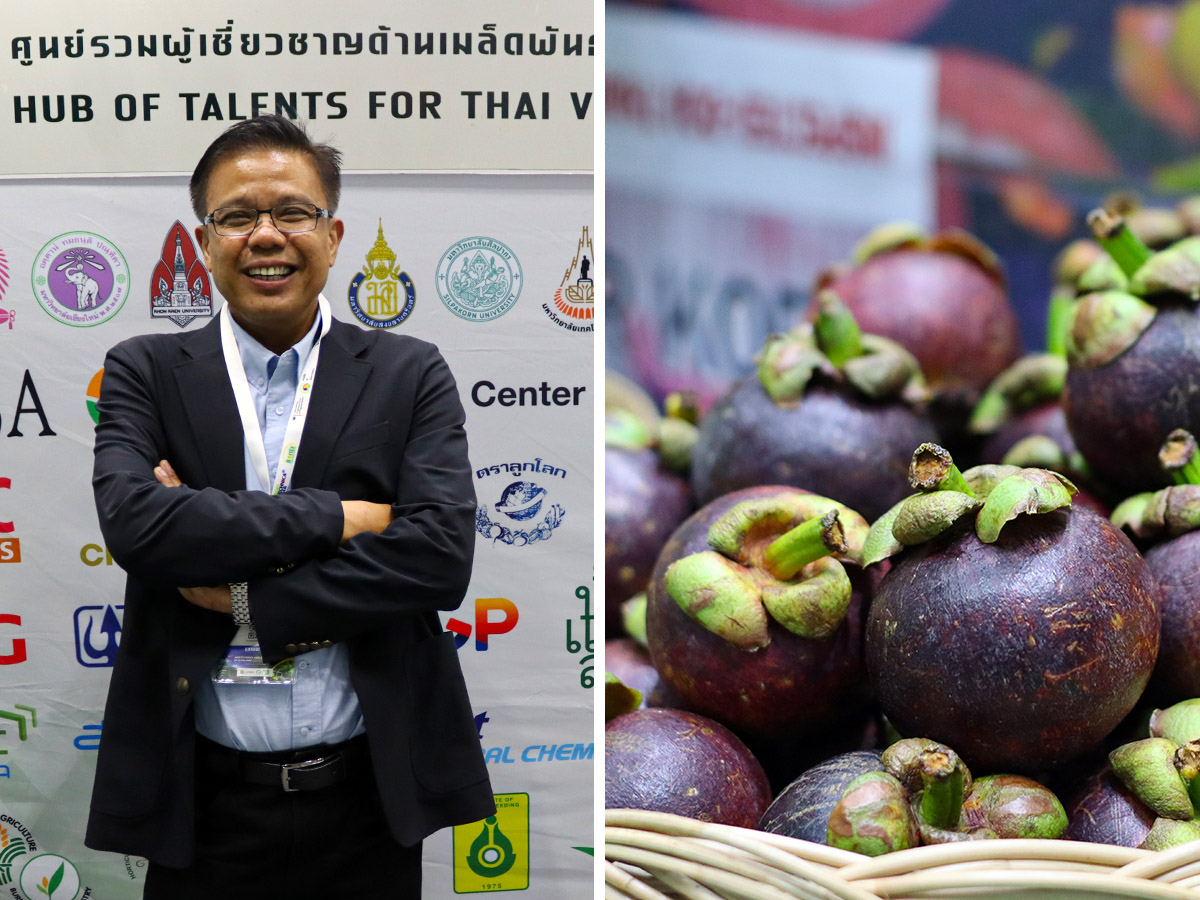
Beyond individual exhibitors, the Horticultural Science Society of Thailand gave the fair a local industry voice. The organization serves as a coordinator within Thailand's horticulture sector, connecting activities related to fruits, herbs, flowers, plants, seeds, young plants, production, and market development.
Its message was simple: Thailand wants to be seen not only as a country with tropical crops and strong food production, but also as a horticultural country with international ambition.
"We expect Thailand to become an international center for this. We want people to know that we are also good in horticulture and that we are making progress," said Hannarong Shamsub of the Horticultural Science Society of Thailand.
That local ambition matched the fair's international setup. Thailand imports seeds and young plants from countries such as the Netherlands, while also developing its own production and export activities. The challenge is adapting genetics, technology, and crop knowledge to local conditions. The opportunity is that Thailand already has strong infrastructure, practical knowledge among growers, and a location that supports regional trade.
Technology Had a Place, but the Flower and Plant Story Stayed Central
There was no escaping the technology side of the exhibition. DJI Agriculture showed drone solutions for spraying, fertilizer spreading, lifting, field survey, crop monitoring, and crop scouting. These exhibitors added weight to the co-location with AGRITECHNICA ASIA.
The important point is where this technology touches horticulture and floriculture. Crop monitoring, input efficiency, better labor use, and improved field data may feel more agricultural than floral at first glance, but they are becoming part of the production reality for many growers.
The same goes for substrates, fertilizers, and irrigation-related solutions. They are not the most decorative part of the flower world, but they shape quality long before a stem reaches a florist, wholesaler, wedding designer, or export box.
Estela Ji from DJI noted:
"We are very excited to be here. I think this is a very good opportunity for us to communicate with our partners and distributors here. To discuss with them and show the latest technology of virtual farming. We are not just looking at what we are doing right now; we want to know the possibilities for the future."
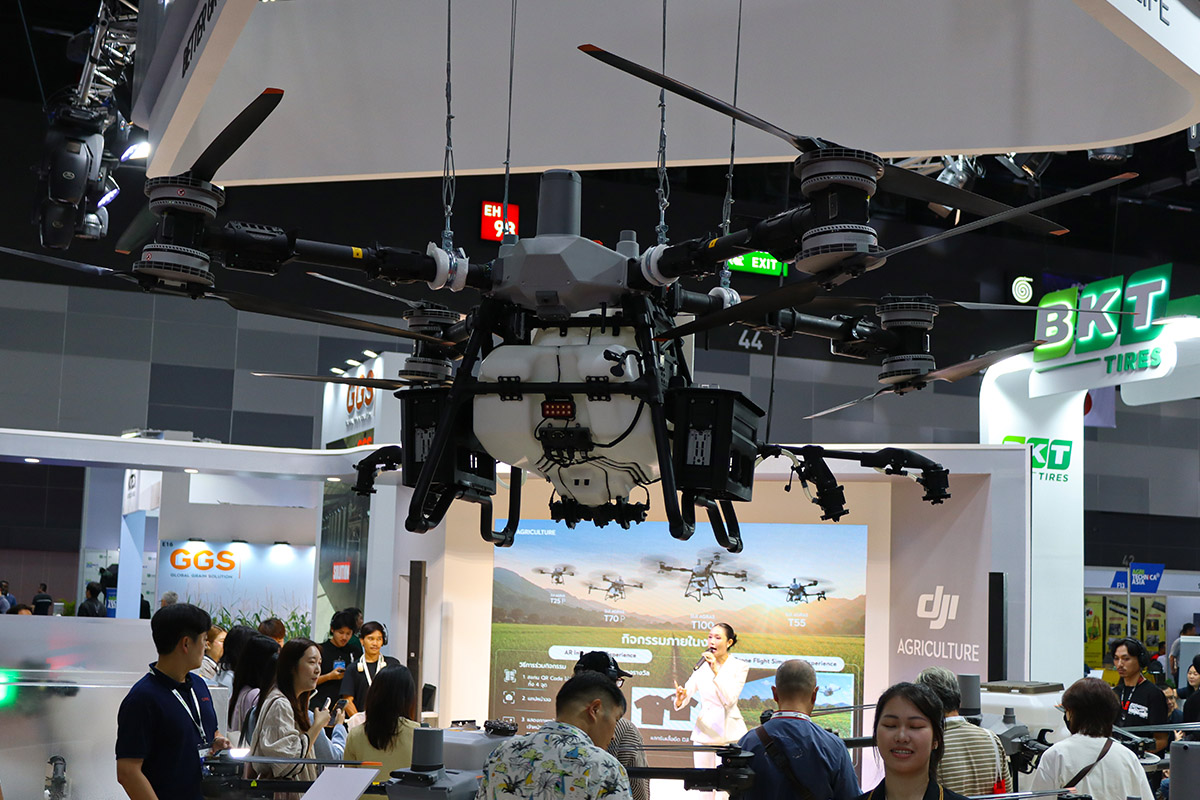
That future is already here, with some of the huge drones on display capable of crop scouting, fertilizing, and even carrying materials across the fields. Handy, especially in mountainous areas.
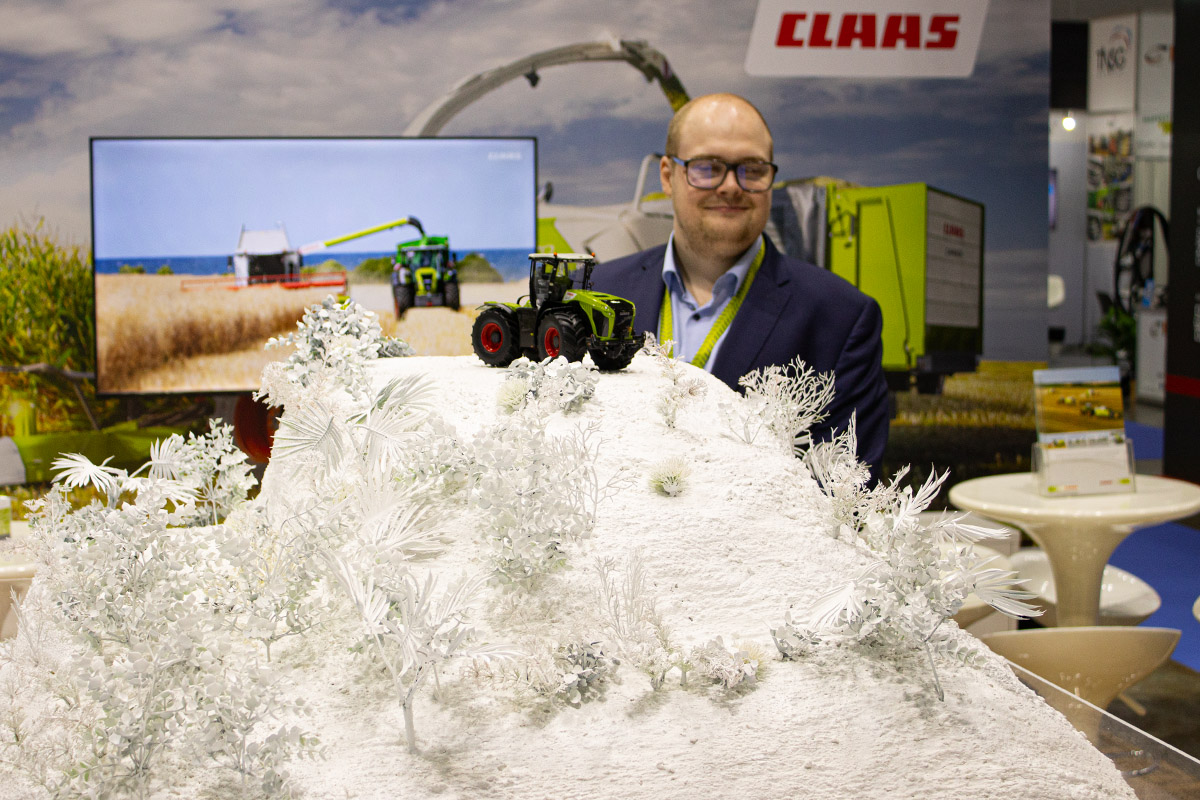
German producer CLAAS represented the machinery side, especially for broader agricultural production.
Moritz Claas said:
"We've been here in Bangkok for almost 60 years, have our office here, and have supported the countries in this region for many years. The Asian market is, of course, a huge area with enormous potential, and a lot is happening and developing.
I think AGRITECHNICA is quite important from that perspective. Especially here in Asia, we don't yet have as many comparable trade fairs as we do in Europe. A trade fair naturally offers the perfect platform for this exchange."
A Fair That Still Has to Grow, but Has a Clear Direction
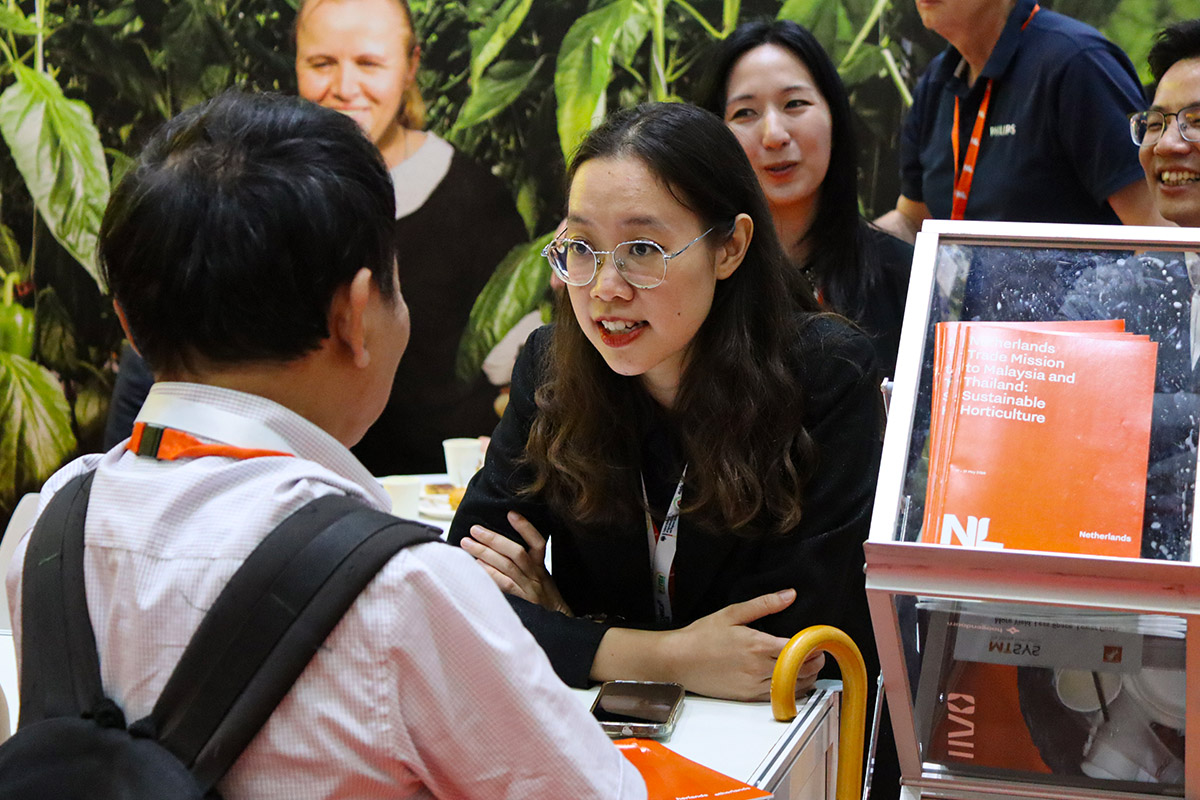
HortEx 2026 also showed that building a fair in this region takes time. Several exhibitors described Southeast Asia as promising, but not always easy. Some markets are still developing. Some companies are testing the water, for instance, in the Holland Pavilion. Some buyers are curious but cautious. And for international suppliers, the distance from Europe or other major production centers remains a significant factor.
That is why the alternating model between Bangkok and Vietnam makes sense. Bangkok gives the fair a more international hub position. Vietnam gives the platform access to a larger local horticultural market with a different exhibitor and visitor profile. Together, they create a rhythm that may help the fair stay fresh and relevant without asking companies to do the exact same thing every year.
Kuno Jacobs from Nova Exhibitions:
"HortEx has become a household name in Vietnam, because we have been there since 2018. This was the first Thailand edition, so we are monitoring closely what exhibitors and visitors experienced and took home. Every exhibitor has received a survey, which will serve us when we return in 2028."
What HortEx 2026 Said About the Market
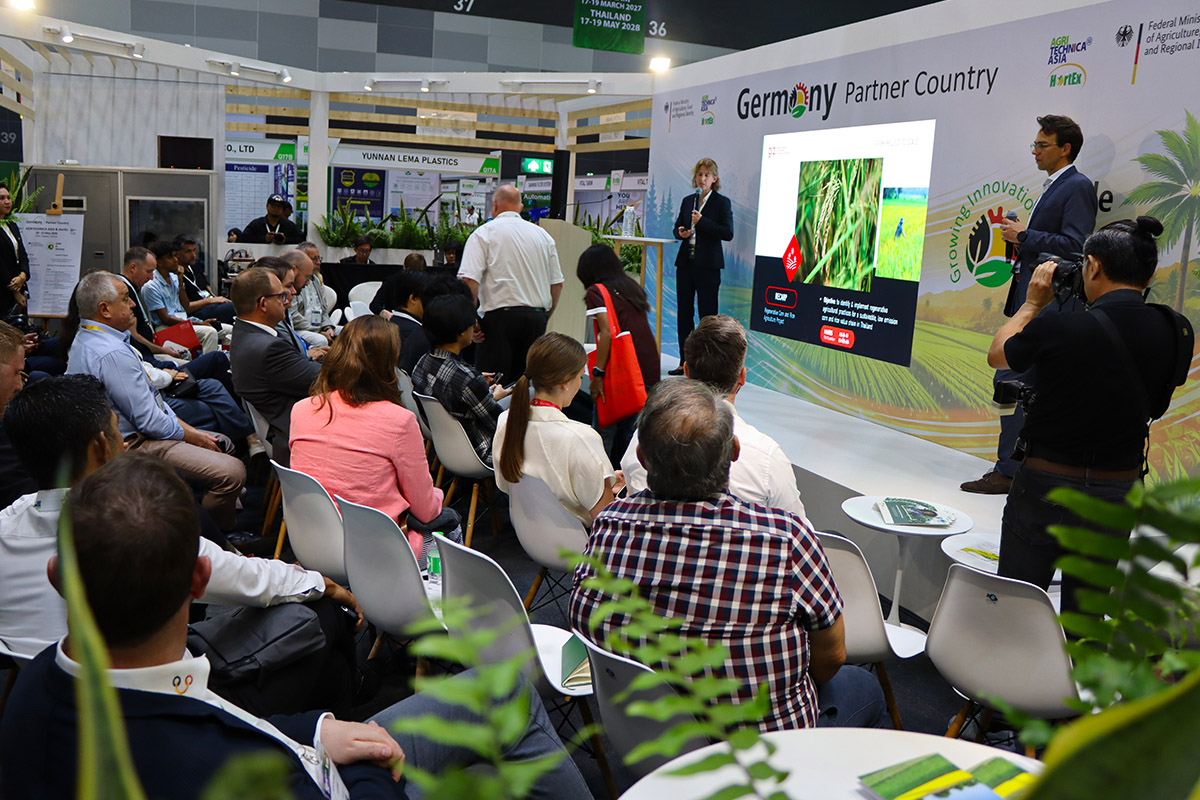
The main takeaway from Bangkok is that Southeast Asia is no longer a distant promise. It is already a working market, but one with many layers. Thailand is strong in tropical orchids. Vietnam has a bigger local horticultural base. China brings scale. Singapore connects trade. European companies bring genetics, substrates, young plants, and technical know-how. Turkish companies bring fertilizers and crop nutrition. And buyers across the region are looking for products and partners that fit their climate, their production systems, and their customers.
HortEx 2026 gave those conversations a floor. For floriculture and horticulture, that matters. The future of the flower and plant industry will not come from a single region. It will come from more regions learning from each other, testing each other's products, and building practical trade routes that work.
Bangkok gave that process a serious push.
Next Stops: Vietnam 2027 and Thailand 2028
HortEx will return to Vietnam in 2027. The fair will be held from 17 to 19 March in the SECC venue in Ho Chi Minh City. Registration and information via HortEx Exhibitions.
And, finally, don't forget to mark the next one in Thailand already, again in the BITEC building in Bangkok, from 17 to 19 May, 2028.