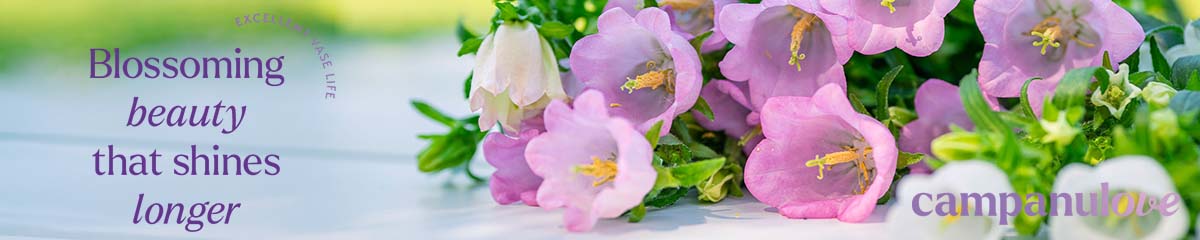
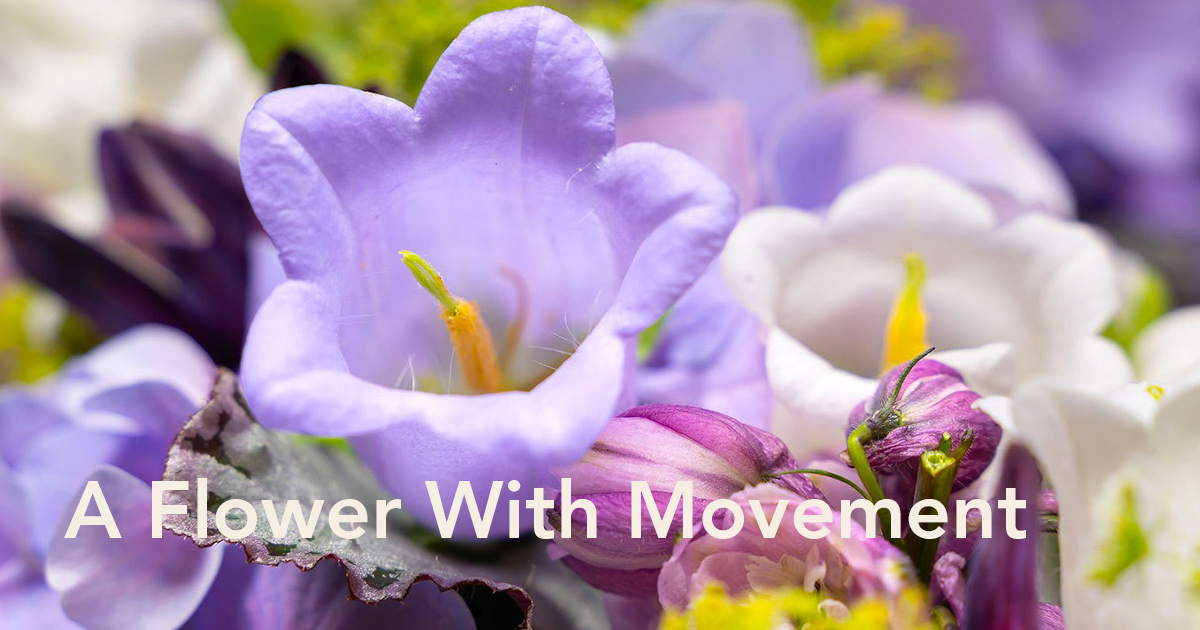
Some flowers are loved because they shout. Campanula is loved because it knows exactly where to sit in a design. With its bell-shaped flowers, long stems, and soft but clear presence, Campanula can do a lot more than many florists expect at first glance. It can bring height to a bouquet, soften bridal work, stand beautifully on its own, and help color combinations feel more natural. It is a flower with movement, not noise.
Here are five floral design ideas presented by inspiration platform Campanulove that show how Campanula can shift the whole mood of an arrangement.
1. The Loose Garden Bouquet
Campanula is made for garden-style bouquets. Not because it looks wild in a messy way, but because it brings that easy, picked-from-the-garden feeling florists often want to create.

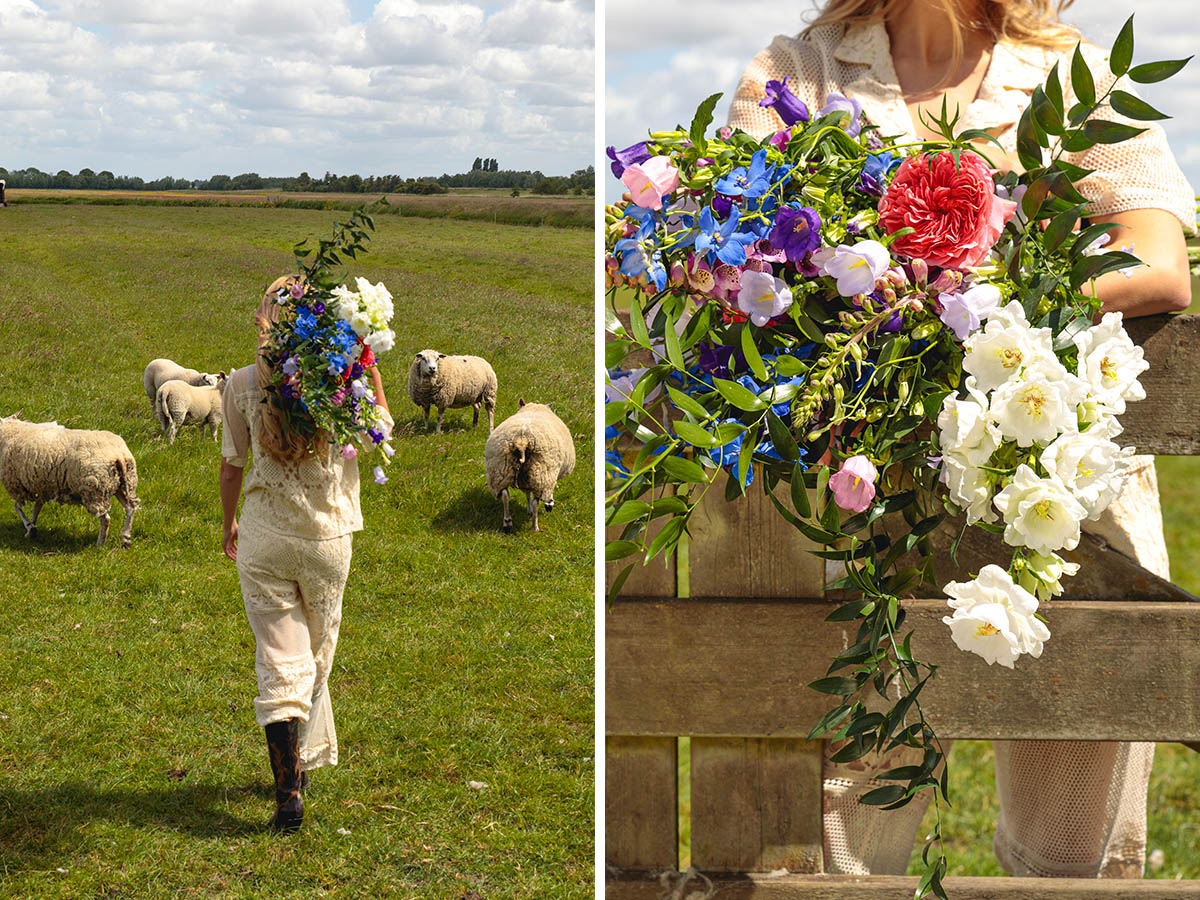
Use Campanula as a line flower in hand-tied bouquets to build height and direction. Let a few stems rise just above the main flower layer, while others sit deeper in the bouquet. That way, the bells create rhythm through the design instead of sitting only on the outside.
For a soft garden bouquet, combine white or lavender Campanula with Roses, Peonies, Ranunculus, Scabiosa, Sweet Peas, and light greenery. The Campanula gives the bouquet air and movement, while the rounder flowers add body.
This is where Campanula works best: not as filler, but as a flower that connects the whole arrangement.
2. Bridal Work With a Soft Vertical Line
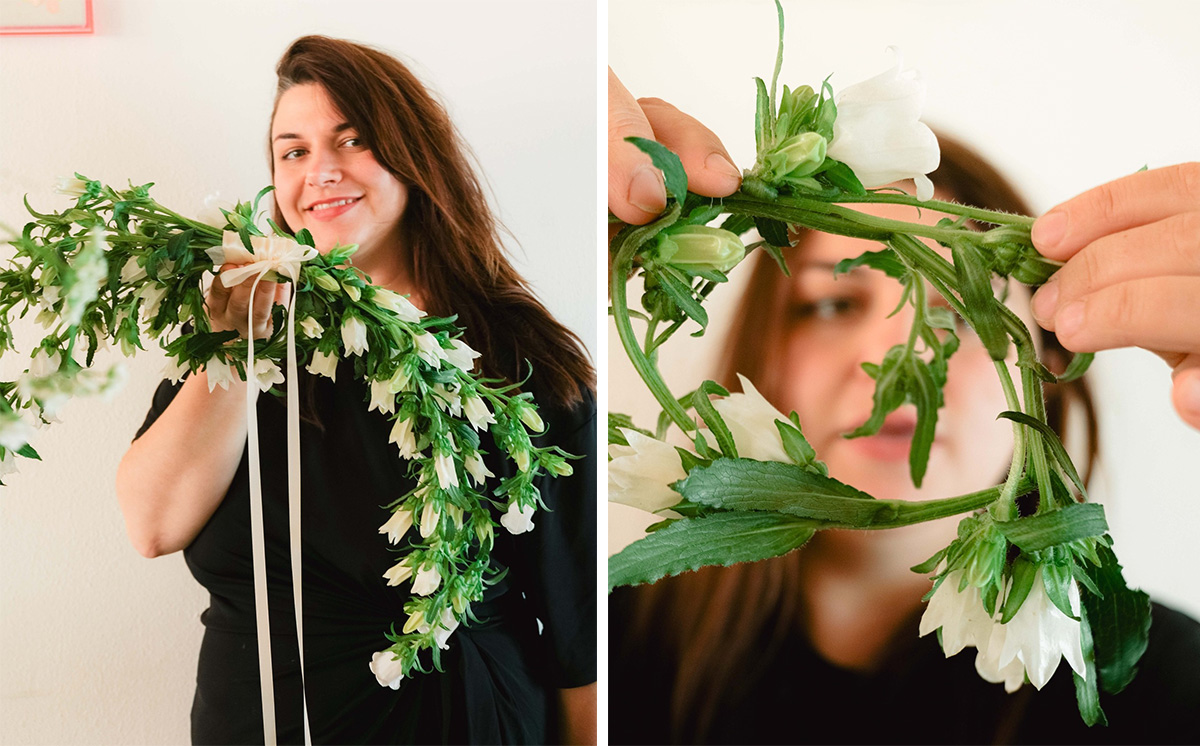
In bridal work, Campanula is a smart choice when a bouquet needs length without becoming too heavy. Its stems can stretch the shape of a bridal bouquet, while the bell flowers keep the look soft and romantic.
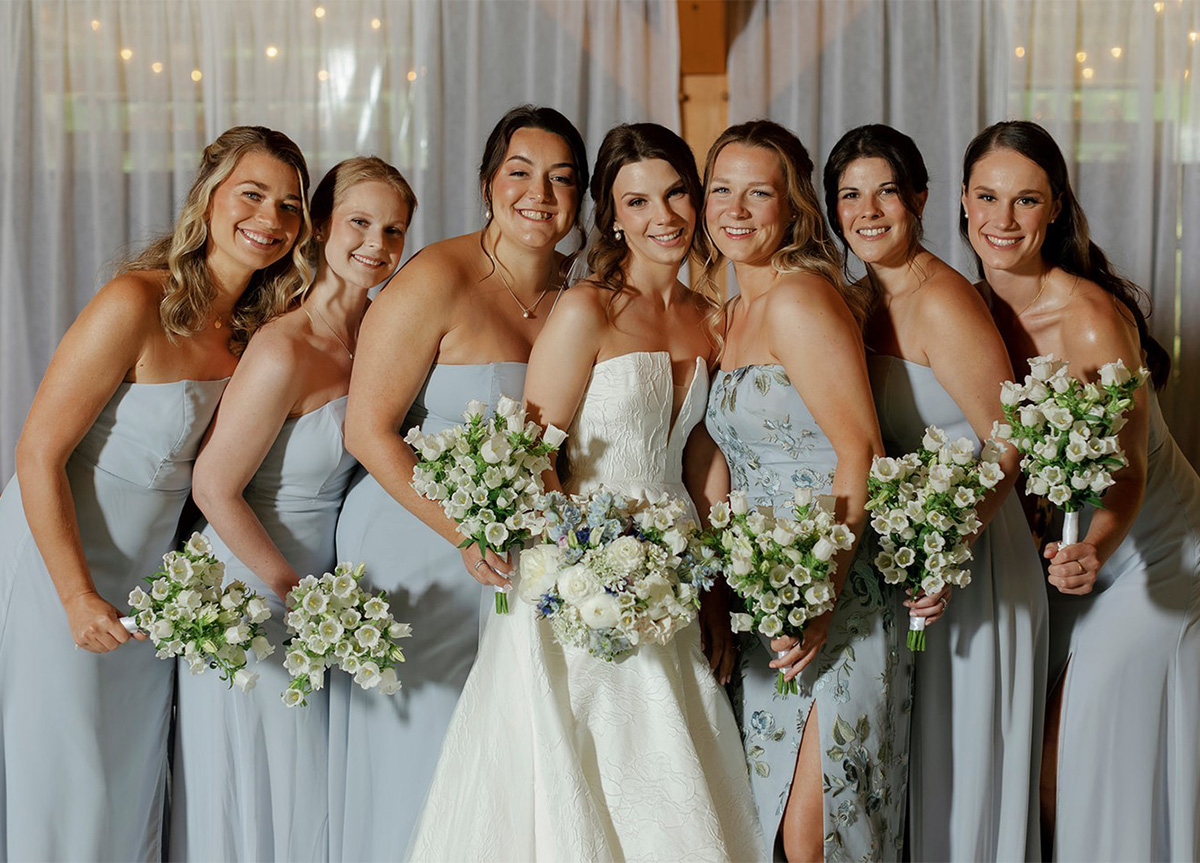
White Campanula is especially useful in bridal designs. It can sit beautifully with white roses, Phalaenopsis orchids, Lisianthus, Clematis, and delicate seasonal textures. Pink or lavender Campanula can add a little color without straying too far from a classic wedding palette.
For cascading bridal bouquets, Campanula can help create a gentle downward movement. For rounder bridal bouquets, place the stems slightly higher through the middle and back of the design to avoid a flat shape.
The trick is not to overpack it. Campanula needs a little space around the bells. Give it room, and it will do the work.
3. A Mono-Presentation That Lets Campanula Speak
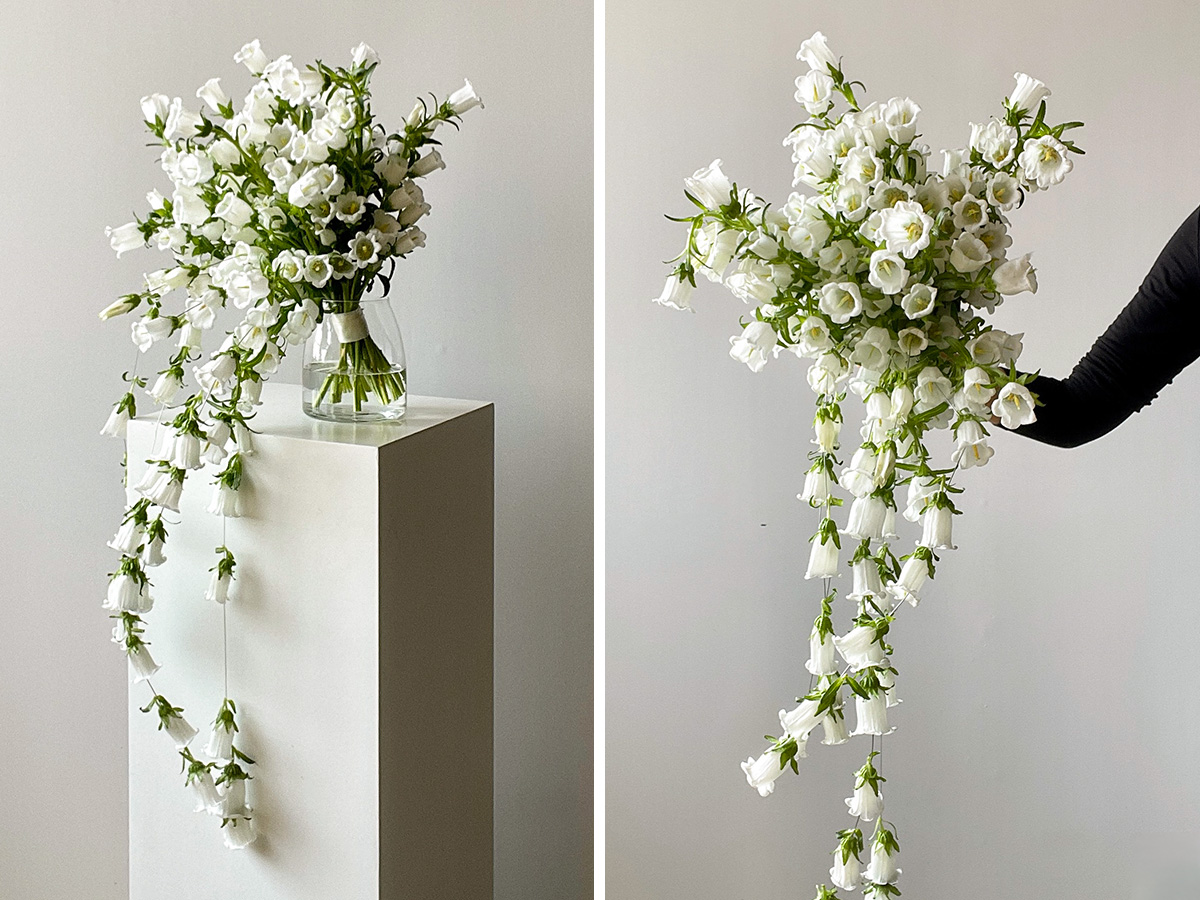
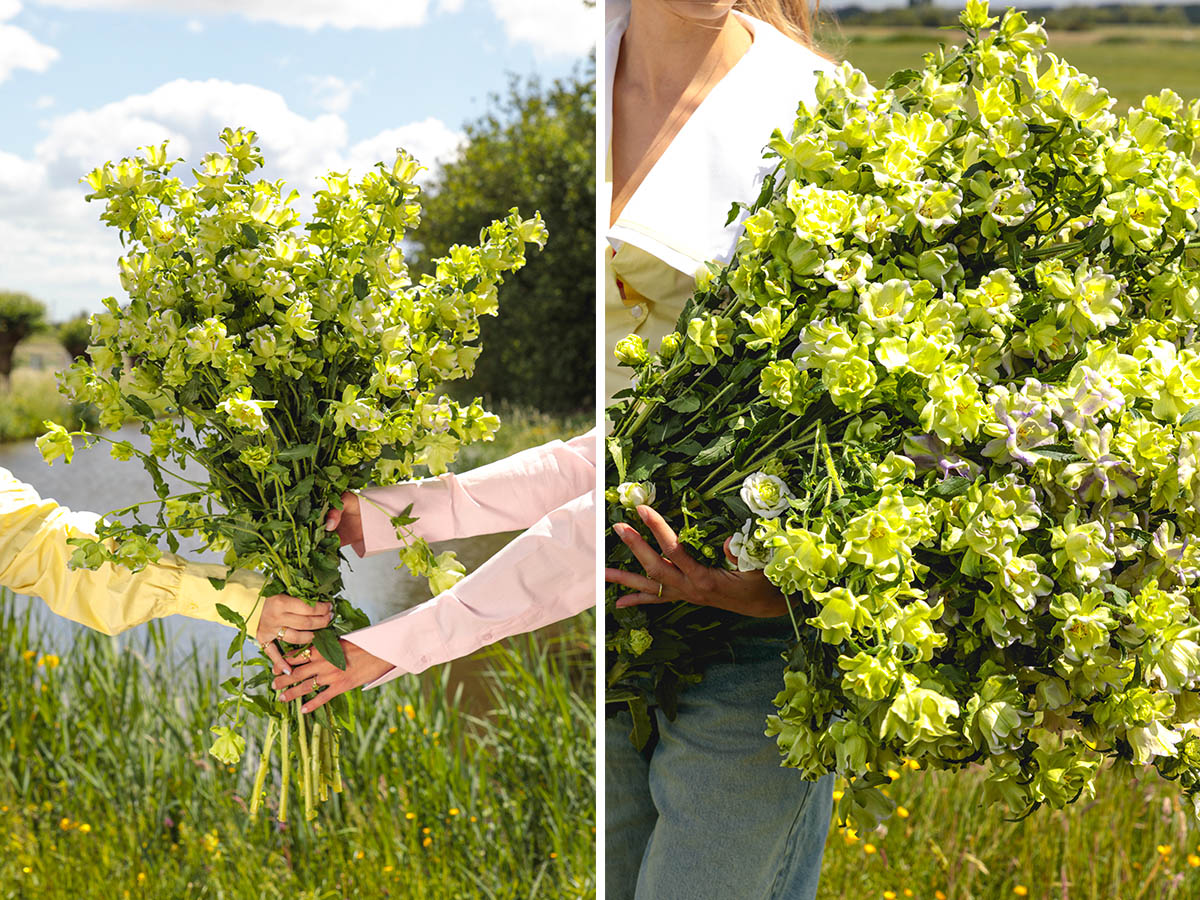
A mono-presentation of Campanula can be surprisingly strong. One bunch in one color already has a clear shape, texture, and mood. No extra flowers are needed to explain the design.
For retail florists, this is an easy and stylish way to present Campanula in the shop. Place a group of stems in a tall glass vase, keep the water clean, and let the stems' natural curves create the outline. The result feels fresh, simple, and very giftable.
A mono bouquet of lavender or blue Campanula gives a calm, spring-like feeling. White Campanula looks cleaner and more modern. Pink Campanula feels light and sweet without becoming too much.
This kind of presentation is also good for customers who want something different from a mixed bouquet. It has personality, but it is still easy to place at home.
4. Line Flower Use for Height, Structure, and Movement
Campanula’s biggest strength may be its use as a line flower. It gives florists height, structure, and movement in one stem.
In larger arrangements, Campanula can help set the outer shape. Use it to create vertical lines in tall vase work, diagonal movement in event pieces, or light extensions in foam-free designs. Because the flowers are spaced along the stem, the line never feels hard or stiff.
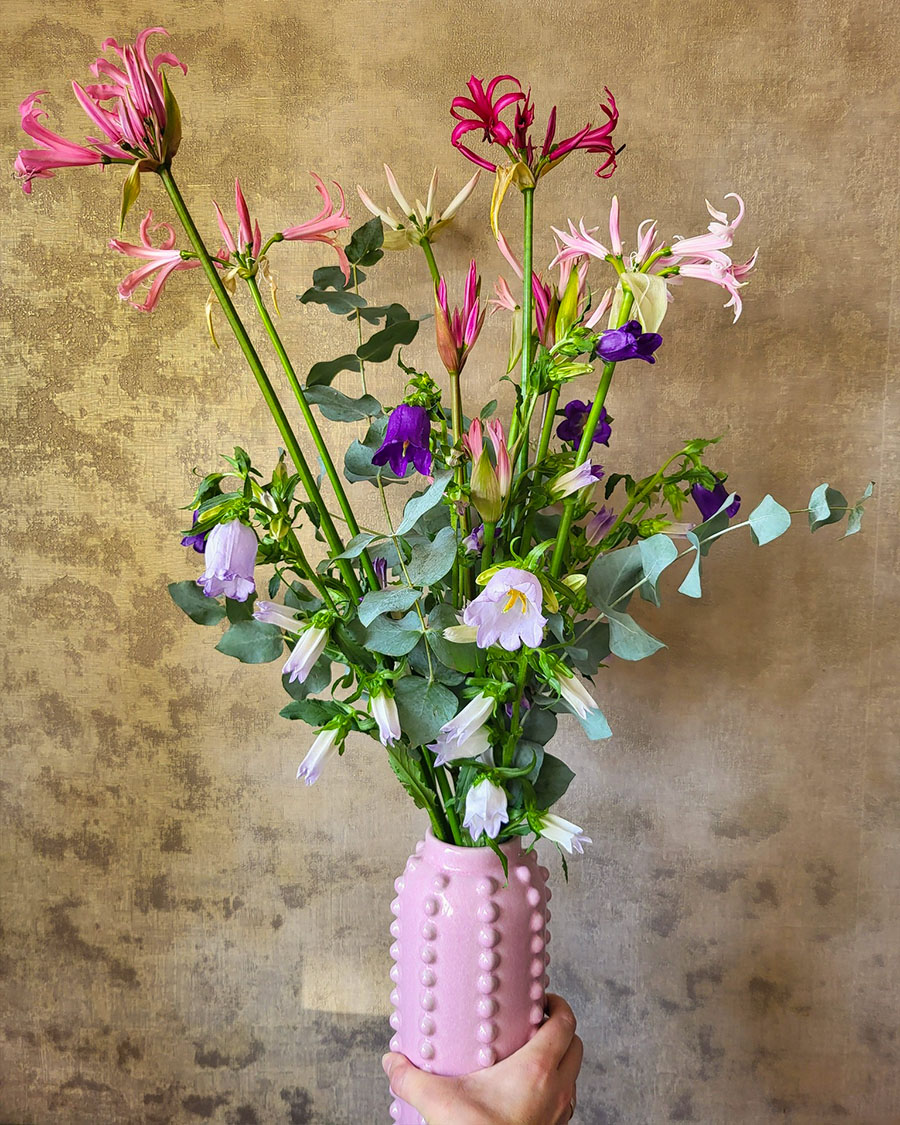
This makes Campanula a great partner for flowers with heavier heads, such as Roses, Helianthus, Hydrangeas, Peonies, and Dahlias. Those flowers give weight and volume. Campanula gives direction.
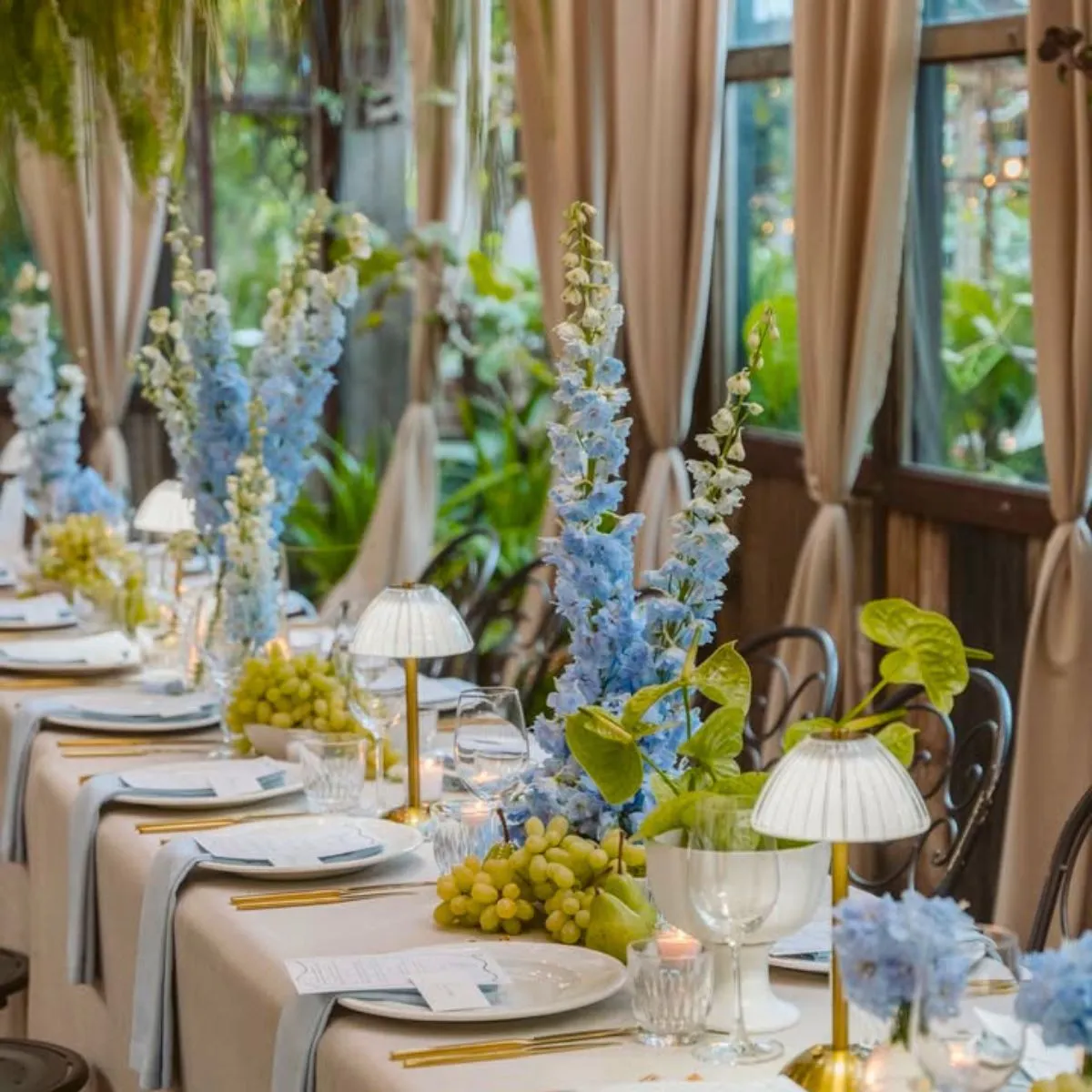
For a more modern design, try using Campanula with fewer flower types. A tall arrangement with Campanula, Anthurium, Tulips, Gladiolus, and a few strong branches can feel clean and editorial. In a more natural design, combine it with grasses, Nigella, Astrantia, and seasonal foliage.
The point is simple: Campanula helps the eye travel through the arrangement.
5. Color Combinations That Feel Easy
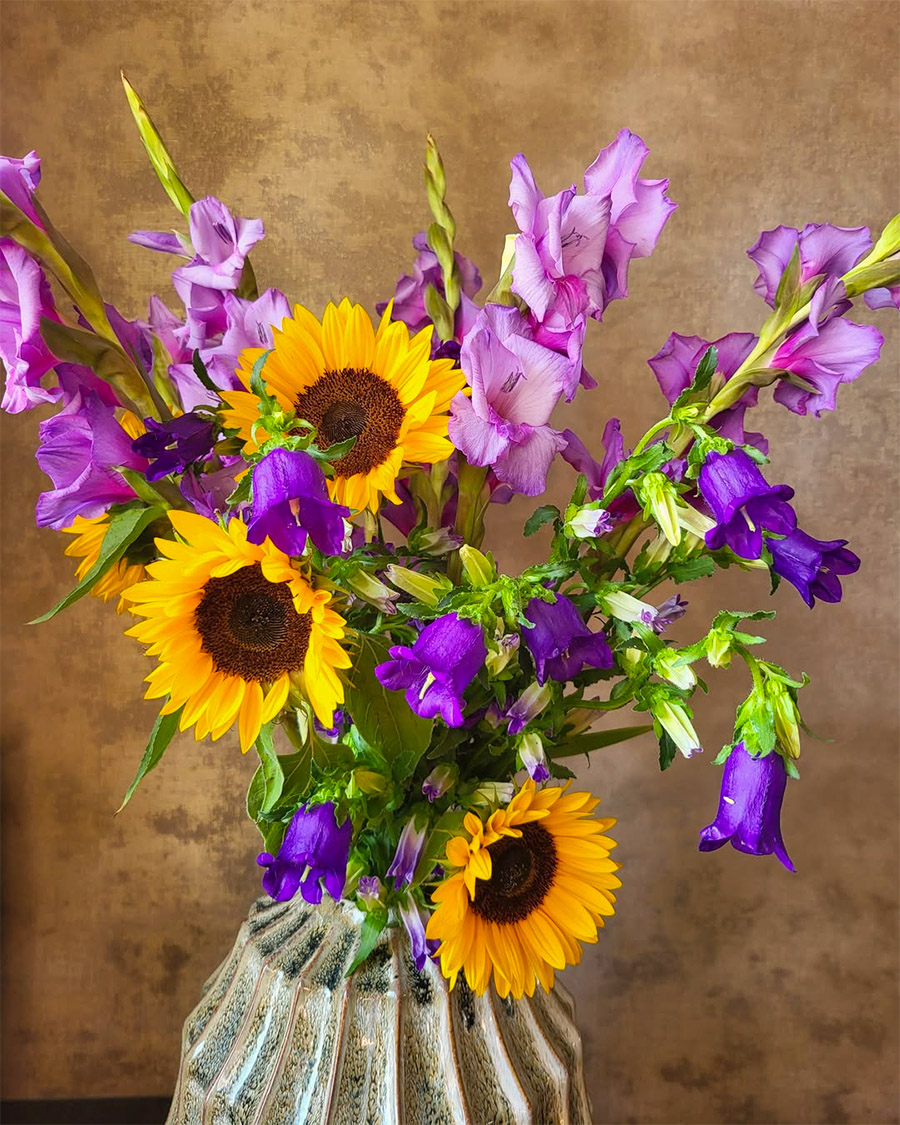
Campanula is friendly in color work. Its usual shades – white, pink, lavender, blue, and purple – are all useful for florists who want soft but clear palettes.
White Campanula works well in green-and-white designs, bridal bouquets, sympathy flowers, and clean retail arrangements. It can make a bouquet feel lighter without adding another leafy texture.
Pink Campanula pairs well with blush Roses, Peach Ranunculus, Cream Lisianthus, and soft seasonal fillers. It is a good option for wedding work when the palette needs romance but not sugar.
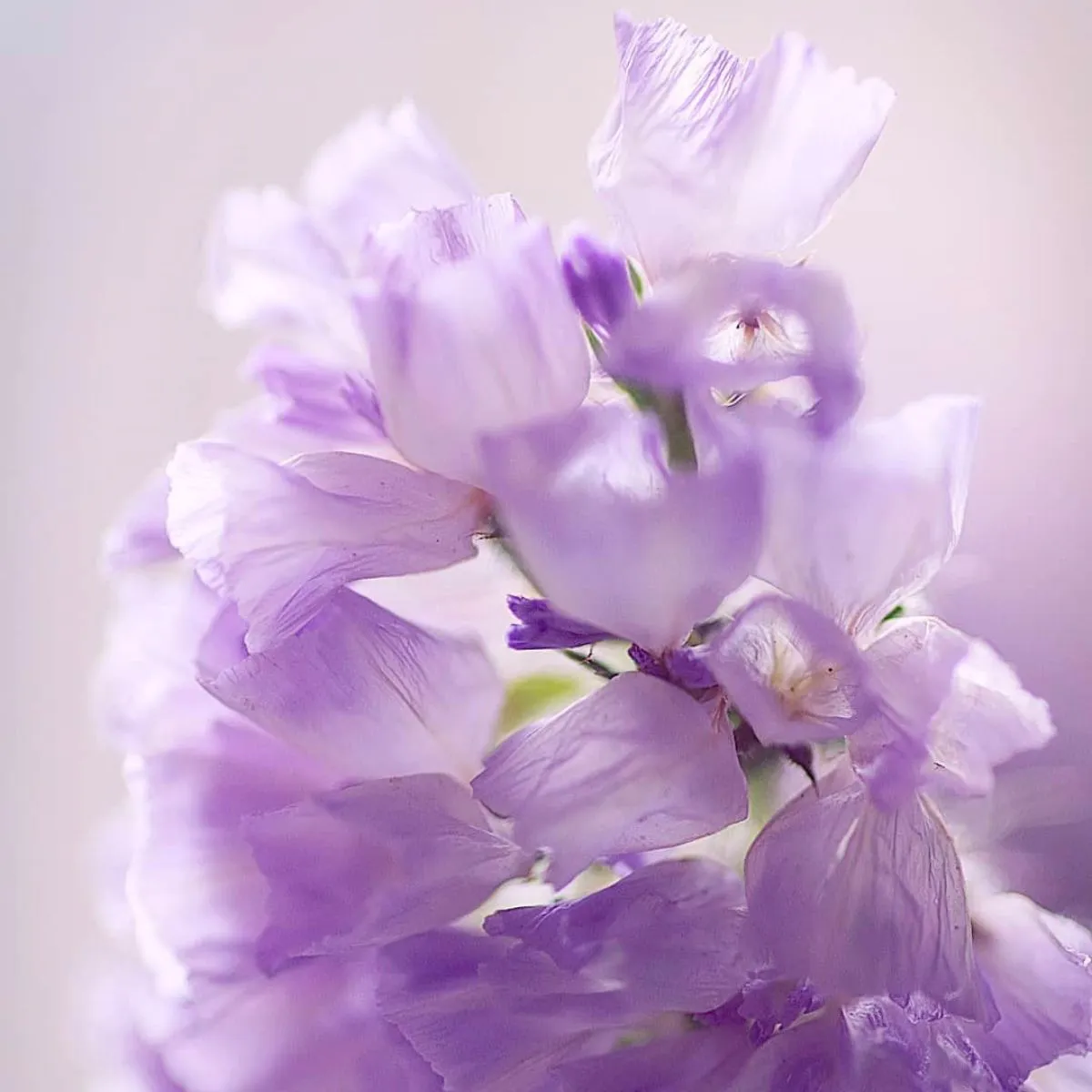
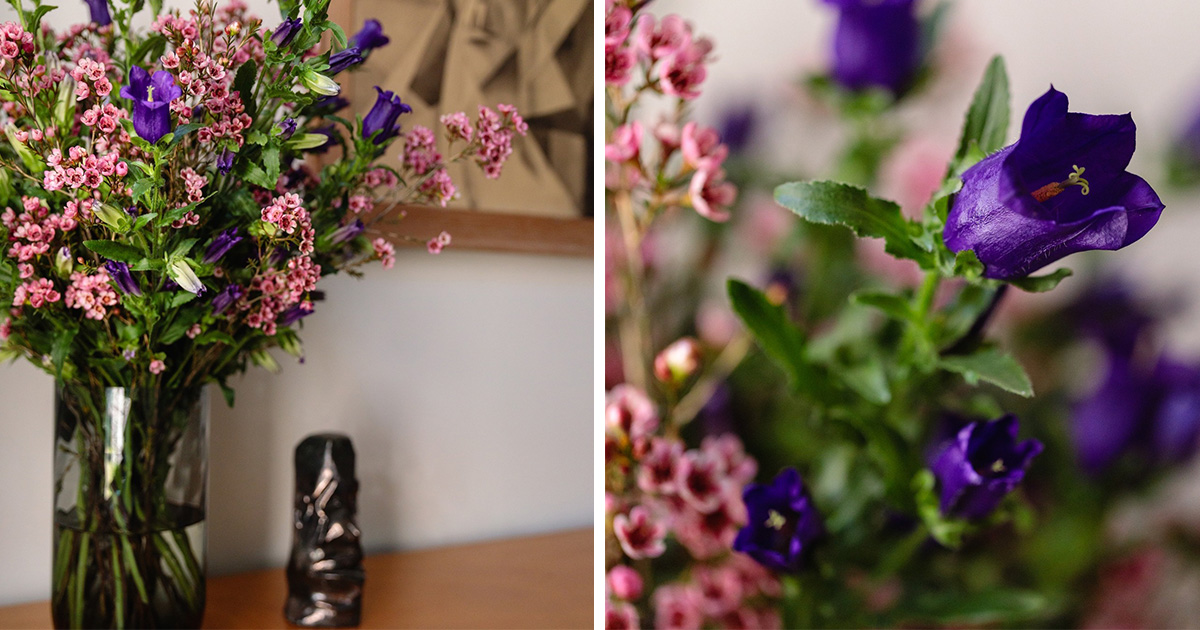
Lavender and purple Campanula are great with lilac, mauve, blue, and burgundy tones. Try them with Delphinium, Clematis, Scabiosa, Sweet Peas, or dark-centered Anemones for a layered color story.
Blue-toned Campanula is especially useful because blue flowers always have a place in floral design. It can cool down warm palettes, support a meadow-style look, or bring contrast to whites and creams.
What Is Campanulove?
Campanulove is a platform built by breeders, growers, exporters, and creative partners to inspire you, the florist, to raise visibility and make the flower easier to position in retail, export, and floral design. Campanulove shows the diversity, strength, and versatility of the Campanula, which will help you create the most wonderful arrangements with this beautiful flower. The platform is supported by Royal FloraHolland, breeders and propagators including Sakata Ornamentals EMEA, Florensis Cut Flowers, Evanthia, PanAmerican Seed, Florique (formerly known as Kwekerij Stadsland), and creative agencies StudioBlauw and Puck Solange.
You'll see that Campanula is not just a pretty bellflower. It is a design tool. It can lift bouquets, soften bridal work, create strong mono-presentations, guide the shape of larger arrangements, and make color combinations feel more natural. That is a lot for one flower.
For florists, Campanula offers a valuable asset: flexibility. It can be romantic, clean, seasonal, playful, or quiet. It depends on how you use it.
And maybe that is the real power of Campanula. It does not force a design in one direction. It gives florists room to create.
Header image by @heemskerkflowers.