Orchids have always held a place at the pinnacle of the floral hierarchy. While roses convey romance and lilies suggest elegance, orchids always project an image of pure luxury, wealth, and sophisticated taste. Hardly is their premium quality a chance happenstance or marketing fluff, but an idea set in history, elaborate biology, and the demanding logistics required to bring the stunning flowers to market.
Even before they became familiar houseplants or flowers in designs, orchids were treasured obsessively, hunted across continents, and priced like small fortunes. Perhaps this is the idea that still carries on, and explains why this flower still feels a cut above the rest.
These Flowers Are Made for Rarity
Orchids belong to one of the largest plant families on earth, counting more than 25,000 naturally occurring species and at least 100,000 registered hybrids. It comes in quite a diversity of varieties. Many of these species are epiphytic, growing attached to trees, while they depend on specific pollinators and climate conditions to thrive in the wild.
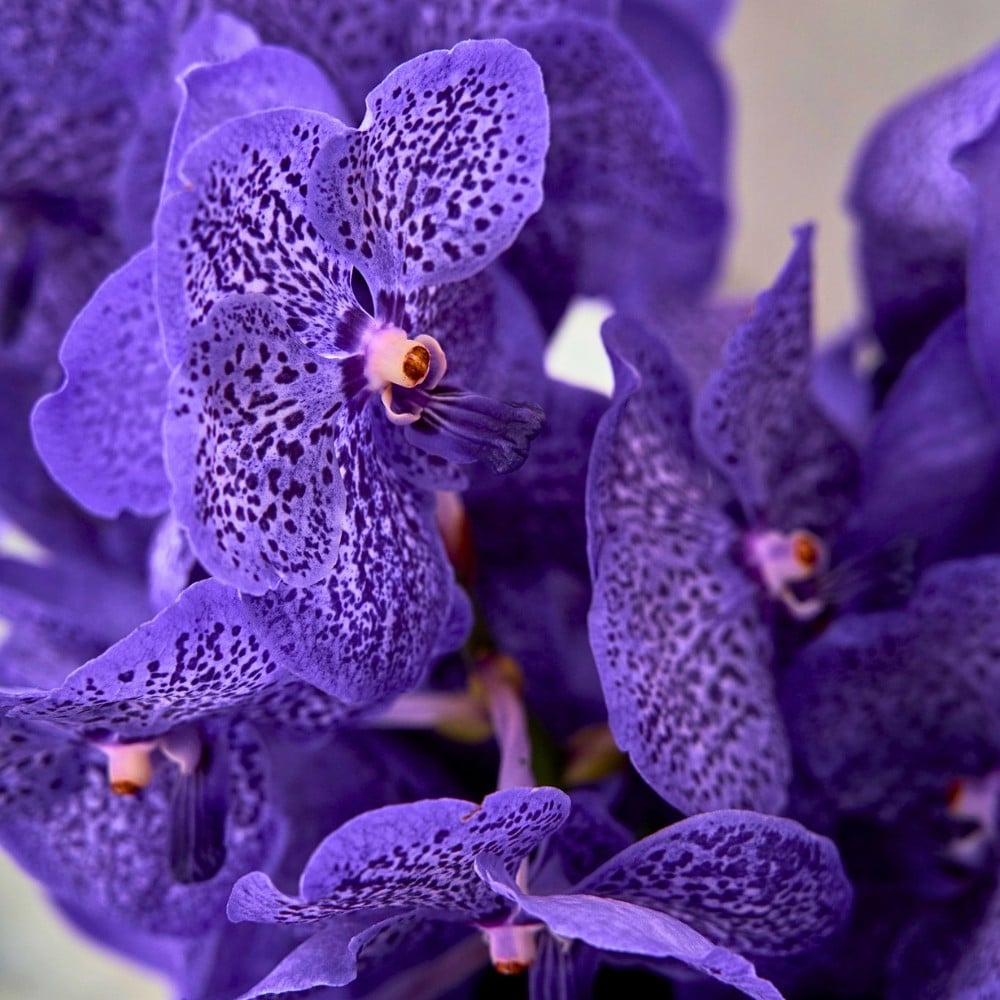
This natural characteristic has made orchids harder to locate, transport, and grow successfully than familiar garden and commercial flowers, a scarcity and rarity that has been tied to prestige in the floral trade for as long as flowers have been sold.
Orchidelirium Was the Victorian Craze That Mostly Started It
Perhaps the most picture-perfect historical explanation for the orchid's luxury status came in the nineteenth century, when European collectors developed what became known as ‘Orchidelirium.’ Wealthy Victorians treated orchids as one-of-a-kind rarities and were willing to pay thousands of dollars for a specimen, since one of these plants could take up to a decade to grow large enough for propagation.
Private collectors financed hunting expeditions to remote regions of Asia, Africa, and South America, and the resulting flowers were displayed in ornate glasshouses as proof of wealth and refinement. The introduction of the Wardian case, a sealed glass container that kept delicate plants alive during long ocean voyages, made these expeditions commercially viable and helped orchids reach European high society in usable condition.
Still, these expeditions posed significant risks to the hunters involved, which added to the mystique surrounding the flowers they brought back. Collectors competed fiercely for access to newly discovered species, and hunters faced tropical disease, difficult terrain, and hostile wildlife along the way. A flower acquired under these circumstances was hardly ever going to be treated just ordinarily.
This period put a long-lasting cultural association between orchids and money. Owning a rare orchid showed leisure time and access to specialized greenhouse equipment that ordinary households could not afford. The craze mirrored the earlier Dutch tulip mania in its intensity, and it left orchids closely associated with exclusivity even after cultivation made them more widely available.
Cost, Rarity, and Why Orchids Are Difficult to Cultivate
Even with modern greenhouse technology, orchids remain more demanding to grow than most cut flowers. They are among the more costly flowers in the trade because of their long cultivation time and exotic origins, unlike sturdier, fast-growing flowers like carnations or Chrysanthemums.
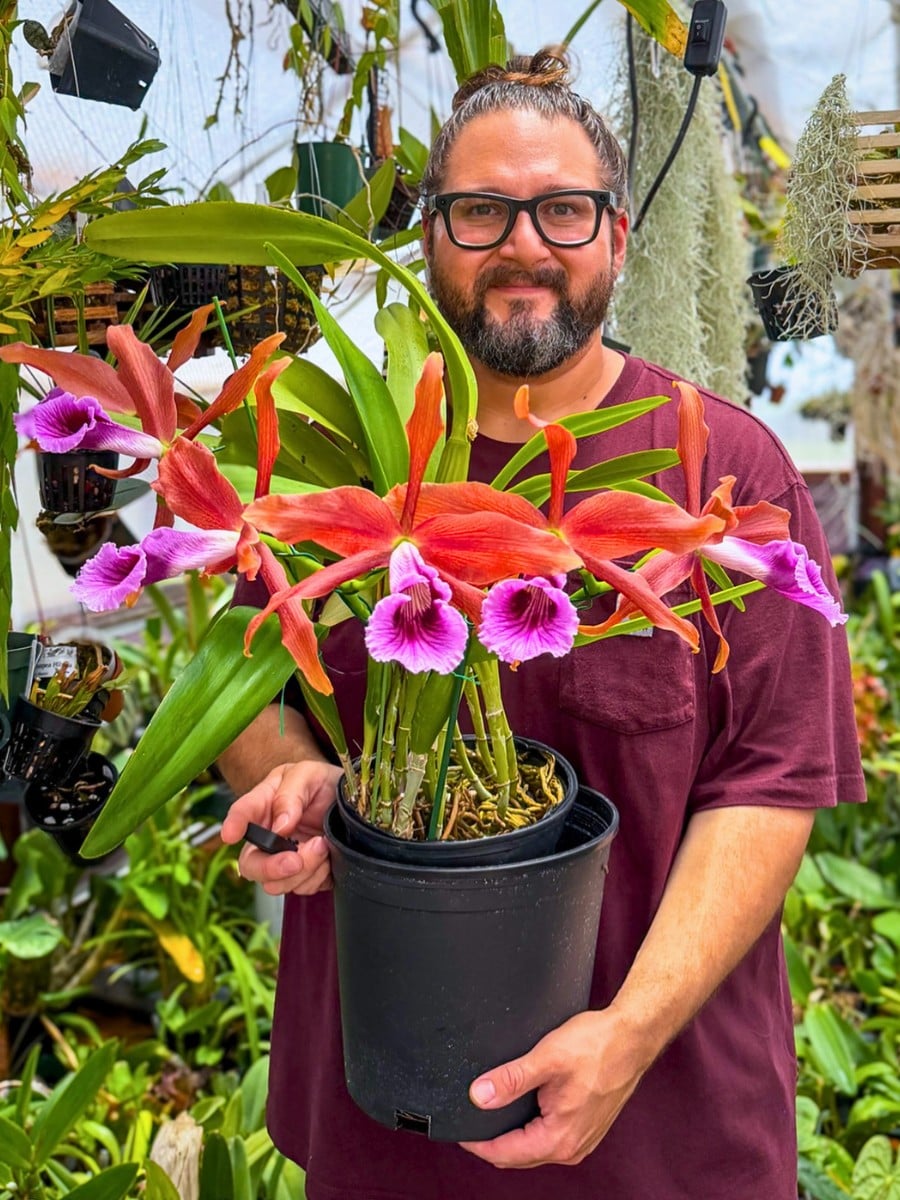
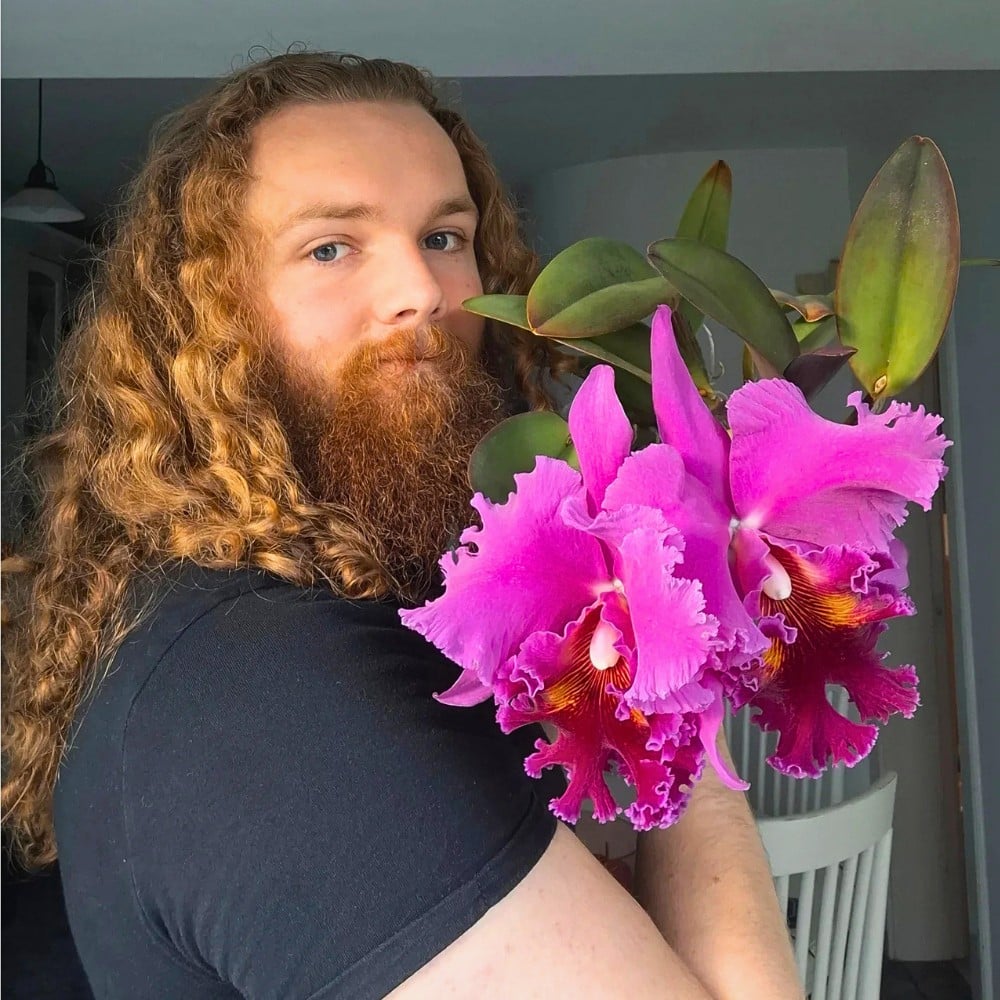
For instance, the Cattleya orchid, often known as the ‘Queen of Orchids,’ requires precise humidity, light, and temperature conditions, which would have taken Victorian growers years to understand. Specialty varieties such as the Dendrobium nobile also require more elaborate conditions, like significantly more greenhouse lighting than standard orchids, which keeps production costs and retail prices higher than other, more forgiving flowers.
Orchids as a Symbol of Status Across Cultures
The orchid's association with luxury is not limited to European history. Across many cultures, the flower has meanings tied to strength, purity, and refinement, which is why they remain a favorite among flower lovers globally.
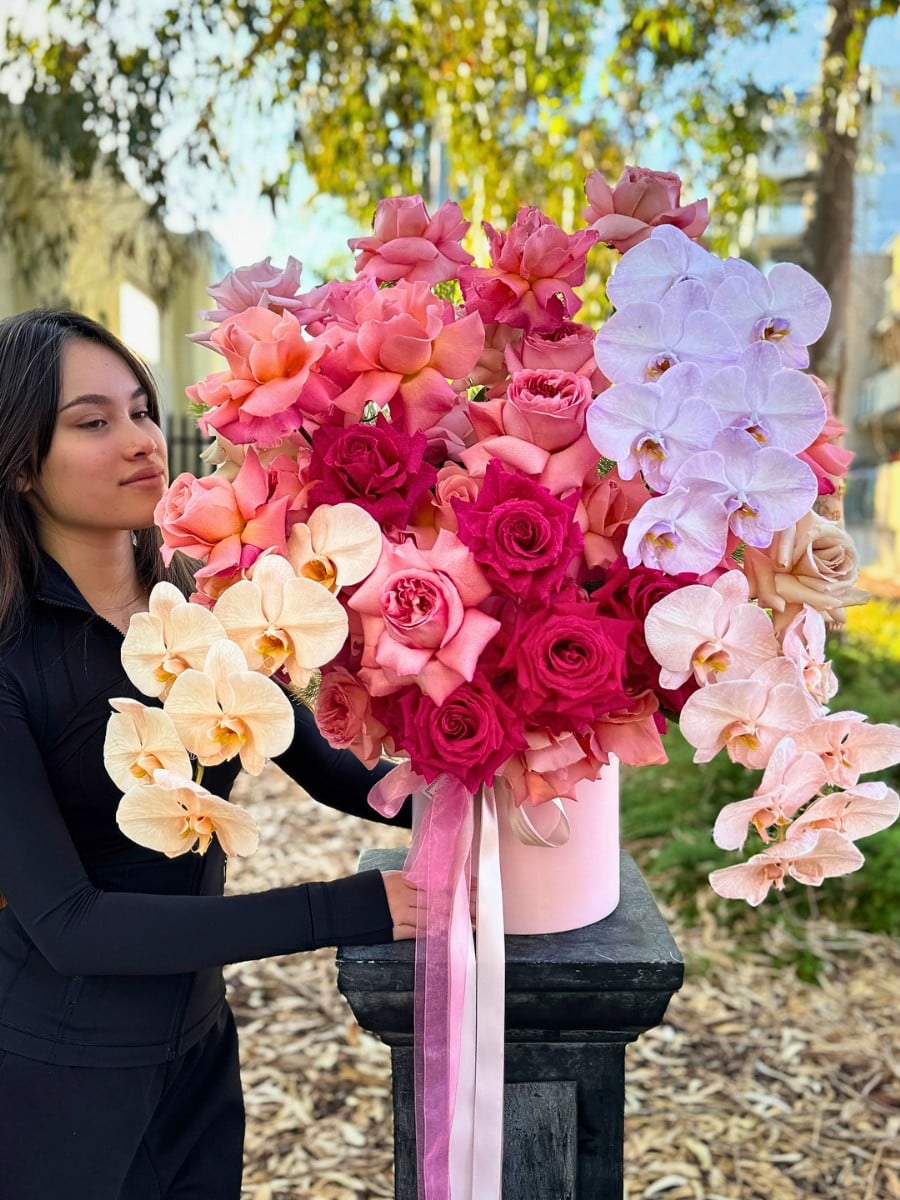
In Hawaii, they are woven into leis as symbols of affection and celebration, while in Victorian England, the flower became closely tied to luxury and mystery, a twofold meaning. This has helped orchids retain a reputation for sophistication that not many other flowers can claim.
In parts of East Asia, orchids have carried a related but unique meaning, standing for integrity and scholarly refinement, and not just material wealth alone. Chinese and Japanese art and poetry have often featured the orchid as a mark reserved for people of high standing, giving it a cross-cultural consensus.
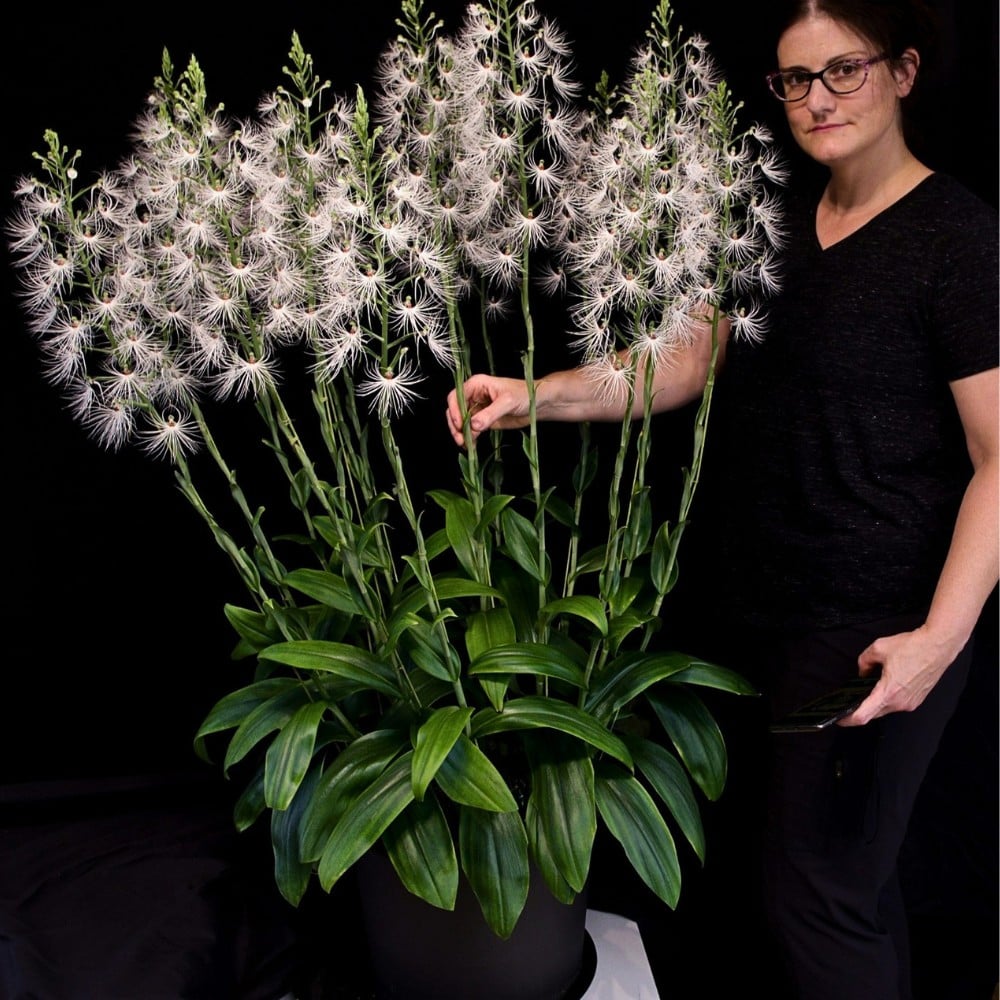
Rare Variety Orchids in Modern Luxury, Fashion, and Design
Contemporary designers continue to put orchids at the high end of floral fashion. Vanda orchids, prized for their vivid coloring and firm petals, have appeared on runways and in couture presentations, including an instance at the Amsterdam fashion show where they featured as haute couture.
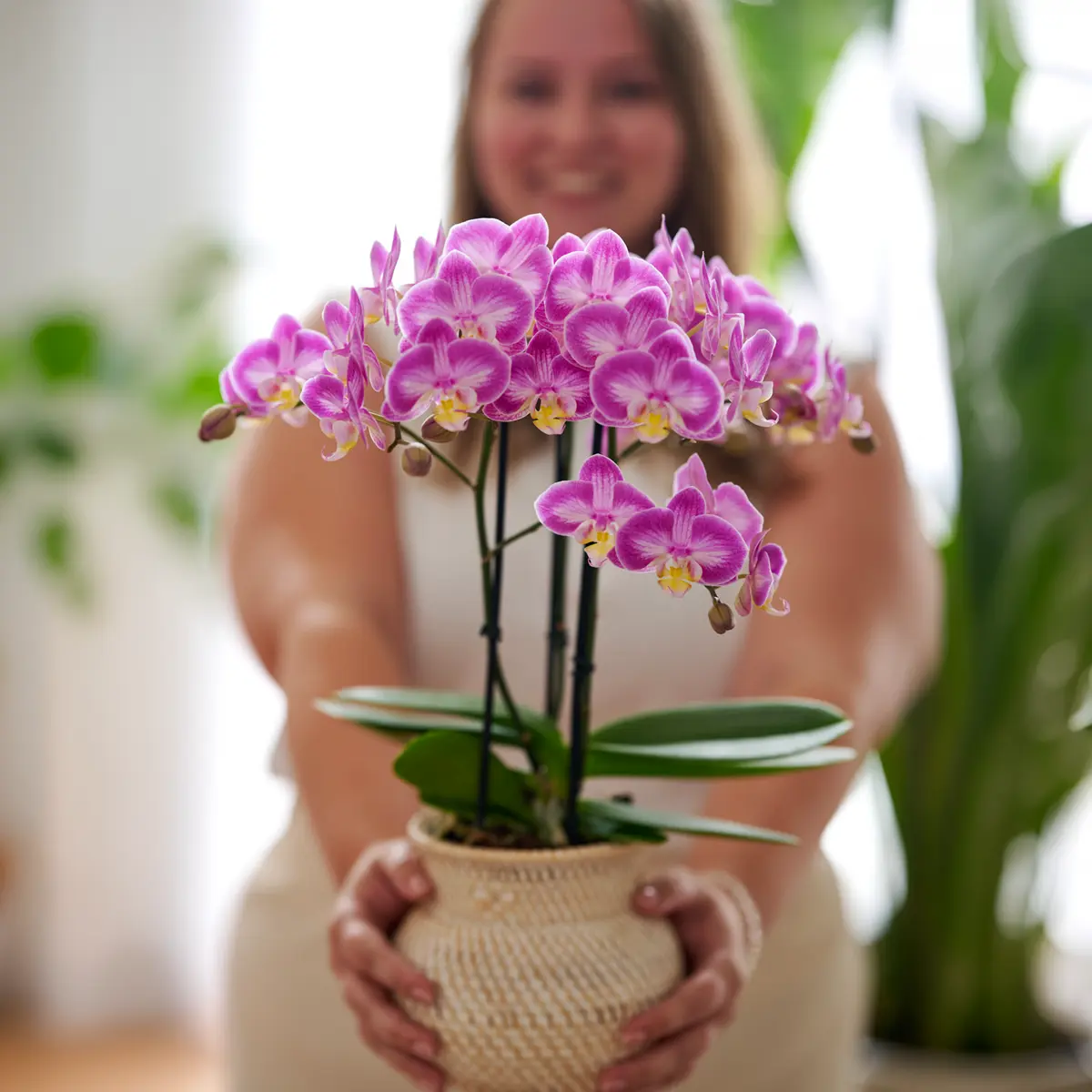
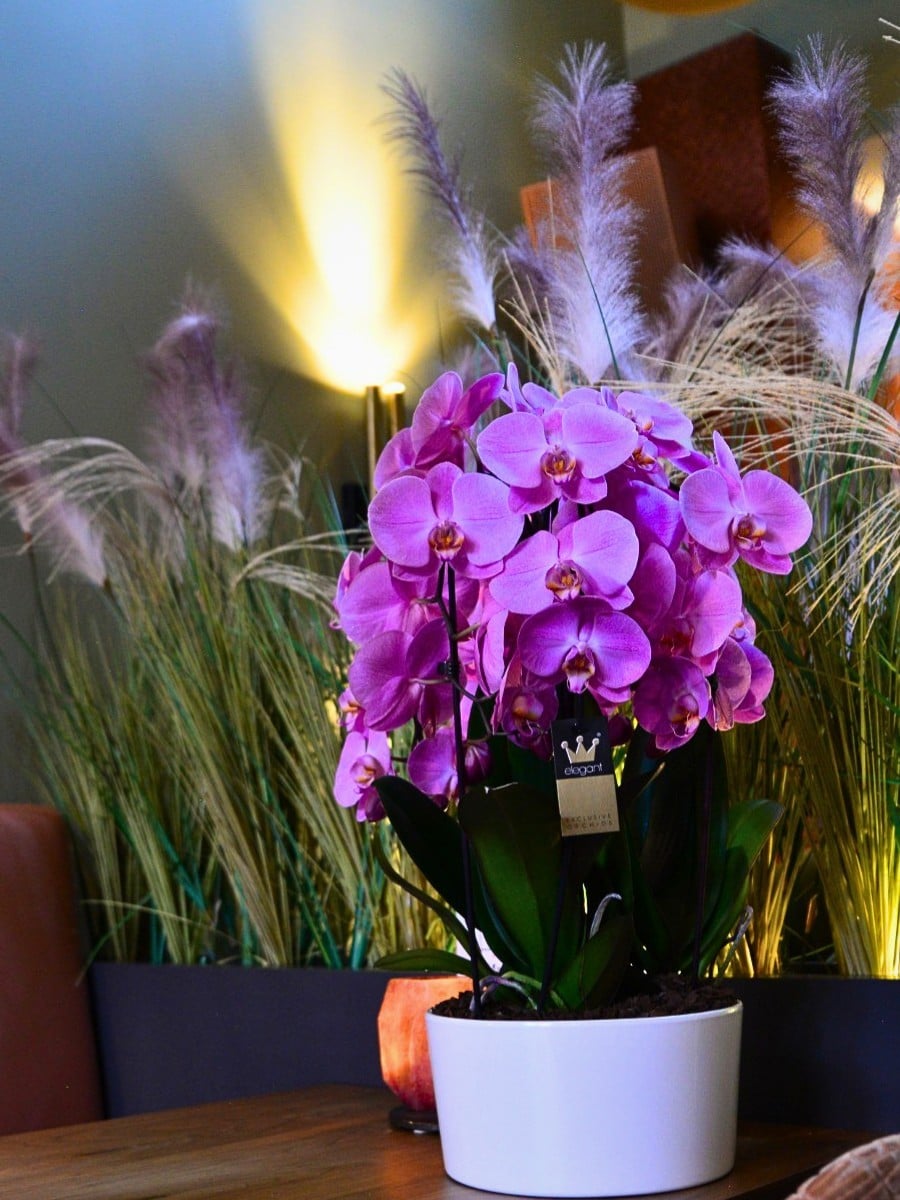
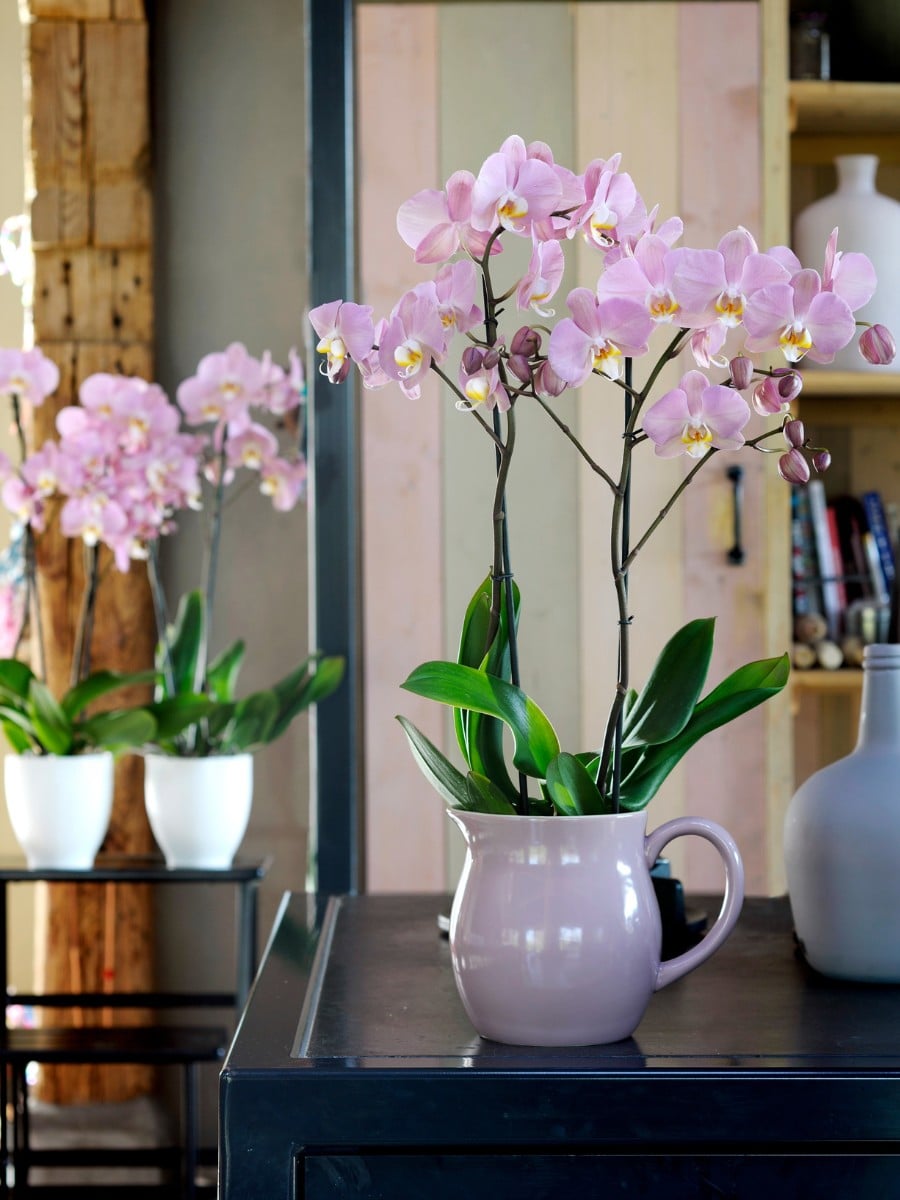
Florists have also used rare orchid varieties in extravagant showcase pieces, including a bouquet valued at over one million euros that combined chocolate brown Vanda orchids with diamonds. The Phalaenopsis orchid also continues to be a refined focal point in homes and offices, where it is prized for its long-lasting flowers.
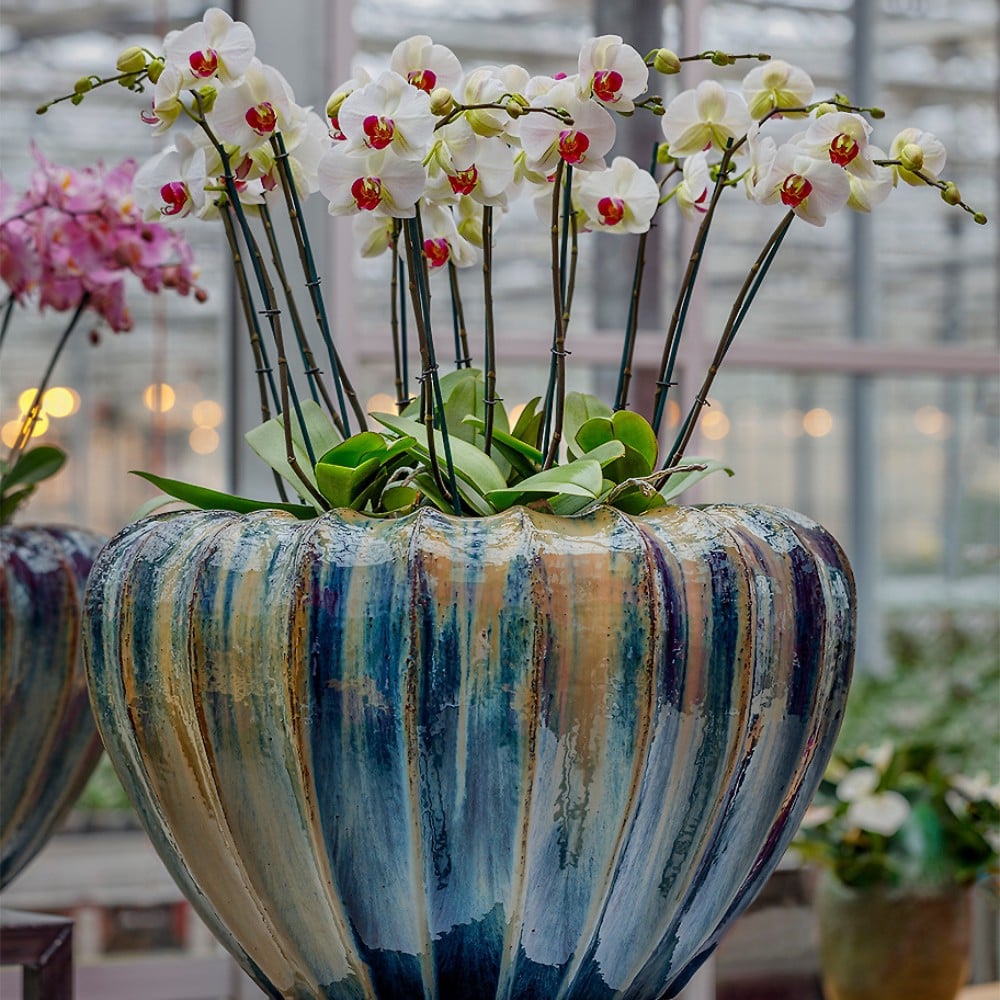
Many Reasons Why Orchids Remain a Luxury Choice
Today, orchids continue to justify their premium price through their advantages just as much as their inherited prestige. Why so? You may ask. Their flowers last considerably longer than those of most cut flowers, often for several weeks, a factor that offsets their higher upfront cost. Their botanical rarity, combined with many years of cultural association with wealth and refinement, also means that they communicate a sense of occasion more than many other flowers.
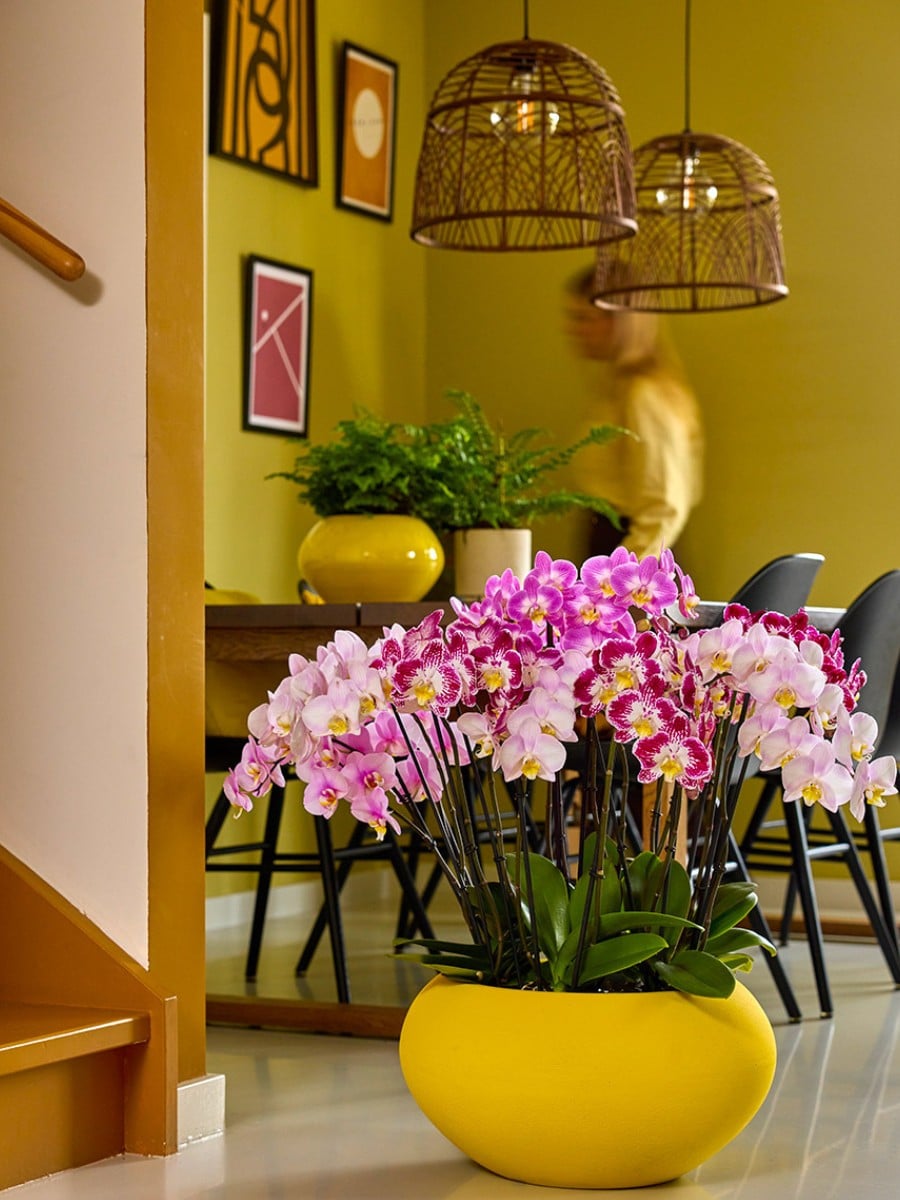
Still, in contemporary interior styling, orchids are treated more like a piece of high-end sculpture than a simple plant because of their clean, minimalist lines and elegant, arching stems, which fit perfectly into five-star hotel lobbies, luxury fashion boutiques, and high-end residential spaces. Because a well-placed orchid can command the attention of an entire room, it remains the ultimate choice for one looking to convey sophistication and understated opulence.
Also, unlike typical commercial flowers that can be grown in a matter of weeks or months, orchids require an extraordinary amount of patience. Some Phalaenopsis or Cymbidium orchids with specific color patterns and qualities can take years to breed successfully. And then anywhere from three to five years of nurturing before it produces its very first flower spike.
Growing them, their seeds are almost as fine as dust, and they lack their own nutritional reserves. In nature, they rely on a specific symbiotic fungus to germinate, while in modern commercial cultivation, they must be grown in sterile environments using specialized agar gels to mimic the required conditions. This means a well-regarded variety will still command a premium and remain luxurious very long after its introduction.
Featured image by @treimakas_. Header image by Anthura.