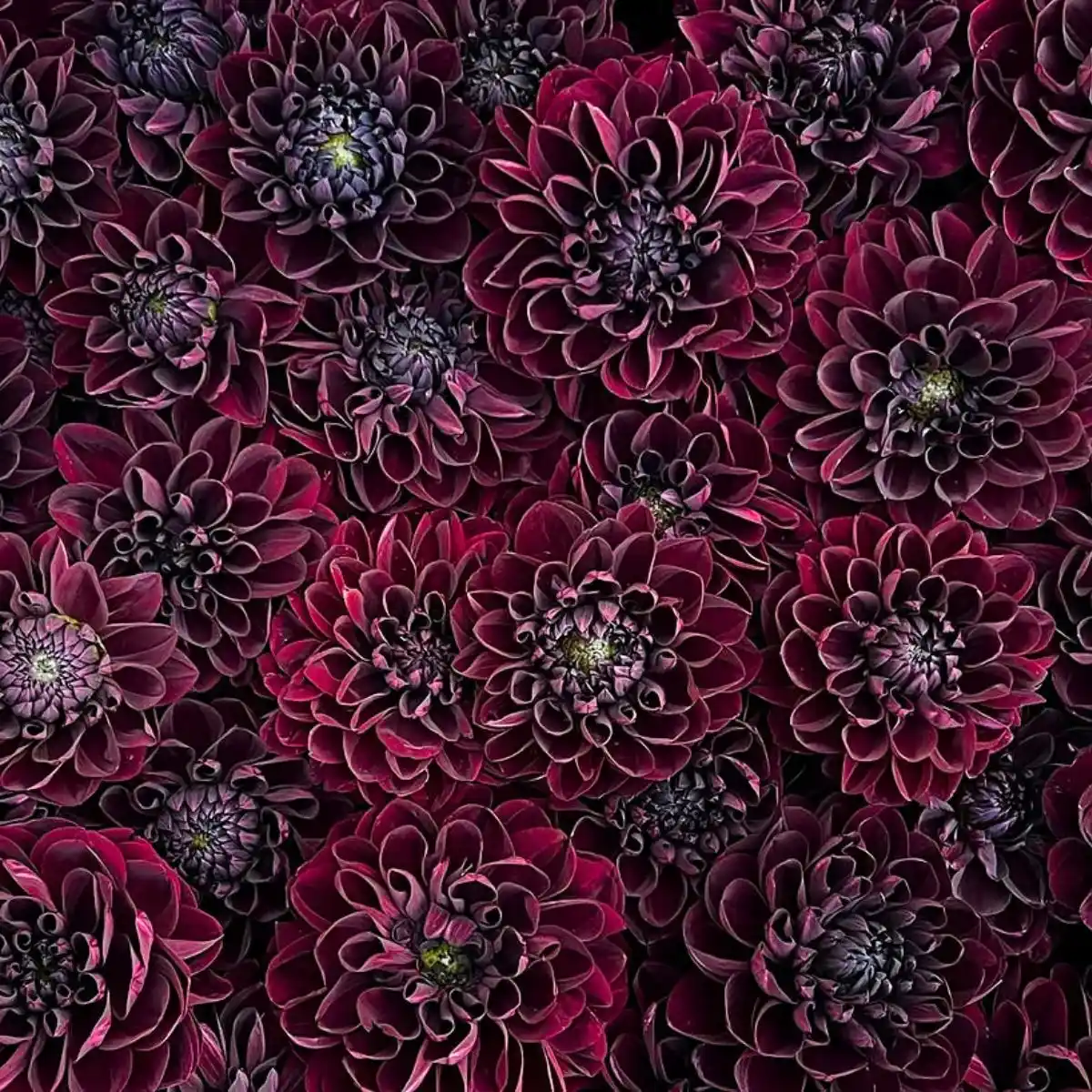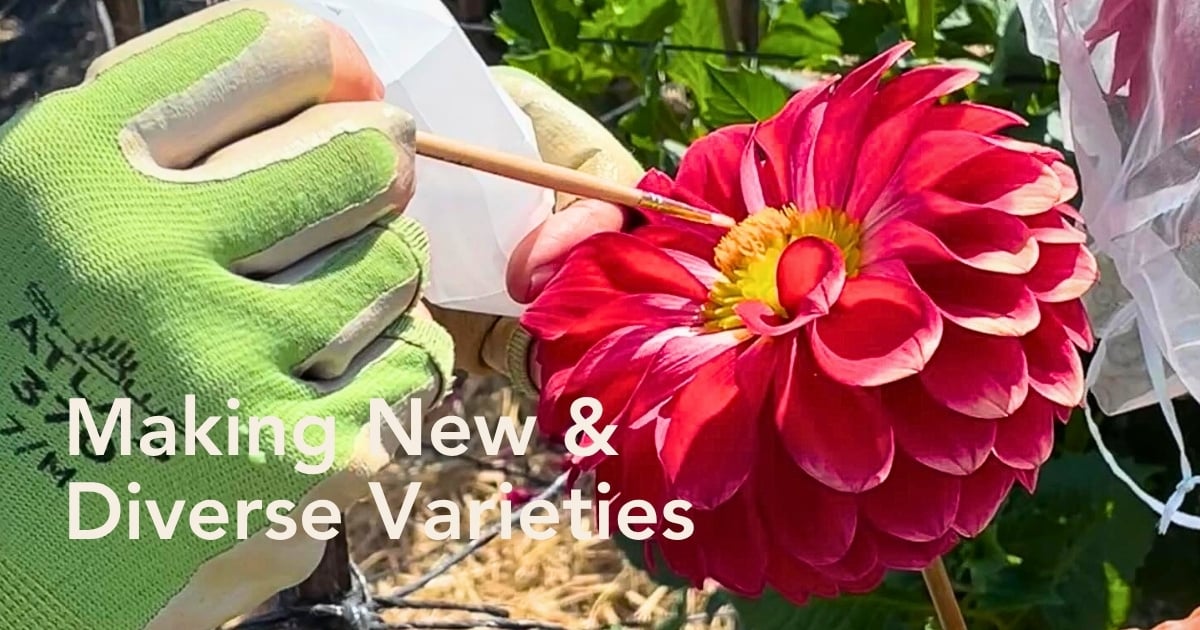
The Dahlia is a breathtaking masterwork in floral geometry. This flower began as a food crop in the Mexican Highlands, where the indigenous Aztec people first cultivated it for its starchy tubers and used its flowers in ceremonies. They called it acocoxochitl or acoctli, meaning ‘water pipe flower,’ because its long, hollow stems helped carry water.
Europeans then made it into an ornamental from the 18th century onward. And today, there are more than 20,000 named varieties across different forms, from single-petal pompons to enormous dinner-plate-sized flowers, making it one of the most design-versatile flowers in floristry. But how are its new varieties made? And how do they transition from a breeder's seedling trays right to a florist?
Creating New Dahlias and Why Breeding Is Unpredictable
Before understanding how Dahlia breeding works, it may be helpful to first understand why it is so much more unpredictable than breeding most other commercial cut flowers. While most plants are diploids, carrying two sets of chromosomes, Dahlias, on the other hand, are octoploids, with eight sets, which is why they display more diversity than most other flowering plants.
Their design means a cross between two plants with seemingly clear traits can produce offspring across an enormous range of forms, colors, and growth habits. In an octoploid system, individual gene copies interact like sliders on a sound mixer. Small changes in them are often absorbed or amplified, which stabilizes some traits but makes selective progress slow and outcomes statistical but discrete.
Dahlias also carry transposons, jumping genes that can move within the genetic sequence between seasons. This means that even a seemingly stable variety can change, producing unexpected mutations or sports, where one branch of a red Dahlia grows orange, and this branch can be taken as a cutting and multiplied into a distinct new variety. Modern Dahlias also lack a blue pigment gene, meaning a true blue Dahlia cannot be produced through conventional crossing and does not exist in the commercial market.
The Commercial Brief and Targets of Cut Dahlia Flower Breeding
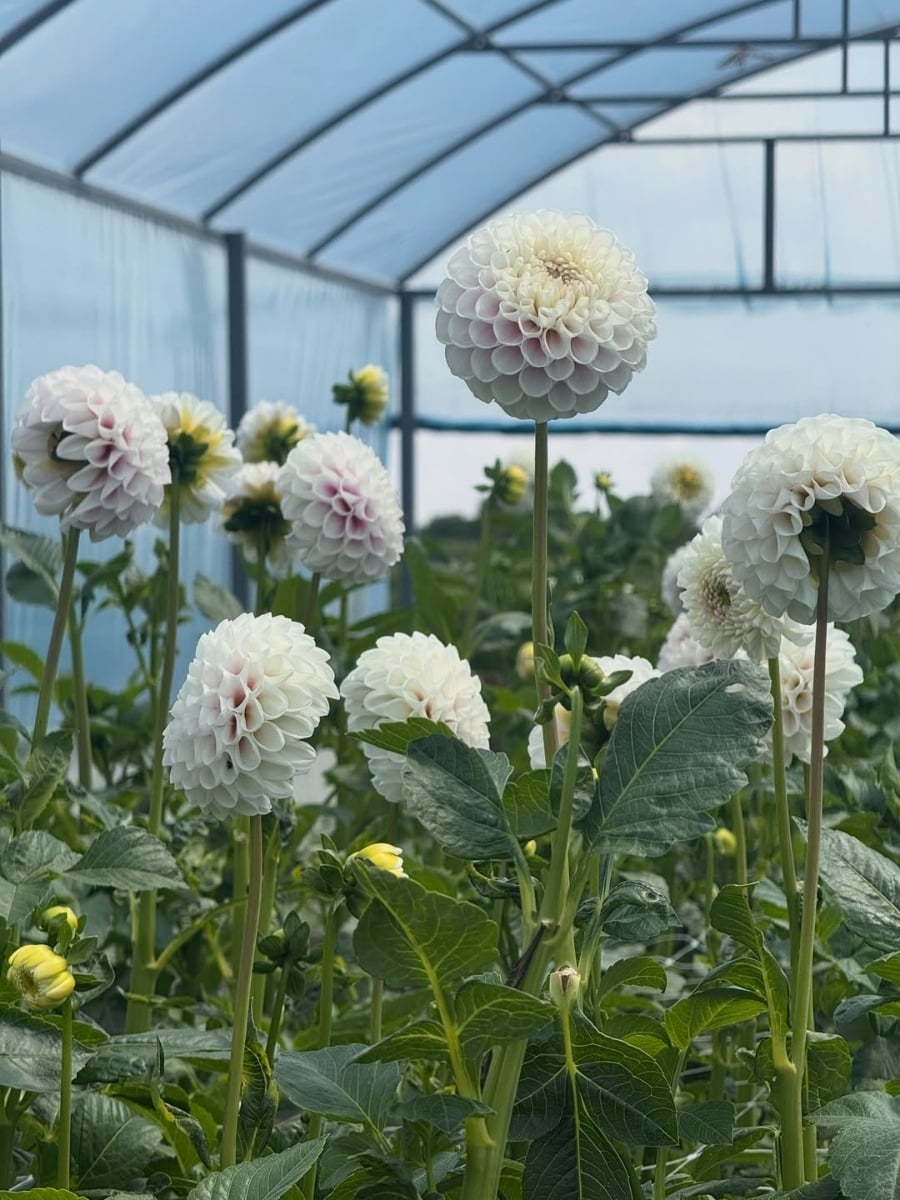
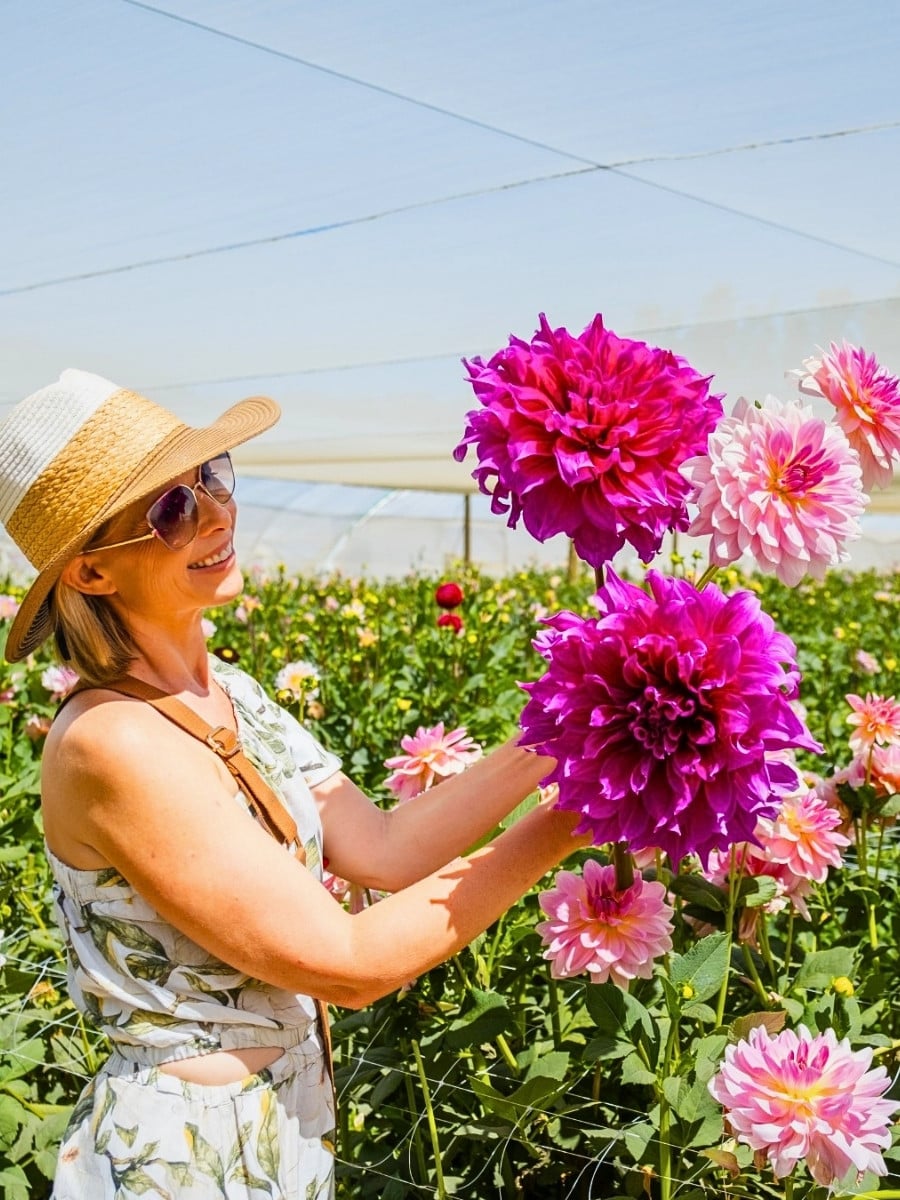
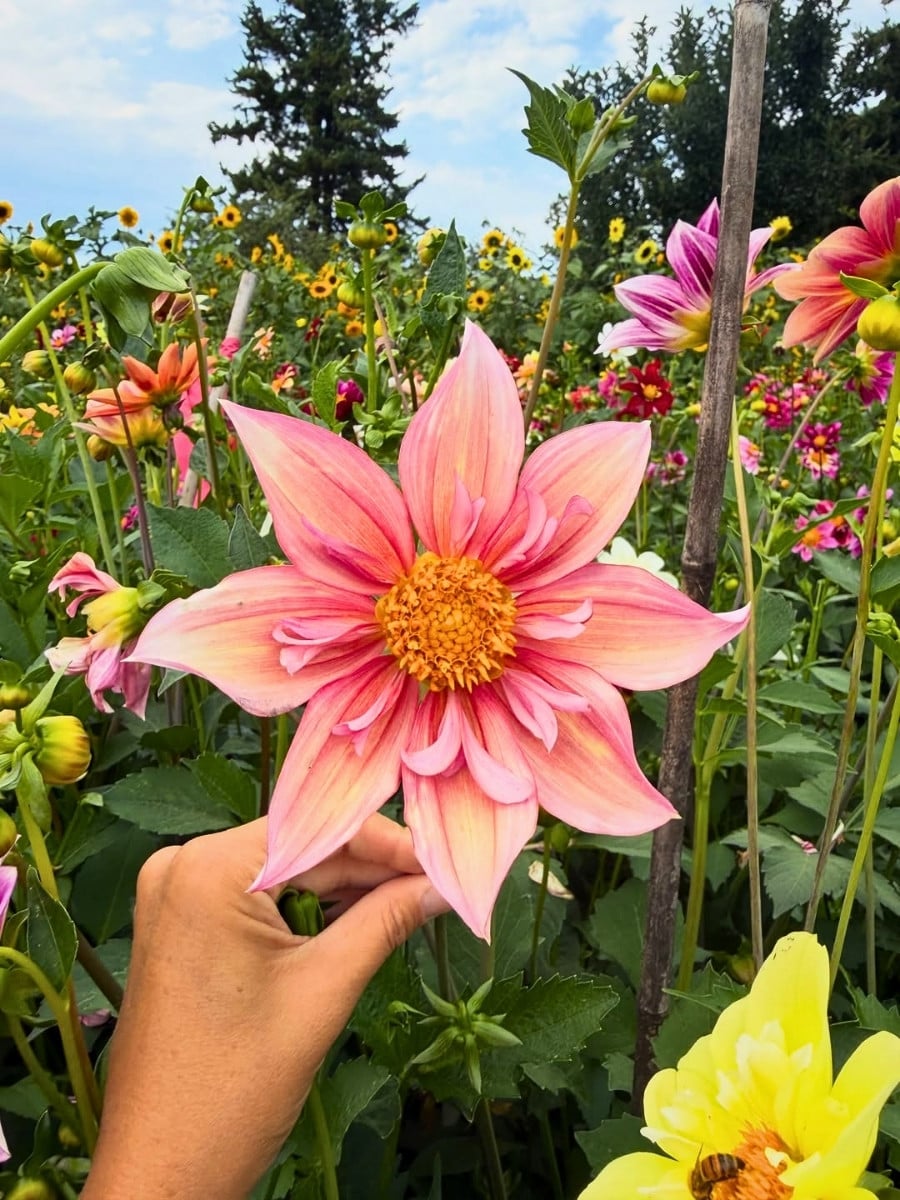
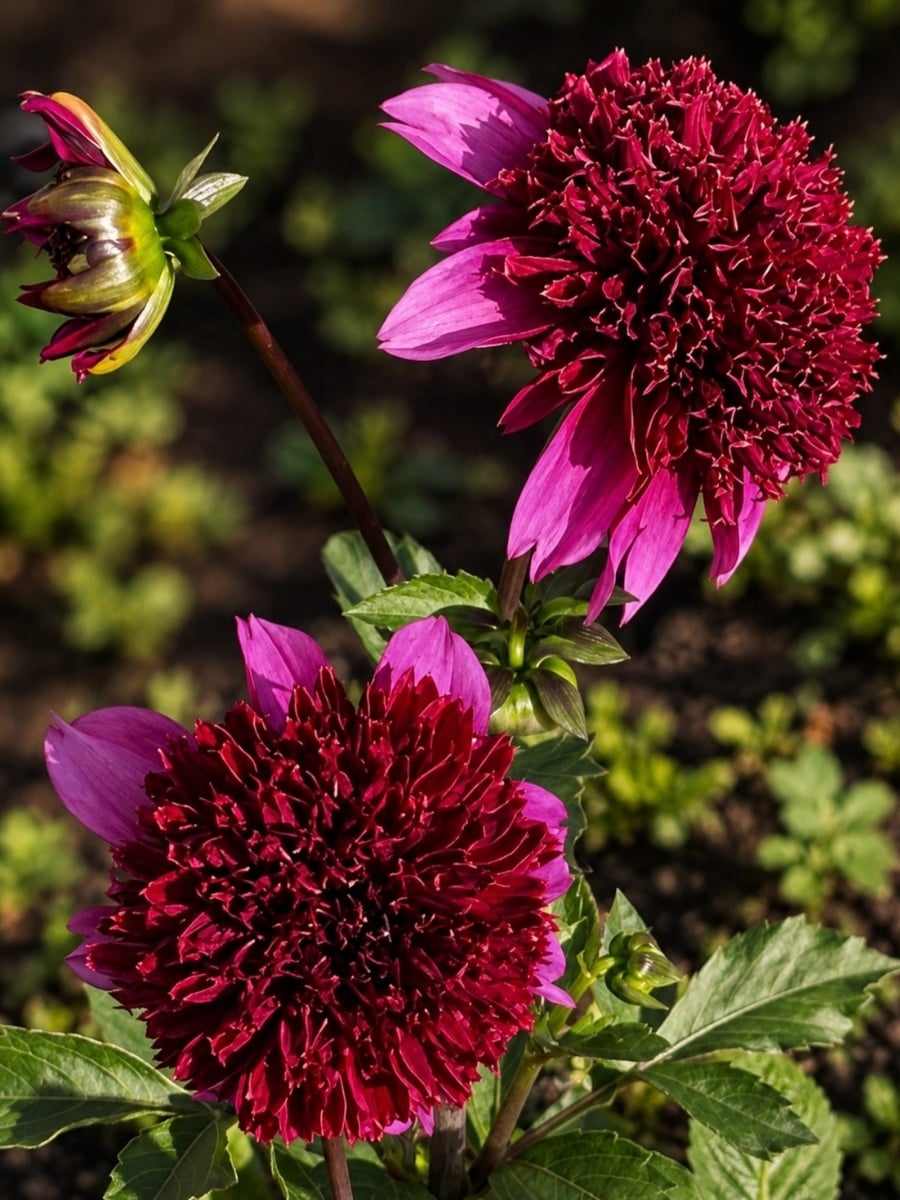
For the commercial Dahlia cut flower market, there are specific requirements. Stem length and strength are primary requirements, and a commercial Dahlia flower’s stem needs to be at least 40 to 60 centimeters long, straight, and strong enough to hold the flower head upright without drooping. Flower form and size must suit a florist's working palette, too. Dinner plate types are for statement arrangements, ball and pompon forms for texture, and café au lait and antique tones for wedding and event design.
Breeders also evaluate vigor, plant health, tuber production, and how well the tubers overwinter, because a variety that cannot be reliably propagated or stored has no commercial future regardless of its flower quality. Then, vase life and disease resistance, particularly to powdery mildew and botrytis, round out the brief.
Because Dahlias are short-day plants that initiate flowering as day length decreases below approximately 14 hours, breeding for earlier flowering under longer day lengths has commercial value for growers who want to supply the market before the natural Dahlia window opens.
Cross-Pollination, Where Breeding New Dahlia Varieties Starts
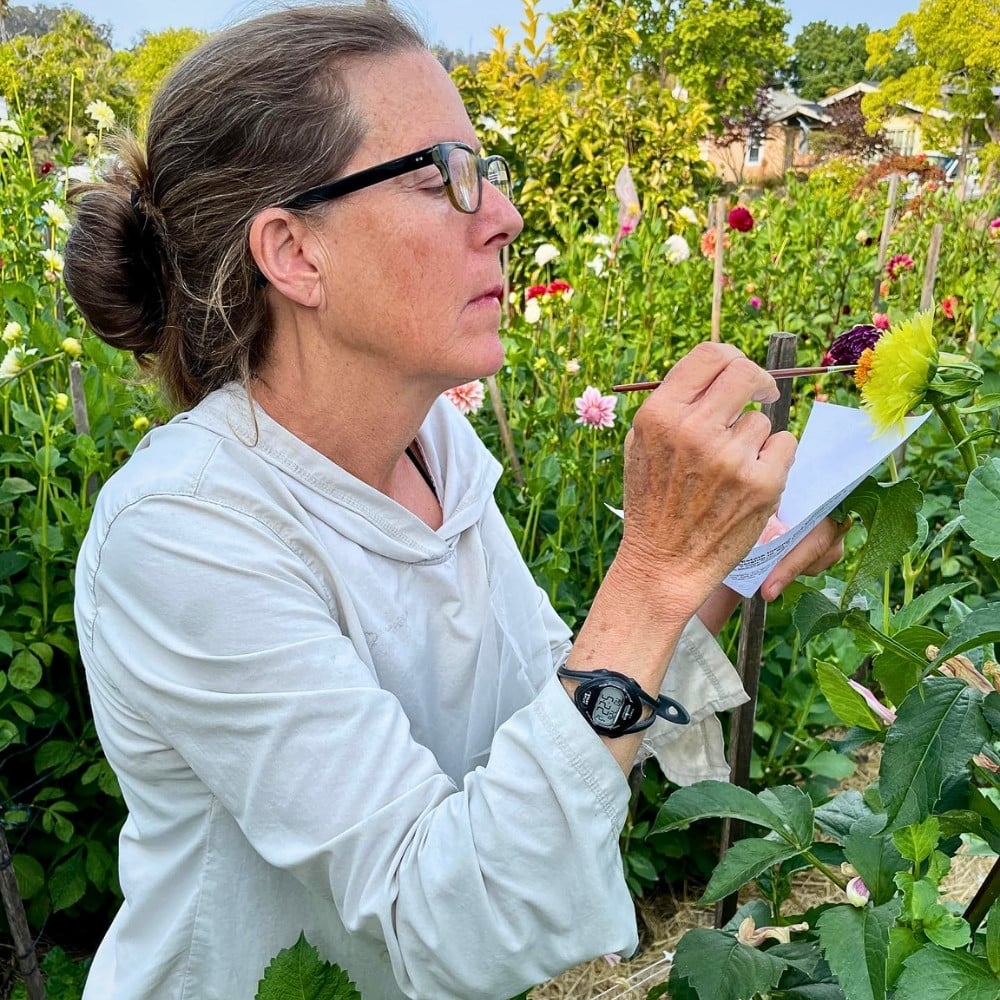
Dahlia breeding starts with the controlled transfer of pollen from a selected male parent to the receptive disc florets of a female parent. The composite flower head consists of sterile ray florets around the perimeter and hermaphroditic disc florets in the center, where pollination takes place.
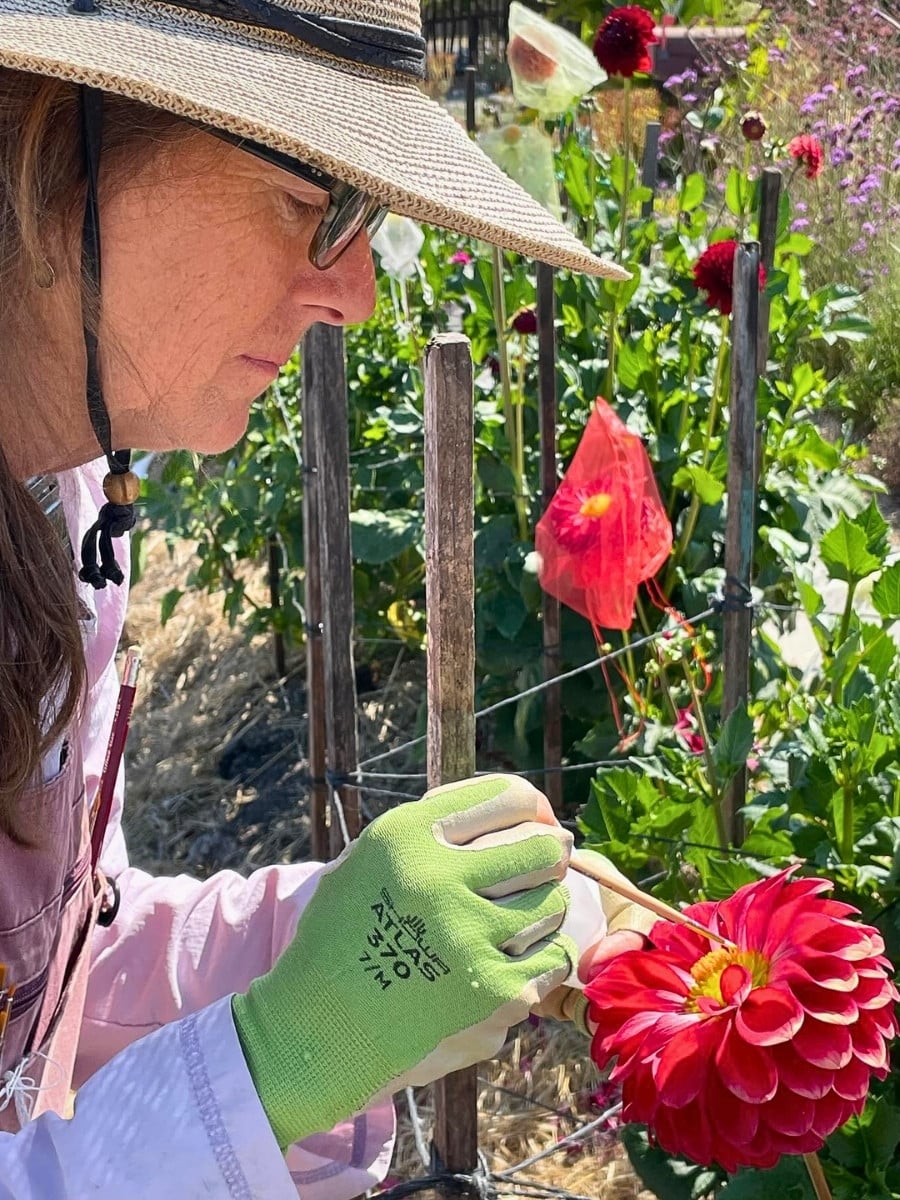
Breeders apply pollen by hand and keep careful parentage records for every cross. One technique experienced breeders and hybridizers have found productive is hand pollination followed by open pollination, allowing bees and wind to supplement controlled crosses and increase genetic diversity in the resulting seedling population.
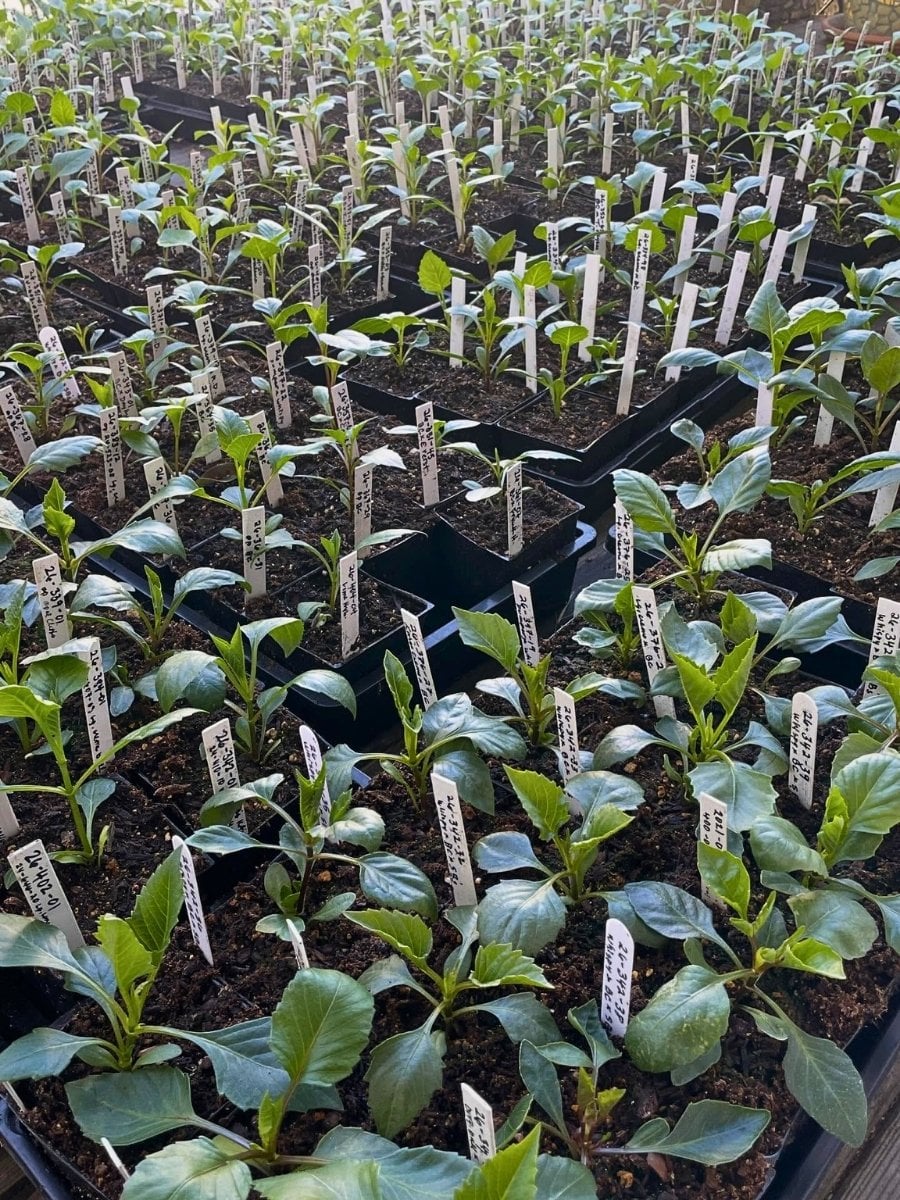
In the first year of a breeding program, all resulting Dahlias are grown from seed, with breeders hoping each will grow into a full plant with beautiful flowers and viable tubers. The octoploid genetics produce a wide spread of forms and colors, and most seedlings are eliminated. If you plant 1,000 seedlings, you may get only a handful of candidates worth further evaluation. This ratio defines the reality of Dahlia breeding.
Selection, Stability and the Long Road to Market
When a promising seedling is identified, the plant is propagated vegetatively through tuber division or stem cuttings to produce enough material for multi-season evaluation. Because Dahlias are octoploids, even seemingly stable selections can behave unexpectedly across seasons as transposons move or different combinations of gene copies express themselves under varying growing conditions. A variety must, therefore, be confirmed across several seasons before a breeder confidently recommends it to commercial growers.
For cut flower breeding programs specifically, selection criteria include stem length and strength, upright growth habit, inflorescence attachment, ray floret count, and inflorescence color. Vase life is tested systematically before a variety is considered commercially ready, and tuber productivity must support multiplication. Once variety protection or a plant patent is granted, the variety is assigned its commercial name and licensed to production growers.
Tuber and Cutting Propagation, and Getting Dahlias to Scale
Seed propagation is used only in breeding, because seeds produce offspring genetically different from the parent plant. Commercial production relies on vegetative propagation through tuber division or stem cuttings, both of which produce genetically identical plants. Tuber division is the most established method for commercial plantings: each lifted cluster is divided into sections containing at least one viable growing eye and stored through winter before spring replanting.
Cuttings offer faster multiplication. Early in the season, tubers are started indoors under warmth and supplemental light. As sprouts emerge from the tuber eyes, they are removed to create cuttings, while the original tuber continues producing additional sprouts for further cutting rounds before being planted into the field.
Dahlia's photosensitivity must be managed throughout, since most varieties develop tubers when day length is 12 hours or less, and feeder roots when days are longer. Rooting cuttings under an artificially extended day length of 14 hours or more ensures proper feeder root development and prevents premature tuber formation that would stunt the young plant.
Some Notable Dahlia Breeding and Growing Programs
The Dahlia breeding community is notably decentralized compared to most other commercial cut flowers. There is hardly any dominant seed company controlling global Dahlia genetics. Instead, a mix of specialist nurseries and independent hybridizers drives variety development.
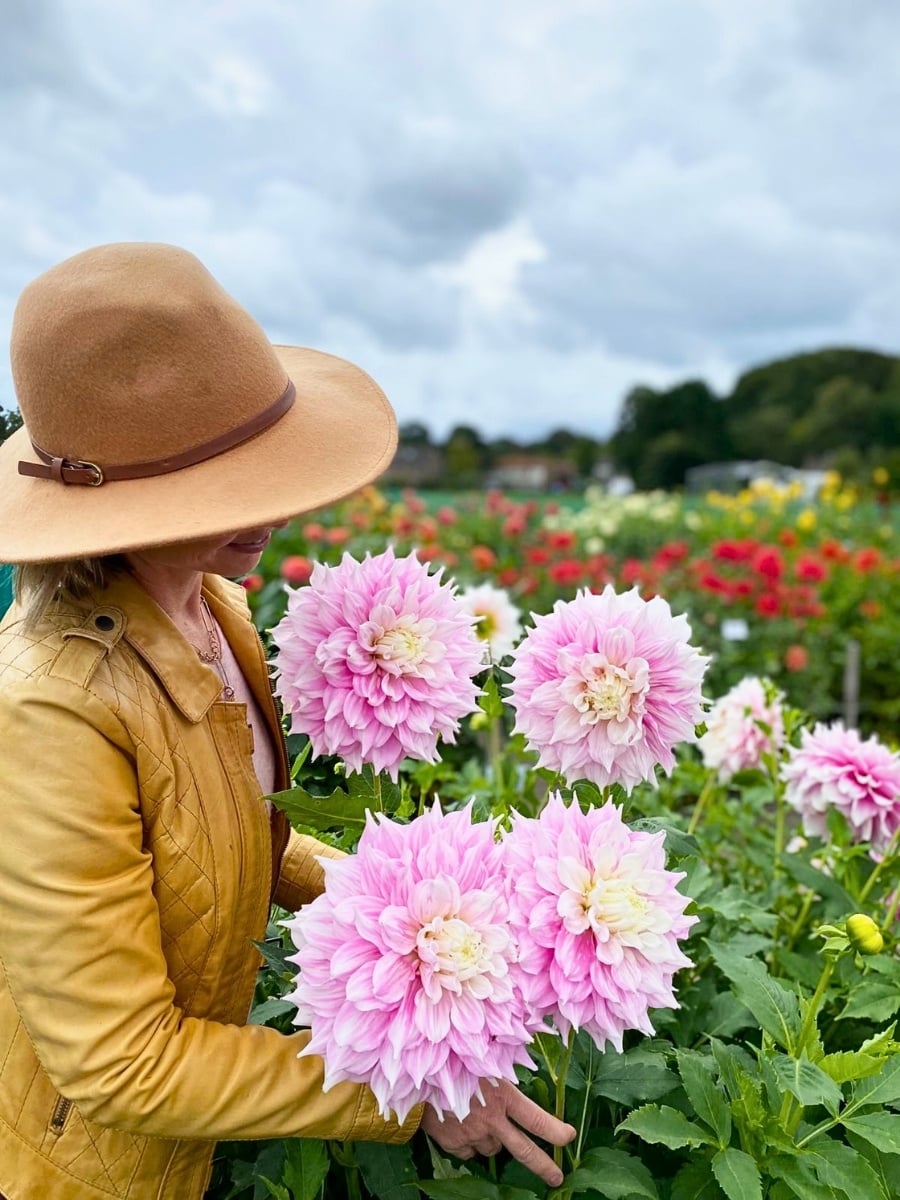
Dahlia Breeders (DBA), a collaboration between Agriom and Karel van Rijn, has, for instance, developed disease-free commercial varieties under the Abbey® brand, such as Havana and Samba. Their trial and selection fields, including in Kenya, evaluate thousands of seedlings annually for their varieties like Lima, Josefina, Manta, Salta, and others.
Likewise, George van Haaster and his Dazz Dahlias program focuses on giant cut flower varieties engineered for florists and event designers. His commercial trial network includes veteran export specialist Eddy van der Weijden, who systematically evaluates the candidates for vase life, bloom size, color intensity, stem strength, and leaf positioning before a variety moves toward release. Edwin Burgers, on the other hand, grows van Haaster's selected varieties at nursery Nooitgedacht, bridging trial selection and commercial-scale production.
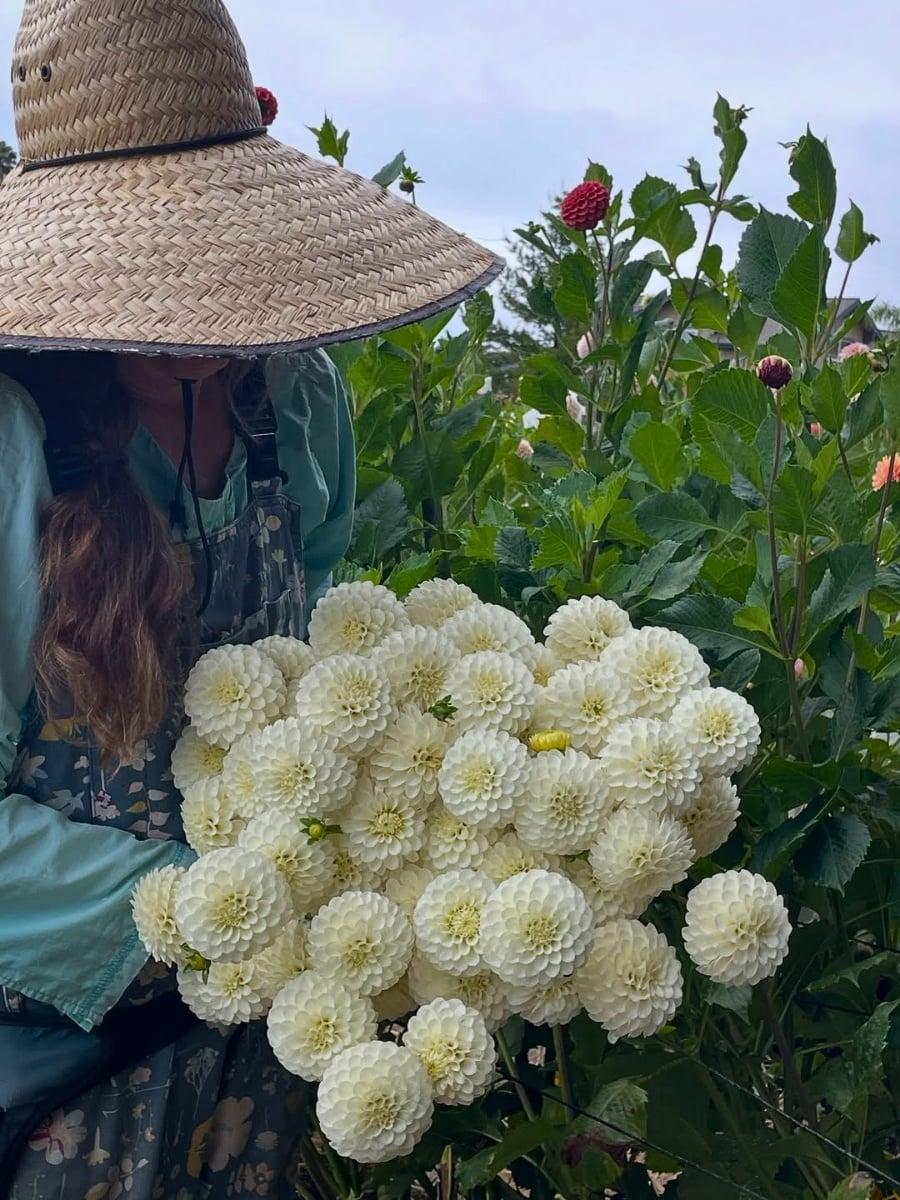
Elsewhere, H. en B.R. van den Bosch grows Dahlia Café au Lait, one of the most globally requested Dahlia varieties in the florist market. After harvesting, the most labor-intensive part of their process is ‘fluffing,’ the manual opening of each flower head to ensure every flower is fully expressed before it reaches a florist.
Kudelstaart-based Hogenboom Dahlias has also grown these flowers in a greenhouse for the cut flower trade for more than 30 years. Planting in December and January, the operation harvests approximately one million stems annually across colors and types from April through November, with post-harvest care protocols developed in collaboration with Chrysal. Notably, My Dahlia Society works as a collective platform for premium Dutch Dahlia growers, uniting producers around shared quality standards and distribution infrastructure to supply international buyers.
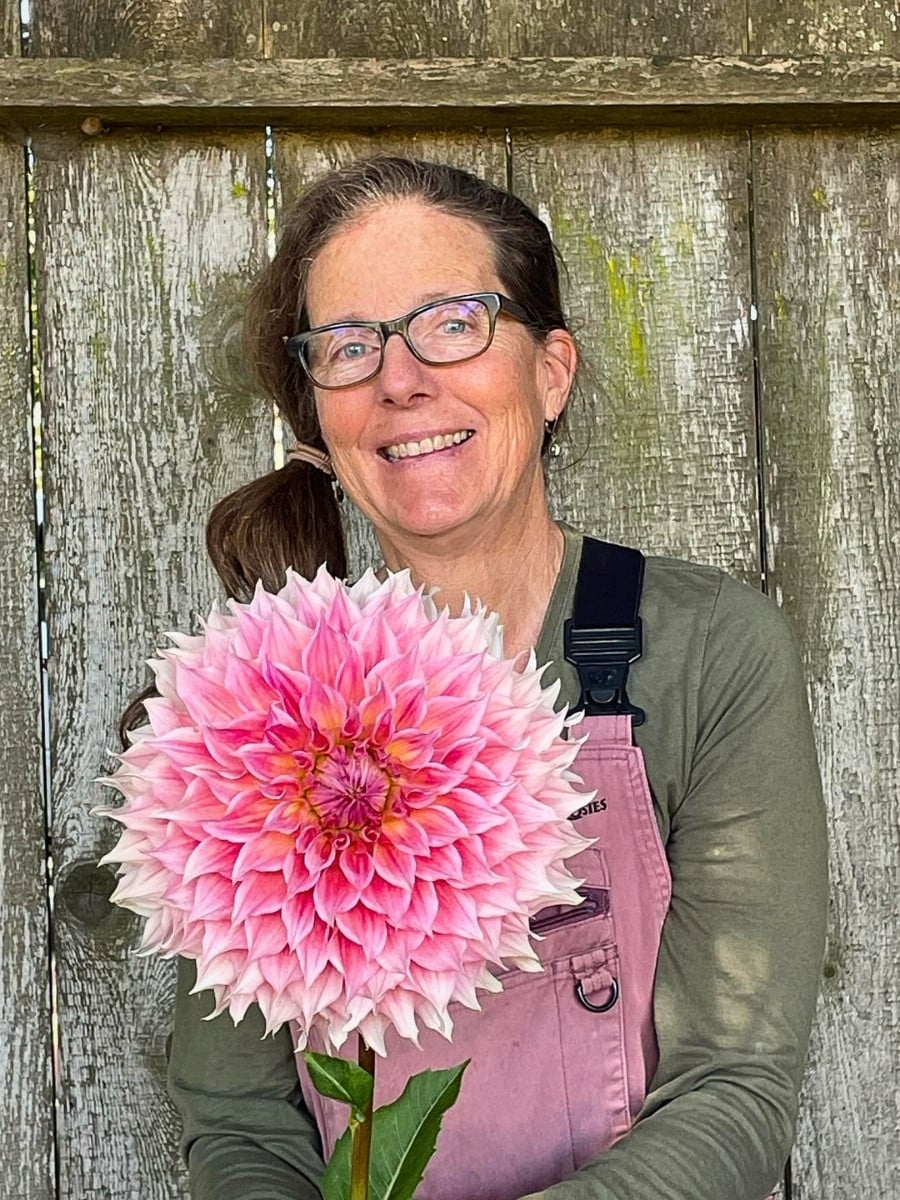
Other prominent commercial hybridizers and suppliers include Swan Island Dahlias in Oregon, operating for more than 90 years with 370+ varieties, and Kristine Albrecht of Santa Cruz Dahlias, who also built an internationally renowned independent breeding program of at least 50 named varieties targeting florist and designer suitability. Their varieties like KA's Cloud and KA's Khaleesi won the American Dahlia Society's Derrill Hart Award, while Floret Flowers lists Albrecht's varieties among their top recommendations for cut flower Dahlias.
Ferncliff Gardens in British Columbia, established in 1920, is also a historic name in North American Dahlia breeding and tuber supply. While in Australia, Neville Naumann created world-famous lines like the Bracken series (Bracken Palomino, Bracken Rose). Local initiatives like the Southern Highlands Flower Farm run specialized breeder royalty programs to support local hybridizers financially.
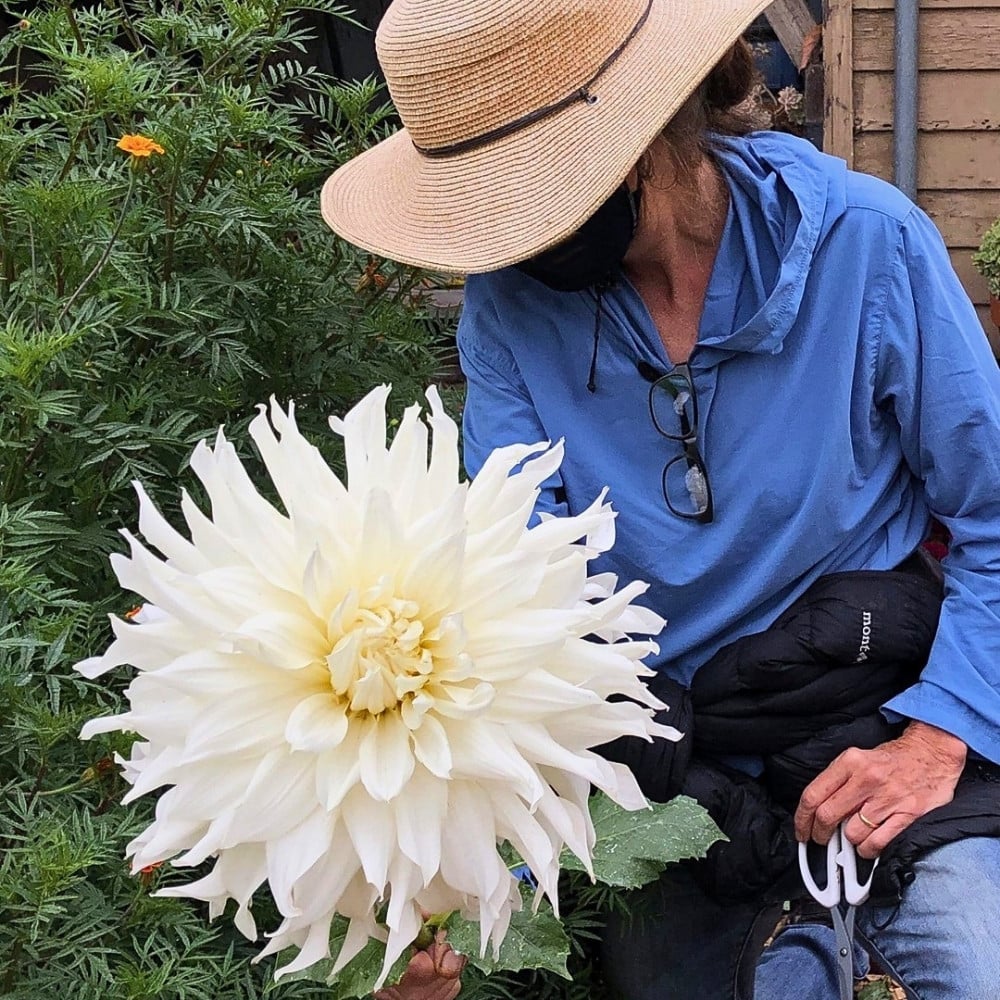
Further international cultivation and production also features Alexandra Farms in Colombia, which has built one of the most significant year-round commercial Dahlia programs. Located in the Andes Mountains where the climate allows continuous growing, the grower rigorously tested dozens of varieties, selecting several for commercial production based on form, color, and above all vase life.
Currently offering 12 varieties, and more in testing for the future, their range includes Café au Lait, Doris Duke, Diana's Memory, Wizard of Oz, and the Cryfield Harmony. Varieties at Alexandra Farms were developed specifically for the cut flower market by two specialist breeders, and the farm supplies wholesale buyers year-round.
Dahlias at @alexandrafarms
Dahlia Flowers’ Postharvest Processes
Dahlia is one of the more demanding cut flowers in post-harvest care. The flowers are harvested at the fully open stage, meaning their vase life clock starts just when they are cut. Harvesting should be done in the early morning when the flowers are fully hydrated, and stems must be placed immediately in deep, clean water, as even a few hours of drying significantly reduces their performance.
The flowers release a milky sap from their hollow stems that can block vascular tissue and contaminate vase water; conditioning them separately for 24 hours before combining with other flowers is, therefore, standard practice. Research also confirms that Dahlias are ethylene-sensitive and continuous ethylene exposure reduces their vase life. Accordingly, Silver thiosulfate (STS) and 1-MCP are the most effective anti-ethylene treatments.
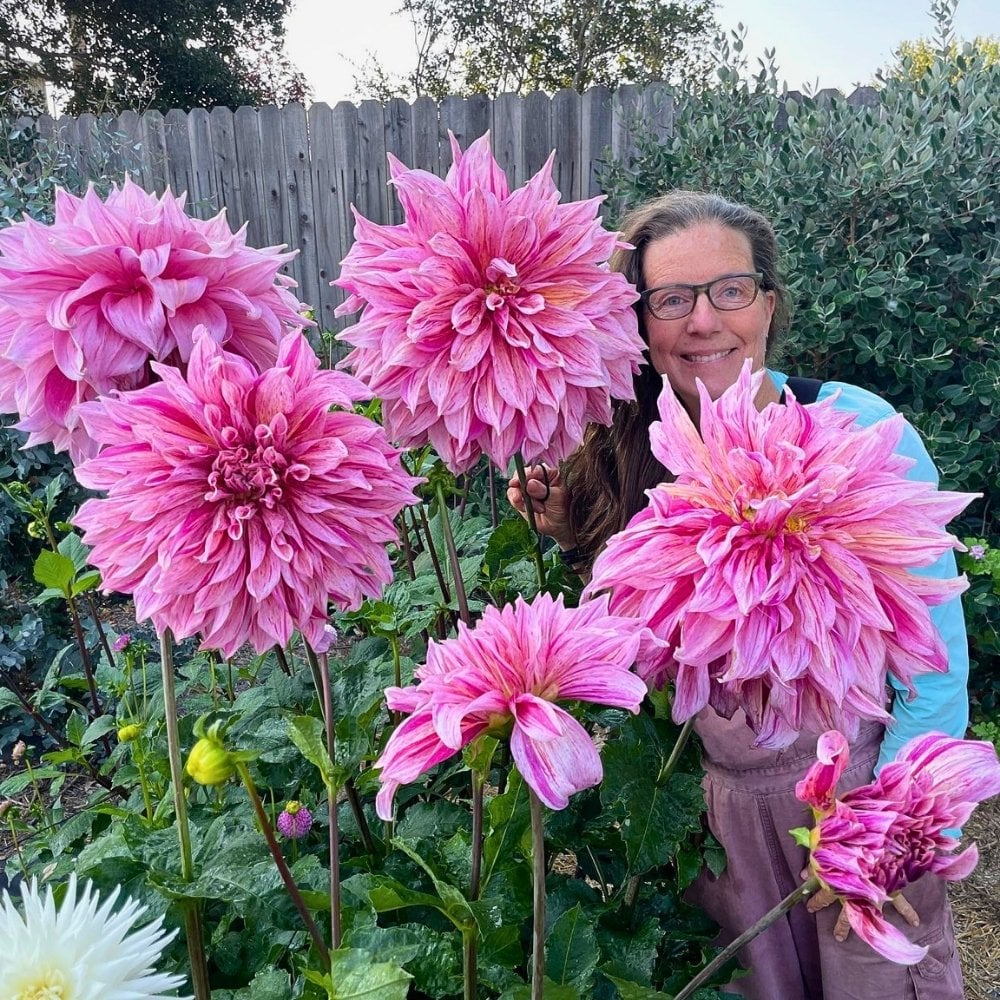
But the practical implication for commercial handlers is to avoid co-shipping or storing Dahlias with ethylene-producing flowers or fruit, while cold storage at 2°C-5°C is recommended for flowers not sold immediately, and bactericidal vase solutions are used to reduce the stem blockage that hollow-stemmed flowers are particularly prone to.
From the grower, Dutch Dahlias primarily move through Royal FloraHolland's auction system, while Colombian production from Alexandra Farms moves through direct wholesale relationships with importers across the US and Europe. Their year-round availability is, perhaps, the primary commercial advantage that they have over the often seasonally constrained Dutch supply.
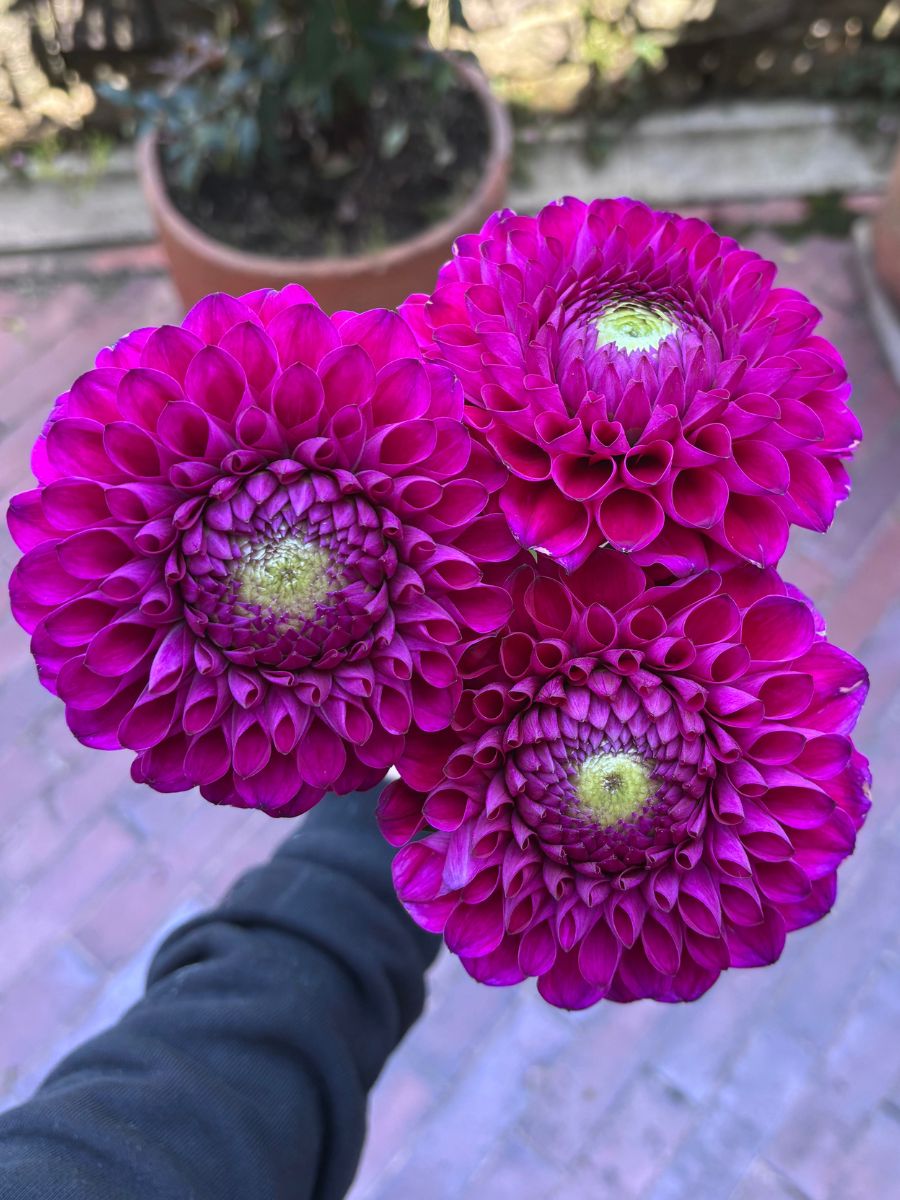
Featured image: @dahliaplease. Header image: @dahliaplease.