Dianthus, also called the ‘Flower of the Gods,’ has been cultivated for more than 2,000 years. But the same flower in your favorite flower shop today is a result of a highly specialized, years-long process that starts way before the stem is cut. Its breeding is a long, controlled process that turns selected parent plants into new cut flower varieties for the market, then into what growers produce at scale and buyers use in design and retail.
The whole process starts with genetics and ends with logistics. But the years in which breeders test color, form, vase life, disease response, and crop performance before anything is released are where the real work is. From careful cross-pollination in a breeding greenhouse to tissue culture labs and commercial growing facilities, a Dianthus variety’s journey is a unique horticultural skill. This is how it all works.
What Breeders Try to Achieve
Before a cross is made, breeders start with a target, which in the Dianthus world means identifying which traits the market needs. It could be a specific flower color or pattern, longer vase life, stronger stems, disease resistance, compact growth, or fragrance. These are commercial decisions, all driven by feedback from growers, wholesalers, florists, and consumer research.
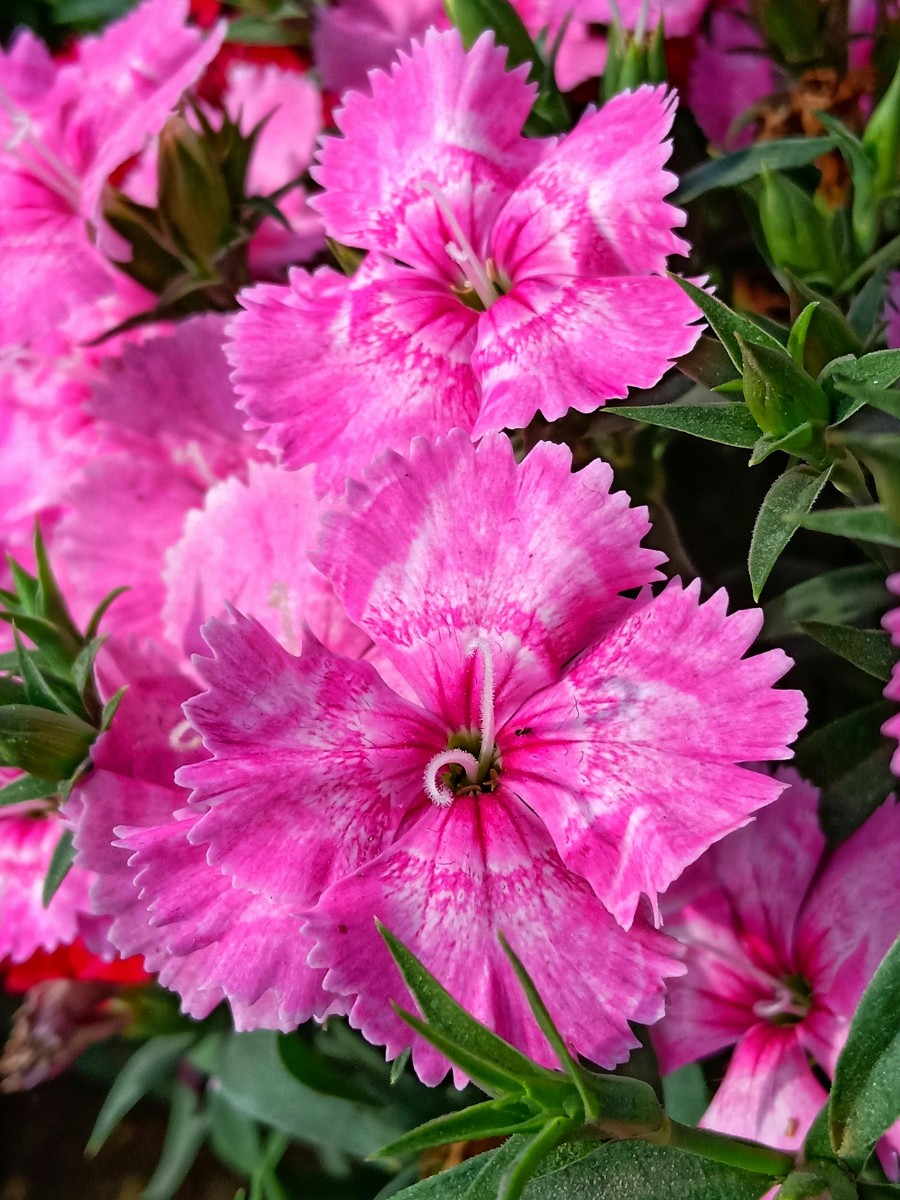
Breeding, per se, begins by choosing parent plants with specific traits such as color, stem strength, flower shape, branching, and postharvest life. In Dianthus programs, breeders often work with preserved genetic material, including decades-long maintained parent lines, because those lines help keep useful traits available for future crosses.
Leading breeders, including Ball SB, Selecta Cut Flowers (part of Selecta One), Natura Breeders, SB Talee, and Danziger, each run dedicated breeding programs that work years ahead of market introduction. Selecta One, for example, manages its carnation (Dianthus caryophyllus) breeding out of its headquarters in Stuttgart, while conducting crosses in Tenerife and germinating seeds in Germany.
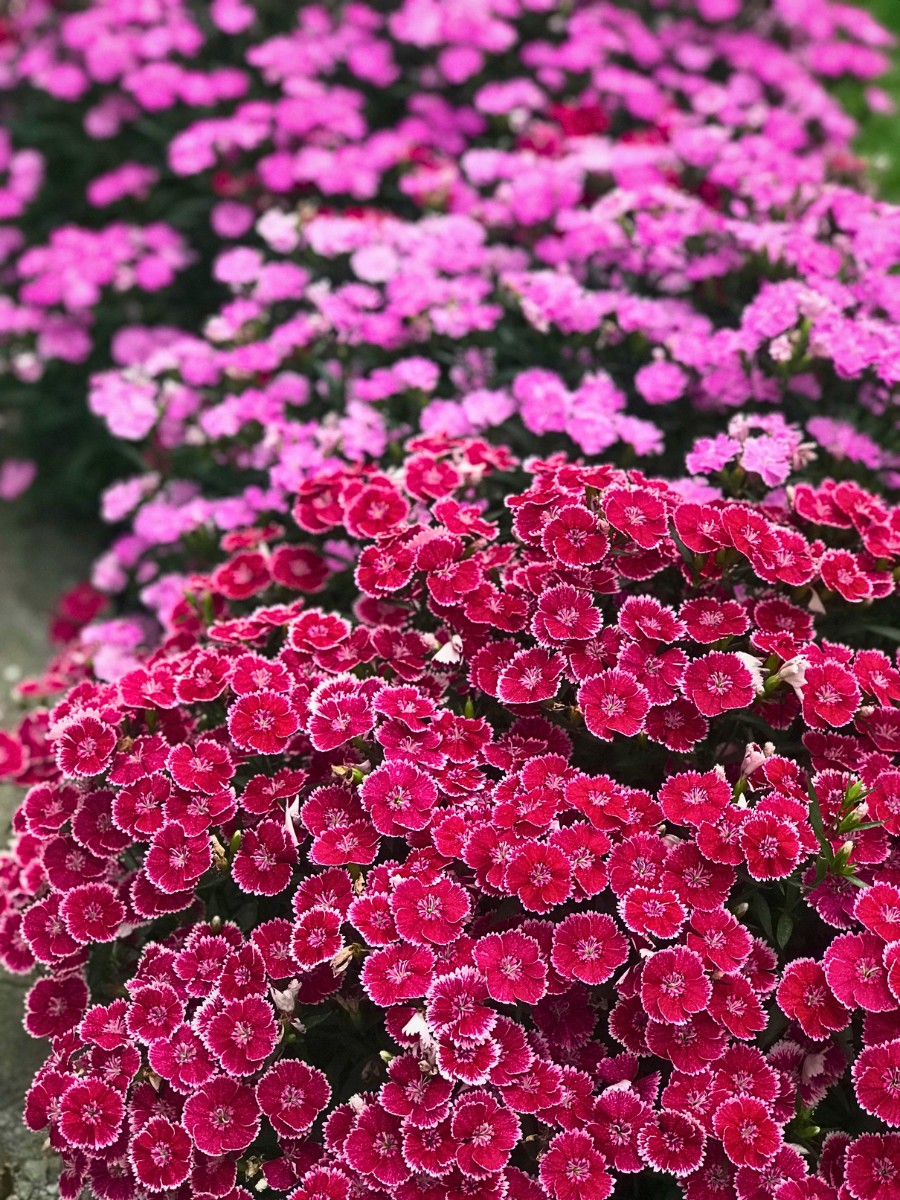
The young seedlings then travel to countries, including Kenya, to grow into flowering plants for evaluation. This multi-country process tests how a variety performs in different climates and growing conditions before it reaches a commercial grower.
Danziger, a major Dianthus innovator, is explicit about what guides their breeding priorities. Senior Breeder Gideon Scovel has previously described the focus as upgrading Dianthus into a much more modern flower, emphasizing hardiness, fragrance, and perpetual flowering alongside visual appeal. The breeder’s series, such as Lady D and Delilah, exemplify this, with the large double flowers, temperature resilience, and a clove-like scent that consumers love.
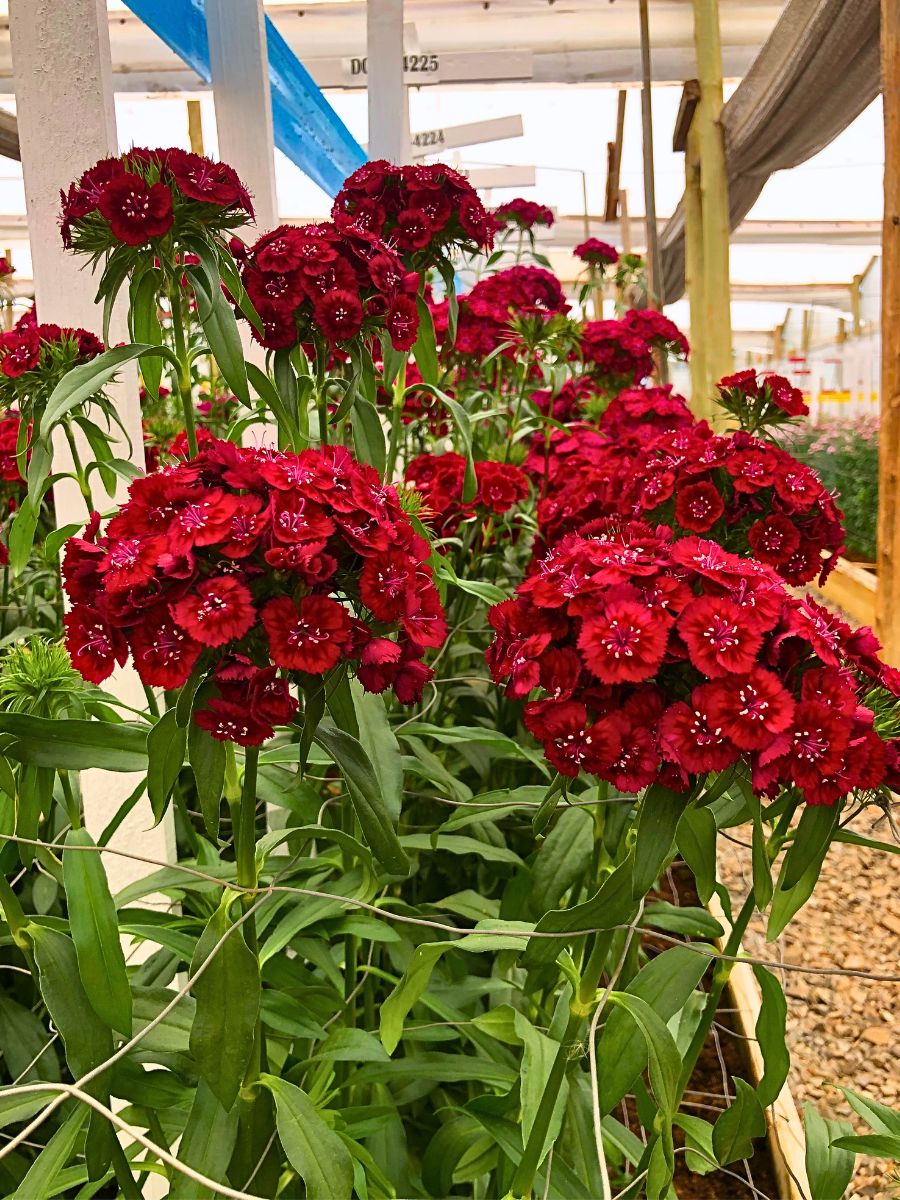
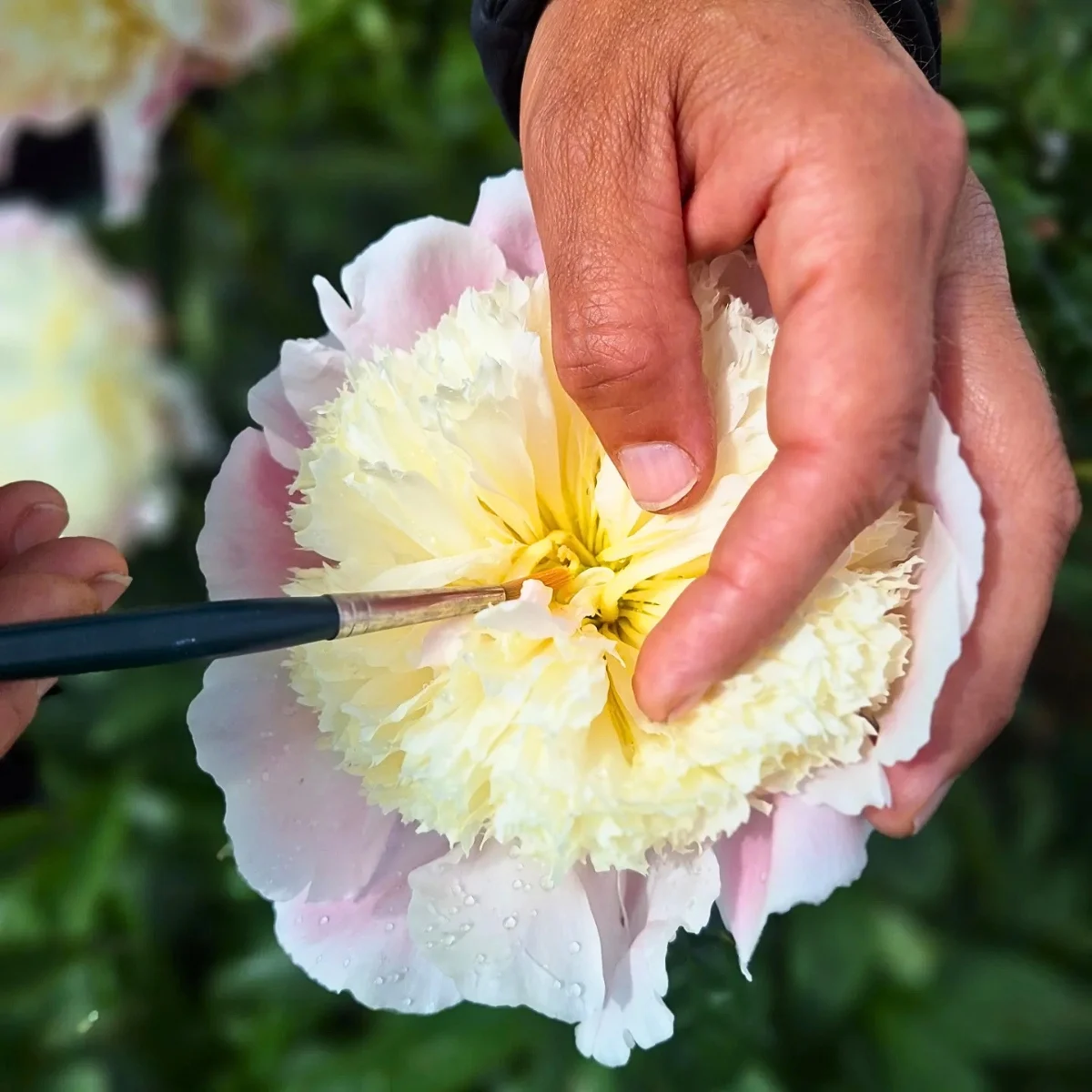
A breeder then makes a controlled cross, with the pollen collected from one plant and placed on the stigma of another plant that has been prepared as the female parent, so the resulting seeds carry a mix of both parents’ traits. This stage is highly deliberate because the breeder does not just aim for a pretty flower, but for a plant that performs well in production and transport.
Cross-Pollination
Actual creation of a new Dianthus variety starts with cross-pollination. A breeder selects two parent plants that carry the desirable traits, and manually transfers pollen from one to the other. Because many cultivated carnation varieties have lost their ability for natural fertilization through generations of selective breeding, this process requires direct human intervention. The petals are removed, the calyx is opened, and pollen is applied by hand to a receptive stigma.
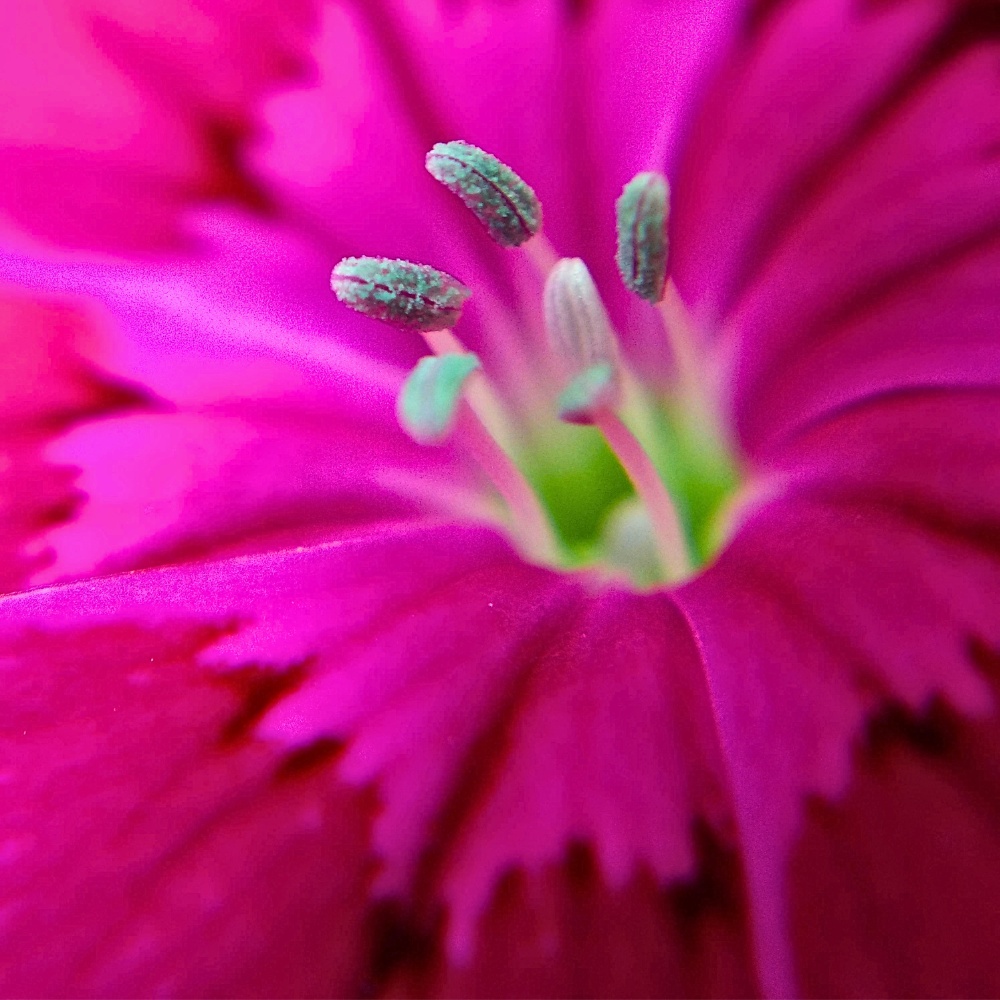
Timing is essential since the stigma of a Dianthus flower is most receptive when the flower is fully open, while pollen is at its most fertile just as the flower begins to open. Missing this window means starting the process over. Once successful pollination occurs, seeds are harvested and germinated. The seedlings from this cross, the F1 generation, carry a mix of traits from both parents.
Breeders then observe these plants closely. Do the flowers hit the target color? Are the stems strong enough for commercial cutting? How long do they last in a vase? Does the plant show resistance to Fusarium or other common pathogens? Most seedlings from any given cross are discarded. What breeders are hunting for is a plant that checks every box, and that combination rarely appears on the first try.
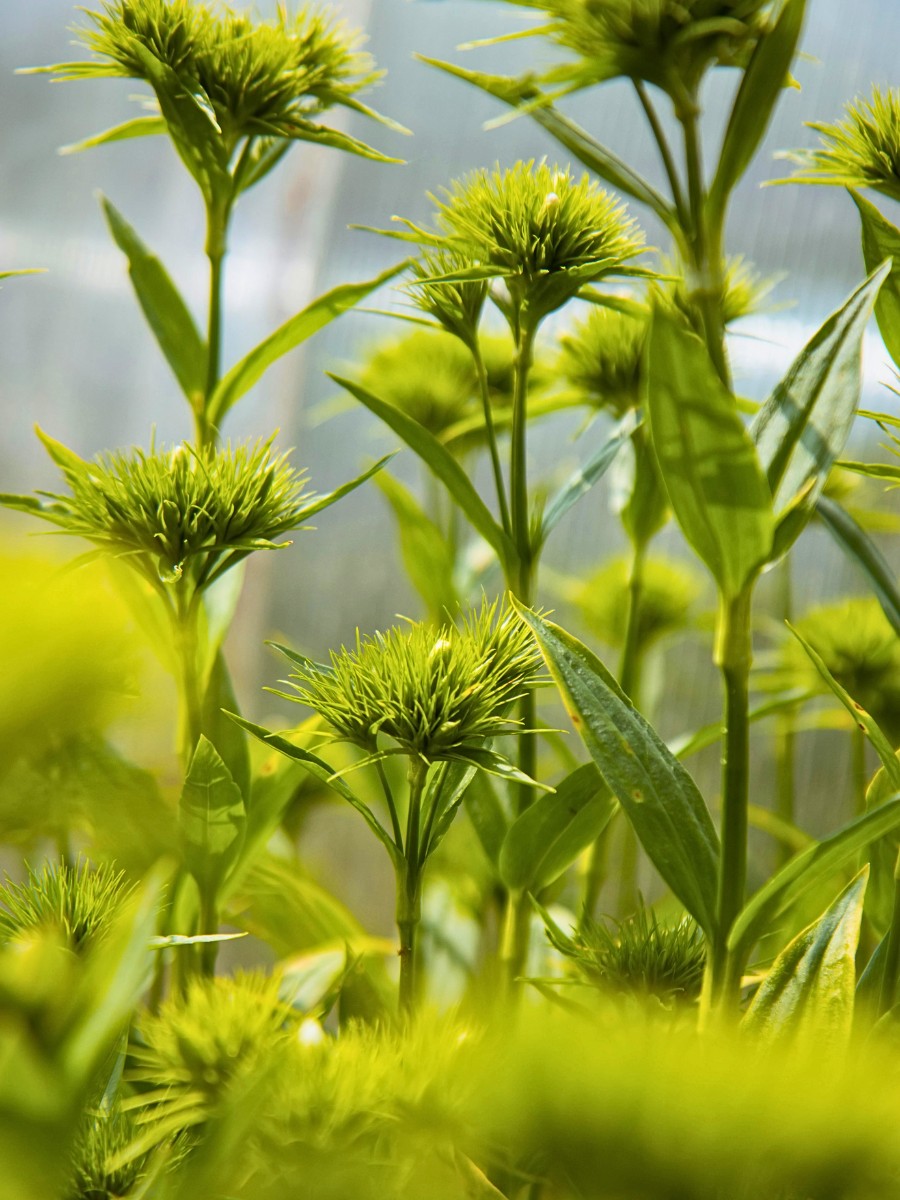
Selection, Trialing, and the Long Road to Market
Once a promising candidate is identified, the selected plant is grown through several additional generations of crossing and back-crossing to stabilize the desirable traits. Research from Japan's National Agriculture and Food Research Organization showed what this looks like in practice. One long-vase-life breeding program involved seven generations of crossing and selection over 16 years before two commercial cultivars were released, which is not unusual in professional Dianthus breeding.
Alongside multi-generation selection, breeders run extensive trials. Selecta's trial sites span Kenya, Colombia, Japan, and Germany, with additional trials conducted directly at customer locations. Ball SB similarly tests its varieties across key growing regions before any commercial release. These trials answer specific questions, like: Does this variety perform consistently across the environments where commercial growers actually work?
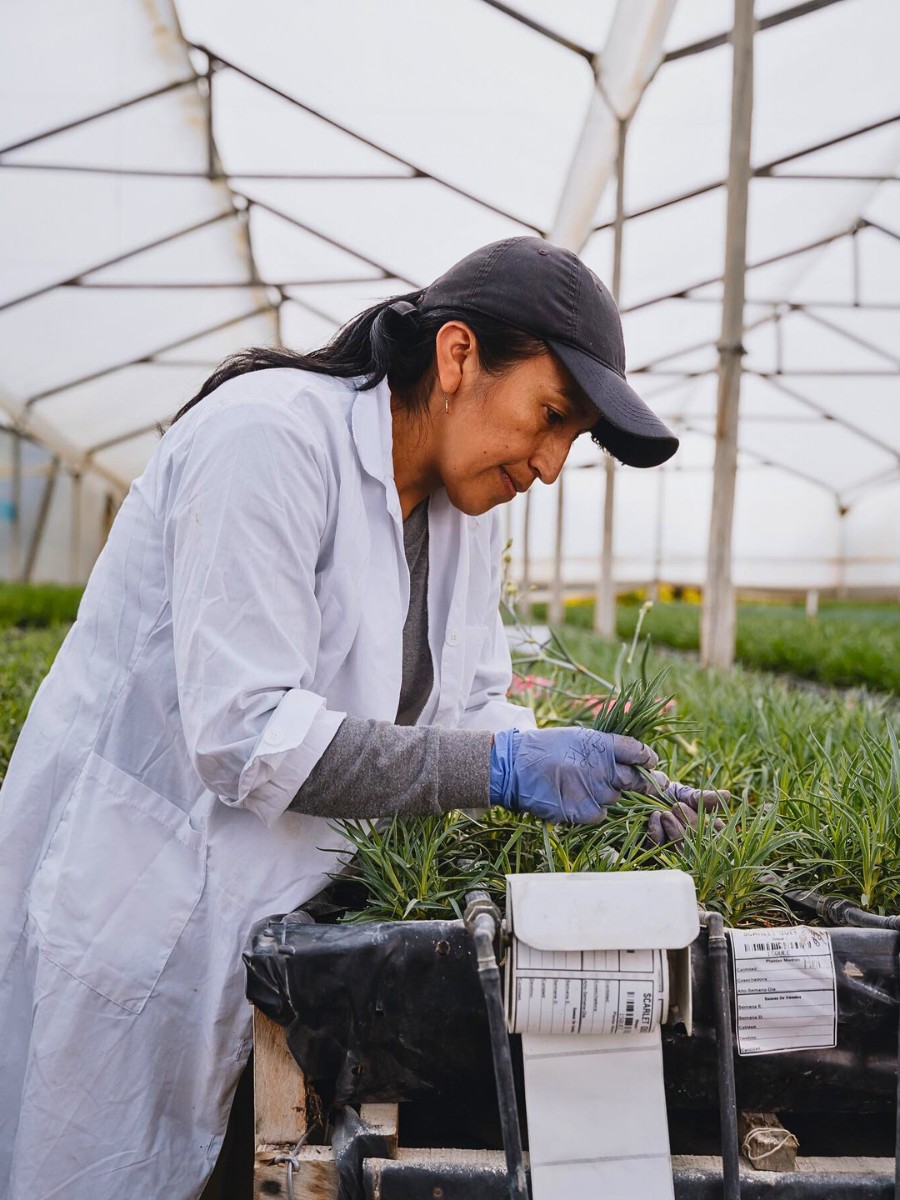
At this stage, plant breeders' rights (PBR) or variety protection are filed, legally protecting the investment made in developing the variety. This is what gives breeders the ability to license their genetics to production partners and growers, forming the commercial basis of the entire supply chain.
Tissue Culture and Clean Stock Production
Once a variety passes trials and receives variety protection, it needs to be multiplied. This is where tissue culture plays a central role. In a sterile laboratory environment, small pieces of plant tissue, typically shoot tips or nodal segments, are placed onto a nutrient medium and encouraged to develop into full plantlets.
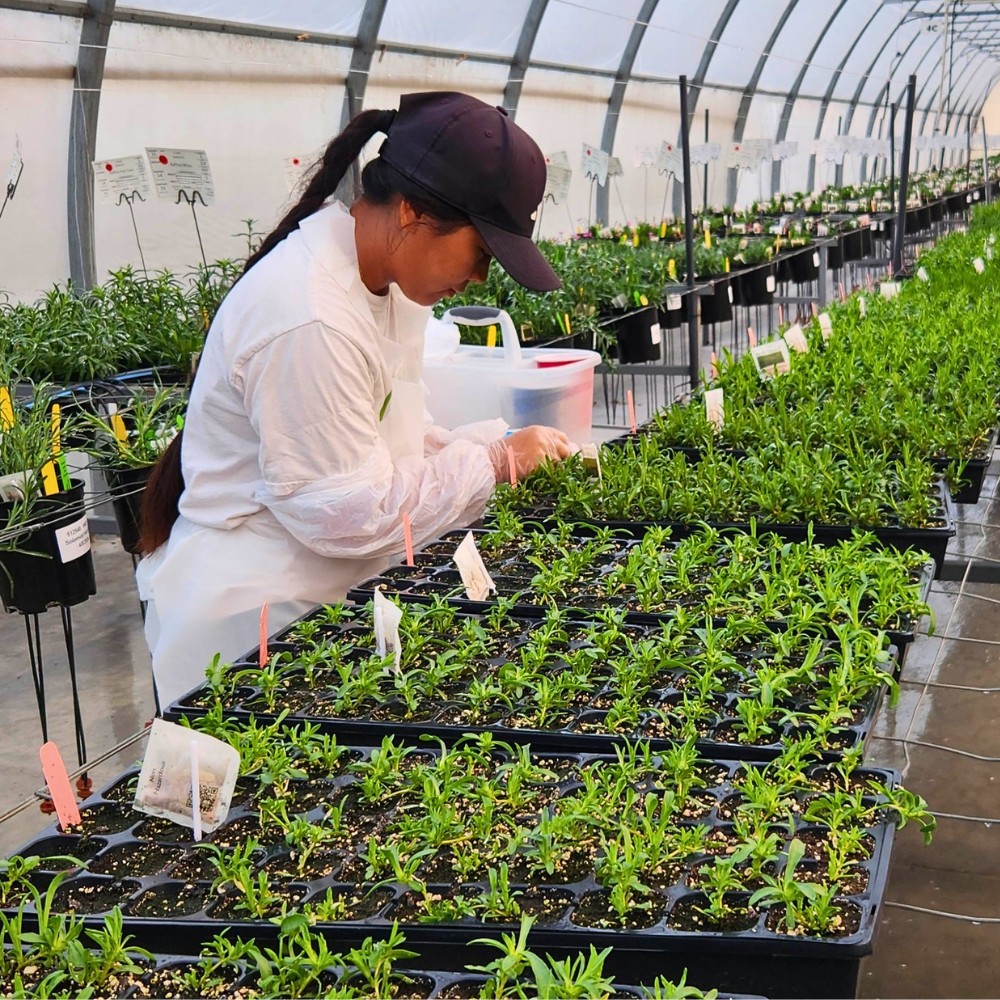
Tissue culture allows for the rapid multiplication of elite genetics. A single mother plant can give rise to thousands of identical, genetically true copies within a matter of months. It also produces clean, virus-free stock. In traditional vegetative propagation by cuttings, pathogens accumulate over successive generations. Tissue culture resets that clock, ensuring the starting material for commercial production is healthy and uniform.
A breeder, like Vilassar de Mar, Spain-based Selecta Cut Flowers, runs a dedicated laboratory for diagnostics, tissue culture, and biotechnology work. This is a big part of how modern Dianthus genetics reach the market safely and at scale.
Propagation Stage, From Cutting to Rooted Liner
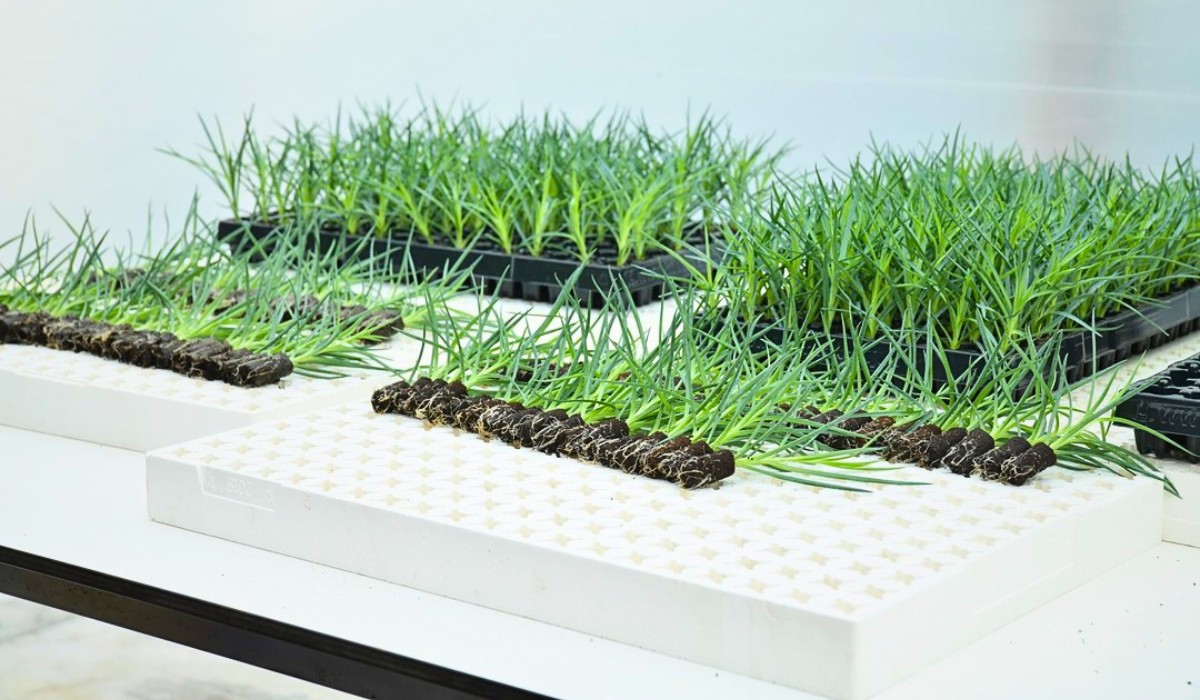
After tissue culture produces clean mother stock, the next step is producing the cuttings that growers will plant. Licensed propagation stations, often called ‘Root and Sell’ stations, receive unrooted cuttings from the breeder and root them under controlled conditions.
Selecta One, for instance, was the first Dianthus breeding company to receive USDA APHIS certification as an approved offshore Dianthus production farm, allowing them to fly unrooted cuttings and their proprietary Callus+ cuttings directly into the United States from offshore locations.
The Callus+ technology delivers cuttings with pre-formed callus tissue at the base. This method shortens rooting time by at least two weeks and achieves near-100% rooting success rates, reducing waste and cost at the grower level. Cuttings arrive bundled and must typically be stuck within 24 hours of arrival for best results.
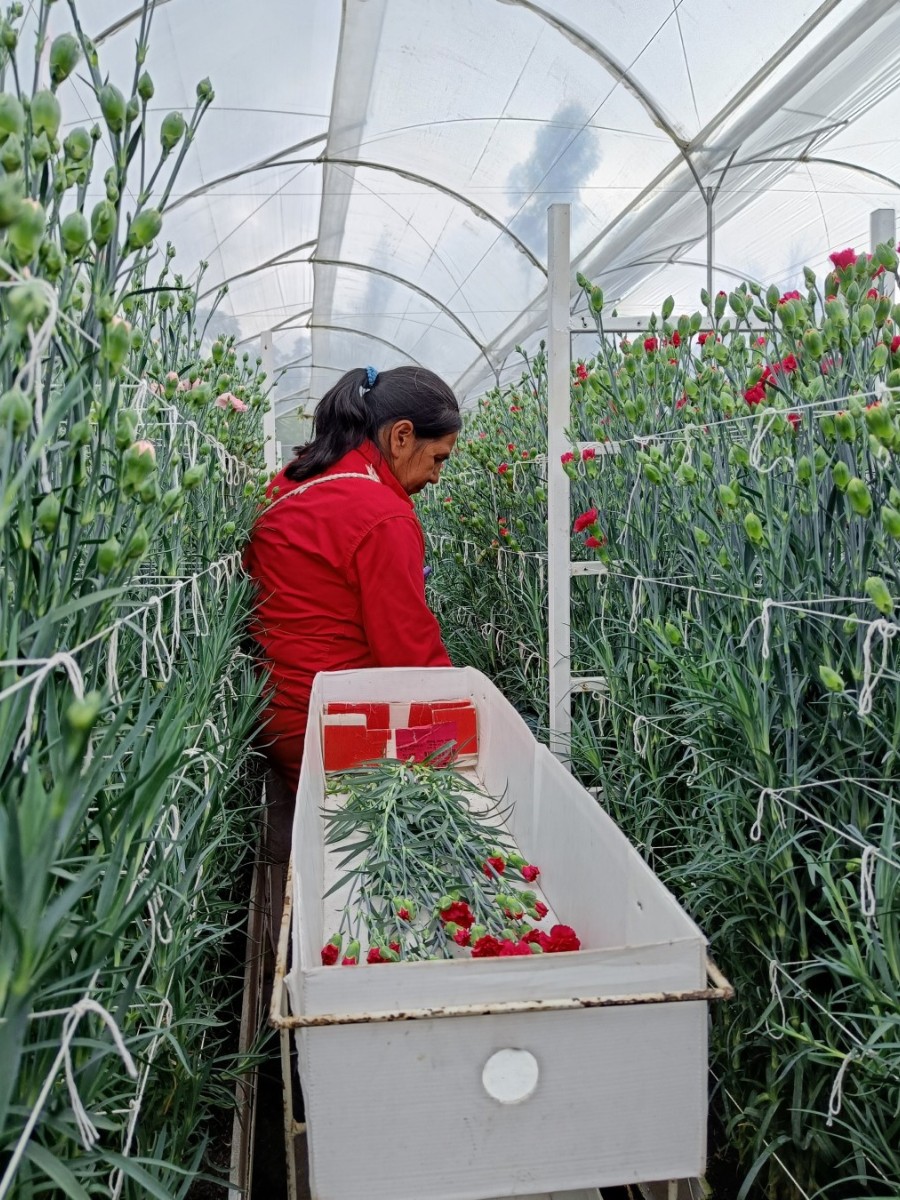
Ball Seed distributes Selecta cuttings exclusively in North America, alongside varieties from Ball SB, PanAmerican Seed, Miyoshi, Takii, Danziger, and others. This ensures that commercial growers across the country have reliable access to the latest genetics through a single, trusted supply chain partner.
Commercial Growing
Once rooted liners arrive at a commercial grow facility, the production timeline depends on the type of Dianthus. Standard carnations typically require a growing period of several months in greenhouse conditions, with temperature management, pinching (removing the growing tip to promote branching), and irrigation being the main variables a grower controls.
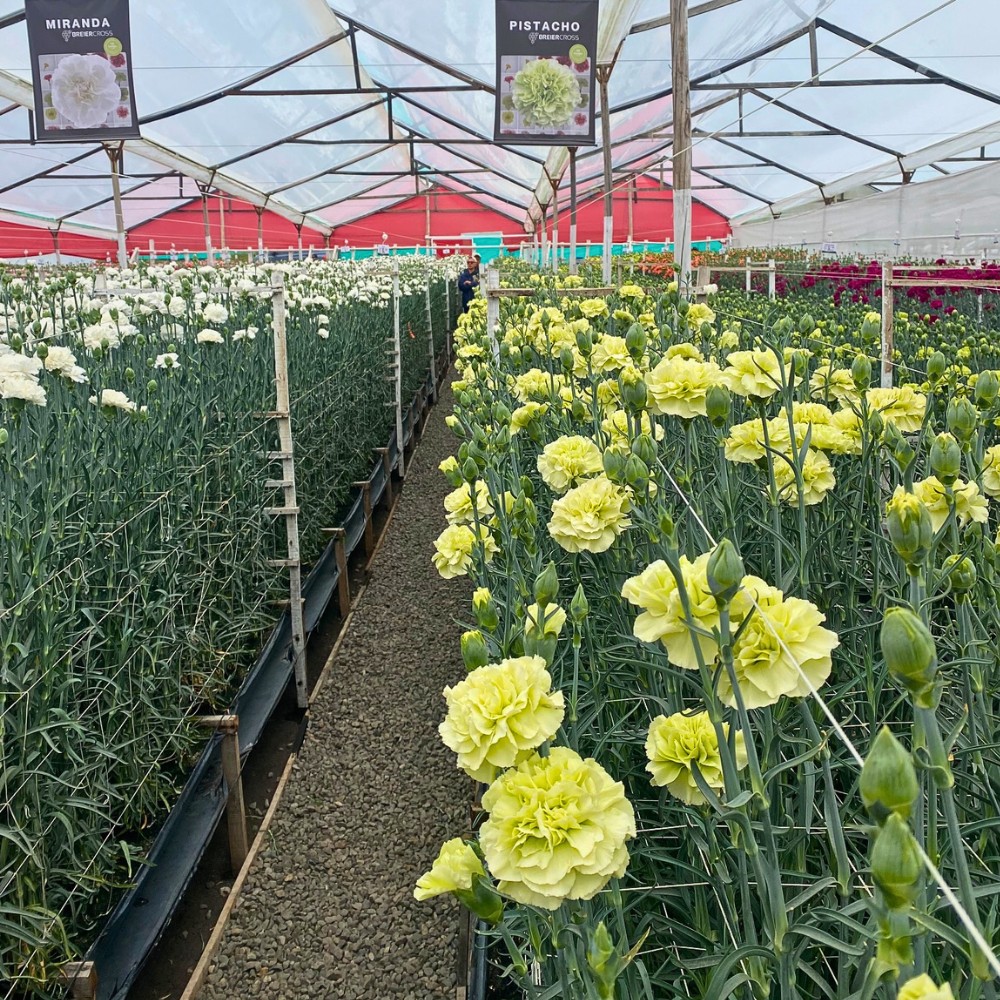
Dianthus barbatus varieties bred for cut flower use, such as the Amazon series from Ball SB and PanAmerican Seed, can be produced year-round and are particularly valued for their ability to flower uniformly without vernalization.
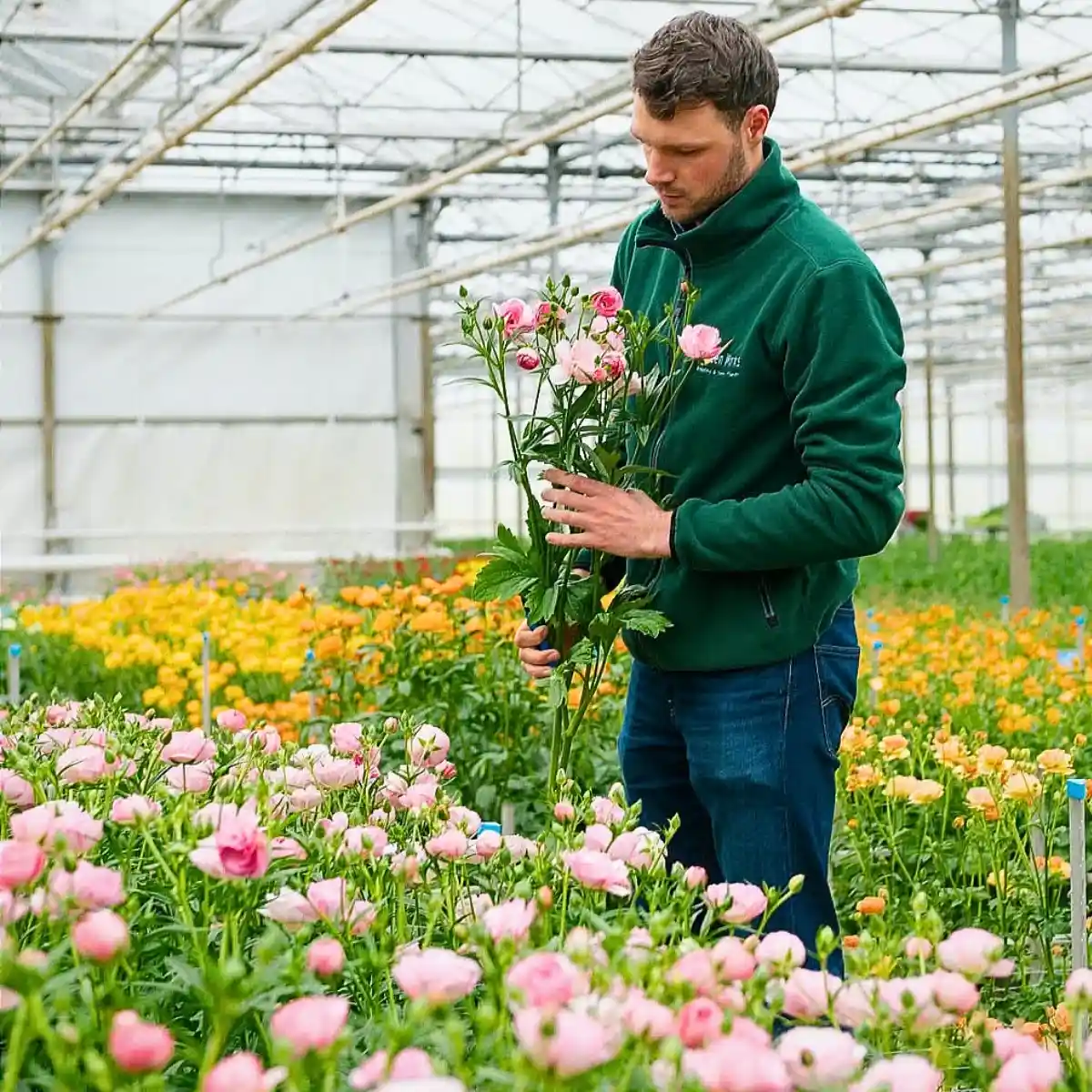
Colombia is the world's largest producer of Dianthus cut flowers. Much of the genetic innovation developed by Ball SB, Selecta Cut Flowers, Danziger, Dümmen Orange, and HilverdaFlorist is often trialed and adapted for Colombian growing conditions. The Dianthus Land Colombia initiative, backed by Asocolflores, now formally unites nine breeders around the goal of promoting Colombian Dianthus globally and connecting the full value chain from breeder to florist.
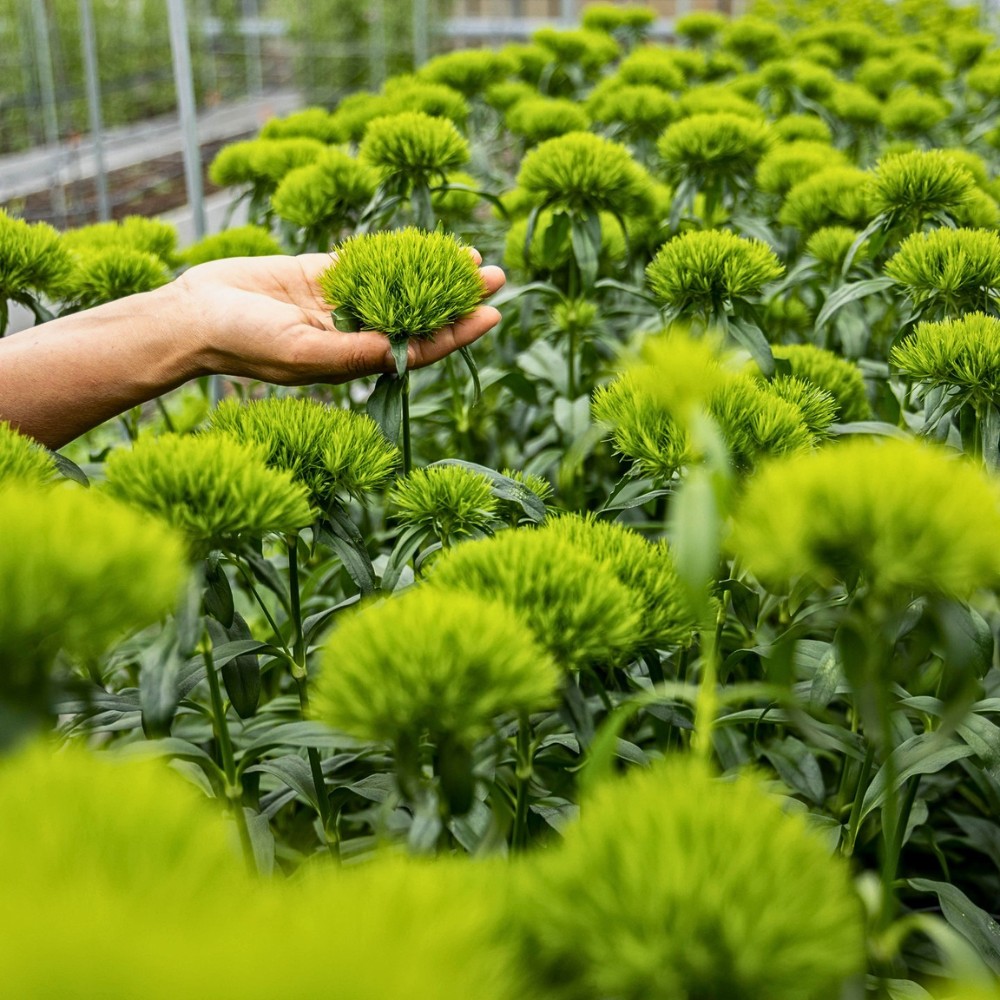
Growers select varieties based not only on looks but on crop performance data. These include days to flower, stem length, harvest uniformity, and disease resistance in their specific conditions. A variety that performs beautifully in a German trial greenhouse but struggles in the heat and altitude of the Colombian highlands does not make it into commercial production there, no matter how good it looks.
Post-Harvest, Logistics, and Getting to the Buyer
Once stems are cut at the right harvest stage, they enter post-harvest handling. Cooling, hydration, and often treatment with an ethylene inhibitor take place. Dianthus is notably sensitive to ethylene, the gas produced by ripening fruits and other flowers. Proper post-harvest chemistry is important to ensuring the vase life that breeders worked years to develop is delivered to the end consumer.
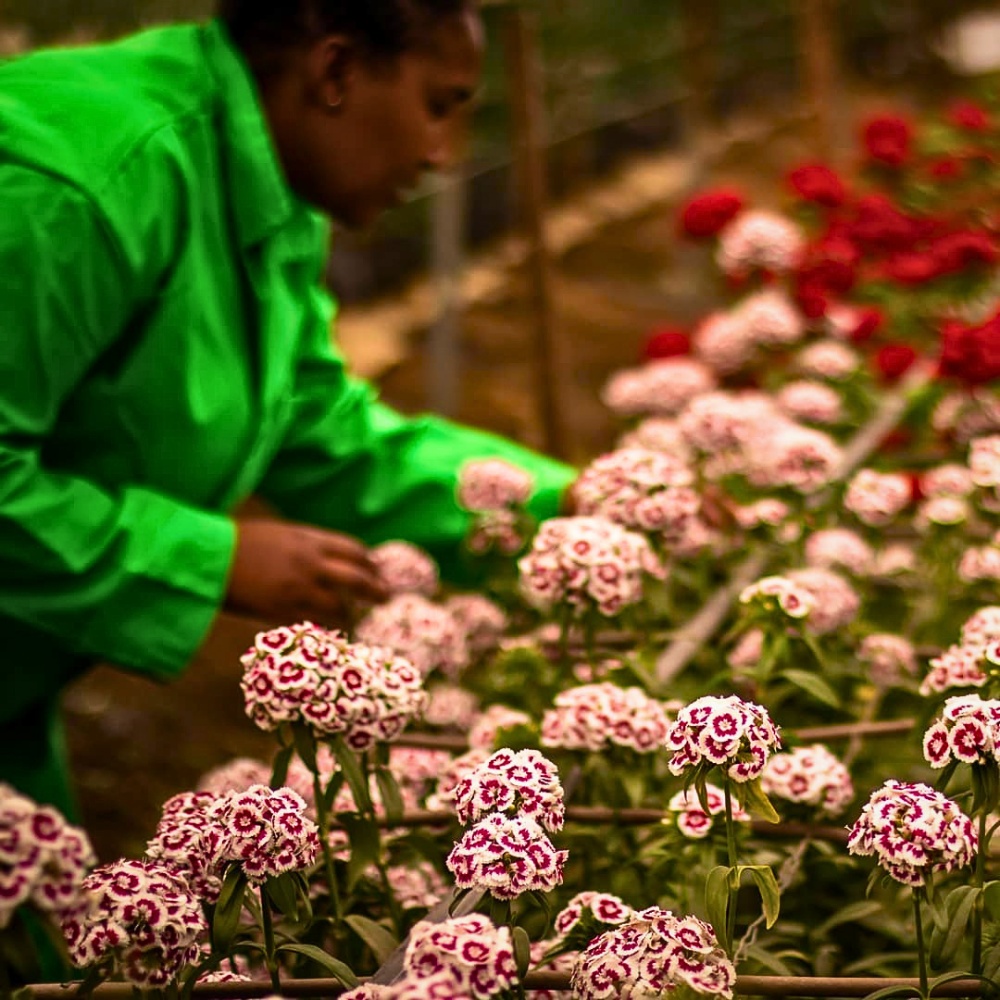
From grower to market, Dianthus flowers typically move through auction or direct trade channels. In the Netherlands, the Royal FloraHolland auction handles huge volumes of Dianthus weekly, with wholesalers and exporters purchasing and distributing to florists and retailers. In Colombia, flowers are often exported directly to importers in the US and Europe.
Then, at the retail level, a consumer picking up a bunch of carnations or Sweet William sees the culmination of a process that may have started a decade earlier. The color, stem length, fragrance if present, and the number of days those flowers last on the kitchen table; all engineered with purpose.
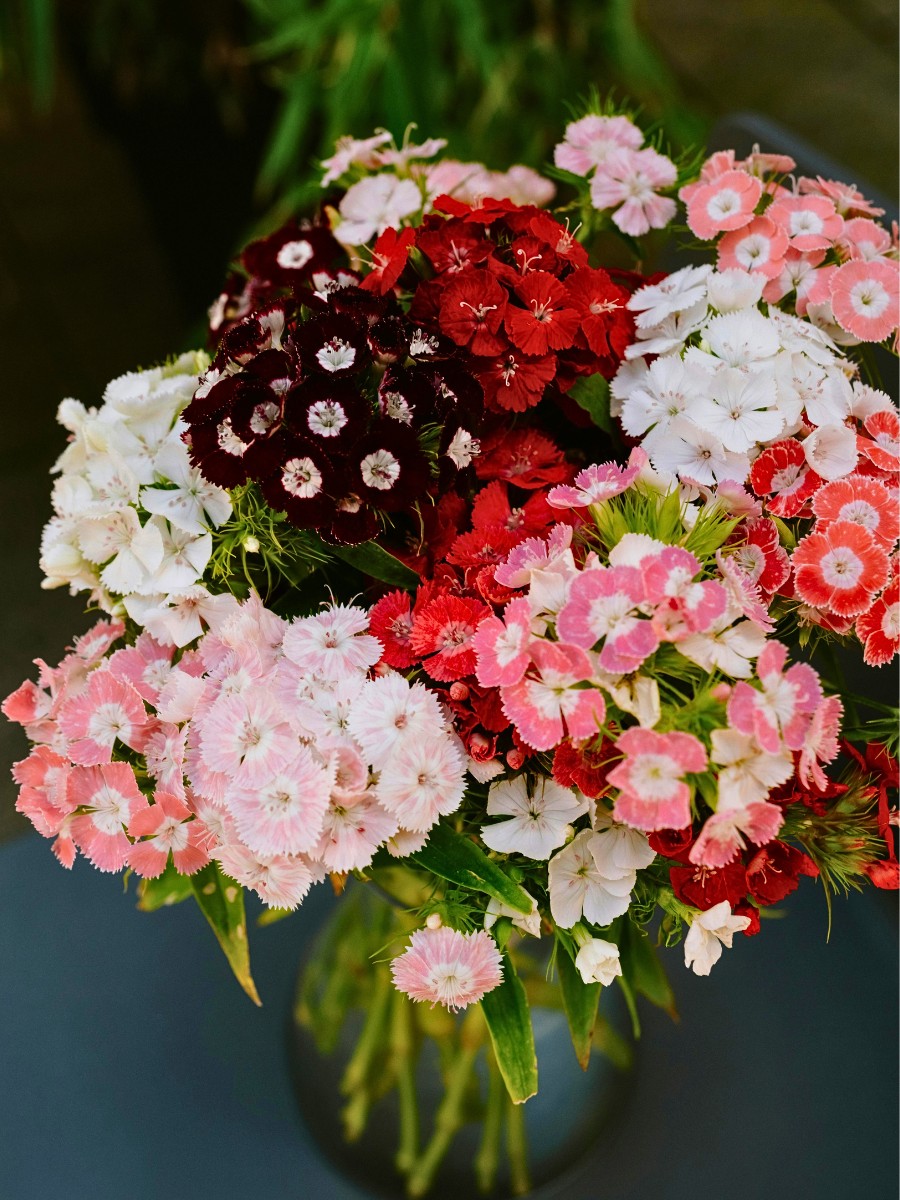
Yet, for the floriculture industry, this entire process keeps the category moving, giving growers better crop choices and consumers flowers that hold up well in the vase and in design work.
Featured image by @hilverdaflorist. Header image by Match My Vibes.