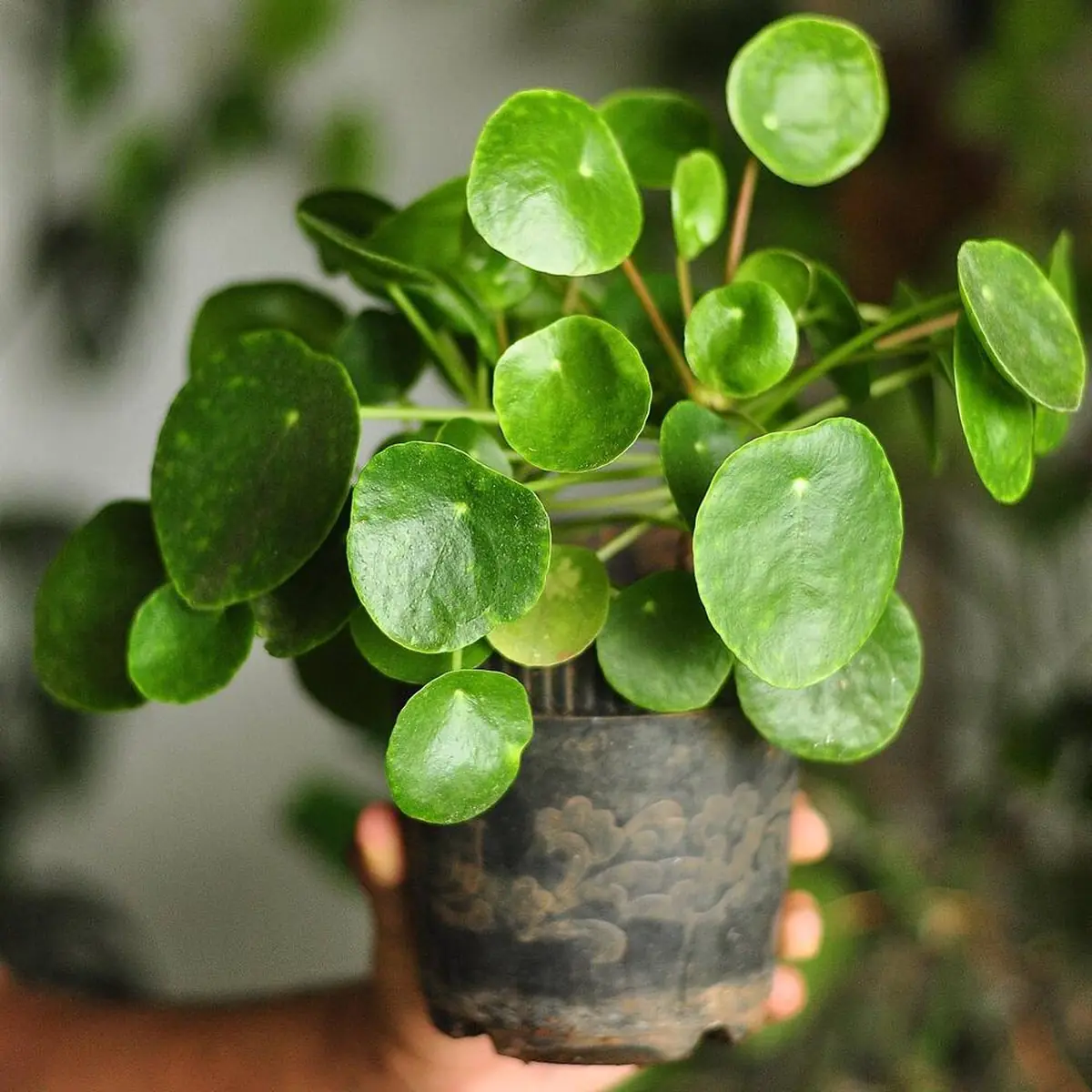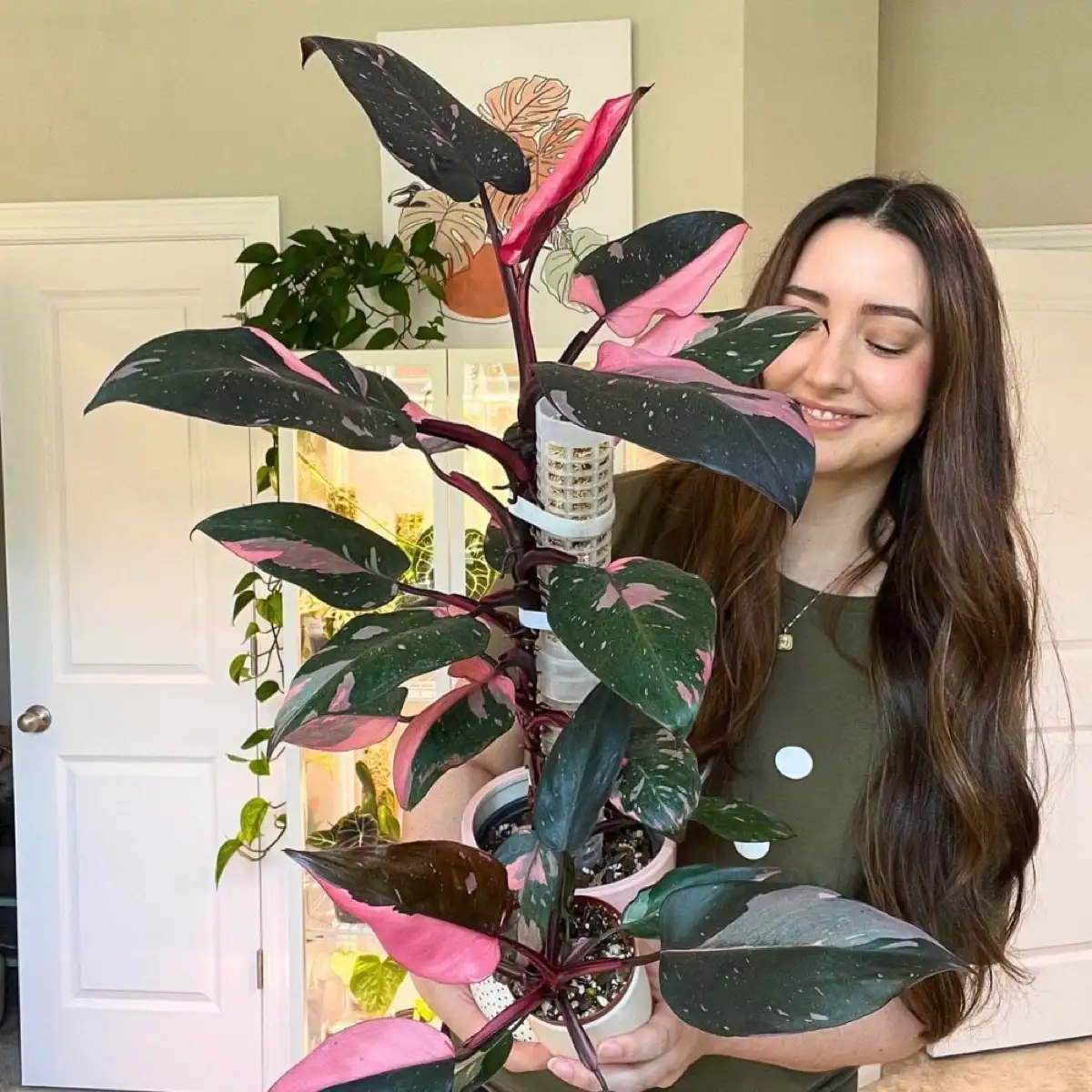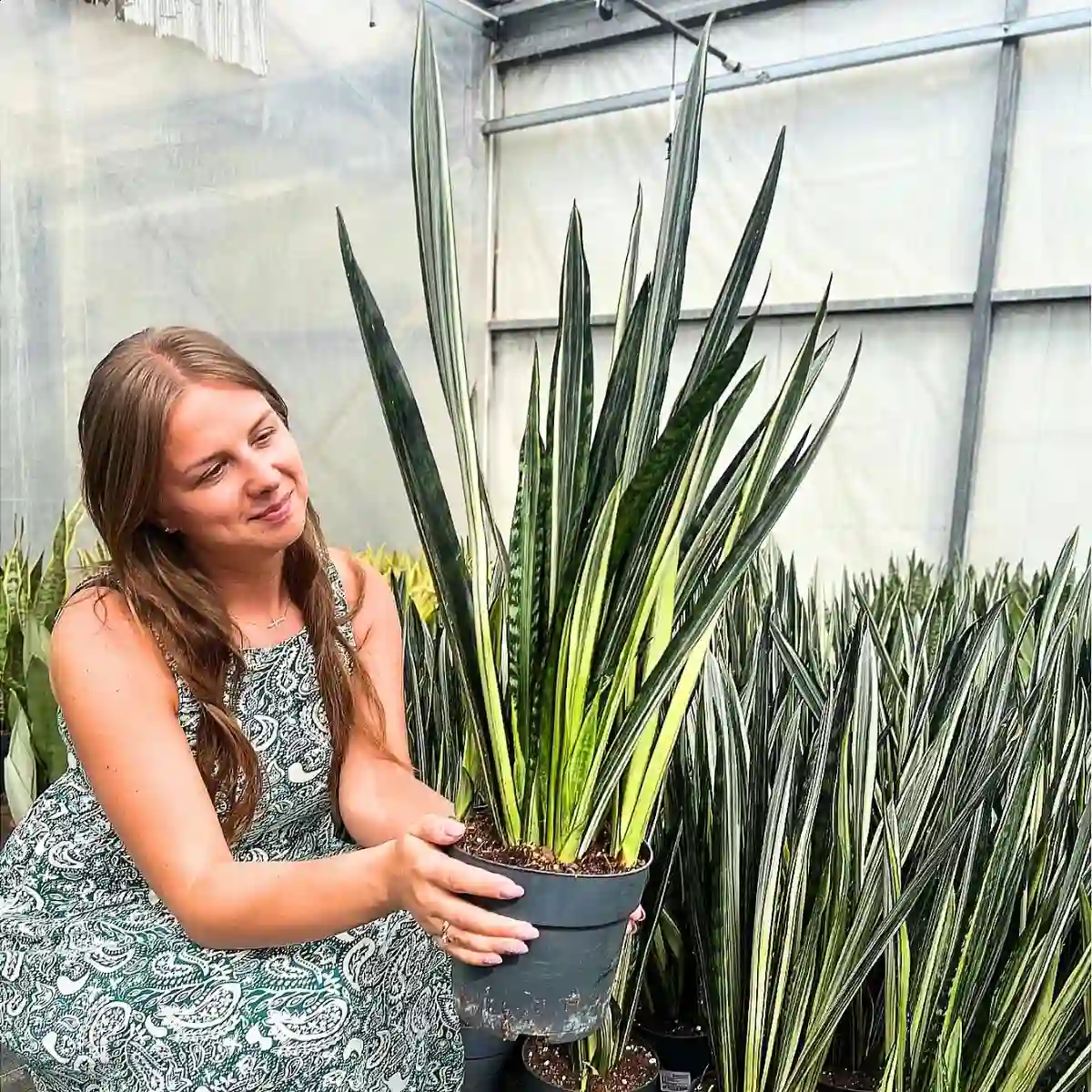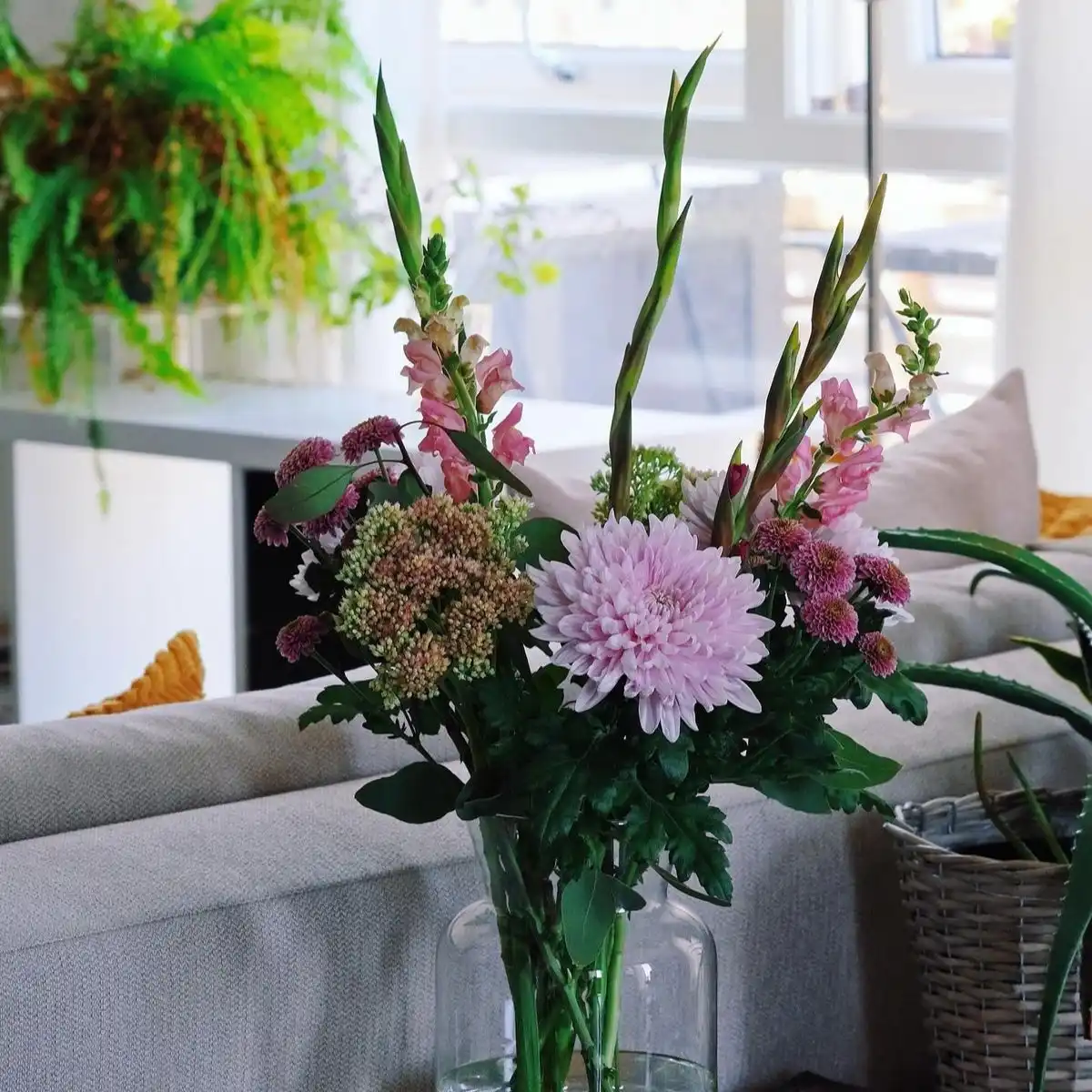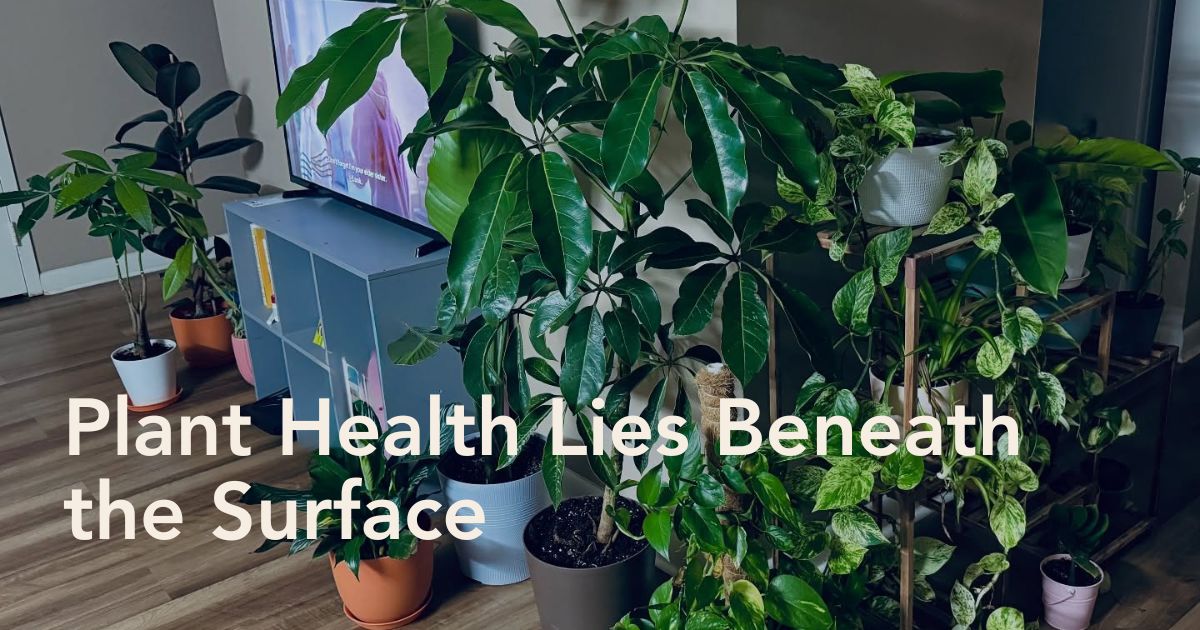
Beautiful flowers and thriving houseplants rarely happen by accident. While light, watering routines, and fertilisers often receive most of the attention, one of the most important factors in plant health lies beneath the surface. The growing medium surrounding a plant’s roots determines how efficiently it absorbs water, oxygen, and nutrients, directly influencing everything from root development to flowering performance.
Professional growers have long understood that healthy plants begin with healthy roots. Increasingly, home gardeners are discovering the same principle. Choosing the right substrate is no longer simply about filling a pot with compost. Modern growing media are carefully designed to provide the balance of drainage, moisture retention, aeration, and structural stability that different plants require throughout their life cycle.
Choosing a Substrate Designed for the Plant
Different plants naturally evolved in very different environments. Tropical aroids often grow in loose organic debris attached to trees, orchids frequently develop exposed aerial roots, while desert succulents thrive in sharply draining mineral soils. Using a single substrate for every species rarely delivers optimal results.
Specialist suppliers such as Sybotanica have responded to this growing awareness by offering peat-free substrates formulated for different plant groups. Their range includes carefully blended growing media designed to promote drainage, root aeration, moisture balance, and healthy development for tropical plants, orchids, succulents, carnivorous plants, and other specialist collections. Alongside substrates, the company also provides soil improvers, mineral components, plant nutrition products, and educational resources that help growers better understand the needs of individual species. Selecting a growing medium that reflects a plant’s natural habitat often reduces maintenance while encouraging healthier, more vigorous growth.

Why Roots Need More Than Soil
Rootsperform far more functions than anchoring a plant. They absorb water and dissolved nutrients, store energy, and constantly exchange oxygen with the surrounding growing medium. For roots to perform these tasks efficiently, they require an environment that remains both moist and well aerated.
When substrate becomes overly dense, water fills the air spaces between particles, limiting oxygen availability. Without adequate oxygen, root growth slows, beneficial microorganisms decline, and plants become increasingly vulnerable to disease.
Conversely, a growing medium that drains too quickly may struggle to retain sufficient moisture, requiring constant watering and making consistent growth difficult to achieve. Finding the right balance is what separates an average substrate from one that actively supports long-term plant health.
Why Generic Compost Often Falls Short
General-purpose compost remains popular because it is widely available and suitable for many basic gardening tasks. However, many generic composts gradually lose their structure over time.
As organic materials decompose, the substrate begins to compact. Air pockets disappear, drainage slows, and roots have less space to expand. Water may remain trapped around the root zone for extended periods, increasing the likelihood of root stress or fungal problems.
This issue becomes particularly noticeable with houseplants that stay in the same container for several years. What began as a loose, well-draining growing medium can gradually transform into a dense mass that restricts healthy root development.
Plants requiring exceptional drainage, including aroids, orchids, succulents, and many tropical species, often benefit from substrates specifically formulated for their growing requirements rather than relying on general-purpose compost alone.
Peat-Free Growing Is Becoming the New Standard
Sustainability has become an increasingly important consideration within horticulture. For many years, peat formed the foundation of numerous commercial growing media because of its excellent water-holding capacity and consistency.
Today, however, growers are actively seeking peat-free alternatives that reduce environmental impact while maintaining high horticultural performance. Manufacturers have developed increasingly sophisticated peat-free substrates using combinations of materials including coconut coir, bark, wood fibre, perlite, pumice, and other mineral components. These carefully balanced mixtures can provide excellent drainage, stable structure, and strong root aeration without relying on peat extraction.
The shift toward peat-free growing demonstrates how environmental responsibility and plant performance can successfully work together when growing media are thoughtfully engineered.
Drainage and Aeration Work Together
Good drainage and good aeration are closely connected, yet they are not exactly the same thing. Drainage describes how efficiently excess water leaves the container after watering. Aeration refers to the availability of oxygen within the root zone once watering has finished.
A well-designed substrate creates stable air pockets that remain open even after repeated watering cycles. Coarse bark, pumice, perlite, lava rock, and similar components help maintain this structure, preventing the growing medium from collapsing as it ages. Healthy oxygen exchange allows roots to remain active while supporting beneficial microorganisms that contribute to nutrient cycling and overall plant health.
Healthy Growing Media Support Sustainable Gardening
The Royal Horticultural Society (RHS) encourages gardeners to consider peat-free growing media as part of more sustainable horticultural practices. At the same time, the organisation emphasises that successful plant growth depends on selecting substrates suited to the species being cultivated rather than relying on a one-size-fits-all approach.
Choosing an appropriate growing medium often reduces unnecessary watering, minimises plant stress, and supports stronger long-term root development. These improvements contribute not only to healthier plants but also to more efficient use of resources over time. As peat-free products continue to improve, growers now have access to sustainable alternatives that perform well across an increasingly wide range of plant types.

Looking Beyond the Label
Packaging often describes a growing medium as “premium” or “all-purpose,” but experienced growers typically look beyond marketing claims. Particle size, structural stability, water retention, drainage characteristics, and ingredient composition all provide far more useful information than broad product descriptions. Understanding what a substrate is actually made of helps growers choose an option that matches the needs of their plants instead of relying on general labels.
Many growers also customise substrates by combining different components to suit the conditions in their homes or greenhouses. Factors including humidity, temperature, pot type, watering habits, light exposure, and plant maturity can all influence which mixture performs best. A blend that works well for tropical foliage plants in a bright room may not be suitable for succulents or orchids with very different moisture requirements. Taking these variables into account allows growers to make more informed decisions, leading to healthier root systems, more consistent growth, and plants that are better equipped to thrive over the long term.
Healthy Roots Create Healthier Plants
Every leaf, flower, and new shoot ultimately depends on the condition of the roots below. While attractive foliage and colourful blooms capture attention, they are simply visible signs of a healthy underground system receiving the balance of moisture, oxygen, nutrients, and structural support it requires.
As knowledge of plant care continues to grow, more gardeners are recognising that substrate selection deserves the same consideration as watering, fertilisation, and lighting. Investing in the right growing medium may not be the most visible improvement a grower can make, but it is often one of the most influential. When roots have the environment they need to thrive, healthier growth above the surface naturally follows.