Fresh flowers have a short shelf life. A bouquet that looks stunning on Saturday is dropping petals by Thursday, and the vase needs fresh water every other day. Plenty of people love flowers at home but lack the light, the time, or the green thumb to keep them going.
There's a middle path that works better than most people expect. Pair floral art with a few tough houseplants, and you get the color, shape, and calm of a garden without the daily upkeep. Here's how to build that mix in a living room, from making the art yourself to hanging it well.
Why Flowers Indoors Beat Flowers Outdoors for Busy Households
A garden asks for weekends. Apartment balconies ask for luck. A living room, on the other hand, is where you already spend your evenings, which makes it the most sensible place to put a bloom you can enjoy every day.
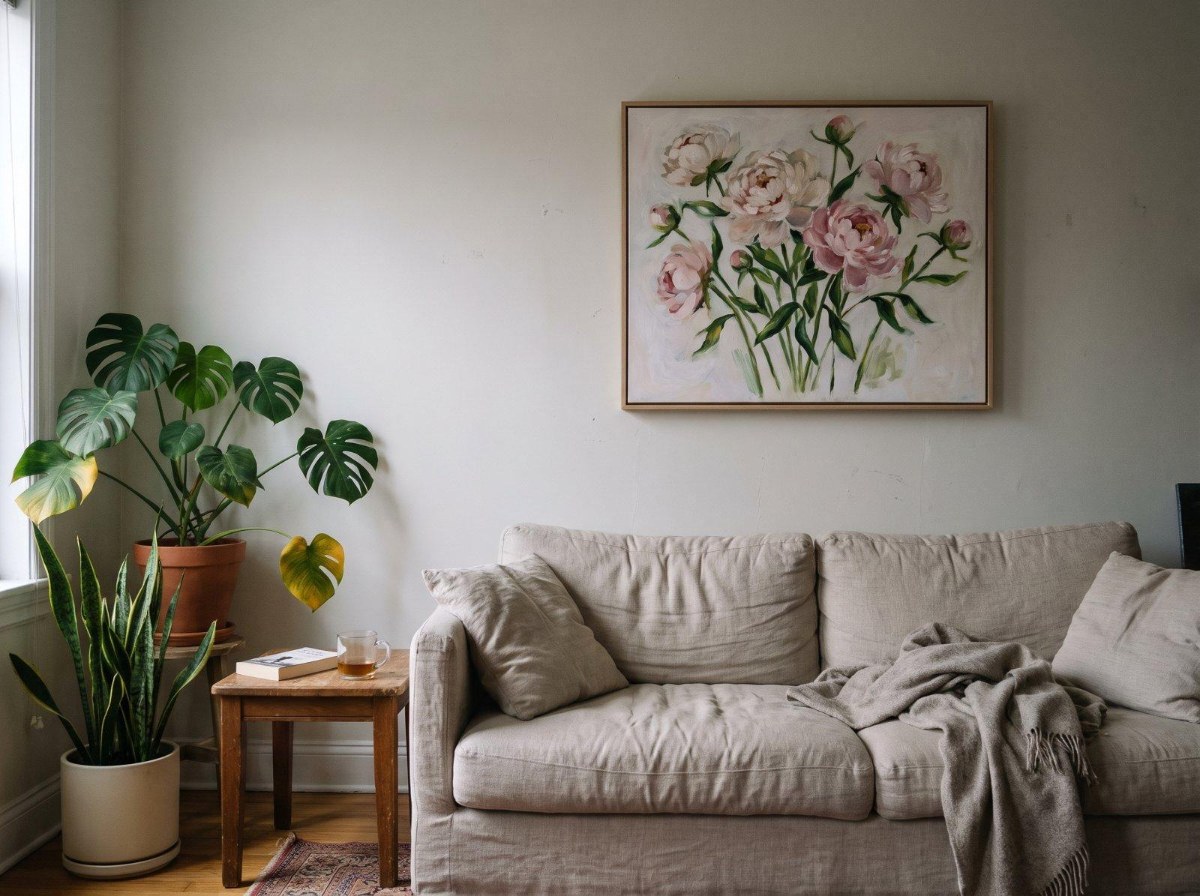
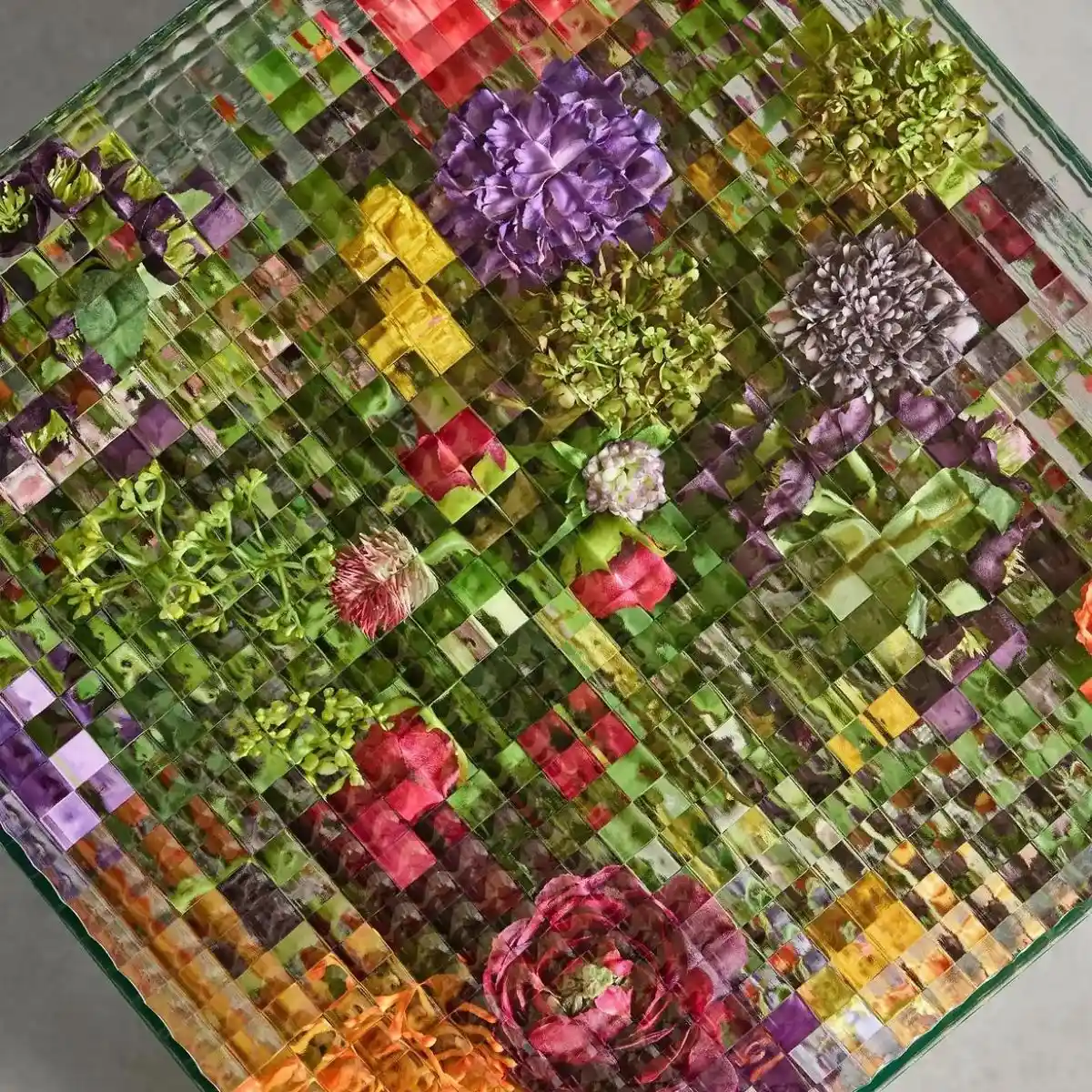
Painting your own flowers is the easiest way in, and you don't need training. A numbered canvas and pre-sorted acrylics take the guesswork out of mixing color, so you can see the current lineup of floral paint-by-numbers kits and pick a subject that suits your room. Roses, sunflowers, cherry blossoms, and tulips are the usual beginner favorites, and most pieces take somewhere between five and ten hours to finish.
Ten hours sounds like a lot until you spread it over a few evenings. That's the point; the slow pace is part of the appeal.
What Painting Flowers Does for You
Making art is calming, and there's some evidence behind that. In a 2016 pilot study from Drexel University, published in the journal Art Therapy, researchers asked 39 adults to make art freely for 45 minutes. Cortisol levels, a marker of stress, dropped in 75% of participants, and prior art experience made no difference.
Keep the limits in mind. It was a small study with no control group, so treat it as a promising signal, not proof. Still, it matches what many painters report: an hour with a brush is a good way to put a phone down.
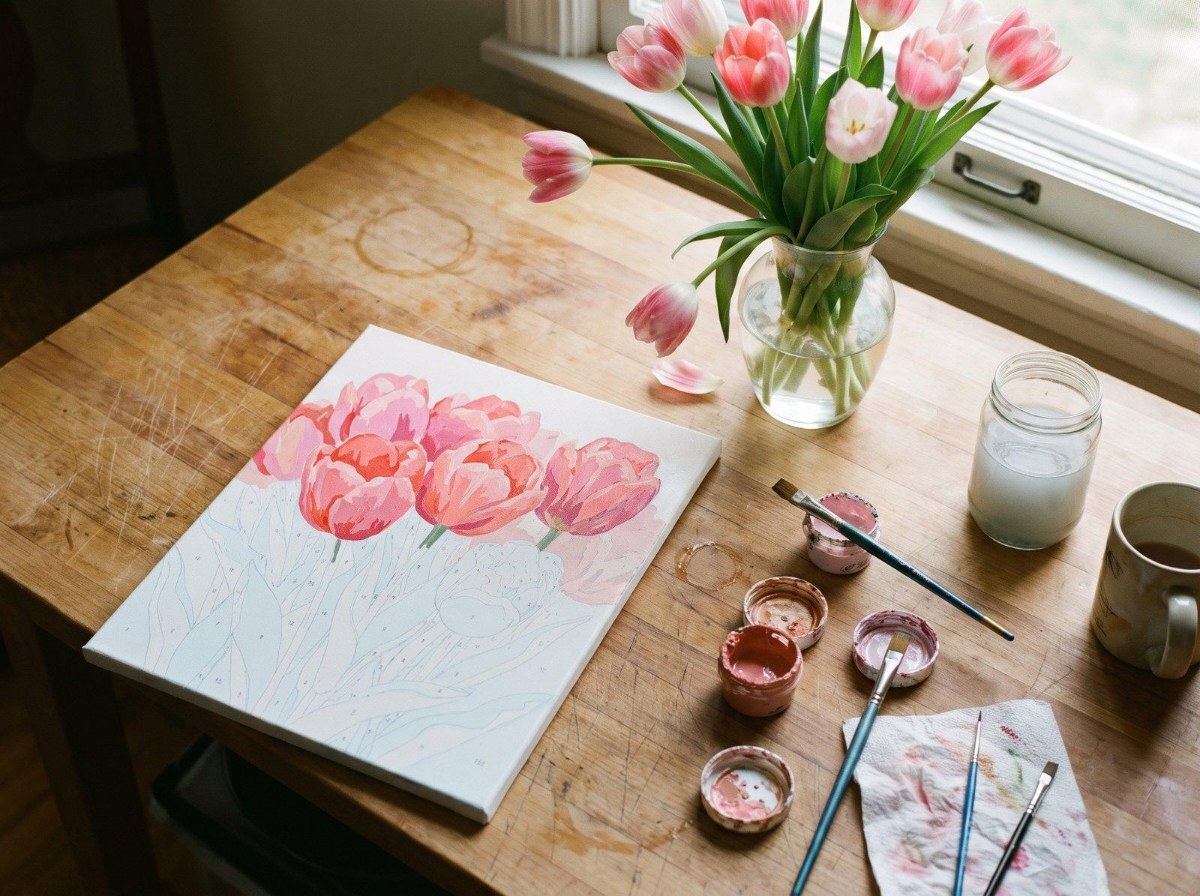
Set your canvas up next to a real bunch of flowers while you work. Copying a petal's curve from life, then checking it against the numbered outline, makes the painting feel less mechanical. Our guide on how flowers ease pain and stress covers why the real thing helps too, so you get a double benefit.
Pair Floral Art With Plants That Forgive You
Art holds the bloom; plants hold the life. The trick is choosing plants that won't punish a missed watering.
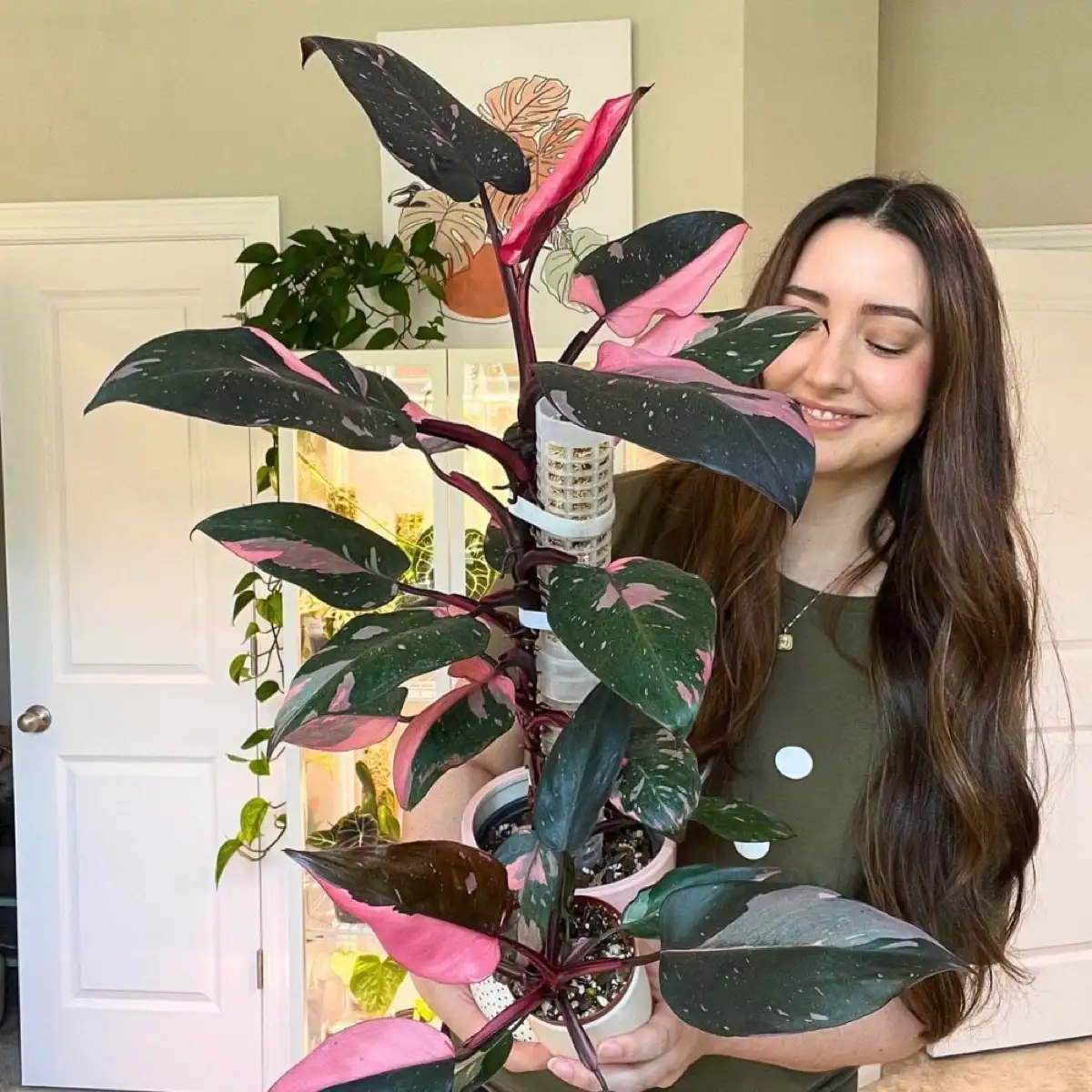
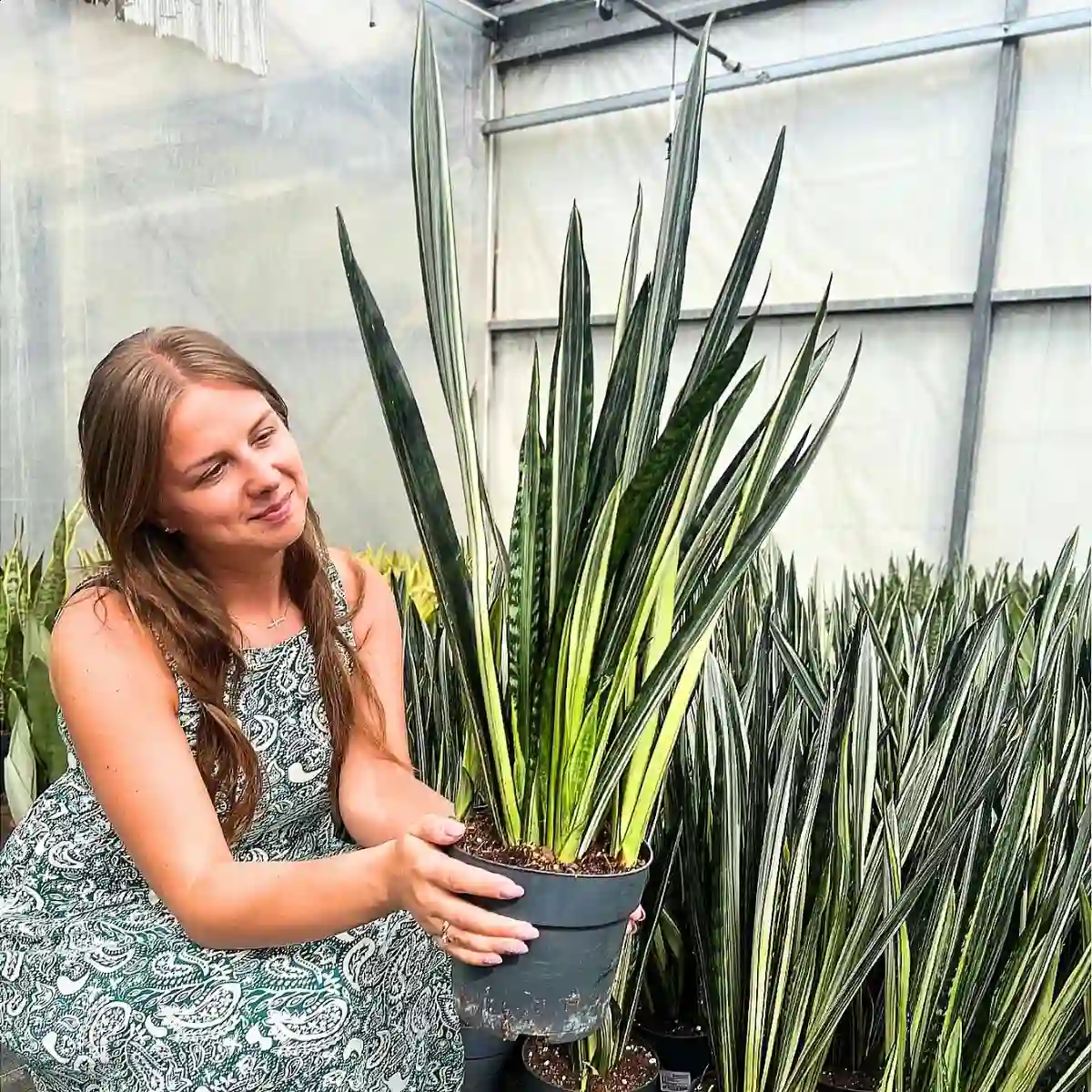
We covered the best candidates in our look at houseplants trending into 2026: peace lily, ZZ plant, snake plant, compact dracaenas, and pothos relatives. They tolerate lower light and irregular care, which suits a living room that doesn't get much sun.
A few rules make the pairing work:
- Match leaf shape to the art. A bold monstera leaf suits a large, graphic peony; a delicate cherry blossom looks better beside fine-leaved pothos.
- Keep one statement plant per corner. Three medium plants fight each other and the painting.
- Repeat a color. If the canvas has a deep green stem, choose a plant with the same shade of leaf.
- Leave breathing room. Don't let foliage cover the lower edge of the frame.
Be honest about the tradeoff: a snake plant never wilts, but it also never changes much. If you want seasonal drama, the art has to supply it.
Style the Living Room Wall Around the Blooms
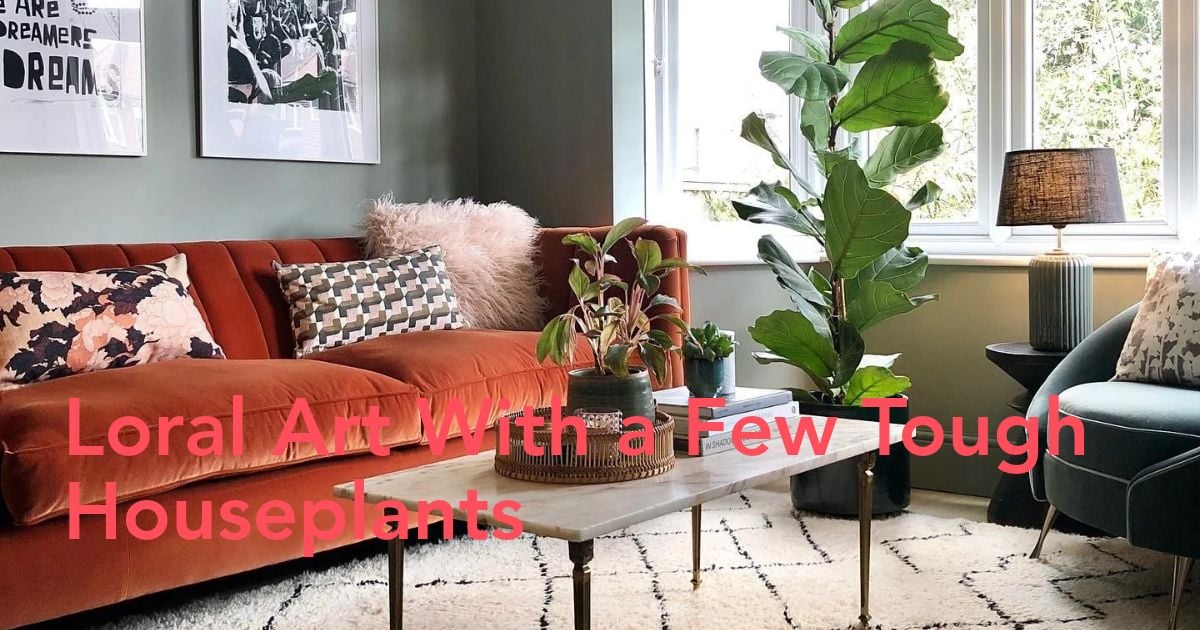
You have two good options: one large piece above the sofa, or a small gallery wall. One large piece is calmer and suits smaller rooms. A gallery wall rewards a mix of sizes, but it needs patience and a paper template before you hit the wall with a hammer.
For scale, aim for a piece roughly two-thirds the width of the sofa. Anything smaller floats and looks lost. Hang the center of the artwork around 145 centimeters (57 inches) from the floor, which puts it near eye level.
Color is easier than it looks if you borrow from the plants. Good Homes Magazine's feature on refreshing a living room with spring botanicals leans on a cream, sage, and terracotta palette, and those tones suit almost any floral subject. Ready-made options exist if you'd rather buy than paint, and studios such as Art by Maudsch make botanical pieces sized for living room walls.
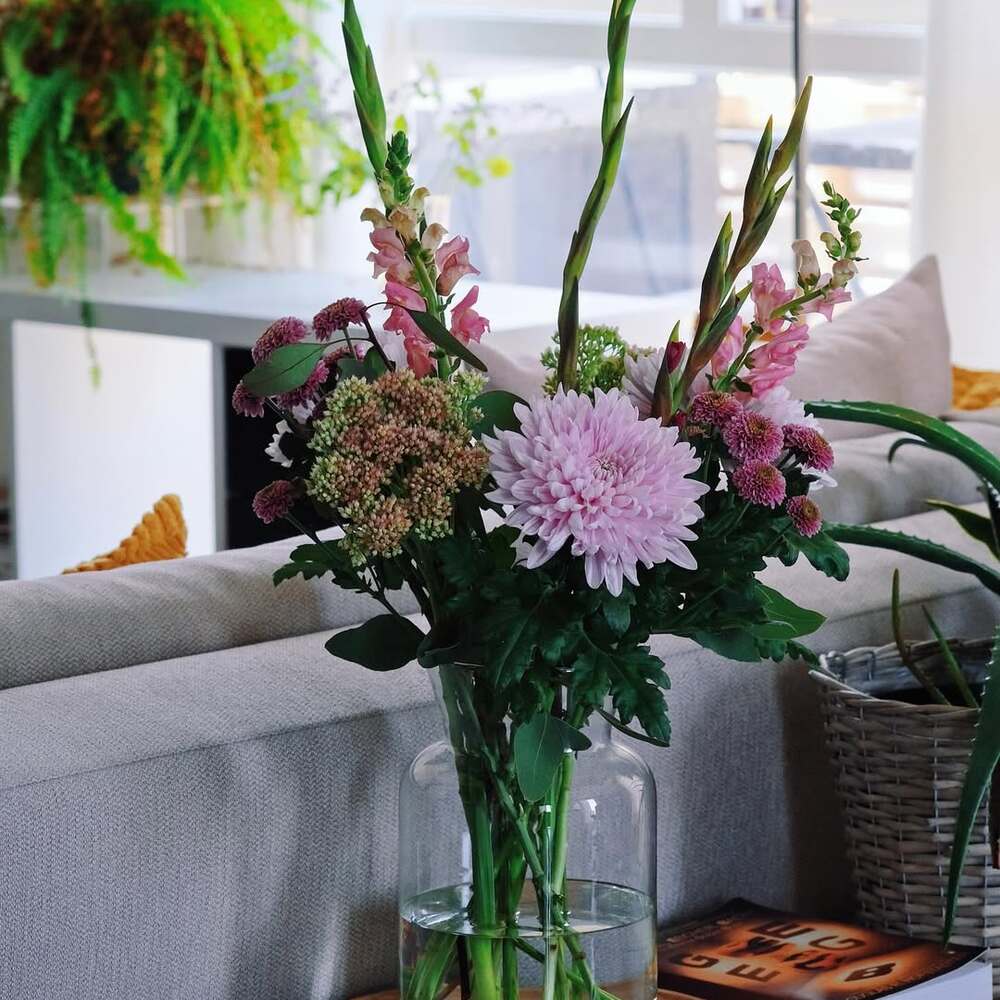
Finish with a real vase on a console below the art. Even three stems of eucalyptus or tulips tie the painted flowers to the living ones.
Keep the Arrangement Fresh Through the Seasons
Floral art doesn't have to stay put. Swap pieces as the year turns: spring blossoms in March, dahlias and chrysanthemums in October. A rotation keeps the wall from fading into the background, and it costs far less than redecorating.
Change the stems in the vase to match. Tulips and branches of blossom in spring, dried grasses in winter. If you like pattern-led florals, our profile of floral illustrators working digitally shows how vintage charm can sit comfortably in a modern room.
Let the Art Hold the Bloom
Live flowers are lovely and temporary. Painted ones last. The best living rooms use both: a canvas you made or chose with care, and a few forgiving plants that add real leaves and real light.
Start small. One canvas, one plant, one wall. You'll know within a week whether the room feels calmer, and it usually does.