Planning an alfresco wedding? Beautiful! Also a little tricky.
Whenever flowers go outside, consider ants, mosquitoes, and wasps invited to the wedding as well. Of course, you’re choosing nature on purpose here, so the goal isn’t to keep everything sterile (even if it were possible). But what you want to do is keep bugs and pests from taking over the arrangements.
What follows isn’t the usual “spray and hope” approach. We’ll help you map out a thorough working plan. One that a florist or planner can actually execute without risking the flowers, the guests, or the pollinators you don’t want to harm.
Start With the Site
Here's the thing: you can't solve bug problems at the bouquet level. You solve them at the venue level.
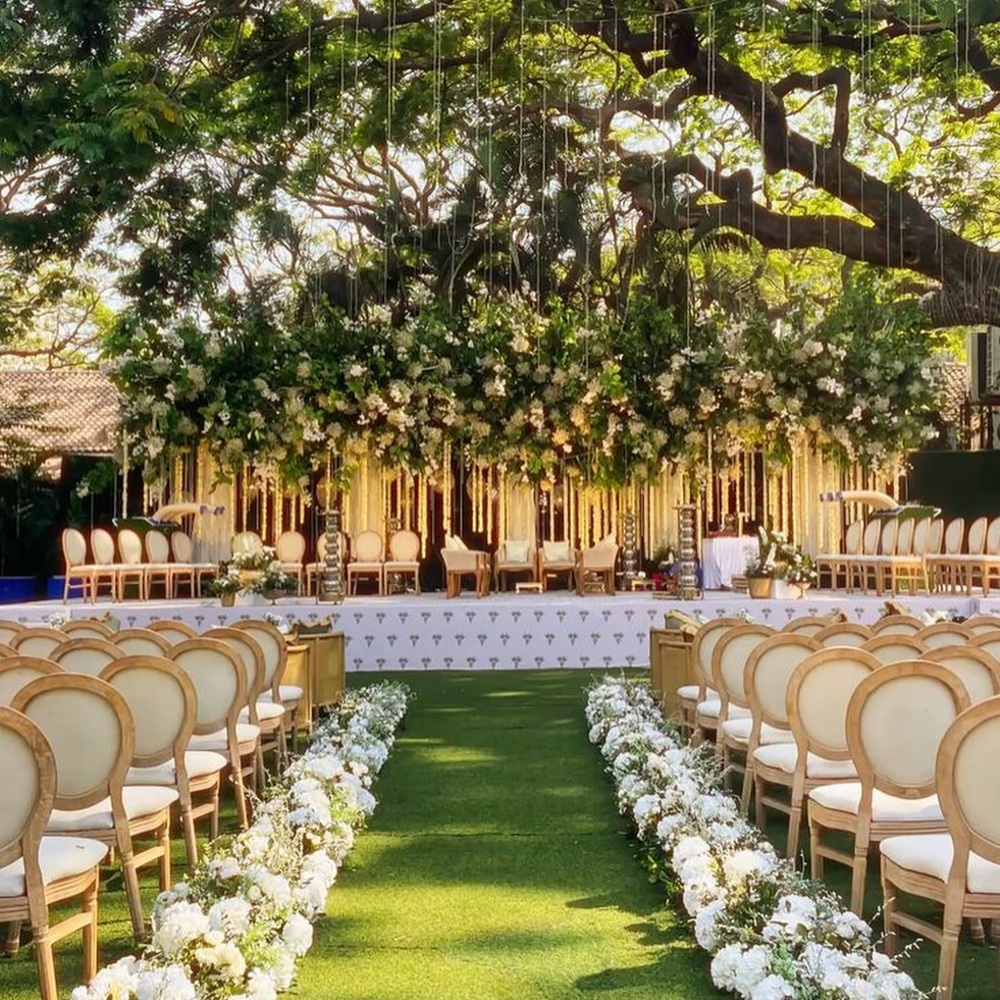
So, what you need to do first is walk the site 5–7 days before the event, ideally at the same time of day as the ceremony. Why? Because bugs follow patterns (like light, moisture, food, and heat) and those patterns are predictable if you look for them.
Check for:
- Standing water (mosquito breeding zones)
- Trash or compost areas (flies, wasps)
- Trees with visible nests or heavy insect activity
- Lawn condition (overwatered grass brings gnats and ants)
Make sure you take notes and photos because they're crucial for planning the prevention. You want actionable fixes based on said notes: drainage adjustments, moving ceremony arches ten meters away from a damp patch, or coordinating with venue staff to clean specific zones.
Time Your Insect Treatments Right
Spraying something random the morning of the wedding is not the way you solve this. If anything, that's a recipe for potentially ruining florals or irritating guests.
If treatment is necessary, apply it at least 48–72 hours in advance. You want a window of time that lets residues settle and reduces the risk to pollinators like honey bee populations that may still be active on-site.
Early morning or late evening applications work best. Insects are less active, and you avoid direct exposure during peak pollination hours.
But also, this can sometimes be bigger than a DIY treatment. If you’re dealing with visible nests, recurring infestations, or a venue near wooded or marshy areas, absolutely bring in professionals. A service like Peachtree Pest Control can treat the perimeter and neutralize problem zones without putting your florals at risk (and without improvising on the wedding day, which never ends well).
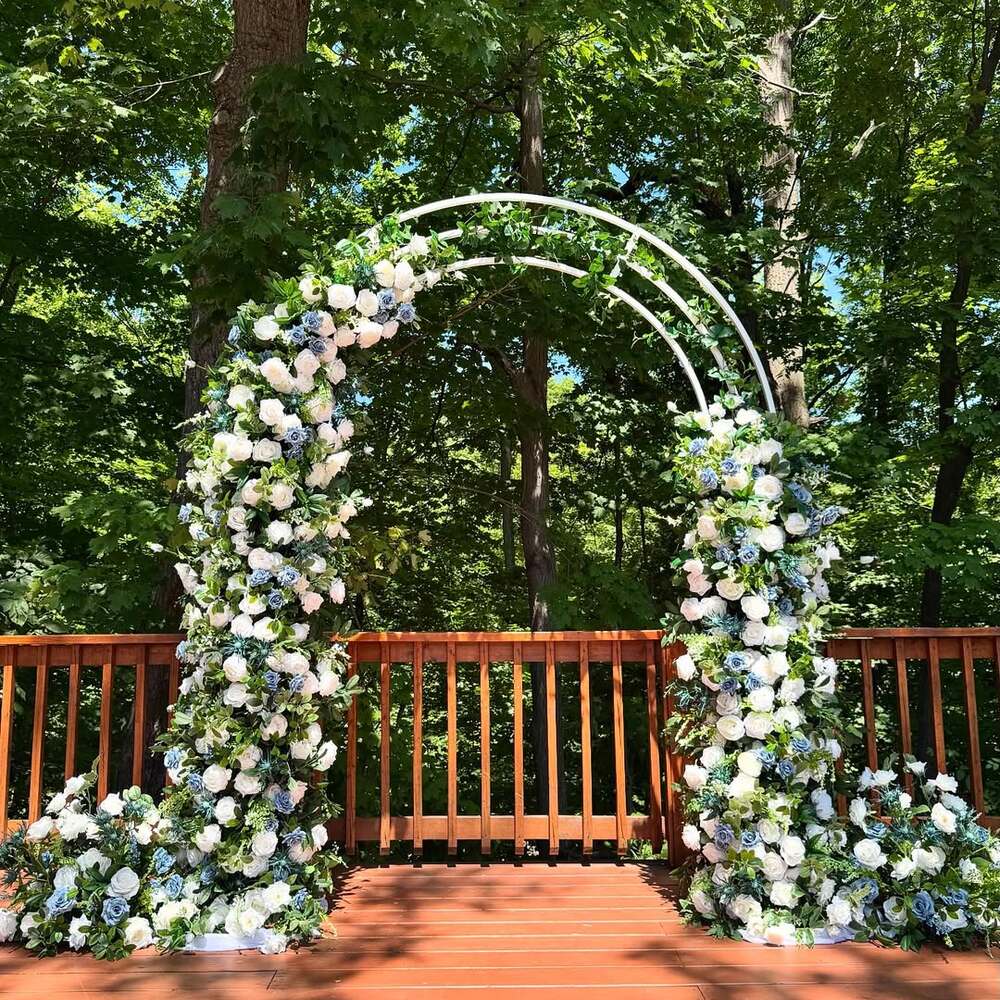
Choose Flowers That Don’t Invite Problems
Some flowers act like magnets to insects, so you want to do your best to avoid those. If the following are your favorites, try to find something else, or at least don't bring them in large quantities.
Highly fragrant, nectar-rich blooms, like garden roses, peonies, and jasmine, attract bees and wasps. Bright yellows and whites can also pull in attention, especially in sunny, open venues.
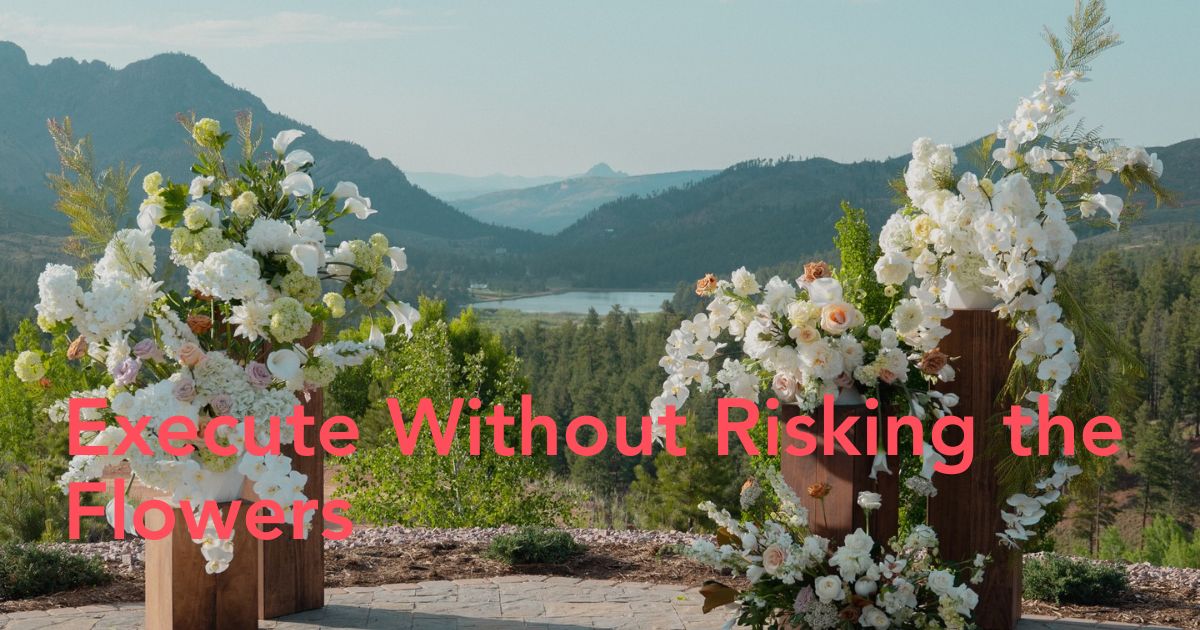
Here are some better choices for outdoor arrangements:
- Orchids (low scent, minimal nectar)
- Calla lilies (clean structure, less attractive to insects)
- Ranunculus (varies, but generally manageable)
- Hydrangeas (low fragrance, dense structure)
You can still use focal blooms that attract insects, of course, but keep them away from guest-heavy zones. Put them in installations farther from seating or dining areas.
Water Sources Can Be Hidden Problems
Floral mechanics often rely on water, like foam, vases, and tubes. And those are exactly the things mosquitoes are drawn to.
Standing water, even in small amounts, becomes a breeding site for species like Aedes aegypti within days. While a vase won't breed a new colony in an hour, the moisture attracts adults looking for a place to rest or feed.
Here's how you can adapt:
- Use sealed water tubes instead of open vases where possible
- Avoid exposed floral foam in outdoor installs
- Refresh water right before the event (not hours earlier)
- Keep arrangements shaded to slow evaporation and reduce scent diffusion
Lighting: You’re Either Helping or Hurting
Evening weddings may avoid wasps, but they attract moths, flies, and beetles. They're all drawn to the night light.
Standard warm lighting is romantic, and it's understandable that you want it at your wedding. But there's a reason we have a saying, "like a moth to a flame;" it attracts insects.
Thankfully, there are ways you can reduce activity by:
- Using LED lights with lower UV output
- Positioning lights away from florals (not directly above centerpieces)
- Creating a lighting perimeter that draws insects outward, not inward
And yes, candles are great (we know you wanted to hear that!). They produce less attractive wavelengths compared to electric lighting. However, they don’t solve everything, so don’t rely on them alone.

Ants and Wasps: Manage the Food Zone
Florals near catering areas are high-risk. Sugar, protein, and scent all converge there, and they're magnets for ants and wasps.
Because ants follow pheromone trails and wasps are attracted to protein and movement, you need to manage the "food zone" strictly to keep the peace.
Here are practical control measures:
- Keep floral installations at least a few meters away from buffet or bar areas
- Avoid using sweet-smelling blooms in dining zones
- Work with catering to manage waste (covered bins, frequent clearing)
- Place discreet ant baits around perimeter areas (never inside arrangements)
If you’ve ever seen paper wasp activity spike mid-event, know that it usually traces back to unmanaged food zones, not the flowers themselves.
Natural Repellents That Won’t Ruin Florals
You can use scent strategically, but you need restraint. The good news is, some scents actually act as repellents.
For example, essential oils like citronella, eucalyptus, and lavender repel certain insects. The issue is that direct application to flowers damages petals and alters their appearance.
So, instead:
- Apply diluted oils to surrounding surfaces (wooden structures, table legs)
- Use discreet diffusers placed under tables or behind installations
- Incorporate herbs like rosemary, basil, or mint into arrangements (they have a subtle effect and are visually acceptable)
Note: this works best as a support layer, not your primary defense. For example, basil repels wasps and bees, but it won't work if most of your arrangements are highly fragrant roses.
Day-Of Adjustments That Work
Even with planning, you’ll need minor adjustments on the day.
Bring:
- A handheld fan (to disperse hovering insects near florals)
- Clean cloths (to remove insects without damaging petals)
- Backup arrangements for high-risk zones
But also, keep expectations realistic. After all, you’re outdoors. The goal isn’t zero insects; that's not possible. The goal is to have no real, serious disruptions.
If a cluster forms around a specific install, don’t fight it. Move the arrangement slightly. Small changes here and there often break insect patterns.