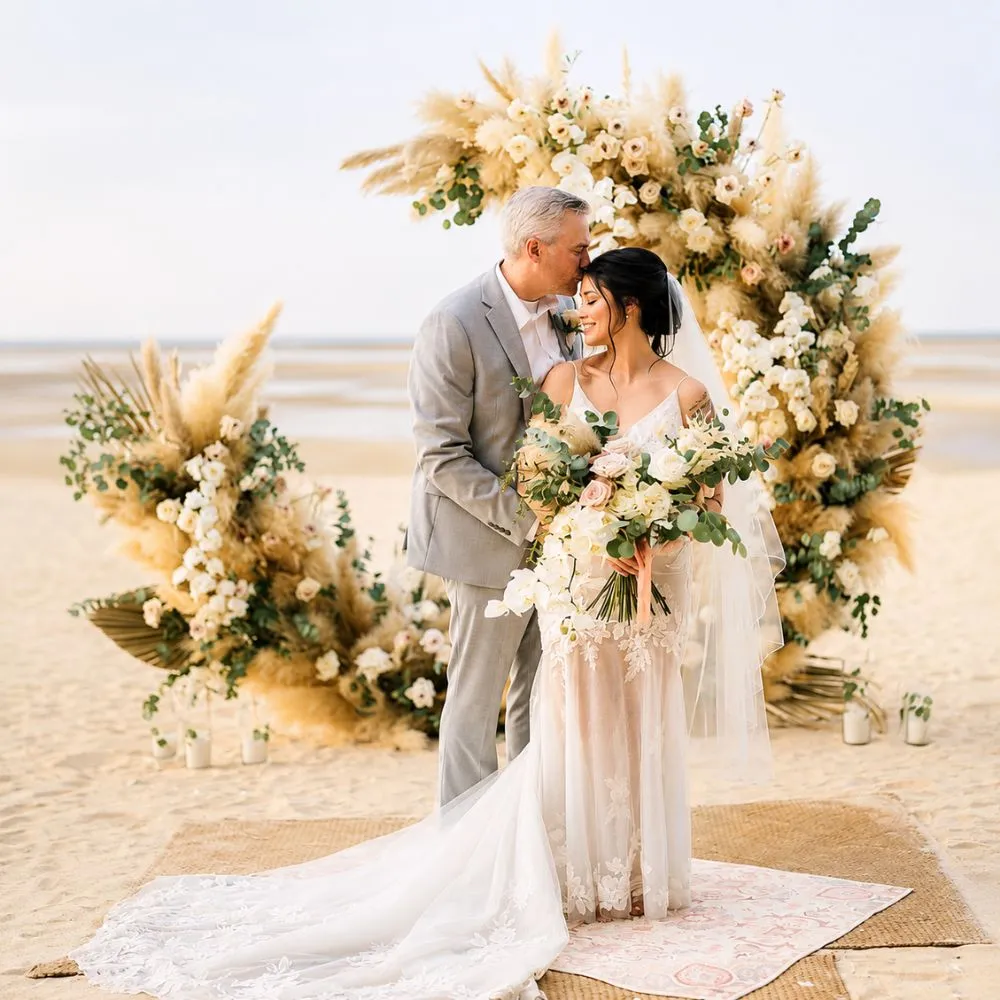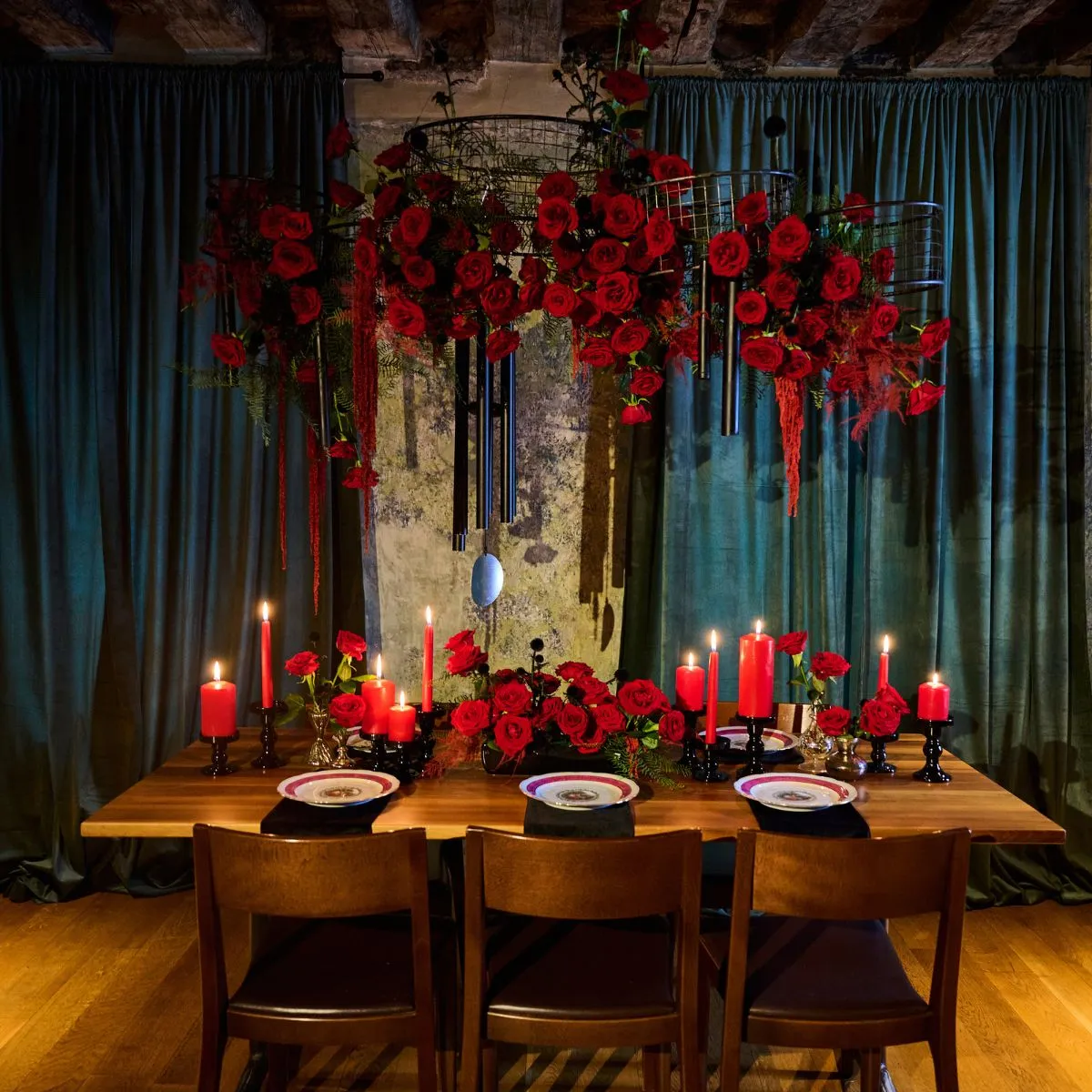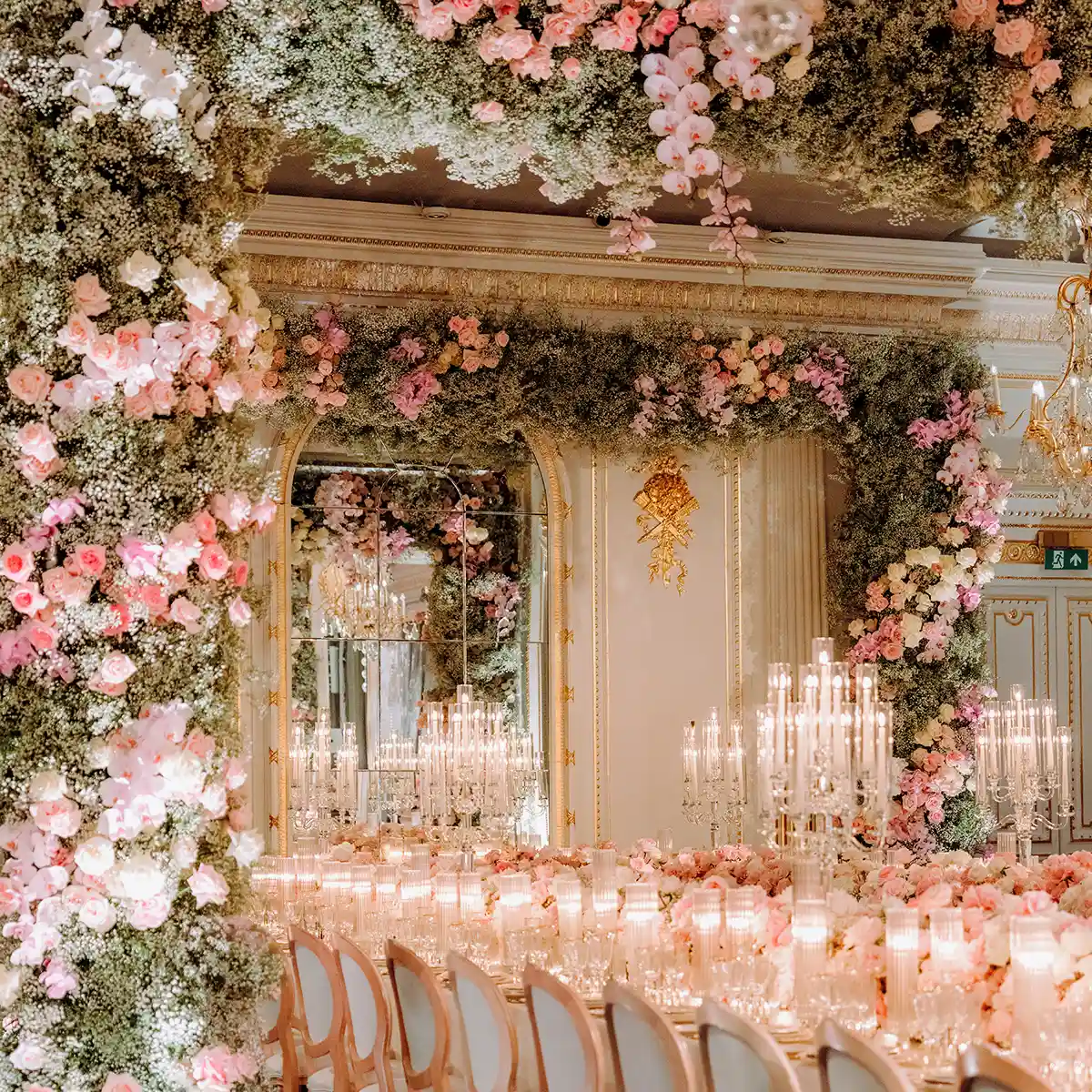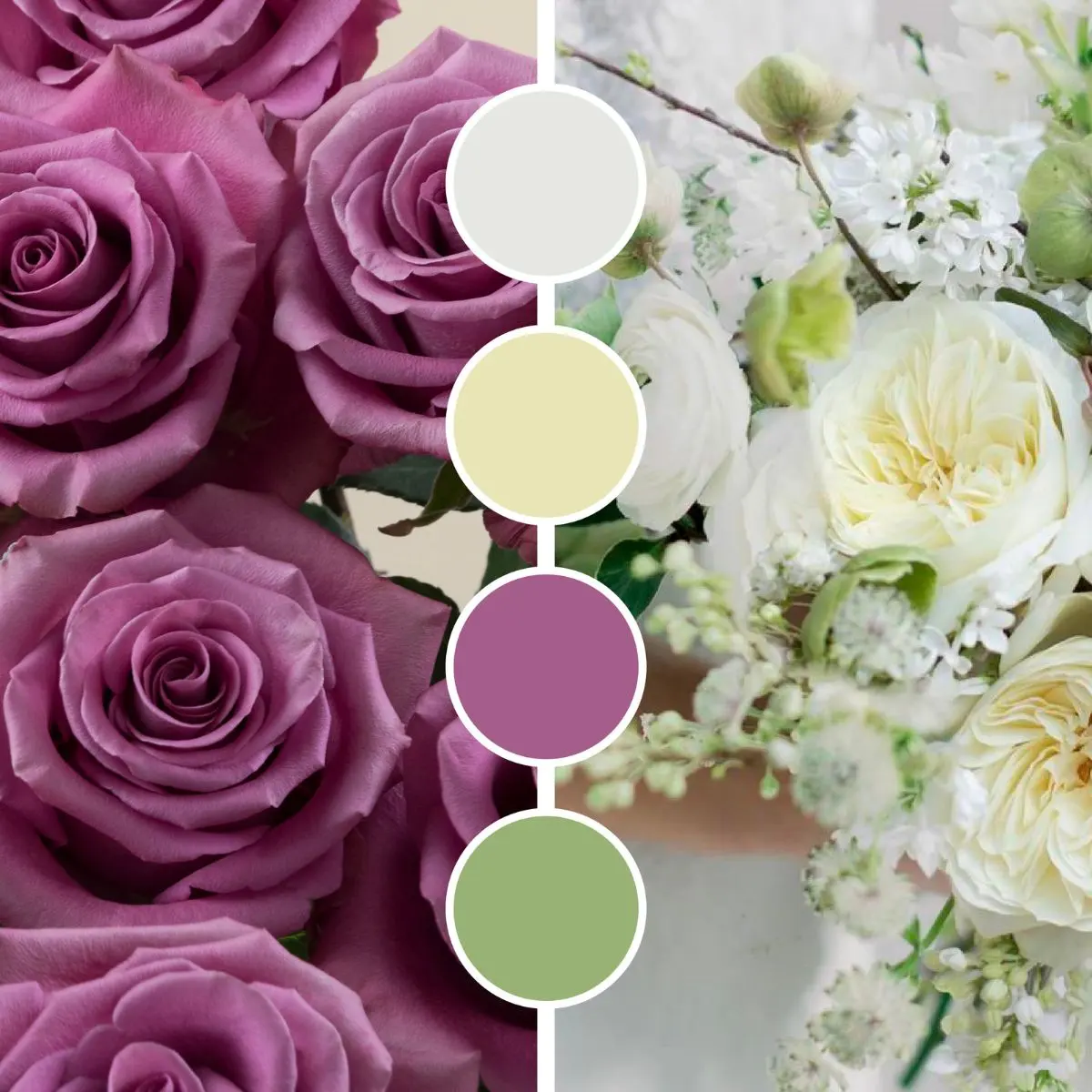
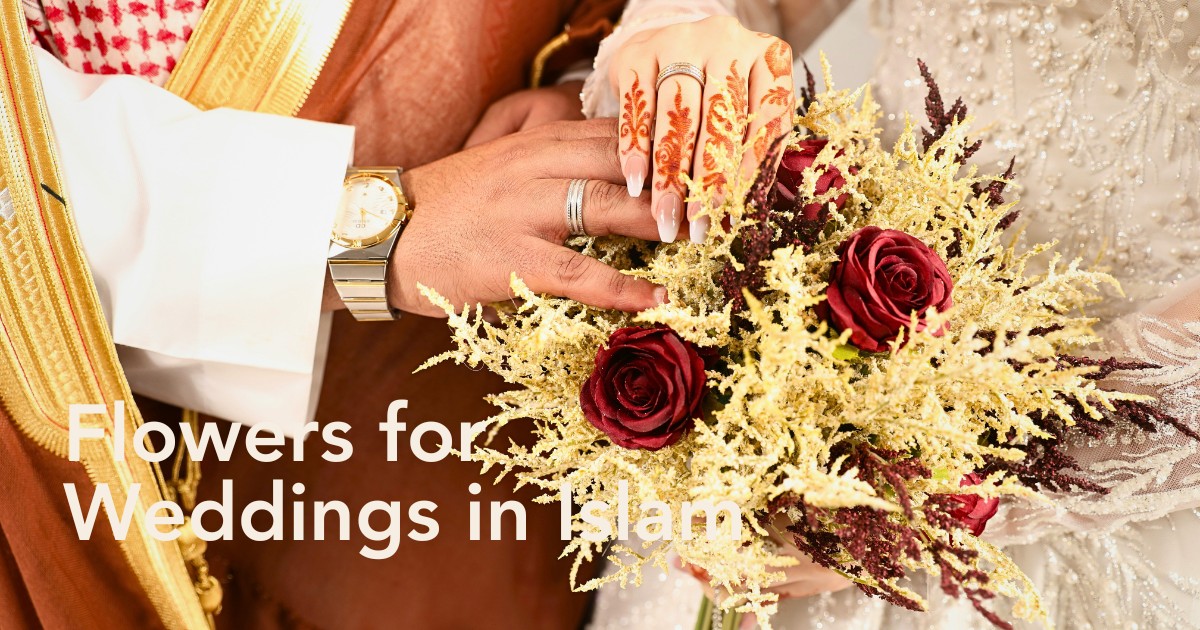
Not many occasions are as sacred as a Muslim wedding. The gathering is often filled with devotion, faith, family warmth, and, of course, flowers (and fragrances). Here, the flowers' purpose is much more than just beauty. Woven into garlands, scattered across the nikah setting, or adorning the couple’s path, they show the purity, unity, and piety of the occasion. They not only decorate the setting, but also bless, comfort, and give the love shared by the couple a beautifully spiritual presence.
Spiritual Meaning of Flowers in Muslim Weddings
In many Islamic cultures, flowers are often viewed as an embodiment of divinity. Their natural symmetry and scent show the beauty of the creations of Allah. While the Quran does not prescribe specific flowers for weddings, many Islamic cultures embrace them symbolically.
The Prophet Muhammad himself appreciated fragrance and purity. Florals are, therefore, an important part of ceremonial life. Because Muslim weddings merge religious values with cultural influences, the flower choices often vary across regions. Yet, almost everywhere, the floral arrangements remain guided by the same sentiments of respect, joy, and purity.
Usually, the flowers are a sign of welcoming and respect for guests. This practice fits well with Islamic principles of appreciating natural beauty and practicing hospitality towards guests. Flowers are about aesthetics, just as much as they are about making guests feel honored and creating an environment where family and friends really celebrate.
More so, the flowers are not just chosen for their appearance but also for their pleasant fragrance, which is believed to bring barakah (blessings) to the couple and the gathering. And still in reiteration, while specific preferences might vary across regions from Morocco to Indonesia, the causal sentiment remains the same in marking the important milestone.
So, which are some of the most effective (and important) flowers often used in these events?
Jasmine
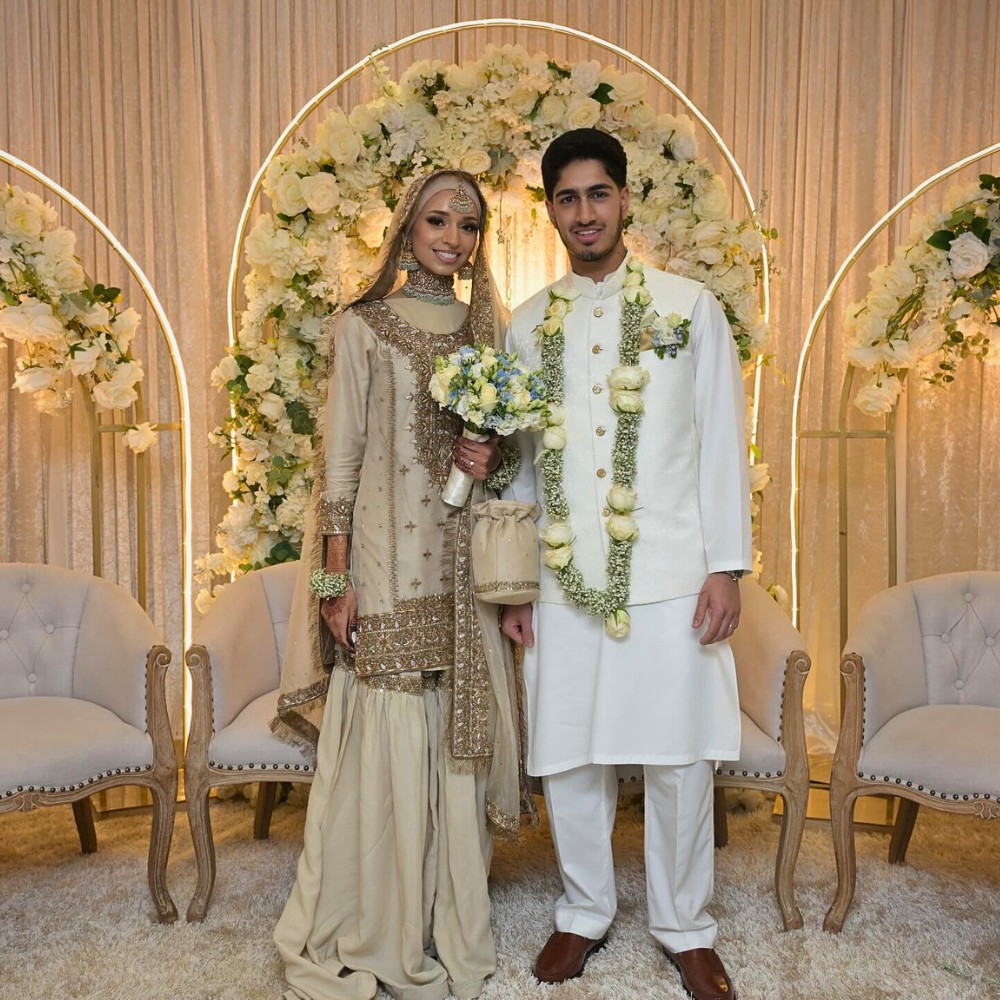
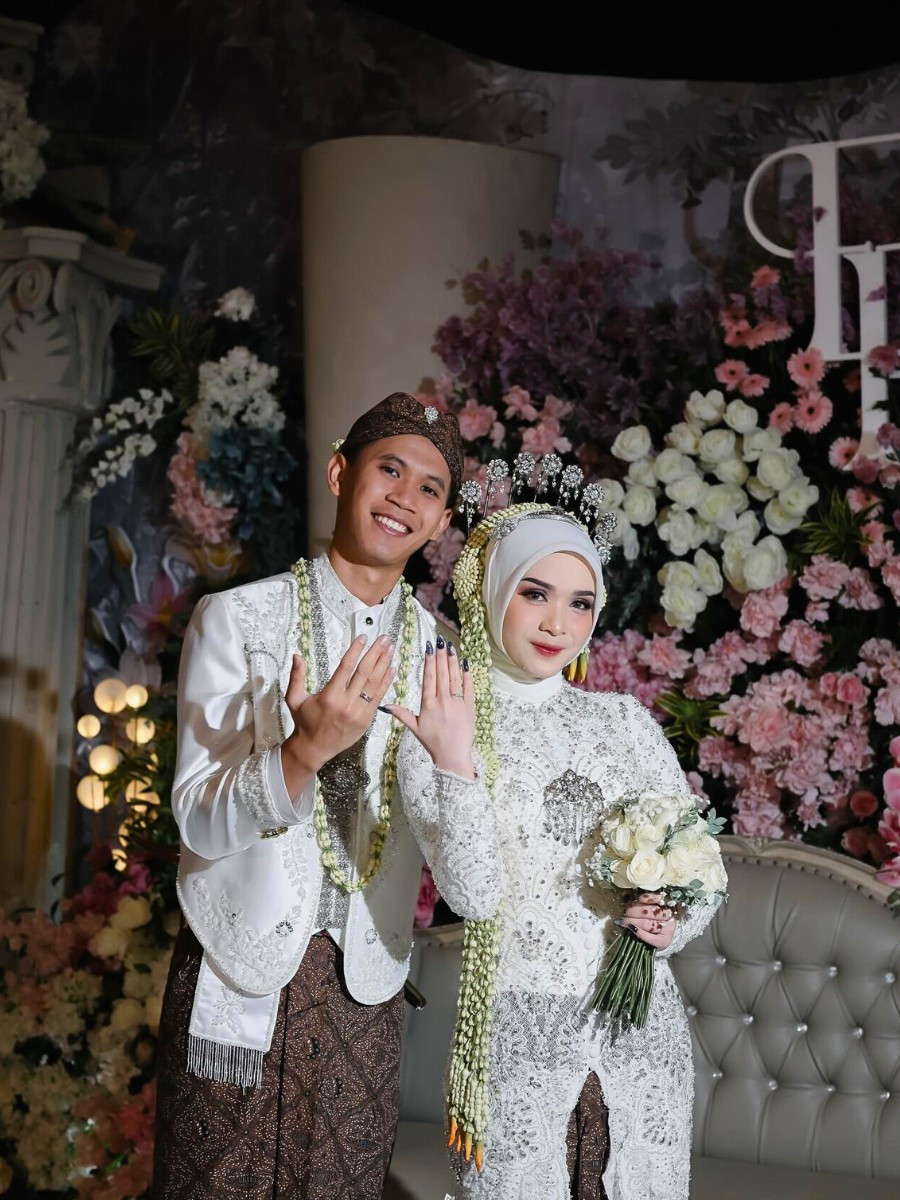
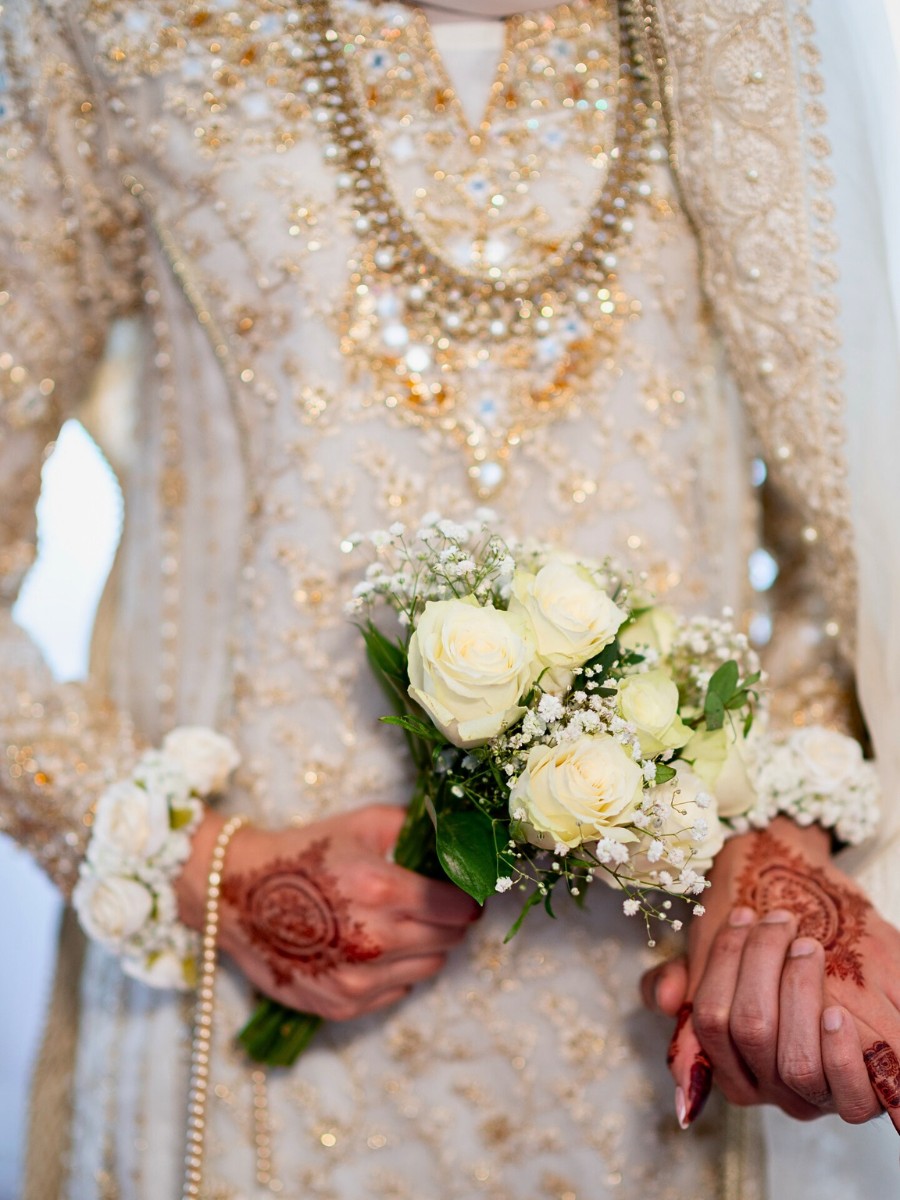
Jasmine (often referred to as Motiya in South Asia) is a symbol of blessing and serenity. With its soft fragrance, it holds special importance in many Muslim weddings, especially in South and Southeast Asia. In Pakistan and Indonesia, jasmine garlands are placed around the couple's necks during the nikah nama ceremony, symbolizing goodwill and unity. Its small white petals represent humility and purity of heart.
Brides often weave jasmine strands into their hair, letting the flower's perfume linger through the ceremony. Sometimes it is used to decorate the canopy or mandap where prayers and vows are exchanged. Jasmine's simplicity also complements the spiritual tone of the occasion. It does not scream out for attention, but silently confers blessings.
Roses
Roses are among the most cherished flowers in Islamic tradition, often associated with the Prophet Muhammad himself. A widely held tradition (common in Sufi and mystical literature) suggests that the scent of the rose originates from the sweat of Prophet Muhammad, often described as Guli Muhammadi (The Rose of Muhammad). The Damask rose (Rosa damascena) is particularly associated with some of these traditions and has its roots in the Middle East, with Taif in Saudi Arabia being famous for it.
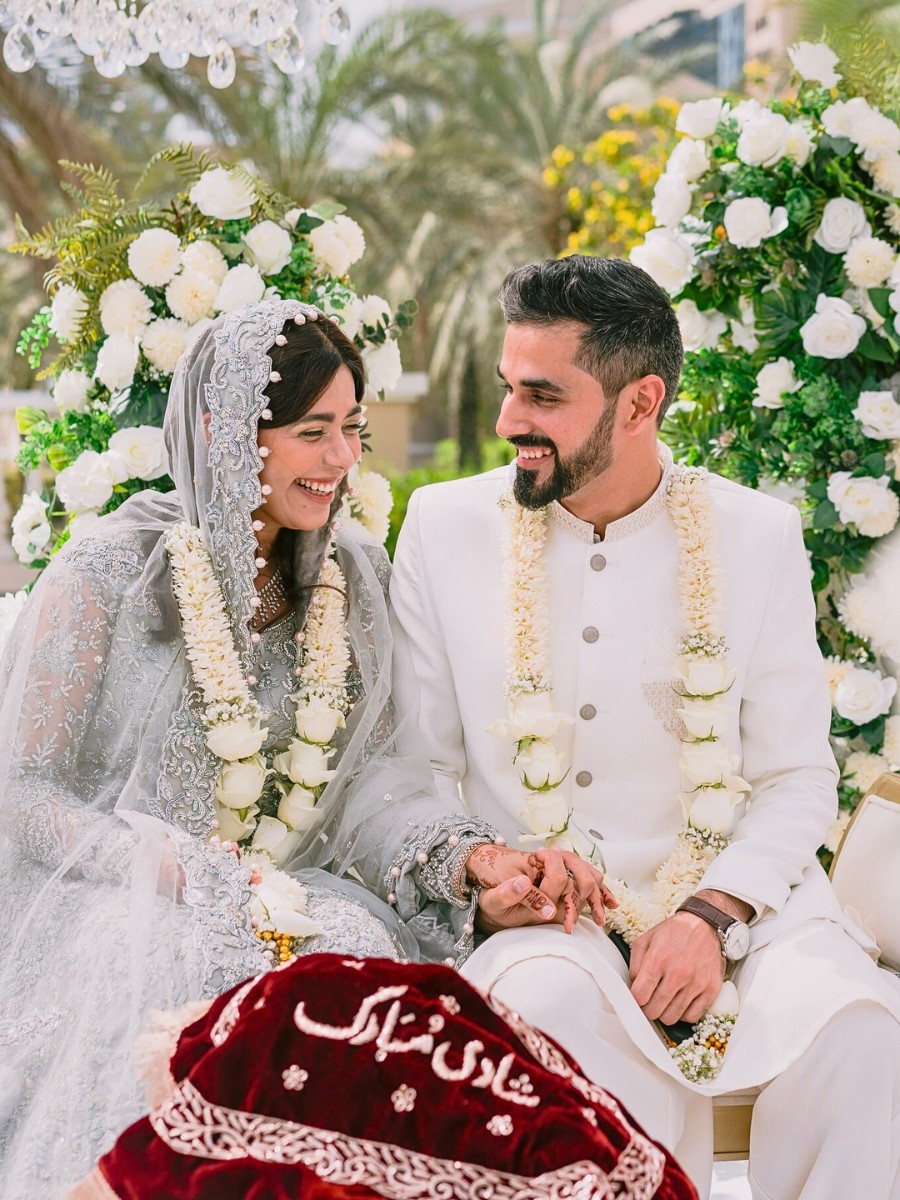
In Muslim weddings, roses signify love, mercy, and devotion, which are all qualities essential for marriage in Islam. Red roses may be used to honor deep affection between the couple, while white roses are chosen to signify purity and a peaceful start to married life.
In Middle Eastern cultures, rose water is also sprinkled around the ceremony space or given to guests as a fragrant gesture of goodwill. Tables may be set with floating roses in crystal bowls, or floral arches made from pink and white roses frame the stage where the couple sits during the Walima reception.
Orchids
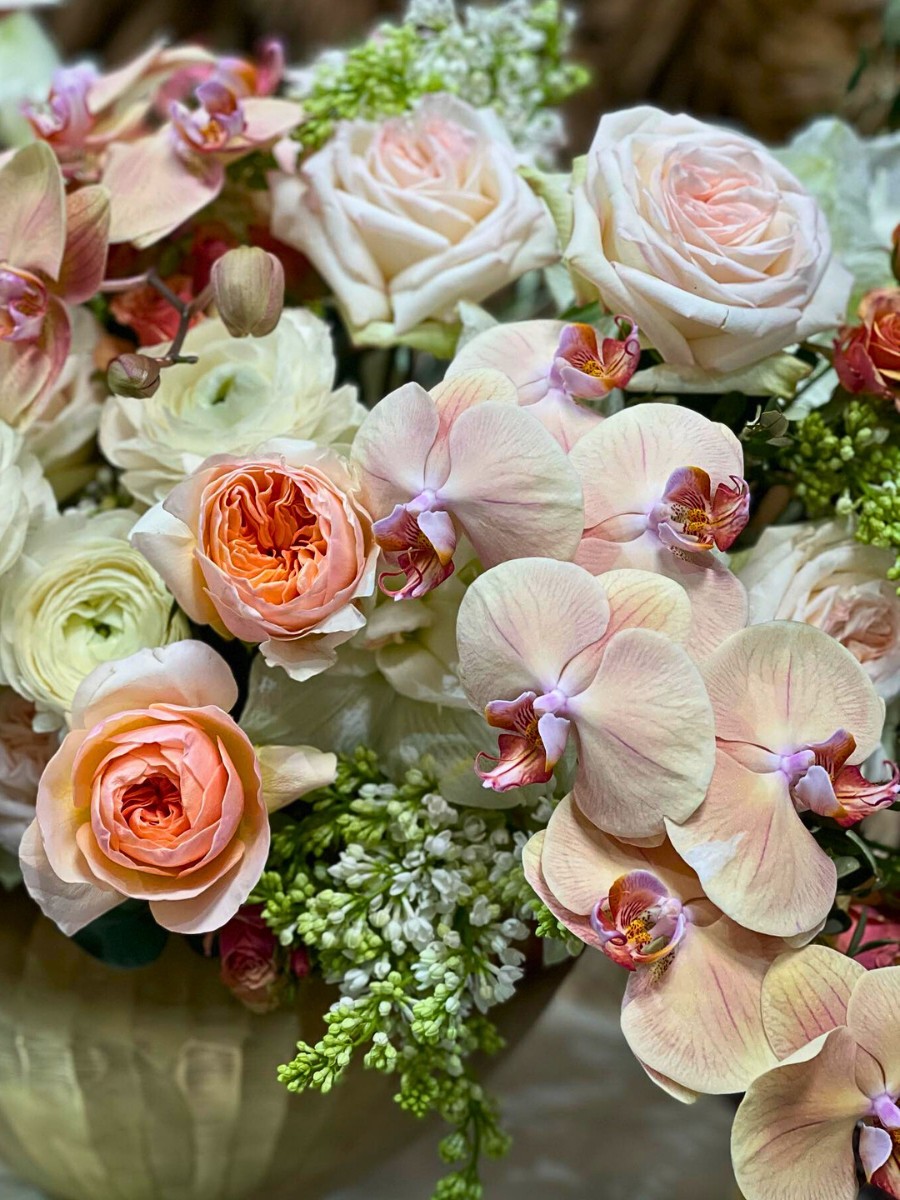
While not traditionally Islamic in meaning, orchids have gradually made their way into modern Muslim weddings. Their elegant forms suit contemporary tastes, and their longevity symbolizes strength and endurance, which are two qualities every marriage hopes to embody. Floral designers often pair soft white or cream orchids with roses and lilies for a serene and balanced arrangement.
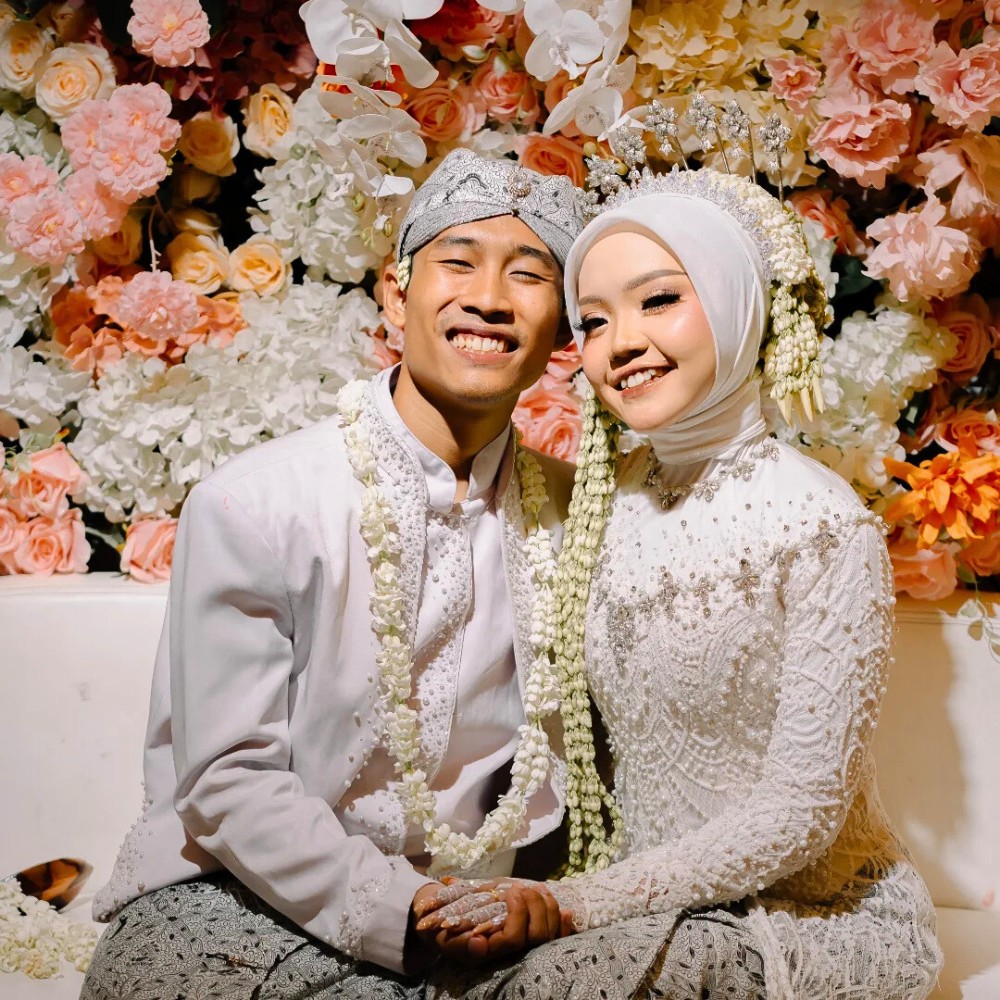
In some cultures, orchids are used in bridal bouquets or as hair accessories, layered with other spiritual flowers like jasmine or orange blossoms. This blend of traditional and modern floral elements echoes how, today, many young Muslim couples balance faith and personal style.
Orange Blossoms
Orange blossoms are another popular choice, especially in North African and Mediterranean Muslim weddings. These highly fragrant, white flowers of the orange tree (Citrus sinensis) are loved for their sweet, citrusy scent with floral and spicy undertones. Their gentle white color and citrus fragrance symbolize purity, happiness, and the sweetness of love.
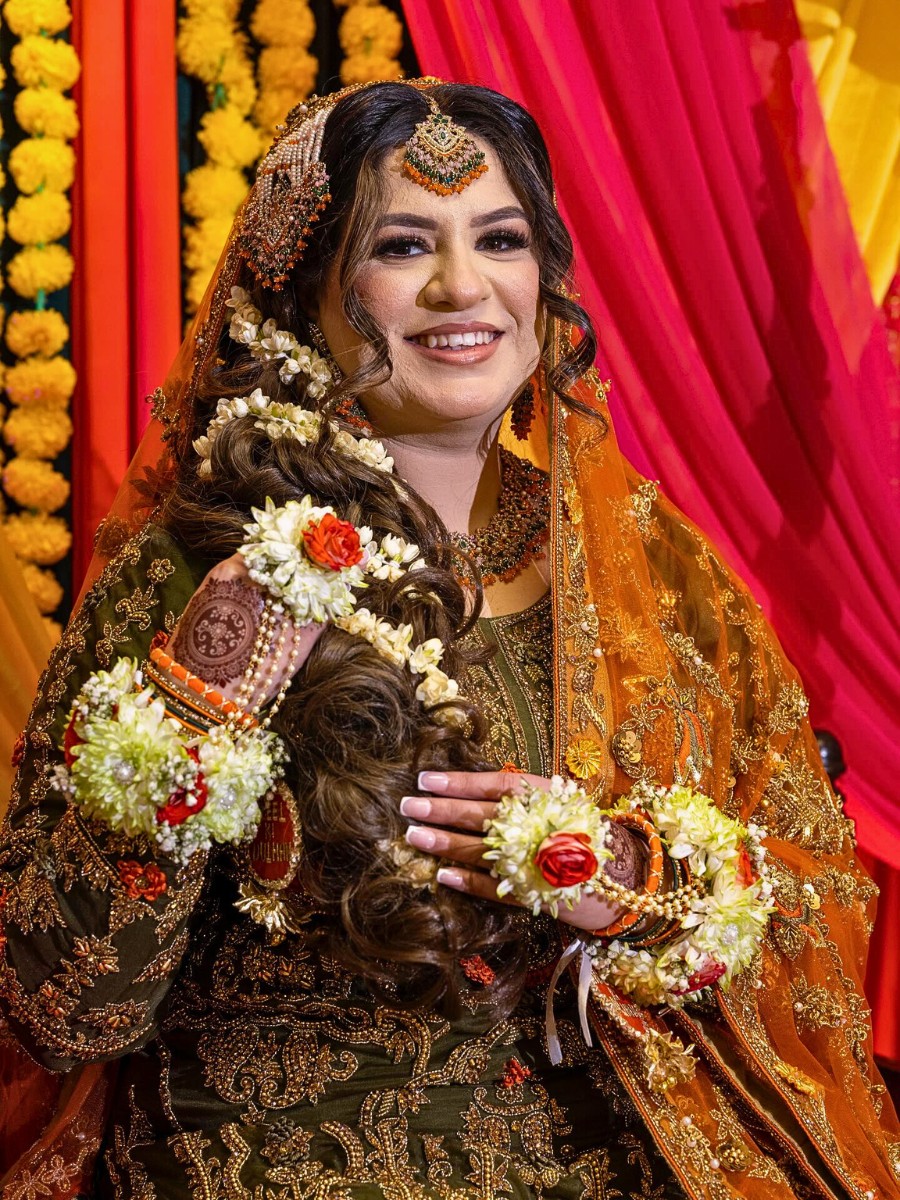
Historically, brides wore wreaths of orange blossoms as a symbol of fertility and new beginnings. In wedding décor, they are often mixed with myrtle or olive branches, tied together with silk ribbons. These combinations honor faith and heritage while creating a naturally joyful setting. These flowers' aroma often mingles beautifully with traditional wedding perfumes like oud and musk, giving the ceremony an air of sacred celebration.
Lilies and Tuberoses
Lilies, especially white ones, carry a serene beauty that suits the modest tone of many Muslim ceremonies. They represent sincerity and devotion, which are the values emphasized in the marriage contract (nikah). Arrangements featuring lilies often adorn the nikah table or are used as part of the bride's bouquet.
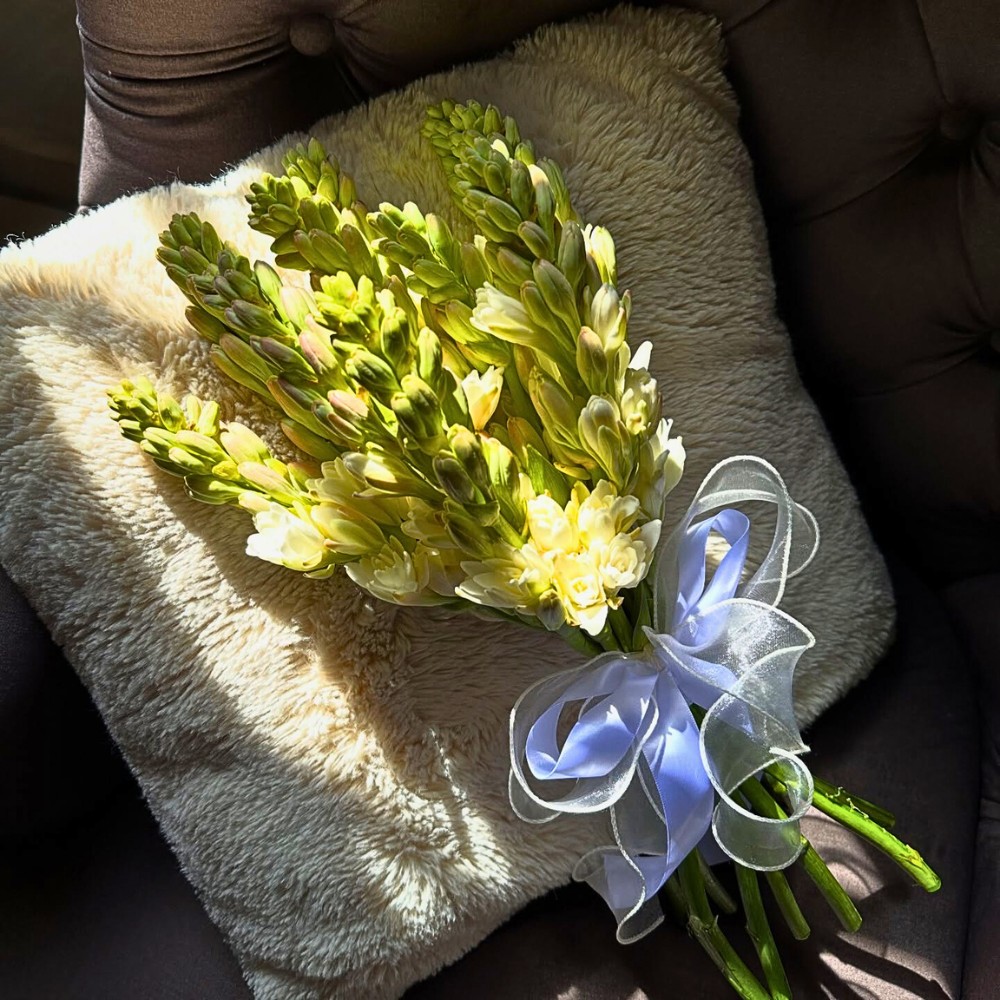
Tuberose, also known as Rajnigandha in South Asian cultures, on the other hand, offers a delicate fragrance that lingers late into the evening. The powerful, almost exotic scent is often associated with such special occasions and is thought to bring blessings.
In African and Indian Muslim weddings, tuberose garlands are common during outdoor celebrations. In more modern settings, tuberoses add vertical interest and a wonderful aroma to the venue. Plus, their subtle glow under candlelight adds a measured touch of romance.
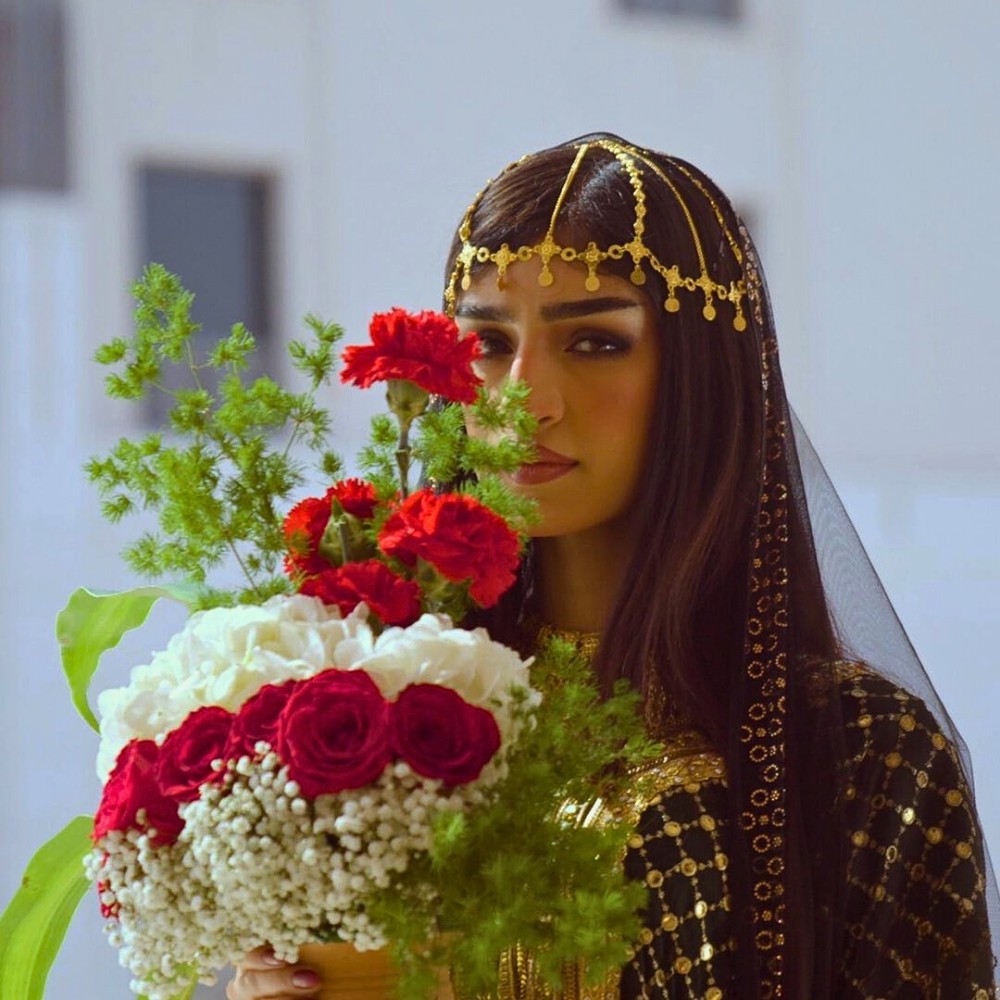
Other popular flower options include carnations for their volume and range of colors, while in certain South Asian Muslim weddings, the vibrant orange and yellow marigolds are frequently used, representing joy and positivity. These regional choices add distinct cultural flair, such that while the faith is one, the floral celebration reflects local heritage.
The Symbolism of Scent and Flowers Used
Scent holds great meaning in a Muslim wedding. It often carries fragrances that combine natural florals with attars or perfumes made from rose, jasmine, or oud. These scents create a spiritual atmosphere that connects the festivities to remembrance of Allah. Even as the couple unites in love, their hearts remain grounded in faith.
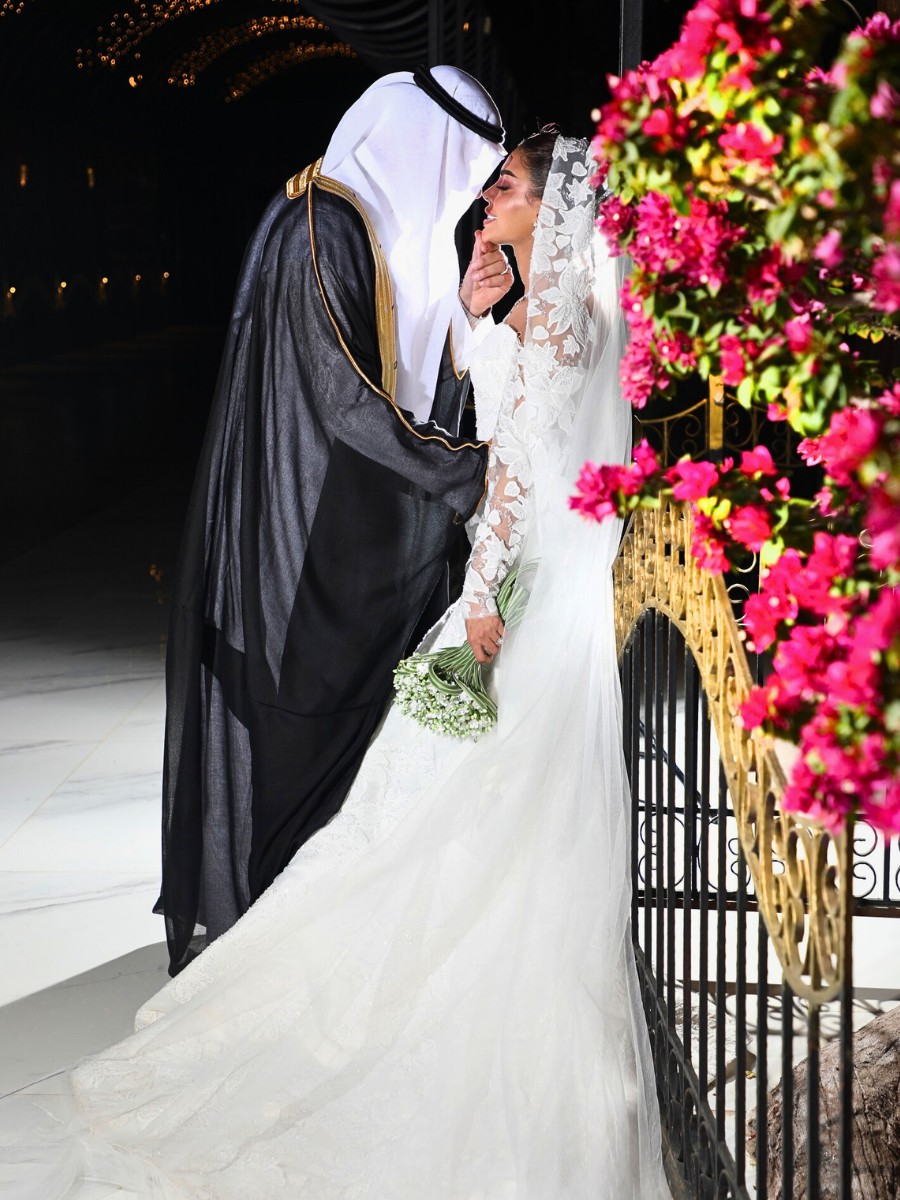
In this setting, more than mere decorative elements, flowers (and their scents) echo the Quranic vision of nature as a sign of divine mercy. It holds the notion that, just like flowers themselves, marriages begin in tenderness and grow through care and patience.
These flowers' beauty, therefore, comes from how they are chosen with care and respect for tradition. And couples often work with designers to select types and colors that match their personal taste just as much as the significance they wish to convey.
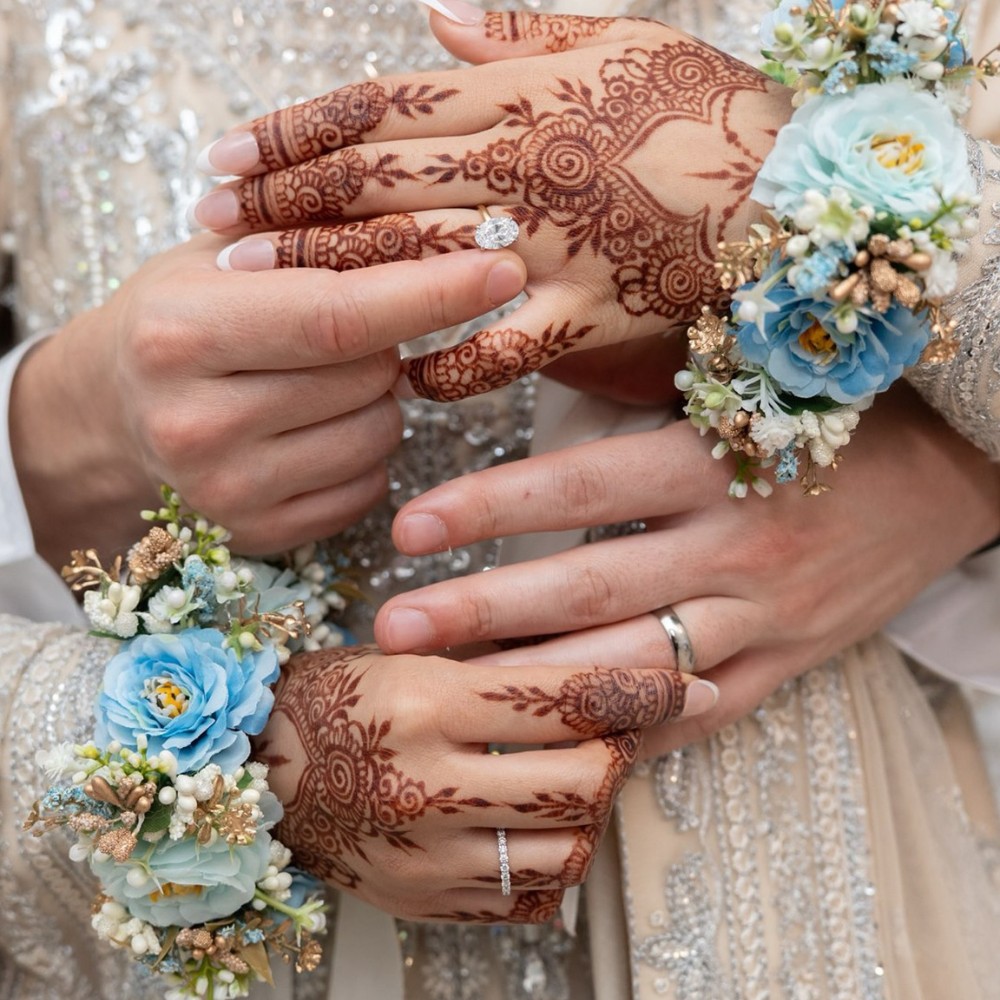
Incorporating Flowers Into Muslim Wedding Design
Each Muslim wedding mirrors and pays homage to its cultural roots, from Moroccan lantern-lit courtyards to serene Malay garden settings. Yet the language of flowers easily intertwines itself between these worlds. So, what are some ways these florals are used?
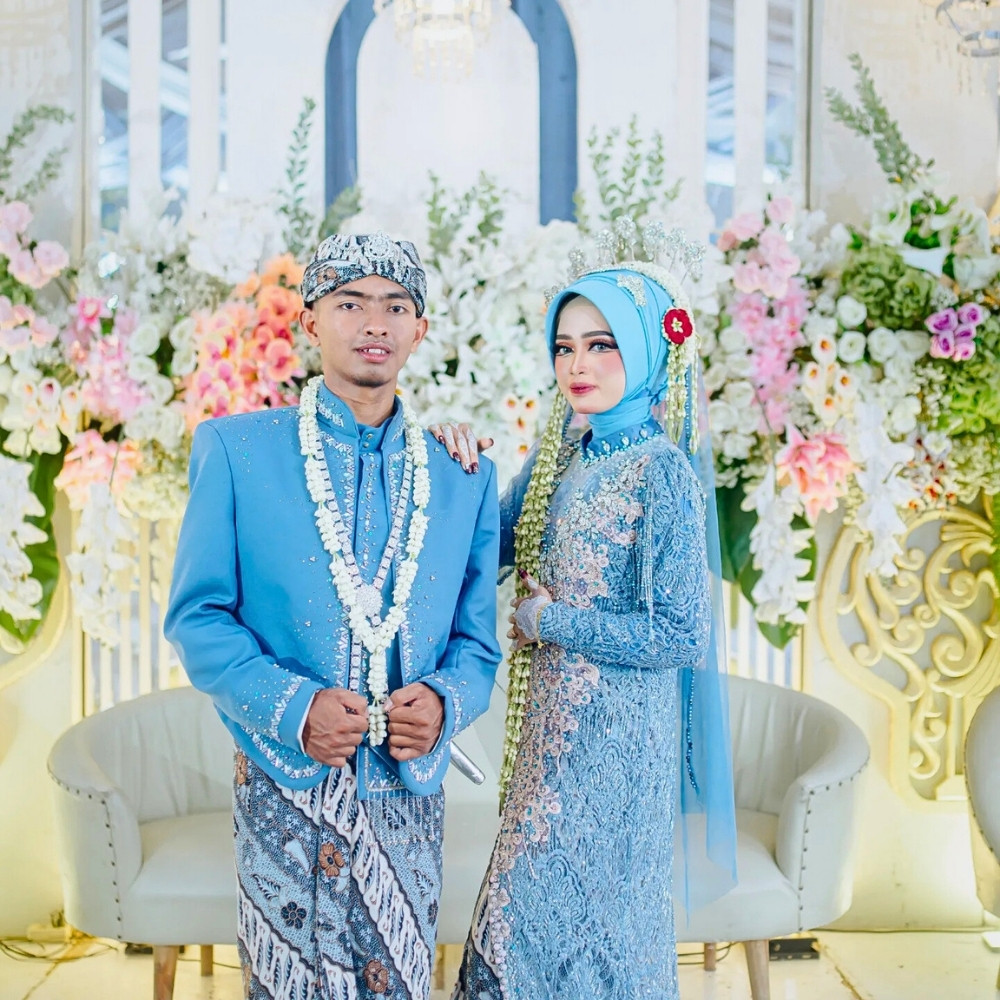
- Stage and canopy décor: White and pastel arrangements filled with roses, lilies, and jasmine create a sense of purity for the nikah space.
- Garlands and headpieces: These floral accessories are traditional symbols of unity and blessings, usually woven with jasmine, marigold, roses, or orchids.
- Table arrangements: Low floral centerpieces, often coupled with candles or gold accents, bring a sense of warmth to the Walima banquet.
- Henna night decorations: This pre-wedding evening celebrates friendship and sisterhood. Flowers like marigolds, carnations, and rose petals infuse color and spirit into the event.
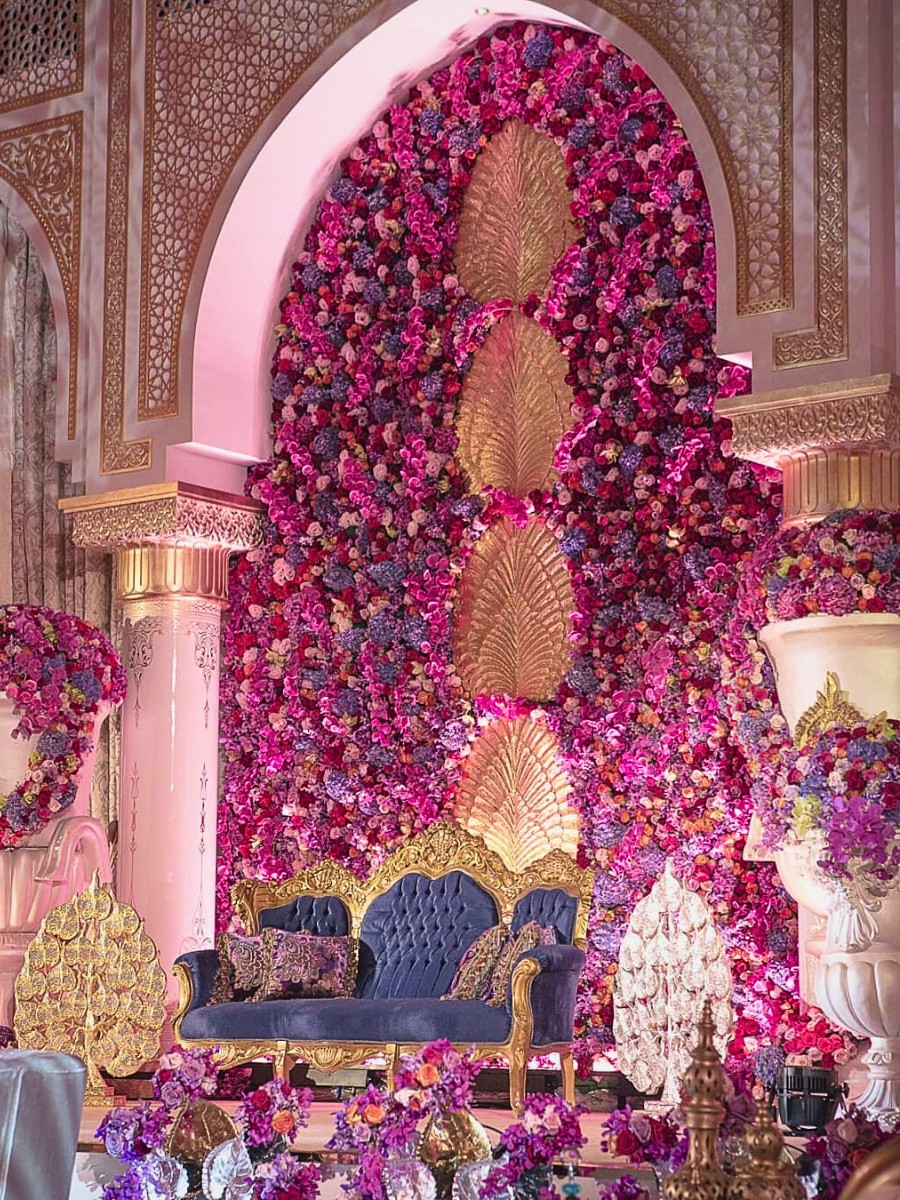
Likewise, elaborate backdrops made of roses, jasmine, and carnations can be created and hung as floral arrangements, as well. The choice of flowers and colors here typically mirrors the wedding's overall theme, often favoring classic white or softer tones for a sense of purity.
Dining areas also see the creative use of flowers. The arrangements encourage conversation and make the space feel inviting. Smaller versions of the stage flowers might be used here, or perhaps different varieties that complement the main theme. Floating candles with rose petals in bowls are another simple yet elegant option.
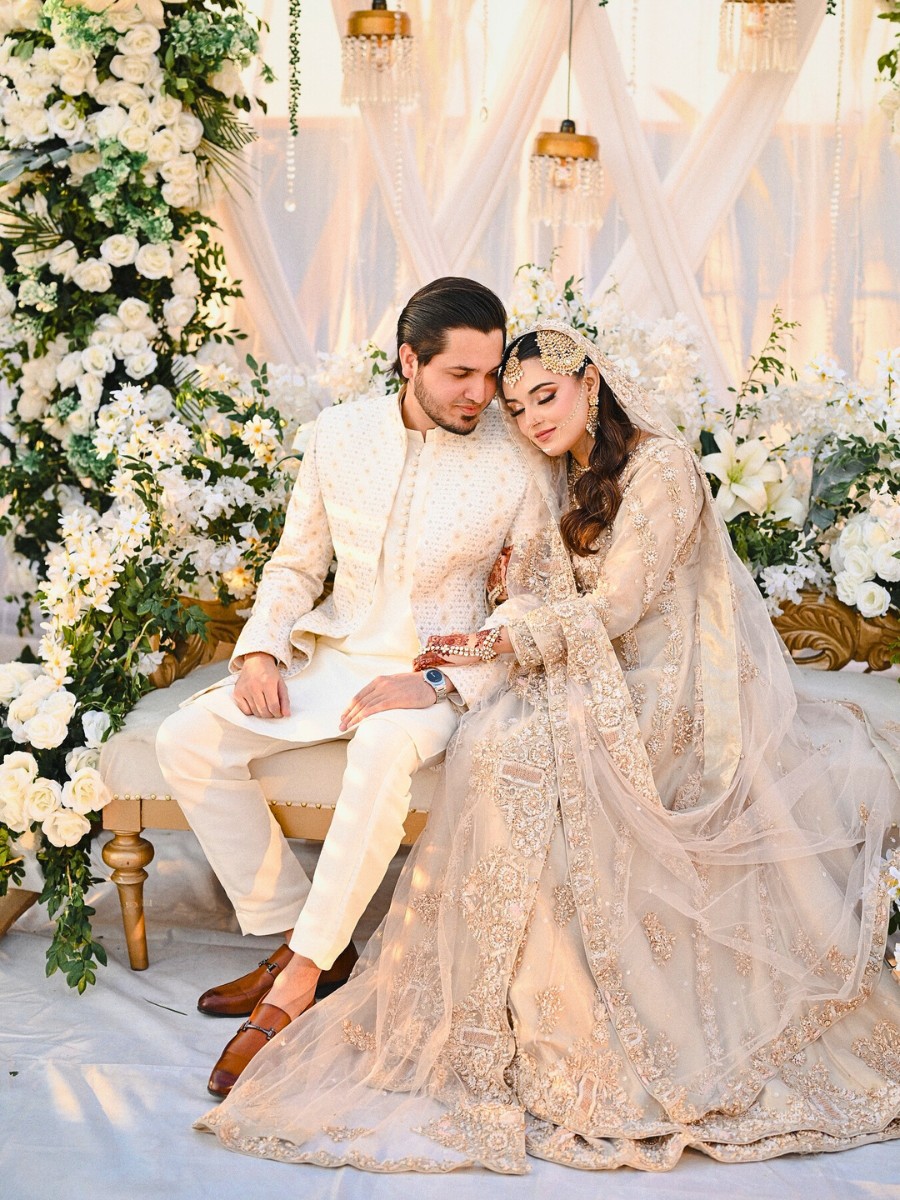
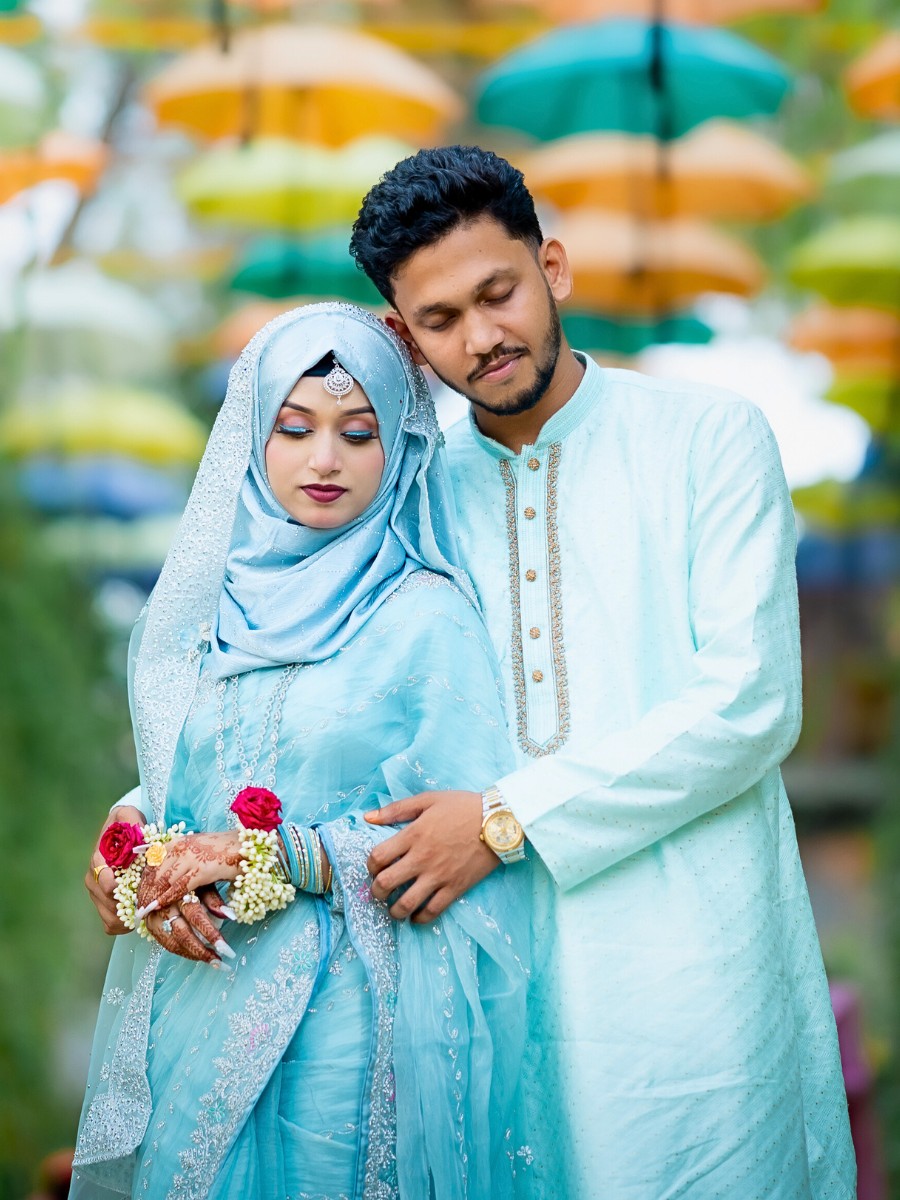
Finally, flowers play a part in the couple's personal attire, especially for the bride. In many cultures, fresh flowers like jasmine or small roses are woven into the bride's hair or pinned to her clothing. Both the bride and groom may wear floral garlands during certain parts of the ceremony. All these natural accessories are often carefully handcrafted, and the designer maintains modesty and balance, traits valued in Islamic aesthetic principles.
Regional Influences and Personal Touches
Different regions have different floral influences. In Malaysia, weddings feature frangipani and orchids intertwined with lace and silver details. In Pakistan and Bangladesh, jasmine garlands and marigold draping fill homes and mosques. Middle Eastern weddings favor roses, white lilies, and hydrangeas arranged in opulent yet refined displays.
Today, floral designers who specialize in Muslim weddings often blend traditional textures with modern sustainable design. And couples may choose sustainably sourced or locally grown flowers, minimal packaging, or reusable floral stands, partly to honor the Islamic value of Amanah.
Featured image by Faiaz Ahmad Emon. Header image by @majdah_majed.