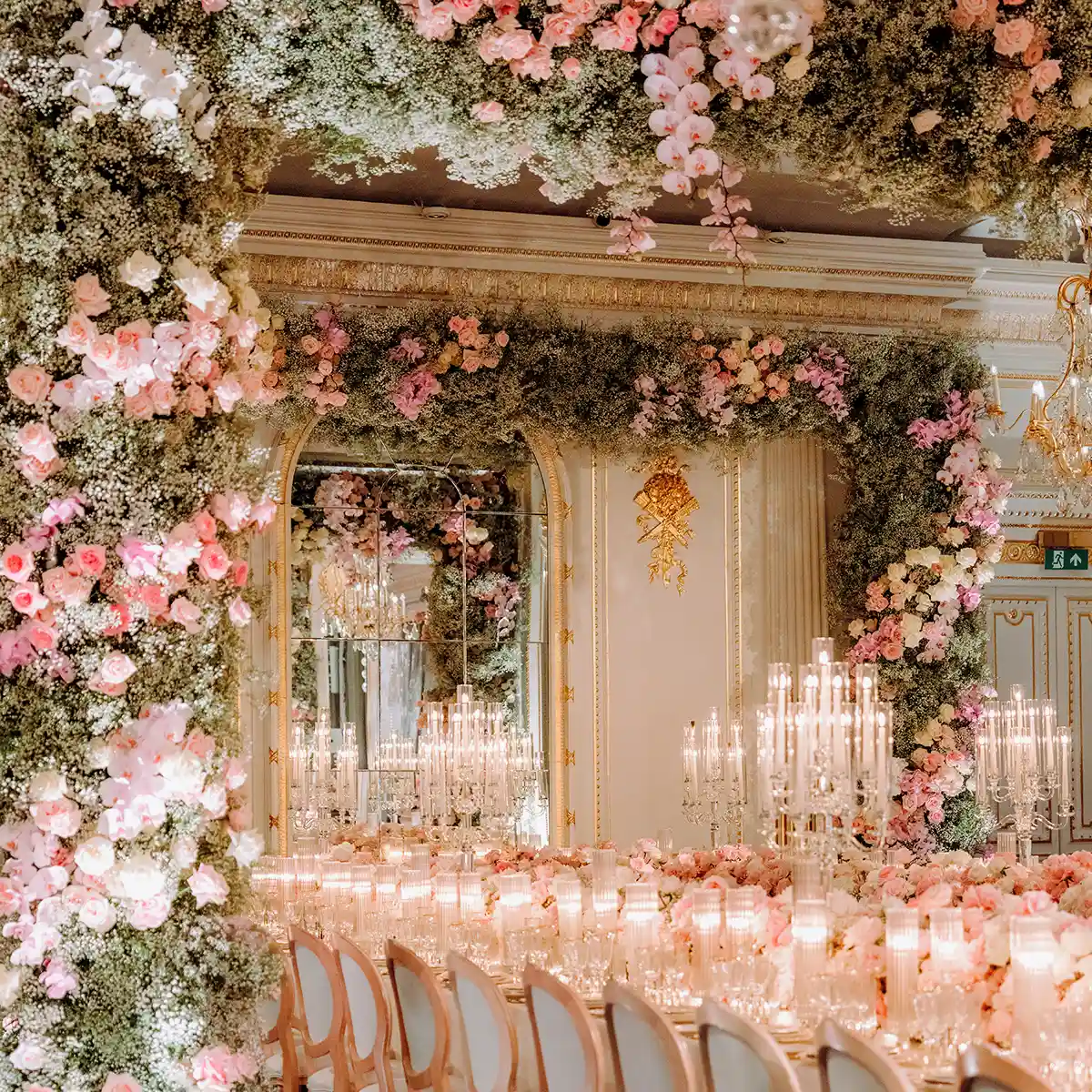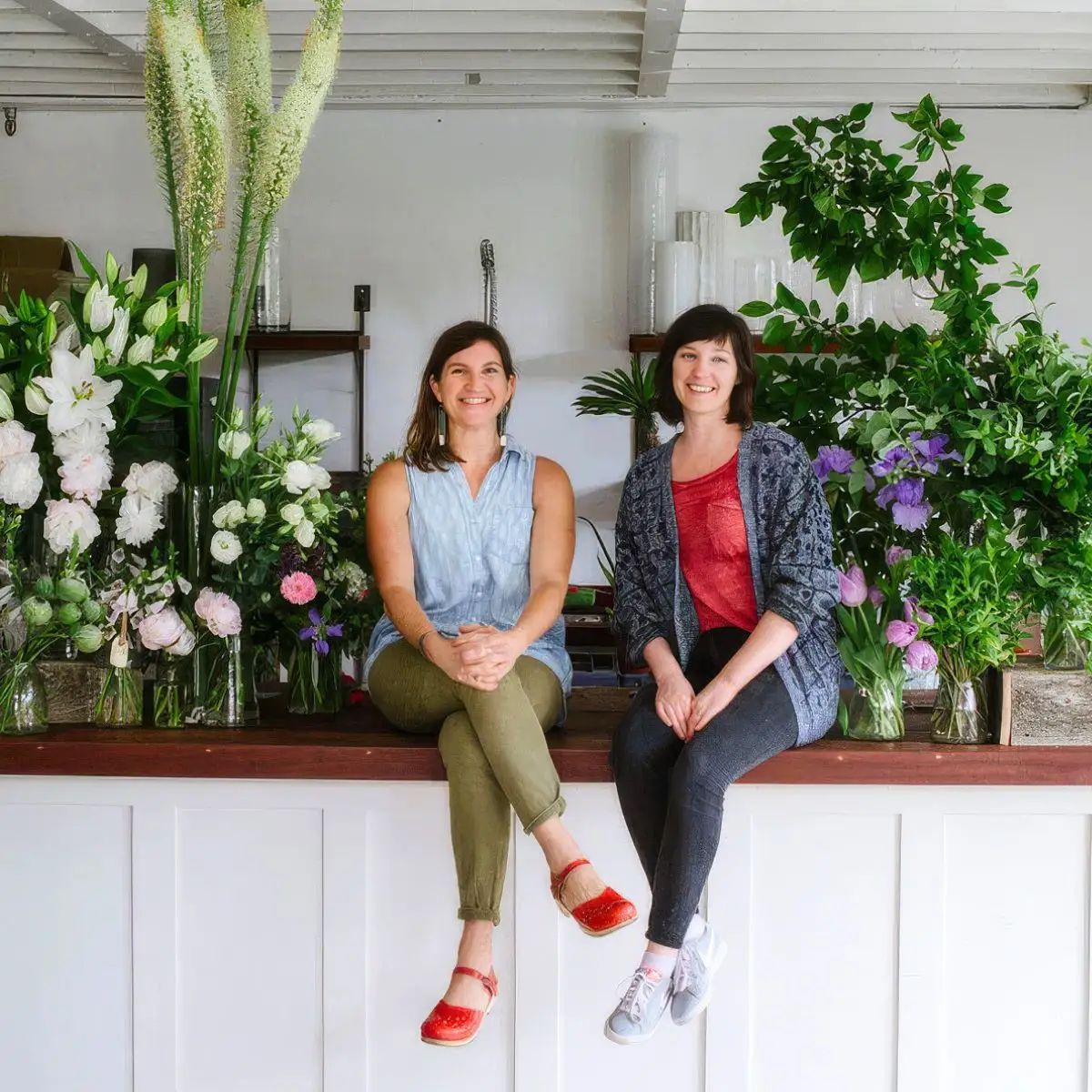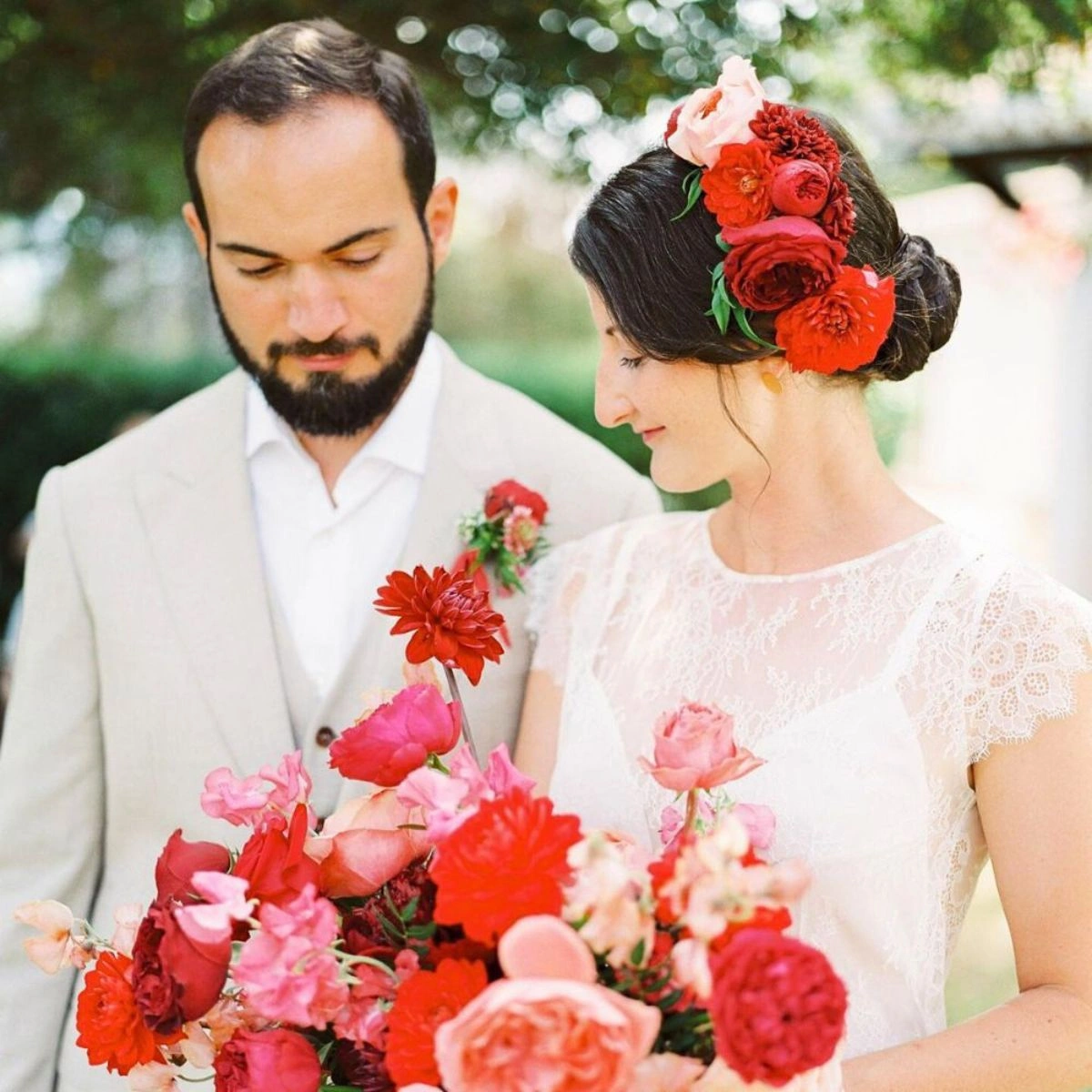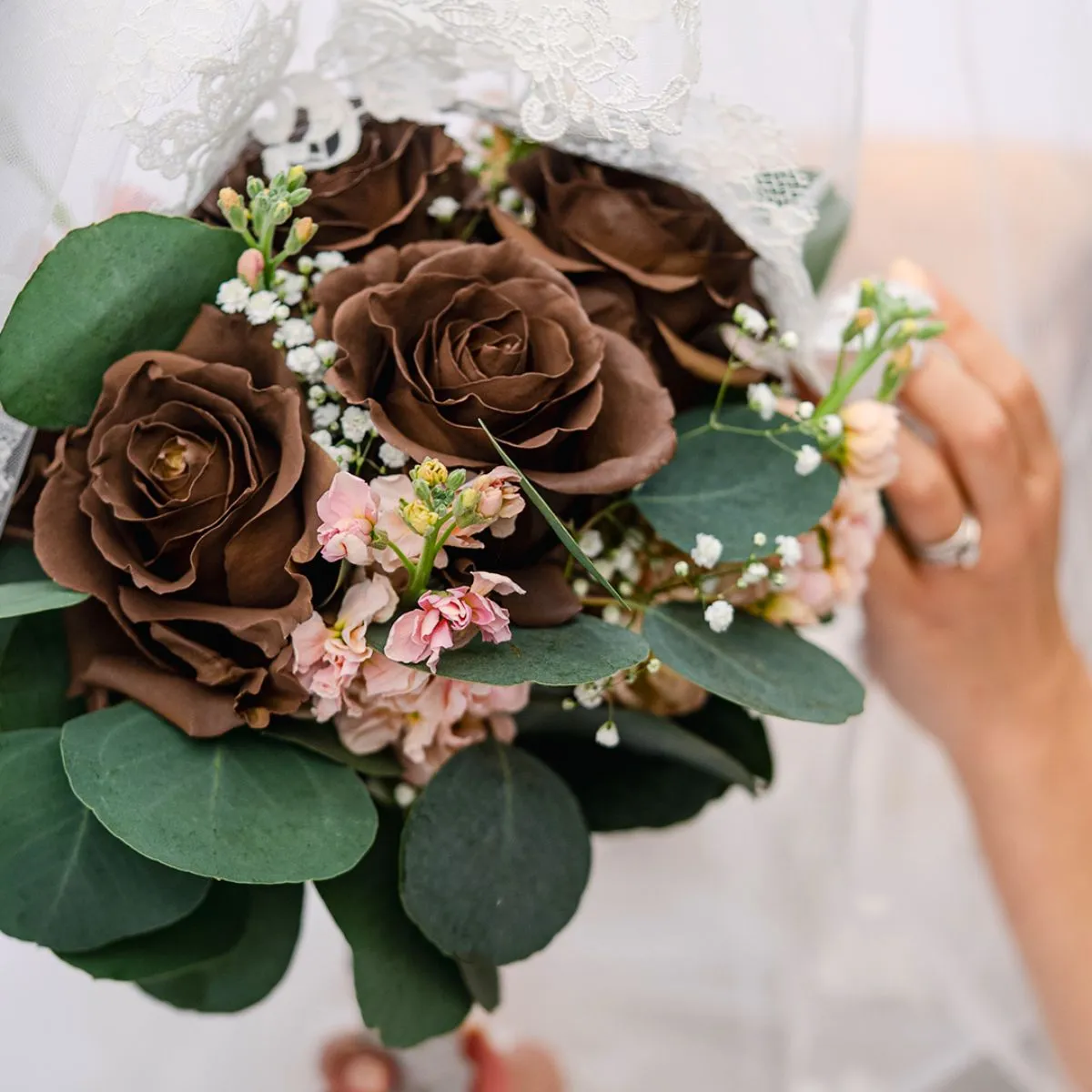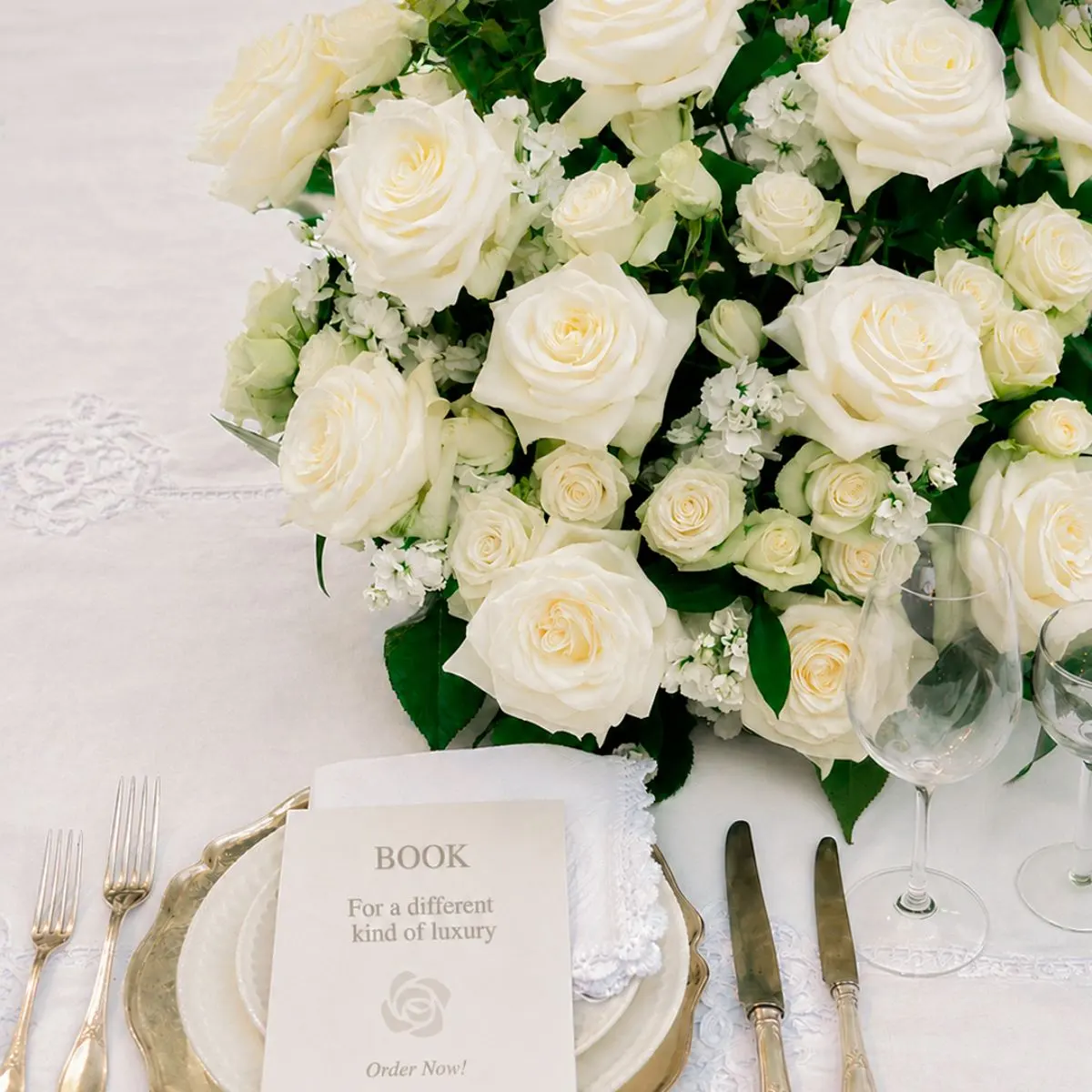
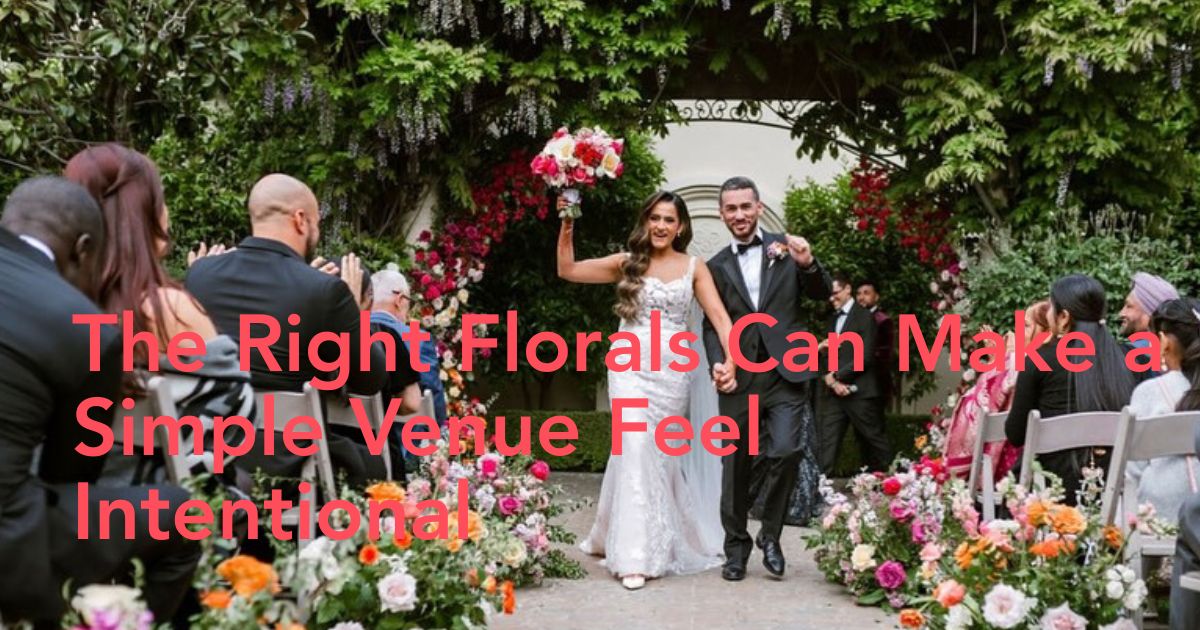
Wedding flowers do more than decorate a room. They shape the mood, guide the eye in photos, and tie together details guests notice without realizing it. The right florals can make a simple venue feel intentional, and they can soften a space that feels too formal. That is why choosing a florist is less about "pretty arrangements" and more about picking a creative partner who understands planning realities.
Most couples also underestimate how many decisions are tied to flowers. Seasonality affects cost and availability. Installation timing affects the whole vendor schedule. Even the shape of your ceremony space affects what looks balanced. A florist who can plan and problem-solve will save you time and stress, not just deliver bouquets.
When to Start Looking and How Early to Book
A good florist's calendar fills early, especially during peak wedding months. That is why couples who want a specific style or a specific team should begin outreach as soon as the date and venue are secured. A useful rule is to start the search once the ceremony and reception locations are confirmed, because the florist needs those details to give realistic guidance.
Local demand matters too. If the wedding is in a smaller market or a high-traffic wedding area, availability can tighten fast. For instance, a popular florist in Sleepy Hollow might already be booked for multiple weekends far in advance. That is why starting early with wedding arrangements keeps you in control and gives you time to compare options without pressure.
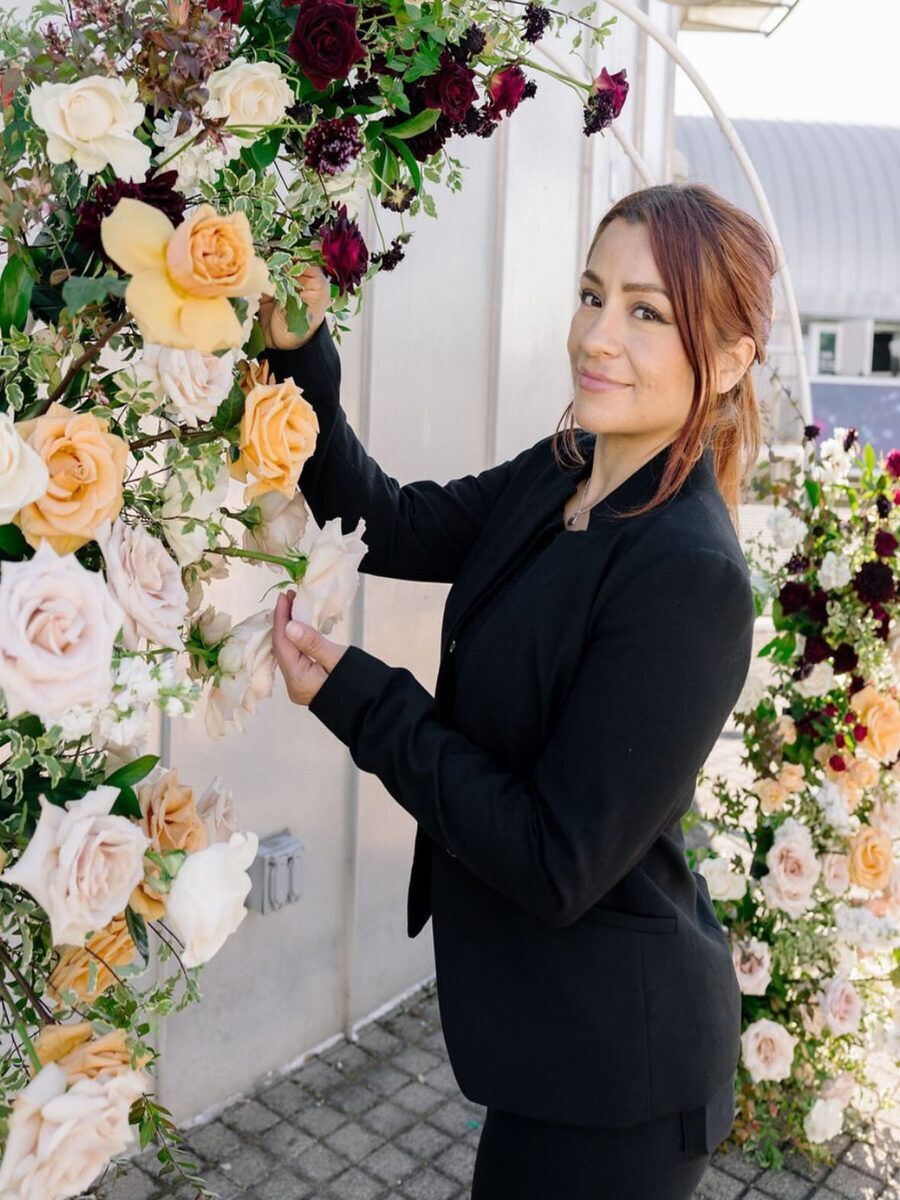
Early planning also creates better design conversations. When there is time, you can explore alternatives that keep your look consistent while staying practical. That might mean adjusting flower choices by season, rethinking centerpieces, or building a plan that repurposes ceremony florals at the reception.
How to Define Your Floral Priorities
Before contacting florists, it helps to set clear, realistic priorities. Flowers can be allocated in many ways, so couples should decide what matters most visually. For some, it is a ceremony focal point. For others, it is a bouquet that photographs beautifully. Some want a full reception impact. Others want simple, refined tables and a strong bridal party look.
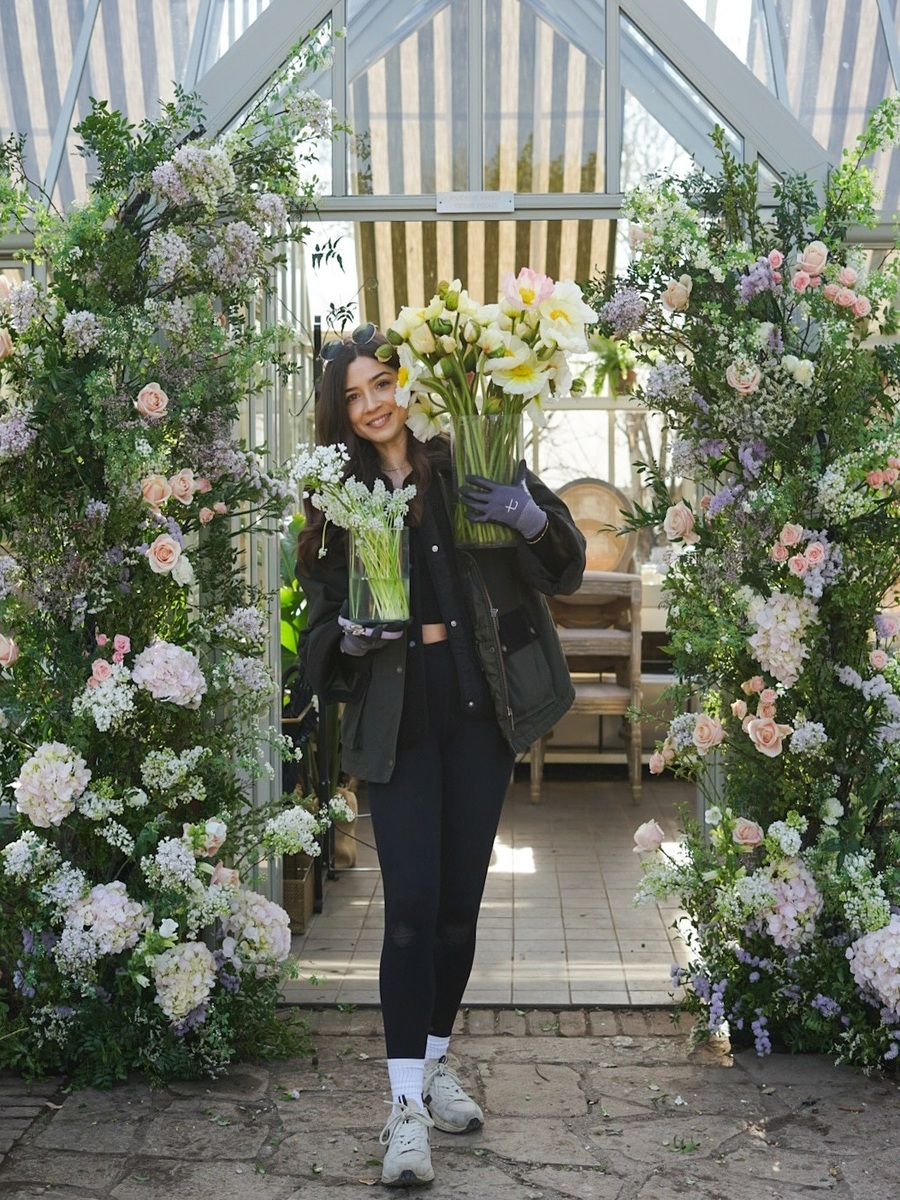
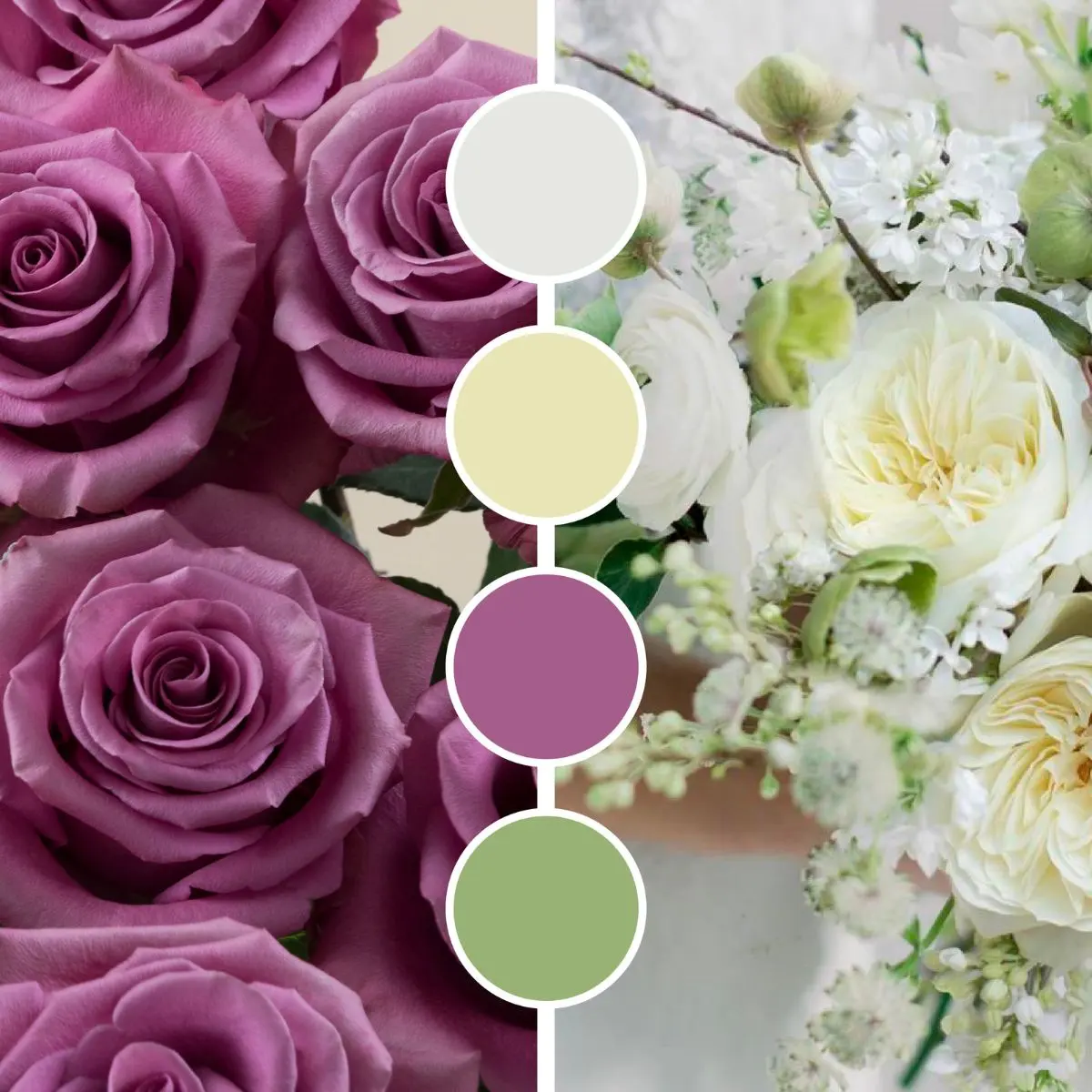
A short mood board is more useful than a long list of flower names. Include images that reflect shape, density, and vibe, not just color. "Airy and meadow-like" communicates more than "white roses." A florist can work with style cues. They can translate them into seasonal choices that fit your date and venue.
It also helps to be honest about what you do not care about. If aisle markers are not important, say so. If you would rather invest in a statement installation and keep centerpieces minimal, lead with that. Clear priorities make proposals more accurate and reduce rewrites.
Why Style Match and Collaboration Matter More Than a Perfect Portfolio
A portfolio shows talent, but it does not prove fit. Weddings are live events with tight timelines. The best florist for you is someone whose style aligns with your taste and whose process matches your planning personality. Some couples want lots of guidance and strong creative direction. Others want a florist who can execute a clear vision with minimal back-and-forth.
During early conversations, listen for how they talk about tradeoffs. Do they explain what holds up in heat, what wilts quickly, and what photographs well at night? Do they suggest solutions when you mention venue constraints? Practical creativity is a strong signal that they can deliver under real conditions.
Collaboration also includes communication. A florist should be able to explain their timeline, how they handle changes, and what information they need from you. When communication is clear, planning becomes easier, and the final design is usually stronger.
What to Ask in Consultations to Get Better Answers
Consultations can feel like a vibe check, but they should also be a fact-finding session. Ask how they price work and what is included. Some quotes include candles, vases, delivery, setup, teardown, and rentals. Others do not. Clear answers here prevent surprise costs later.
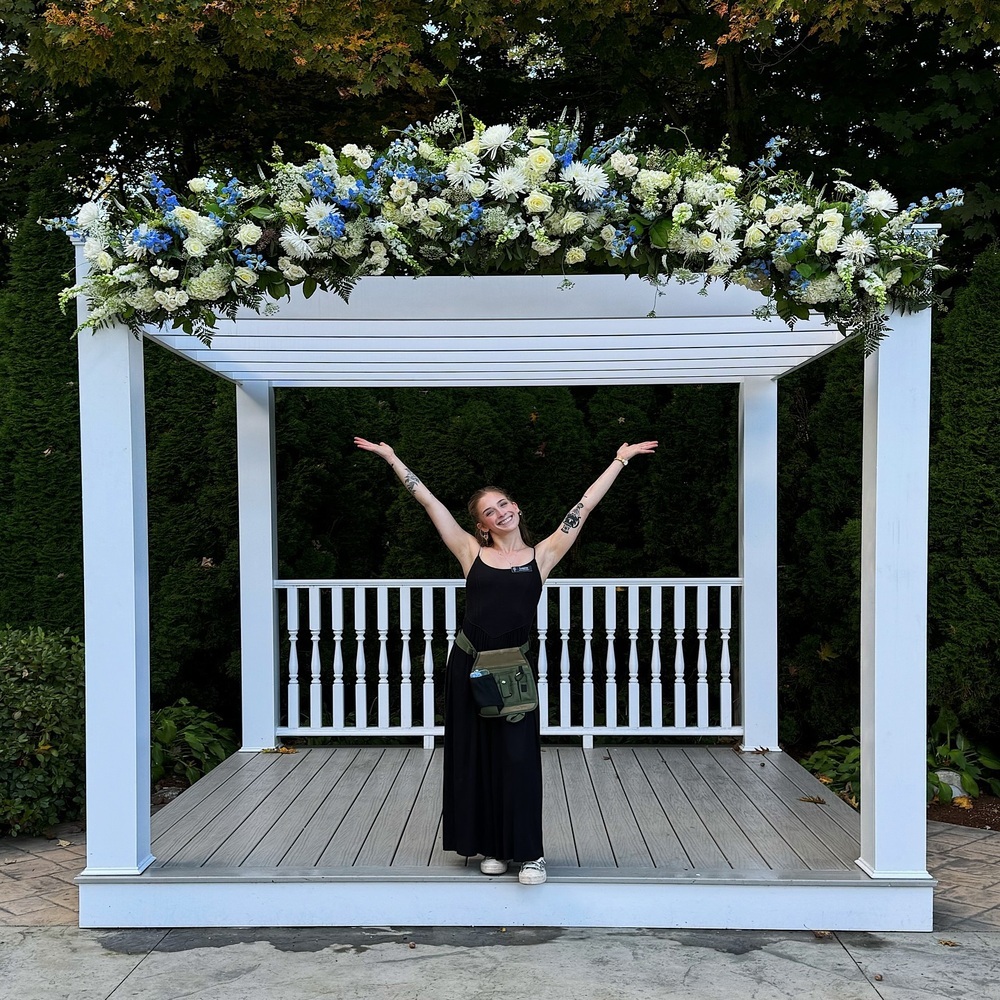
Ask how they handle substitutions. Weather, supply chain changes, and seasonal shifts can affect availability. A professional florist will have a substitution approach that protects the style. The goal is not to lock in a specific flower at all costs. The goal is to lock in a look.
It is also smart to know installation timing and venue rules. Some venues allow early access. Others have strict windows. An experienced florist will ask you these questions first because access affects staffing, transport, and the feasibility of large builds.
How to Compare Proposals Without Getting Lost in Details
Floral proposals can vary in format. Some list itemized pieces. Others describe design zones. To compare fairly, focus on three factors: overall look, included services, and level of labor. Labor is a major part of floral work, especially for arches, ceiling installs, and large ceremony pieces.
Look for clarity on quantities. How many centerpieces? What size? Are candles included? Are vases rentals or purchases? Does the proposal include delivery, setup, and breakdown? These practical items can change the true value of a quote.
Also consider flexibility. A proposal that can scale up or down is helpful when guest counts shift or budget needs adjusting. A florist who offers smart alternatives, such as mixing blooms with greenery or using fewer focal arrangements in high-impact areas, is often easier to work with.
How to Proceed With Your Florist and Set Up a Smooth Timeline
Once you choose a florist, the next step is reducing uncertainty. Confirm the contract details, payment schedule, and change deadlines. Weddings evolve as plans become reality, so it helps to know when you can still adjust counts, colors, or major pieces without stress.
Schedule a design check-in closer to the wedding date. This is when you confirm the layout, ceremony plan, and any repurposing strategy. Repurposing can be a smart approach, like moving ceremony arrangements to the sweetheart table or using bridesmaid bouquets for cocktail-hour accents. It is efficient and often looks seamless when planned in advance.
Finally, ensure your florist has all the logistical information they need. Provide the venue address, point of contact, delivery window, and floor plan, if available. Share the full vendor schedule, too. When the florist is integrated into the timeline, the whole wedding day runs more smoothly, and the flowers look like they belong everywhere they land.