Selling flowers online is not only about good product photos and beautiful arrangements. The customer experience matters just as much. A person may love the bouquet, but if the ordering process feels confusing, the delivery update is late, or nobody replies to a simple question, trust starts to fall.
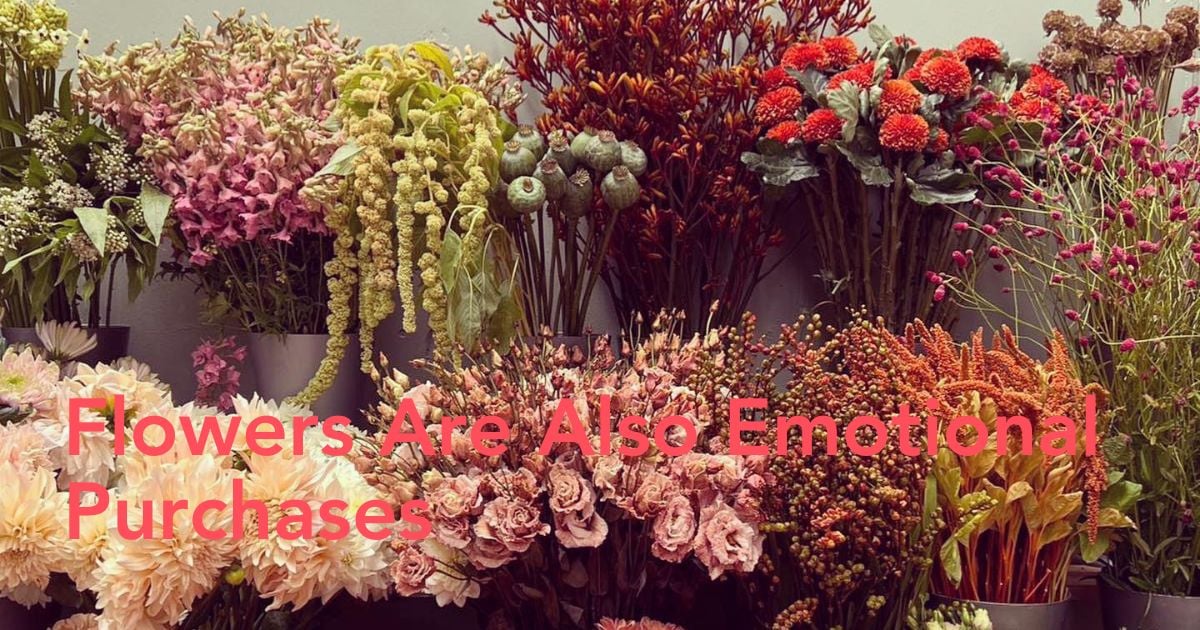
Flowers are also emotional purchases. People order them for birthdays, sympathy, anniversaries, apologies, weddings, and last-minute surprises. That means customers often care deeply about timing, freshness, message cards, and delivery details.
For online flower shops, customer support is not a back-office task. It is part of the product.
Mistake One: Treating Customer Support As An Afterthought
Many florists put all their energy into design, sourcing, photography, and delivery. Those things matter. But support is what holds the buying experience together.
If a customer has to chase for confirmation, ask twice about delivery, or wait too long for a reply, the flowers may arrive with less excitement. Even if the arrangement is well-made, the customer remembers the stress.
Good support should answer the questions customers are already thinking:
- Will it arrive on time?
- Can I add a message?
- What if the exact flowers are unavailable?
- How will I know it has been delivered?
- Who do I contact if something is wrong?
When these answers are clear, customers feel safer placing the order.
Mistake Two: Replying Too Slowly During Peak Days
Slow replies are one of the most expensive mistakes for online flower shops. During Valentine’s Day, Mother’s Day, wedding season, or holiday weeks, people often message several florists at once. The first clear reply often wins the order.
This does not mean a florist must be online all day. It means the shop needs a system.
During peak seasons, some growing flower businesses look at Customer Service Outsourcing to manage order questions, delivery updates, and customer follow-ups without overwhelming the in-house team.
Even without outside help, a florist can improve response time with auto-replies, saved answers, order forms, and clear FAQs.
Mistake Three: Giving Vague Delivery Windows
Delivery is where customer anxiety often begins.
A vague message like “we deliver during the day” may be easy for the florist, but it is not helpful for the customer. They may be sending flowers to an office, hospital, hotel, restaurant, or event venue where timing matters.
Better delivery communication should include:
- available delivery dates
- delivery time windows
- extra fees for urgent orders
- what happens if the recipient is unavailable
- how the customer receives confirmation
You do not need to promise exact minutes. But you should give enough information to reduce uncertainty.
Mistake Four: Not Explaining Substitutions Clearly
Flower availability changes. Seasonal stock, weather, supplier shortages, and quality issues can all affect what goes into an arrangement.
The mistake is not making substitutions. The mistake is failing to explain them before the customer orders.
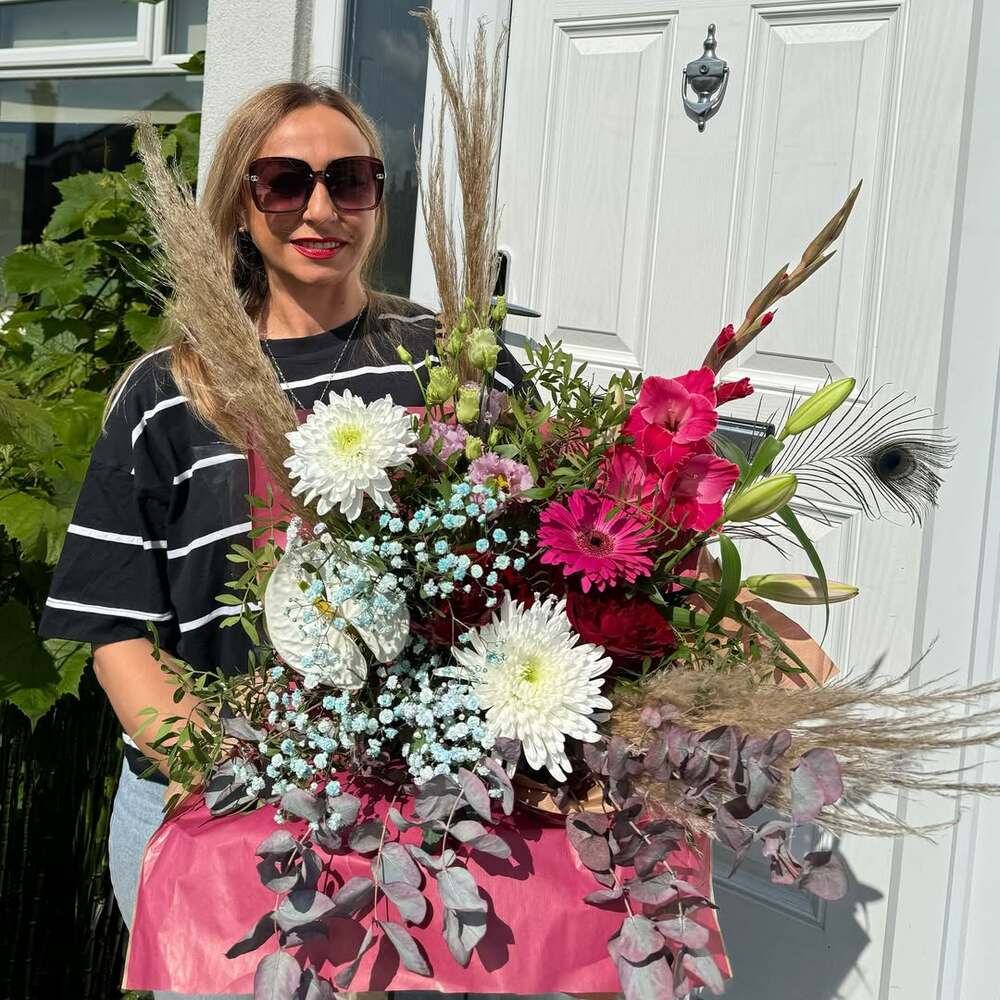
Customers should know whether substitutions may happen and how they are handled. For example, you can say that substitutions will match the same color palette, value, and overall style.
This protects the florist and the customer. It also prevents disappointment when a specific rose, peony, or orchid is not available.
Mistake Five: Using Too Many Channels Without A System
Many flower shops receive messages through Instagram, WhatsApp, email, website forms, Google Business, phone calls, and sometimes Facebook.
That is normal. But if those messages are not tracked in one place, leads get lost.
A customer may ask about a bouquet on Instagram, send their address by WhatsApp, and expect confirmation by email. If the shop has no system, mistakes happen quickly.
At minimum, every inquiry should move into one clear place: a spreadsheet, order dashboard, CRM, or shared inbox. The tool matters less than the habit. No message should depend on memory.
For florists building their online setup, this internal Thursd guide may be useful: 6 Steps To Building A Beautiful Online Flower Shop.
Mistake Six: Not Using Templates For Common Questions
Florists answer the same questions every week.
- Can you deliver today?
- What flowers are in this bouquet?
- Can I add a note?
- Do you deliver to this area?
- Can you make it bigger?
- Can I choose colors?
What happens if the recipient is not home?
Writing every reply from scratch wastes time and creates inconsistency. Templates help keep replies fast and clear.
A good template should still sound human. It should answer the question, give the next step, and avoid sounding robotic.
For example:
“Thank you for your message. Yes, we can deliver today if the order is placed before 12 PM. You can choose from the same-day collection here, and add your card message at checkout.”
This is simple, helpful, and easy to reuse.
Mistake Seven: Forgetting The After-Delivery Experience
Many florists stop customer communication once the bouquet leaves the shop. That is a missed opportunity.
After-delivery support can increase trust and repeat orders. A simple message can make a big difference:
“Your flowers have been delivered. Thank you for ordering with us.”
You can also send care instructions. This helps the flowers last longer and reduces complaints caused by poor vase care.
A short care message could include:
- trim stems before placing in water
- remove leaves below the waterline
- use a clean vase
- change water every two days
- keep flowers away from heat and direct sun
This kind of follow-up feels thoughtful and helps the customer get more value from the order.
Mistake Eight: Handling Complaints Too Slowly
Complaints are uncomfortable, but they are also moments of truth.
If flowers arrive damaged, late, or different from expected, the customer wants to feel heard quickly. A slow or defensive reply can make the problem worse.
The best response is calm and clear:
- acknowledge the issue
- ask for a photo if needed
- explain what you can do
- offer a fair solution
- follow up once resolved
Do not argue publicly in comments. Move the conversation to email or direct message, but respond publicly with a short, professional line if needed.
A florist who handles problems well can still keep the customer.
Mistake Nine: Not Training Staff On Brand Voice
Customer support should sound like the flower shop.
If one person replies warmly and another replies coldly, the brand feels inconsistent. This matters even more online, where tone is easy to misunderstand.
Create a short brand voice guide. It does not need to be complicated.
Include:
- greeting style
- how formal or casual replies should be
- how to say no politely
- how to explain substitutions
- how to handle late delivery complaints
- when to escalate to the owner or manager
This keeps customer communication steady, especially when more than one person handles messages.
How To Build A Better Support Flow
A strong support flow does not need to be complex. It needs to cover three stages: before purchase, after purchase, and after delivery.
Before Purchase
Make product pages clear. Show sizes, prices, delivery dates, and substitution rules. Add FAQs where customers can easily see them.
After Purchase
Send an order confirmation immediately. Include delivery details, contact information, and what the customer should expect next.
After Delivery
Send delivery confirmation and care tips. If possible, ask for feedback or a review after the customer has had time to enjoy the flowers.
For more ideas on improving online flower sales, readers can also explore Thursd’s guide: Boost Sales For Your Online Flower And Plants Store.
Online flower shops do not lose customers only because of price or product. They lose them through confusion, slow replies, weak delivery updates, unclear substitution rules, and poor follow-up.
Customer support is part of the floral experience. It helps customers feel confident before they buy, informed while they wait, and cared for after the flowers arrive.
The shops that fix these support mistakes can protect trust, improve repeat orders, and make the online buying experience feel as thoughtful as the flowers themselves.