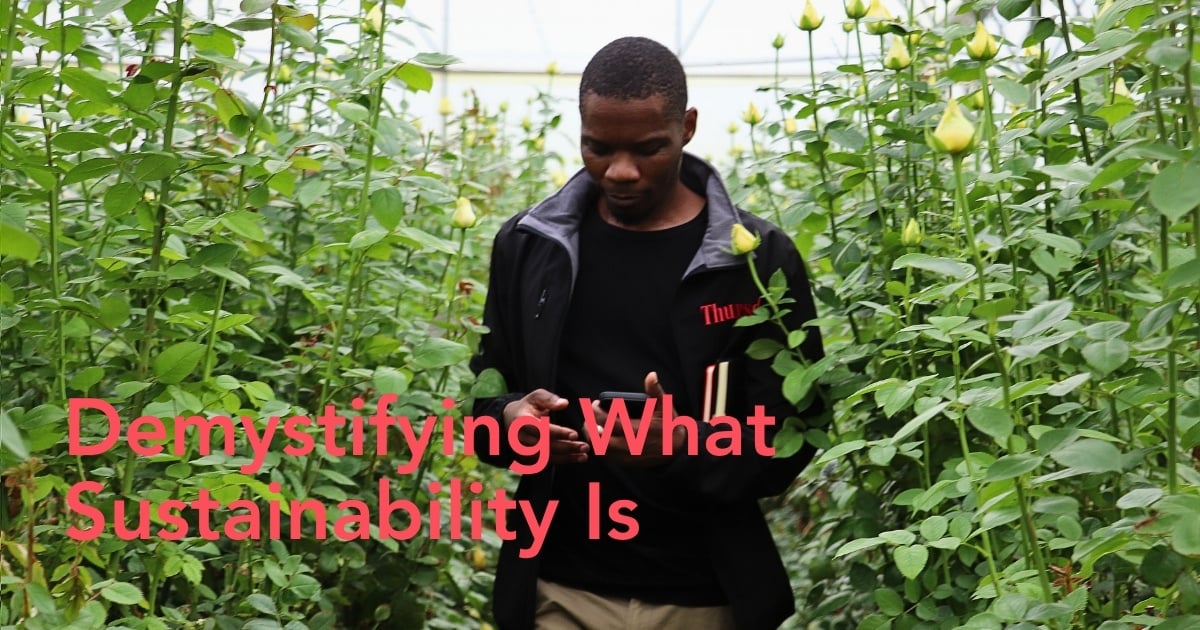
Sustainability is one of the most important conversations shaping the future of floriculture. Yet it is also one of the most complex. It shapes nearly every decision made across the floriculture value chain, from how flowers are grown to how they reach a consumer’s vase or bouquet. Behind all the sustainability certifications, regulations, innovations, and environmental commitments is a network of breeders, growers, logistics chains, exporters, retailers, policymakers, and consumers. They all try to move the industry forward while balancing economic, environmental, and social realities.
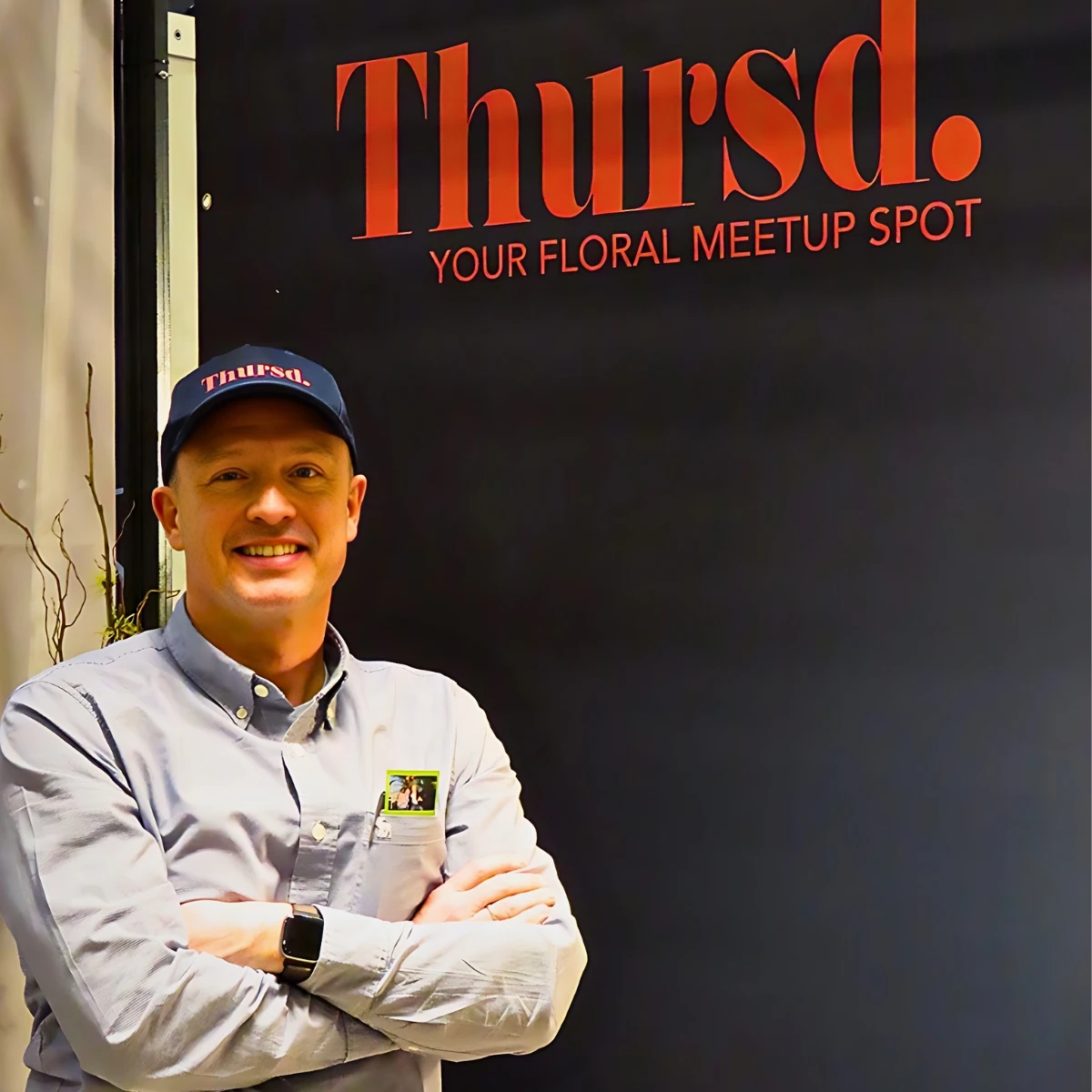
Thursd helps make sense of all the complexities involved. And behind the scenes is Brian Okinda, who, for the most part, focuses on this topic. He is the journalist on the Thursd team; the one who writes long, in-depth articles that define sustainability and what it means for the global floriculture industry.
Environmental Journalism to Floriculture
As the sustainability editor at Thursd, Brian has become one of the platform's most reliable voices on sustainable and responsible floriculture. His articles go beyond headlines, offering readers a little more context needed to understand why sustainability matters, how it is evolving, and what it means for businesses throughout the floral supply chain.

A trained journalist based in Nairobi, Kenya, he has a background in communication and media studies. Before joining Thursd, he worked across newsrooms (briefly at the BBC East Africa Bureau, then Nation Media Group), as well as a communications stint at the International Service for the Acquisition of Agri-biotech Applications (ISAAA-AfriCenter), where he focused on science, agriculture, and development topics. The background largely pulled him toward sustainability first, even before flowers came into the picture.
Brian:
"My interest in environmental conservation and climate change came first, through years of environmental and agricultural reporting. Floriculture came later, when I joined Thursd in early 2023. But once I was inside the industry, I realized how much there was to explore. Flowers and plants connect soil, water, energy, labor, trade, and consumer habits in one supply chain, and that made sustainability the natural focus for my work."
Getting Started at Thursd
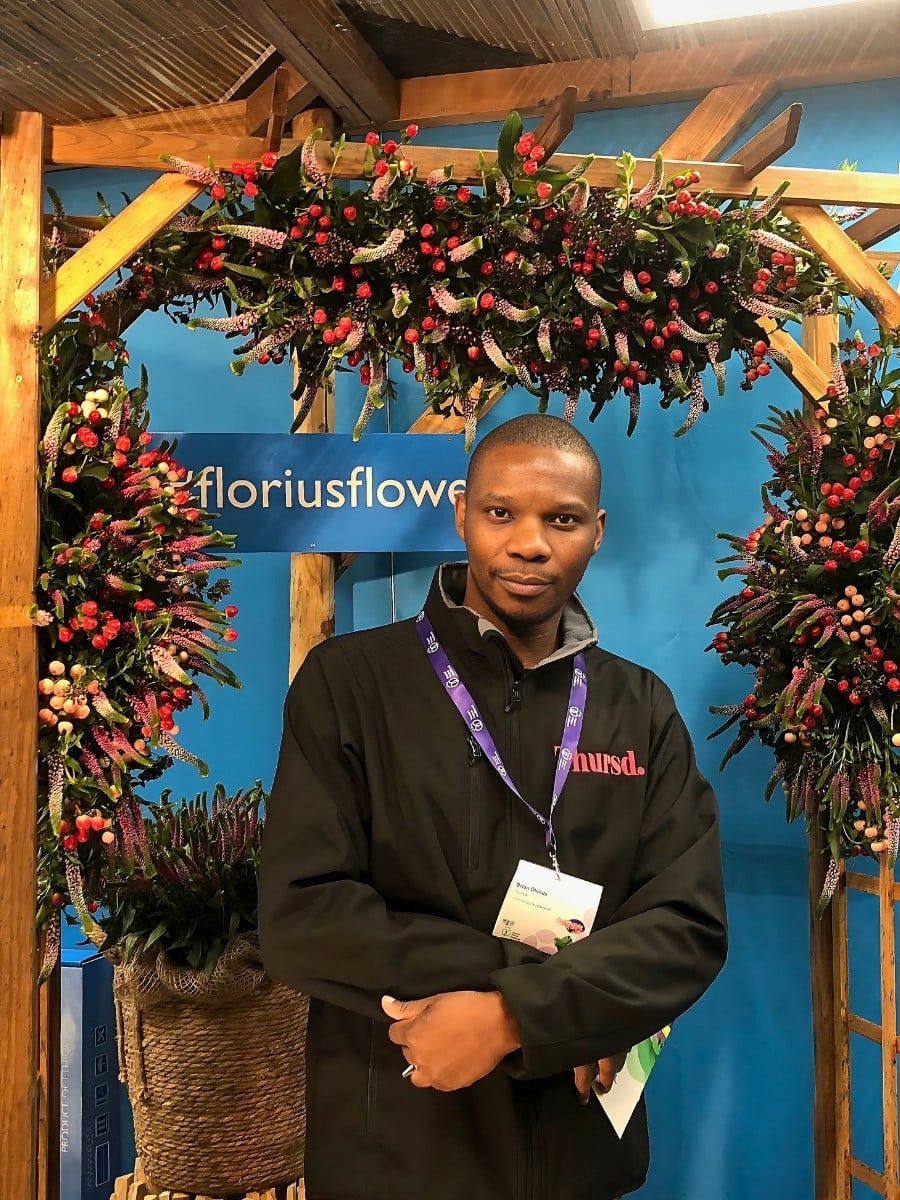
In late 2022, Thursd Managing Editor Marcel de Romph (after being informally introduced by Edwin Kirwa) reached out to Brian about the opportunity to work with Thursd. Initially, it sounded quite challenging, just as much as it seemed a fun opportunity. And Brian took it. The year's Christmas festivities passed, and at the start of the following year, Arnold Wittkamp got in touch with him, explained the idea of Thursd, and asked what he thought of it. And the rest, as is always said, is history!
At Thursd today, Brian is the platform's sustainability editor, as earlier noted, producing insightful long-form articles that examine certifications, production systems, climate challenges, legislation, and responsible business practices across the flower and plants industry. He is the voice of sustainability. "It is always a learning process. I wouldn't claim that I am fully there yet. Because there is always something new to learn (and know)," that's what he says.
Defining Sustainability in a Global Floriculture Industry
If you’d ask Brian to define sustainability, he’d give more than a one-line answer. "People often reduce sustainability to using less water or growing without chemicals," he explains, "but there are more elements to it: environmental conservation and management, social responsibility, and economic viability. A farm can be excellent environmentally but fail its workers. Or it can be profitable but degrade the soil it depends on."
Real sustainability, he opines, means balancing all three. And the balance could feel different depending on whether you are on a smallholder farm in Kenya or a large greenhouse operation in the Netherlands. This explains why his articles often connect environmental, social, and economic topics and do not treat any one of them separately or as a unique topic on its own.

Brian:
"In practice, these issues are not unconnected, even if they look that way on paper. A business that underpays its workers will struggle to retain skilled staff, and skilled staff is often what guarantees the right practices, like water use or pest management, are possible in the first place. If you pull on one thread, the others move with it."
Common Misconceptions About Sustainability
Writing about sustainability regularly means correcting assumptions. And Brian points to one in particular, which is the idea that sustainability is a fixed certificate, instead of a continuous and ongoing process. "There is also a common assumption that sustainable automatically means expensive or a little less productive.”
Brian:
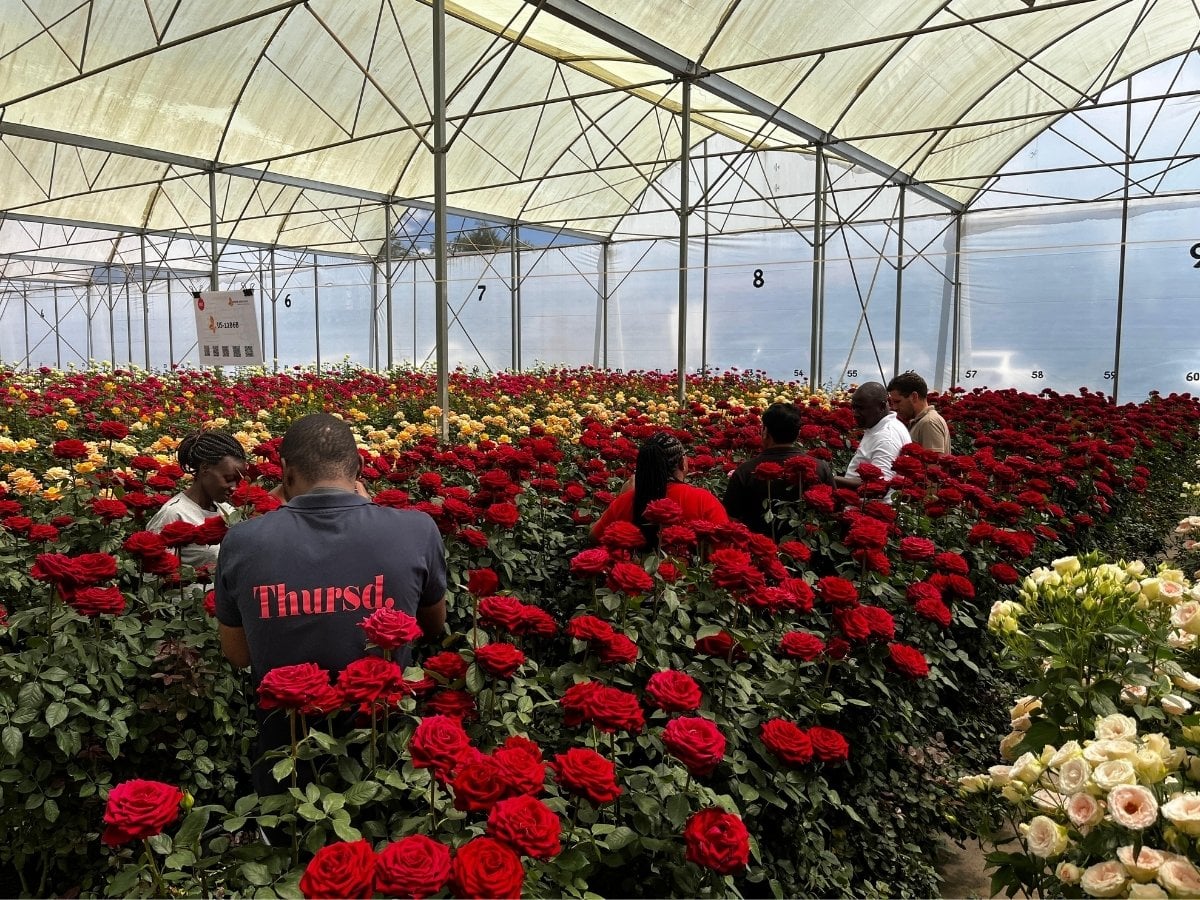
“In reality, practices like drip irrigation, integrated pest management (IPM), or smarter inventory systems often save money over time. Another misconception is treating sustainability as purely an environmental matter, when employee welfare and economic resilience are just as important to it."
Reporting With Accuracy and Balance
For Brian, it is largely his journalism background that shapes how he approaches whatever he works on. He has to verify claims, reference studies and industry data, and often speaks with breeders, growers, policymakers, and researchers instead of relying on secondhand information.
Brian:
"I try to cover sustainability the way I would cover any science or policy story; answering as many questions as possible. What, for instance, does evidence show in one case, where are the trade-offs, and where (or why) is there still debate or contention?"
This also means being willing to point out practices that do not hold up to scrutiny, like greenwashing in the flower trade. "You have to be able to call out a marketing claim that isn't backed by practice, even when it comes dressed in convincing language."
Sustainability Is Also About People
There are certifications for sustainability and sustainable practices. And behind every certification and production standard are people working to make the relevant change happen.
Breeders work to develop sturdier varieties that are resilient to pest and disease challenges, growers invest in a whole chain of sustainable practices, logistics companies strive to cut emissions, and retailers respond to what their customers ask for. Brian's articles always have a way of returning to the human element of sustainability. They treat sustainable practices as a shared responsibility of real people, and not an abstract policy goal.
Both Progress and Persistent Challenges in Sustainability
Over the past several years, Brian has watched certain developments stand out in sustainability. "Data-driven management has come a long way," he says. "Growers are using analytics to cut water use and chemical applications with great accuracy instead of guesswork. I have also been struck by earlier, low-tech approaches being taken seriously again, such as crop rotation, companion planting, intercropping, and permaculture-inspired systems."
But there are still a few challenges, particularly around energy use, packaging waste, and unnecessary chemical use that some in the industry still depend on. Social sustainability, including fair wages and continued training for farm employees, also still varies considerably by region.
Brian:
"But what gives me self-assurance is that consumer demand is changing the incentives. More buyers are now asking important sustainability questions before they buy flowers. And those in the floriculture industry, who have already established that these practices pay off economically, are helping pull the rest of the industry along. That’s a win for the industry!"
Unwinding and Resetting in Nature
Outside of writing, Brian finds his own reset in nature. “Mountain hiking trails and nature walks relax me. There is a therapeutic beauty in being out there surrounded by infinite untamed nature. Trees, thick vegetation, trails that lead to nowhere, a stream here, a small lake there, and natural greenery in general, all help clear my head.”
He adds that meeting the people behind the flowers, particularly farm workers and smallholders, is also part of what moves him most in his work. Hearing how tied their identity and livelihood is to the industry, he says, is quite rejuvenating and stays with him even after.
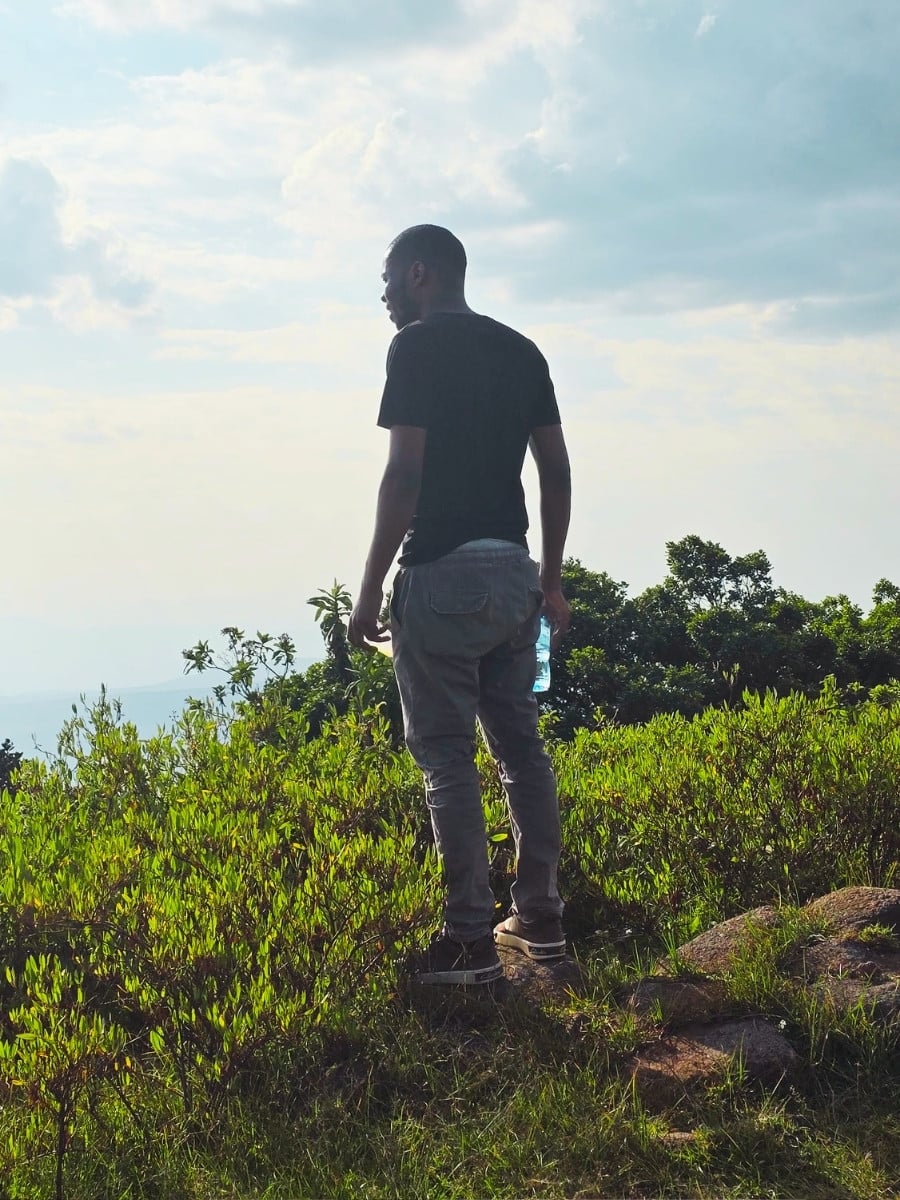
As for a favorite flower, Brian has quite a number of them. “Garden roses are beautiful. Peonies, Ranunculus, lilies, and others are, too. But Alstroemeria seems to have something unique about it. It could be the flower’s different varieties’ vivid and interesting colors, or its symbolism. It is a bit difficult to pin down what exactly.”
How Thursd Has Changed His Perspective on Sustainability
Writing about sustainability for Thursd has changed how Brian sees the subject. "It has made me less interested in sustainability as an abstract value and much more interested in it as a working discipline, that is built a decision at a time, be it in the form of water use, substrate choice, staff welfare, or how inventory is managed."
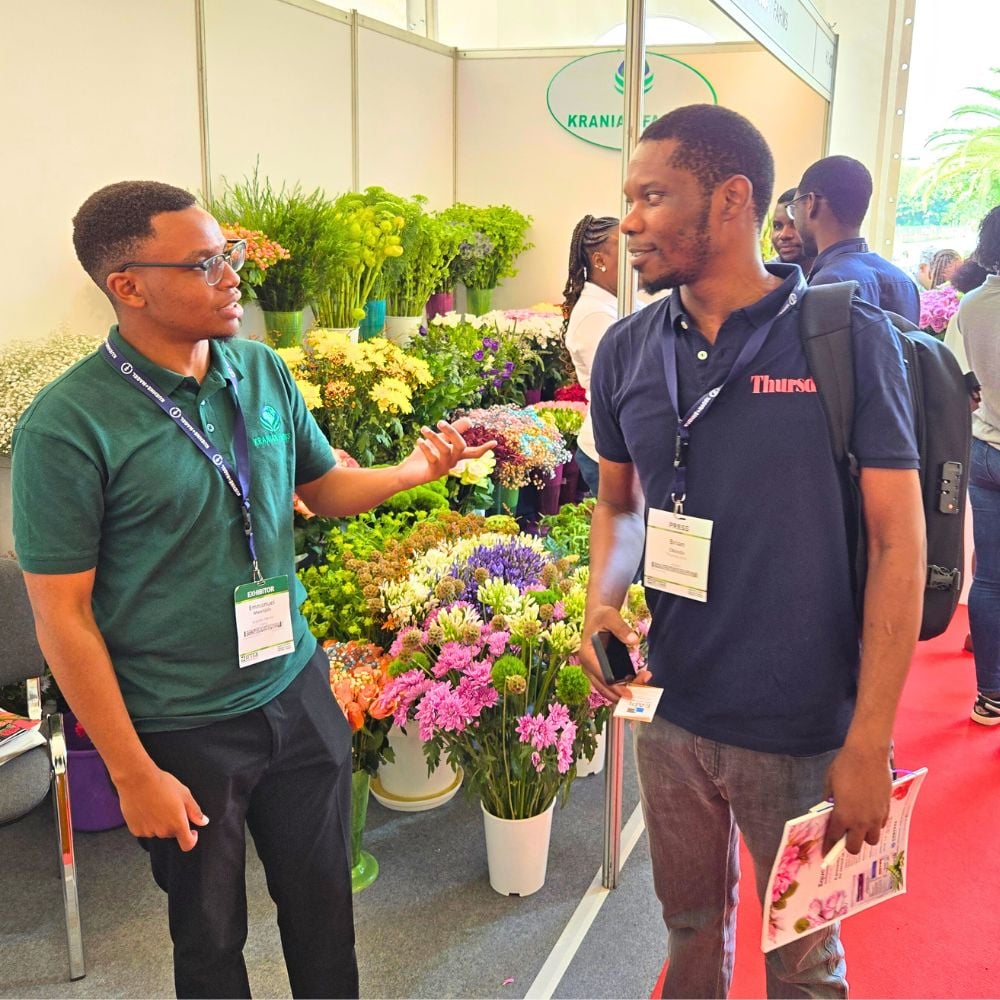
Brian:
"It has also made me more optimistic about the future of sustainability in floriculture than I expected to be. This industry has momentum, not just good intentions."
Brian sees his role at Thursd as an interpreter between research, grower-level innovation, and everyday readers, grow to incorporate a lot more. "Thursd talks to all in the flower and plants industry. I would like to see this continue: turning research and practical innovation into content that florists and consumers use, so that sustainable choices are not confined to publications."
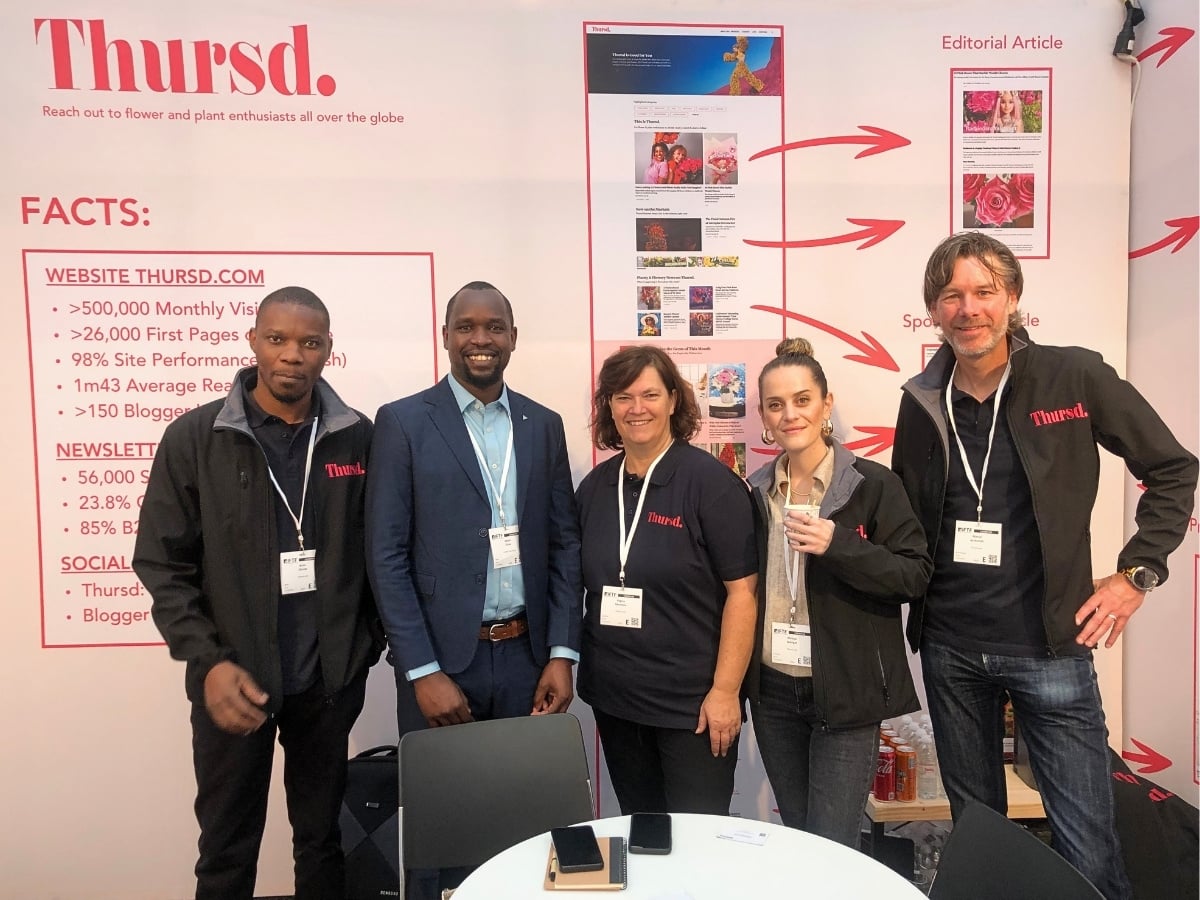
And if there is one lesson Brian hopes readers take from his work, it is that Sustainability in floriculture is not a solitary fix, but a mindset applied reliably and consistently across all decisions. And all of these decisions matter in the end.