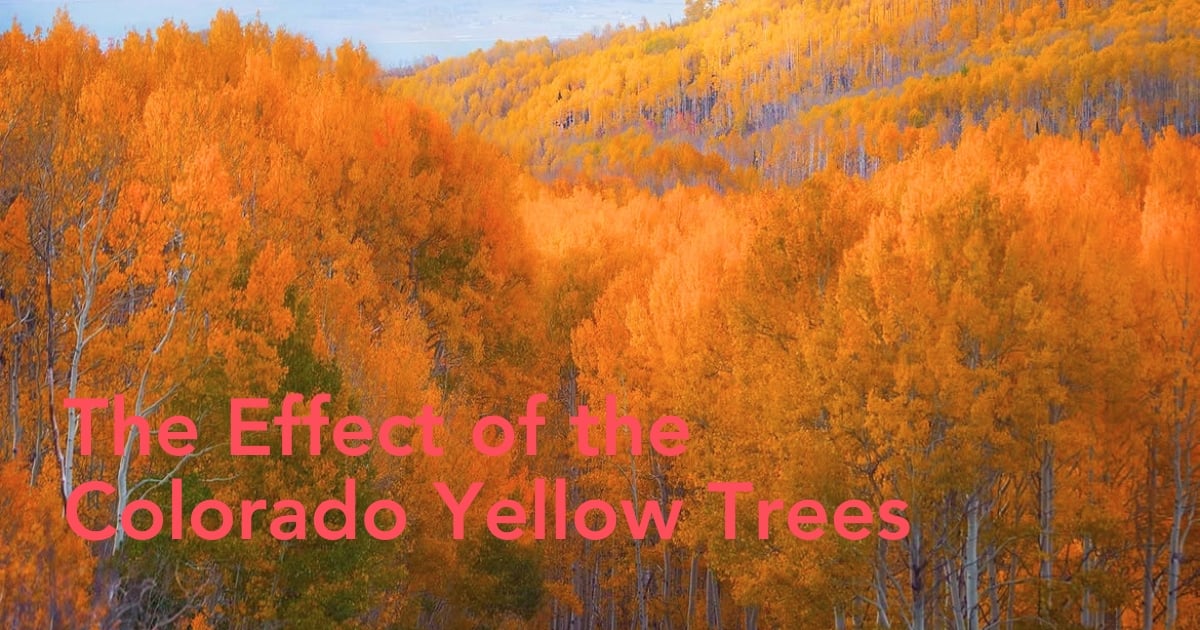
Quaking aspens are a type of poplar tree named for their leaves that tremble at the slightest current of air. The feature is reflected in their Latin name as well – Populus tremuloides. They are the most widely distributed tree species in North America. Their widespread range has resulted in a wealth of information about how humans have interacted with them throughout history. Keep reading to learn more about this phenomenon.
Trees With Unique Trembling
Unlike most trees, the leaves of an aspen tremble or 'quake' at the slightest breeze, creating a shimmering effect.
There are myths and legends across many cultures to explain the trees' unique trembling. It has been a subject of fascination for people as long as they have stood among them. A Ute legend goes that a Great Spirit came to visit the forest. All of the other plants trembled, but the proud aspen refused to show the proper respect. The Great Spirit then decreed that the aspen would tremble before all who looked upon it. In Celtic mythology, the rustling was believed to be whisperings from their ancestors, bringing them wisdom from another plane.
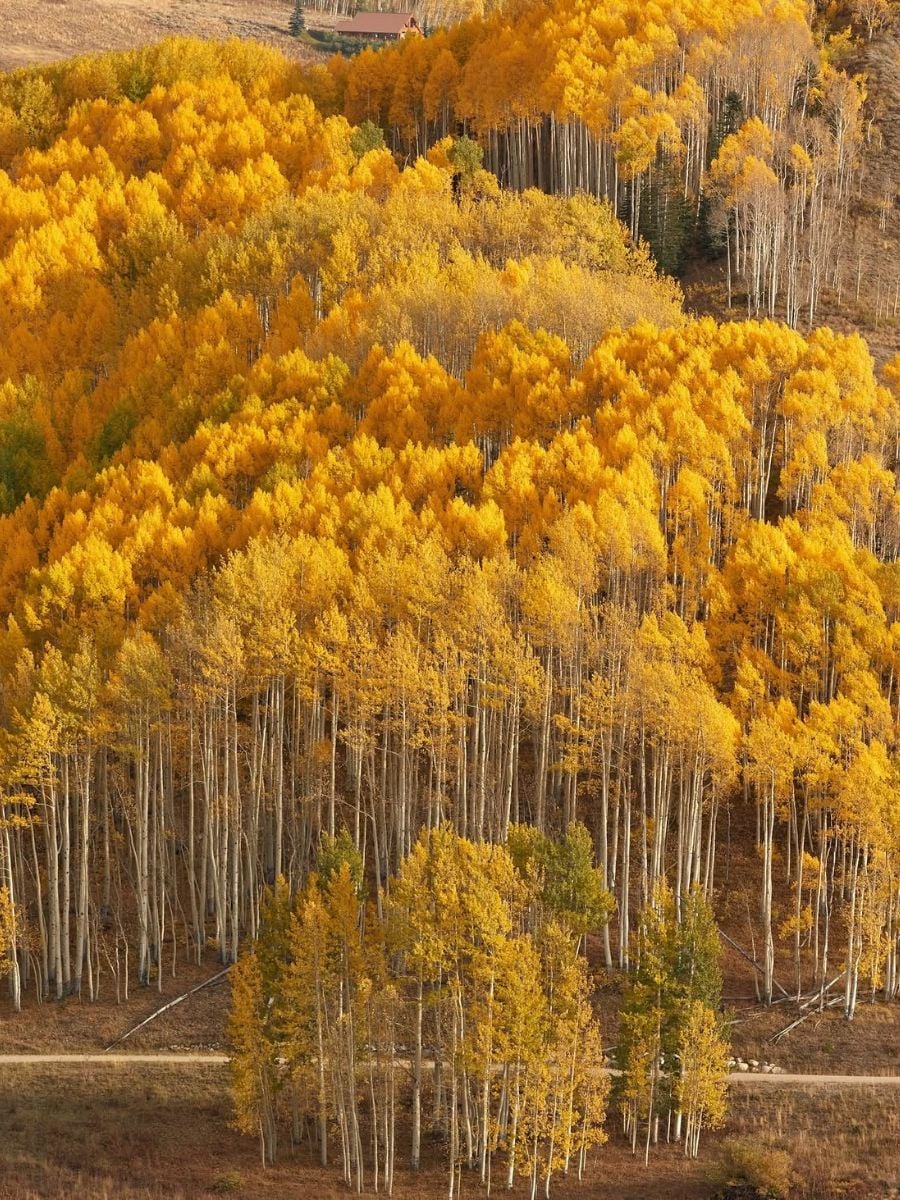
Photo: @elliotstudio
Modern science too has tried to explain the phenomenon. The movement is caused by a flattened petiole, the stem that attaches the leaf to the branch. As aspens often grow at higher altitudes, it's hypothesized the trait evolved to combat the strong winds and intense sunlight encountered in those environments. There are a few main theories. There is a happy medium of light required for photosynthesis - too little and the process won’t run; too much and the system overloads, either getting too hot to maintain photosynthesis or outpacing consumption of CO2, resulting in the generation of compounds that are harmful to the plant.
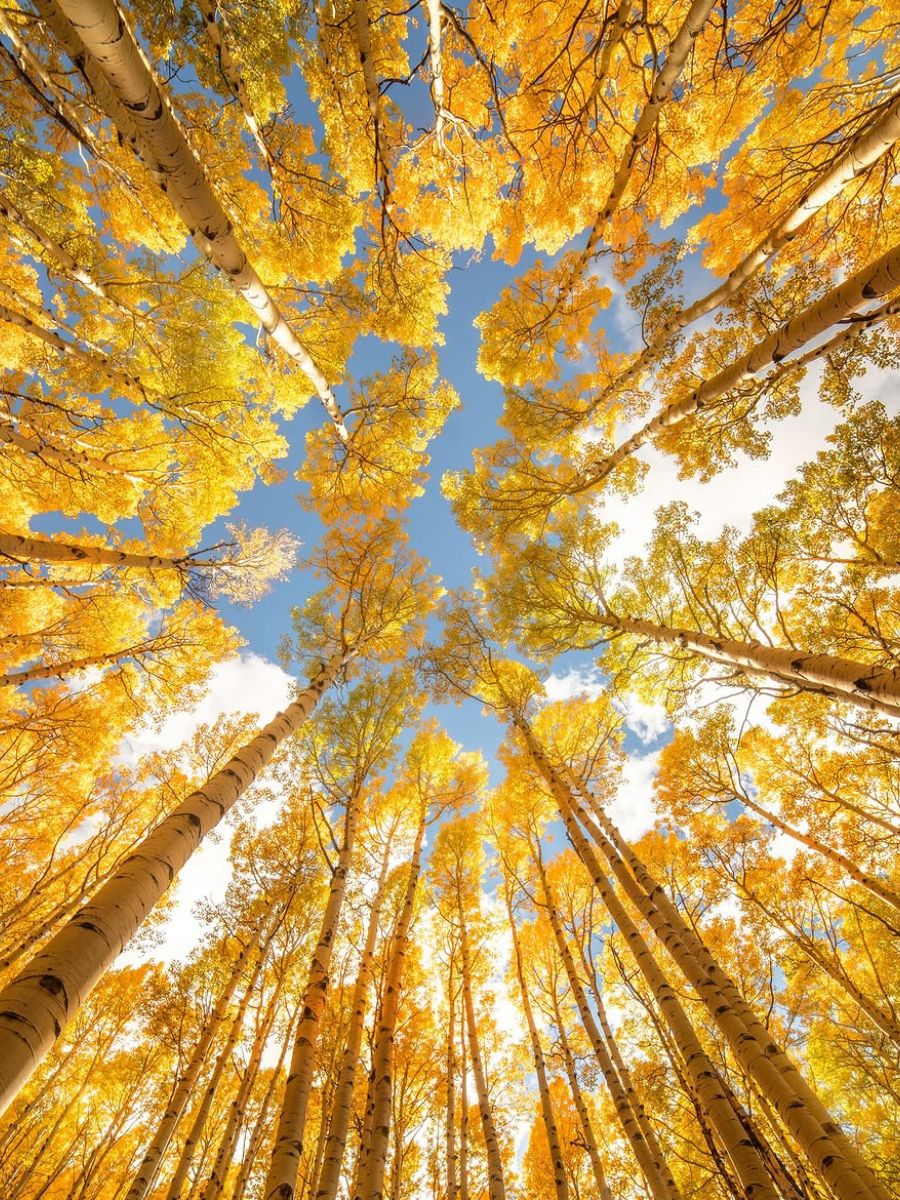
The movement of the leaves allows light to penetrate farther into the tree canopy, allowing leaves in the lower canopy (and the tree’s photosynthetic bark) more light to photosynthesize. It also may help cool the leaves at the top of the canopy to maintain optimal temperatures for photosynthesis, though this has been harder to test experimentally. It may also promote airflow through the canopy, keeping carbon dioxide from becoming depleted during peak periods of photosynthesis. Several studies have also found that it decreases herbivory by pests. One study found that leaves that were artificially stabilized experienced 27% more herbivory than those that moved freely.
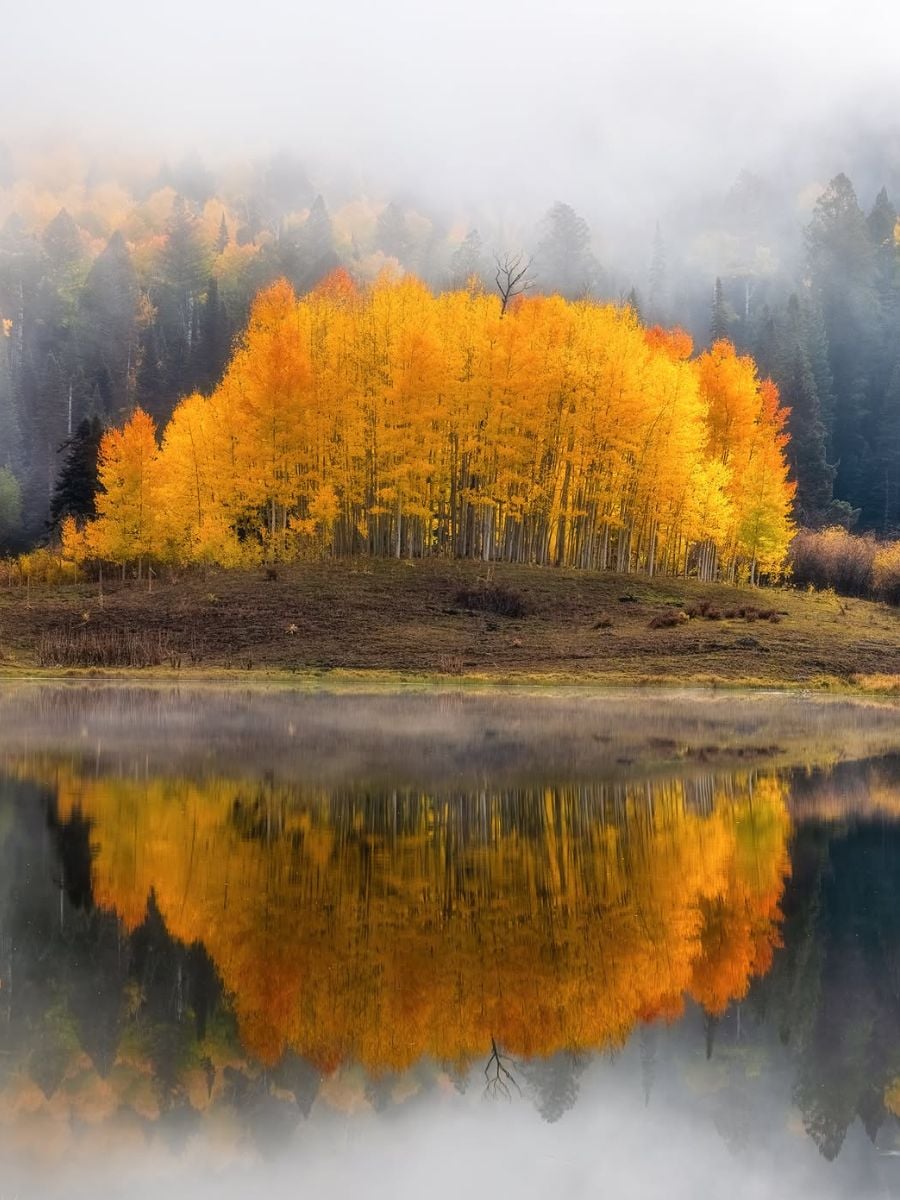
Quaking Aspens – A Closer Look at the History of One of Nature’s Most Connected Trees
Ecologically, aspen groves are hotspots of biodiversity. Aspens produce far more organic material than conifers. The ground beneath them is much richer in organic nutrients than the surrounding soil fed by conifer leaves, which are both less abundant and more acidic. As such, aspen groves promote a more diverse plant composition in their understory. This, along with the high quantities of herbage they produce themselves, makes aspen groves important food sources for wildlife.
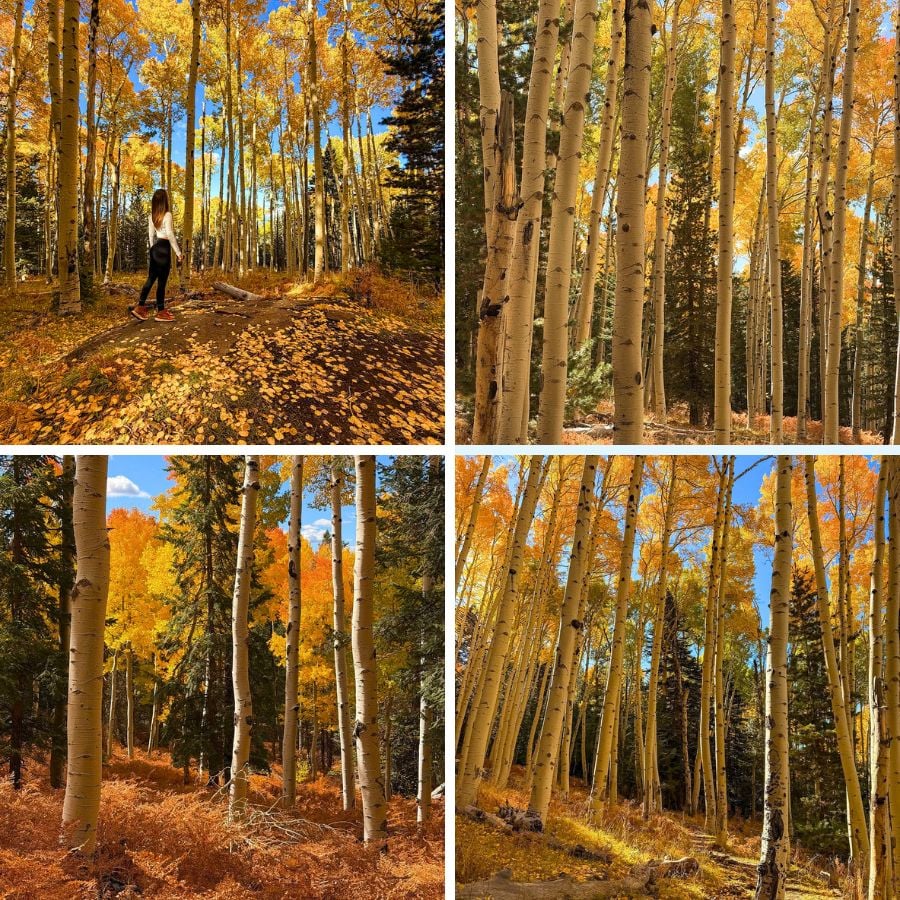
In the modern, urban world, aspen is mostly used in flakeboard and plywood, though higher-grade solid aspen can be used on its own as well. Interestingly, the flexible and lightweight nature of aspen wood has made it a favored wood in ski and snowboard construction (though it does not rank very well in durability). Native peoples throughout the Americas also used quaking aspen as a building material in lodges, canoes, and traps. Beyond that, the inner bark acted as a food source, being consumed raw, baked, or ground into flour. It was also often used medicinally.
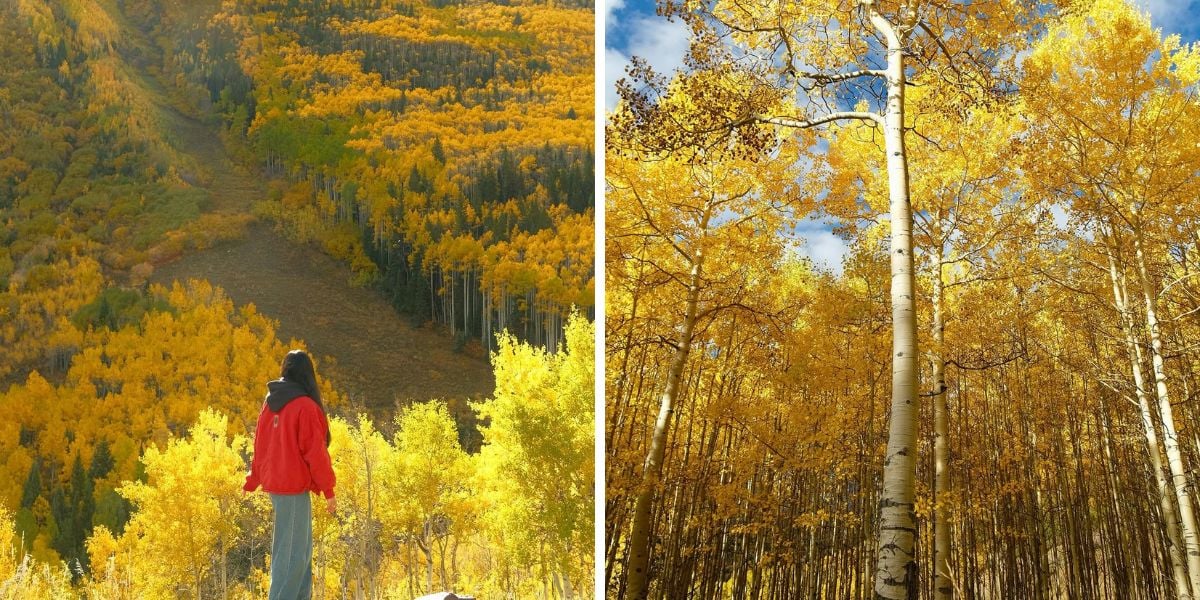
Photo: @ilariareed
Quaking aspen was used widely as a medicinal, containing quantities of both populin, an anti-inflammatory and anti-microbial, and salicin, the plant compound originally used to formulate aspirin. The bark was used to treat stomach pains, coughs, dress wounds, and calm fevers. Roots would be boiled to make infusions and poultices for arthritis. Leaves were used to treat mouth abscesses, urinary problems, and insect stings. The buds as well could be boiled in animal fat to make a nasal salve or boiled into tea. The Kainai people regularly made tea from the buds. They used drops of the tea to treat sore eyes and snow blindness.
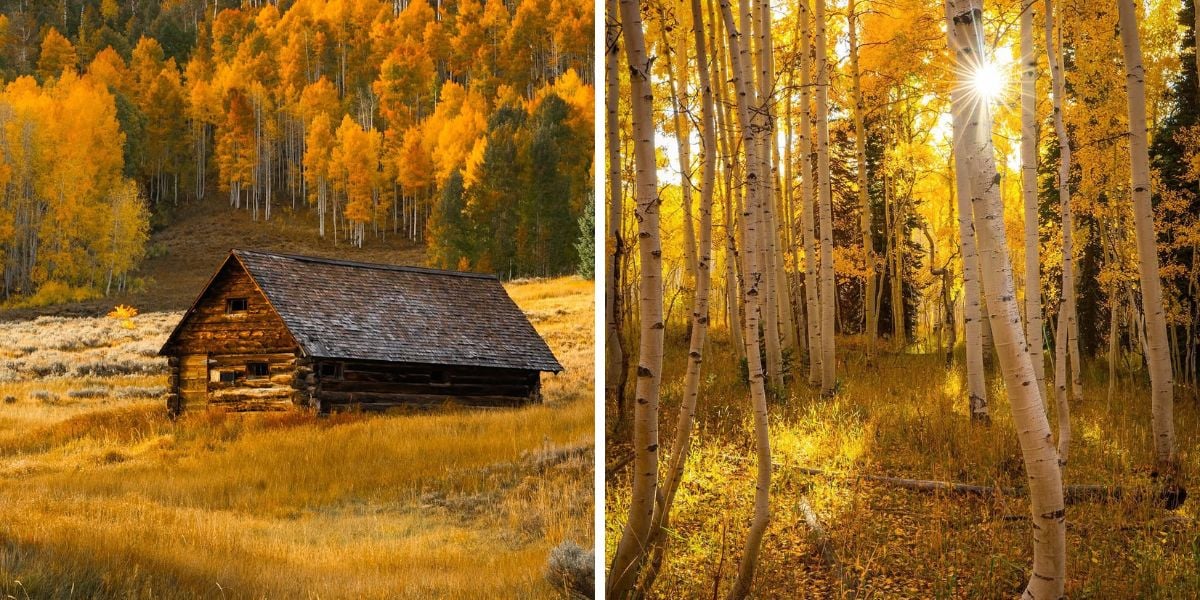
In sum, the quaking aspen is a dynamic symbol of resilience, ecological health, and cultural continuity. Its trembling leaves invite humans to stop, sit a while beneath them in their dappled shadow, and appreciate the interplay of light, life, and legend that define forests and our place within them.