
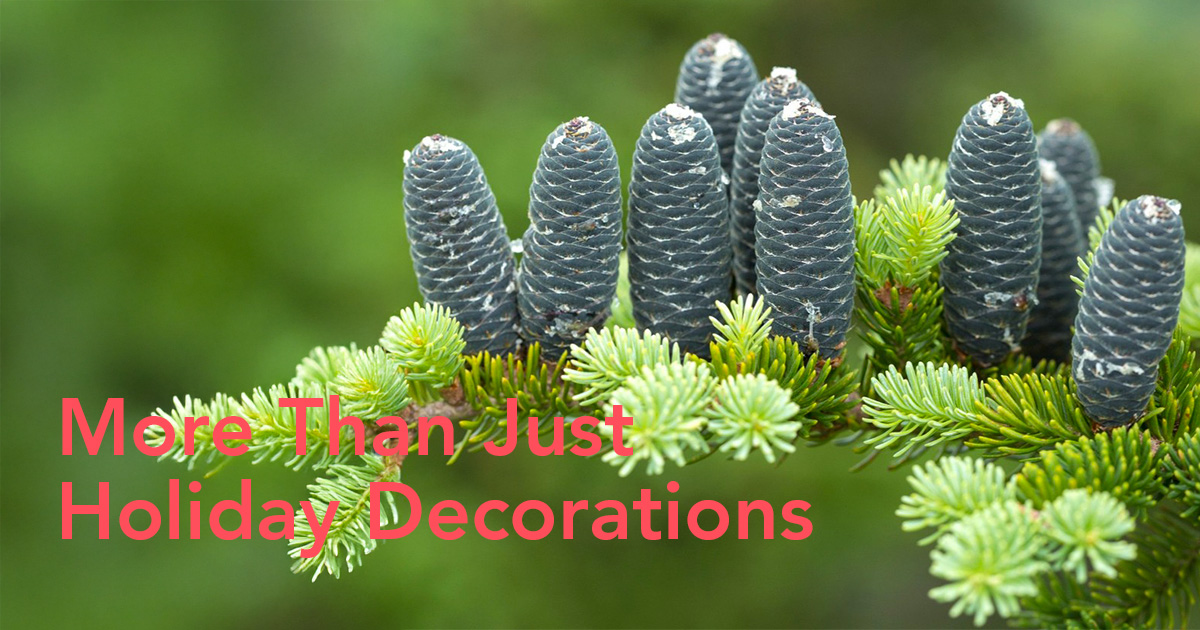
Fir trees (Abies spp.) are among the most elegant conifers you'll find, gracing forests and homes with their symmetrical beauty and that unmistakable aromatic presence. But they are more than just holiday decorations. These evergreens provide timber, medicine, and year-round beauty to landscapes everywhere. Getting to know them better can help you make the right choice, regardless of whether you are planning your landscaping or hunting for the ideal holiday decoration centerpiece.
Understanding Fir Trees
Fir trees belong to the genus Abies, which incorporates roughly 50 species, scattered across the Northern Hemisphere. From North American mountain slopes to the forests of Europe, Asia, North Africa, and Central America, these conifers have adapted to different conditions while keeping their signature upright cones and flat, fragrant needles.
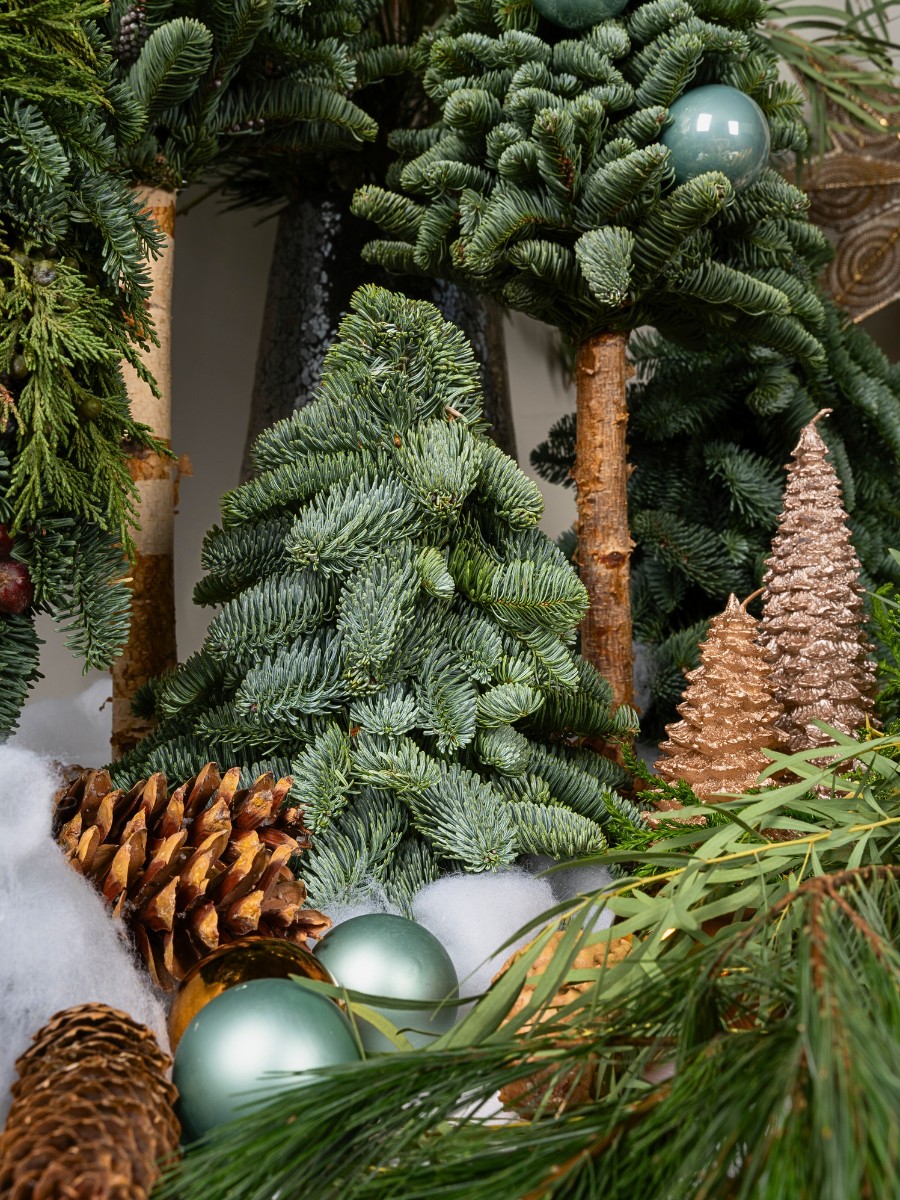
Their range is impressive. Some are towering giants that reach over 60 meters (200 feet), while others are compact varieties bred specifically for small gardens. Quite unlike spruces, which have sharp, four-sided needles attached to tiny pegs, firs have softer, flatter needles that attach directly to branches. This makes them much more pleasant to handle, especially when you're decorating.
How to Spot the Different Types of Fir Trees
Before we get into specifics, it would be ideal to clear up a common case of mistaken identity, especially since many people see a conifer and just call it a pine. But fir has distinct features that set it apart.
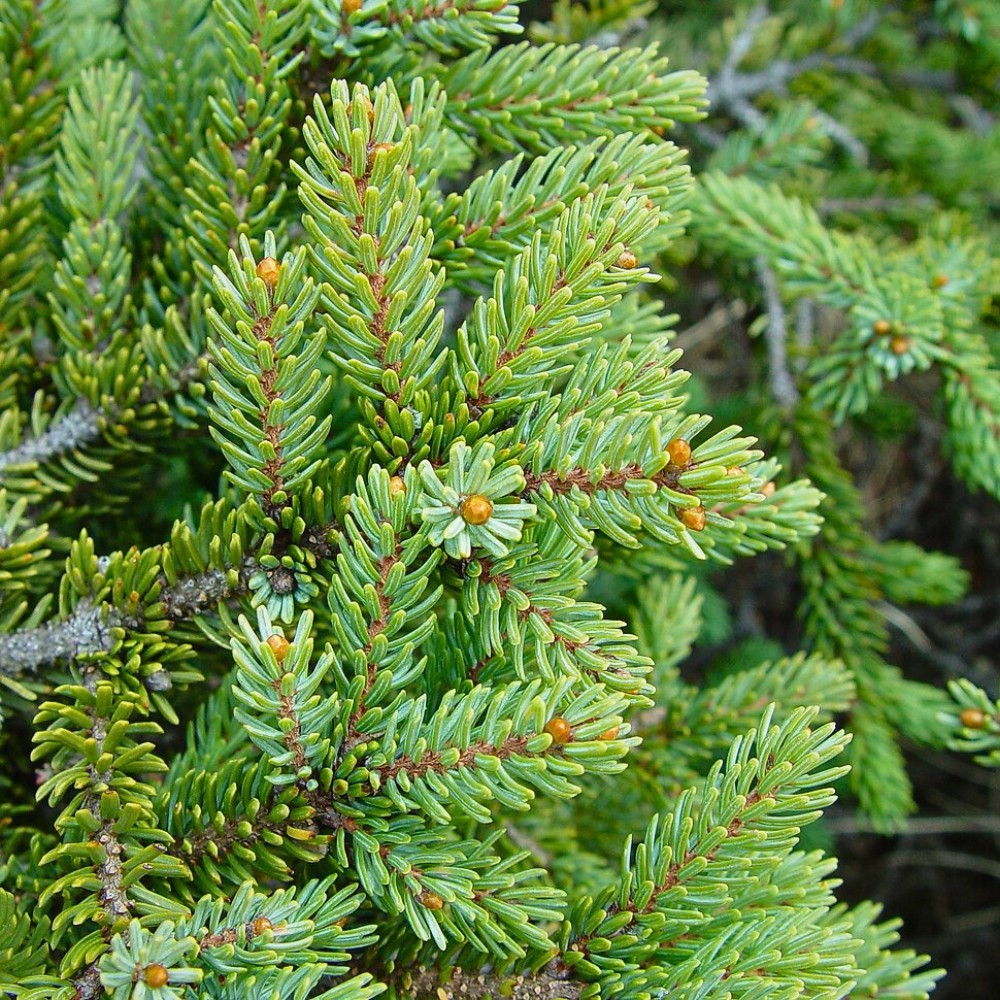
If you shake hands with a branch and it feels stiff and sharp, you're probably dealing with a spruce. If the needles come in bundles, that's a pine. But if the needles are flat, soft to the touch, and grow individually from the branch, you've likely found yourself a fir.
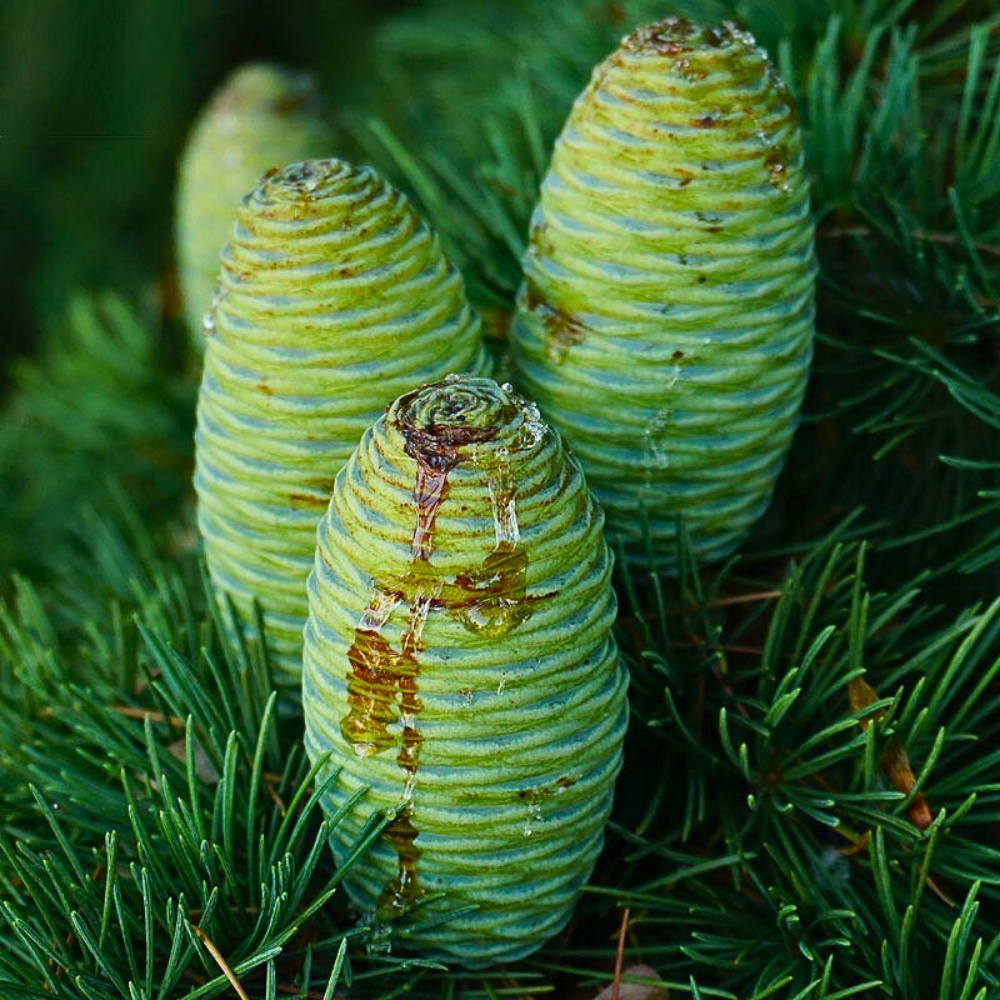
The cones are another dead giveaway. While other conifers let their cones dangle downward, real firs hold their cones upright, a bit like little candles. These cones eventually disintegrate while still on the tree, leaving behind a spike. That's why you rarely find whole fir cones on the forest floor.
What Are the Different Types of Fir Trees?
When exploring the different types of fir trees available, it helps to categorize them by their native regions and common uses. Here is a look at some of the most notable members of the Abies family.
North American Natives
Balsam fir (Abies balsamea) is probably the most famous of all types of fir trees. Native to Eastern North America, this small to medium-sized tree packs a serious punch with its scent. The resin blisters on its bark were traditionally used to treat wounds and colds. It loves cold climates and wet soil, often showing up in swamps and at higher elevations.
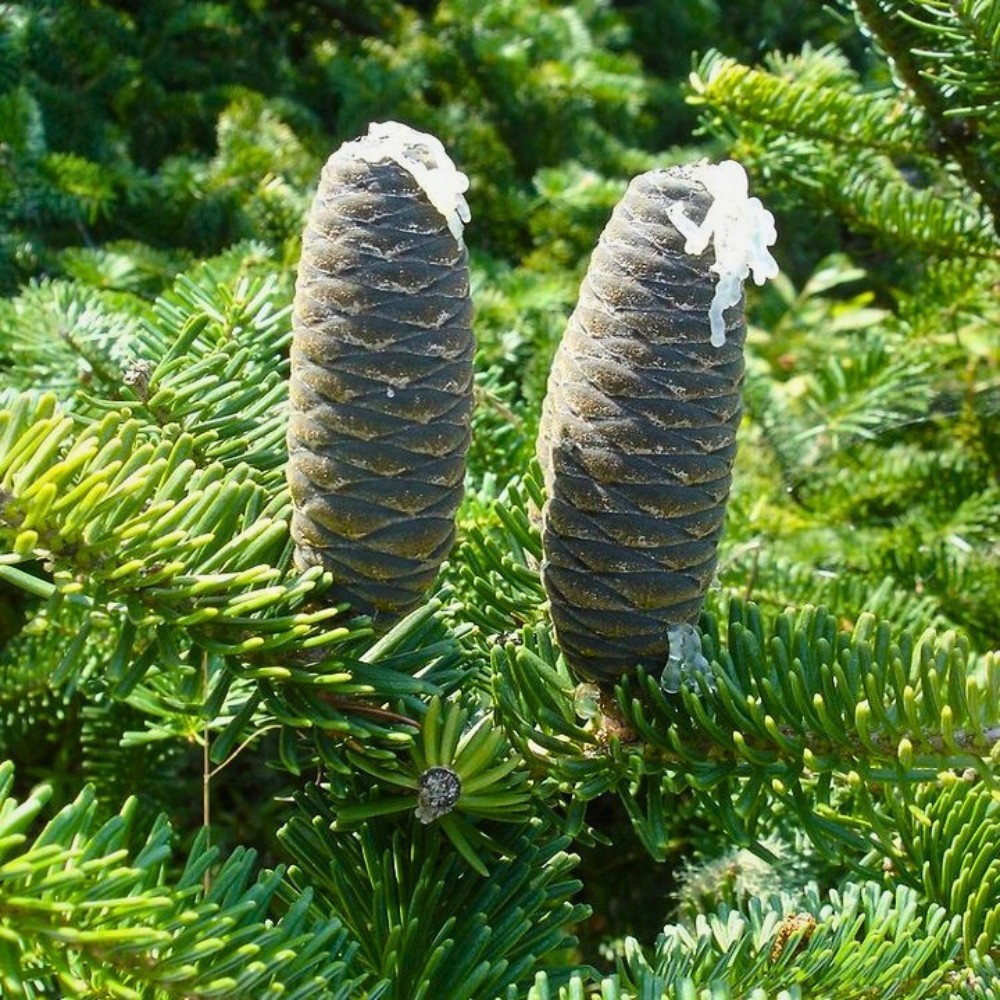
Fraser fir (Abies fraseri) grows in the high elevations of the Appalachian Mountains and is often confused with its cousin, the Balsam. It is slightly more compact and has excellent needle retention. The branches angle slightly upward, giving it a dense, perky look that people absolutely love.
Grand fir (Abies grandis) lives up to its name. This fast grower can reach massive heights, sometimes up to 75 meters (250 feet), in the Pacific Northwest. It has glossy, dark green needles that lie flat in two rows. When you crush them, they release a citrusy, orange-like aroma that really sets them apart from the others.
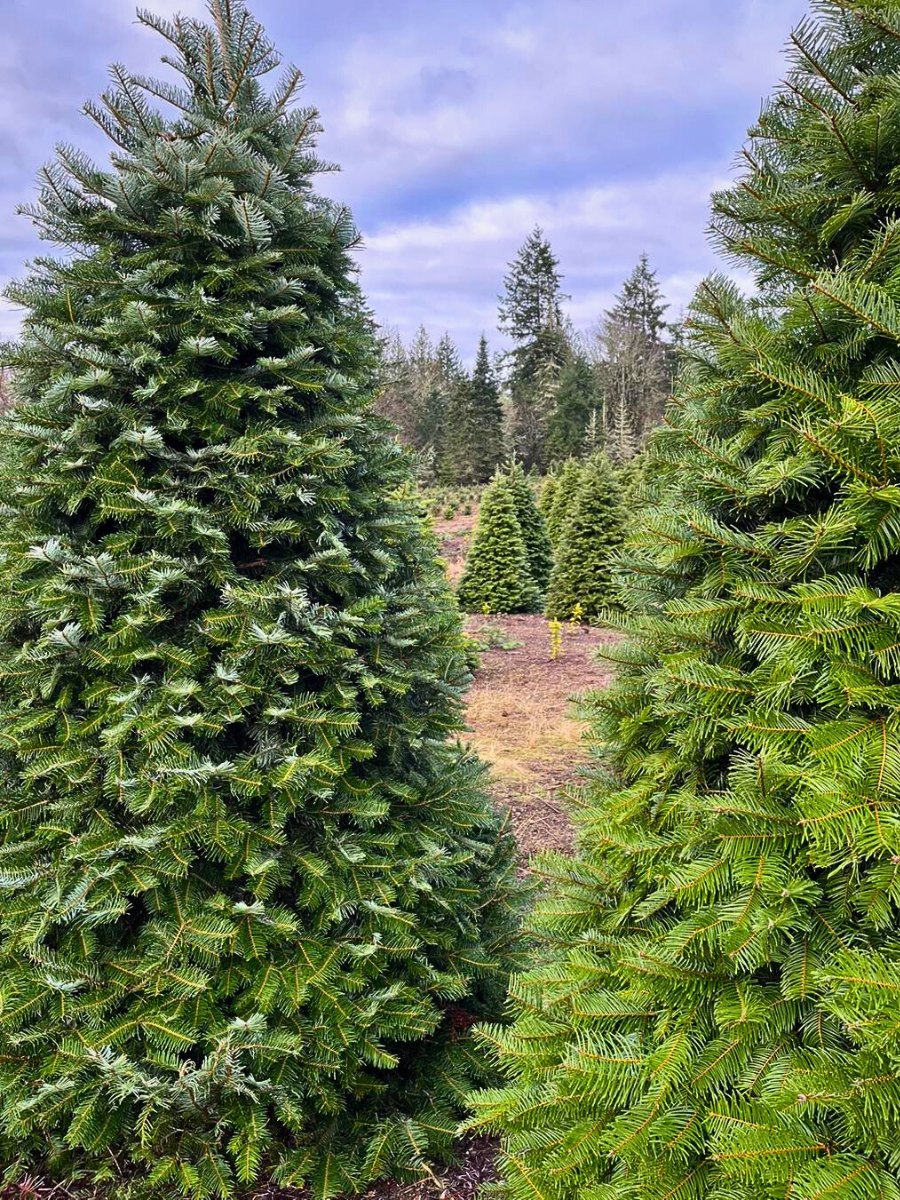
White fir (Abies concolor) is something of a rebel among firs. While most demand cool, moist soil, the White fir is surprisingly drought-tolerant and handles urban pollution better than its cousins. Its long, curving needles are a powdery blue-green, making it a stunning choice for landscaping.
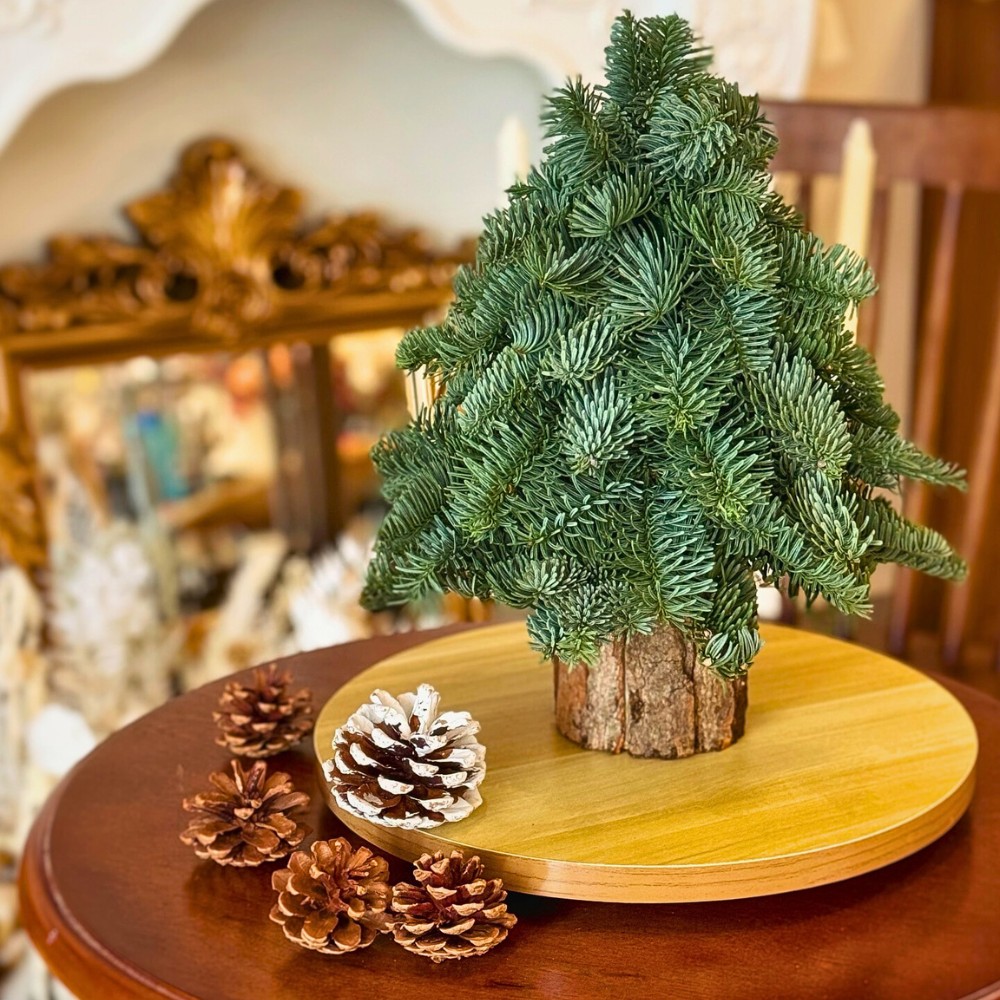
Noble fir (Abies procera) or nobilis is the largest of the true firs, native to the Cascade Range. It has a rugged, stiff appearance with blue-green needles. Those stiff branches are strong enough to hold heavy ice in the wild or heavy ornaments in your living room.
European and Asian Varieties
The Nordmann fir (Abies nordmanniana) originates from the Caucasus Mountains and has become a popular choice in Europe. It has lush, glossy, dark green needles that are soft and waxy. This fir tree is incredibly durable and holds its needles long after being cut.
European Silver fir (Abies alba) is one of Europe's most important timber trees. It shows off dark green needles with prominent white bands underneath. Growing up to 50 meters (about 160 feet) tall, it has been cultivated for ages across central and southern Europe.
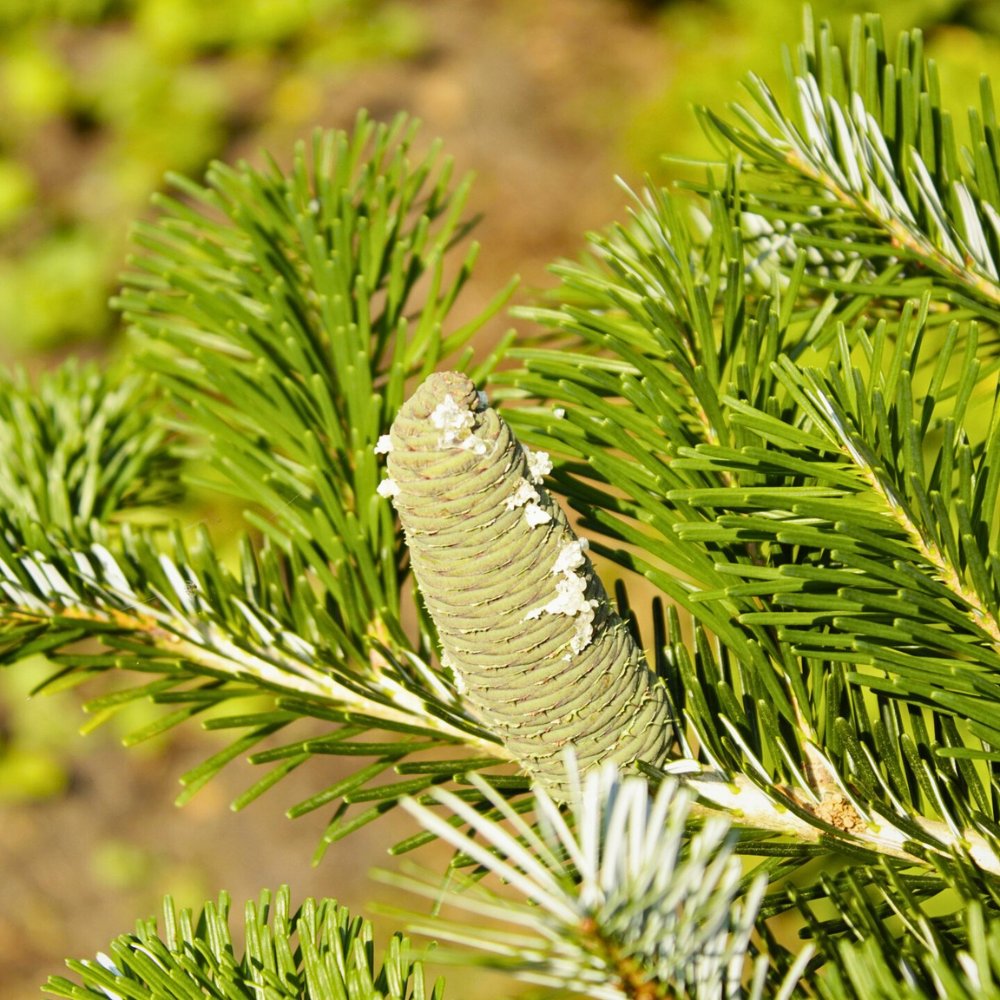
Spanish fir (Abies pinsapo) is a rare and unique species from Southern Spain and Morocco. Its short, stiff needles are arranged radially around the stem, looking almost like a bottle brush. In a garden setting, it has an almost prehistoric quality to it.
Korean fir (Abies koreana) is a favorite for smaller gardens and is famous for its flashy cones. Unlike most firs that wait years to produce cones, Korean fir produces brilliant violet-blue cones while still young and short. The contrast between the green needles, silvery undersides, and purple cones is quite stunning.
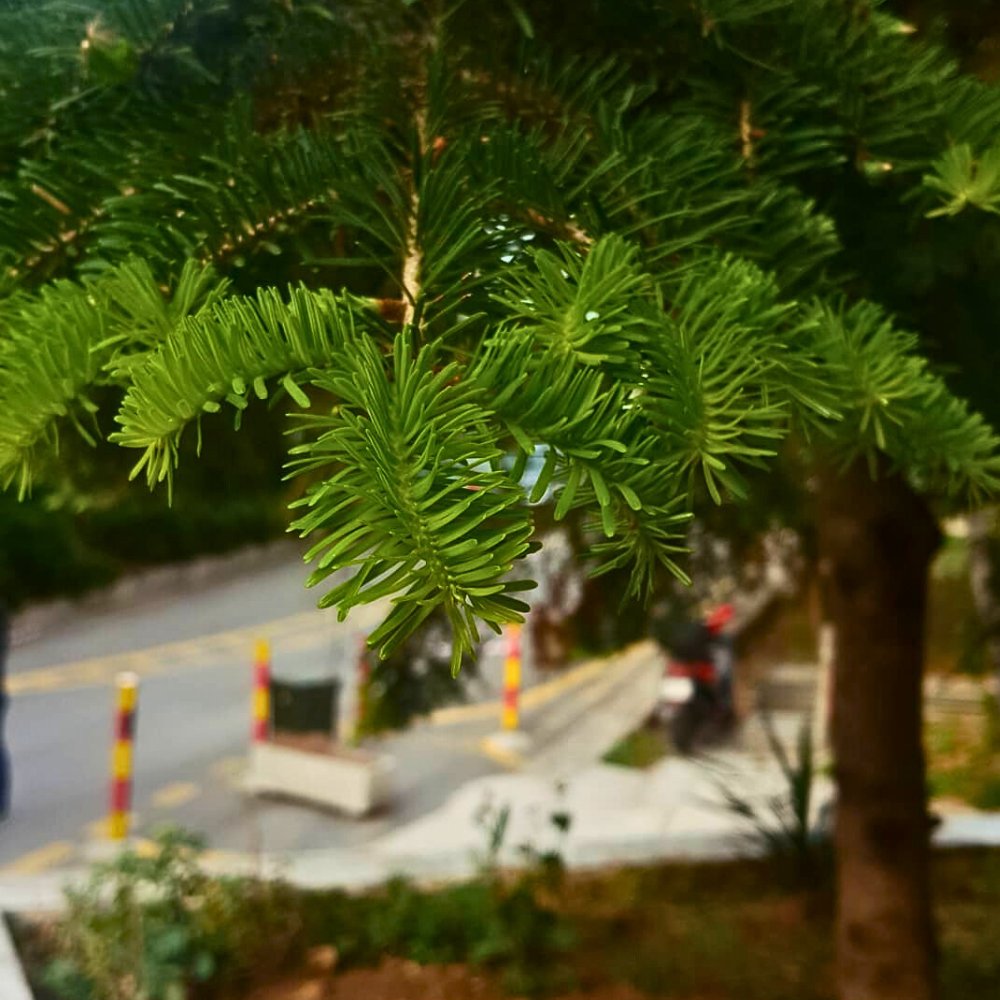
Momi fir (Abies firma) from Japan is notably heat-tolerant, pushing the boundaries of where firs can thrive. Its stiff, leathery needles and robust nature make it valuable for gardeners in mild climates.
Of course, there are many more types of fir trees available, so you can always find whichever variety suits your fancy.
Types of Fir Christmas Trees
When the holiday season rolls around, certain types of fir trees for Christmas always rise to the top of wish lists. The market for different types of fir Christmas trees is huge, and choosing the right one depends on what matters most to you: scent, branch strength, or needle retention.
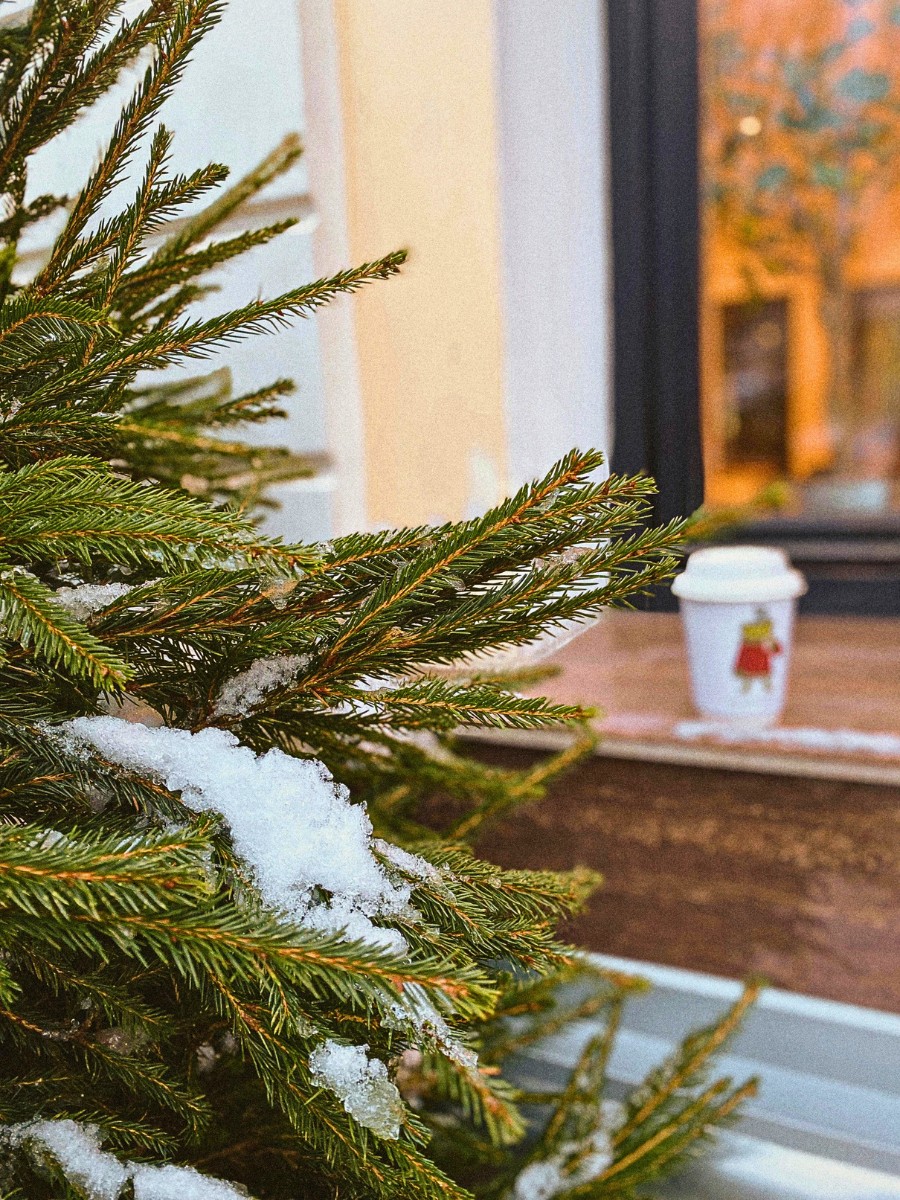
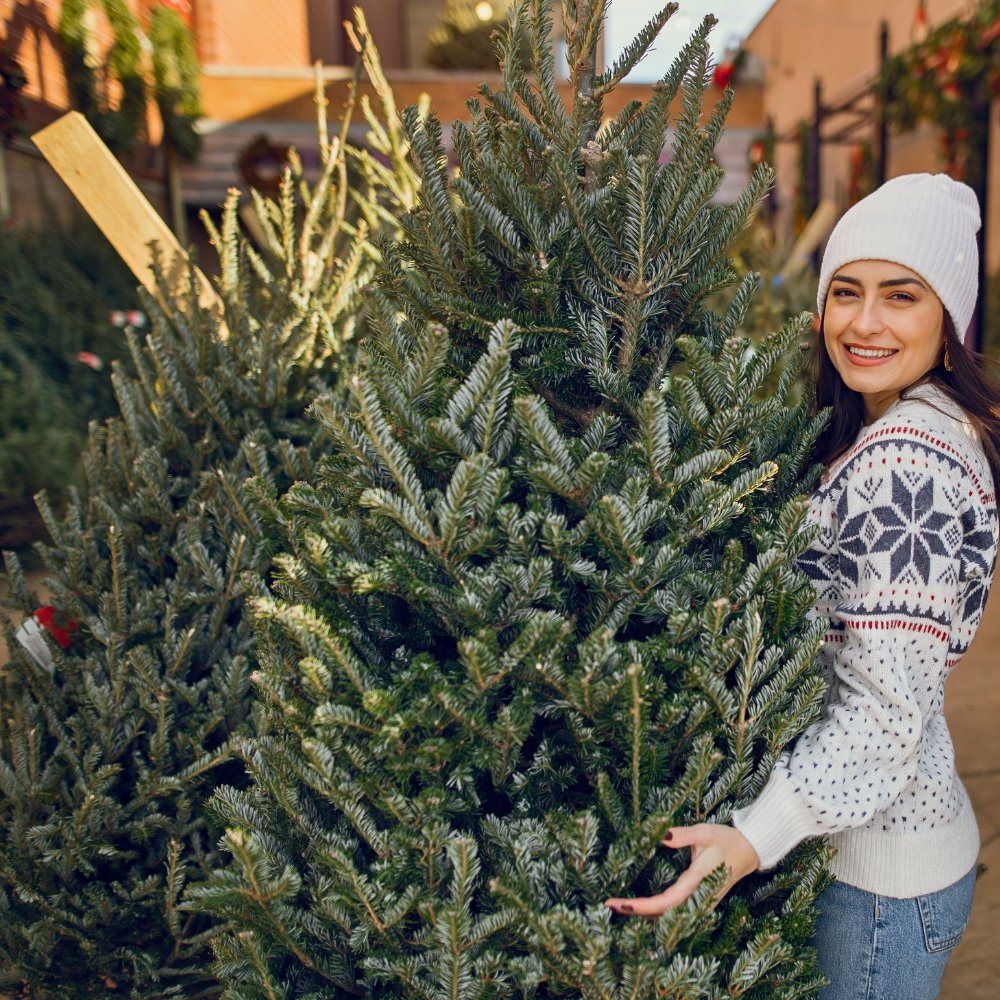
Fraser fir reigns supreme in many regions, particularly in the eastern United States. This tree has dark green needles with silvery undersides and sturdy branches that hold ornaments beautifully. Its compact pyramid shape and excellent needle retention make it one of the most sought-after types of fir Christmas trees. Its pleasant citrus-like fragrance also fills your home without becoming overwhelming.
Balsam fir perhaps best captures the traditional holiday spirit. Its dark green needles release an intensely aromatic fragrance that practically defines Christmas for many people. Native to northeastern North America, this tree grows in a dense, conical shape. While it may not retain needles quite as long as Fraser fir, that incomparable scent makes it a perennial favorite.
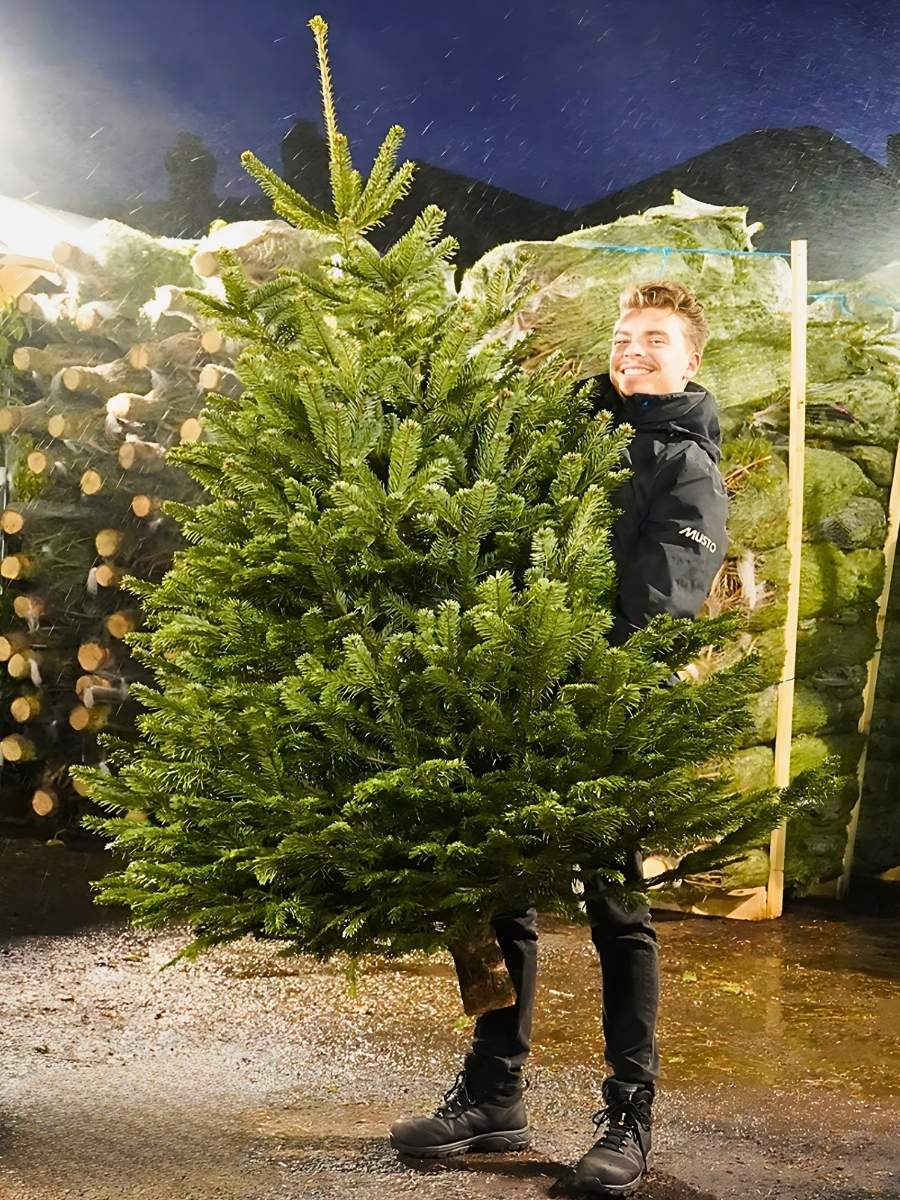
Noble fir is the king of Christmas trees in the Pacific Northwest. This towering species produces blue-green needles with a slight upward curve, creating a distinctive layered look. The sturdy, well-spaced branches provide plenty of room for ornaments, and the tree maintains its shape and needles for extended periods. Though it commands a premium price, many consider it worth every penny.
Nordmann fir is increasingly popular in European markets and gaining ground in North America. It offers exceptional needle retention and a soft texture. The glossy, dark green needles rarely shed, even in warm indoor conditions. Its branches grow in dense, horizontal tiers, creating a full, lush appearance that needs minimal shaping. Though it has a lighter scent than Balsam or Fraser, its practical advantages make it an excellent choice for families worried about needle cleanup.
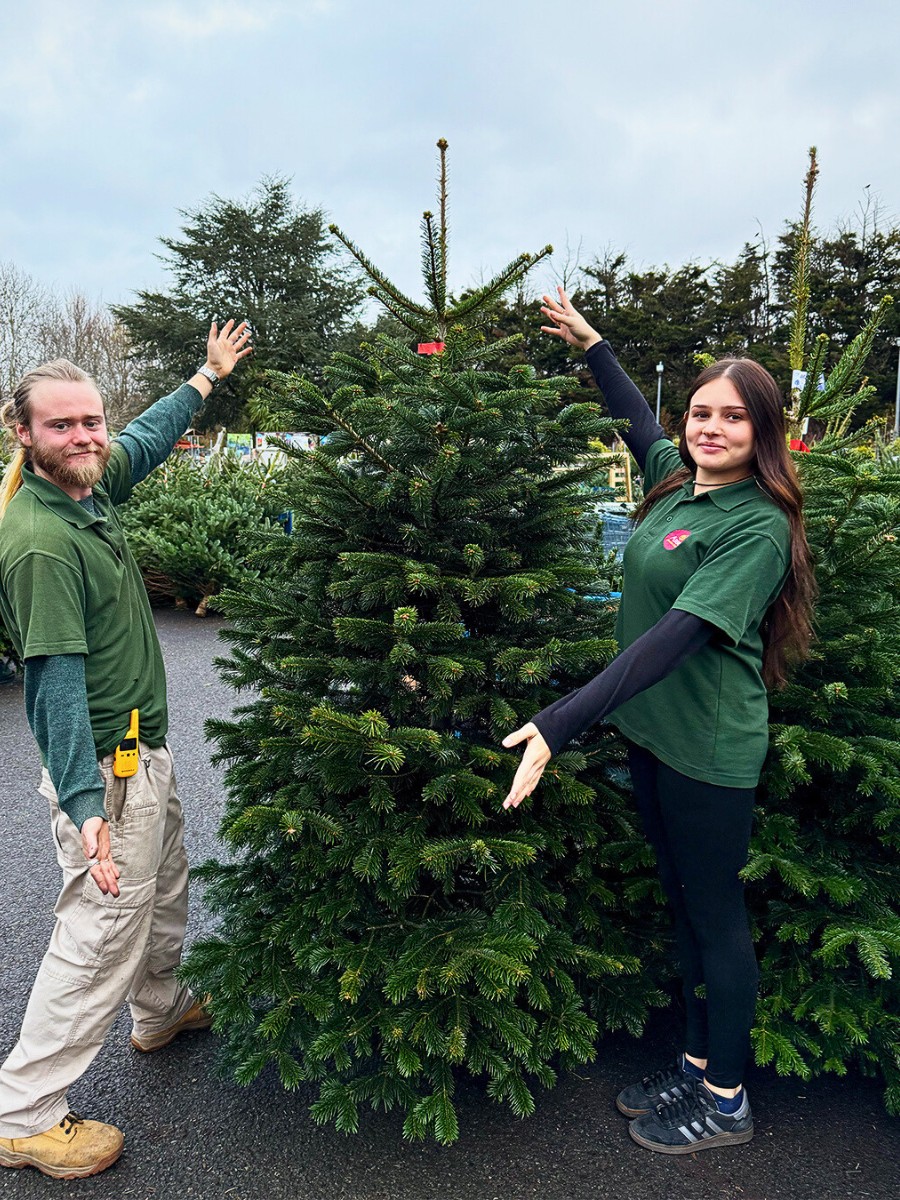
Canaan fir (Abies balsamea var. phanerolepis) is a newer contender, often described as combining the best of both worlds: the great scent of a Balsam with the structural strength of a Fraser. It is becoming increasingly common on Christmas fir tree lots.
Choosing Among Types of Fir Trees for Christmas
Choosing the right fir tree involves considering several factors. Needle retention tops most lists because nobody wants to vacuum needles every day. Fraser and Nordmann do best here, maintaining their needles for weeks with proper care.
Fragrance matters to those who associate Christmas with the scent of evergreen, making Balsam and Fraser top choices. Branch strength is important if you hang heavy ornaments, which favors Noble and Fraser firs with their sturdy limbs.
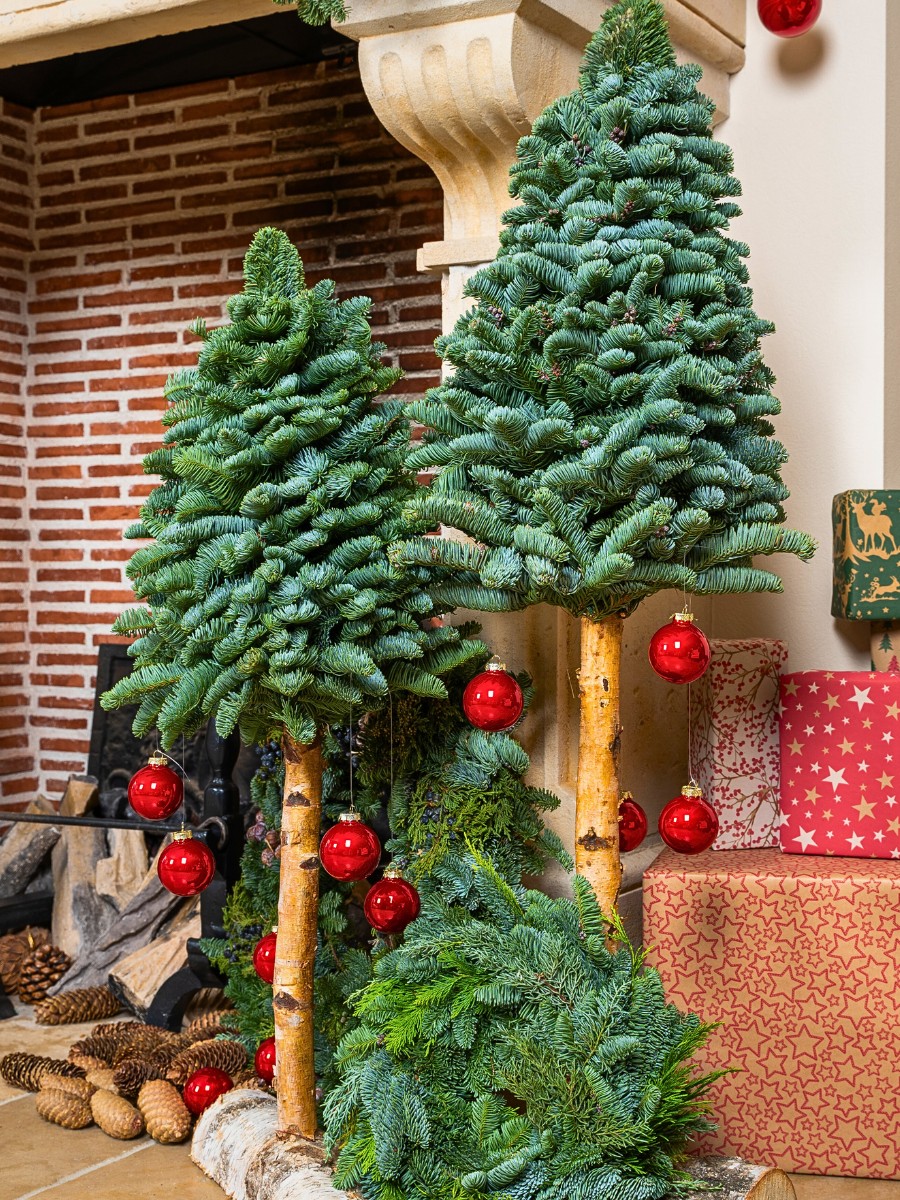
Tree shape also plays a role. Some families prefer the classic pyramid form of Balsam fir, while others appreciate the layered, open structure of Noble fir. Budget considerations matter too, as premium species like Noble and Nordmann cost more than traditional Balsam or Fraser varieties.
How Many Different Types of Fir Trees Are There for Landscaping?
Outside of the holiday season, different types of fir trees serve as spectacular landscape specimens. While the question "how many types of fir trees are there?" doesn't have a simple answer (roughly 50 species exist, plus numerous cultivars), several stand out for ornamental use.
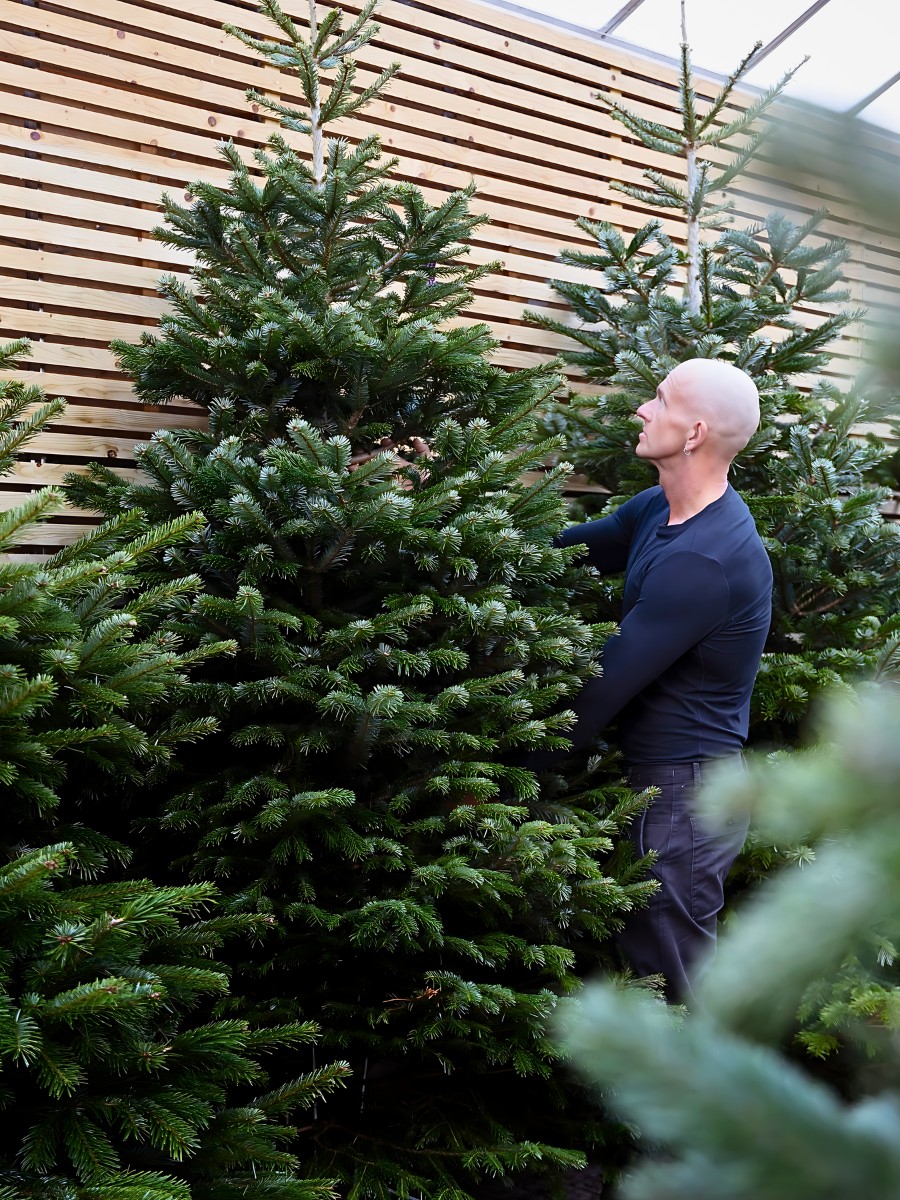
White fir brings a touch of silver to the garden with its long, powder-blue needles. This adaptable species tolerates heat and drought better than most other firs, making it suitable for regions where others struggle. Growing 10 to 15 meters (30 to 50 feet) tall in cultivation, up to 50 meters (160 feet) in the wild, it creates an elegant focal point.
Korean fir offers all the beauty of larger species in a more manageable package. Reaching 10 to 15 meters tall, this slow-growing tree produces striking purple cones even when young. The needles display silvery-white undersides, creating a two-toned effect when the wind blows. Cultivars like Horstmann's Silberlocke push this trait to the extreme, with needles that curl upward to showcase their silver undersides.
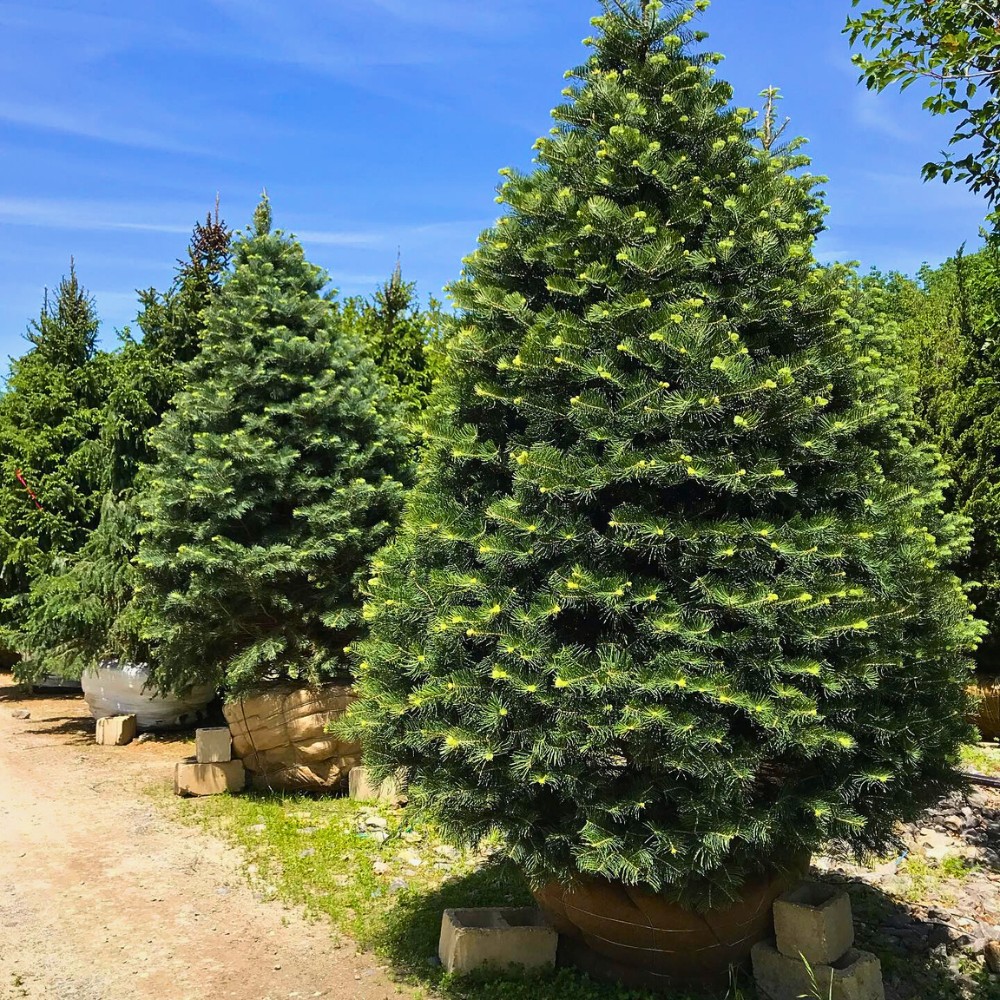
Subalpine fir (Abies lasiocarpa) is adapted to harsh mountain environments and brings Alpine beauty to gardens. Its narrow, spire-like form helps it shed snow in its natural habitat, creating a striking vertical accent in designed landscapes. The blue-green needles and compact growth make it suitable for smaller properties, though it prefers cool climates with adequate moisture.
Dwarf cultivars increase the options available even further. Glauca compacta, a compact form of Rocky Mountain fir, stays under 3 meters (10 feet) tall, while Starker's dwarf Korean fir reaches only 1 meter (3 feet) after many years. These miniatures bring fir character to small gardens, rock gardens, and even container plantings.
Growing and Caring for Different Types of Fir Trees
Growing fir trees means understanding their preferences. Most thrive in cool, moist conditions with well-drained soil. They prefer full sun but tolerate partial shade, particularly in warmer regions. Quite unlike some conifers that handle drought once established, firs generally need reliable moisture, especially during dry spells.
When planting fir trees, choose a location with good air circulation to prevent fungal diseases. Space the trees according to their mature size, remembering that while many grow slowly when young, they eventually reach substantial proportions. Mulch around the fir trees’ bases to retain moisture and regulate soil temperature. But keep it away from the trunk to prevent rot.
Pruning should stay minimal, focusing on removing dead or damaged branches. The natural symmetry of firs requires little intervention, and heavy pruning can destroy their elegant form. Most fir tree species resist common pests, though adelgids and root rot can cause problems in stressed trees. Now that you know quite a bit about the various types of fir trees available, which one catches your eye for holiday decorations or your landscape thereafter?

Feature image by @the_garden_society. Header image by @nativeplanttrust