The development of Stella Palm inside TAK Global was never just a horticultural exercise. It became a test case for something larger in how far artificial intelligence can compress the traditional distance between product idea, consumer validation, and retail readiness. For decades, launching a product into major retail chains meant long cycles. Consumer testing, agency-led creative development, shelf simulations, packaging iterations, and retailer feedback loops often stretched over months and required significant budgets – sometimes reaching hundreds of thousands of dollars for a single campaign. Stella Palm became the first internal experiment to challenge that structure. Keep reading to know how.
Stella Palm and the Compression of Time in Product Development
As Stella Palm moved closer to its planned expansion into Europe and the United States, TAK Global began integrating AI into the early-stage development process. The goal was not automation of decisions, but the acceleration of testing and validation. What once required multiple external partners, structured research cycles, and sequential approvals was condensed into rapid internal iterations that allowed ideas to be explored almost immediately.

Instead of waiting weeks or months for consumer insights to return from traditional studies, the team was able to test assumptions continuously and refine direction in real time. This changed the rhythm of development from linear progression to parallel exploration, where multiple strategic paths could be evaluated at once before narrowing down to the strongest direction.
AI-Accelerated Iteration Simulating Retail Reality Before the Physical Launch
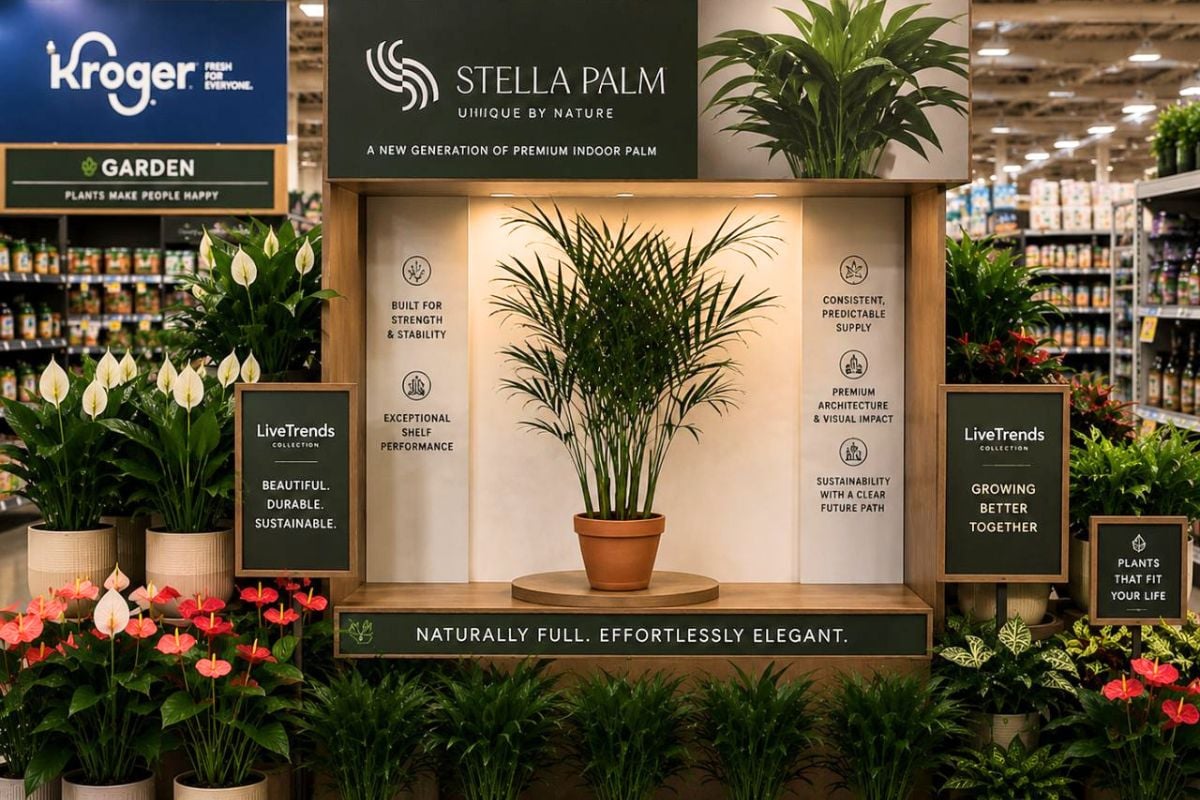
One of the most significant shifts in the Stella Palm process came from the ability to simulate retail environments before any commercial rollout. AI tools were used to place the product inside real-world retail contexts, including Tesco, M&S, IKEA, Target, Kroger, and El Corte Inglés. These were not abstract design exercises, but functional simulations used to understand how the product would behave in different category environments.
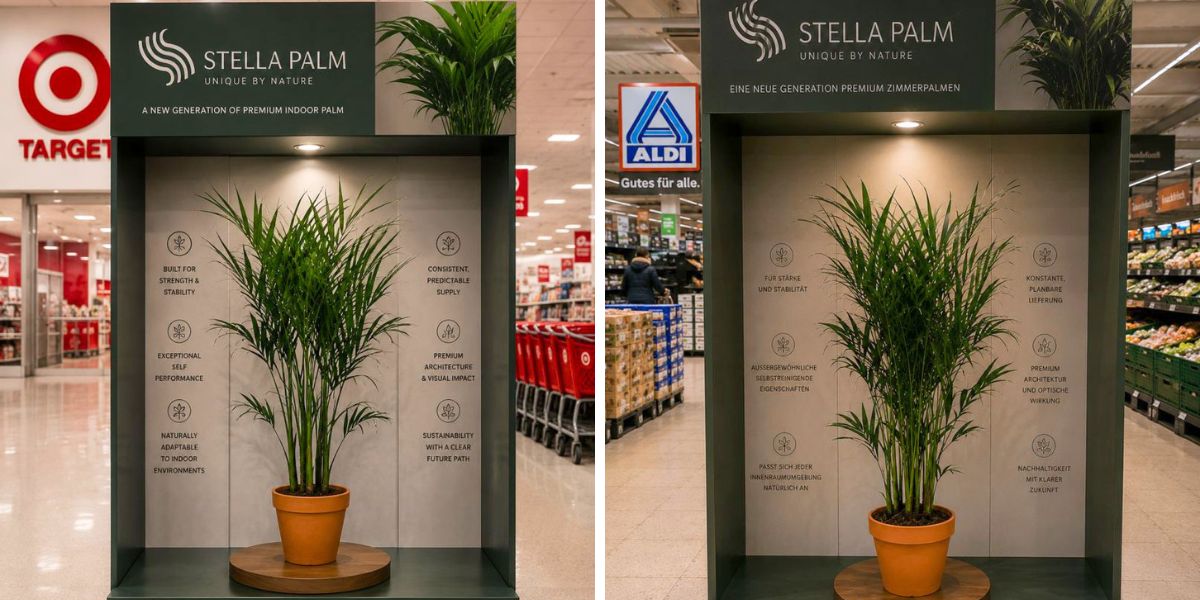
The team could evaluate shelf presence, visual competition, positioning logic, and regional retail differences before entering any formal discussions with retailers. For the first time, assumptions about retail performance could be stress-tested visually and strategically at an early stage, reducing uncertainty in how the product would land in the market.
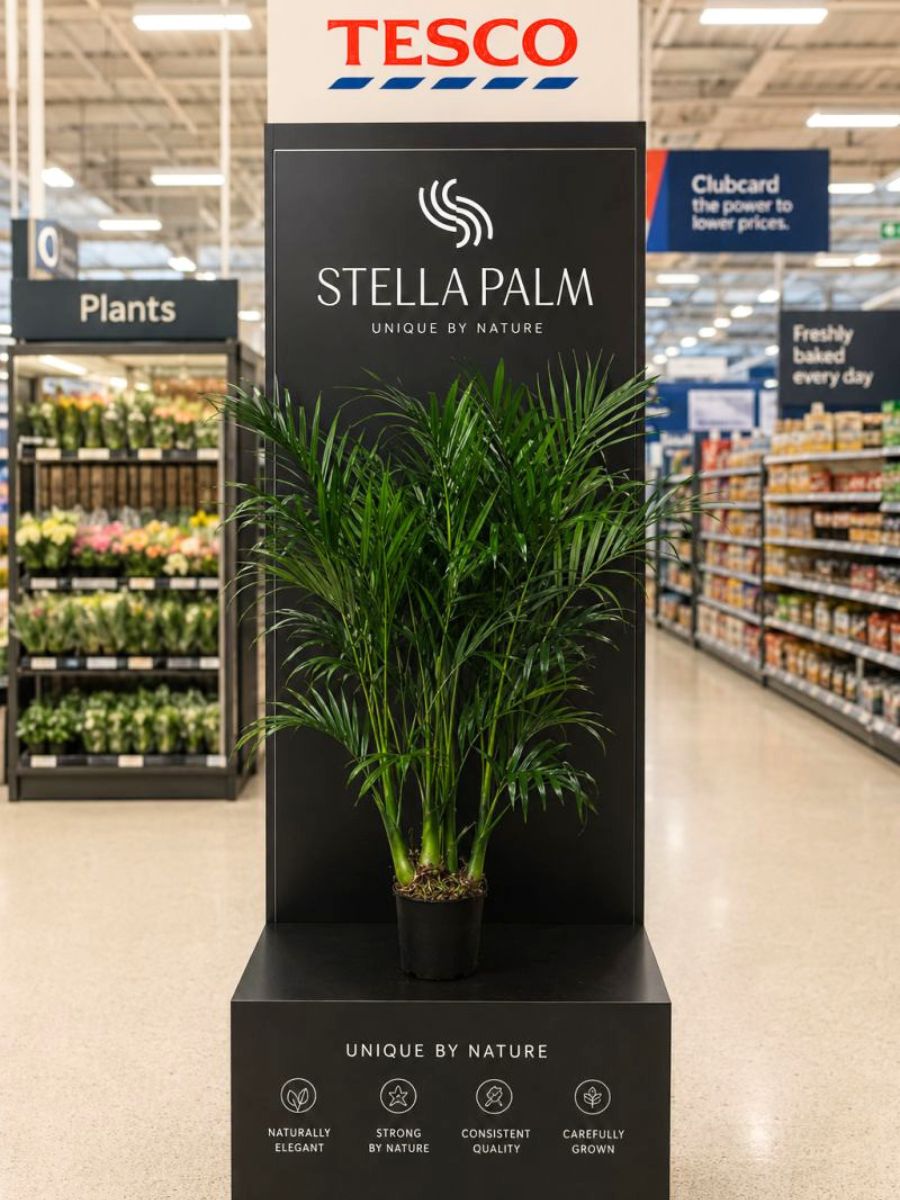
The shift was also economic in nature. Where traditional CPG development often relied on large budgets for agencies, research partners, and campaign production, AI introduced a different model where insight generation and creative iteration could be achieved at a fraction of the cost and time. A conversation that stayed with TAK leadership highlighted this contrast clearly. The cost and effort required to build a single validated campaign in the past now sit alongside a process where similar levels of insight can be explored in minutes through AI-assisted iteration. In the Stella Palm project, this translated into the ability to compress months of development thinking into short cycles of testing and refinement.
Changing How Decisions Are Made
The role of AI in this process did not replace strategic thinking, but it expanded the number of scenarios that could be tested before decisions were made. Instead of committing early to a single direction and validating it downstream, multiple directions could be explored simultaneously, allowing weaker assumptions to be removed earlier and stronger ideas to be developed further.
This created a differentiation in how decisions were structured inside the development process. Stella Palm introduced a model where exploration, testing, and polishing happened in overlapping cycles, reducing the gap between concept and execution.
From Virtual Shelf to Market Preparation
The ability to visualize Stella Palm inside real retail environments also changed how readiness was understood. Before any physical product entered distribution, teams were already simulating how it would sit on shelves across major retail chains. This meant that positioning, category fit, and visual impact could be assessed in advance, across very different retail formats and consumer contexts.
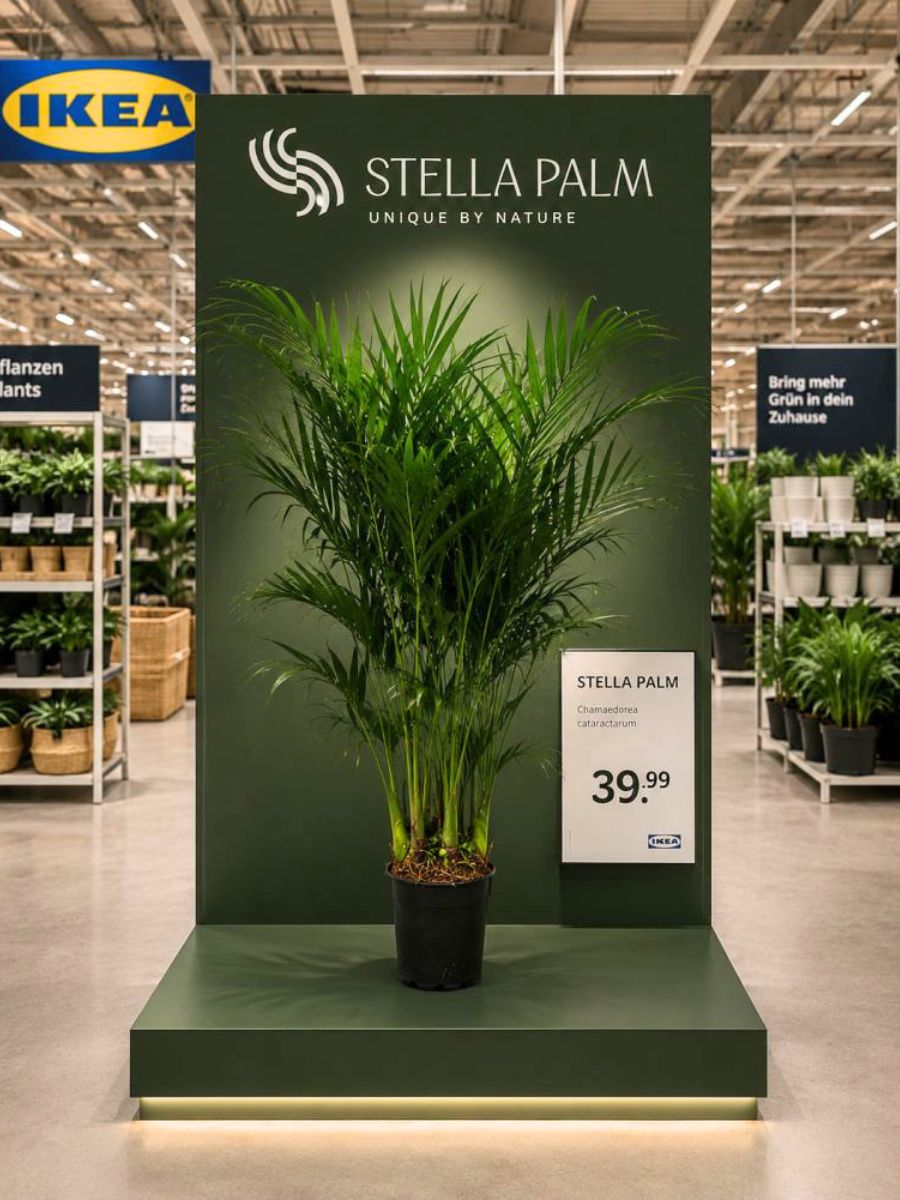
Seeing the product inside these environments at an early stage allowed for faster alignment between production, branding, and retail strategy. Decisions that would normally be shaped late in the process, after buyer feedback or in-store testing, could instead be explored earlier through simulation. It also reduced uncertainty in how Stella Palm would translate from cultivation to commercial presentation, since multiple retail scenarios were already visible before launch discussions began.
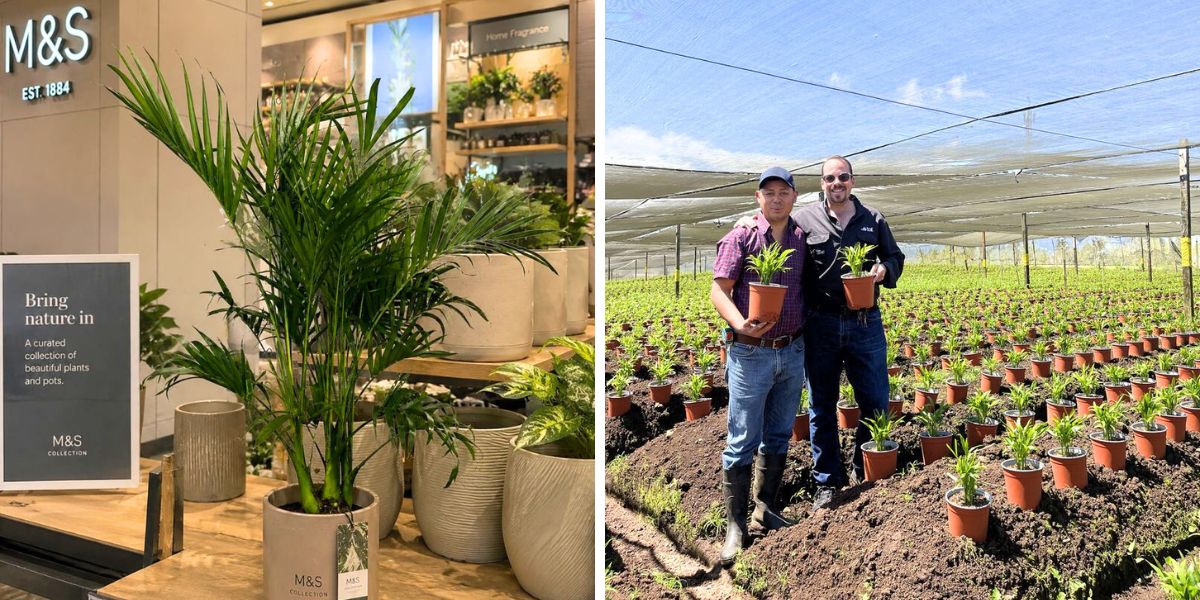
With this, this star product by TAK Guatemala moves into its next phase with a clearer sense of how it enters the market and where it belongs within each retail environment.
Photos courtesy of TAK