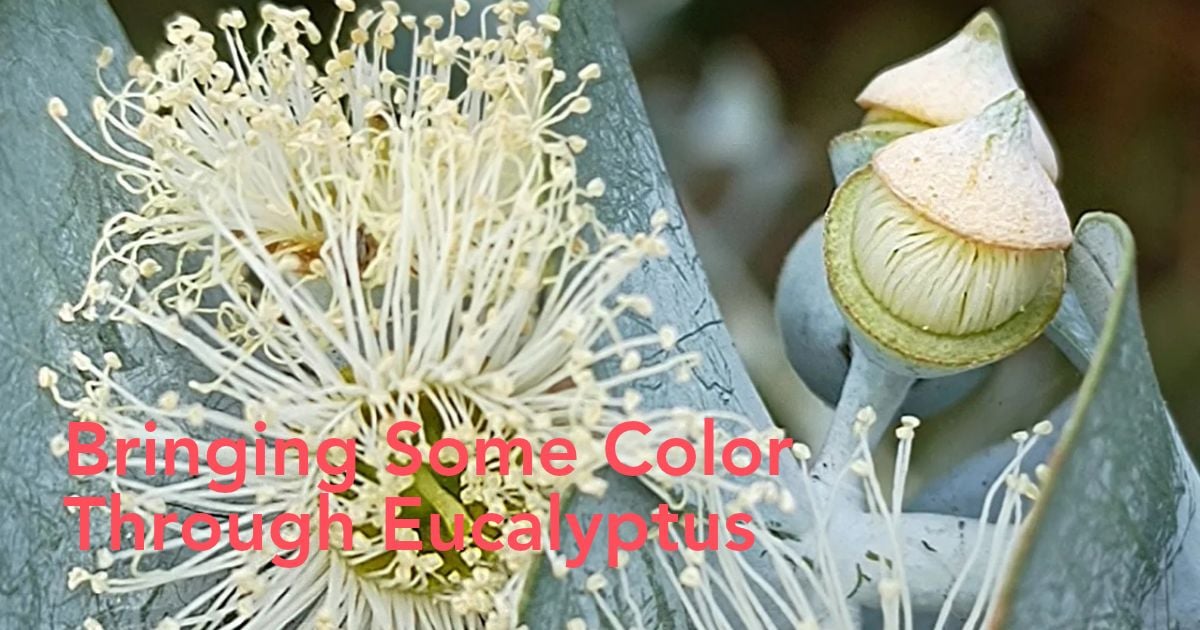
Few greens have conquered floristry the way Eucalyptus has. Its silvery blue-green leaves, its fresh, clean scent, and its remarkable staying power have turned it from a simple filler into a design ingredient in its own right. For wedding bouquets, table runners, wreaths, dried arrangements, door decorations, garlands, and even hanging in the bathroom in the shower, Eucalyptus is a real gift to the floral industry.
This guide answers the questions florists and flower lovers ask most about Eucalyptus as cut foliage: which types exist, how long it lasts, how to keep it fresh, how to dry it, and how to use it in floral design.
What Is Eucalyptus?
Eucalyptus is a large genus of trees and shrubs, with several hundred species, native to Australia. The foliage used in floristry comes from species that are grown commercially for their stems and leaves, often kept low and bushy so they produce a steady supply of young, colorful growth. Today, cut Eucalyptus is grown in many parts of the world, including Italy, East Africa, Israel, the United States, and South America, which makes it available all year round. Curious about the tree itself? Read The Eucalyptus Tree: Origin, Growth, Koalas, and Growing Your Own.
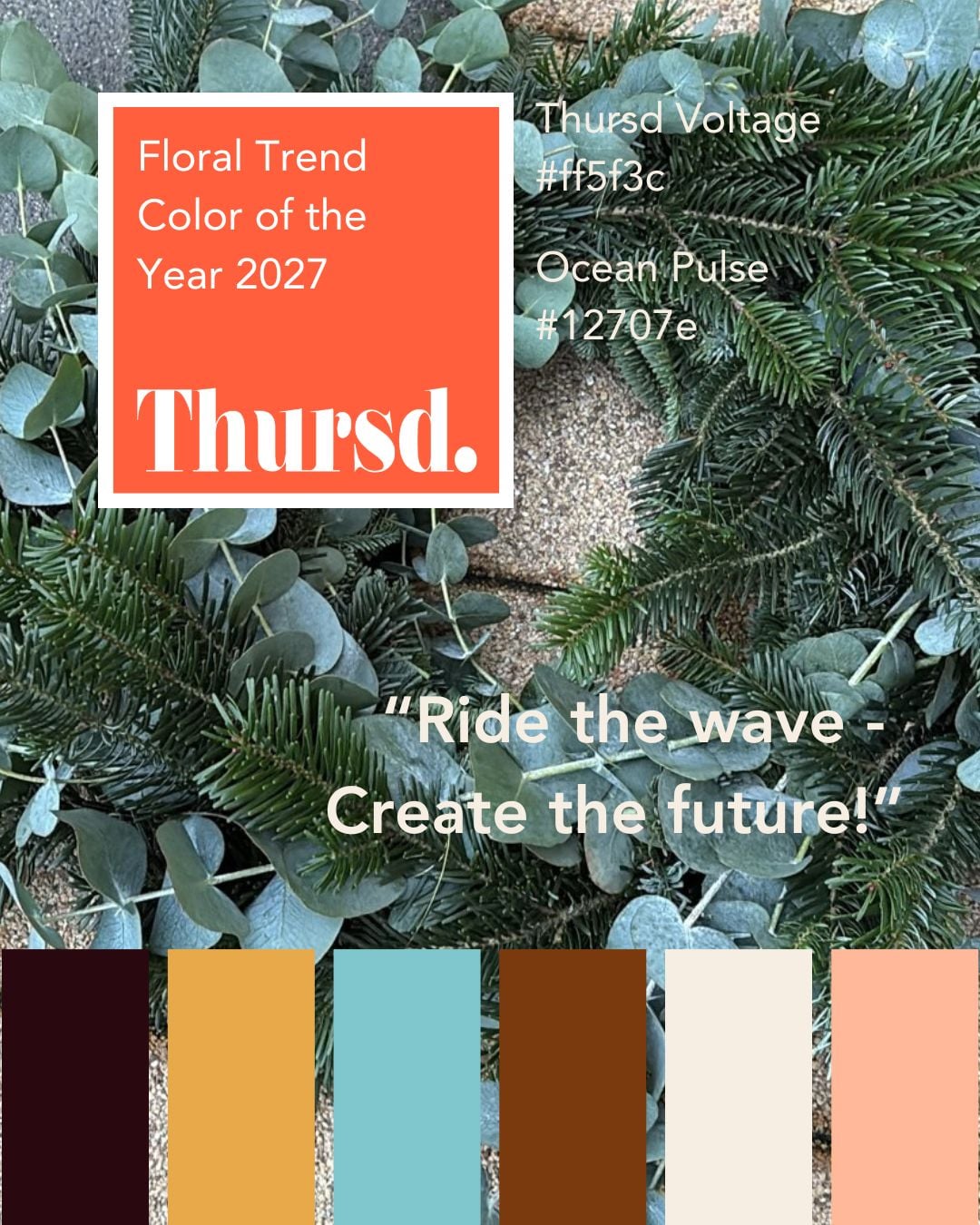
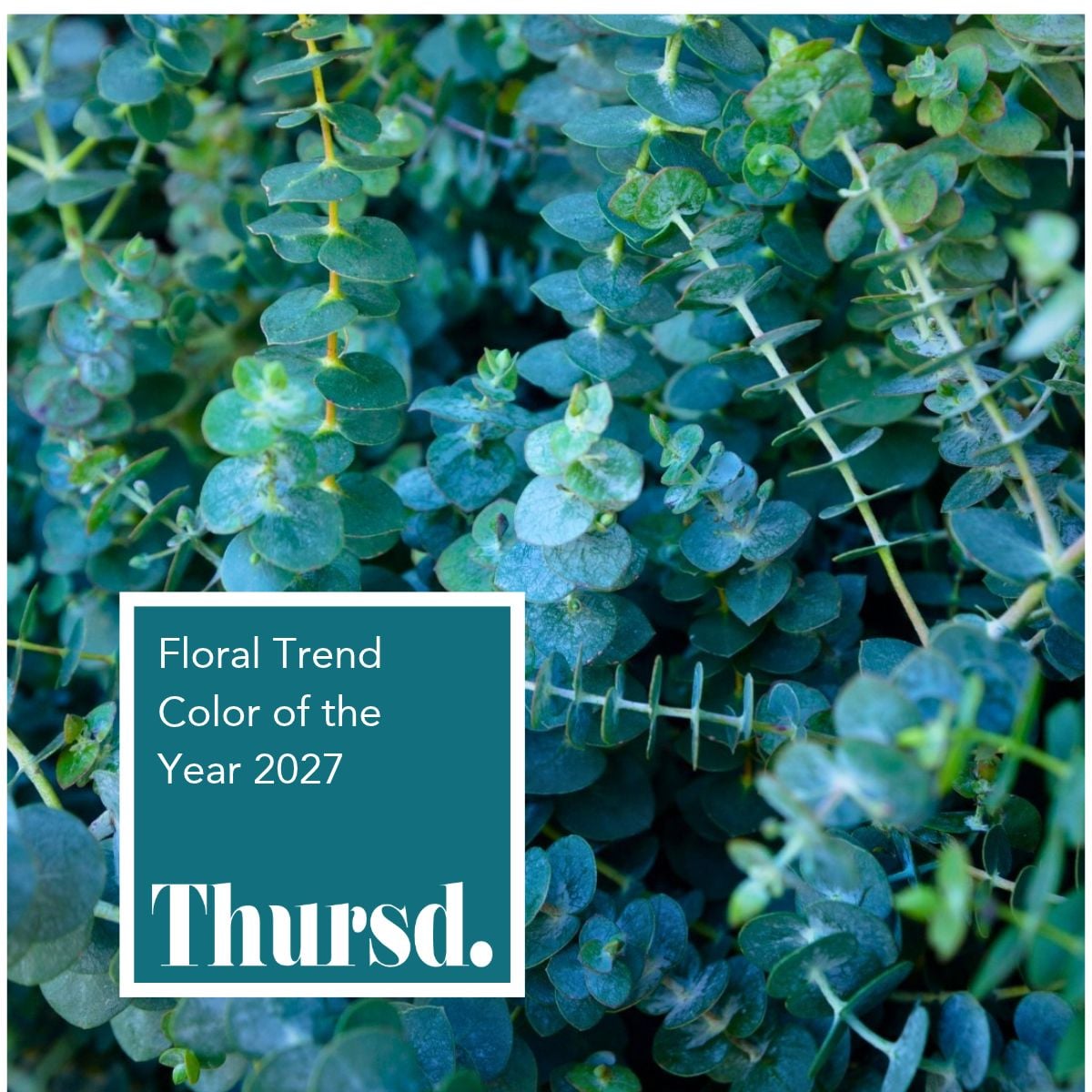
Its characteristic color comes from a waxy, powdery coating on the leaves that gives them that silvery, blue-green glow. Its scent comes from aromatic oils in the leaves, mainly a compound called eucalyptol. This week, Thursd launches its floral trend color for 2027, and Ocean Pulse (#12707E), a natural teal blue, matches the color of Eucalyptus too. The color combo Ocean Pulse and Thursd Voltage is a shout-out to all: 'Ride the Wave – Create the Future!'
The Most Popular Types of Eucalyptus for Floristry
Each type of Eucalyptus has its own leaf shape, color, and texture. Choosing the right one can completely change the mood of a design.
Silver Dollar Eucalyptus (Eucalyptus Cinerea)
The classic. Round, coin-shaped leaves in a soft silvery blue, spaced along sturdy stems. Silver Dollar is one of the most widely used types in bouquets, wreaths, and garlands, and it holds its shape well when dried.
Baby Blue Eucalyptus (Eucalyptus Pulverulenta Baby Blue)
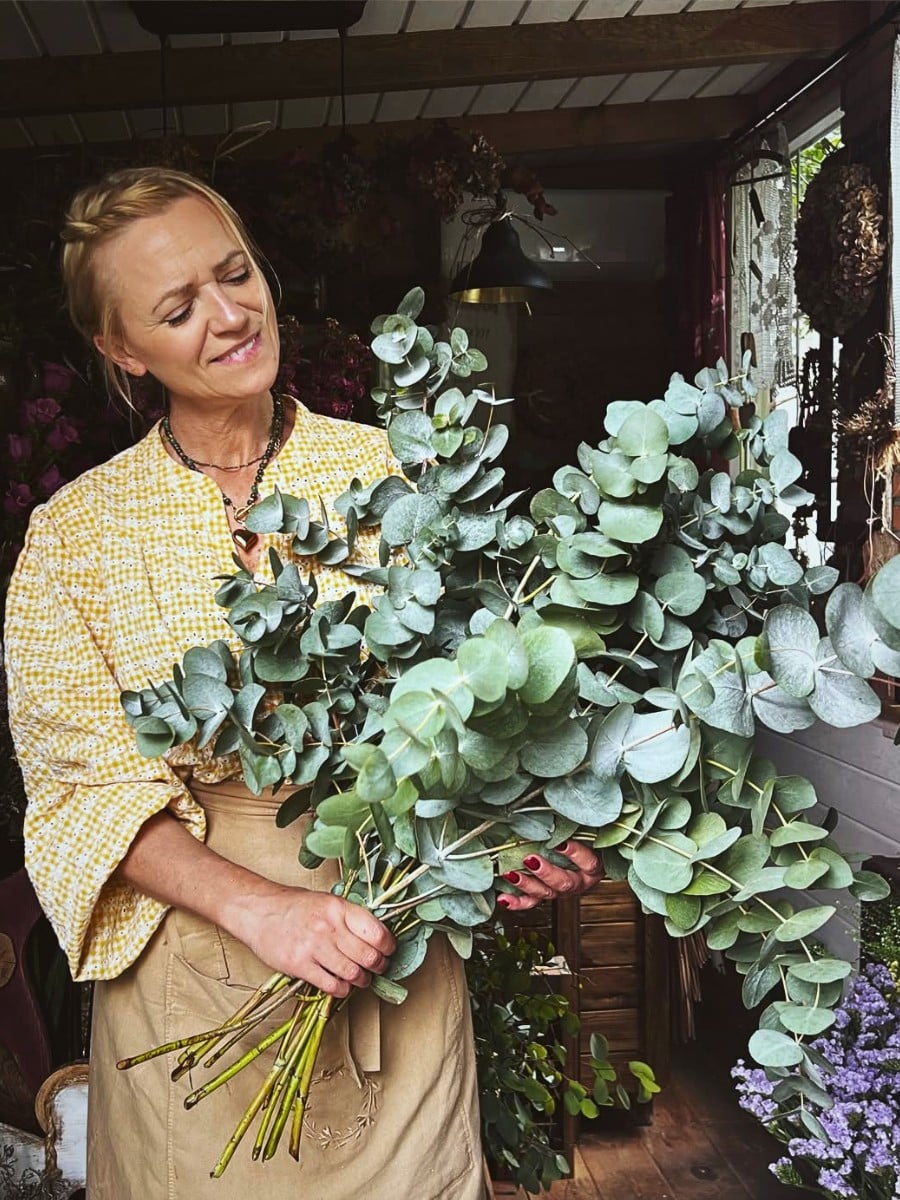
Small, rounded leaves that grow closely together along the stem, in a strong powdery blue. Baby Blue adds density and texture, which makes it a favorite for fuller bouquets and table designs.
Gunnii Eucalyptus (Eucalyptus Gunnii)
Small, round leaves in a cool silver-green, on fine and flexible stems. Gunnii is light and airy, ideal for delicate bouquets and boutonnieres.
Parvifolia Eucalyptus (Eucalyptus Parvifolia)
Narrow, small leaves in a soft blue-green on slender stems. Parvifolia brings a fine, feathery texture and works well in loose, garden-style arrangements.
Nicholii Eucalyptus (Eucalyptus Nicholii)
Also called Willow-leaf or Willow Peppermint Eucalyptus. Long, narrow, slightly drooping leaves with a strong peppermint scent. Nicholii adds movement and softness to cascading bouquets and installations.
Seeded Eucalyptus
Seeded Eucalyptus carries clusters of small seed buds between the leaves. These clusters add texture and a slightly rustic, natural feel, which makes Seeded Eucalyptus popular in autumn and winter designs.

Populus Eucalyptus
Populus has round, bright green to blue-green leaves and is often sold with small clusters of berry-like seed pods. It is fresh and lively, and it brings a softer green tone than the silvery types.

How Long Does Eucalyptus Last in a Vase?
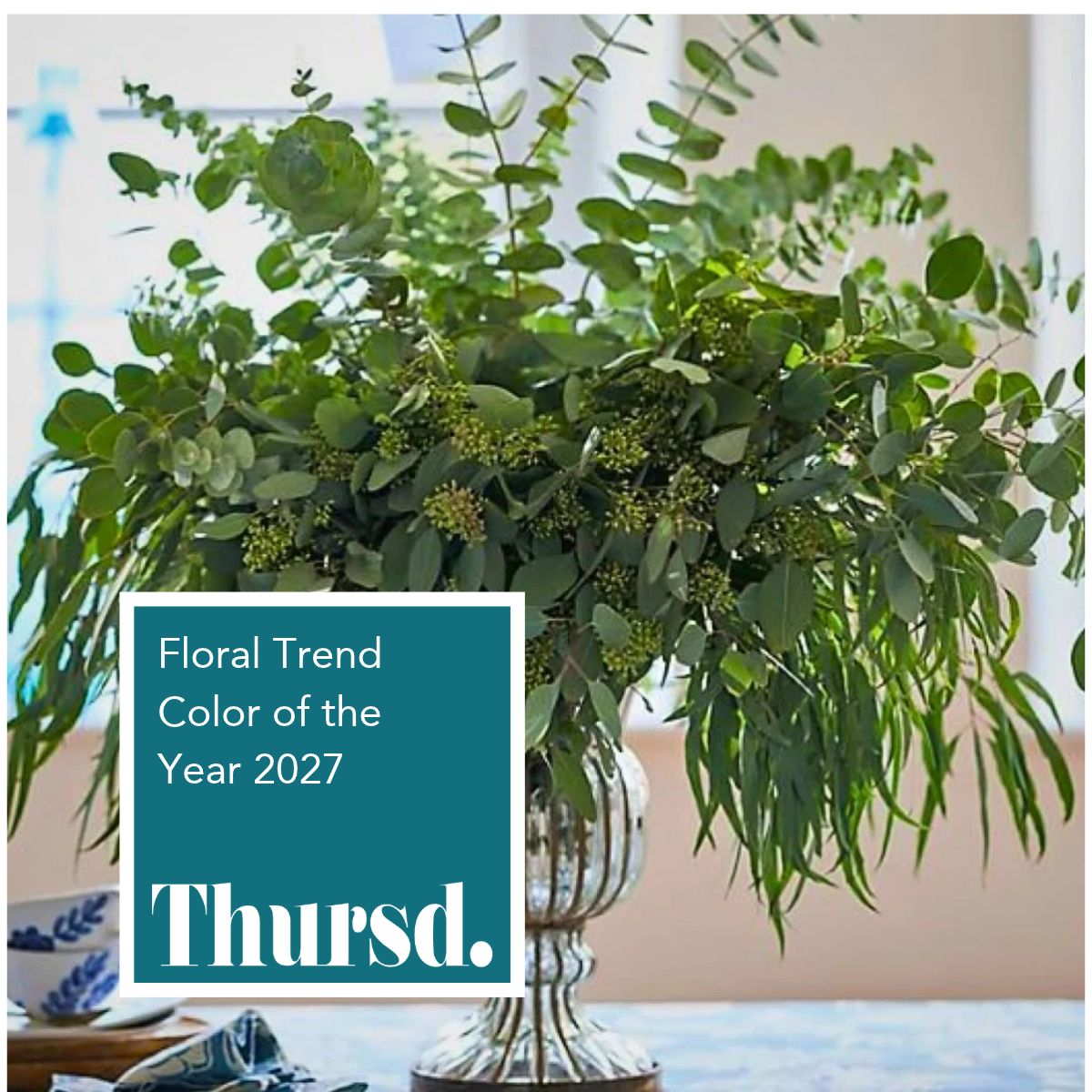
Eucalyptus is one of the longest-lasting cut greens. With good care, fresh Eucalyptus usually stays attractive for one to three weeks in a vase. And even when it starts to lose moisture, it does not simply wilt and fade like many flowers: it slowly dries in place and can continue as a dried decoration for months.
How to Keep Eucalyptus Fresh
A few simple steps make a big difference to the vase life of Eucalyptus.
Cut the Stems
Trim the stems at an angle with a sharp knife or pruning shears as soon as you get home. Eucalyptus stems are woody, so a clean cut helps the stem take up water.

Remove Leaves Below the Waterline
Leaves that sit in the water start to decay and cloud it. Strip them off before arranging.
Use Clean Water and Flower Food
Fill a clean vase with fresh water and add flower food. Refresh the water every two to three days and recut the stems when you do.
Choose a Cool Spot
Keep Eucalyptus away from direct sunlight, radiators, and heaters. Warmth speeds up moisture loss.
Why Is My Eucalyptus Drooping?
Drooping Eucalyptus is usually thirsty. Young, soft stems in particular can lose their firmness when they do not take up enough water. Recut the stems, place them in fresh water, and leave them in a cool place for a few hours. In many cases, the stems recover. Older stems that have started to dry out will not become firm again, but they can still be used as dried decoration.
How to Dry Eucalyptus
Eucalyptus is one of the easiest greens to dry, and it keeps much of its shape and color. There are three common methods.
Hang It Upside Down
Tie small bunches together and hang them upside down in a dry, dark, and well-ventilated place. After one to three weeks, the stems are dry. This method keeps the stems straight.
Let It Dry in the Vase
Simply leave the stems in a vase without water. The leaves will curl slightly, which gives a natural, relaxed look.
Preserve It With Glycerin
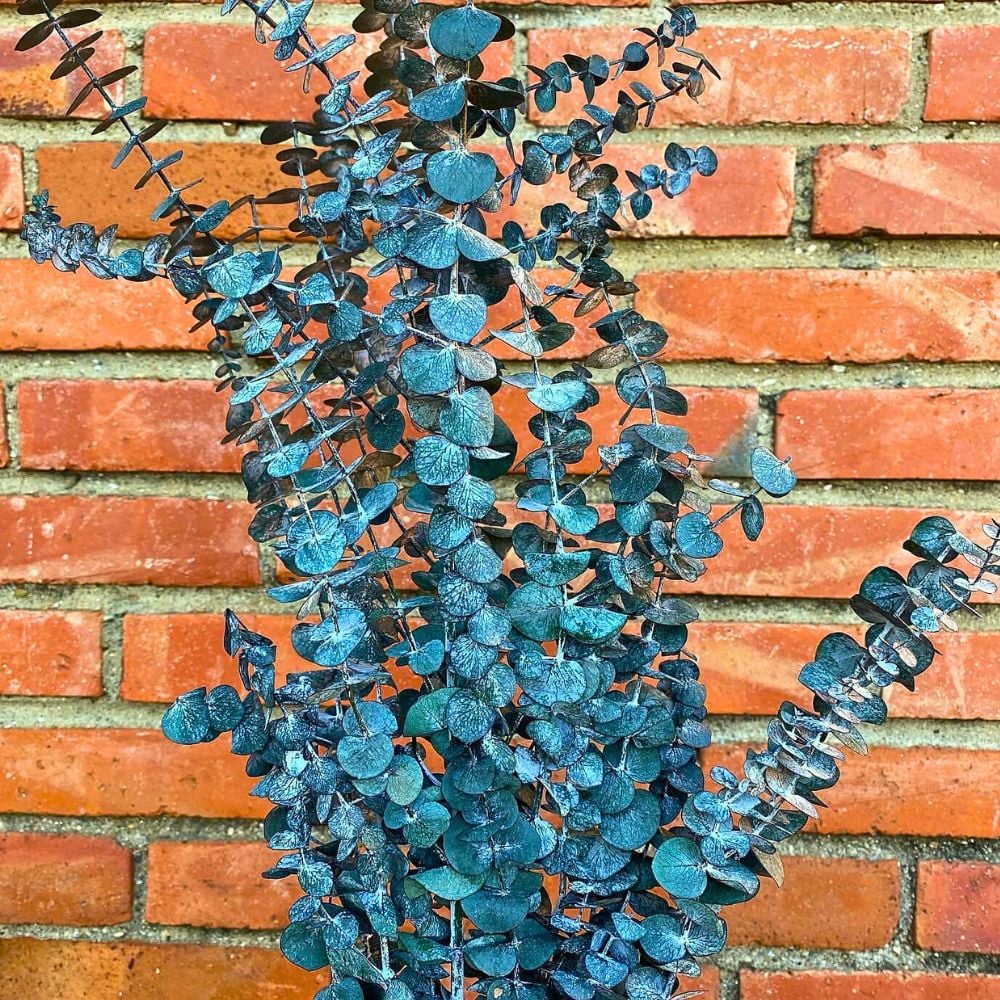
Mix one part glycerin with two parts warm water and place freshly cut stems in the solution. Over two to six weeks, the stems absorb the mixture and the leaves stay soft and supple instead of becoming brittle. The color often deepens or changes slightly during the process. Much of the preserved Eucalyptus sold commercially is treated this way and is sometimes also dyed.
Why Do People Hang Eucalyptus in the Shower?
Hanging a bundle of Eucalyptus from the showerhead has become a popular ritual. The warm steam releases the aromatic oils in the leaves, filling the bathroom with a fresh, spa-like scent. Many people find it relaxing and refreshing.
To try it, tie a small bundle of fresh Eucalyptus with string or a rubber band and hang it near the showerhead, out of the direct stream of water. Gently crush a few leaves to release more scent. The fragrance gradually fades, so replace the bundle every few weeks or when it no longer smells. While many people enjoy the experience, a Eucalyptus bundle is not a substitute for medical treatment.

Why Does Eucalyptus Smell So Strong?
The leaves of Eucalyptus contain oil glands filled with aromatic compounds. The best-known is eucalyptol, also called 1,8-cineole, which gives Eucalyptus its fresh, camphor-like scent. Some types, such as Nicholii, have an extra peppermint note. The scent becomes stronger when the leaves are warmed or gently crushed.
Is Eucalyptus Toxic to Cats and Dogs?
Yes. According to the ASPCA, Eucalyptus is toxic to cats, dogs, and horses. Eating the leaves can cause drooling, vomiting, diarrhea, and weakness. Eucalyptus essential oil is even more concentrated and should be kept well away from pets.
If you have pets, place Eucalyptus arrangements out of their reach and clean up fallen leaves. If you suspect your pet has eaten Eucalyptus, contact your veterinarian.
How to Use Eucalyptus in Floral Design
Eucalyptus is far more than filler. Its color, scent, and texture can shape the entire character of a design.
Wedding Bouquets and Table Designs
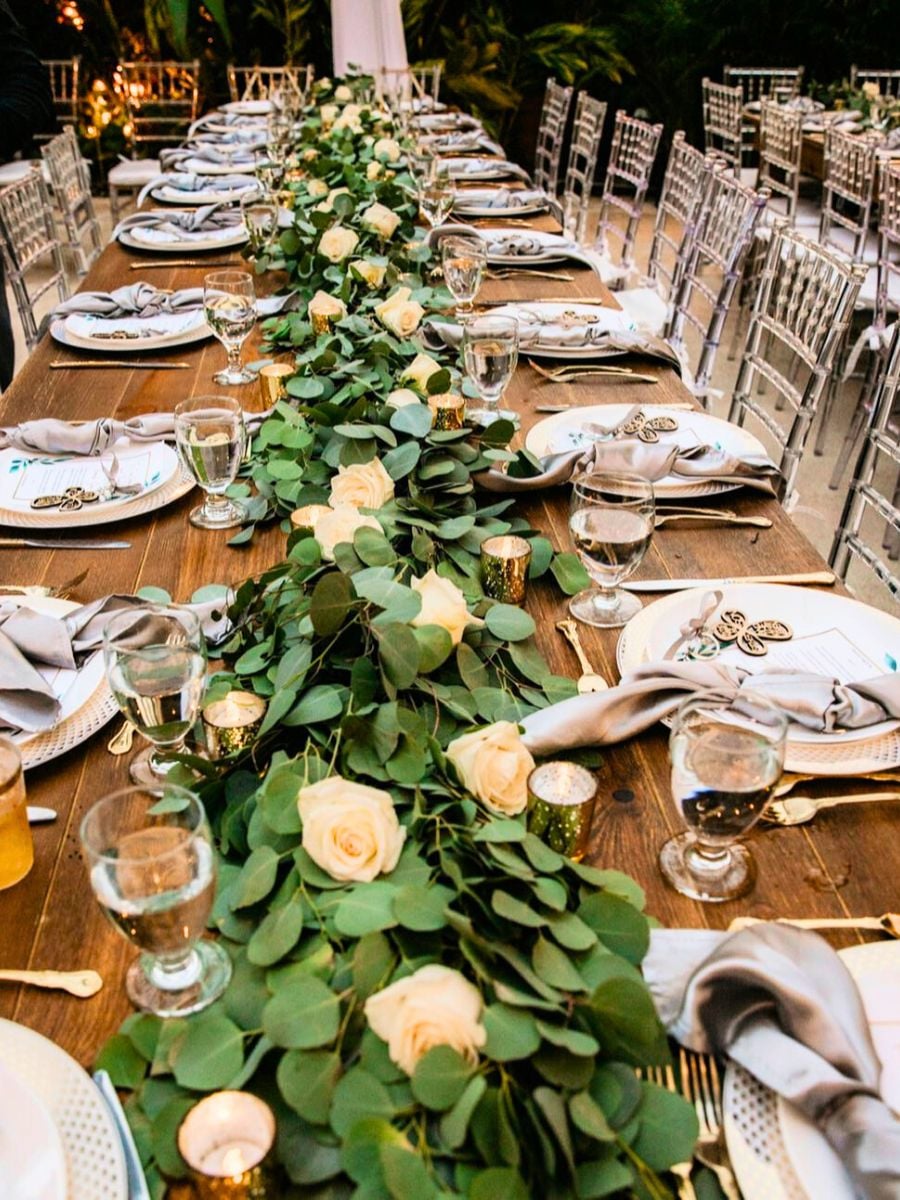
Silver Dollar, Baby Blue, and Nicholii are classics in wedding work. They soften bright flowers, add movement, and bring a fresh scent to the table. Long garlands of Eucalyptus are a popular choice for table runners.
Wreaths and Seasonal Designs
Seeded and Silver Dollar Eucalyptus are ideal for wreaths, as they keep their shape while drying. Combined with dried flowers, berries, or Pine, they create designs that last all season.

Dried arrangements
Because Eucalyptus dries so well, it is a natural partner for dried grasses, seed heads, and everlasting flowers.
Eucalyptus and the Thursd Floral Trend Color 2027
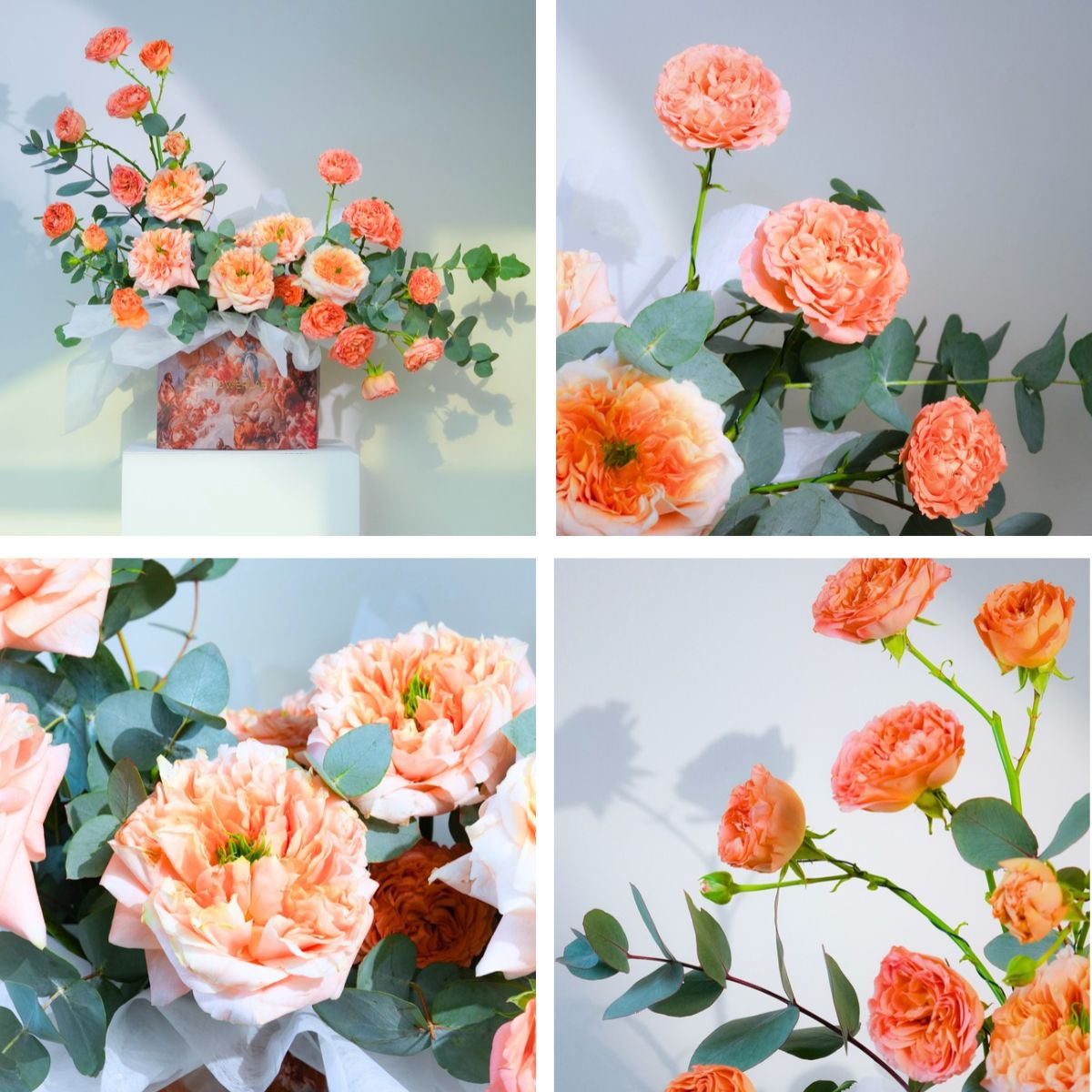
The silvery blue-green of Eucalyptus is one of the easiest ways to bring Ocean Pulse (#12707E), the color by nature in the Thursd Floral Trend Color of the Year 2027, into a design. Pair it with flowers in Thursd Voltage (#FF5F3C), such as coral-orange Roses, Ranunculus, or Marigolds, and the contrast comes alive: the Eucalyptus brings calm and depth, the orange brings energy and light.

Flowers That Pair Well With Eucalyptus
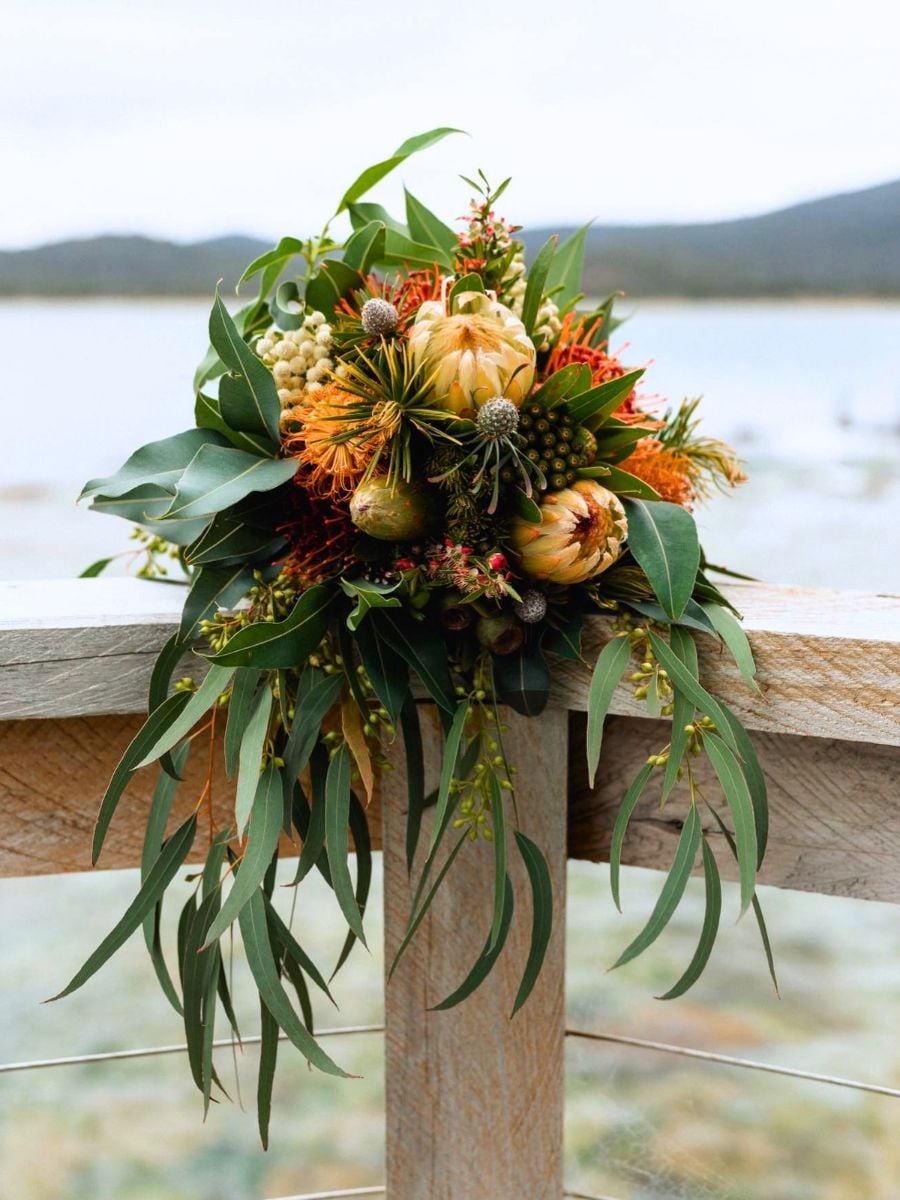
Roses, Ranunculus, Peonies, Lisianthus, Anemones, Protea, Carnations, and Chrysanthemums all work beautifully with Eucalyptus. Soft white and blush tones create a calm, romantic look, while orange, coral, and deep red create a bold, contemporary contrast.
A Green That Leads the Design
Eucalyptus has earned its place in floristry. It is fragrant, long-lasting, versatile, and beautiful both fresh and dried. Whether it softens a wedding bouquet, gives structure to a wreath, or brings the calm of Ocean Pulse into a contemporary design, Eucalyptus proves that green does not have to stay in the background. Sometimes, it is the star.
Featured image by @fortheloveofausnatives.