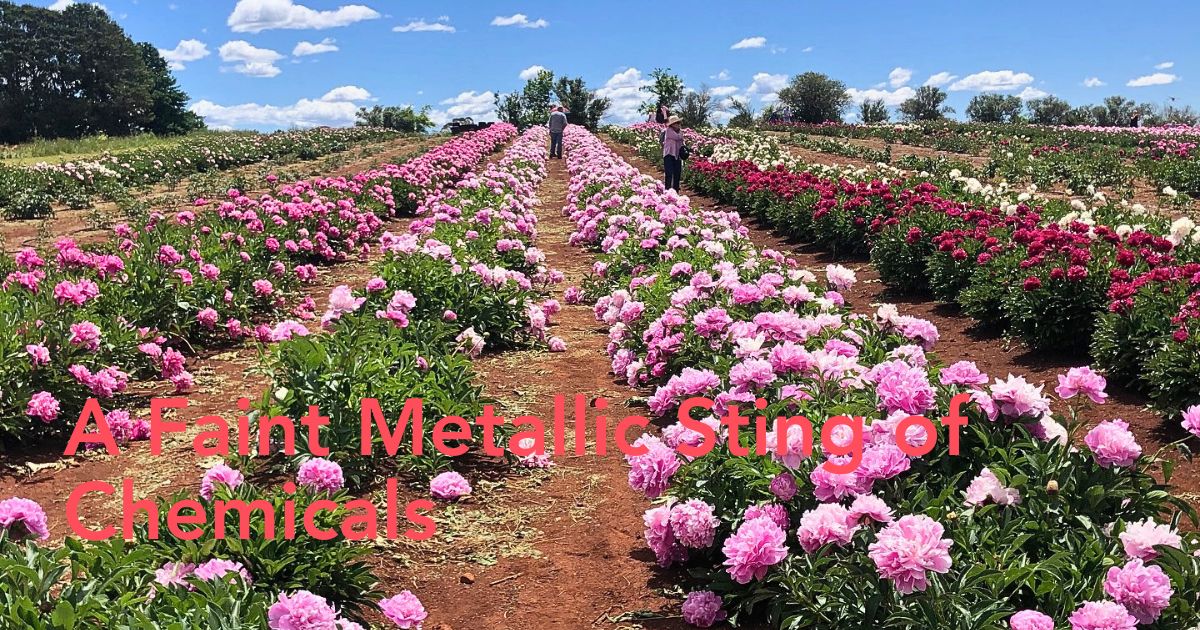
There is a specific kind of silence in a greenhouse at four in the morning, right before the irrigation systems kick in and the first pickers arrive. It is a humid, heavy air that smells of damp soil and, too often in the past, a faint metallic sting of chemicals. For decades, the floral industry operated on a "spray and pray" model. If you saw a thrip, you drowned it in pesticide. If the stems looked a bit thin, you dumped blue-granule nitrogen into the soil. It worked, but it was a blunt instrument that ignored the long-term health of the very land that keeps the industry alive.
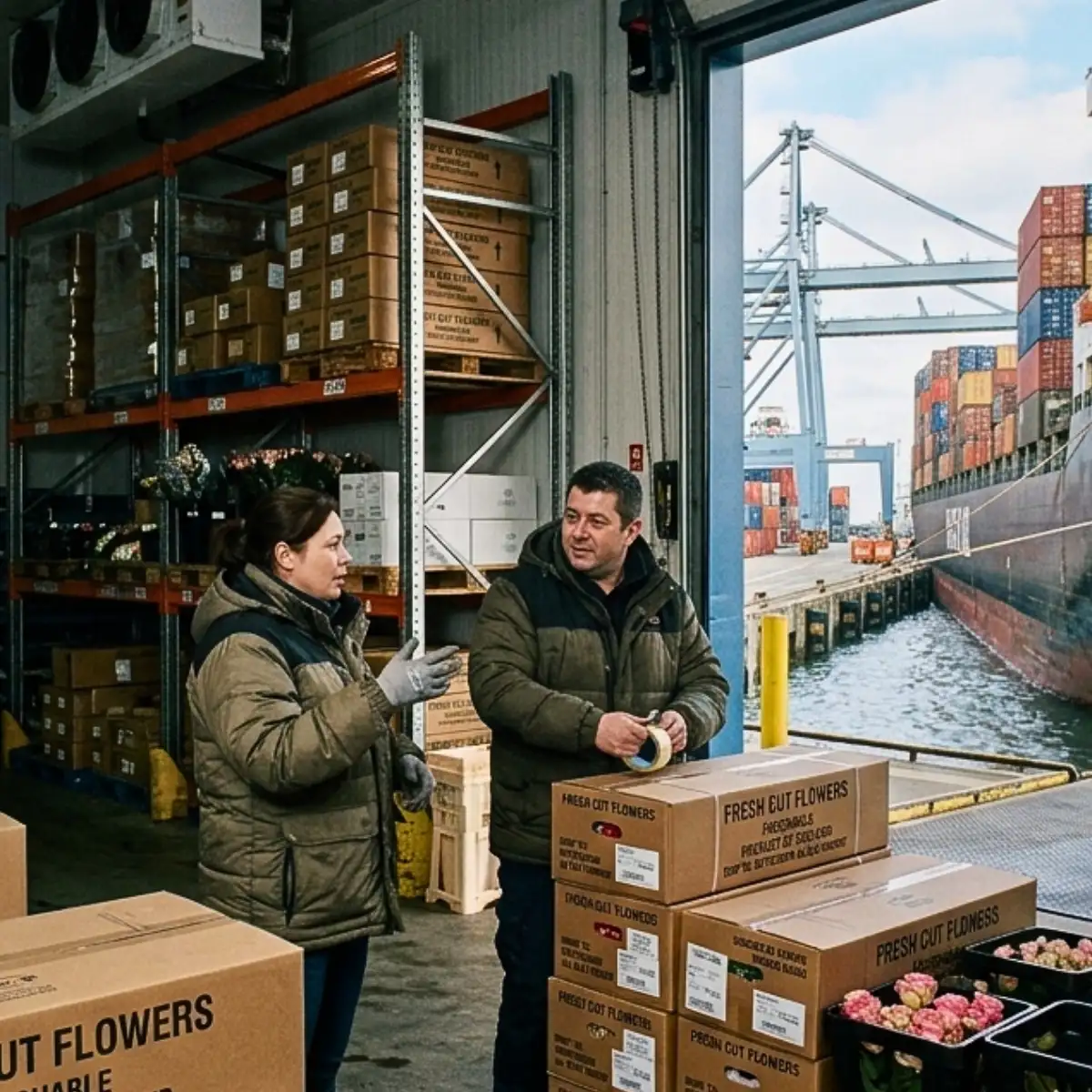
The shift toward sustainable flower farming is not some fluffy, romantic notion about "being one with nature." Anyone who has actually spent a season trying to manage a commercial-scale dahlia or rose crop knows it’s a gritty, frustrating, and deeply technical battle. You are trading the reliability of a chemical "quick fix" for the unpredictability of biological controls and soil regeneration. It’s messy. You have to learn to live with a few more insects and a lot more data. But the reality is that the market is moving, and the wholesalers in Aalsmeer or the designers in New York are no longer just asking for the most vibrant petal, they are asking for the footprint behind it. Here you can read more about Understanding the Meaning of This Concept in Floriculture
Tracking the Chemical Withdrawal
When you decide to pull back on synthetic fungicides or high-salt fertilizers, you cannot just stop cold turkey. The plants will go into a sort of shock, and your yield will plummet. Most growers I know start with a block-by-block approach. They take one acre, reduce the nitrogen input, and monitor to see whether the soil microbes can pick up the slack. It is a slow game of weaning the land off the needle.
This is where the paperwork gets annoying. To prove to a buyer, or to yourself, that you are actually making progress, you need a record of the "chemical withdrawal." If you were using 500 liters of a specific systemic pesticide last year and have reduced it to 350 liters this year through the use of predatory mites and improved airflow management, you need to quantify that. Using a percentage decrease calculator is the simplest way to turn that raw data into a metric that actually means something during a sustainability audit. It’s one thing to say, "Yeah, we’re spraying less." It’s another thing to show a hard 30% reduction in synthetic inputs while maintaining your stem quality. That is the kind of transparency that keeps a farm in business when the big retailers start tightening their eco-standards.
The Stem Consistency
Let's talk about the "average" stem. In the floral trade, the average is often a lie. If you are a designer and you order a box of 60cm Scabiosa, you expect 60cm. If half the box is 40cm and the other half is 80cm, the "mean" is technically 60, but the box is useless to you for a high-end installation. You can't put a 40cm stem in a tall vase, and you're wasting money on 80cm stems you have to cut down.
When you move to organic or regenerative farming, consistency becomes much harder. You don’t have those synthetic growth regulators to keep every single flower in a perfect, plastic-looking row. You’re dealing with the real soil, which is patchy and alive. This is why you have to get obsessed with your harvest data. If you just look at the average, you’re missing the story of your crop's health.
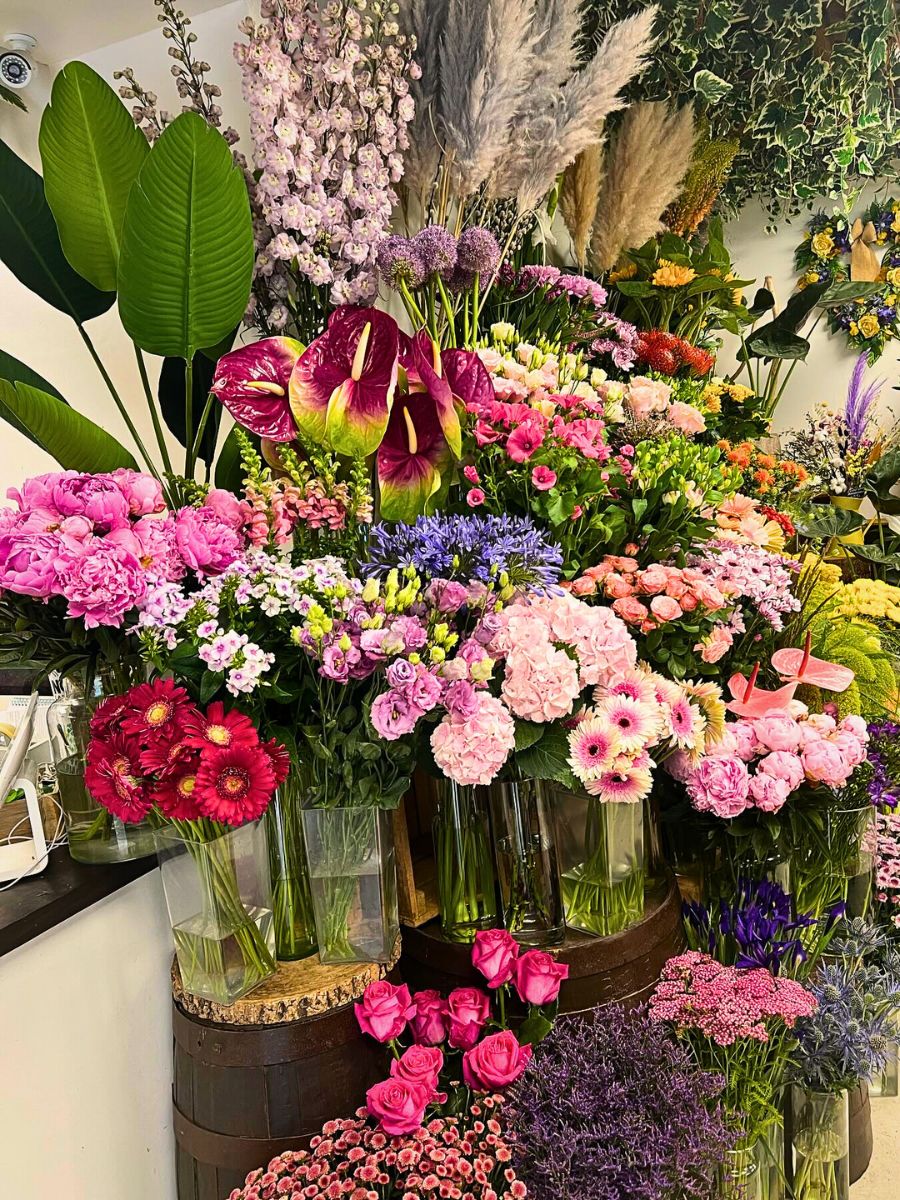
You should be looking at the mean, median, and mode of your harvest. If you plug your stem lengths into a mean, median, and mode calculator, you might find that while your mean is 60cm, your mode, the length that occurs most frequently, is actually 55cm. That tells you that your crop is "skewing" short, despite a few giants pulling the average up.
For a grower, this is a signal. It means the soil in the north corner of the greenhouse might be lacking the phosphorus needed for that final stretch. It’s math that tells you where to put your shovel.
Soil Is the Only Asset That Matters
I’ve seen farms that look beautiful on the surface but are basically hydroponic systems with dirt in the middle. The soil is dead, and the plants are just "living" on a constant drip of chemicals. That’s a fragile way to live. When the price of fertilizer spikes, as it has globally over the last few years, those farms go under.
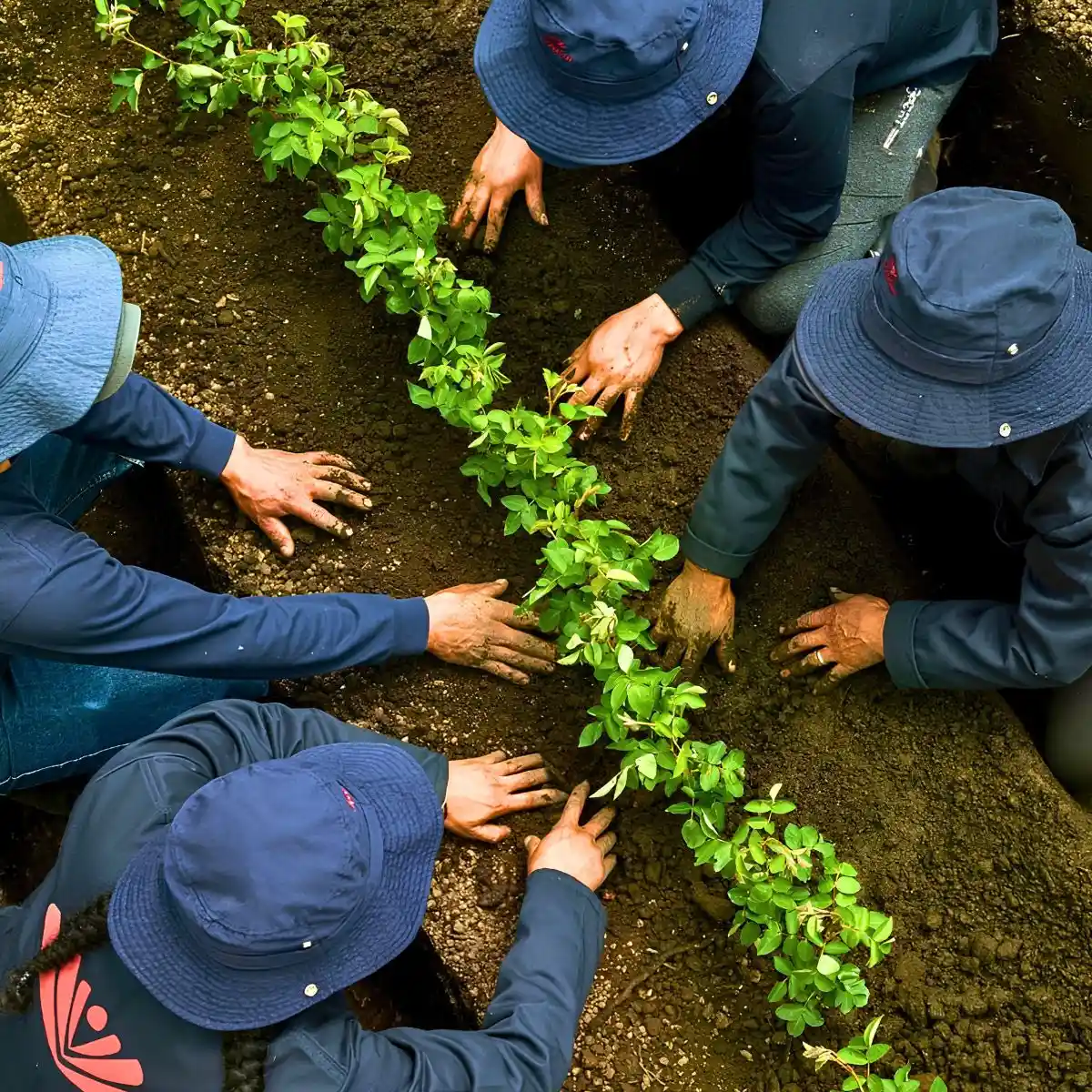
The growers who are thriving now are the ones treating their soil like a bank account. They’re looking at organic matter percentages. They’re tracking how many earthworms they find per square foot. It’s a completely different way of thinking. Instead of "What do I need to kill today?" the question becomes "What do I need to feed today?" This shift requires a lot of testing. You’re testing the pH, the cation exchange capacity, and the micronutrient levels. If you’re moving from a 1% organic matter content to 4%, that’s a massive victory for carbon sequestration and water retention. It means your soil can hold onto moisture longer, which is a lifesaver during those brutal July heatwaves that seem to be getting longer every year.
Slow Flowers
There is a cost to all this. Organic fertilizers, like seaweed extracts or composted manure, are often more expensive and heavier to transport than a bag of synthetic salts. Biological controls, like releasing Phytoseiulus persimilis to eat spider mites, require a high level of expertise. You can't just hire anyone to spray a field; you need someone who knows how to spot the difference between a beneficial insect and a pest.
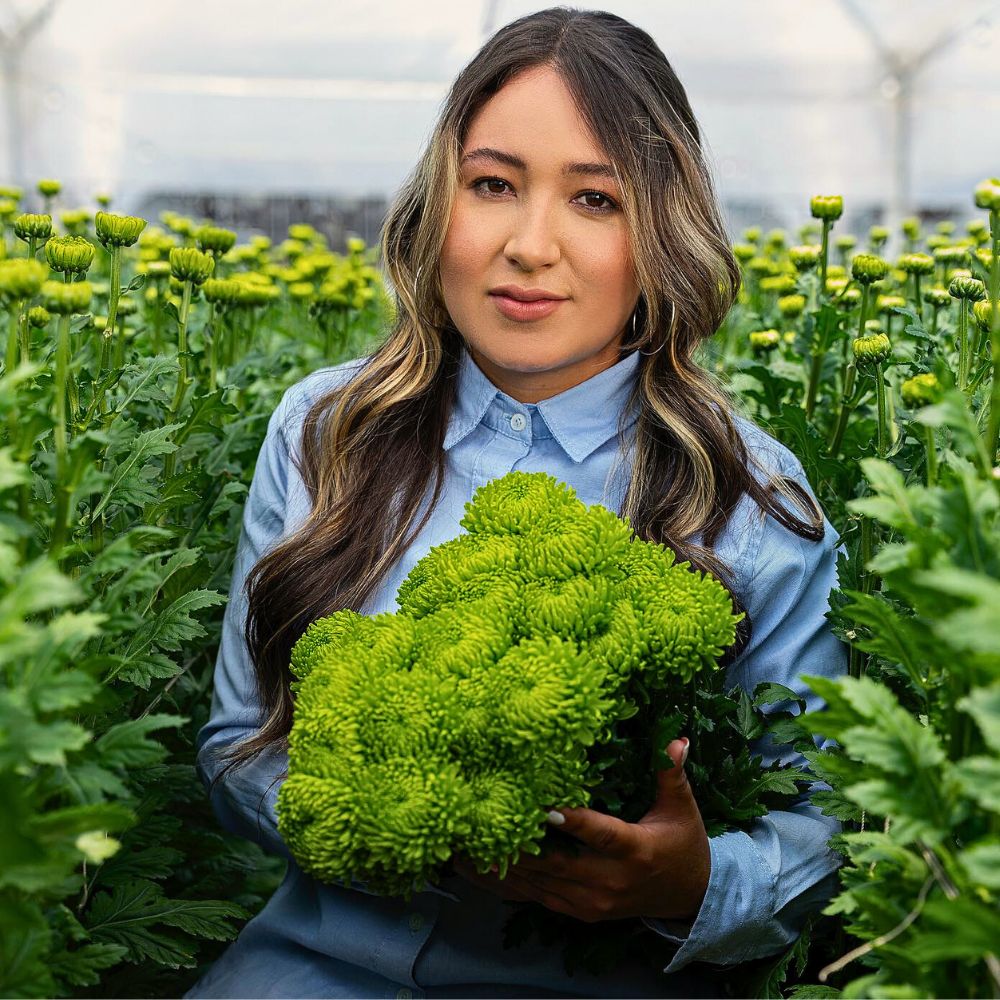
But the "Slow Flower" movement is proving that there is a market for the imperfect, the fragrant, and the ethically grown. People are tired of roses that have no scent and look like they were made in a factory. They want the dahlia with the slightly wonky stem because it smells like autumn and was grown in a way that didn't poison a local river.
The industry is reaching a tipping point. Wholesalers are starting to reward the farms that can show their work. If you can prove that your use of synthetic fungicides has seen a significant percentage decrease over five years, you get better placement. You get the premium contracts. You aren't just selling a flower anymore; you’re selling a record of stewardship.
Why Data Is the New Fertilizer
In the end, sustainability is a data problem. You can’t just feel your way through a 20-acre harvest of Peonies. You need to know the numbers. You need to know that your "median" vase life is 10 days, not just that "some last a long time."
You need to know that your chemical usage is dropping by a measurable percentage every season. This isn't just about the environment. It’s about survival. The farms that can’t prove their sustainability are going to find themselves locked out of the most lucrative markets in the coming decade. The math is the only thing that won't wilt. Whether you are a breeder in a lab or a picker in a field, the numbers tell the truth about what is actually happening in the dirt. And the truth is, we have to do better. We have to use the calculators as much as we use the clippers.
If we don't, we’re just making the world a little bit prettier for a few days while making it much worse for the next generation of growers. And that is a trade-off that no one should be willing to make. The goal isn't just a perfect bouquet today; it’s a healthy farm fifty years from now. That requires a lot more than just sunlight and water. It requires the discipline to look at the cold, hard stats and change the way we work.