This International Day for Biological Diversity, Agraya highlights the importance of collaboration as a driver for scalable biodiversity frameworks that are globally relevant while remaining locally meaningful in agriculture.
Agraya Highlights Collaboration as Key to Scalable Biodiversity Solutions in Agriculture
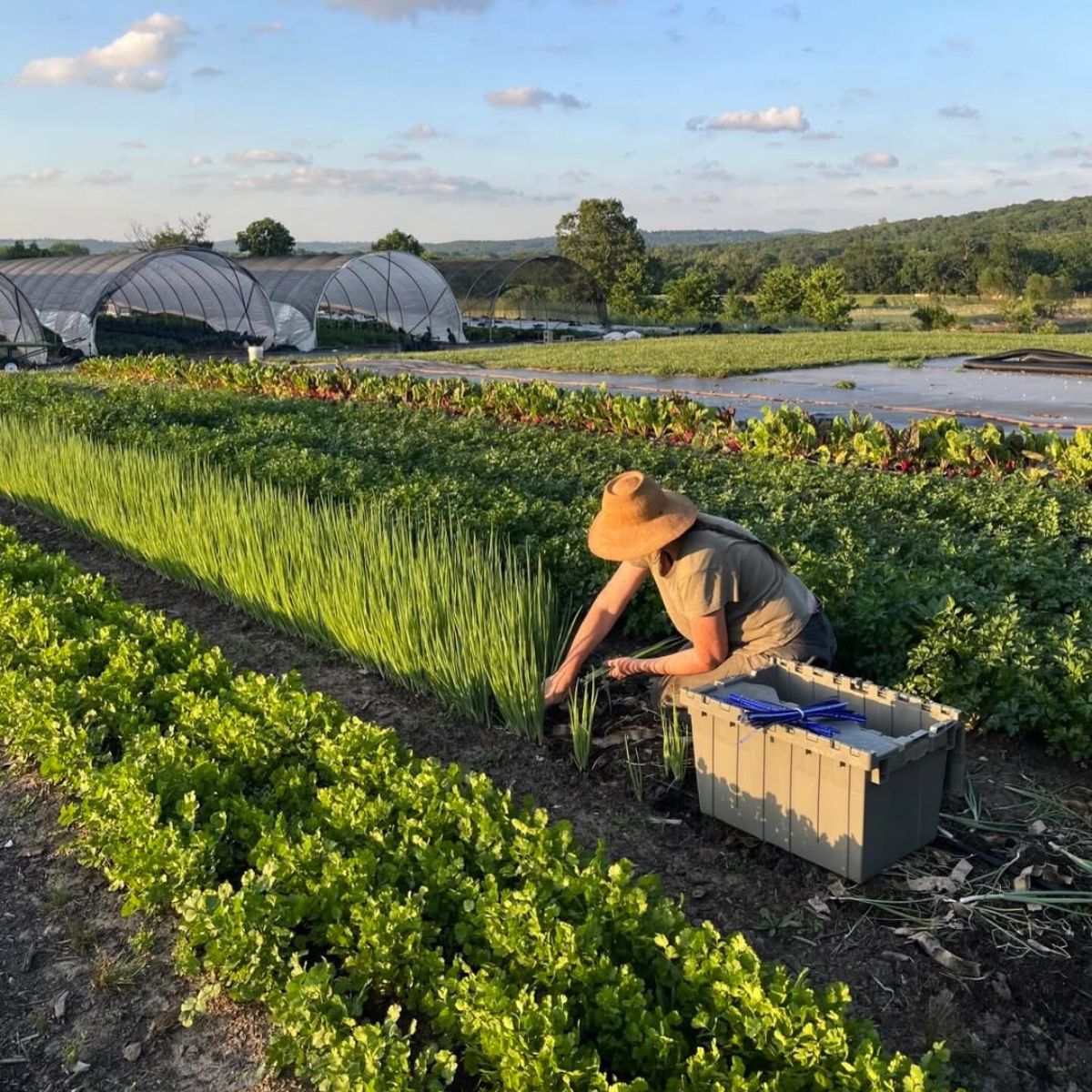
Biodiversity in agriculture is inherently local, shaped by geography, climate, and farming practices. At the same time, it is closely connected to global environmental and market dynamics. Translating global UN Sustainable Development Goals into practical, scalable solutions requires coordinated action across regions and stakeholders.
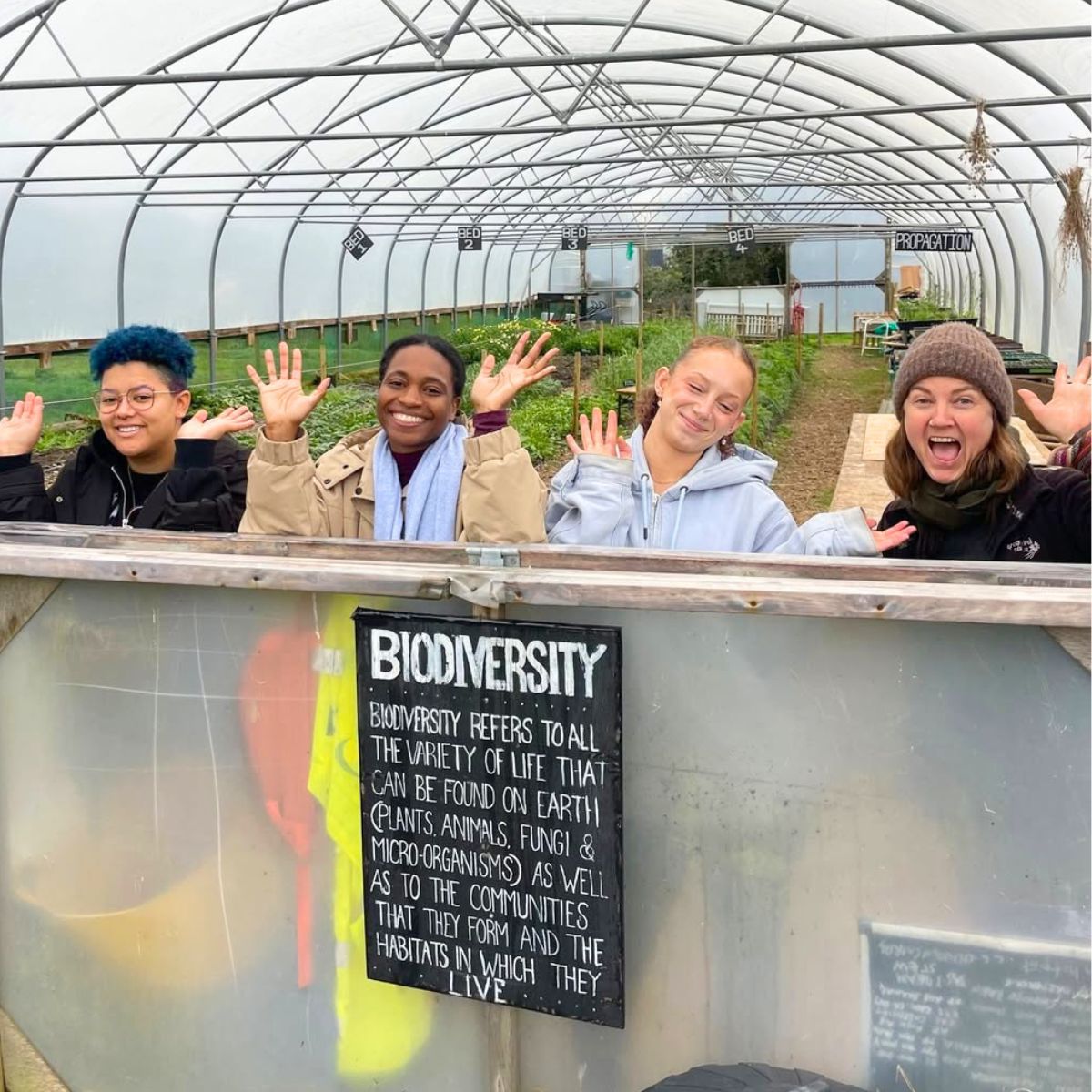
Rene Capote, Senior Technical Expert at Agraya, said:
“Biodiversity in farming is both context and resource. Its protection and enhancement cannot be achieved through a one-size-fits-all approach. It requires collaboration that reflects on-farm realities while supporting credible frameworks for progress at scale."
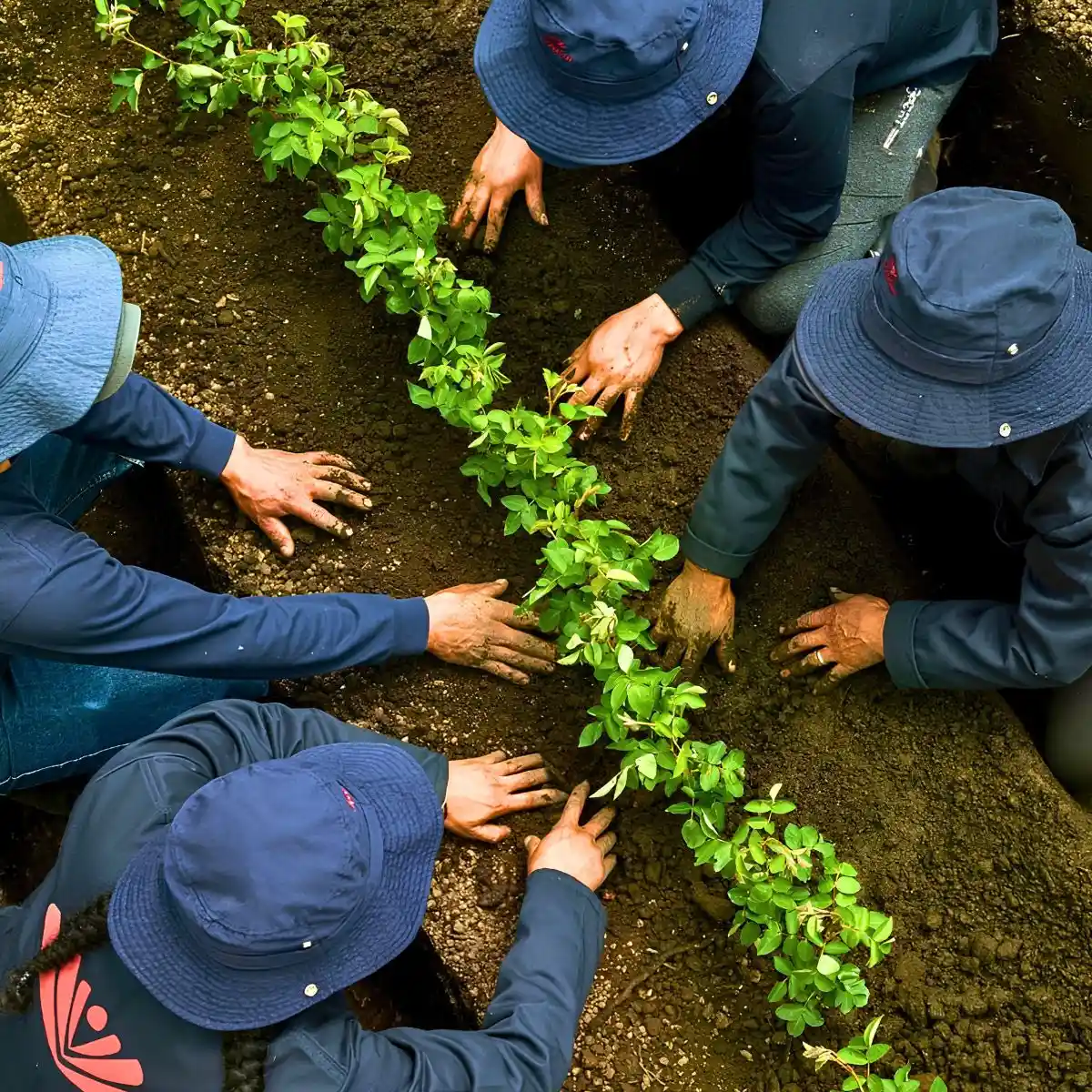
Over the past four years, Agraya has collaborated with nearly 100 stakeholder organizations representing production systems across Africa, Europe, and the Americas to develop scalable and cost-effective approaches to biodiversity and environmentally sustainable farming practices within agricultural value chains.
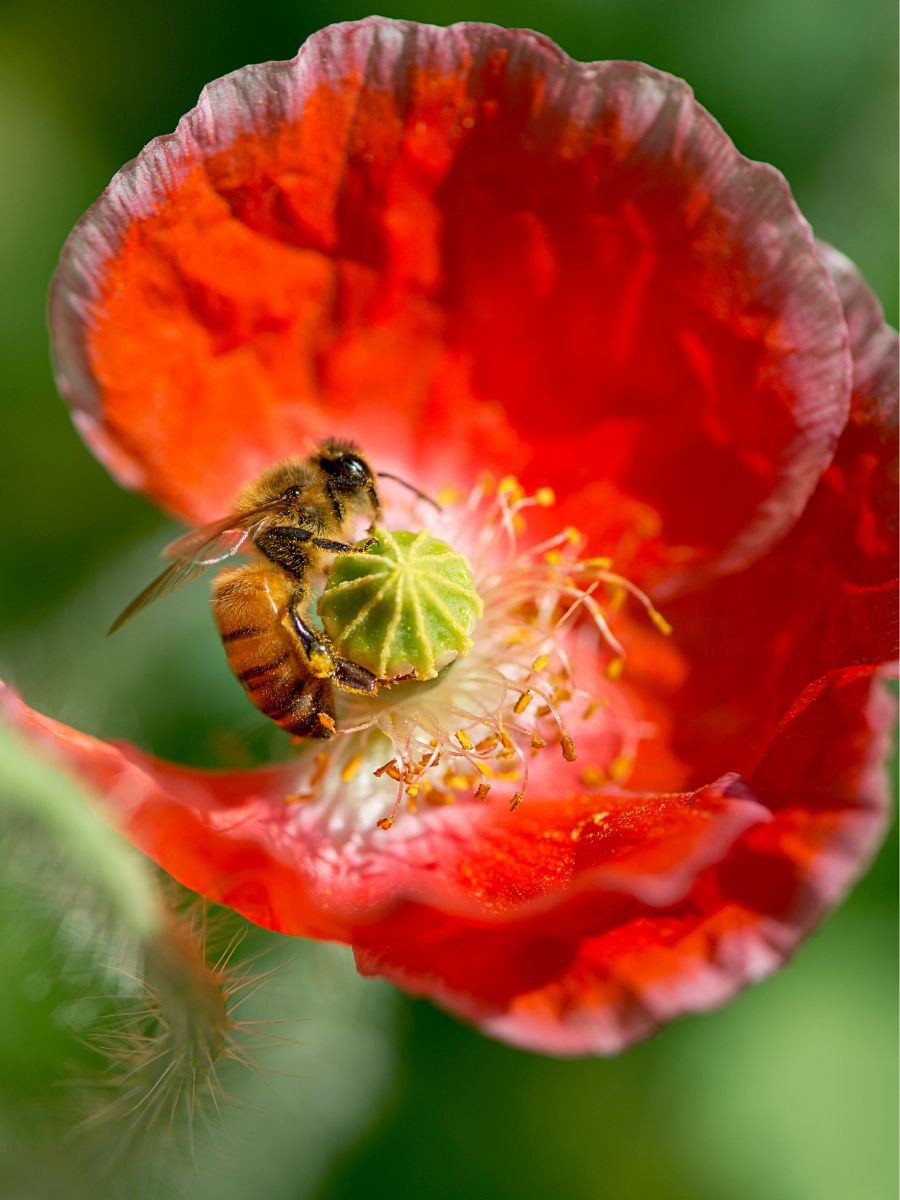
With fewer than five years remaining until the target year for the United Nations Sustainable Development Goals, global partnerships are becoming increasingly essential. Agraya’s work closely aligns with SDG 17: Partnerships for the Goals. Amid growing climate, environmental, and geopolitical pressures, close to 100 organizations continue to support Agraya as a neutral facilitator working to develop standards that encourage biodiversity-friendly and resilient farming practices worldwide.
From Farm Realities to Global Frameworks
Since biodiversity can vary from one farm to another, GLOBALG.A.P. certification solutions are designed to avoid rigid requirements. Instead, they rely on science-based principles that support flexibility, continuous improvement, and practical implementation. This approach enables producers to adopt and demonstrate sustainability practices without unnecessary complexity while strengthening the long-term viability of their farms.
Enabling Scalable Biodiversity Action on Farms
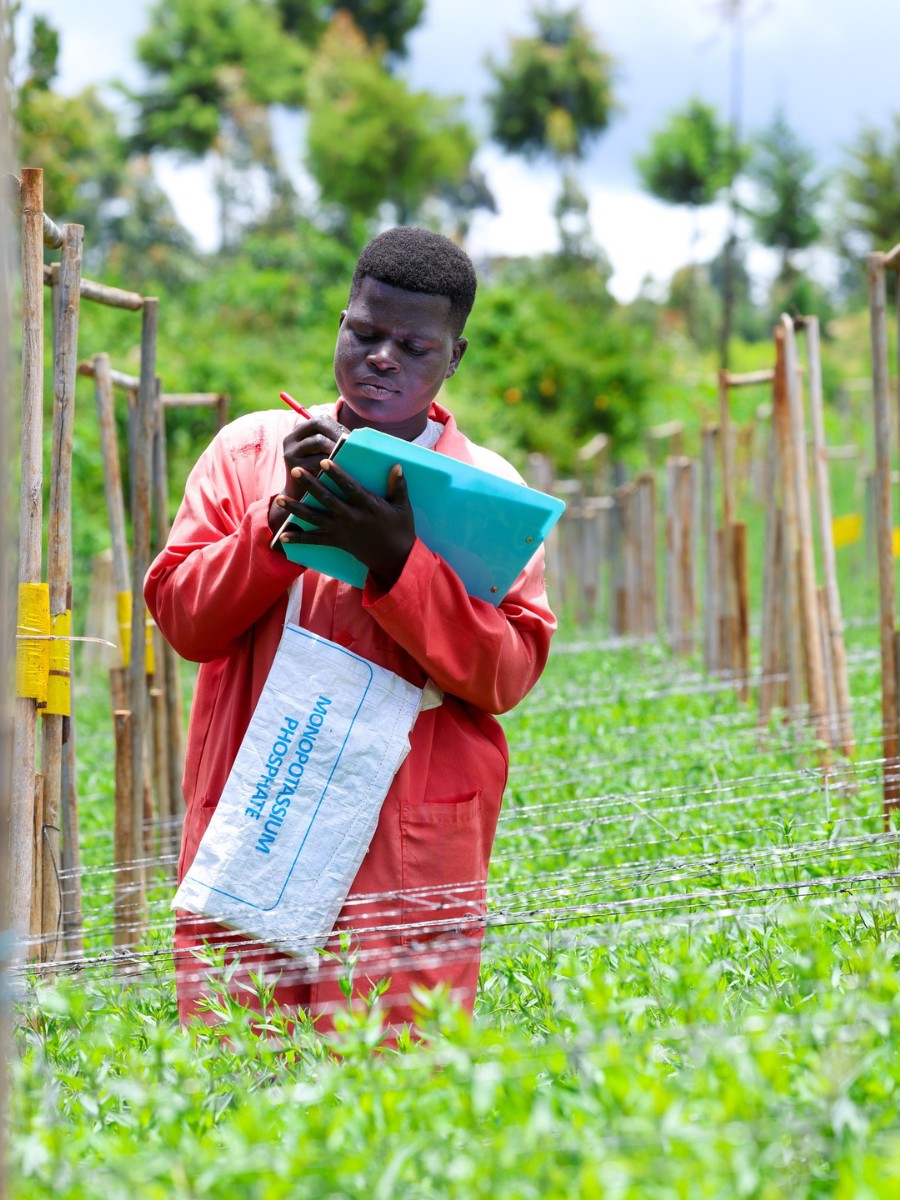
To support this approach, Agraya is finalizing the Environmental Sustainability Solution (ESS), which is planned for market release in 2027. ESS is designed to help demonstrate environmental sustainability achievements at the farm level while remaining adaptable across regions, crops, and farming systems.
The ESS framework integrates content from existing GLOBALG.A.P. solutions, such as the Sustainable Program for Irrigation and Groundwater Use (SPRING) and BioDiversity add-ons, into a single system. It addresses key topics including biodiversity, environmental footprint, water management, and regenerative agriculture through metrics that measure a wide range of factors, from soil health to greenhouse gas emissions.
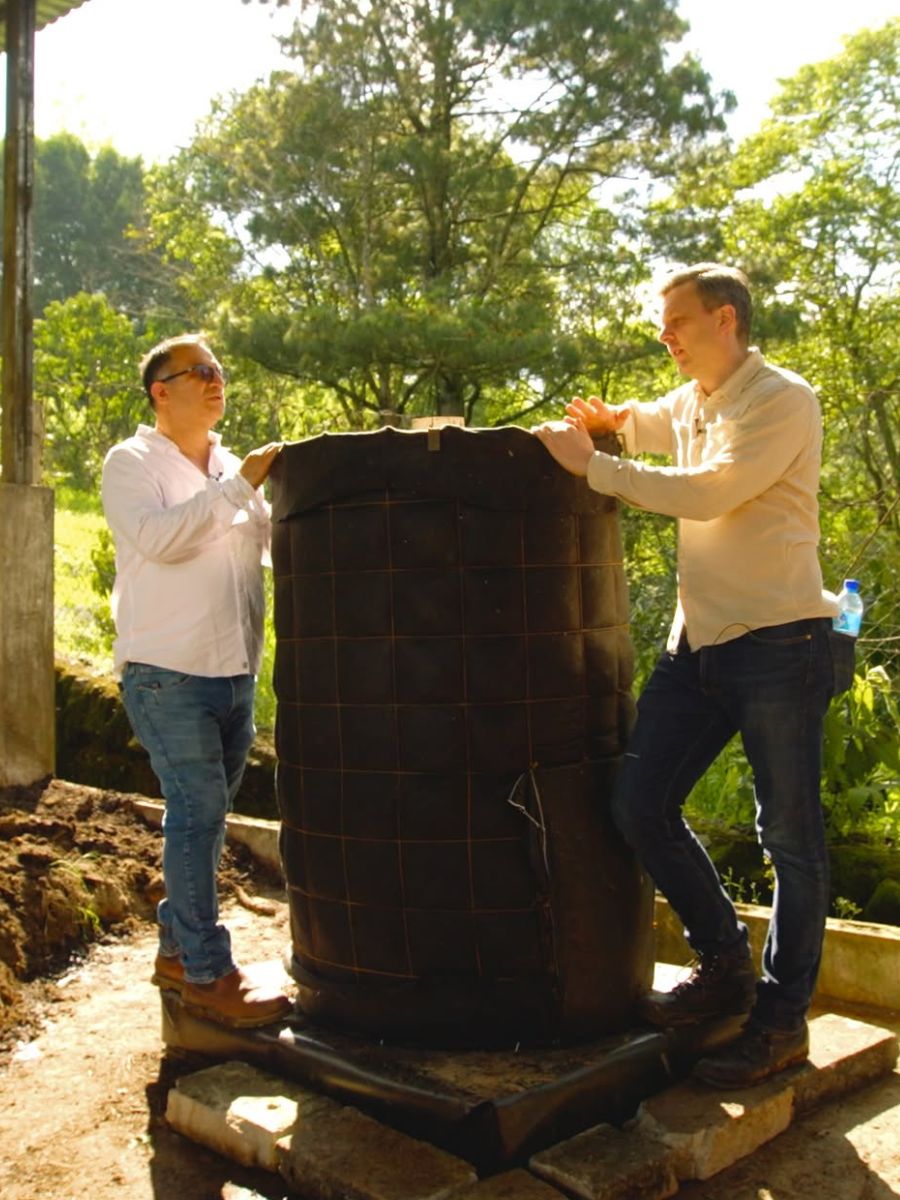
Currently, nearly 18,000 producers participate in SPRING, with an additional 1,000 producers involved in BioDiversity. Agraya estimates that around 20,000 producers could transition to ESS in the coming years, supporting broader adoption of biodiversity-related practices across agriculture. The ESS is being developed in close collaboration with Agraya’s multi-stakeholder working group, which brings together expertise from producers, traders, advisory and service providers, retailers, civil society, and sustainability initiatives worldwide.
As Rene Capote concludes:
“Biodiversity encompasses people, crops, and the many living organisms that support agricultural systems, from pollinators to soil life. It is inherently local yet globally connected. Biodiversity can only thrive in the long term through strong, positive synergies and global partnerships. By working collaboratively across borders and sectors, we can implement sustainability frameworks that are globally relevant while remaining locally meaningful.”
Learn more about the vision on Agraya's website.