Planning a wedding is often described as one of life’s happiest experiences. From selecting a venue to choosing music and attire, every detail feels meaningful. Flowers, in particular, play a central role in setting the mood and aesthetic of the day. Bouquets, centerpieces, and floral arches bring romance and elegance to the celebration.
However, for brides, grooms, and guests who wear contact lenses, flowers can introduce an unexpected challenge. Certain blooms release pollen, strong fragrances, or plant oils that may irritate sensitive eyes. What should be a joyful day can quickly become uncomfortable if eye irritation sets in.
The purpose of this article is to help contact lens wearers make thoughtful floral choices. With the right selections and a bit of preparation, it is absolutely possible to enjoy beautiful wedding flowers without sacrificing eye comfort.
You can find more floral inspiration here: Types of Wedding Flowers: 15 Blooms That Speak the Language of Love
Why Some Wedding Flowers Can Be Irritating
Flowers are natural products, and many of the qualities that make them appealing can also cause discomfort for sensitive eyes. The most common irritants include pollen, fragrance, and plant sap or oils.
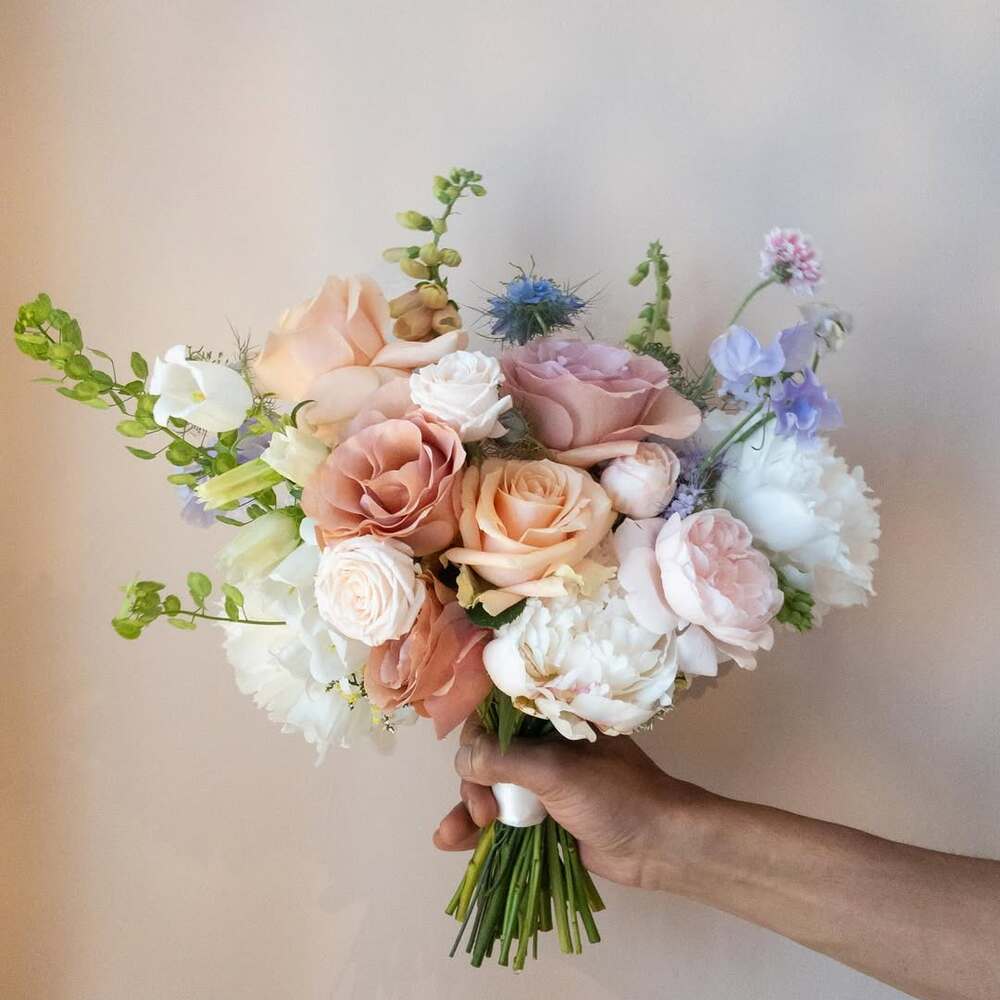
Pollen is one of the biggest contributors to eye irritation. When pollen particles become airborne, they can easily settle on contact lenses. This can lead to redness, itching, excessive tearing, or a gritty sensation that is difficult to ignore.
Fragrance is another factor. Strong floral scents may trigger allergic reactions or sensory irritation, especially in enclosed spaces like dressing rooms or reception halls. For some people, exposure to heavy fragrance can cause eye watering or swelling even without direct contact.
Plant oils and sap are less obvious but equally important. Certain flowers release sticky or milky substances when handled. If these transfer to the hands and then to contact lenses, irritation can occur quickly.
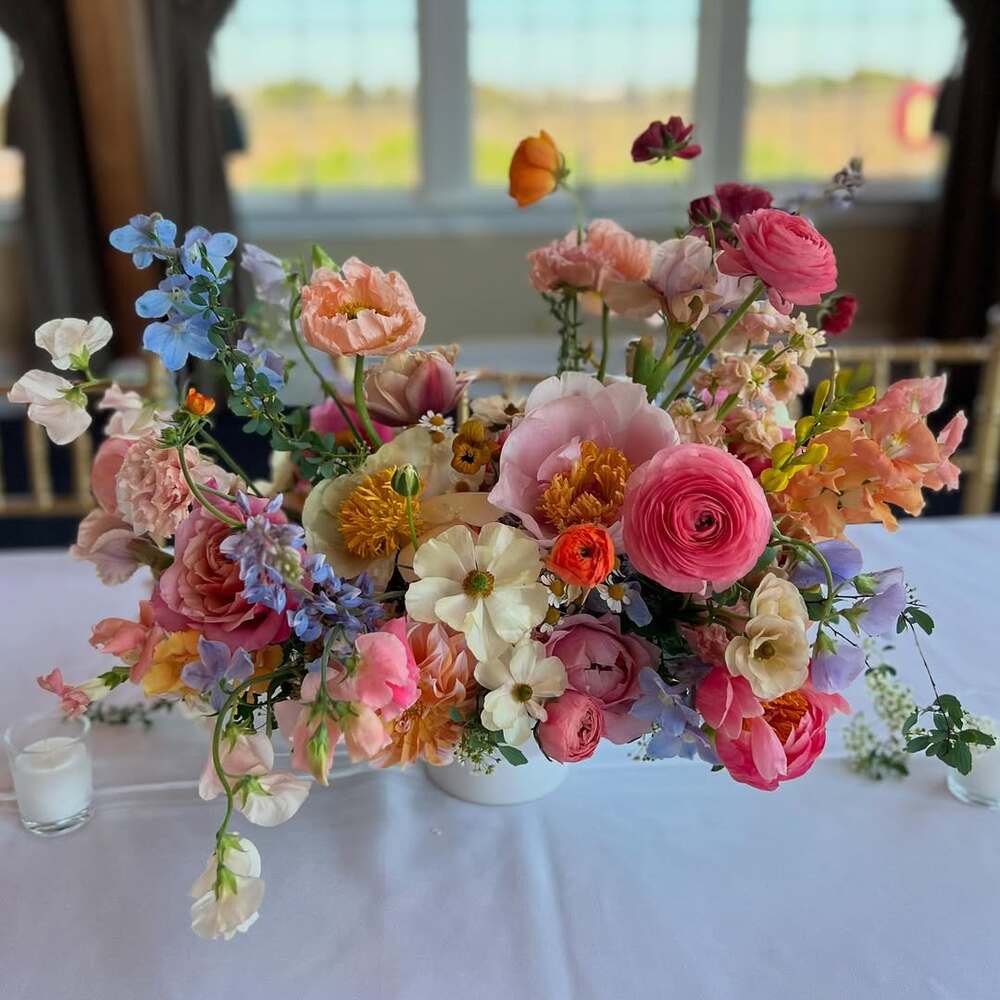
Contact lenses can amplify all of these effects because they sit directly on the surface of the eye. Anything that disrupts the tear film or introduces allergens can feel more intense than it would for someone who does not wear lenses.
Flower Features to Avoid If You Wear Contacts
High Pollen Flowers
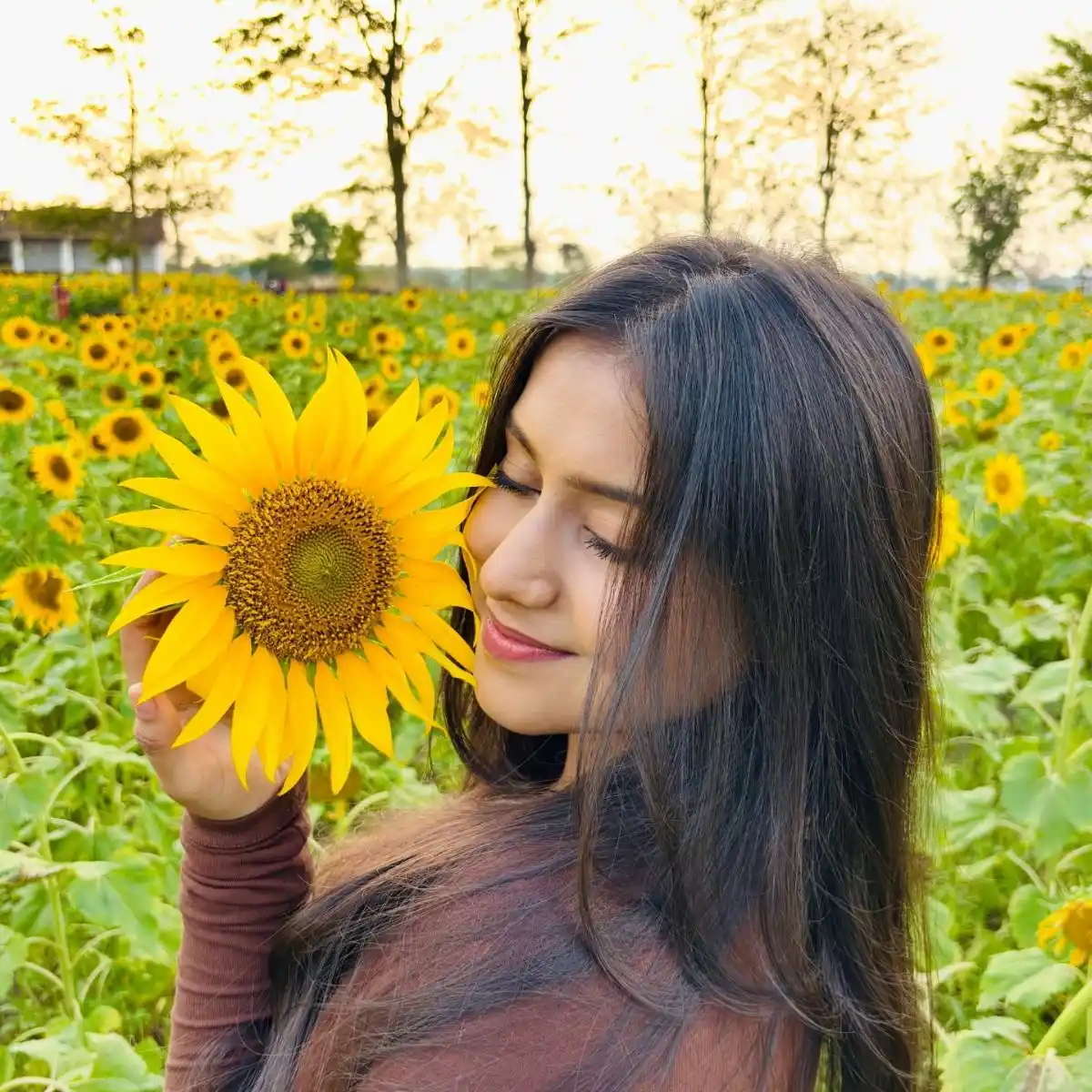
Some flowers are known for producing large amounts of pollen. Lilies, daisies, sunflowers, and chrysanthemums are common examples often used in wedding arrangements. While visually striking, these blooms shed pollen easily, especially when fully open.
For contact lens wearers, pollen can cling to lenses and cause persistent irritation. Even brief exposure during bouquet handling or close-up photography can be enough to trigger discomfort that lasts for hours.
Overly Fragrant Blooms
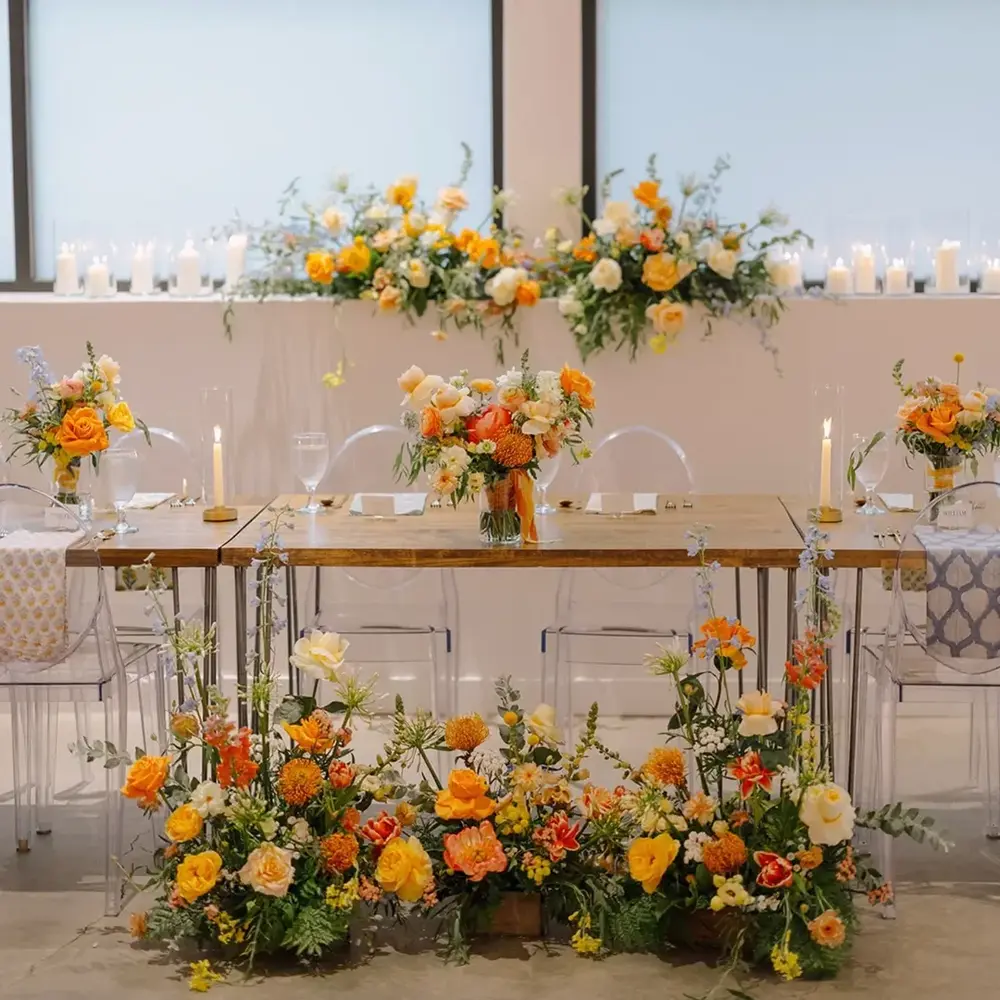
Strongly scented flowers can be overwhelming in wedding settings where multiple arrangements are concentrated in one space. Gardenias, jasmine, and tuberose are popular for their fragrance, but that intensity can work against those with sensitive eyes.
Heavy scents may provoke allergic responses, leading to watery eyes, redness, or swelling. This can be particularly problematic during long ceremonies or receptions where fresh air circulation is limited.
Flowers with Sticky or Milky Sap
Some plants release sap when stems are cut or petals are handled. Flowers such as euphorbia and poppies fall into this category. The sap can transfer to skin and linger even after hands are washed.
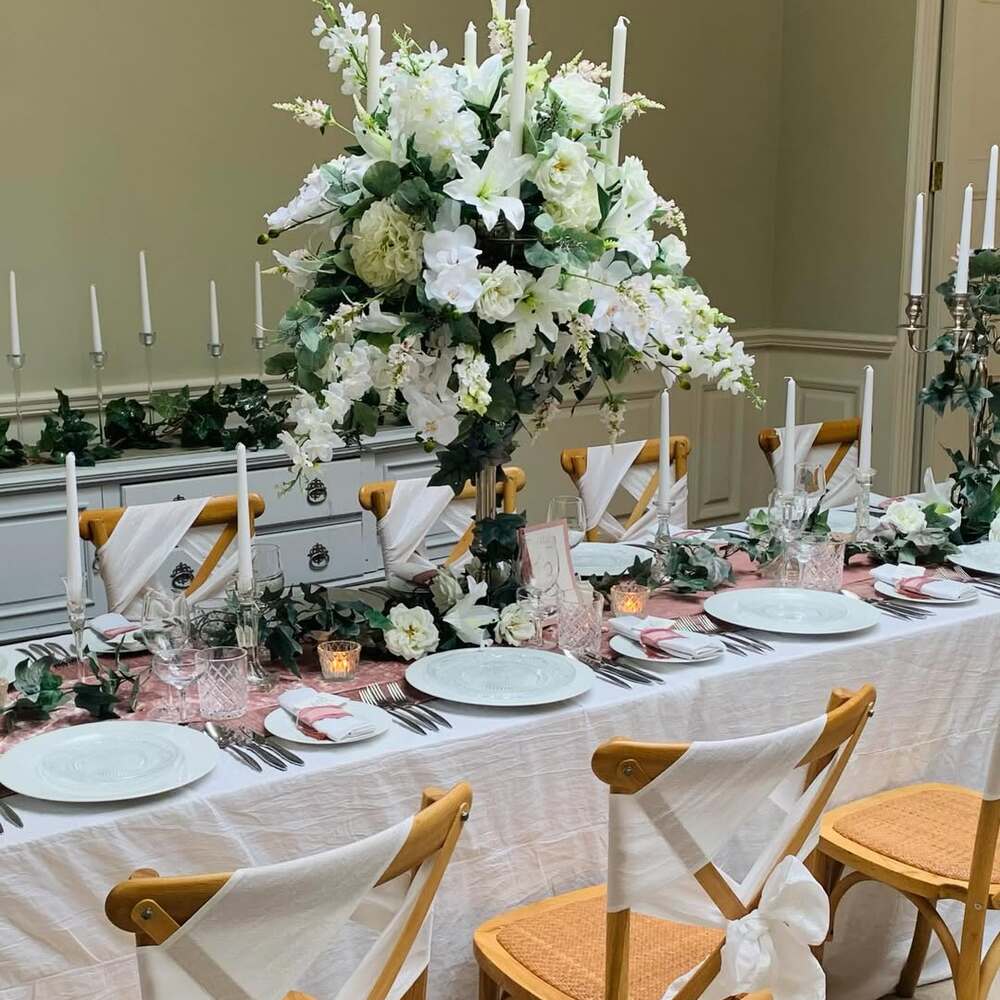
If sap residue comes into contact with contact lenses, it can cause immediate irritation. This risk increases during setup, bouquet adjustments, or moments when flowers are passed between people.
Eye-Friendly Flower Options for Weddings
Low Pollen Choices
Fortunately, many elegant wedding flowers are naturally low in pollen. Roses, particularly those with closed or tightly layered buds, are a popular and safe choice. Orchids are another excellent option, offering sophistication with minimal pollen release. Hydrangeas also tend to be gentle on sensitive eyes while providing fullness and visual impact.
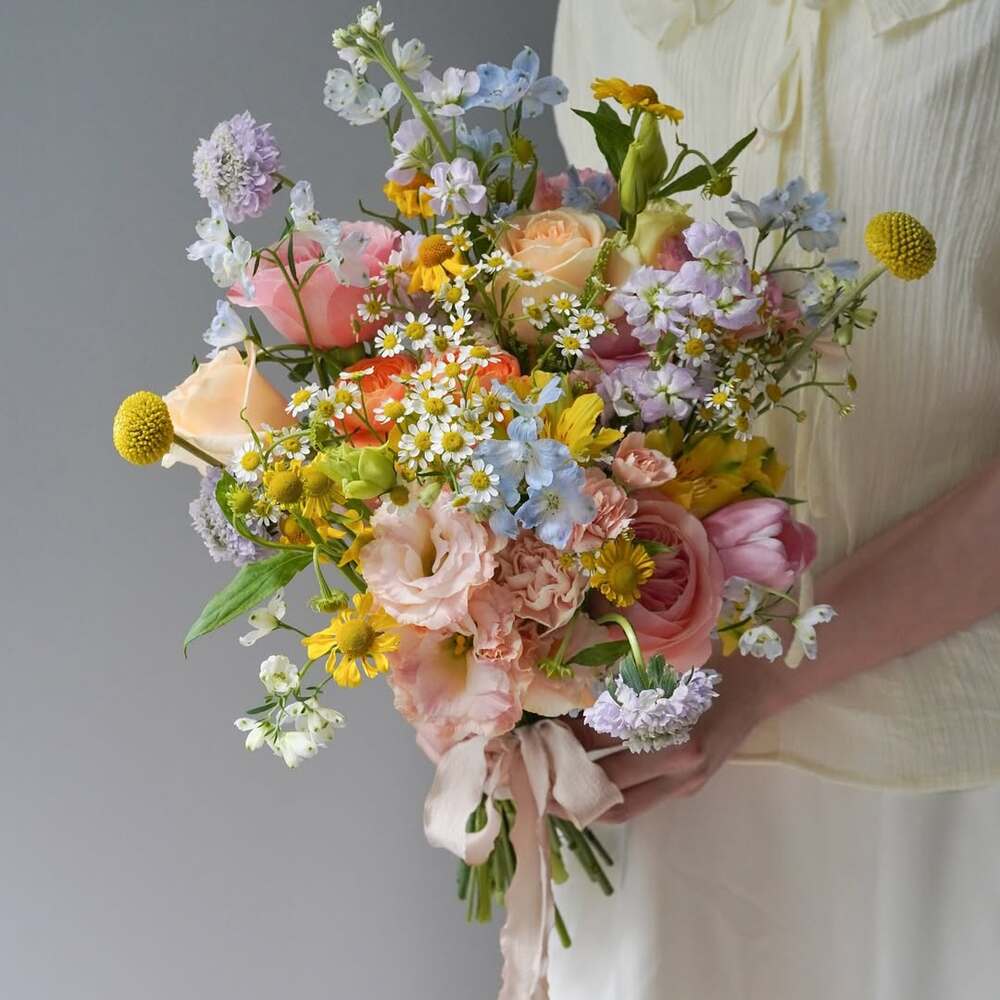
These flowers allow couples to achieve classic or modern aesthetics without increasing the risk of eye irritation.
Greenery and Filler Alternatives
Greenery can add texture, depth, and freshness to wedding arrangements without introducing pollen or fragrance concerns. Ferns, eucalyptus, and olive branches are widely used for this reason.
For filler flowers, consider options like waxflower, which has a subtle appearance and low pollen output. These elements can enhance arrangements while keeping them eye-friendly.
Tips for Brides and Guests Who Wear Contacts
Preparation plays a key role in avoiding discomfort on the wedding day. Some contact lens wearers choose to switch to glasses temporarily during hair and makeup sessions or extended photo shoots, especially when flowers are handled frequently.
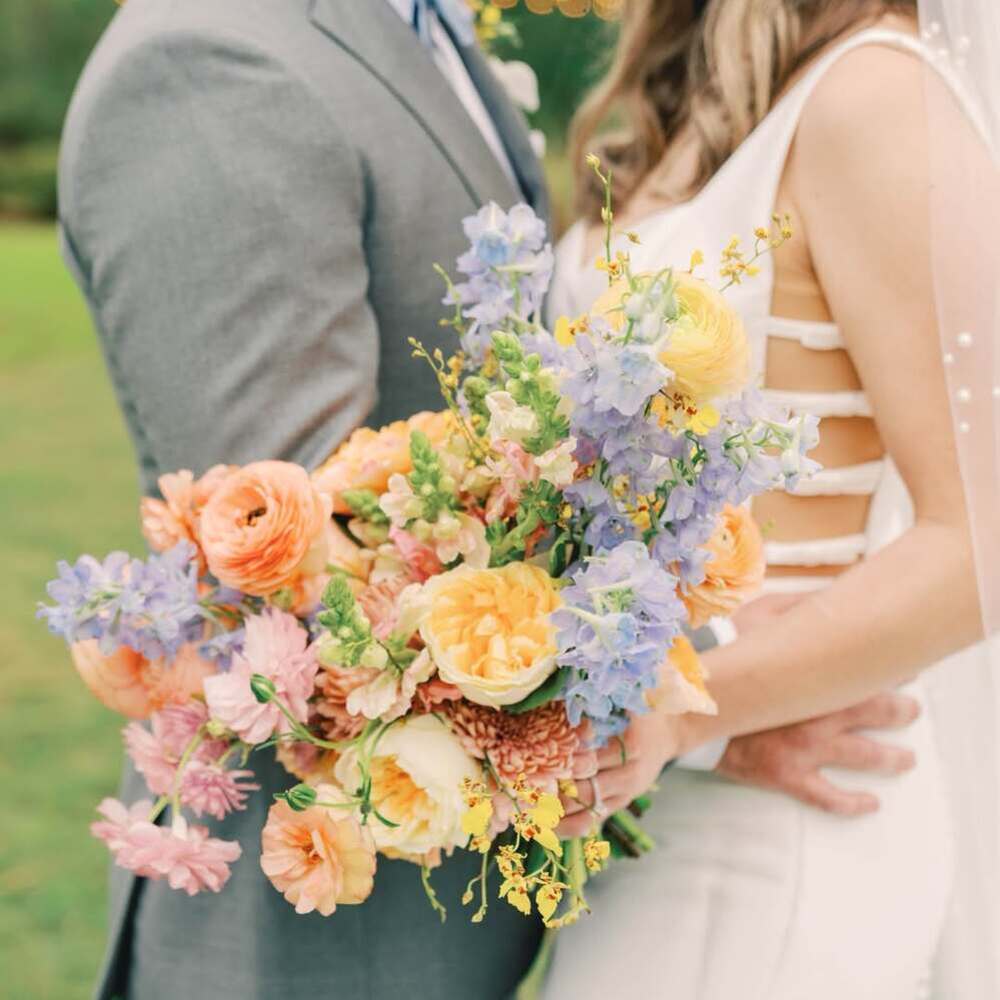
Keeping rewetting drops and a clean lens case on hand is also a smart precaution. These items provide quick relief if dryness or irritation begins.
It is helpful to ask florists whether flowers can be gently rinsed or treated to reduce loose pollen before arrangements are assembled. Many professionals are familiar with this request and happy to accommodate.
Finally, avoid touching your eyes after handling bouquets, boutonnieres, or centerpieces. Even trace amounts of pollen or sap on fingers can transfer easily to lenses.
How to Talk to Your Florist About Eye Sensitivities
Open communication with your florist is essential. Let them know early in the planning process that you or members of the wedding party wear contact lenses and have sensitive eyes.
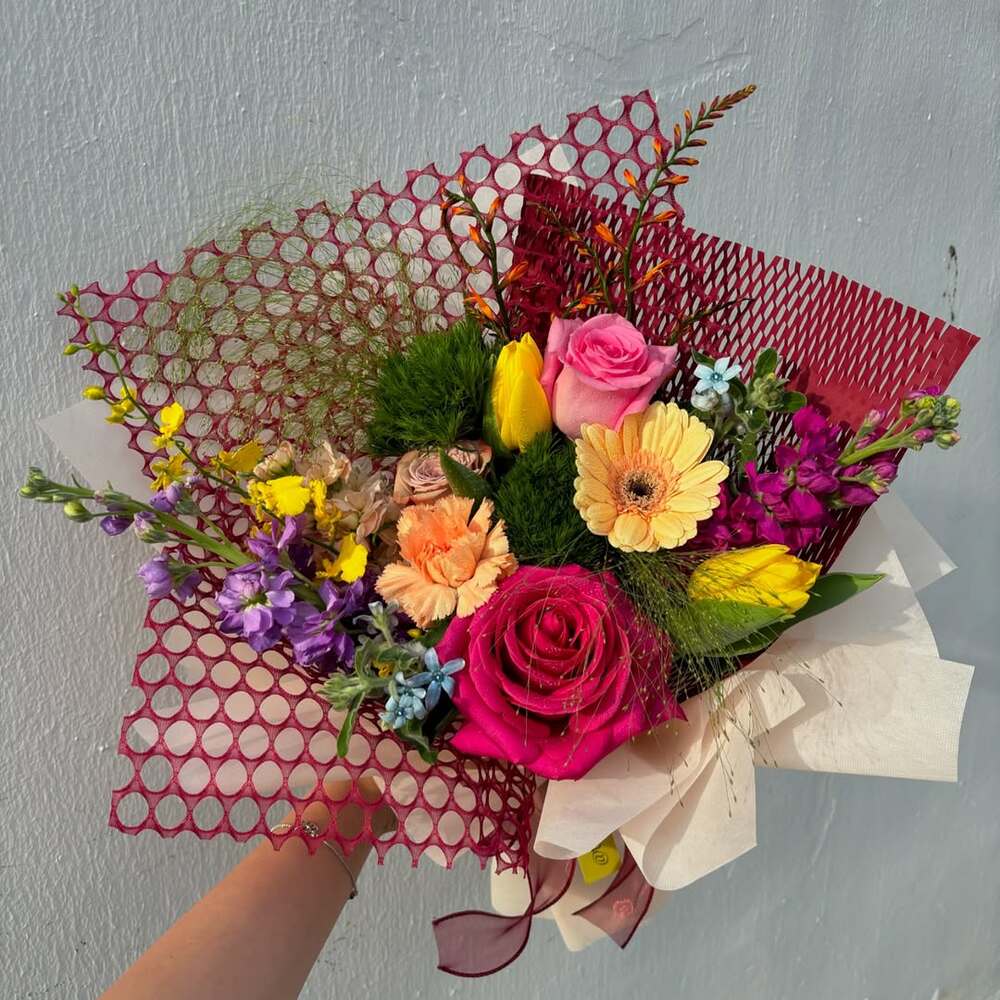
You might ask questions such as which flowers produce the least pollen, whether strongly scented blooms can be avoided, or if greenery-heavy designs would work for your theme. Providing a clear checklist of preferences helps ensure nothing is overlooked.
Florists are accustomed to working around dietary restrictions, allergies, and other health considerations. Eye sensitivity is simply another detail that can be incorporated into the design plan.
Celebrate Love, Not Eye Discomfort
Wedding flowers should enhance the beauty and joy of the celebration, not cause unnecessary discomfort. By choosing low-pollen and low-fragrance blooms, avoiding plants with irritating sap, and communicating openly with your florist, contact lens wearers can enjoy the day with confidence.
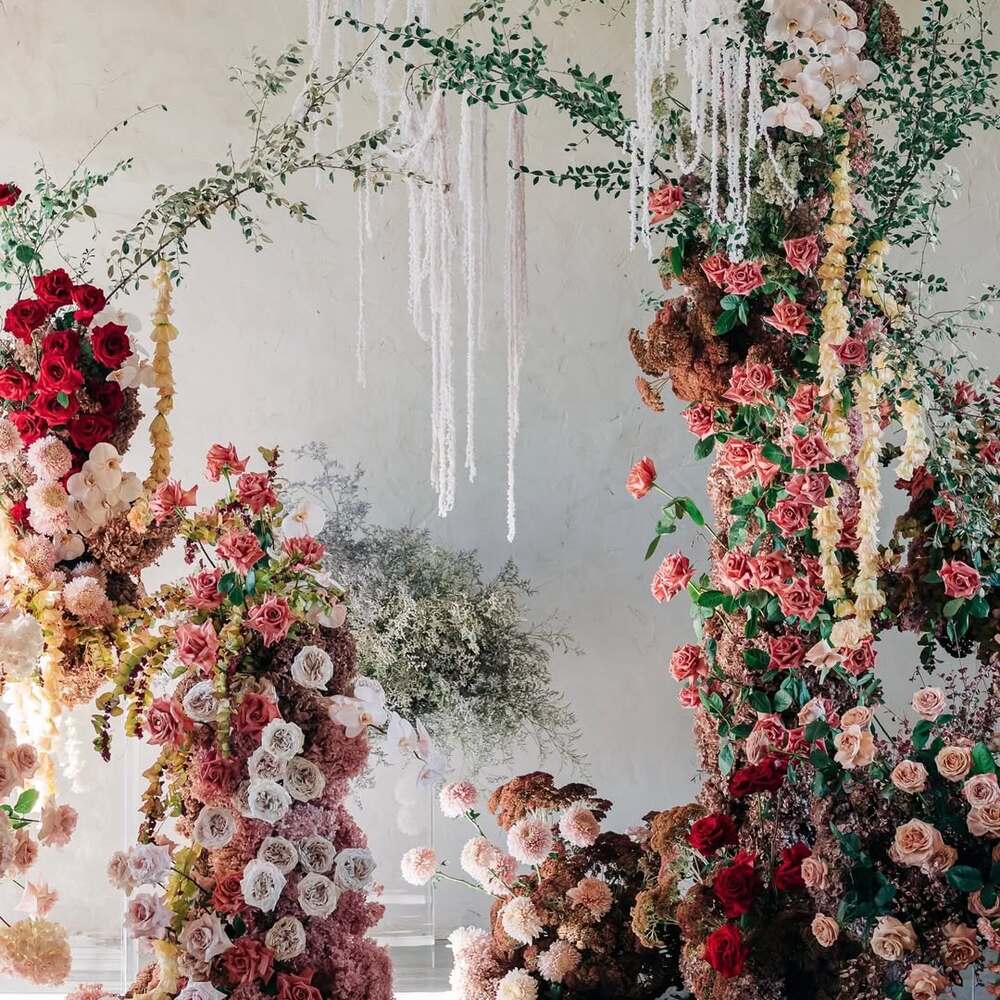
A little planning goes a long way. With thoughtful floral choices and simple precautions, you can focus on what truly matters: celebrating love, connection, and the moments that make the day unforgettable, all while keeping your eyes comfortable and clear.
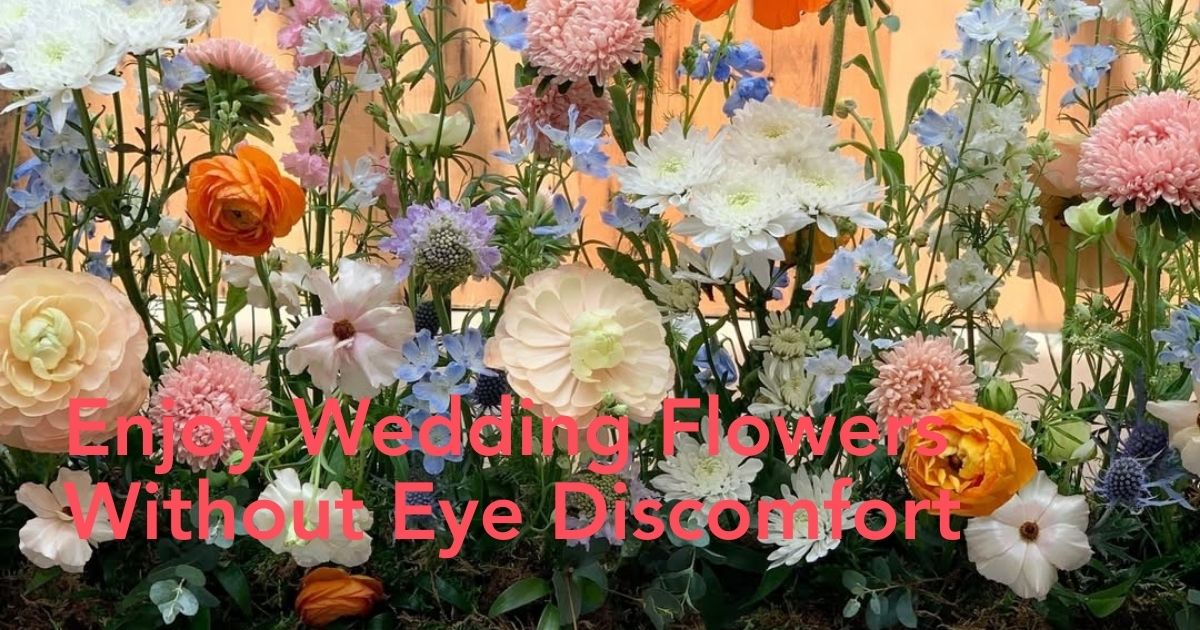
Header Image by @ravenrosebeacon