For years, the energy transition in greenhouse horticulture has been told as a story about heat. Replace the gas boiler. Replace the combined heat and power unit. Drill for geothermal, install heat pumps, connect to residual heat from industry. Done.
Ruud van der Vliet thinks the story of greenhouse decarbonization is missing its second half. "Decarbonizing greenhouses requires more than renewable heat," he writes in a recent LinkedIn analysis, and the reason is something every grower knows but the public debate rarely mentions.
The gas that heated the greenhouse also fed the crop.
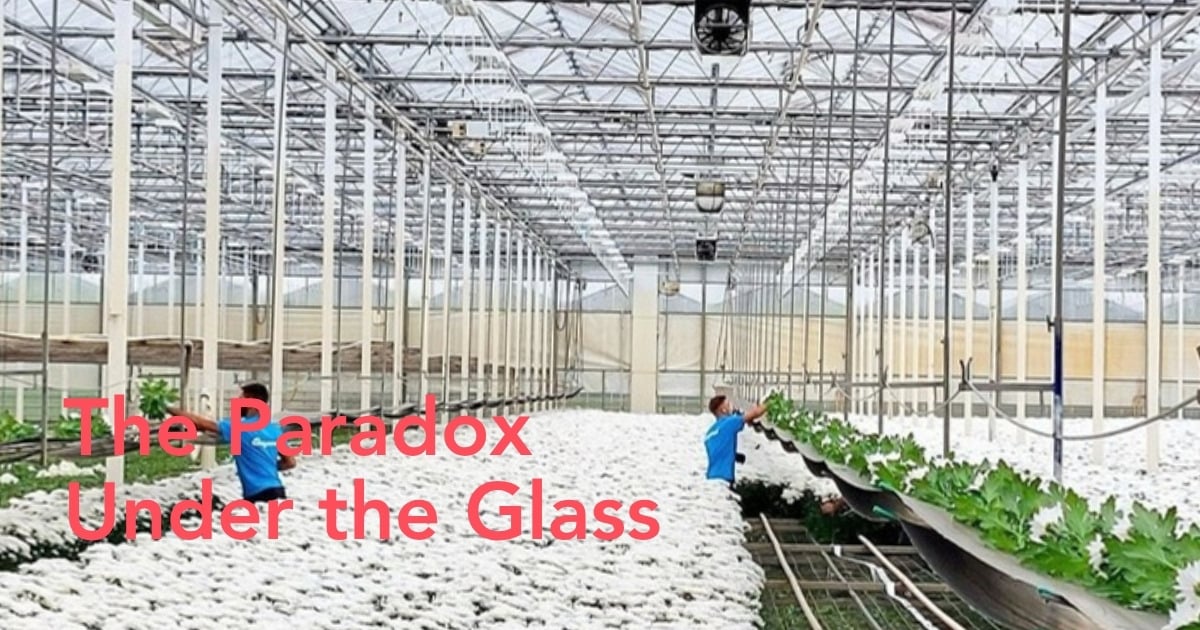
The Paradox Under the Glass
Burning natural gas in a greenhouse never produced only warmth. The exhaust carried CO2, and growers have long used that CO2 to enrich the air inside the greenhouse, because plants grow faster and better when there is more of it. For roses, Chrysanthemums, Gerberas, and pot plants under Dutch glass, that has been part of the growing recipe for decades.
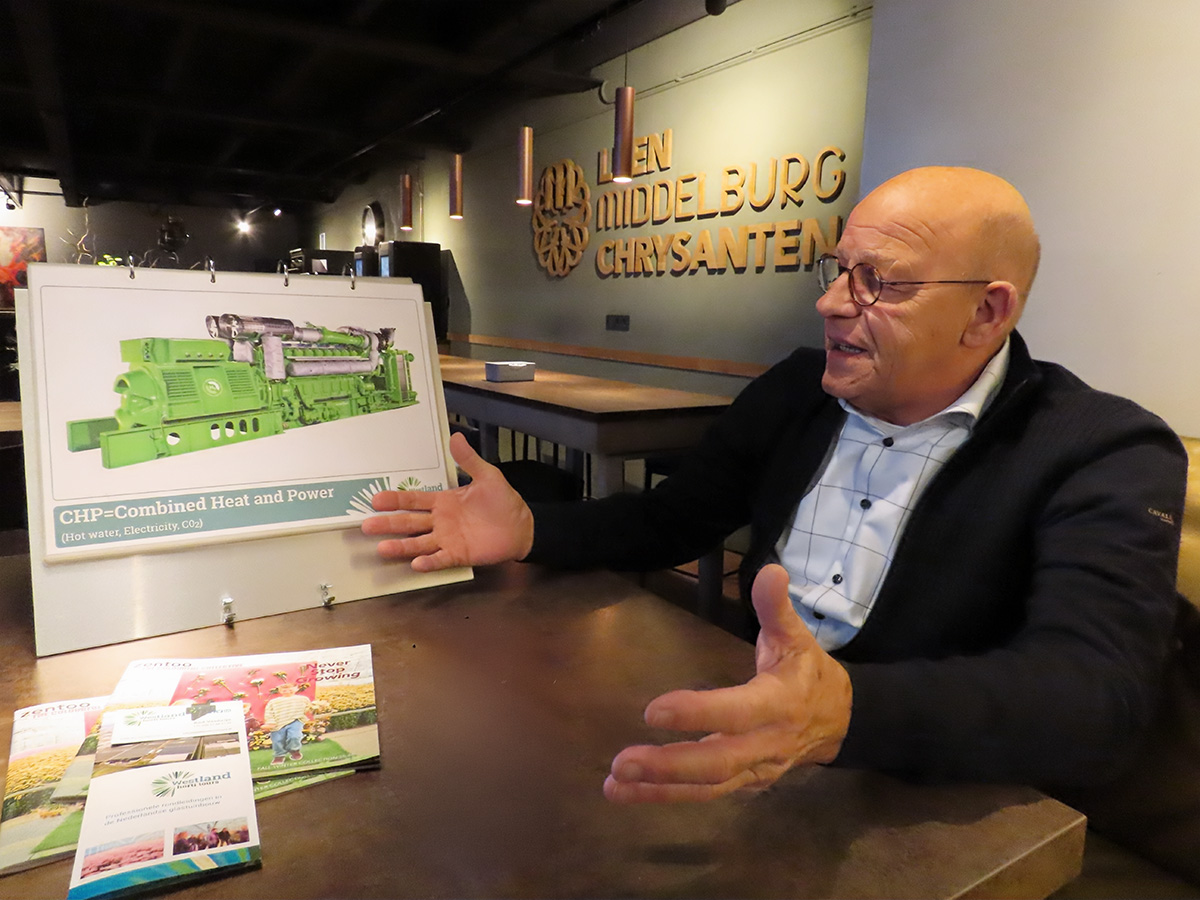
Take the gas away, and the CO2 goes with it. Van der Vliet puts it plainly: "As growers replace natural gas and CHP with geothermal energy, heat pumps and residual heat, they also lose their traditional source of CO₂."
That creates what he calls a paradox. "The paradox is clear: cleaner heat makes reliable, affordable and sustainable CO₂ supply more urgent."
In other words, the better a grower does on heat, the bigger the gap on carbon. A greenhouse that has done everything right on energy still needs CO2 from somewhere, and that somewhere now has to be outside its own walls.
What an Integrated Answer Looks Like
Van der Vliet does not leave it at the problem. He points to Project Osiris in West Brabant as an example of what joined-up greenhouse decarbonization can look like.
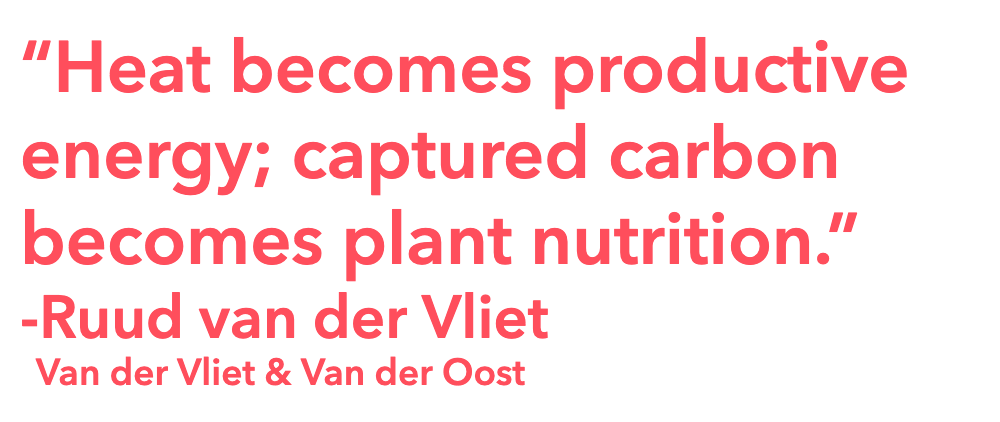
The project is designed to take residual heat and captured CO2 from PreZero's waste-to-energy plant in Roosendaal and carry both through 25 kilometers of pipelines to 14 growers, together almost 200 hectares of high-tech greenhouses. His summary of the idea is a neat one: "Heat becomes productive energy; captured carbon becomes plant nutrition."
It is a model that turns two waste streams into two inputs. It is also a model that only works because heat and carbon are planned together, in one network, rather than solved one at a time by each grower on their own site.
More Than One Route to Carbon
Osiris is not the only option, and Van der Vliet is careful to say so. "Other routes matter too," he writes, listing "industrial CO₂ networks, biogenic CO₂ from biogas upgrading and, eventually, Direct Air Capture."
The last one is the most futuristic, and it is closer than many growers may think. Van der Vliet notes that on-site Direct Air Capture, which pulls CO2 straight from the outside air at the greenhouse itself, "is already moving towards commercial use."
That widens the menu. A grower near an industrial cluster may connect to a pipeline. A grower near a biogas plant may buy biogenic CO2. A grower far from both may, in time, capture it on site. The point is that each route has to be real, available, and affordable before the gas boiler can go for good.

Photo courtesy of HouwenPlant.
The Real Bottleneck Is Not Technology
This is where Van der Vliet's financial background takes over, and where his analysis becomes most useful for anyone who invests in, finances, or buys from greenhouse businesses. He uses the same lens on offices, where he puts a number on the green return of plants at work.
"But technology is only part of the equation," he writes. "These projects require substantial capital, long payback periods, permits, infrastructure, dependable partners and stable support."
Osiris itself makes the case. According to Van der Vliet, the project "needs 15 years of SDE++ support to make the investment responsible." SDE++ is the Dutch government subsidy scheme for renewable energy and CO2 reduction. Fifteen years is a long horizon, and it says something about the economics: even a well-designed project only adds up when the support behind it holds for a decade and a half.
That is exactly where he sees the weak spot. "Here government policy remains unclear and unreliable," he writes. "Growers are pushed to abandon fossil energy, while the future availability, classification and cost of external CO₂ remain uncertain."
His conclusion is the sharpest line in the post: "Government cannot demand long-term private investment while repeatedly changing the rules."
Investable Execution, Not More Targets
The CO2 post fits a line Van der Vliet has been drawing for some time. In a recent column for Horti Inside, he argued that Dutch greenhouse horticulture "does not need more targets, but better conditions to deliver: faster permitting, grid capacity, financeable geothermal projects, predictable support schemes and coherent CO₂ policy."
His summary of that column could serve as the headline for the whole debate: "The technology is available. Entrepreneurs are ready to invest. Now policy must release the handbrake."
Read together, the two pieces make one argument. The question is no longer whether greenhouses can run without fossil energy. The question is whether anyone can finance the switch when the rules on heat, electricity, and carbon are written separately and rewritten often.

Why This Matters Beyond the Greenhouse
For florists and flower buyers, this can sound like a debate between growers and ministries. It is not. Which crops keep being grown under Dutch glass, and at what cost, depends on whether growers can make this transition pay. A greenhouse that cannot secure affordable CO2 after it gives up gas faces a harder choice than a greenhouse that can, and those choices eventually show up in assortment, availability, and price at the wholesale end of the chain.

Van der Vliet closes with a call that leaves little room for interpretation. "Climate-neutral horticulture requires one coherent policy for heat, electricity, CO₂ and infrastructure and commitments that survive political cycles!"
One policy, not four. And commitments that last longer than a cabinet. For an industry that plans its greenhouses in decades, that is not a big ask. It is the minimum.
Sources: Ruud van der Vliet on LinkedIn, "Decarbonising greenhouses requires more than renewable heat" (September 2026); Ruud van der Vliet in Horti Inside, "Budget Memorandum: No new climate ambitions, but investable solutions!" (September 2026); Warmtebedrijf West-Brabant, Over Osiris.
Header image: Beyond Chrysant. Featured image: Together2Grow.