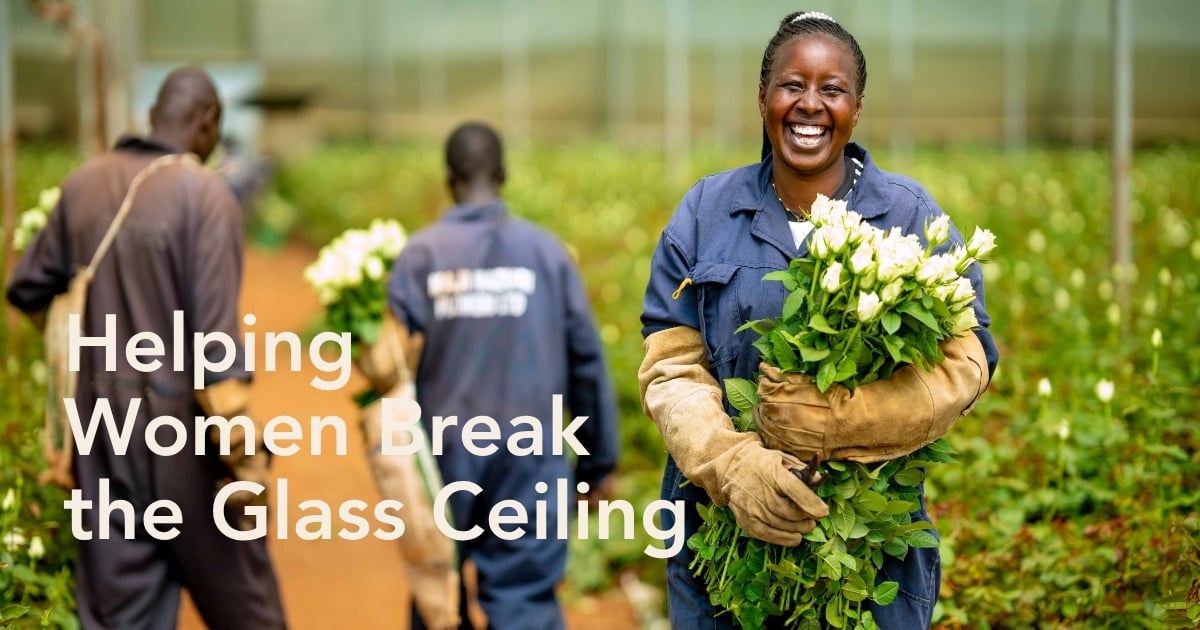
For years, women were significantly underrepresented at Maji Mazuri Flowers, a flower farm in Kenya’s Eldoret region. The farm employed about 400 workers, but fewer than 100 were women. Between 2017 and 2025, the farm largely stopped recruiting women. Management had concerns about maternity leave, pregnancy complications, breastfeeding breaks, and the need for mothers to leave work when their children were unwell. Over time, these concerns influenced recruitment decisions, leaving women with fewer opportunities to enter the workforce and progress into leadership. But today, this is changing.
Changes Inspired by the Blooming Flowers Project (BENGO)
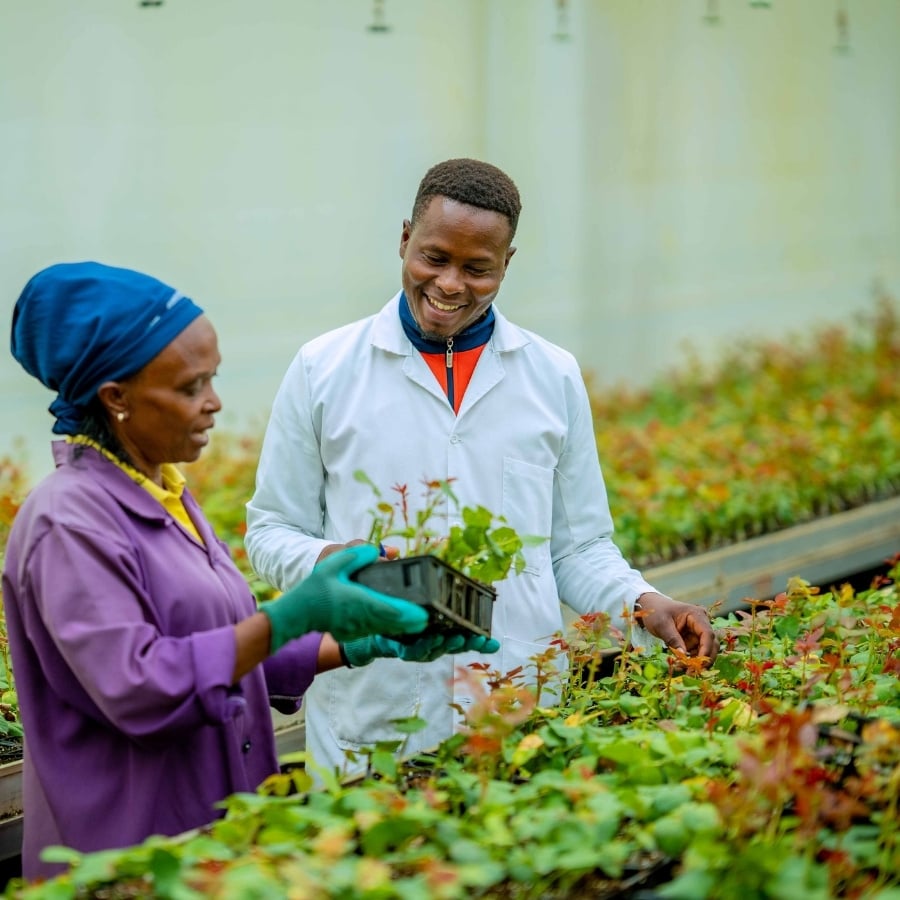
Within a year, Maji Mazuri has recruited 20 women, six of whom are now in supervisory positions. The change has also been observed by male workers. In the grading department, some began asking why newly recruited women were being moved to other assignments and requested that more women be assigned to their teams after seeing the value they brought.
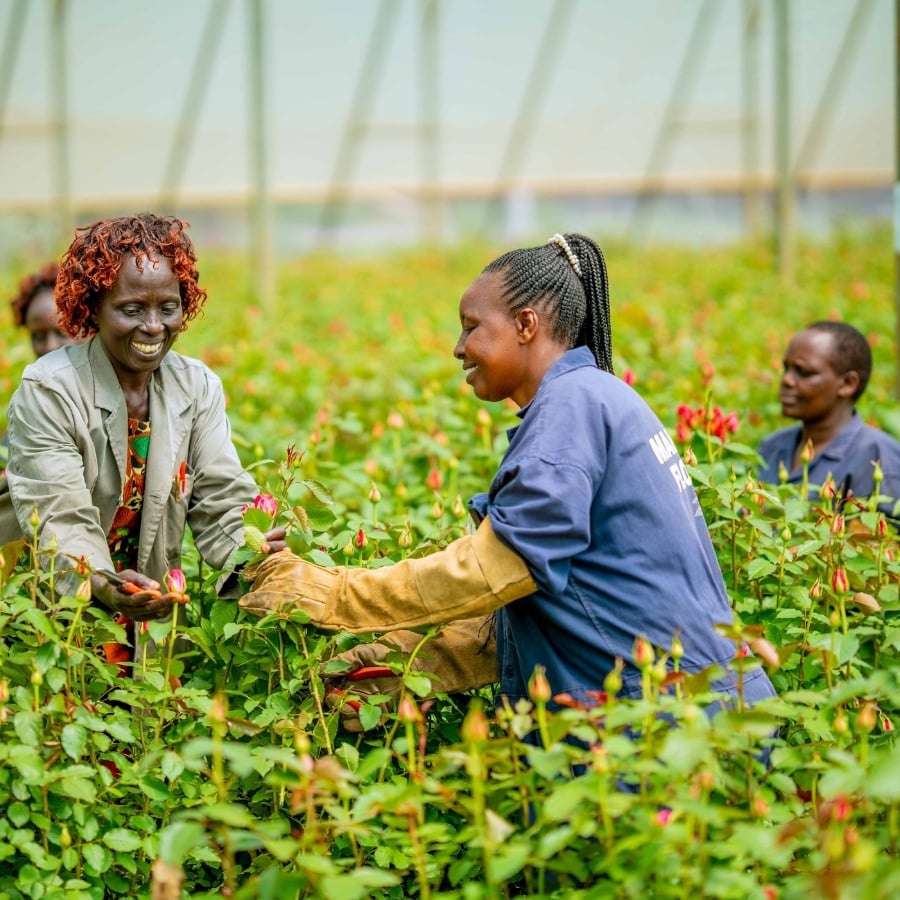
There have also been changes in the structures through which workers can raise and address concerns. Maji Mazuri's Gender Committee now has 22 members, comprising 15 women and seven men. The farm's by-laws and gender policy have also been strengthened; maternity leave is four months, and breastfeeding breaks have increased from one to two hours.
Plus, the Gender Committee plays a more active role in identifying and addressing issues through the farm's existing structures, which gives workers greater confidence that their concerns can be raised and considered. The changes at the farm are not only about the number of women employed but also about how women are viewed in the workplace, how workers understand their rights and responsibilities, and whether the systems around them can respond when concerns arise.
Maji Mazuri is one of 10 Fairtrade-certified flower farms where Fairtrade Africa's Blooming Flowers Project, also known as the BENGO Project, worked between October 2024 and August 2026 to especially address issues affecting women flower farm workers.
Building Fairer Workplaces for Everyone
Kenya's flower industry is a major foreign exchange earner and an important part of the country's wider agricultural economy. Of the more than 200,000 jobs the industry supports, women make up the larger share. Kenya remains one of the world's major flower-producing and exporting countries, making the conditions in which flower workers live and work an important part of the story of the flowers reaching international markets.
For many women working on flower farms, however, having a job has not always meant having equal access to opportunity, influence or financial security. A 2017 Needs Assessment by Fairtrade Africa found that gender-based discrimination, sexual harassment and violence were common across the sector, while many workers, particularly women, did not know their rights or how to access support when problems arose.
Women also came to work carrying pressures that did not stop at the farm gate. Financial difficulties, family responsibilities, difficult relationships, and a lack of confidence affected how they participated at work and the opportunities they felt able to pursue.
Fairtrade certification already establishes requirements around workers' rights, non-discrimination, freedom of association, health and safety, and protection from harassment and abuse. And the Blooming Flowers Project worked alongside these requirements to address the realities workers experience day-to-day; whether women are treated fairly, feel able to speak up, can participate in decisions, or have the knowledge and confidence to pursue opportunities.
The project recognized that a worker may know her rights but still have nowhere safe to raise a concern. A farm may have a gender policy, but its value would be limited if workers do not know what it says or how to apply it. A woman may be encouraged to seek leadership, but still face barriers in a workplace where women are not expected to lead. The Blooming Flowers Project, therefore, worked with flower workers, supervisors, gender committees and farm management to strengthen individual confidence and the structures through which workplace change could take hold.
Why Workplace Change Was and Still Is Important
The Blooming Flowers Project was implemented across 10 Fairtrade-certified flower farms in Mt. Kenya, Naivasha, the Lower Rift and Nairobi. It focused on leadership, gender inclusion, financial resilience, and access to opportunities among flower farm workers and their communities. The Women's School of Leadership (WSOL) was the fundamental part of this project. It trained 40 graduates, 30 women and 10 men, in a 10-module program that covered human rights, Fairtrade Standards and gender, self-esteem and resilience, financial literacy, income diversification, communication and leadership.
The learning did not remain with the 40 graduates, but cascaded through training. 1,600 workers received knowledge and skills from the program, and in total, the project reached 1,883 beneficiaries, including WSOL graduates, employees who received cascaded training, Gender Committee members, and trained supervisors. Through farm-level sensitization and the graduates' community leadership roles, the project also reached an estimated 15,878 indirect beneficiaries.
The project deliberately worked through people who could carry the learning into their workplaces. The project prioritized worker representatives, Gender Committee members, and supervisors because they were already in daily contact with colleagues and positioned to influence how issues were understood and handled.
Alongside the training, the project strengthened workplace systems through gender gap analysis, reviews of gender and sexual harassment policies, stronger grievance mechanisms, management and supervisor training, gender committee capacity building, and workforce-wide awareness.
By the end of the project, all 10 farms had gender equality policies and governance structures in place, functioning mechanisms for reporting gender-based violence and sexual harassment, and formal Gender Committee governance arrangements endorsed by management. Eight of the 10 farms had incorporated updated gender policies into their standard human resources onboarding processes.
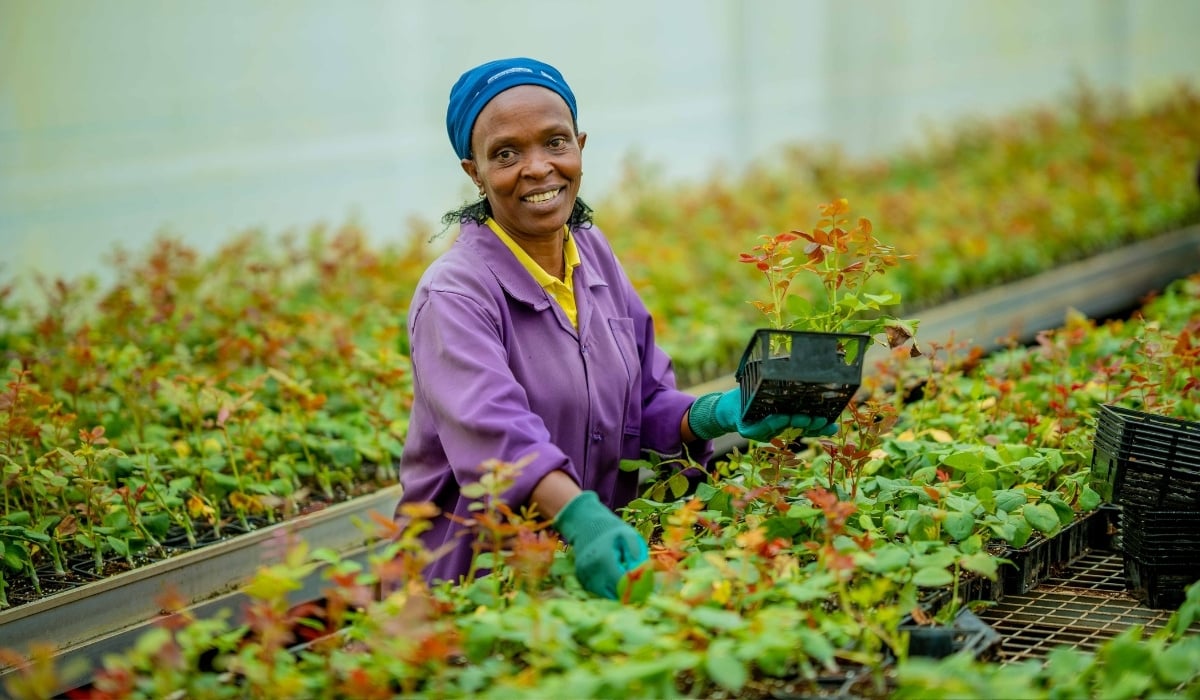
At Bohemian Flower Farm, for instance, gender matters had previously been handled by a management representative. By the close of the project, the farm had established a dedicated Gender Office staffed by two professionals. The change pointed to a move from viewing gender concerns as an additional responsibility to recognizing the need for dedicated capacity to address them.
At Isinya Roses, the graduates of the Blooming Flowers Project became part of the Gender Committee, strengthening its ability to handle gender-based violence and sexual harassment cases professionally and confidentially. The farm documented a case that moved through investigation, disciplinary action, an appeal process, and corrective action. This was significant as it showed the possibilities when workers know where to raise a concern and those responsible for receiving it understand how the process should work.
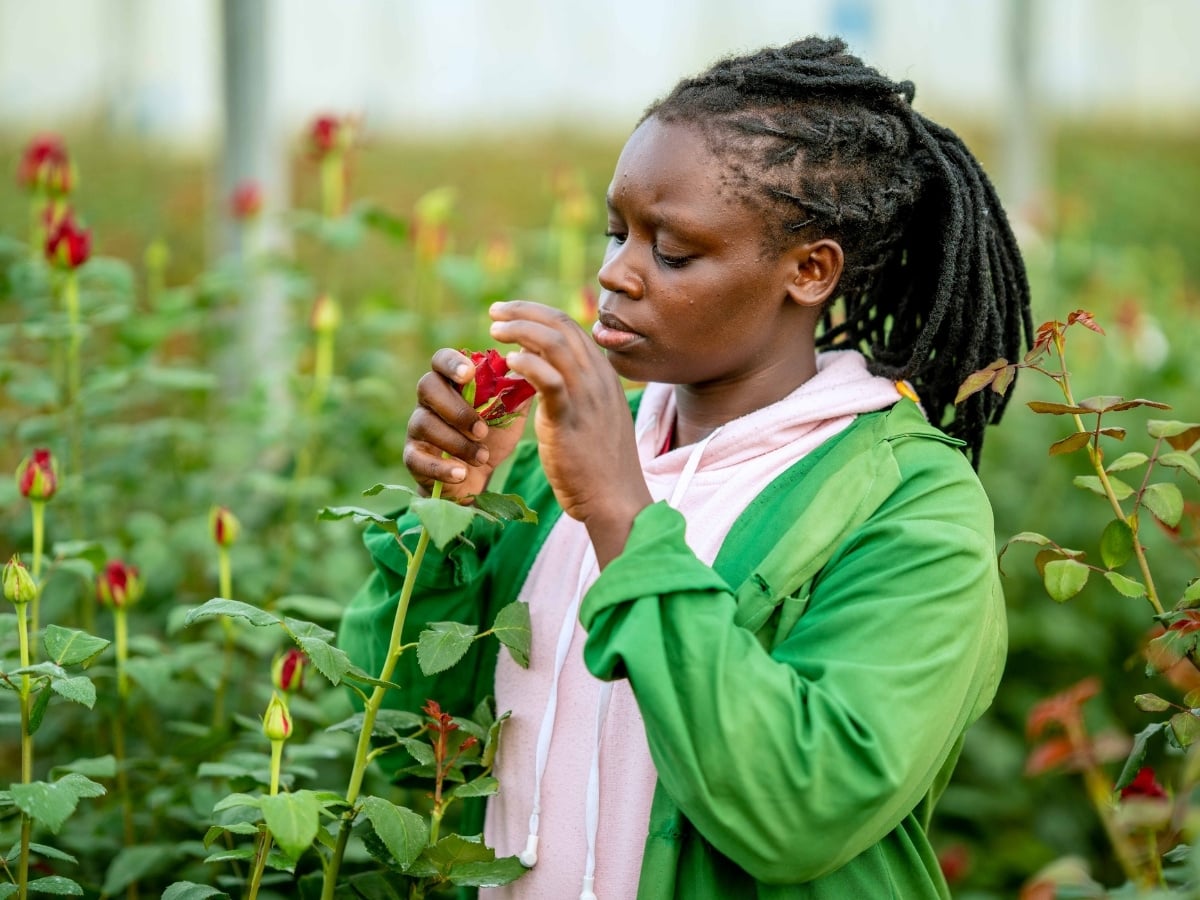
At Maji Mazuri, the Gender Committee was able to take a different kind of concern forward. Women were underrepresented in the workforce, and instead of just documenting the problem, the committee brought a specific proposal to Human Resources. Within a year, twenty women had been recruited, and six had moved into supervisory positions. The response from male workers in the grading department was also another indication of change. They did not question why women had been hired, but why more women were not being assigned to their teams.
Confidence to Speak, Lead and Take Action
Having structures through which flower workers can raise concerns is a part of workplace change. But having the confidence to use one's voice is another. For some women, the most important change was confidence: the ability to speak in a meeting, apply for a position, challenge an unfair situation, or view themselves as capable of promotion and leadership roles.
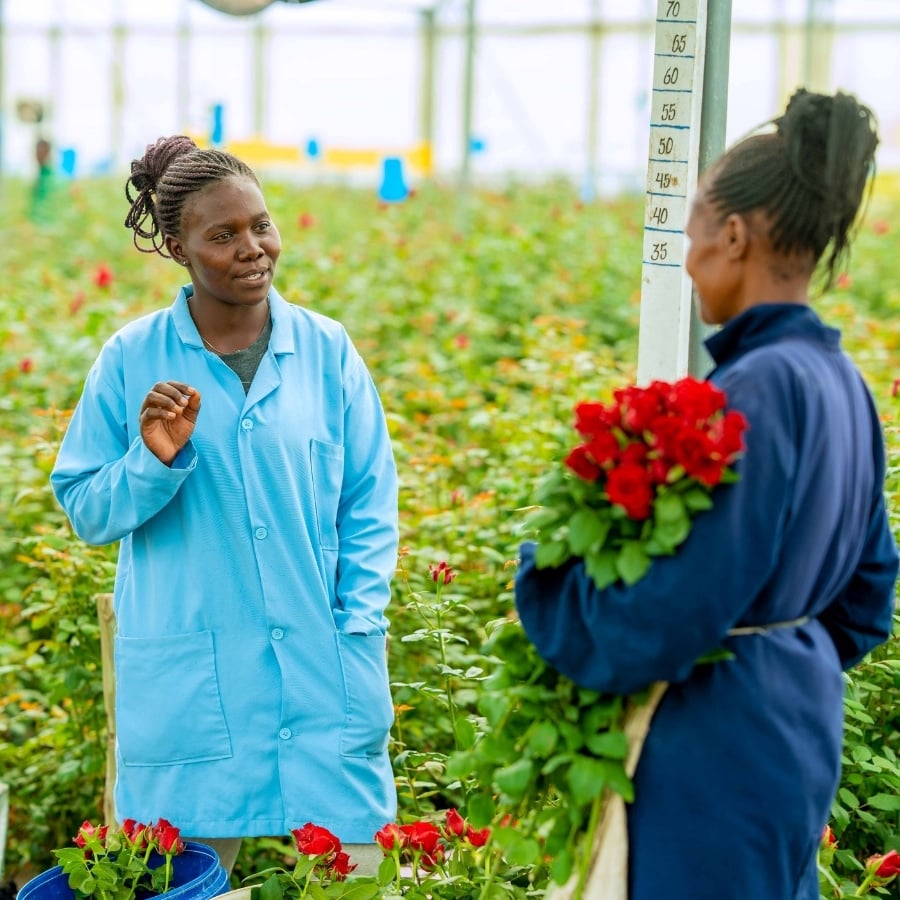
Sharon Chebet, a supervisor at Isinya Roses, is one of those who went through the program. Two months after completing her training, she was appointed First Aider on the farm. Two months later, she sat a formal interview for a supervisory position alongside other candidates and was selected to oversee Units 6 and 7 at the farm. At the same time, she and her husband were preparing to build a permanent family home.
Sharon Chebet:
“Since I joined the program, in one year, I have built my home, my confidence, and my family.”
But Sharon's experience is just one among many others. The project evaluation found that 22 of the 40 WSOL graduates moved into leadership roles, and 16 of them were women. Women also held at least half of leadership positions in five of the ten producer organizations.
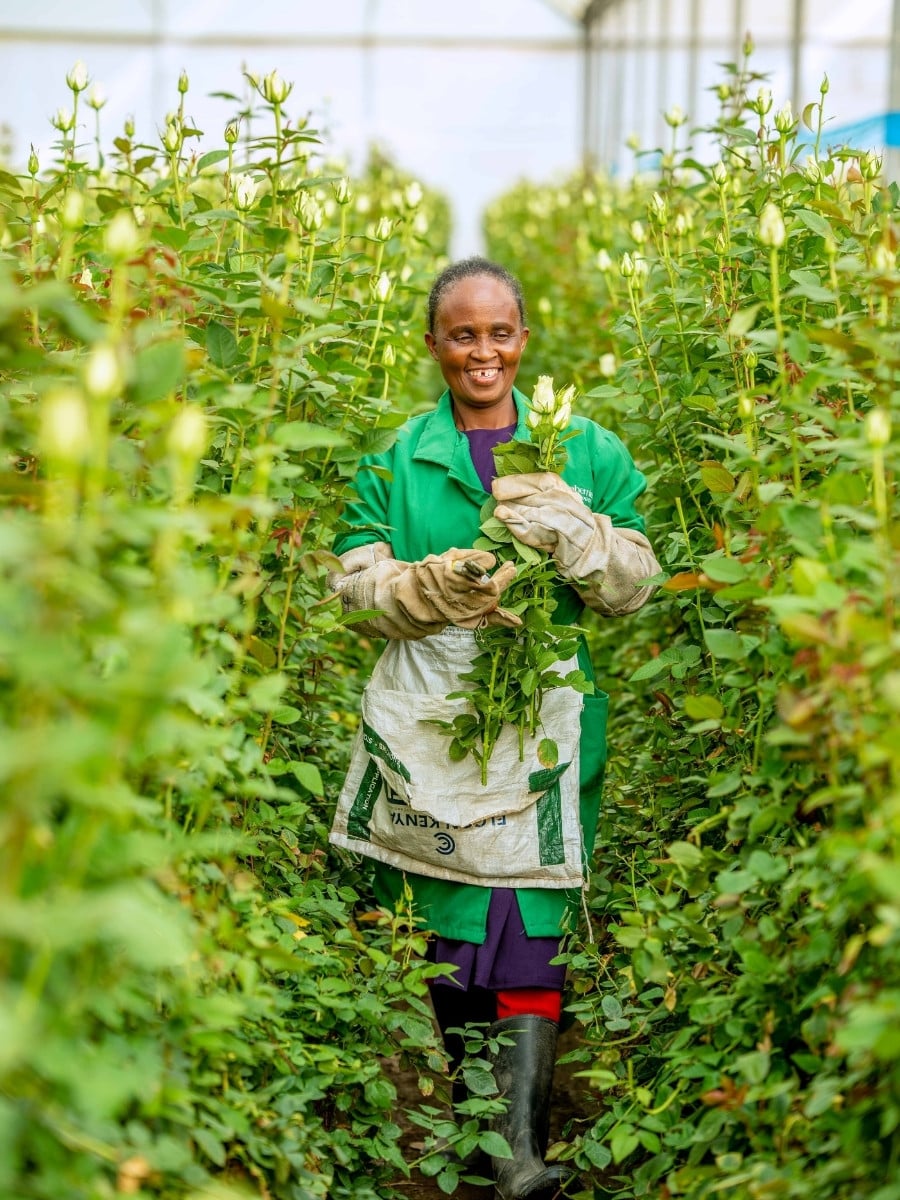
Also, across these Fairtrade-certified flower farms, workers described self-confidence, self-esteem, and resilience modules as an important part of the change. Martha Njoki Kamau, a general worker at Bohemian Flowers, joined the Blooming Flowers Project two years after her husband had died, uncertain about how to support her children and manage the household on her own. The resilience module gave her a way to work through what she was carrying. She rejoined a savings cooperative and encouraged her son, who re-sat his national examinations and is headed to university.
Martha Njoki:
“I am not the Martha who was there before. I now do not take challenges as permanent. I know they come and go, so I am strong now.”
Martha's experience shows another aspect of the project's work. The program did not remove the difficulties she was facing but gave her knowledge, support, and a different way of responding to them.
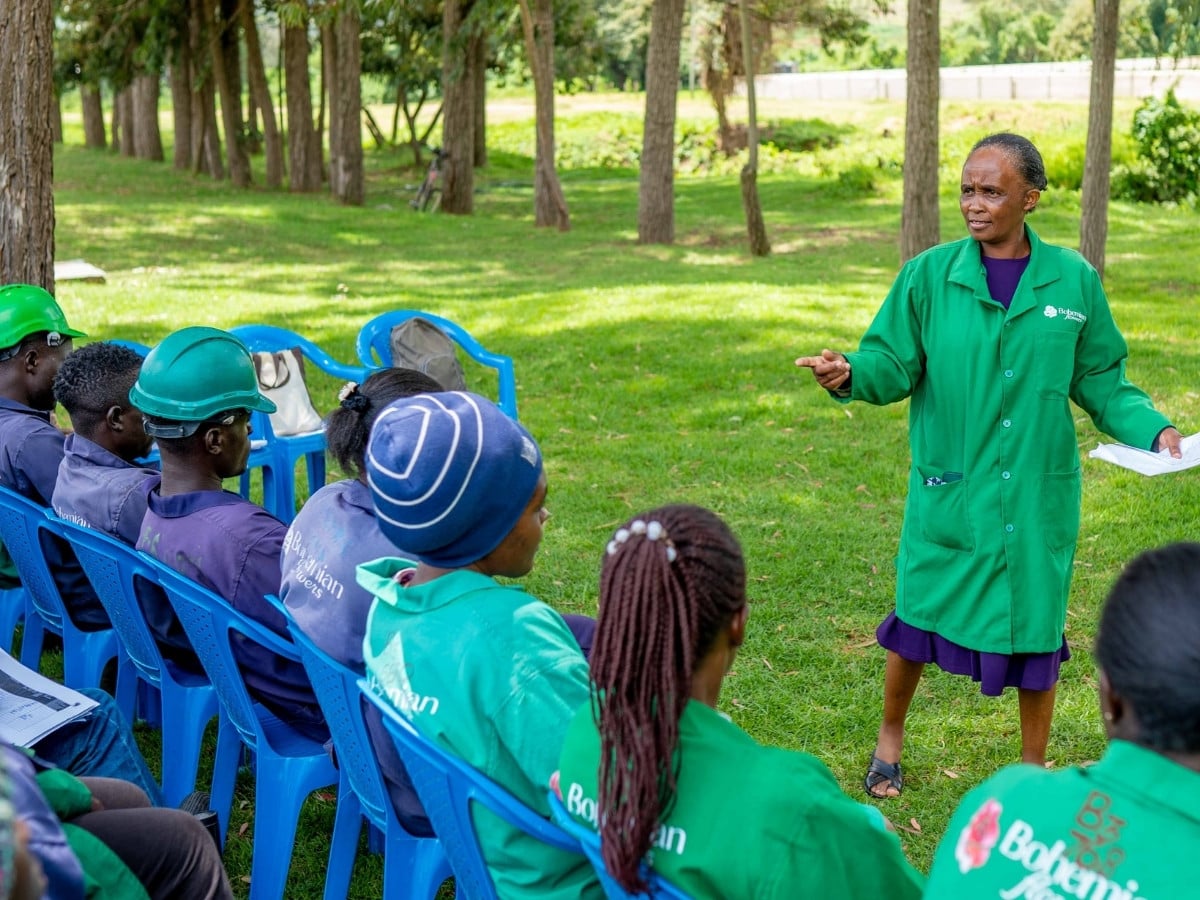
For Branice at Bohemian Flowers, the confidence to act was closely connected to knowing where to turn when things became difficult. She had been struggling after her husband lost his job. Her salary became the only income for the household, and it was not enough.
At work, she faced difficulties but did not know where to turn or which channel to use. Her productivity was suffering, and nobody seemed to notice. After completing the program, she used the grievance channels she had learned about and found that her problems could be addressed.
Branice says:
“This program came into my life when I really needed it. I was very desperate. I always longed to be a voice to the voiceless; I just did not know how to do it yet.”
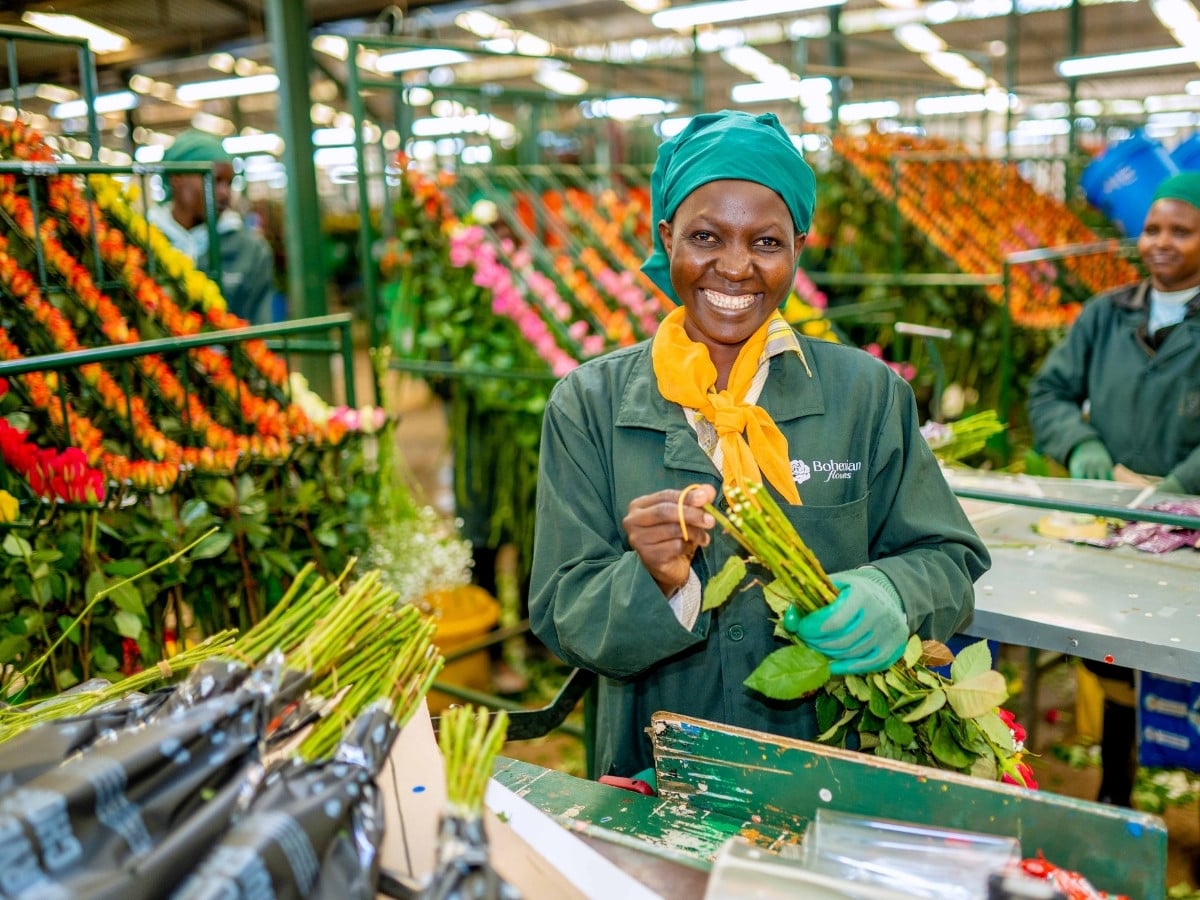
She went a step further and took what she had learned back to her Bunching Team at Bohemian Flowers farm. All 43 of her colleagues joined the savings group she started, and she was later named the farm's Fairtrade representative.
But there was another change at home. Her husband, who had been reading her WSOL notes without telling her, applied for a job at Bohemian Flowers as a general worker and was hired. Though a step down from his previous position, within a year, he had been promoted twice.
Branice's experience connects two parts of the project: having a mechanism to raise a concern and having the confidence to use it. The same was seen in the changes taking place within gender committees. At Isinya Roses, the graduates became part of the structure responsible for responding to gender-based violence and sexual harassment cases.
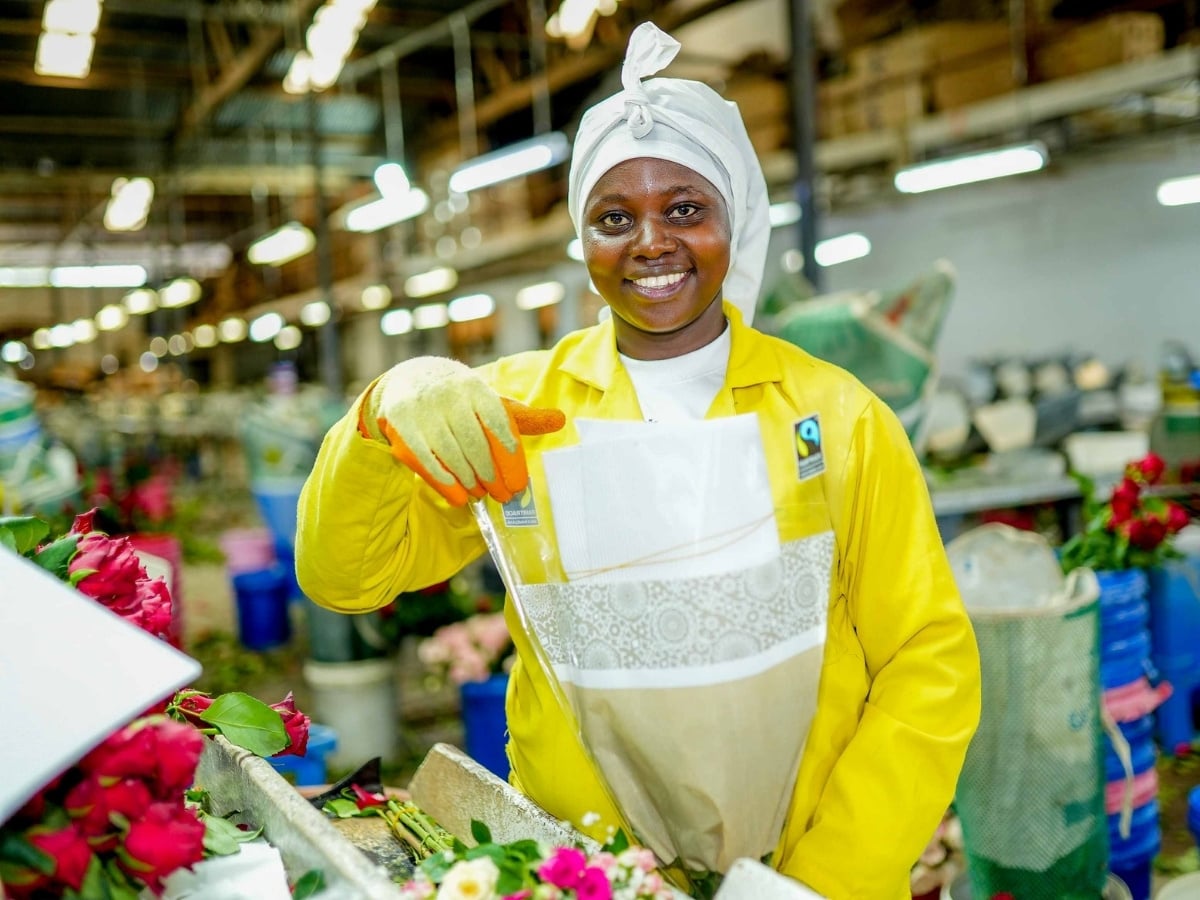
Of note is that the changes have been personal and institutional. Workers gained knowledge about their rights while farms strengthened the structures through which those rights could be acted upon.
Turning Financial Knowledge Into Action
These changes were, however, not limited to leadership, workplace structures, or how workers raised concerns. For many workers, one of the most immediate changes was financial. When a monthly salary is the main source of household income and savings are limited, an unexpected expense can fast become a loan. The financial literacy and income diversification sessions encouraged workers to look differently at their income, save more intentionally, and consider ways of building additional sources of income.
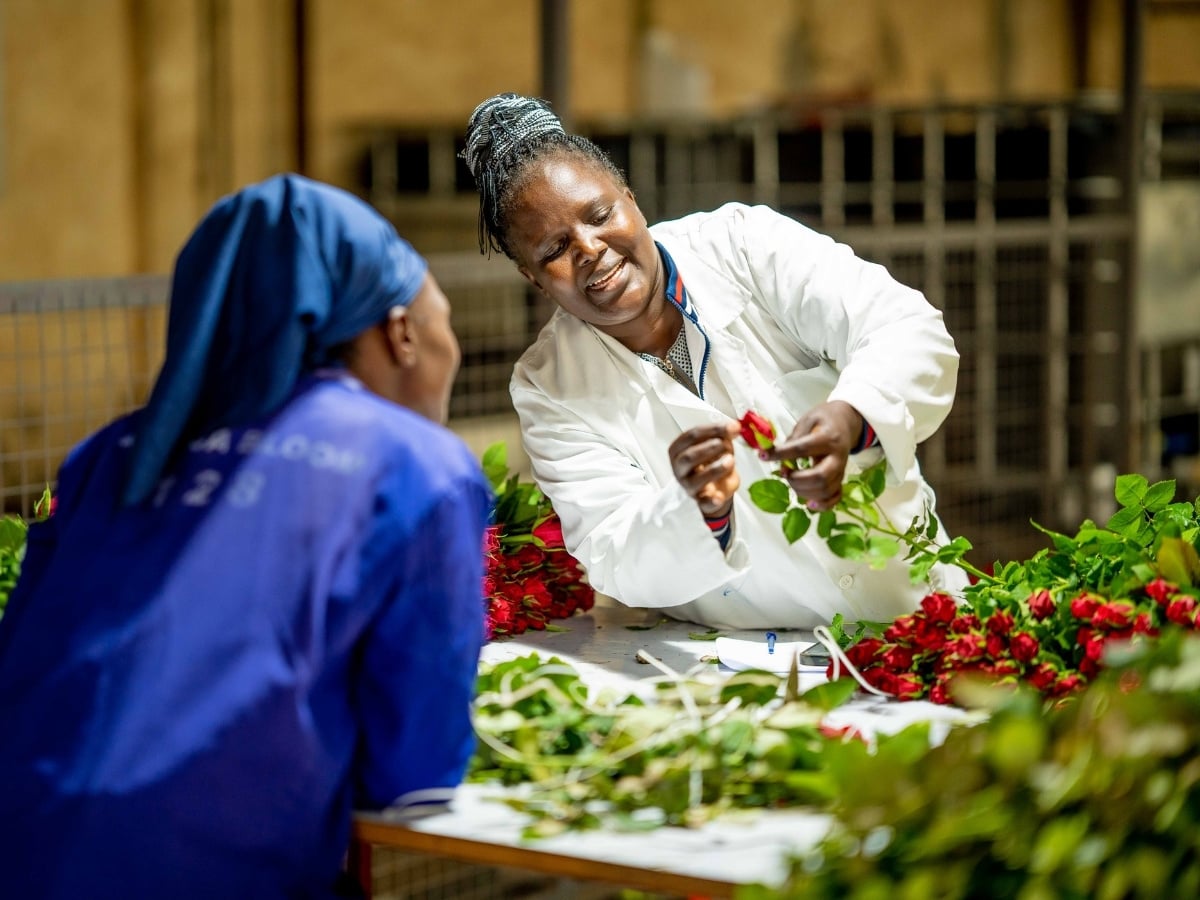
For Caroline Wambua of Equinox Horticulture, the change began with Ksh2,000 (about $15.45). Before the training, she relied primarily on her salary and did not believe that a meaningful business could be started with such a small amount. She had taken loans without a clear repayment plan and found meeting household expenses and school fees difficult.
She used the little amount to buy fast-moving consumer goods and sold them to fellow workers. She reinvested the profits and eventually established a kiosk near her home. Her business now generates about KSh6,000 ($46.3) in monthly profit. She also developed a regular savings habit and reported total savings of approximately KSh280,000 ($2162) across her different sources of income and savings.
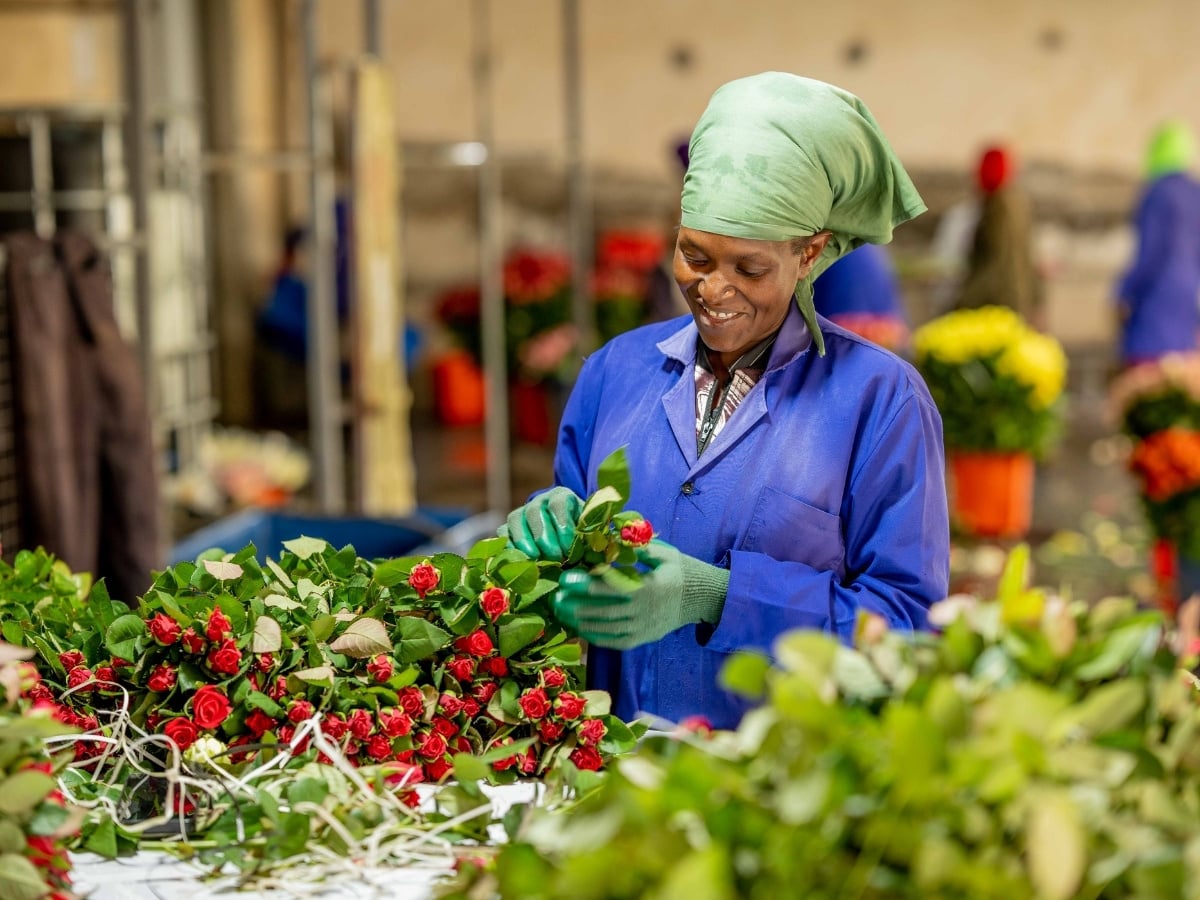
Caroline Wambua:
“I only started with Ksh2,000 ($15.44), but today I have saved Ksh280,000 ($2162). Start small, be passionate, and diversify.”
Elsewhere at Florensis Kenya, Brenda took a different path. She began making mandazis (Swahili buns) before work and selling them to colleagues during breaks. She saved the profits and eventually invested KSh60,000 ($463.3) in poultry farming. Today, she has 84 chickens and collects between 40 and 50 eggs per day, giving her an income-generating asset outside her farm salary. She also joined the farm's staff Savings and Credit Cooperative Organization (SACCO).
Brenda says:
“The financial literacy training changed how I think about money. I learned that I should not depend on one source of income.”
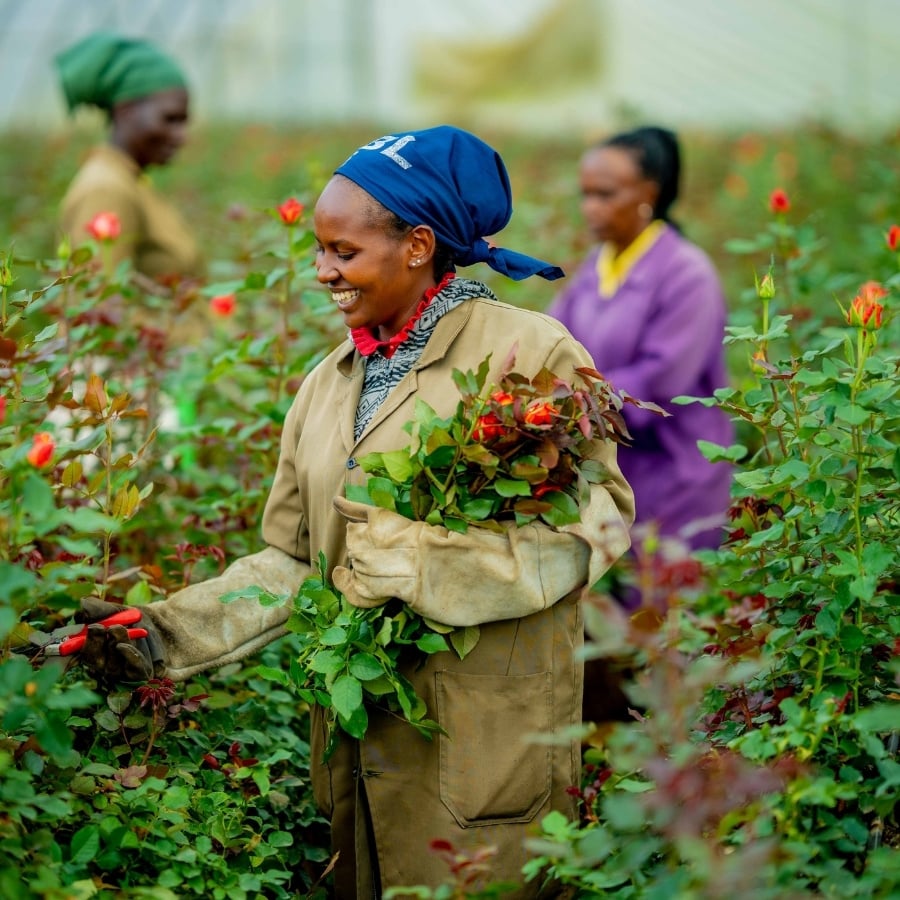
Across the farms, the financial literacy sessions were followed by new savings groups, side businesses, and greater use of formal savings structures. Workers were putting the learning into practice, which improved their households as well as their lives at work.
That’s What Happens When Workplace Systems and Personal Change Meet
While these experiences at Maji Mazuri, Bohemian Flowers, Isinya Roses, Equinox Horticulture, and Florensis Kenya are different, they are connected. A woman who knows her rights is better placed to raise a concern when there is a functioning mechanism for her to use. A leadership opportunity has more weight when women are accepted as capable of leading. Financial literacy has greater value when workers can turn knowledge into savings, businesses, or productive investments.
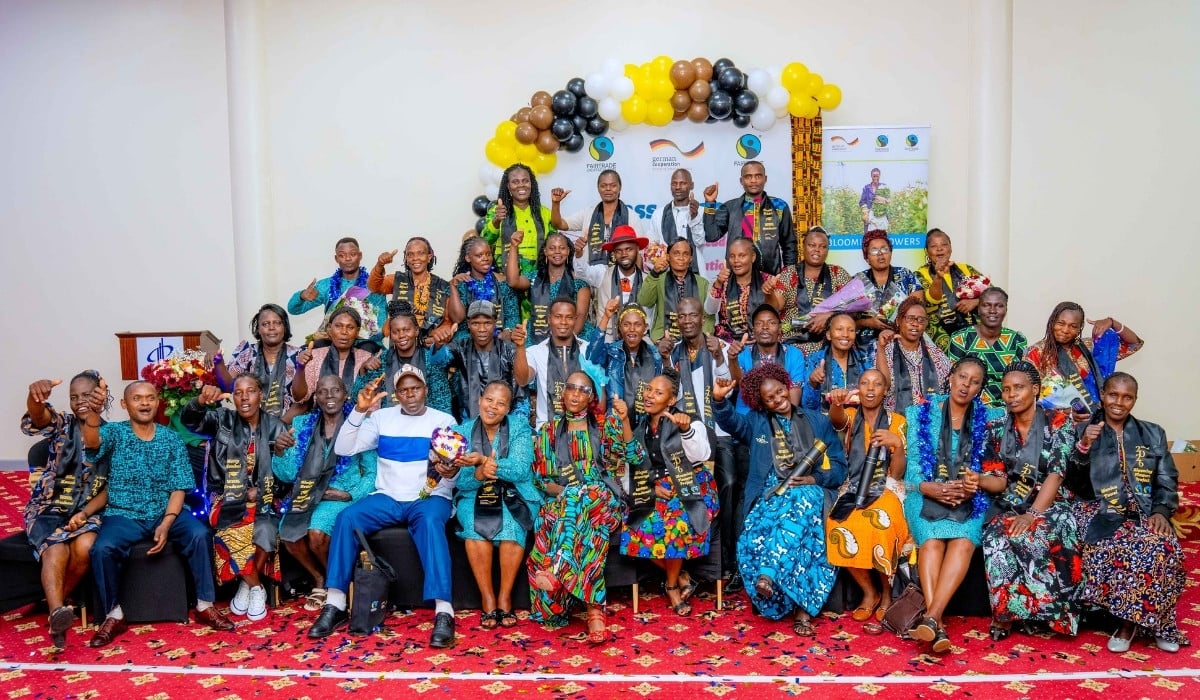
And a workplace policy matters more when workers understand it, and the structures responsible for executing it are equipped to act. All these are what the Blooming Flowers Project set out to achieve. To strengthen the confidence of individual workers and the workplace systems around them, women’s participation and their ability to speak, lead, and influence decisions, and the financial knowledge they could convert into savings, diversified income, and planning beyond the next paycheck.
All photos used are by Fairtrade Africa.