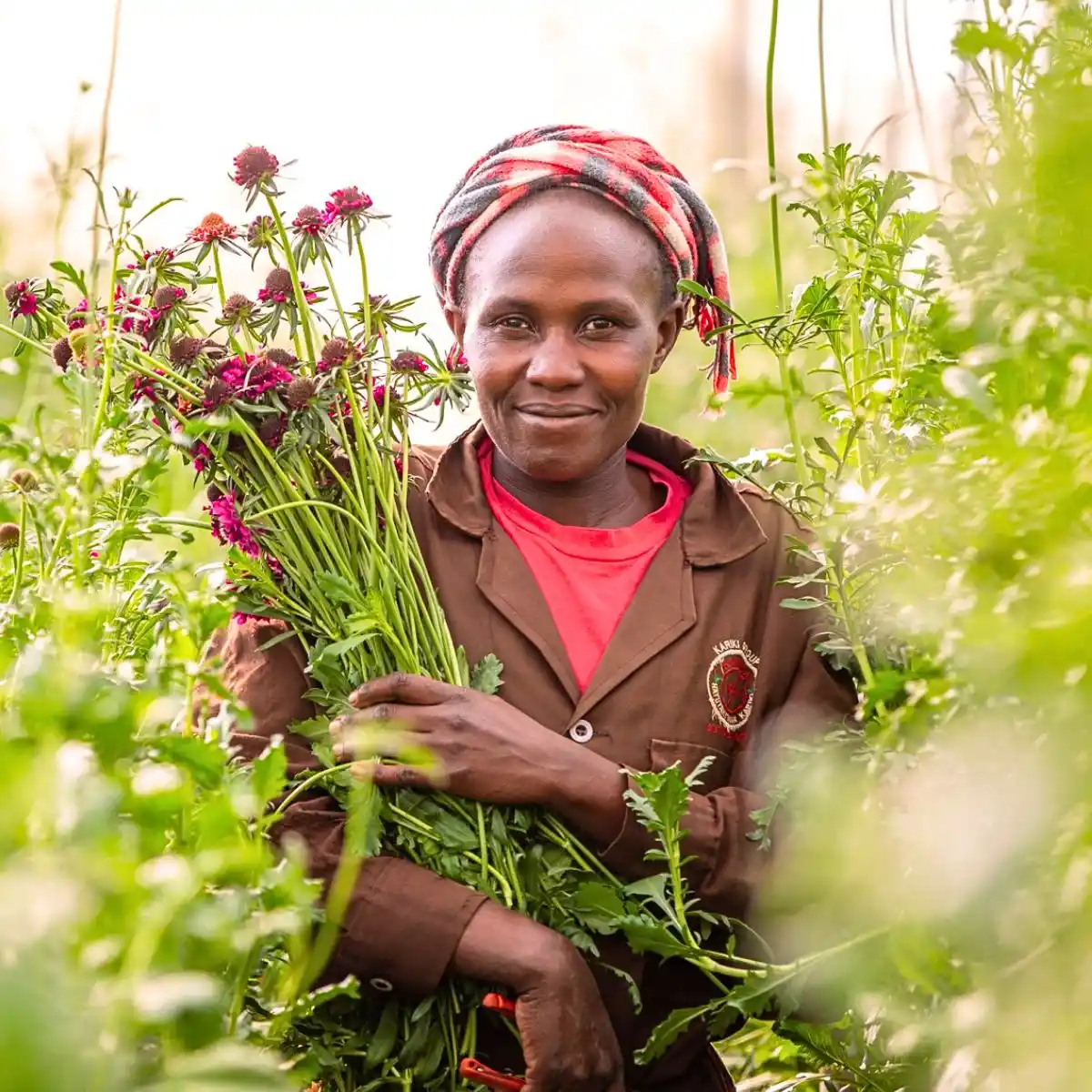
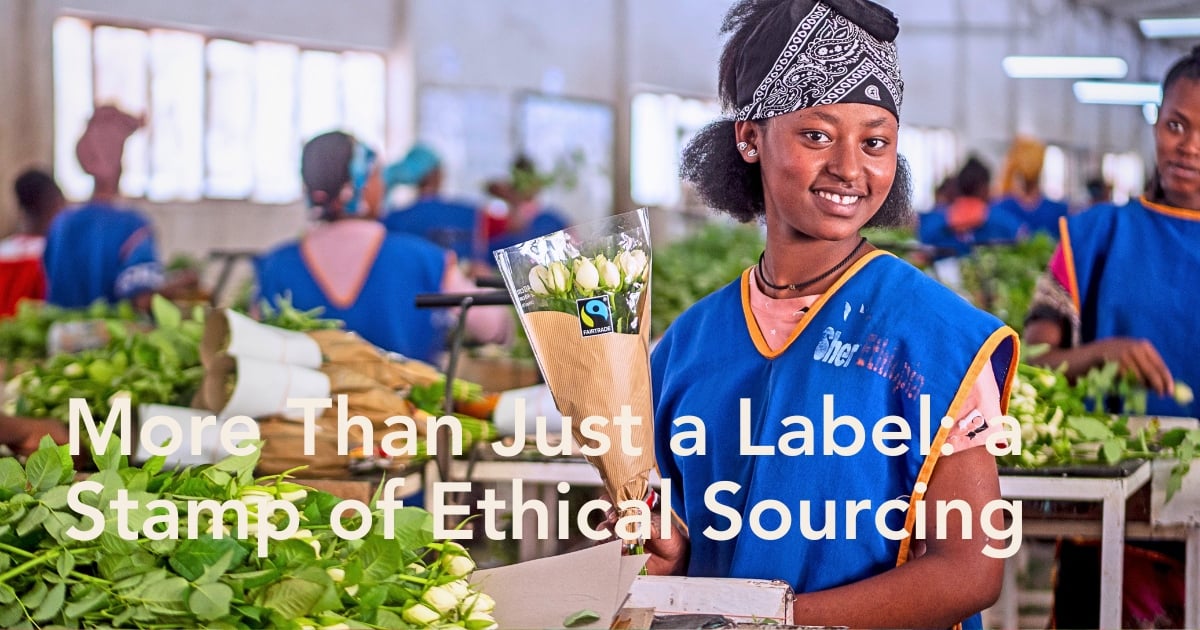
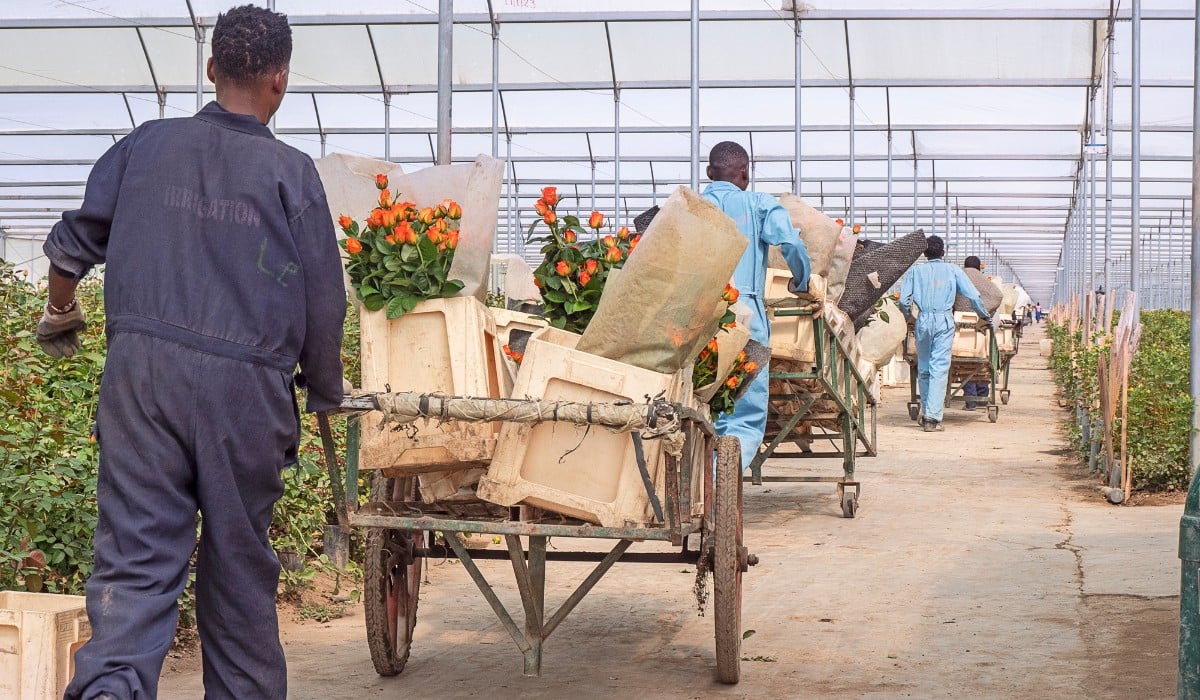
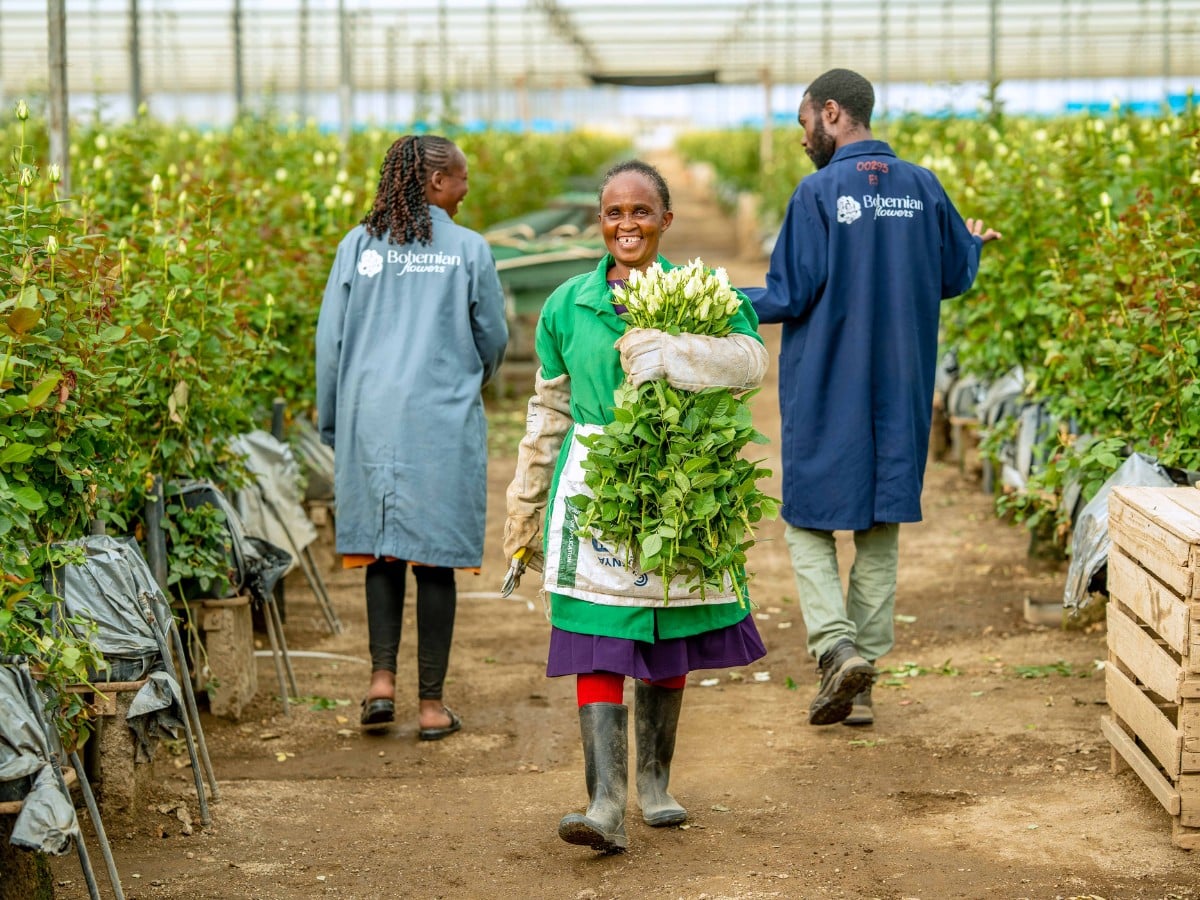
On a regular morning on flower farms across Kenya, Ethiopia, Uganda, and other flower-producing nations, workers rise at dawn to cultivate, cut, pick, and pack flowers bound for markets worldwide. Most of us never meet the person who does all that work. But their earnings, welfare, and dignity are supported by decisions made when buying the flowers, and by systems formed long beforehand to protect their wages, strengthen their rights, and open their doors to more opportunities. This is where Fairtrade comes in.
What Does Fairtrade Mean on a Flower Farm?
Many flower buyers know the Fairtrade Mark as a stamp of ethical sourcing, and that recognition is well earned. But the certification itself is a working framework that defines daily life on a farm. It sets rules on workers' pay, safety, welfare, dignity, and representation, and requires continuous improvement. It is not just a one-time check mark. As noted, the certification addresses better prices, safer working conditions, and fair terms of trade for growers and their workers.
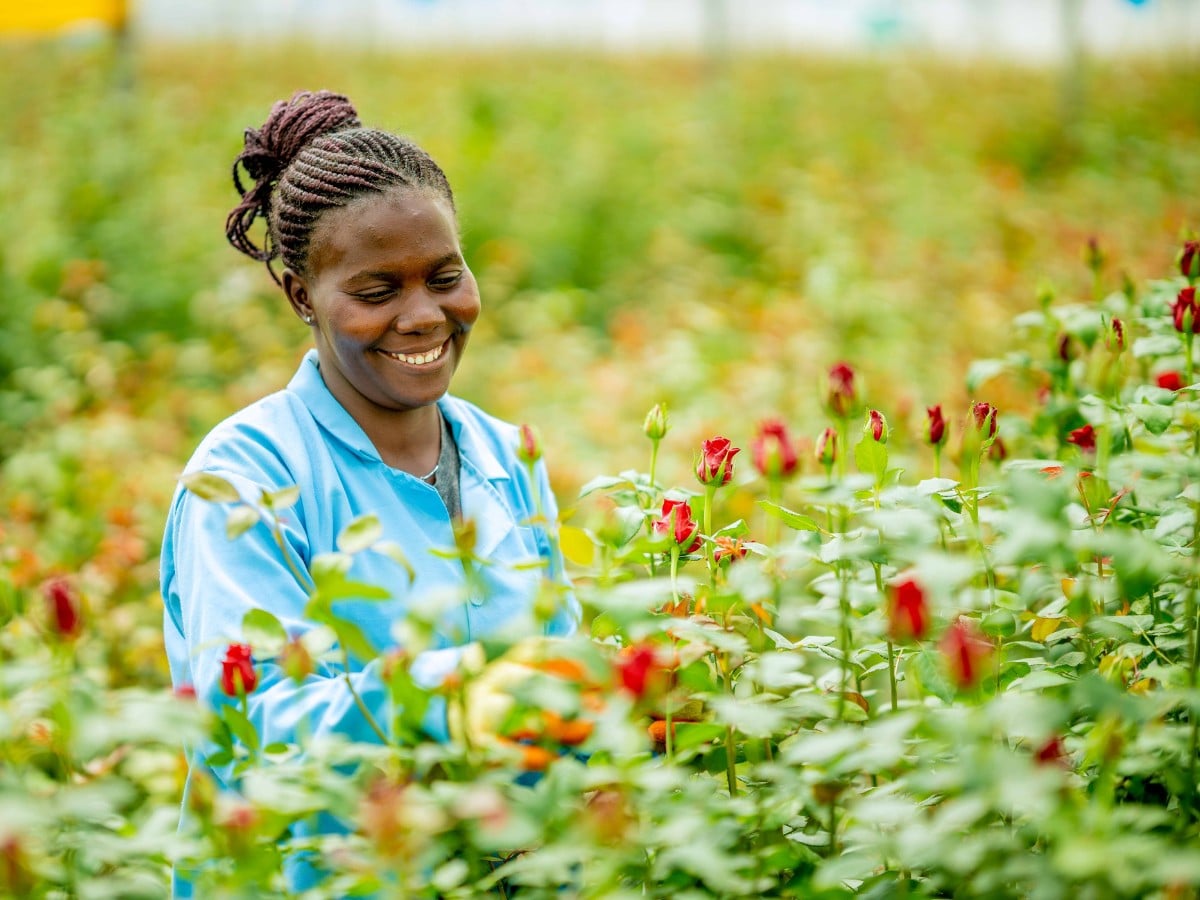
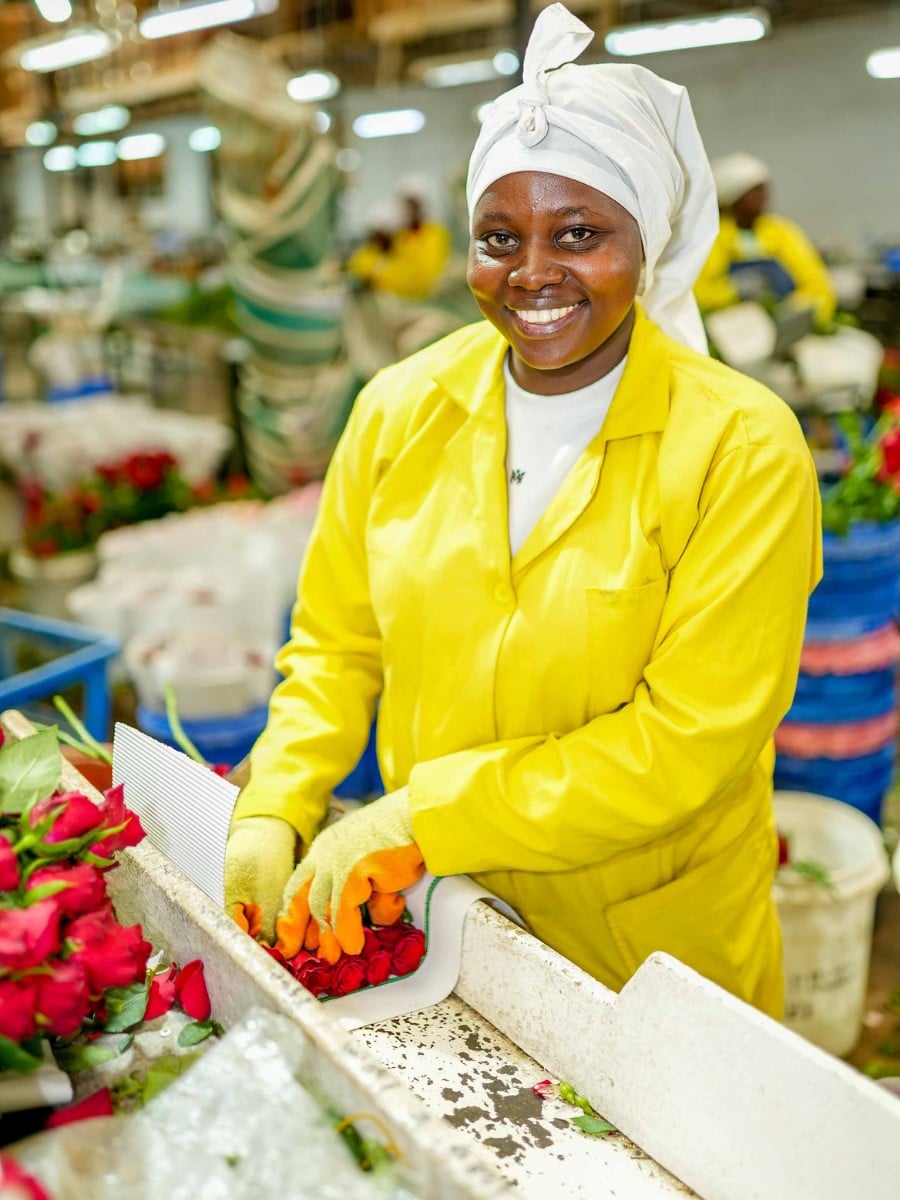
For many people elsewhere, these flowers mean something else: they could be a product to admire or give. But for the flower farm workers, they are a paycheck, a sense of purpose, and in many households, the only reliable means of earning and a better standard of living. This is the part of the supply chain that Fairtrade works to strengthen, working directly with flower farms, the workers themselves, buyers, and retailers to raise the standards.
How does it do that? You may ask. Fairtrade supports worker representation on farm committees, advances gender equality, and gives workers a big say in how the resultant Fairtrade Premium funds are spent on projects that benefit their families and communities. A shopper of flowers picking up a Fairtrade-marked bouquet essentially supports a framework that puts people on par with profits made and does not treat workers as an afterthought.
Raising the Floor Wage as Poverty Lines Change
Perhaps one of the best examples of Fairtrade's approach is the floor wage, which is the minimum a certified farm must pay its workers. It is a safety net in countries where legal minimum wages are absent or set too low to meet basic needs. The figure is recalculated every year using several inputs, the main among them the World Bank's international poverty line.
In June 2025, the World Bank raised this poverty line from $2.15 to $3.00 per person per day, a 39.5% rise mirroring inflation and a higher global cost of living. Fairtrade has matched this by raising the floor wage at more than 70 certified flower organizations across Africa, while also pressing supply chain partners to pay flower farms more competitive prices so that the higher labor cost does not fall on producers alone.
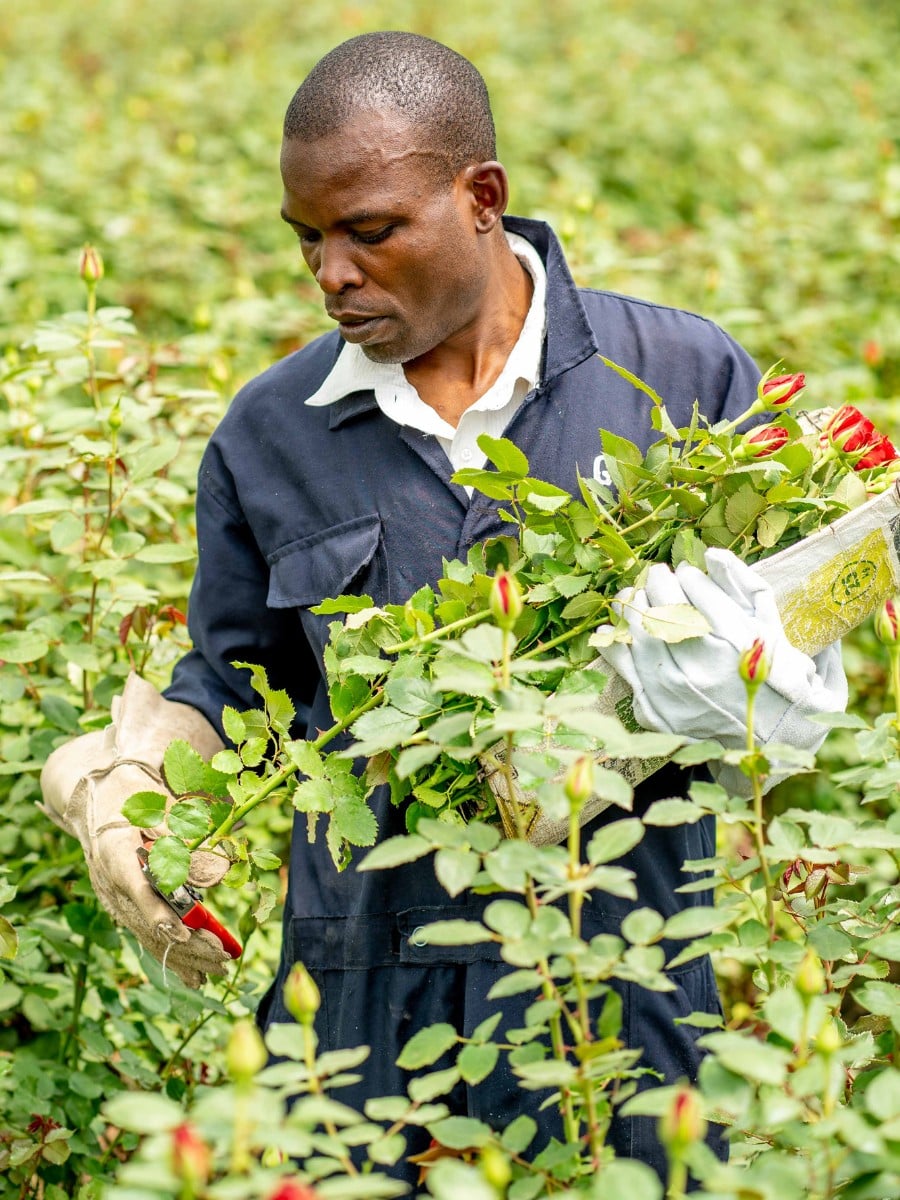
Purchasing Power Parity (PPP) also factors into this calculation, adjusting for cost of living differences between countries. When PPP rates fall from one year to the next, Fairtrade freezes the rate used so that floor wages do not move backward. The organization continues to advocate for buyers to pay more competitive prices for flowers, since farms may not always be able to absorb rising labor costs without support from further up the supply chain.
Fairtrade Flowers by the Numbers in 2024
Data from 2024 gives a good picture of what Fairtrade does. Farms produced 5.3 billion Fairtrade flower stems that year, of which more than 986 million were sold on Fairtrade terms. Kenya remained the leading region of origin, selling more than 534 million stems on Fairtrade terms, followed by Ethiopia with more than 343 million.
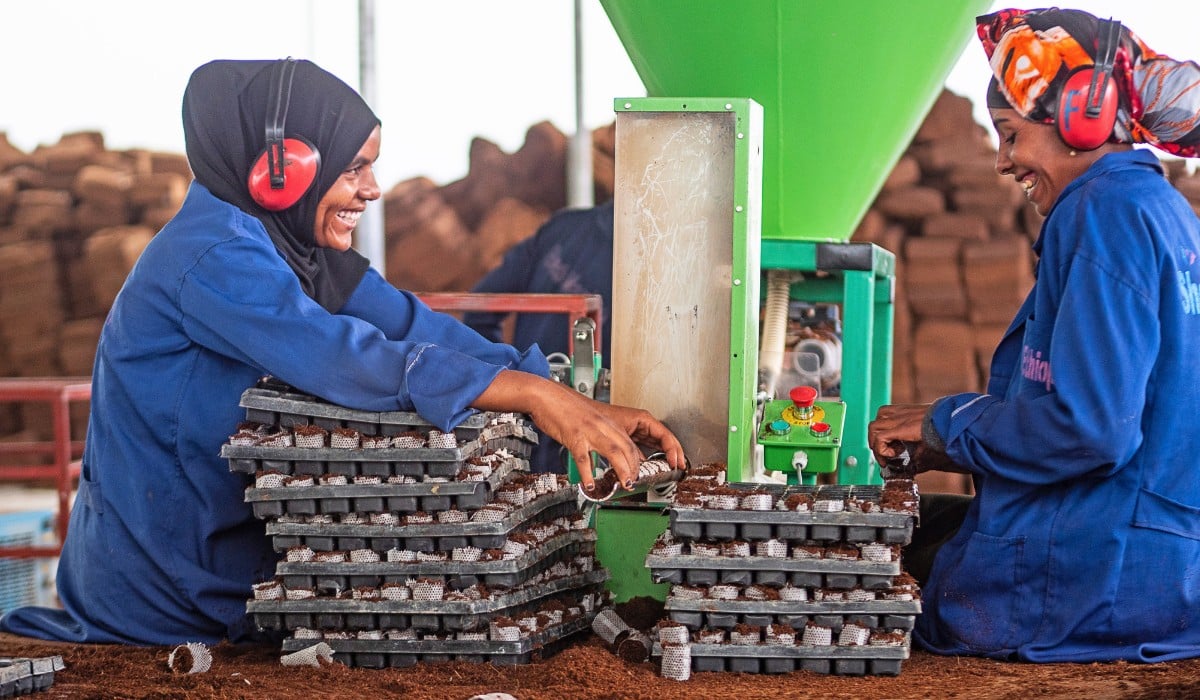
In terms of financial impact, certified farms generated more than $9 million (€7.88 million) in Fairtrade Premium, a 7% increase from the year before, which trickled down to 75 Fairtrade-certified flower producers, 68 of them in East Africa.
Altogether, the region accounted for more than 92% of all Fairtrade flowers, split roughly between Kenya at 52%, Ethiopia at 27%, Uganda at 14%, and other producing countries at 8%. For the employment figures, 79,152 workers are employed under the flowers and plants category, including 31,560 women.
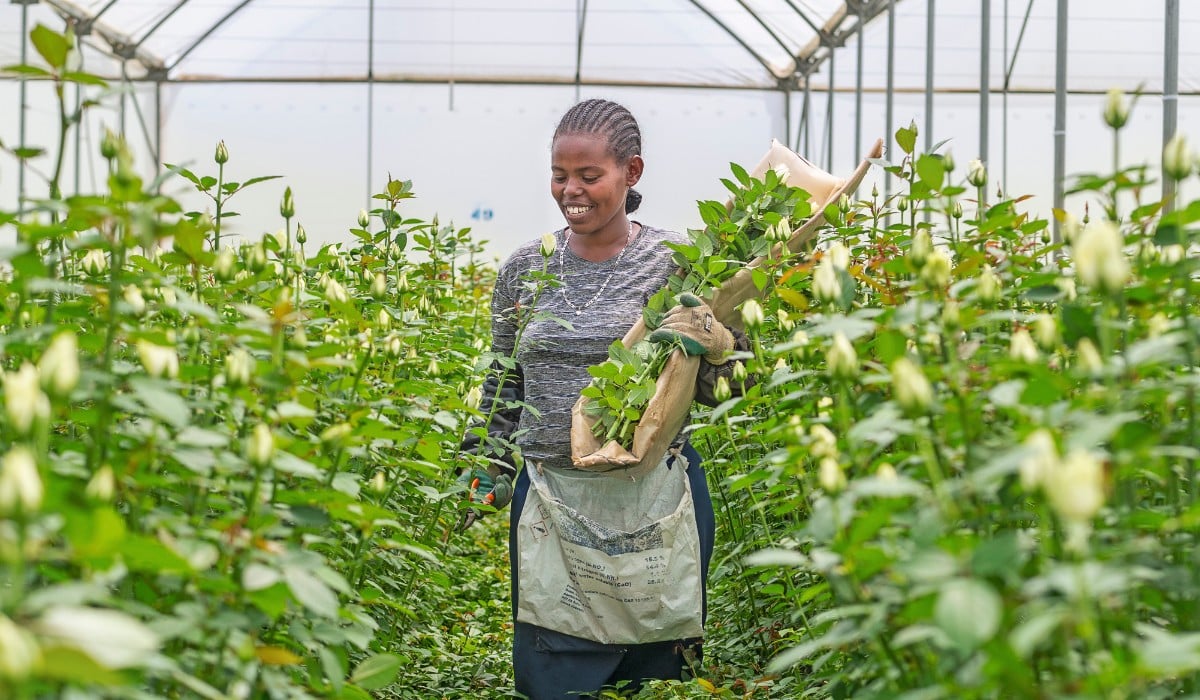
The workforce represents 41% of everyone working across the entire Fairtrade system, with 71,991 of these jobs based in Kenya, Ethiopia, and Uganda. The number of women holding these positions represents 40% of workers; quite a considerable share in a sector where, historically, gender gaps in pay and leadership have run quite deep.
Helping Create Safer, Fairer Workplaces
The statistics highlighted are just part of the Fairtrade story, but the daily changes on the flower farm are important just as much. Fairtrade has strengthened grievance committees, so workers have a suitable channel to raise concerns, introduced wage reporting tools that make pay gaps easier to identify and close, and rolled out training on gender equality and harassment prevention.
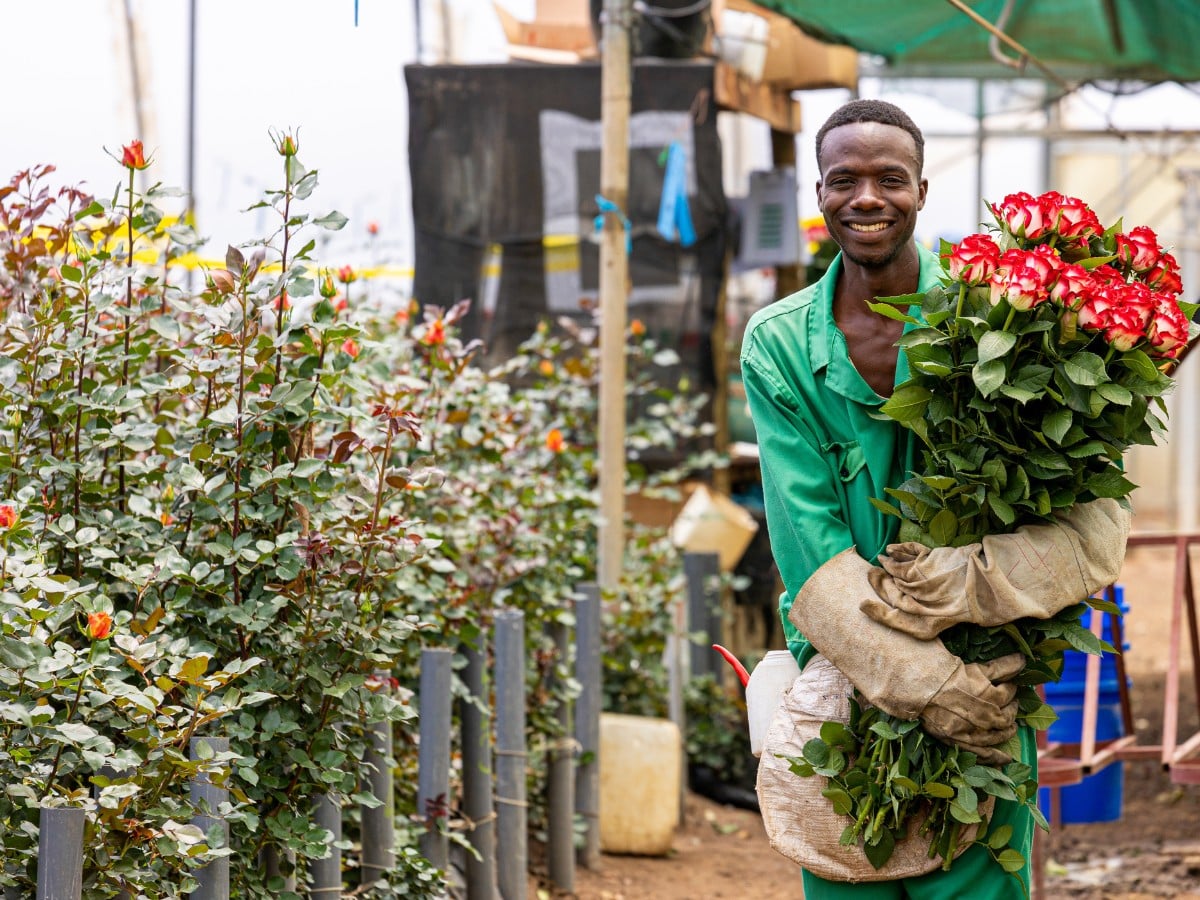
A stronger grievance committee gives a worker somewhere to turn to when something goes wrong, and transparent wage reporting opens up more informed conversations between employers, unions, and buyers.
Gender equality training, meanwhile, helps create workplaces where women can pursue leadership roles with the same confidence as their male colleagues, which is important given that women make up a huge percentage of the workforce in this category. But all these are ongoing programs designed to keep improving conditions year after year, and not treat certification as something done once and forgotten about.
Retailers and Buyers Are Looking Past the Prices
Consumer expectations have changed quickly, and flower buyers now look past a (low) price tag. They seek evidence about their sourcing decisions that support responsible business practices, transparency, and staying power. For retailers, Fairtrade offers a system structured around independent certification and visible outcomes, which gives them a credible way to back up sustainability claims without just asserting them.
According to GlobeScan's 2025 global consumer survey, roughly three out of four shoppers recognize the Fairtrade label, and among those who do, 83% say they trust it. For businesses, this trust means stronger customer loyalty and a supply chain that is able to better withstand scrutiny. The certification also gives both smallholders and larger commercial farms a structured way to compete on more than price.
Continuous Progress, Accountability, and Shared Responsibility
Good intentions only carry an organization so far. Yet, it is substantiation that gives these intentions the weight they deserve. In 2025, Fairtrade reviewed more than 120 studies covering its economic, social, and environmental outcomes, and the results painted an elaborate picture of what it does.
The review pointed to stronger economic security, improved working conditions, greater opportunities for women, better climate resilience, and stronger relationships across supply chains. It also found that Fairtrade helps build trust among producers, businesses, and consumers, while encouraging a fairer split of value across global trade.
But even with that, Fairtrade does not claim to have solved all challenges facing global agriculture on its own. Poverty, inequality, and climate pressures are still very real for many communities. Instead, Fairtrade’s model focuses on building practical systems that support continuous progress through accountability and shared responsibility, where each improvement builds on the one before, which creates more durable progress than one-off compliance.
What Buying Flowers With the Fairtrade Mark Means
Choosing to buy a flower bouquet with the Fairtrade Mark may be a small decision. But it, in essence, carries great weight and has a long chain of consequences. It encourages businesses to keep investing in responsible sourcing, strengthens programs that protect workers' rights, grows opportunities for women, and funds supportive community priorities that the workers choose themselves.
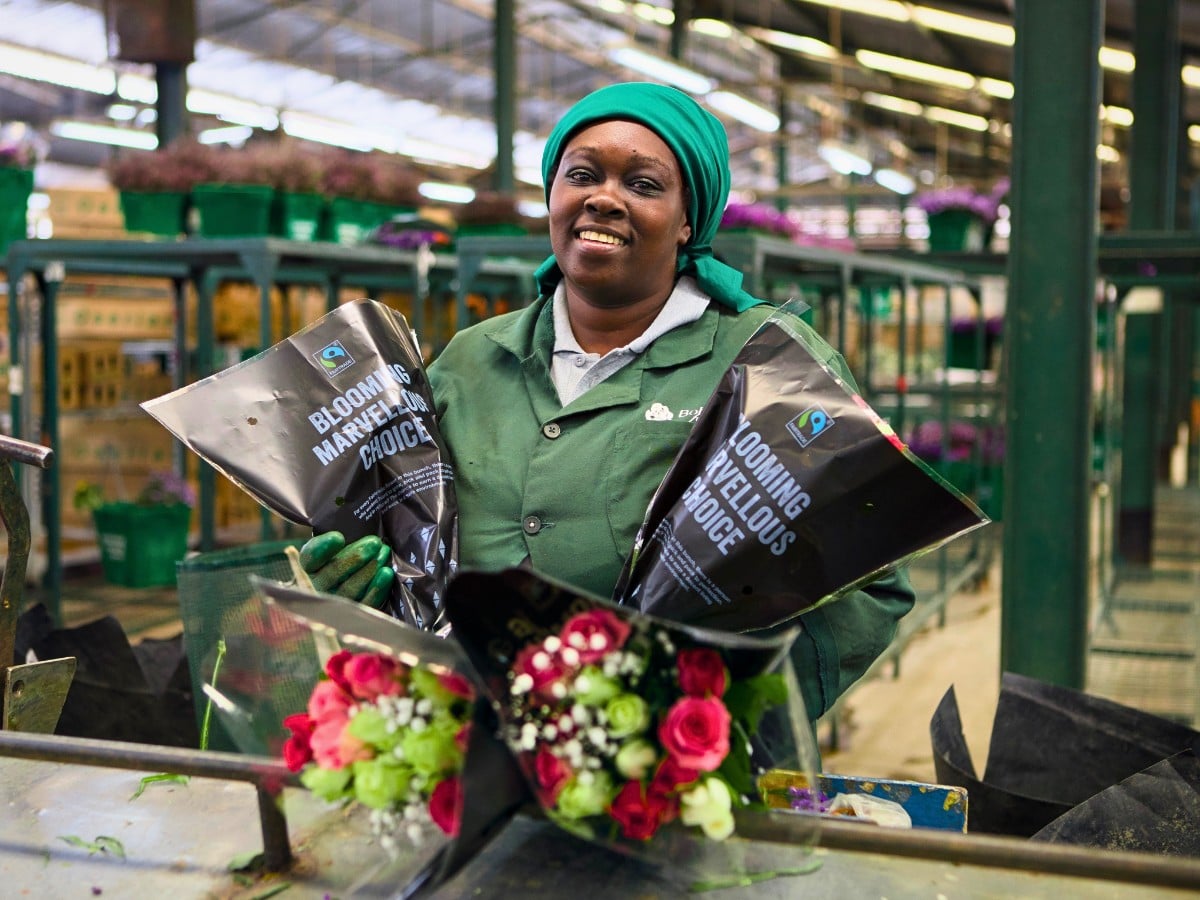
It is a choice that supports wage transparency tools, funds childcare and school fees through the Premiums, and helps push the whole floral industry toward standards that protect the people who make it possible to have the flowers. Looking out for the Fairtrade Mark and supporting the Fairtrade-certified flowers bearing the mark, therefore, means positively contributing to the welfare, dignity, well-being, and fair representation of flower farm employees.
Photos by Fairtrade