Whenever you buy a bunch of roses, a punnet of strawberries, or a potted plant, there is a good chance that a small set of initials, G.A.P., sits somewhere in the supply chain behind that product. They stand for Good Agricultural Practices, and the organization that has made these initials mean so much internationally is GLOBALG.A.P.
In its general sense, GLOBALG.A.P. works in the background while flowers, fruits, and vegetables move around the world every day. It is a mutual language of trust between growers, traders, retailers, and consumers about how food and plants are grown, handled, and brought to market. In floriculture and horticulture, it has become a kind of passport that opens doors to high-value markets and demonstrates a commitment to quality, people, and the environment.
What GLOBALG.A.P. Is
GLOBALG.A.P. (Global Good Agricultural Practice) is an internationally recognized farm assurance standard that defines what "good practice" looks like on farms producing plants, livestock, and aquaculture. It focuses on food safety, worker health and safety, environmental care, animal welfare (where relevant), and supply chain traceability.
It works through certification. Independent, accredited certification bodies audit farms against the standard's control points and, where farms comply, issue a certificate valid for one year. This gives buyers confidence that a farm has structured systems for risk management, hygiene, chemical use, and worker welfare, rather than relying on informal assurances.
From EUREPGAP to a Global Standard
GLOBALG.A.P. began in Europe in the late 1990s under the name EUREPGAP, created by the Euro-Retailer Produce Working Group. Food safety crises and concerns about pesticide residues and animal diseases had shaken consumer trust, particularly in the wake of the BSE crisis in the United Kingdom.
Several major European supermarket chains decided to harmonize their supplier requirements into a single Good Agricultural Practice standard covering food safety, environmental impact, and worker and animal welfare at the farm level.
The first EUREPGAP scheme was developed for fruit and vegetables, trialed around 2000, and achieved ISO 65 accreditation, with the first certificates issued in 2001. As adoption spread even outside of Europe, the name changed to GLOBALG.A.P. in 2007 to speak to its wider reach. Today, nearly 200,000 producers in more than 135 countries use GLOBALG.A.P. solutions, making it one of the most widely used farm assurance programs in the world.
How the Standard Works
The primary product of GLOBALG.A.P. is the Integrated Farm Assurance (IFA) standard, which covers the entire production process from before planting through to basic post-harvest handling. It is modular, with general requirements and scope-specific modules for plants, livestock, and aquaculture, with further crop-specific detail within each.
Requirements are organized as control points grouped into ‘Major Musts,’ ‘Minor Musts,’ and ‘Recommendations,’ each with a defined compliance level needed for certification. Topics covered include food safety management using HACCP principles, traceability, record-keeping, use of fertilizer and plant protection products, water management, biodiversity, waste, and worker health, safety, and welfare.
One of the scheme's more practical principles is the avoidance of duplication. GLOBALG.A.P. operates harmonization activities that reduce the audit burden on producers through add-ons to core solutions and benchmarking activities that recognize other schemes as equivalent. A farmer should not have to undergo five different audits simply to sell in five different markets.
Why It Is Important for Floriculture
For flowers and ornamentals, GLOBALG.A.P. addresses concerns that go way past food safety, to include environmental management and social conditions in flower supply chains. European retailers, auction houses, and increasingly global buyers want assurance that flowers are grown with responsible pesticide use, safe working conditions, and sound water and soil management.
Certification has therefore become a key requirement for export-oriented growers supplying supermarkets and large floral retailers, particularly in Europe. For producers in major exporting regions like East Africa and Latin America, GLOBALG.A.P. helps bridge the gap between local practices and the demands of international buyers. It can support market access, strengthen farm management, improve worker protection, and position farms within wider sustainability efforts such as the Floriculture Sustainability Initiative (FSI).
It is worth noting an important distinction within the GLOBALG.A.P. portfolio. Because food safety is not the primary concern in floriculture, the focus of this certification moves firmly toward sustainability, covering environmental impact and workers' health and safety. This makes the flowers and ornamentals standard something distinct within the larger scheme. The flowers and ornamentals standard was first launched at the Madrid conference in 2003, following the success of the fruit and vegetables standard, and has grown steadily since.
The Scope of the Flowers and Ornamentals Standard
The GLOBALG.A.P. module for flowers and ornamentals sits under the IFA standard for plants. It covers the production of cut flowers, pot plants, bulbs, perennials, trees, turf, and other ornamental crops across a range of production systems, from open-field nurseries through to greenhouses and hydroponic facilities.
Key areas addressed include propagation material quality, soil and substrate management, fertilizer and irrigation practices, integrated plant protection, responsible pesticide handling, harvesting, and post-harvest treatments. The standard also covers water use, environmental protection, hygiene, security, and worker health, safety, and welfare. This extensiveness mirrors the real complexity of flower production, where crop health, aesthetic quality, and occupational safety are closely connected.
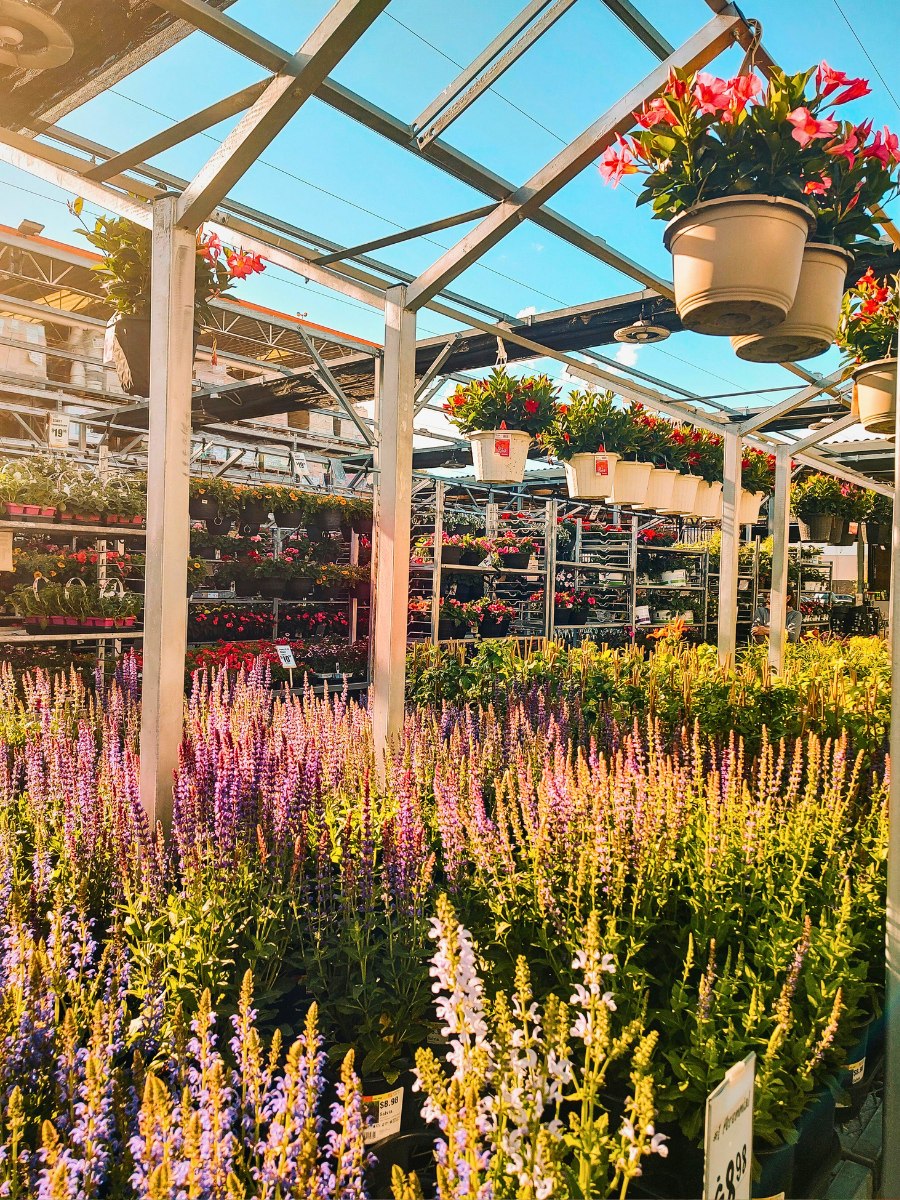
The standard is currently adopted by almost 2,500 producers in 50 countries. The most recent version, IFA Version 6, introduced a continuous improvement plan at the farm level, encouraging producers to set quantifiable targets, implement changes in farming practices, check progress at the annual audit, and revise the plan accordingly. It is a framework built not only for compliance, but also for ongoing improvement.
Certification in Practice
A floriculture business seeking certification selects an approved certification body operating in its country, develops and implements the required procedures and records, and then undergoes an annual audit. Options are flexible, with individual certificates for single farms, multi-site options for larger businesses, and group certification models that allow smallholders to organize under a shared quality management system.
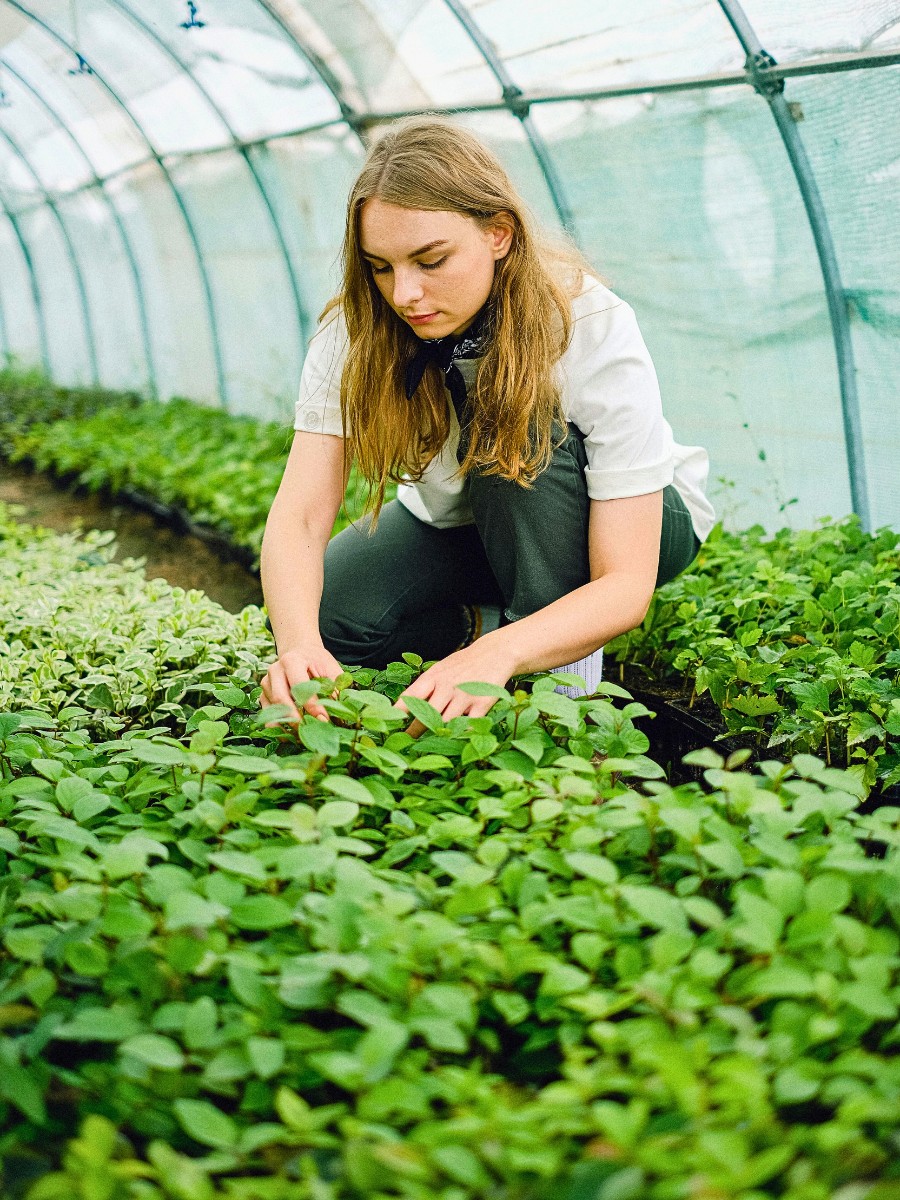
After a successful audit, the farm receives a certificate listing relevant product categories such as flowers and ornamentals or plant propagation material. Farms growing different crops can often be covered in a single combined audit, reducing duplication and supporting integrated management. Internal audits, staff training, and continuous improvement cycles are central to maintaining certification from year to year.
Consumer Visibility and the GGN Label
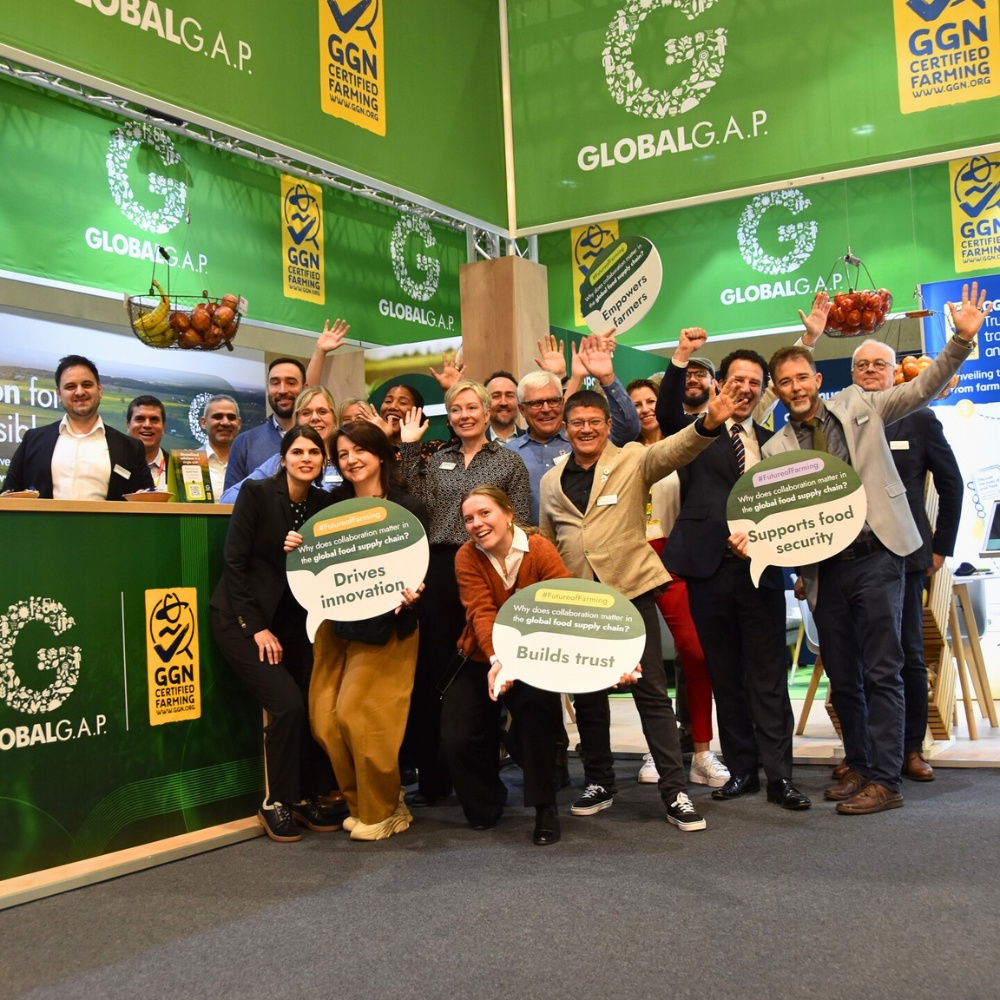
To make certified status visible even beyond business-to-business transactions, GLOBALG.A.P. launched the GGN label, which brings together individual labels for agriculture, aquaculture, and floriculture under a single, unified logo. The label allows consumers to scan or look up a unique GLOBALG.A.P. Number (GGN) on product packaging and see a profile of the certified farm. This links a retail product, whether a bouquet or a pot plant, directly and transparently to its specific certified source.
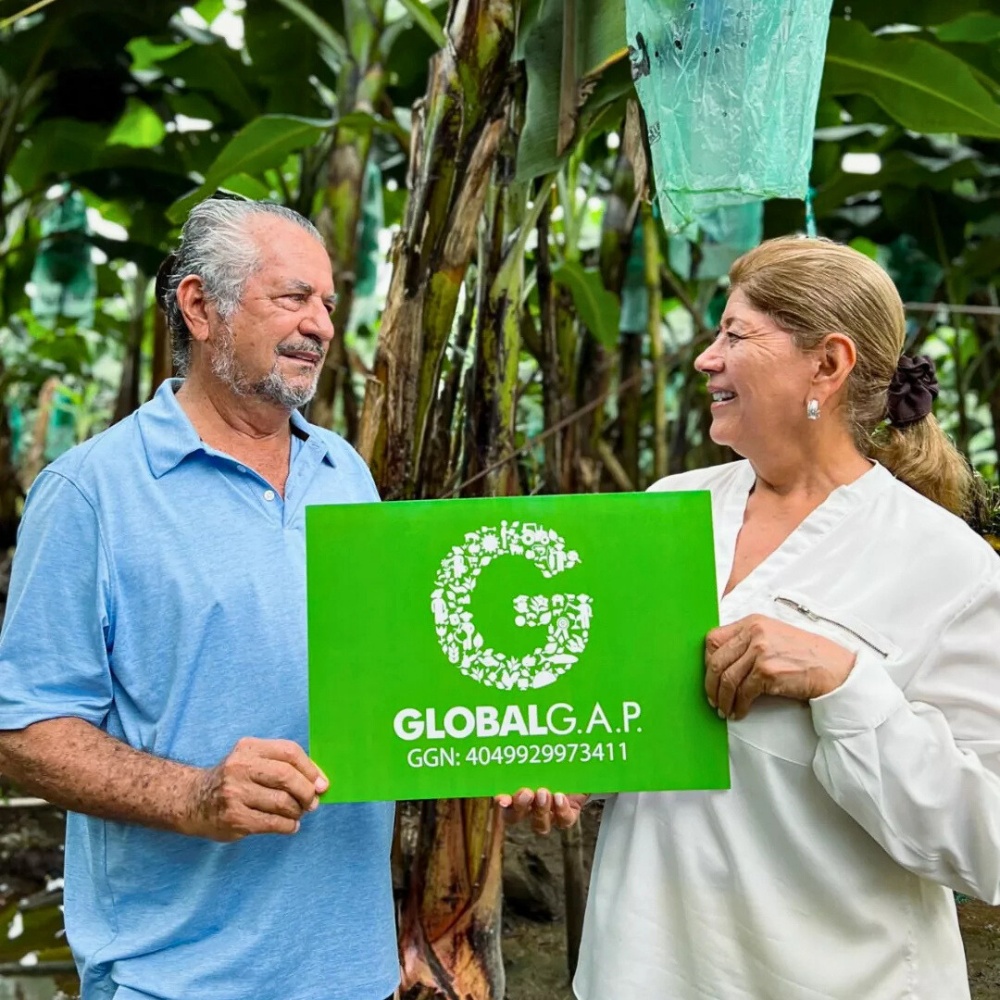
As more retailers embrace sustainability messaging in their floral departments, the GGN label helps translate the technical language of certification into everyday shopper choices. For growers, that visibility strengthens brand reputation and shows the real work done to meet GLOBALG.A.P. requirements.
What GlobalGAP Has Achieved
Throughout its years of steady growth, GLOBALG.A.P. has had its standards' impact stretching far outside of individual farms. It has shaped the way global supply chains contemplate responsibility. GLOBALG.A.P. builds trust between farmers and consumers, promoting transparency and accountability in the agricultural supply chain.
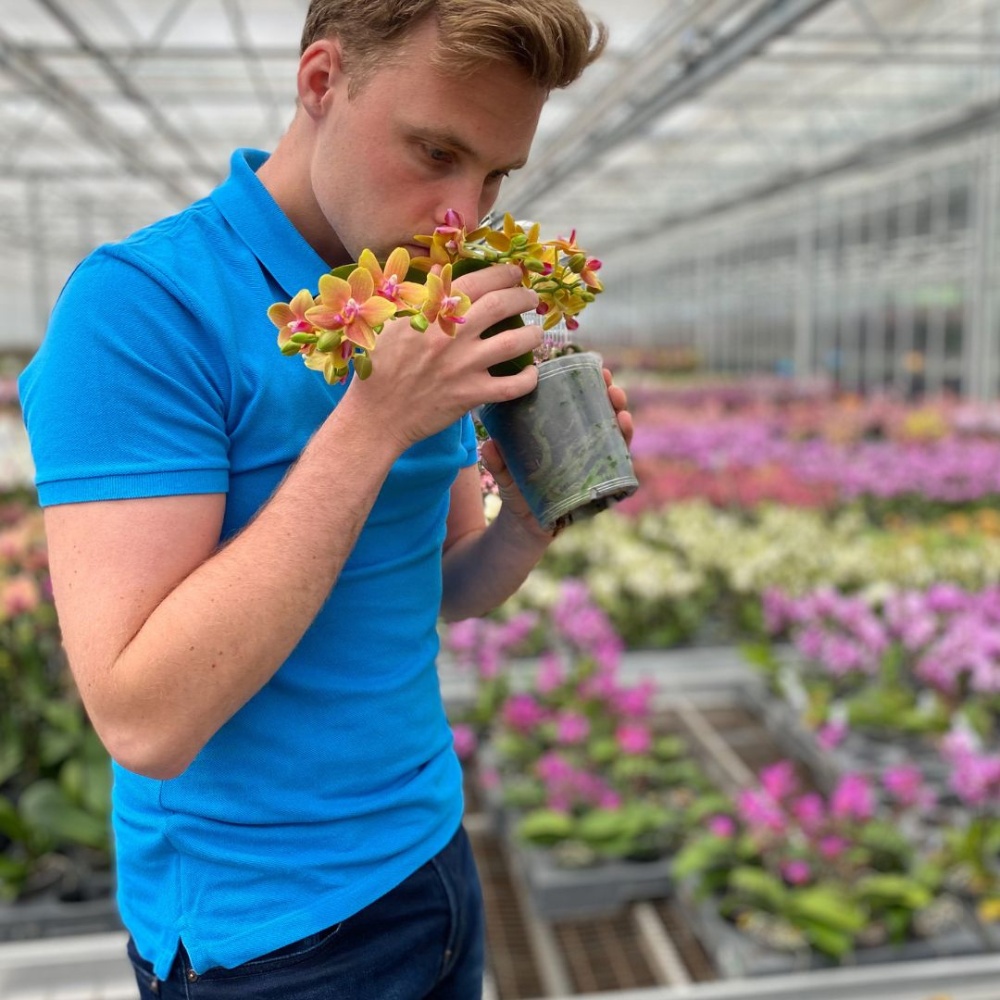
The GGN label (initially launched in 2016, then relaunched in unified form in April 2021) brought together individual labels for agriculture, aquaculture, and floriculture under a single, new-look logo, giving consumers a visible sign of certified, responsible farming directly on store shelves.
The organization’s governance has also matured considerably. In 2019, their Advisory Board was expanded to add members from Latin America and the Asia-Pacific regions, creating a governance structure with global representation. The standard is now precisely shaped by the communities it serves. It further continues developing new add-ons for water management, biodiversity management, biosecurity, and social practice.
Growing and Developing Commitment to Social Responsibility
GLOBALG.A.P. continually updates its standards through multi-stakeholder processes, public consultations, and technical working groups. A recent development of note is a dedicated Social Responsibility standard for flowers and ornamentals, targeting labor and social conditions in flower production in high-risk countries. It is designed to work alongside the IFA standard and aims to benchmark against the Sustainability Supply Chain Initiative and the FSI basket.
By 2025, GLOBALG.A.P. was positioned to offer solutions covering all three key pillars of the FSI Basket of Standards, which are Good Agricultural Practices, environmental management, and social responsibility, a significant step for a sector where consumers are increasingly attentive to working conditions, environmental practices, and the overall impact of the floral products they buy.
GLOBALG.A.P. has shaped (and continues to shape) how global agricultural supply chains think about accountability and transparency. Still, however, the work is never quite finished for them, which is, perhaps, one of the most truthful things about this standard.
Feature image by Anna Shvets. Header image by Gustavo Fring.