A grower in Kenya or Ecuador, a breeder in the Netherlands, and a wholesaler on the auction floor all share the same blind spot. They know their product intimately up to the point it leaves their hands, and after that it enters a chain that nobody upstream ever sees. The stems arrive, the invoice clears, and what happens to the name on the label is somebody else's business.
It is worth making it your business, because a surprising amount of value leaks out at exactly that point, and the evidence is public.
What Is Worth Looking At
Retail and e-commerce listings in the countries you supply are the most direct window into how your product is being sold. Four things show up repeatedly.
- Variety naming, where a distinctive variety is listed under a generic description, so the demand you built never attaches to the name you own
- Substitution, meaning a listing that carries your variety name while the photograph shows something else, which is the single most damaging pattern for a breeder
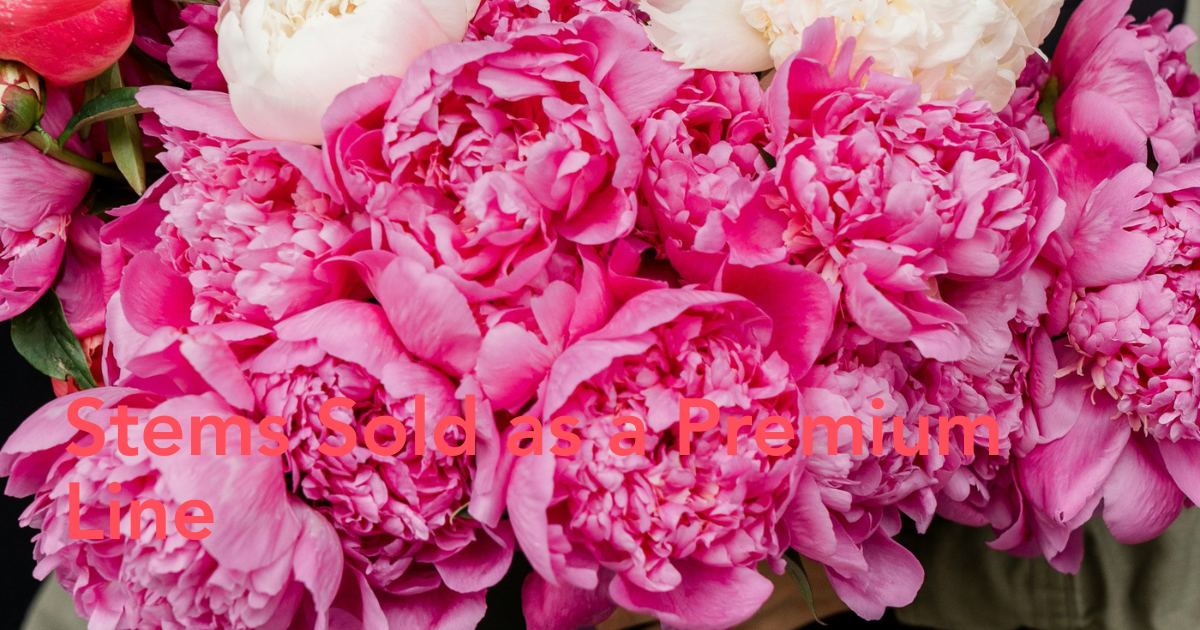
- Price positioning, since the same stems sold as a premium line in one market and a supermarket line in another tell you something about your distributor rather than about the flower
- Seasonality claims, where a retailer advertises year-round availability for something you can only supply in a window, and the customer's disappointment lands on the variety
- Care instructions, which are frequently wrong downstream and produce vase life complaints that come back as quality claims against you

Why You Cannot Simply Look It Up
Open a foreign retailer's site from your own office, and you will often be redirected to the version for your country, or shown a catalogue assembled for where you are sitting. Assortment, prices and even the product photographs are chosen per market, which is sensible commerce and unhelpful when the market you want to inspect is not the one you are in.
Since the decision is made from the address a request carries, businesses that monitor downstream presentation load those pages from the countries concerned. For public product pages at volume, this does not need anything elaborate, which is why datacenter proxies are the usual choice: they are the cheapest and fastest option and a product page is a small amount of data. Check a fixed list of retailers once a week, keep the pages you fetch, and the pattern becomes visible within a month.
Three rules keep this uncontroversial. Read the site's robots file and terms and follow them. Collect only what a shopper can see without logging in. Pace the requests so you are a lighter load than a curious customer, and run them outside the retailer's busiest hours.

What to Do With What You Find
Almost none of this is a fight. A retailer listing your variety under a generic name is usually doing it because nobody sent them anything better, and a photograph and a two-line description solve it. Care instructions are the same story, and correcting them reduces complaints that currently cost you money.
Substitution is the exception and needs evidence rather than an accusation. A dated screenshot of the listing alongside the photograph is a conversation with your distributor. A recollection of having seen something once is not.
The wider point is that breeders and growers spend heavily on developing and naming varieties and then let the name travel unaccompanied. In a trade where the grower is usually invisible at the point of sale, the variety name is the only thing carrying your reputation into the consumer's hands.